Rooting Reflex in Babies and Why It Happens
Welcoming a newborn into your life is an incredible journey filled with wonder, joy, and often, a little bit of mystery. Among the many fascinating things you’ll observe in your tiny human are their innate reflexes – those automatic movements that seem to have a mind of their own. One of the most important, and often heartwarming, of these is the rooting reflex. It’s a key player in their early survival and a beautiful testament to how perfectly designed babies are for their first crucial task: feeding.
As parents, understanding these reflexes not only helps us care for our babies more effectively but also deepens our appreciation for their incredible development. Let’s explore the rooting reflex together, demystifying why it happens and how you can spot it in your little one.

What Exactly is the Rooting Reflex
Imagine your baby is a tiny explorer, always on the lookout for their next meal. The rooting reflex is like their built-in navigation system for finding food. In simple terms, it’s an involuntary movement where your baby turns their head and opens their mouth in search of a nipple when their cheek or mouth area is gently stroked or touched.
Think of it as their natural way of saying, “Something’s here! Is it food?” This reflex is present from birth, designed to help them find and latch onto a breast or bottle for feeding. It’s not a conscious decision; it’s an automatic, primitive response that babies are born with to ensure they can feed and thrive.
You might see their tiny head swing from side to side, mouth wide open, sometimes even making sucking motions. It’s a clear signal that their feeding instincts are alive and well.
Why Do Babies Root
The rooting reflex isn’t just a cute quirk; it’s a fundamental survival mechanism. Its primary purpose is to help newborns locate food, ensuring they get the nourishment they need to grow and develop. Without it, the initial stages of feeding would be far more challenging for both baby and parent.
The Survival Instinct
From an evolutionary perspective, the rooting reflex is a prime example of how babies are hardwired for survival. In the wild, or even in times before modern care, a baby’s ability to find sustenance independently was critical. This reflex ensures that when anything soft touches their cheek – ideally a breast or bottle nipple – they instinctively orient themselves towards it, ready to feed.
It’s a foundational step that works in conjunction with other newborn reflexes, like the sucking reflex, to create a coordinated feeding action. Think of it as part of a complex chain reaction designed to ensure successful feeding right from day one.
Connecting to Feeding Cues
Beyond pure survival, the rooting reflex is also deeply connected to early feeding cues. For parents, recognizing this reflex is a valuable tool in understanding when their baby is hungry. Instead of waiting for crying – a late sign of hunger – observing your baby’s rooting behavior allows you to offer a feed proactively, often leading to a calmer, more successful feeding experience.
This reflex essentially bridges the gap between a baby’s need for food and their ability to communicate that need before they’re upset. It’s a silent conversation between parent and child, guided by nature.

How to Spot the Rooting Reflex in Your Baby
Observing the rooting reflex is one of those sweet, foundational moments for new parents. It’s often subtle but incredibly clear once you know what to look for. Here are the common scenarios where you’ll likely see it:
When Your Baby’s Cheek is Stroked
This is the classic way to elicit the reflex. Gently stroke your baby’s cheek, lips, or the corner of their mouth with a clean finger or a soft cloth. You’ll notice their head turn towards the stimulation, mouth opening wide as if searching for something. Sometimes they’ll even stick out their tongue.
During Hunger Cues
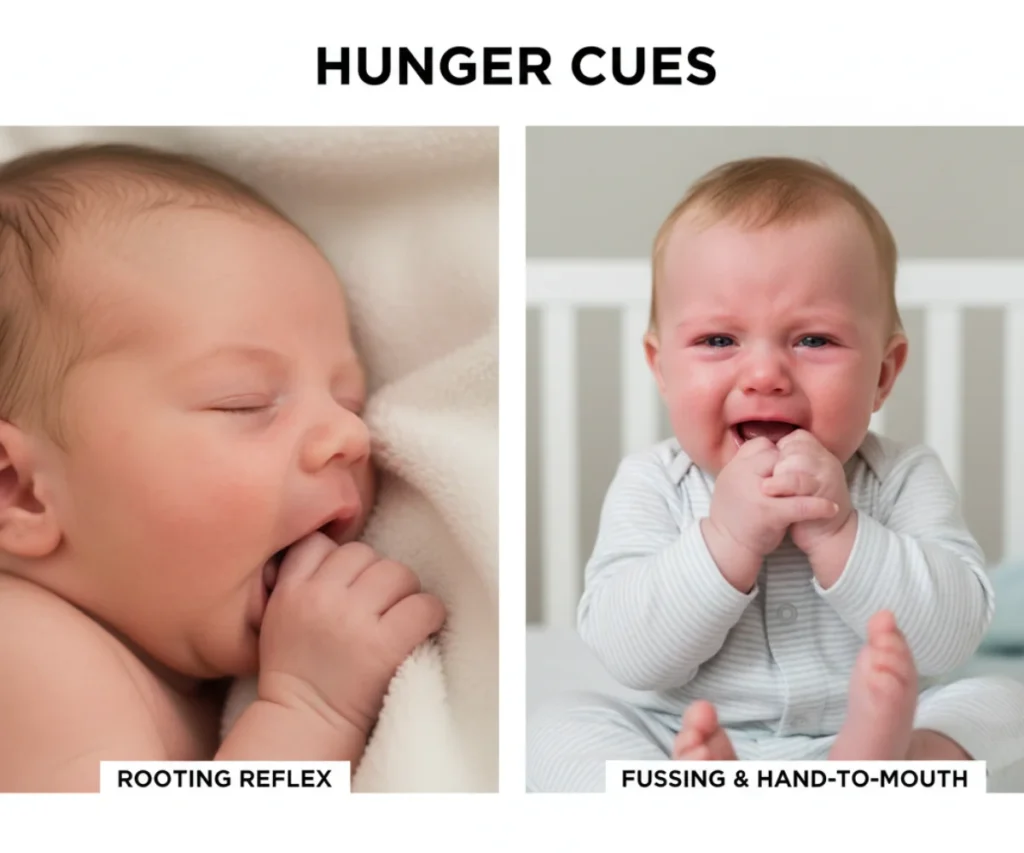
If your baby is hungry, you’ll often see them exhibiting rooting behavior spontaneously. They might root against your shoulder, your chest, or even the air around them. This is often accompanied by other early hunger cues like smacking lips, bringing hands to their mouth, or being more alert and restless.
Accidental Brushing
Sometimes, the reflex can be triggered by accident. A blanket brushing against their cheek, your hand resting near their face, or even their own hand accidentally touching their face can cause them to turn and open their mouth. This highlights just how sensitive and automatic the reflex is.
Don’t be surprised if it happens when you least expect it! It’s a constant reminder of their innate drive to feed.
The Importance of the Rooting Reflex
Beyond its obvious role in helping babies find food, the rooting reflex is significant for several reasons that contribute to a baby’s healthy start in life.
Aids in Latch and Suck
For breastfeeding mothers, the rooting reflex is a true ally. When a baby roots towards the breast, it helps them position themselves correctly, open their mouth wide, and achieve a deep latch. This proper positioning is crucial for effective milk transfer and helps prevent nipple pain for the mother.
Similarly, for bottle-fed babies, the rooting reflex helps them find the bottle nipple more easily and initiate the sucking motion. It sets the stage for efficient and satisfying feeds, regardless of the feeding method.
Indicates Healthy Neurological Function
The presence of the rooting reflex at birth is an important indicator of your baby’s neurological health. Primitive reflexes, including rooting, are typically checked by pediatricians during initial examinations. A strong, symmetrical rooting reflex suggests that your baby’s brain and nervous system are developing as expected.
Its absence, or an asymmetrical response, might prompt further investigation by a healthcare professional, ensuring any potential underlying issues can be addressed early on. So, when your baby roots, it’s not just about hunger; it’s a sign that their tiny system is working beautifully.
How Long Does the Rooting Reflex Last
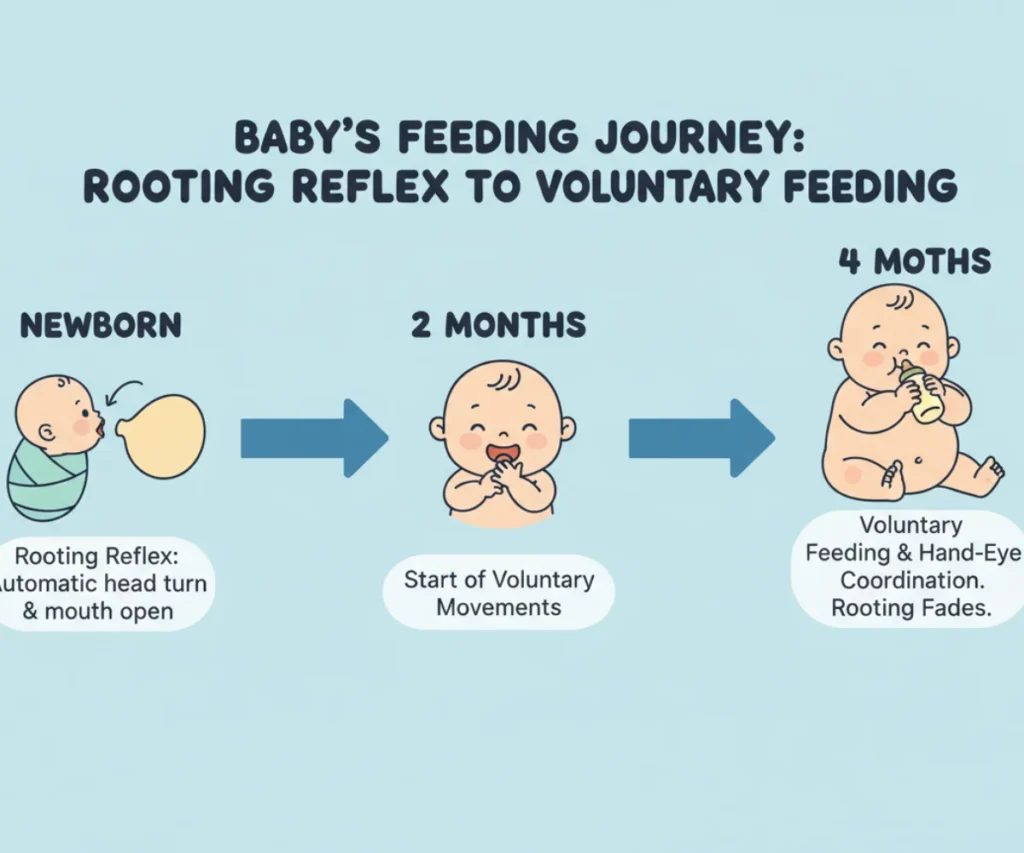
Like many primitive reflexes, the rooting reflex is temporary. It serves a vital purpose in the early months of life but gradually fades as your baby matures and their brain develops more sophisticated control over their movements and feeding behaviors.
Typical Timeline of Integration
The rooting reflex is usually strongest during the first few weeks of life and typically starts to diminish around 3 to 4 months of age. By the time your baby is around 4 months old, their feeding cues become more voluntary, and they can actively search for and latch onto a nipple without relying on the reflex.
This transition signifies a wonderful developmental leap, showing that your baby is gaining more control over their head movements and feeding instincts. They are learning to anticipate feeds and can consciously turn their head towards a known source of food.
What Happens After It Fades
As the rooting reflex integrates, your baby doesn’t lose the ability to find food; rather, they gain more conscious control. Instead of an automatic turning, they will intentionally turn their head when they see the breast or bottle, often reaching for it with their hands. Their hunger cues will also evolve, becoming more varied and deliberate, such as pointing to food, making sounds, or showing excitement at meal times.
It’s a natural progression that demonstrates their cognitive and motor skills are advancing. This integration is a sign of healthy neurological development.

When to Pay Attention to the Rooting Reflex
While the rooting reflex is a normal and expected part of newborn development, there are certain situations where observing it closely, or its absence, might warrant a conversation with your pediatrician.
Absence of the Reflex
If you gently stroke your newborn’s cheek or lips and see no response at all, it’s worth mentioning to your doctor. A complete absence of the rooting reflex can sometimes indicate neurological issues or prematurity, but often it might just be that the baby isn’t hungry, is sleepy, or has a full tummy. Your pediatrician can assess if it’s a cause for concern.
Persistence Beyond Typical Age
If the rooting reflex persists strongly beyond 4 to 6 months of age, it could also be a sign that it hasn’t integrated properly. While not always indicative of a serious problem, persistent primitive reflexes can sometimes be associated with developmental delays or other neurological considerations. Again, your pediatrician is the best resource for evaluation.
Asymmetrical Rooting
If your baby consistently roots only to one side when stimulated on both, or if one side is significantly weaker, this asymmetry could be a signal to discuss with your doctor. It might suggest an injury from birth or a neurological difference that needs assessment.
Consulting Your Pediatrician
Remember, these are guidelines, and every baby is unique. If you have any concerns at all about your baby’s reflexes or development, the best course of action is always to consult with your pediatrician. They can provide reassurance, conduct examinations, and offer personalized advice based on your baby’s individual circumstances.
Rooting Reflex vs. Hunger Cues
It’s easy to confuse the rooting reflex with general hunger cues, especially for new parents. While rooting is often a sign of hunger, it’s a specific type of reflex that fits into a broader spectrum of your baby’s communication about needing to feed.
Early Hunger Cues
These are the subtle signals your baby gives before they become overtly distressed. They might include:
- Increased alertness or activity
- Opening and closing their mouth
- Licking lips or sticking out their tongue
- Bringing hands to their mouth
- Fussing softly
- And, of course, rooting!
Recognizing these early cues, including rooting, allows you to offer a feed before your baby becomes overly upset, which can make feeding much smoother.
Active Hunger Cues
If early cues are missed, babies progress to more active signs:
- Increased fussiness
- Turning head frequently from side to side
- Light crying
- More vigorous rooting
Late Hunger Cues
These are the signals that your baby is very hungry and distressed:
- Loud, sustained crying
- Red face
- Agitation
At this stage, it can be harder for a baby to calm down and latch effectively. Sometimes, you may need to soothe your baby for a few minutes before attempting to feed.
How Rooting Fits In
Think of the rooting reflex as a strong early hunger cue, a direct message from your baby’s body that they are ready to seek out food. While not every root means immediate hunger (sometimes it’s just triggered by touch), it’s a reliable sign to start looking for other cues and consider offering a feed. Learning to differentiate between a casual root and a hungry root comes with practice and observing your own baby’s unique patterns.

Practical Tips for Parents
Understanding the rooting reflex isn’t just for curiosity; it’s a powerful tool to help you navigate the early days of parenting, especially around feeding.
Using the Reflex for Feeding
Whether you’re breastfeeding or bottle-feeding, you can use the rooting reflex to your advantage. When you’re ready to feed, gently stroke your baby’s cheek or lips with your nipple or bottle teat. Your baby should turn towards it, open wide, and be ready to latch. This makes feeding more intuitive and less of a struggle for both of you.
Avoiding False Alarms
Remember that the rooting reflex can be triggered by any touch. If your baby has just fed and is rooting when something brushes their cheek, they may not be hungry again. Observe other cues: are they still sleepy? Do they seem satisfied? Trust your instincts and your baby’s overall behavior rather than just one reflex in isolation.
Observing Your Baby’s Unique Cues
Every baby is an individual, and while reflexes are universal, how they express hunger and other needs can vary. Spend time observing your baby’s specific hunger cues, how vigorously they root, and what other signals they give you. This will help you become finely attuned to their unique language and respond effectively.
Remember, learning your baby’s cues takes time and patience. There’s no handbook for your baby; it’s a journey of discovery for both of you.
Conclusion
The rooting reflex is a truly remarkable aspect of newborn development, a tiny marvel designed for your baby’s survival and growth. From helping them find their first meal to indicating healthy neurological function, it’s a powerful and heartwarming sign that your little one is perfectly equipped for life outside the womb.
As you watch your baby grow and evolve, these early reflexes will gradually fade, replaced by more voluntary actions. Embrace these moments, observe your baby with curiosity and love, and remember that every little turn of their head is a testament to their innate wisdom and your growing bond. You’re doing a wonderful job learning and adapting to your amazing new role as a parent.