As parents, we spend a remarkable amount of time observing, analyzing, and even discussing our baby’s poop. From the frequency to the color and consistency, it’s a constant source of fascination and, often, a gauge of our little one’s health. In this journey of endless questions, it’s natural to wonder about everything, even if something as seemingly unrelated as baby poop could offer clues about their future intelligence. It’s a curious thought, but let’s dive into what science and common sense truly tell us.

Understanding Baby Poop What It Really Tells Us
Baby poop is a fascinating indicator, but its primary role is to reflect digestive health, hydration, and nutrition. It’s a direct window into how your baby’s body is processing food and absorbing nutrients. The appearance of your baby’s stool changes significantly from birth through their first year, adapting as their digestive system matures and their diet evolves.
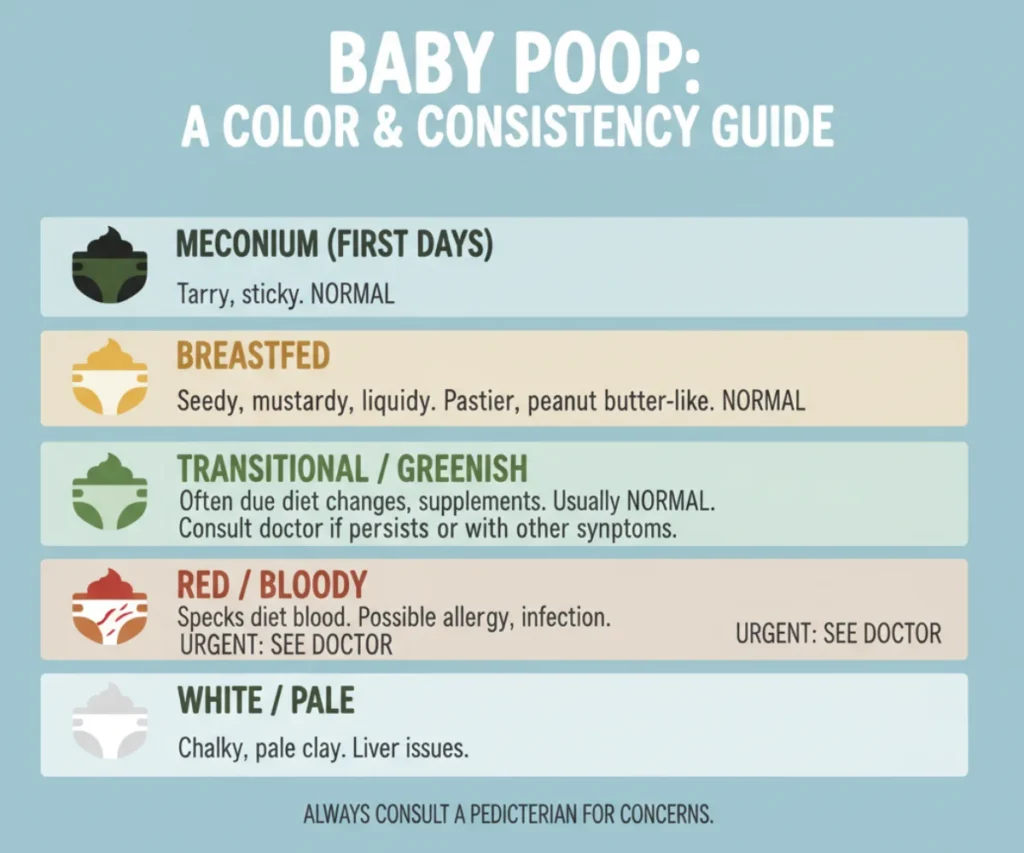
Here’s a quick guide to what different types of baby poop usually mean:
- Meconium: The very first poops, typically dark green or black and tar-like. This is normal and consists of materials ingested in the womb.
- Transitional Stool: After meconium, stools lighten to a greenish-brown, signaling milk digestion has begun.
- Breastfed Baby Poop: Often mustard yellow, seedy, and loose. It usually has a mild, sweet smell. This is perfectly normal and indicates good digestion of breast milk.
- Formula-Fed Baby Poop: Tends to be a bit thicker, pastier, and can range from tan to yellow-brown. It often has a stronger odor than breastfed poop.
- Solid Food Poop: Once solids are introduced, poop becomes more varied in color and consistency, resembling adult stool, often with visible undigested food bits.
Each of these variations tells us about your baby’s immediate physical well-being, but none of them are direct predictors of cognitive abilities.
The Gut-Brain Connection A Modern Scientific View
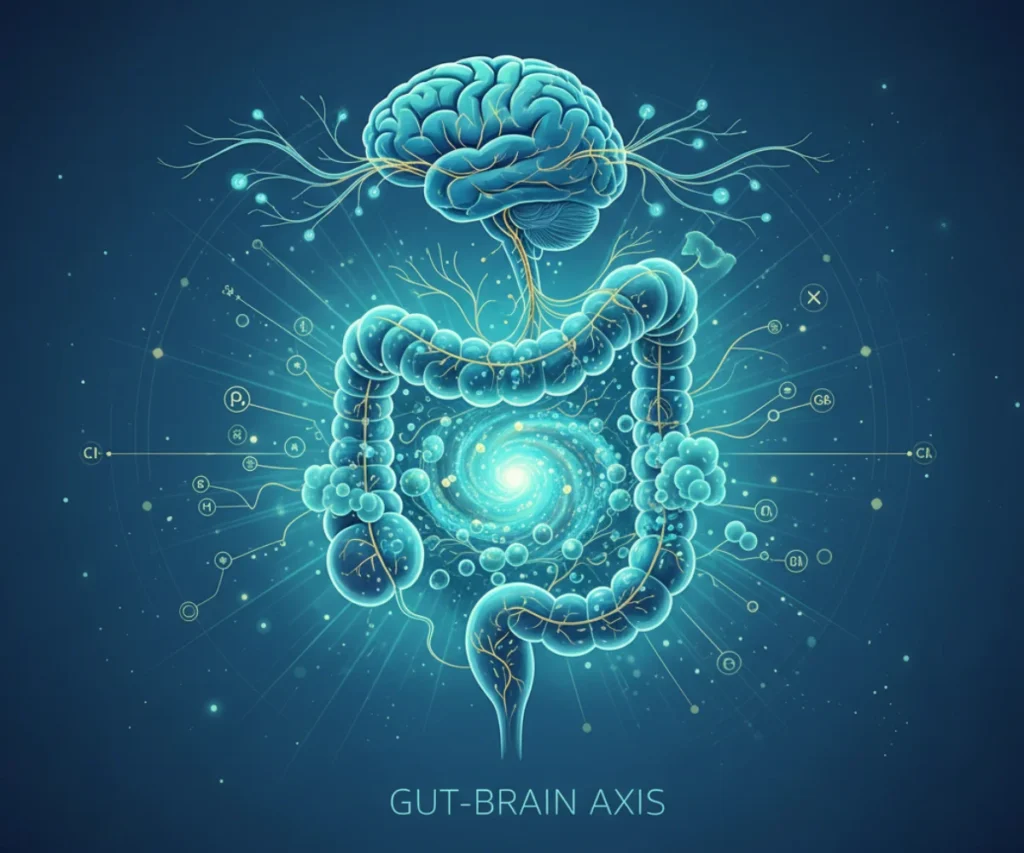
The concept of the gut-brain axis is a rapidly expanding area of scientific research. It describes the complex communication network that links your digestive system with your brain. We know that the gut microbiome (the trillions of bacteria living in our intestines) plays a crucial role in overall health, immunity, and even mood in adults. Some emerging research suggests a potential link between a healthy gut microbiome in infants and neurodevelopmental outcomes.
However, it’s vital to understand that this research is still in its early stages, especially concerning direct predictions of intelligence in babies. While a healthy gut environment is undoubtedly beneficial for overall health, which in turn supports optimal brain development, current science does not support the idea that specific characteristics of baby poop can predict a child’s IQ or future intellectual prowess. It’s an indirect connection at best, part of a much larger holistic picture of health.
What Truly Shapes a Child’s Intelligence The Real Factors
Instead of focusing on baby poop, let’s shift our attention to the well-established factors that genuinely contribute to a child’s cognitive development and potential intelligence. These are areas where parents can truly make a difference.
Genetics The Foundation
Undoubtedly, genetics play a significant role. Children inherit genes from their parents that influence various traits, including aspects of cognitive ability. However, genetics lay a foundation; they don’t dictate the entire structure. Environmental factors interact profoundly with genetic predispositions.
Nutrition The Building Blocks of the Brain
Proper nutrition, especially during pregnancy and the first few years of life, is paramount. The brain develops rapidly during this period, requiring specific nutrients. Breast milk is often considered the ideal food, providing essential fatty acids (like DHA), proteins, and other compounds vital for brain growth. For formula-fed babies, iron-fortified formulas are designed to meet these needs. A balanced diet rich in fruits, vegetables, healthy fats, and proteins once solids are introduced continues to fuel cognitive development.
Early Stimulation and Environment Rich Experiences
This is where parents shine! A stimulating environment is crucial for brain development. It’s not about expensive toys or flashcards, but rather consistent, loving interaction:
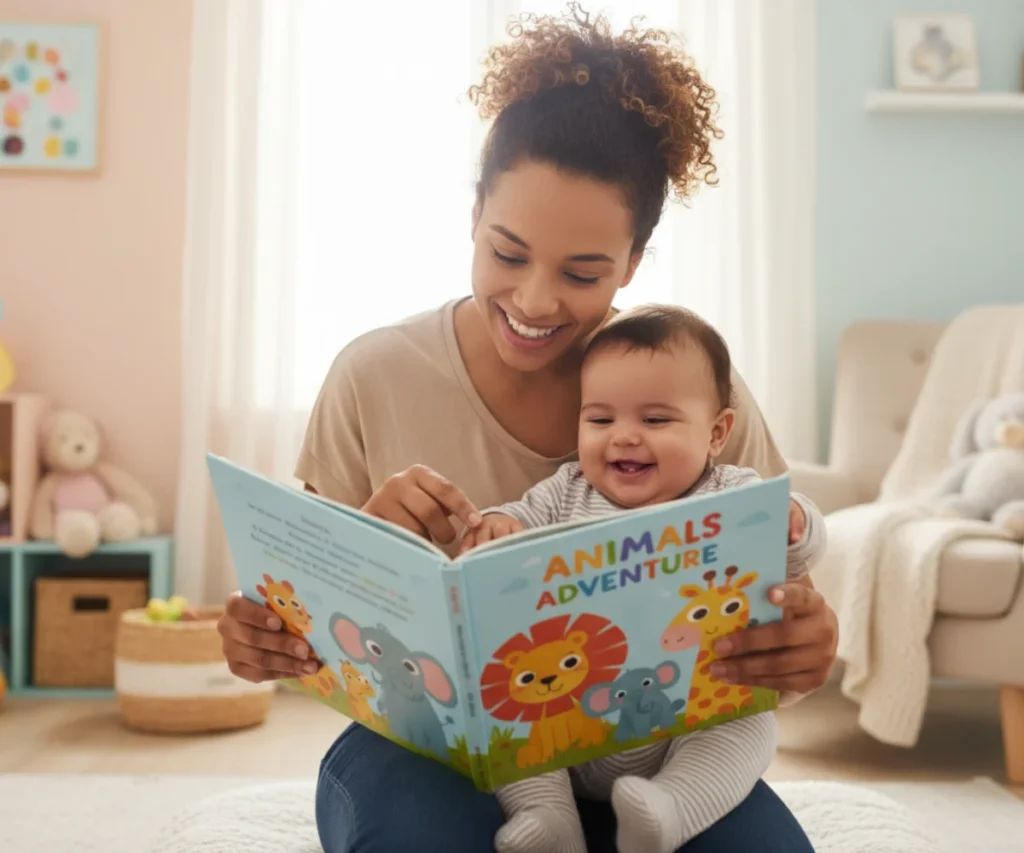
- Talking and Reading: Even to newborns, talking, singing, and reading aloud expose them to language and build neural connections.
- Play: Unstructured play allows children to explore, problem-solve, and develop creativity. Simple activities like peek-a-boo, stacking blocks, or rolling a ball are incredibly beneficial.
- Responsive Caregiving: Responding to your baby’s cues, whether it’s a cry for comfort or a coo of delight, builds secure attachment and a sense of safety, which are foundational for emotional and cognitive growth.
- Sensory Exploration: Allowing babies to safely touch different textures, listen to various sounds, and see new sights helps them understand the world around them.
- Exposure to Nature: Time outdoors provides rich sensory input and opportunities for exploration.
Parental Involvement and Attachment The Emotional Blueprint
A secure attachment to primary caregivers provides a safe base from which a child can explore the world. When children feel loved, secure, and supported, they are more confident to learn and take risks, which is essential for cognitive development. Consistent, warm, and responsive parenting fosters this crucial bond.
Sleep The Brain’s Recharge Time
Adequate sleep is vital for brain development and function. During sleep, the brain processes information, consolidates memories, and removes waste products. Ensuring your baby gets enough restful sleep supports their cognitive health.
Debunking Myths About Baby Poop and Intelligence
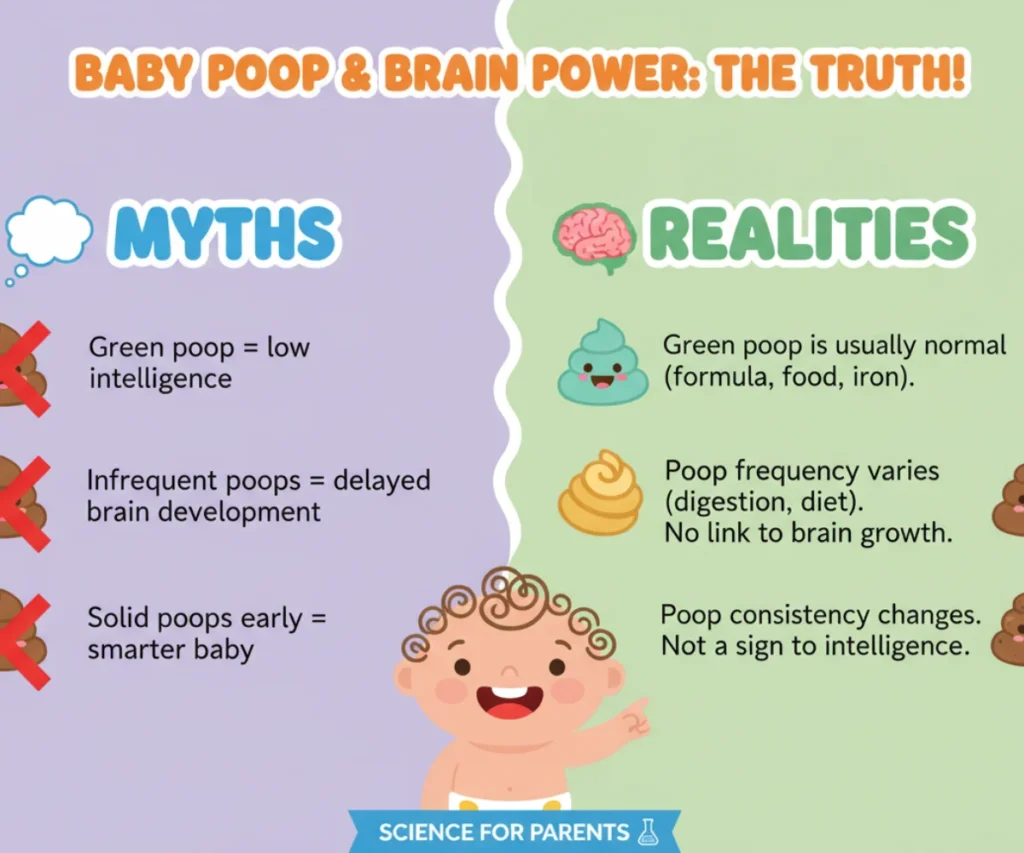
Let’s be clear: there is no scientific evidence to suggest that the color, consistency, frequency, or smell of your baby’s poop can predict their intelligence. These are common myths that can cause unnecessary worry for parents.
Some specific myths might include:
- Myth: Green poop means a genius in the making.
- Reality: Green poop can indicate various things, from diet changes (like iron supplements) to a mild stomach bug, but it has no bearing on intelligence.
- Myth: Frequent poops mean a fast metabolism and thus a fast brain.
- Reality: Poop frequency varies widely among healthy babies. It reflects digestion speed, not brain speed.
- Myth: Hard, pellet-like poop indicates a tough, resilient mind.
- Reality: Hard stools usually indicate constipation or dehydration and need attention from a health perspective, not an intelligence one.
Focusing on these myths distracts from the actual, evidence-based ways to support your child’s development.
When to Pay Attention to Baby Poop (For Health, Not IQ)
While poop doesn’t predict intelligence, it’s still an important health monitor. Here are signs to look out for that warrant a call to your pediatrician:
- Black, tarry stools (after the meconium phase): Could indicate bleeding higher up in the digestive tract.
- Red or bloody streaks: May signal an allergic reaction, anal fissure, or other issues.
- White or chalky stools: Can indicate a liver problem and requires immediate medical attention.
- Persistent watery diarrhea: Risk of dehydration.
- Hard, pellet-like stools with straining: Signs of constipation.
- Sudden, significant change in frequency or consistency: Especially if accompanied by fever, vomiting, or fussiness.
Your pediatrician is the best resource for interpreting these signs and ensuring your baby’s health.

Nurturing Your Child’s Cognitive Development Practical Steps
Instead of worrying about poop, channel your energy into these impactful ways to nurture your child’s developing mind:
- Engage in ‘Serve and Return’ Interactions: When your baby coos, babble back. When they point, acknowledge what they’re seeing. These back-and-forth exchanges build brain architecture.
- Create a Language-Rich Environment: Talk about everything you’re doing, narrate your day, read books, sing songs, and use a wide range of vocabulary.
- Encourage Exploration and Play: Provide safe spaces and opportunities for your baby to explore objects, textures, and sounds. Simple household items can be wonderful toys.
- Prioritize Nutrition: Ensure your baby is getting optimal nutrition, whether through breast milk, formula, or a balanced introduction to solids.
- Ensure Adequate Sleep: Establish a consistent bedtime routine to help your baby get the restful sleep crucial for brain development.
- Foster Emotional Security: Respond to your baby’s needs with warmth and consistency. A secure attachment allows children to thrive emotionally and intellectually.
- Limit Screen Time: Especially for infants and toddlers, direct human interaction and hands-on play are far more beneficial for brain development than screens.
Remember, every baby develops at their own pace. What matters most is providing a loving, supportive, and stimulating environment tailored to their individual needs.
Conclusion A Focus on Holistic Well-being
While the human mind loves to connect dots and search for hidden meanings, the idea that baby poop can predict intelligence is a myth. Baby poop is a valuable tool for monitoring digestive health and nutritional intake, offering important clues about your child’s physical well-being. However, your baby’s intelligence and cognitive potential are shaped by a complex interplay of genetics, nutrition, early experiences, and most importantly, the loving, responsive care you provide.
Instead of scrutinizing every diaper for signs of genius, embrace the joy of parenting. Focus on creating a nurturing environment, engaging in meaningful interactions, and providing good nutrition. These are the true cornerstones of healthy development and the most powerful predictors of a bright future for your child. Trust your instincts, consult your pediatrician for health concerns, and revel in the incredible journey of watching your little one grow and discover the world.