Easy Baby Learning Activities Using Everyday Household Items
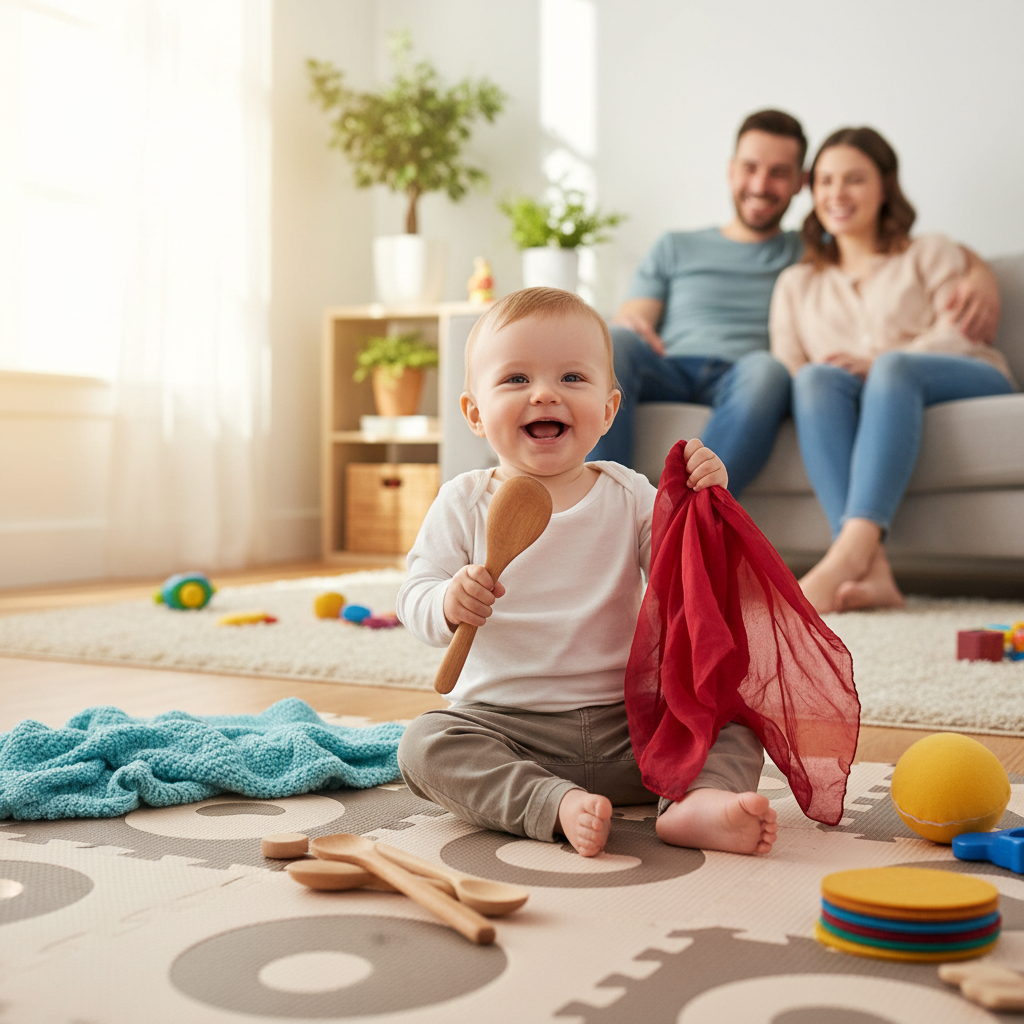
As a parent, you want the best for your baby’s development, but sometimes the sheer volume of baby gear and specialized toys can feel overwhelming. What if we told you that some of the most powerful learning tools for your little one are already in your home, right under your nose? You don’t need expensive gadgets or elaborate setups to foster curiosity, motor skills, and cognitive growth.
This guide is designed for busy parents seeking practical, budget-friendly ways to engage their babies. We’ll explore how everyday household items can be transformed into exciting learning opportunities, turning mundane objects into magical tools for discovery. Get ready to unlock your baby’s potential with items you already own!
Why Everyday Items are Perfect for Baby Learning
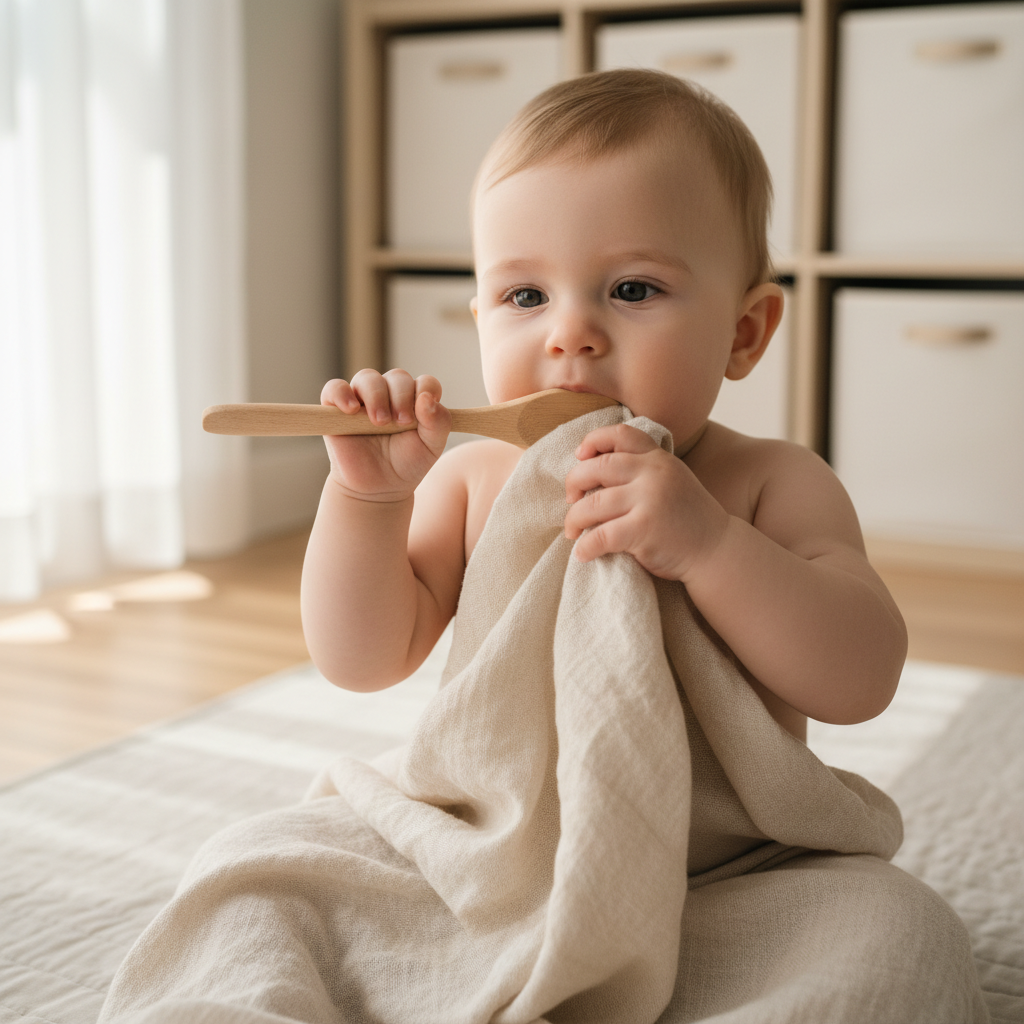
Babies are natural explorers. Their world is brand new, and every texture, sound, and shape offers a chance to learn. Everyday household items provide a rich, multi-sensory environment that is often more engaging than traditional toys. Here’s why they’re so effective:
- Familiarity and Safety Our homes are safe spaces, and playing with familiar objects helps babies feel secure as they explore.
- Sensory Richness Think about it—a crinkly piece of aluminum foil, a smooth wooden spoon, a soft fabric scrap. These offer a diverse range of sensory input.
- Cost-Effective You already own them! No need to buy specialized, expensive toys that might only hold attention for a short time.
- Encourages Creativity Both for you and your baby. You’ll find new ways to interact, and your baby will discover unique properties of objects.
- Promotes Real-World Understanding Babies learn about the objects they’ll encounter daily, building a foundation for understanding their environment.
Sensory Exploration with Kitchen Treasures
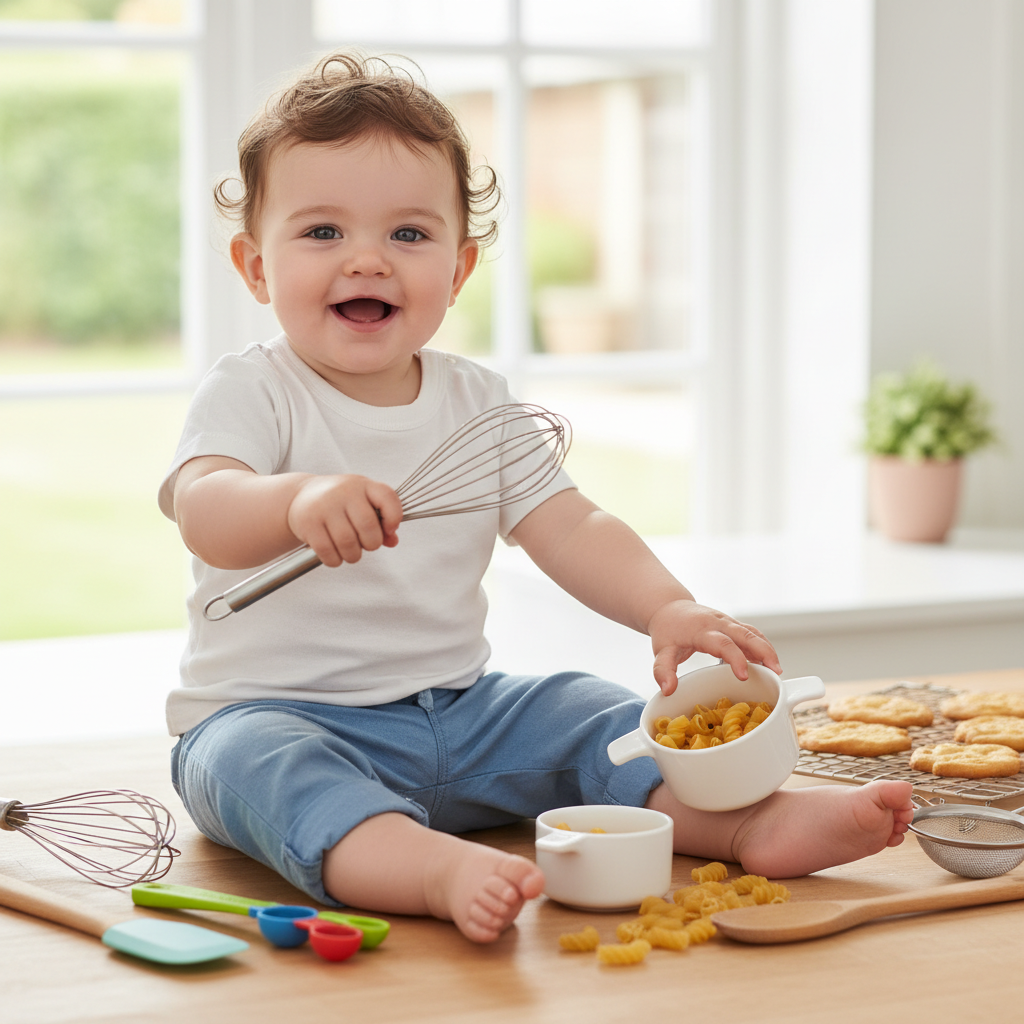
The kitchen is a goldmine for sensory play! Always supervise closely and ensure items are clean and safe for baby’s mouth.
Texture and Sound Discoveries
Offer a variety of textures and listen to the sounds they make.
- Wooden Spoons and Silicone Spatulas Let baby bang them together or on a pot. They’re great for teething too!
- Crinkly Foil Balls Crumple a piece of aluminum foil into a large, soft ball. The sound and texture are fascinating.
- Plastic Containers and Lids Stack them, knock them over, or hide small, safe objects inside for a peek-a-boo game.
- Soft Fabric Swatches Old dish towels, clean socks, or fabric scraps offer different feels—smooth, rough, soft.
Taste-Safe Sensory Bins
Create a simple “sensory bin” using a shallow container and taste-safe items.
- Cooked Pasta or Cereal Offer large cooked pasta shapes or O-shaped cereal for baby to pick up, squish, and taste.
- Ice Cubes In a sturdy bowl, let baby touch melting ice cubes. Supervise carefully to prevent choking hazards.
- Water Play A shallow tray of water with a few plastic cups or spoons can provide endless fun.
Developing Fine Motor Skills with Laundry Basket Fun
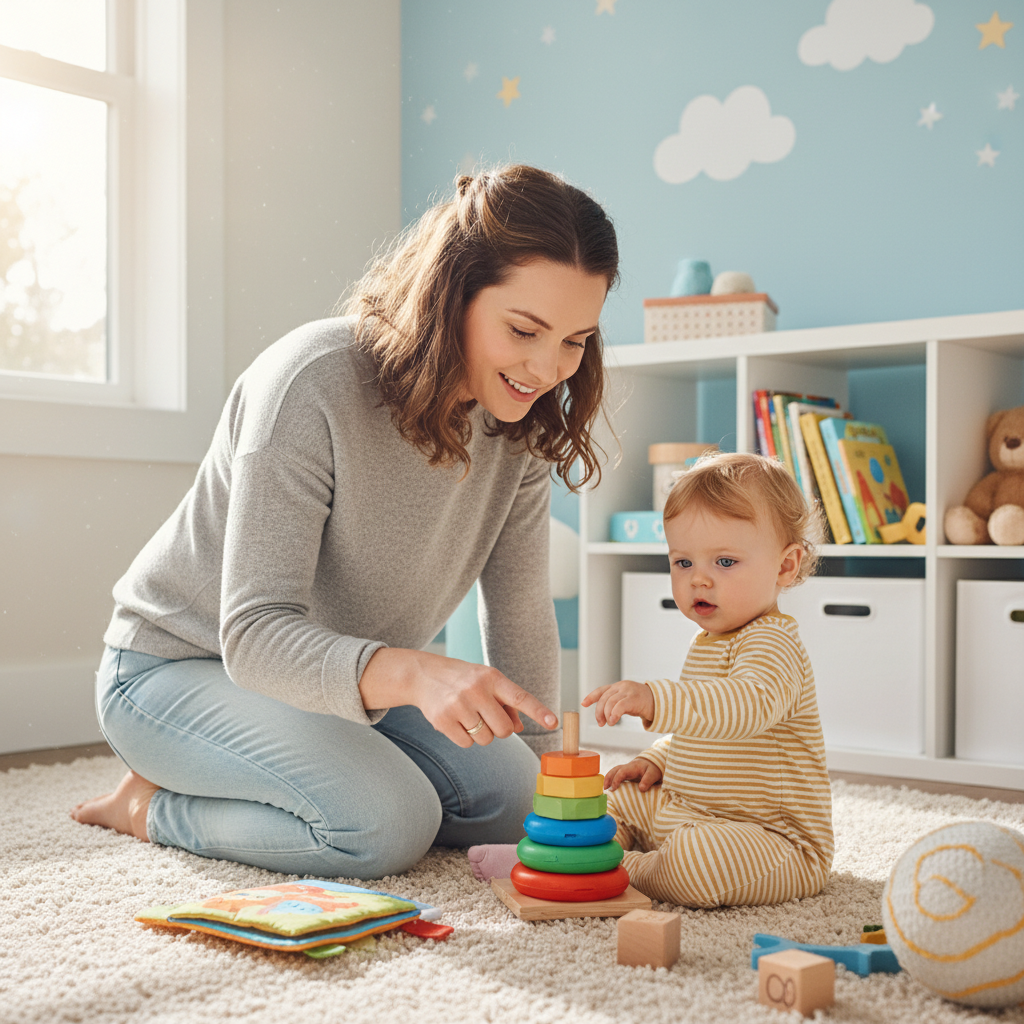
Fine motor skills involve the small muscles in the hands and fingers, crucial for grasping, pointing, and eventually writing. The laundry room, or even just a laundry basket, offers fantastic opportunities.
The Laundry Basket Challenge
A clean laundry basket can be a versatile play prop.
- Object Drop Cut a few holes in the lid of a plastic container or use the holes in a laundry basket. Show baby how to drop soft blocks, large pom-poms, or clean, rolled-up socks through the holes. This helps with hand-eye coordination and precision.
- Fabric Pull Fill a basket with different textured fabrics (scarves, dish towels, old t-shirts). Let baby pull them out, one by one. This encourages grasping and releasing.
Pincer Grasp Practice
Encourage the pincer grasp (using thumb and forefinger) with these simple activities.
- Cereal O’s or Puffs Place a few O-shaped cereals on a high chair tray for baby to pick up.
- Pipe Cleaners (Supervised) Bend pipe cleaners into large, safe shapes. Baby can practice grasping and manipulating them. Ensure they are too big to be a choking hazard.
- Ribbon Pull Securely tie colorful ribbons to a sturdy object, letting baby pull them.
Boosting Gross Motor Skills with Living Room Adventures
Gross motor skills involve the larger muscles and are essential for crawling, walking, and balancing. Your living room can become an obstacle course for tiny explorers.
Crawl and Cruise Courses
Set up simple, safe challenges to encourage movement.
- Pillow Mountain Arrange pillows or couch cushions on the floor for baby to crawl over and around. This builds strength and coordination.
- Tunnel Fun Use a large cardboard box (tape down any sharp edges) or a pop-up play tunnel. Encourage baby to crawl through, perhaps with a favorite toy at the other end.
- Furniture Cruising If your baby is pulling up, place safe, sturdy objects slightly out of reach along a couch or low table to encourage cruising.
Ball Roll and Chase
Simple ball play helps with tracking, reaching, and eventually throwing.
- Soft Ball Roll Sit on the floor and gently roll a soft, lightweight ball back and forth with your baby.
- Balloon Batting (Supervised) Lightly inflate a balloon and gently bat it around. Babies love watching it float and trying to reach it. Always supervise closely to prevent choking if it deflates.
Language Development Through Play
Every interaction is a language lesson. By narrating your actions and responding to your baby’s sounds, you’re building their vocabulary and communication skills.
Narrate and Describe
Turn everyday activities into language-rich experiences.
- “Tour” of Household Items Pick up a wooden spoon and say, “This is a spoon! It’s brown and smooth. Spoon!” Let baby touch it.
- Action Words As you play, use action words. “You’re pulling the fabric! Pull, pull!” or “Bang, bang! You’re making noise!”
- Sing Songs and Rhymes Incorporate simple songs and rhymes using objects you’re playing with. “The wheels on the bus go round and round” while rolling a toy car.
Respond and Repeat
Encourage vocalization by responding to your baby’s babbling and repeating words.
- Echo Sounds If your baby says “ba-ba,” you can respond with “Yes, ba-ba! Ball!”
- Read Everyday “Books” Use magazine pages or sturdy board books (even old ones with ripped pages can be fun) to point out pictures and name objects.
Simple Arts and Crafts for Little Ones
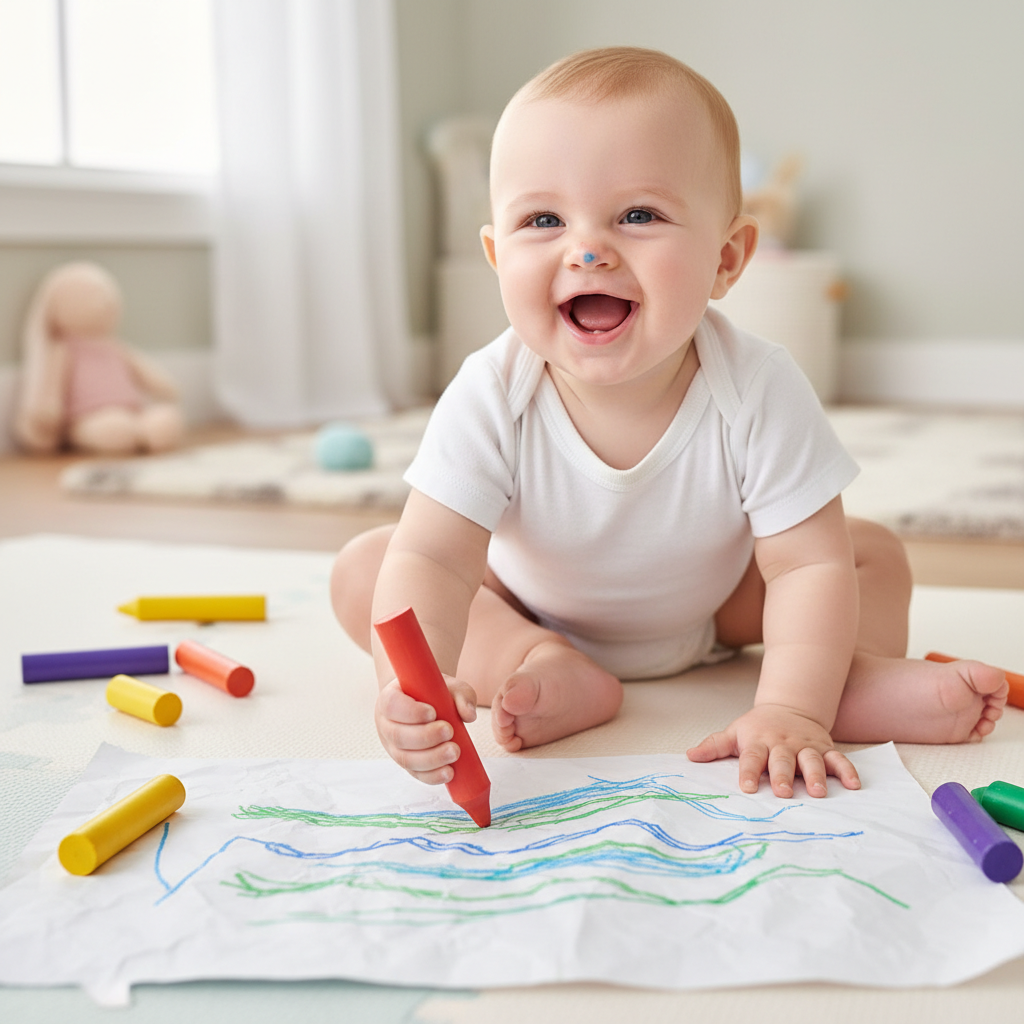
Even the youngest babies can enjoy creative expression with a little adaptation and a lot of supervision. These activities focus on sensory input and cause-and-effect.
Edible Finger Paint
Create safe, taste-friendly “paints” for sensory exploration.
- Yogurt Paint Mix a few drops of food coloring into plain yogurt for a safe, edible finger paint. Spread it on a high chair tray or a large piece of paper.
- Pureed Fruit/Veggie Paint Similar to yogurt, pureed fruits or vegetables can make colorful, edible paints.
Crayon and Paper Exploration
Introduce crayons and paper in a safe way.
- Large Crayons Offer chunky, non-toxic crayons and a large piece of paper taped to a table or floor. Let baby experiment with making marks.
- Bagged Painting Put a blob of paint (store-bought non-toxic or edible) on paper, then seal it in a Ziploc bag. Baby can squish and spread the paint without making a mess.
Safety First When Playing with Household Items
While household items offer fantastic learning opportunities, safety must always be your top priority. Here are crucial guidelines:
- Constant Supervision Never leave your baby unattended, even for a moment, during playtime with household items.
- Choking Hazards This is paramount. If an item can fit through a toilet paper roll, it’s a choking hazard for babies under three. Avoid small items like coins, marbles, small toy parts, bottle caps, or uninflated balloons.
- Sharp Edges and Points Inspect all items for any sharp edges, splinters, or points. Discard anything that could cut or scratch.
- Toxic Substances Ensure items are free from any toxic residues, chemicals, or small parts that could contain lead or other harmful substances. Stick to clean, food-grade, or baby-safe materials.
- Heavy Objects Avoid anything heavy that could fall on your baby or be difficult for them to manipulate safely.
- Cleanliness Always ensure items are clean before your baby plays with them, especially if they are likely to go into their mouth.
- Durability Choose items that won’t easily break into smaller, dangerous pieces.
When in doubt, err on the side of caution. Your baby’s safety is non-negotiable.
Embracing everyday household items for baby learning isn’t just about saving money or finding new activities; it’s about fostering connection, encouraging natural curiosity, and simplifying the parenting journey. Your home is already a rich learning environment, filled with textures, sounds, and opportunities for discovery. By thoughtfully selecting and presenting these items, you’re giving your baby the gift of exploration and growth.
Remember, the most important element in any learning activity is your presence and engagement. Talk, sing, laugh, and simply be present with your little one as they explore their world. Observe what sparks their interest, adapt activities to their developmental stage, and most importantly, enjoy these precious moments of discovery together. Happy playing!