Welcome to the beautiful, often overwhelming, world of new parenthood! Among the endless cuddles, countless feedings, and sleepless nights, learning to care for your baby’s delicate hygiene can feel like another mountain to climb. But fear not, dear parent. Baby grooming isn’t just about cleanliness; it’s a precious opportunity for bonding, gentle touch, and learning your little one’s unique cues. This guide is here to walk you through the essentials, transforming potential worries into moments of tender connection. Let’s embark on this journey together, equipping you with the confidence to keep your baby clean, comfortable, and cherished.
Bathing Your Newborn A Gentle Introduction to Cleanliness

Bathing a newborn can seem daunting, but with a gentle approach, it quickly becomes a sweet ritual. Remember, newborns don’t get very dirty, so less is often more.
The First Bath When and How
Many hospitals now recommend delaying the first full bath until after your baby’s umbilical cord stump has fallen off and the area is fully healed. Until then, gentle sponge baths are perfect. For a sponge bath, gather your supplies: a basin of warm water, a soft washcloth, a mild baby cleanser (optional), a clean towel, and fresh clothes. Lay your baby on a soft, flat surface. Keep them wrapped in a towel, exposing only the body part you’re washing. Gently wipe with the damp washcloth, paying attention to creases like the neck, armpits, and groin. Pat dry immediately.
Bathing Frequency and Routine
Once the umbilical cord has healed, you can transition to a full bath. For newborns and young infants, 2-3 baths a week are usually sufficient. More frequent bathing can dry out their delicate skin. The key is to make it a calm, consistent routine. Choose a time when your baby is alert but not overly hungry or tired. The bathroom should be warm. Fill a baby tub with about 2-3 inches of warm water (test with your elbow or a thermometer – around 98-100°F or 37°C). Gently lower your baby into the tub, supporting their head and neck. Use a mild, tear-free baby wash and a soft washcloth. Work quickly but gently. Talk or sing to your baby throughout to make it a positive experience.
Post-Bath Care
As soon as you lift your baby out of the tub, wrap them immediately in a warm, soft towel. Pat their skin dry gently, paying special attention to folds and creases where moisture can get trapped. If your baby has dry skin, a fragrance-free baby lotion or cream can be applied after drying. Dress them in warm, comfortable clothes. This post-bath routine can also be a wonderful time for a gentle baby massage, which further strengthens your bond.
Nappy Changing Demystified Keeping Baby Comfortable and Dry

Diaper changes are a constant in a new parent’s life, happening up to 10-12 times a day initially. Mastering this essential task keeps your baby comfortable, prevents rashes, and is a prime opportunity for interaction.
Nappy Changing Essentials
Before you begin, always have everything within arm’s reach. This includes: clean diapers (cloth or disposable), baby wipes (fragrance-free and hypoallergenic are best), diaper rash cream or ointment, a changing pad (with a cover for easy cleaning), and a distraction toy if your baby is squirmy. Never leave your baby unattended on a changing table, even for a second.
Step-by-Step Nappy Change
Lay your baby on the changing pad. Unfasten the soiled diaper but don’t remove it completely yet. For a poopy diaper, use the front part of the diaper to gently wipe down from front to back, tucking the soiled part underneath your baby. Use baby wipes to clean thoroughly, always wiping front to back, especially for girls, to prevent urinary tract infections. For boys, ensure you clean around the scrotum and penis. Lift your baby’s bottom by holding their ankles. Apply a thin layer of diaper rash cream if needed. Slide the clean diaper underneath, ensuring the sticky tabs are at the back. Fasten the tabs snugly but not too tightly – you should be able to fit two fingers underneath. Dispose of the soiled diaper properly.
Recognizing and Preventing Nappy Rash
Diaper rash is common but can be uncomfortable for your baby. It appears as redness, irritation, or small bumps in the diaper area. Prevention is key: change diapers frequently, clean thoroughly, and ensure the area is dry before putting on a new diaper. Using a barrier cream (like zinc oxide or petroleum jelly) at every change can also help. If a rash develops, continue frequent changes, allow some diaper-free time for air exposure, and apply a thicker layer of cream. Consult your pediatrician if the rash worsens, doesn’t improve after a few days, or develops blisters or open sores.
Nail Care Clipping Tiny Fingernails and Toenails Safely

Baby’s nails grow surprisingly fast and can be razor-sharp, leading to accidental scratches on their delicate skin. Trimming them requires patience and the right tools.
Tools for Baby Nail Care
You have a few options: baby nail clippers (small with a safety guard), baby nail scissors (blunt-tipped), or a soft emery board (nail file). Many parents find a fine-grain emery board safest for newborns, as it minimizes the risk of nicks. As your baby gets a little older, clippers or scissors might become easier.
The Right Technique
The best time to trim your baby’s nails is when they are asleep or very calm, perhaps after a feeding. For fingernails, gently press the finger pad down and away from the nail to avoid snipping the skin. Clip straight across, following the natural curve of the nail. For toenails, clip straight across to prevent ingrown toenails. If you do accidentally nick their skin, don’t panic. Apply gentle pressure with a clean cloth, but avoid bandages as they can be a choking hazard. A little blood is usually more upsetting for the parent than the baby.
Addressing Ingrown Toenails
Ingrown toenails in babies are less common but can occur if nails are cut too short or rounded too much. If you notice redness, swelling, or tenderness around your baby’s toenail, try soaking their foot in warm water and gently massaging the skin away from the nail. If it persists or worsens, consult your pediatrician.
Hair Care Gentle Brushing and Washing for Delicate Strands
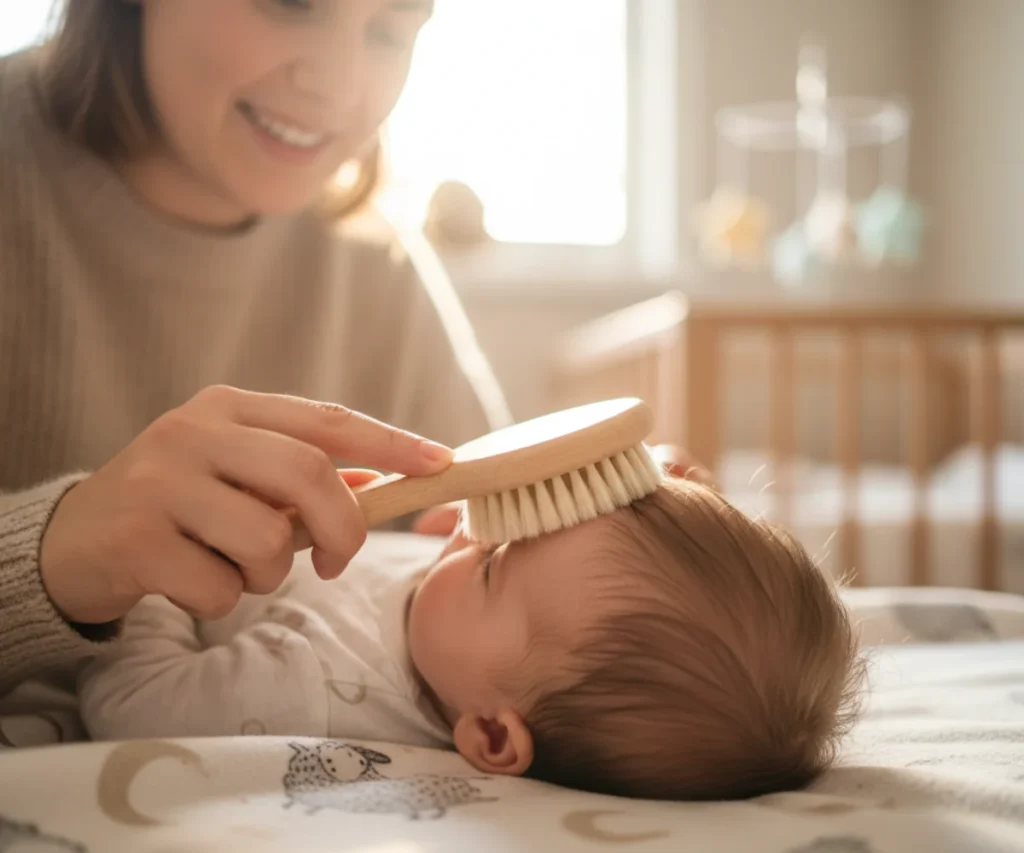
From fine wisps to a full head of hair, caring for your baby’s locks is part of their grooming routine, and also an opportunity to monitor for conditions like cradle cap.
Washing Baby’s Hair
During bath time, a tiny amount of mild, tear-free baby shampoo is all that’s needed, usually only once or twice a week, or less if your baby has very little hair. Gently massage the shampoo into their scalp, being careful around the fontanelles (soft spots). Rinse thoroughly with warm water, using a washcloth or cupped hand to prevent water from running into their eyes.
Brushing and Styling
Even if your baby has little hair, regular brushing with a soft-bristled baby brush can stimulate the scalp and help distribute natural oils. It also feels good for them! For babies with more hair, brushing can help detangle and keep their hair neat. Avoid tight headbands or hair ties that could pull their delicate hair or irritate their scalp.
Managing Cradle Cap
Cradle cap (seborrheic dermatitis) is a common, harmless condition that appears as greasy, scaly patches on a baby’s scalp. It’s not caused by poor hygiene. To help manage it, gently massage a small amount of baby oil or petroleum jelly onto the affected area a few hours before bath time. This helps soften the scales. During the bath, gently brush the scales away with a soft-bristled brush or fine-toothed comb while washing their hair. If it’s persistent or seems inflamed, your pediatrician might recommend a specific medicated shampoo.
Ear and Eye Care Delicate Cleaning for Sensory Organs

Your baby’s ears and eyes are incredibly delicate and require minimal, gentle care. Over-cleaning can do more harm than good.
Cleaning Baby’s Ears
Only clean the outer ear, never insert anything into your baby’s ear canal, including cotton swabs. The ear is self-cleaning and pushing anything inside can damage the eardrum or push earwax further in. During bath time, simply wipe the outer ear and behind the ear with a soft, damp washcloth. Dry thoroughly.
Eye Cleaning Techniques
For routine cleaning, if you notice any discharge or crusting around your baby’s eyes, use a clean, damp cotton ball or a sterile baby eye wipe. Always wipe from the inner corner of the eye (near the nose) outwards. Use a fresh cotton ball for each eye to prevent spreading any potential infection. If your baby’s eyes are persistently watery, red, or have thick discharge, consult your pediatrician, as it could be a blocked tear duct or an infection.
Recognizing Potential Issues
While routine cleaning is simple, be vigilant for signs of infection or irritation. Redness, excessive discharge, swelling, or any signs of discomfort around the ears or eyes warrant a call to your pediatrician. For example, a baby rubbing their ear constantly could indicate an ear infection, though sometimes it’s just a sign of tiredness.
Oral Hygiene Starting Early for Healthy Smiles
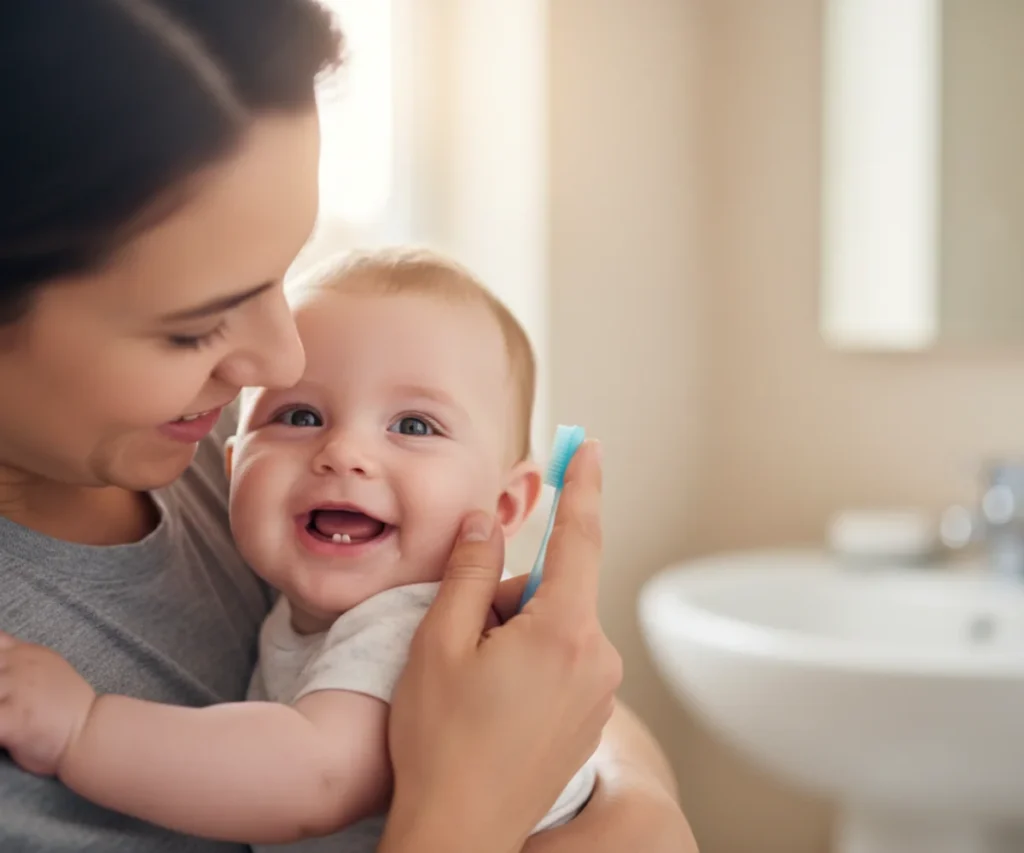
Even before those first pearly whites make an appearance, establishing good oral hygiene habits is crucial for your baby’s future dental health.
Gum Care Before Teeth Emerge
From birth, gently wipe your baby’s gums at least once a day, preferably after the last feeding, with a soft, damp cloth wrapped around your finger or a special soft gum massager/finger brush. This removes milk residue, stimulates the gums, and gets your baby accustomed to oral care routines.
First Teeth Care
Once the first tooth erupts (usually between 6-12 months), it’s time to introduce a tiny, soft-bristled baby toothbrush and a smear (the size of a grain of rice) of fluoride-free baby toothpaste. Brush gently twice a day. As more teeth come in, you can gradually increase the amount of toothpaste to a pea-sized amount (around age 3, or as advised by your dentist). Remember, babies and toddlers cannot effectively spit out toothpaste, so fluoride-free options are important initially to prevent accidental ingestion of too much fluoride.
Establishing a Routine
Making oral hygiene a consistent part of your daily routine helps your child develop good habits early on. Lead by example, and make it a fun, playful activity rather than a chore. The American Academy of Pediatric Dentistry recommends scheduling your baby’s first dental visit by their first birthday or within six months of the first tooth appearing.
Skincare Protecting Baby’s Sensitive Barrier
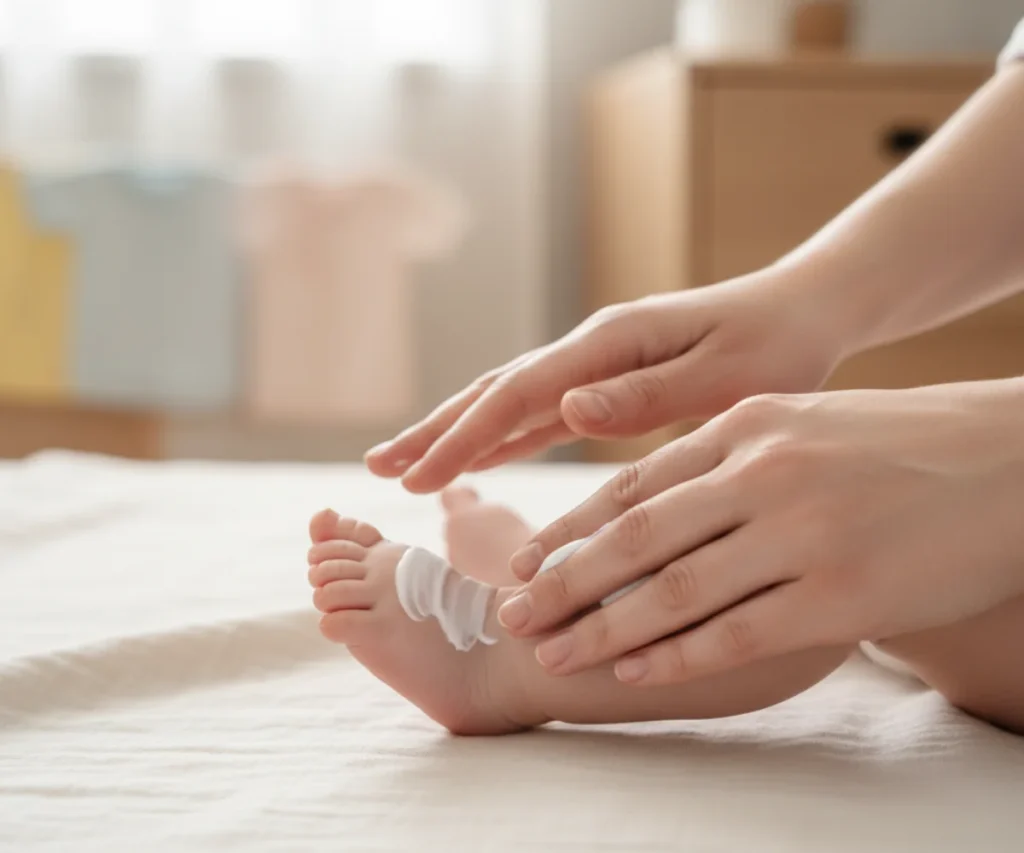
A baby’s skin is incredibly delicate and permeable, making it more susceptible to dryness and irritation. Choosing the right products and a gentle approach are key to maintaining its health.
Choosing Baby-Friendly Products
Opt for products specifically designed for babies: fragrance-free, dye-free, hypoallergenic, and pH-neutral. These are less likely to irritate your baby’s sensitive skin. Avoid products containing strong chemicals, phthalates, or parabens. When trying a new product, test a small amount on a patch of skin (like behind the ear) first to check for any reaction.
Moisturizing and Massage
After baths, or if your baby has dry skin, apply a gentle, fragrance-free baby lotion or cream. This helps lock in moisture and prevent dryness. Gentle baby massage can also be incorporated into this routine. It’s not just great for skin hydration; it’s also a beautiful way to bond, promote relaxation, and even aid digestion for your baby. Use baby-safe oil or lotion and perform soft, circular strokes on their limbs, tummy, and back.
Sun Protection for Little Ones
Babies under six months should be kept out of direct sunlight as much as possible. Their skin is too sensitive for sunscreen. Instead, rely on shade (umbrellas, canopies), protective clothing (long sleeves, hats), and avoiding peak sun hours (10 am to 4 pm). For babies over six months, a small amount of broad-spectrum, mineral-based baby sunscreen (containing zinc oxide or titanium dioxide) can be applied to small exposed areas if shade and clothing are insufficient. Always consult your pediatrician for specific recommendations.
Dressing Your Baby Practicality and Comfort

Dressing your baby might seem simple, but understanding layering and fabric choices is essential for their comfort and safety.
Layering for Temperature Regulation
Babies aren’t as good at regulating their body temperature as adults, so layering is crucial. A general rule of thumb is to dress your baby in one more layer than you are comfortably wearing. You can check your baby’s temperature by feeling their chest or back of the neck – they should feel warm, not hot or sweaty, and their hands and feet might feel cooler, which is normal. Overheating is a concern, so avoid dressing them in too many layers, especially during sleep. Blankets should be lightweight and firmly tucked, or opt for sleep sacks for safe sleep.
Choosing Safe and Comfortable Clothing
Prioritize soft, breathable fabrics like cotton, especially for items worn next to the skin. Look for clothing that’s easy to put on and take off, with snaps or zippers that make diaper changes simpler. Avoid clothing with dangling ties, loose buttons, or other small embellishments that could be choking hazards. Ensure clothes fit well – not too tight to restrict movement or circulation, and not so loose that they bunch up uncomfortably or pose a suffocation risk (especially sleepwear).
Laundry Tips for Baby Clothes
Wash all new baby clothes before your baby wears them to remove any manufacturing residues. Use a mild, fragrance-free, dye-free detergent specifically designed for sensitive skin, or one you know doesn’t irritate your baby. Harsh detergents can cause skin irritation or rashes. Separate baby clothes from heavily soiled adult laundry. A double rinse cycle can help ensure all detergent residue is removed, especially if your baby has very sensitive skin.
Conclusion
As new parents, you’re navigating a world of firsts, and baby grooming is just one facet of the incredible journey. It’s a daily dance of love, care, and discovery. Remember, perfection isn’t the goal; gentle care and connection are. Each bath, diaper change, and nail trim is an opportunity to bond, to learn your baby’s reactions, and to reassure them with your loving touch. Trust your instincts, embrace the learning curve, and know that every gentle act of grooming contributes to your baby’s comfort, health, and your growing, unbreakable bond. You’re doing an amazing job!