Bringing a new baby into the world is an incredible journey filled with love, learning, and a whole lot of questions. One of the most common dilemmas new parents face is how to keep their little one close while still navigating daily life. That’s where a baby carrier comes in – it’s often a true lifesaver for hands-free snuggles and getting things done.
But with so many types of carriers out there, how do you choose the right one? It can feel overwhelming! The truth is, there isn’t one ‘best’ carrier for everyone. The perfect choice for you and your baby depends entirely on your unique lifestyle, needs, and preferences. Let’s explore the wonderful world of baby carriers and find the perfect fit for your family.
Why Babywearing is Wonderful (Beyond Just Carrying)
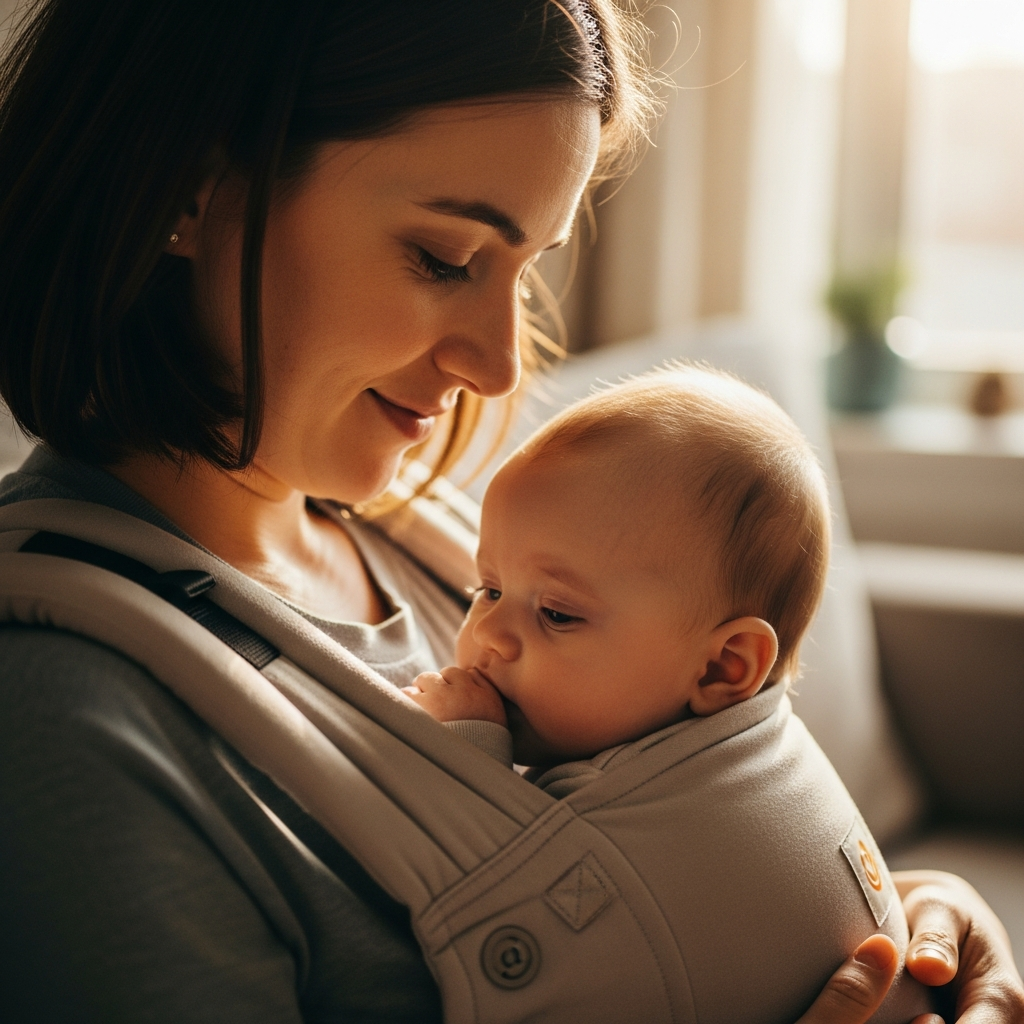
Babywearing is so much more than just a convenient way to transport your child. It offers a wealth of benefits for both you and your little one, making it a cherished practice for many families.
Benefits for Your Baby
- Stronger bond and attachment: Being close to you helps regulate their heart rate, breathing, and temperature, fostering a deep sense of security.
- Reduced crying: Carried babies often cry less. The rhythmic movement and closeness mimic the womb experience, providing comfort.
- Aids in development: The upright position and gentle movement can help develop head and neck control, and provide a wider view of the world around them, stimulating their senses.
- Assists digestion: The gentle pressure on their tummy can help relieve gas and reflux symptoms.
- Better sleep: Many babies find the warmth and motion of being carried incredibly soothing, leading to longer, more peaceful naps.
Benefits for You, the Parent
- Hands-free convenience: This is often the biggest draw! You can do chores, run errands, play with older siblings, or even work with your baby safely snuggled against you.
- Increased mobility: Navigate crowded places, public transport, or uneven terrain (like hiking trails) much easier than with a stroller.
- Confidence and connection: Feeling your baby close helps you tune into their cues, building your parenting confidence.
- Breastfeeding on the go: Many carriers allow for discreet nursing, giving you flexibility.
- Reduces post-partum depression risk: The constant closeness and positive physical contact can be incredibly beneficial for mental well-being.
Understanding the Main Types of Baby Carriers
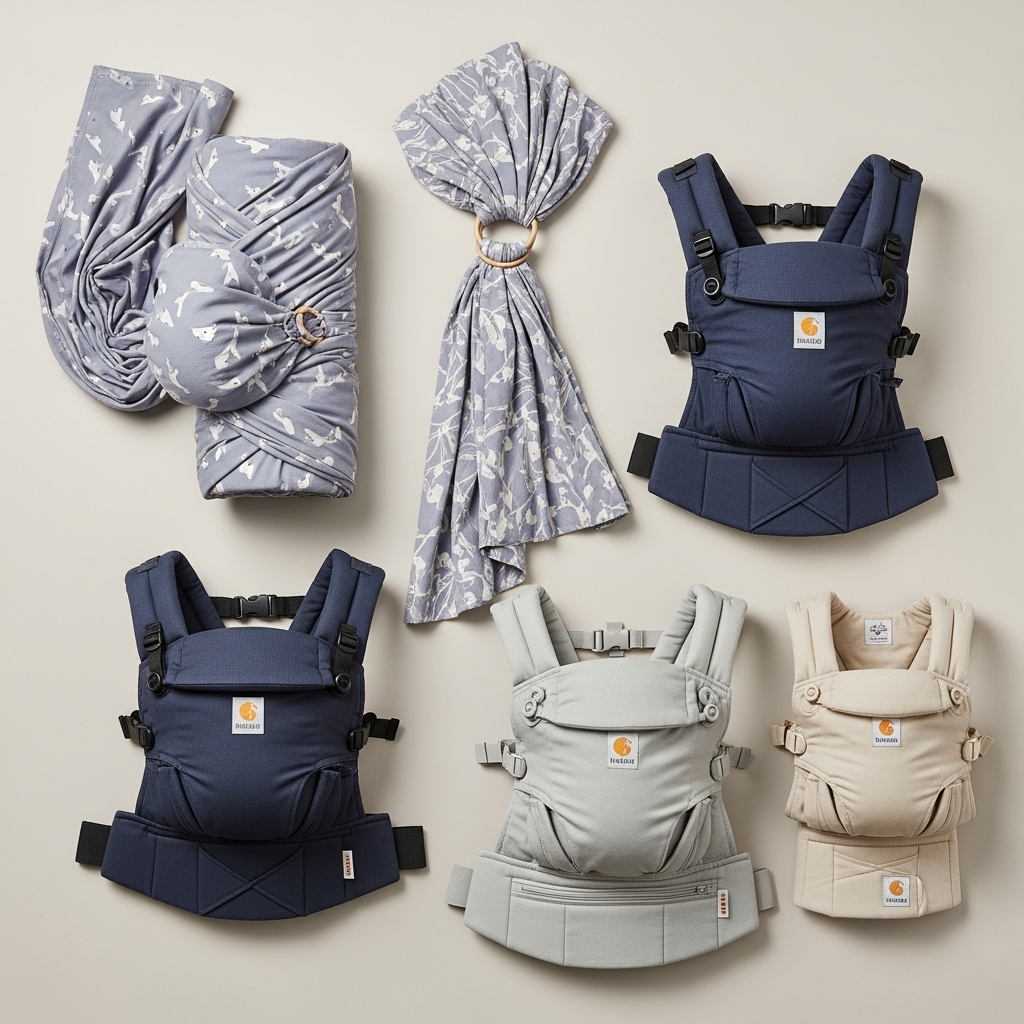
Let’s break down the most popular types of carriers you’ll encounter. Each has its own strengths and a particular feel.
Wraps (Stretchy and Woven)
Wraps are essentially long pieces of fabric that you tie around yourself and your baby. They offer incredible versatility and closeness.
Stretchy Wraps: These are usually made from a soft, knit fabric (like cotton jersey or a blend). They are wonderfully soft and mold perfectly to your newborn, creating a womb-like experience.
- Pros: Super cozy for newborns, excellent for skin-to-skin, relatively inexpensive, distributes weight evenly.
- Cons: Can feel warm, only suitable for front carries, not ideal once baby gets heavier (usually around 15-20 lbs) as they lose support.
- Ideal Lifestyle: New parents, homebodies, those prioritizing ultimate newborn closeness, parents recovering from C-sections (can be less pressure on the belly).
Woven Wraps: Made from non-stretchy, woven fabric (cotton, linen, hemp, wool, silk blends). They come in various lengths and can be tied in countless ways for front, hip, and back carries, suitable from newborn to toddlerhood.
- Pros: Extremely versatile, excellent weight distribution, can be used from birth to preschool, stylish designs available.
- Cons: Steep learning curve for tying, can be bulky, takes practice to master different carries.
- Ideal Lifestyle: Experienced babywearers, parents seeking long-term use, those wanting customizability and style, parents who enjoy learning new skills.
Ring Slings
A ring sling is a long piece of fabric with two rings sewn into one end. The fabric is threaded through the rings to create an adjustable pouch for your baby. They are fantastic for quick ups and downs and hip carries.
- Pros: Quick to put on and take off, ideal for hip carries (great for curious babies), compact, stylish, easy to adjust, good for newborns and toddlers for short periods.
- Cons: One-shoulder carry means weight is not evenly distributed, can cause shoulder fatigue with heavier babies or extended wear, some find fabric adjustment tricky initially.
- Ideal Lifestyle: Parents on the go, those needing quick transfers, parents who carry their baby for short bursts, families looking for a stylish and compact option.
Mei Tais (or Meh Dais)
Mei Tais are a hybrid carrier, combining the soft structure of a panel with the tie straps of a wrap. They originated in Asia and offer a comfortable, adjustable fit.
- Pros: Easier to learn than a woven wrap, offers excellent weight distribution (two shoulders and waist), can be used for front, hip, and back carries, good for newborns to toddlers, less bulky than some SSCs.
- Cons: Involves tying, which some prefer to buckles, not as quick as a ring sling for ‘up and down’ moments.
- Ideal Lifestyle: Parents who like the adjustability of ties but want more structure than a wrap, those seeking a comfortable option for various carry positions, parents who value traditional designs.
Soft Structured Carriers (SSCs)
SSCs are probably what most people picture when they think of a baby carrier. They feature a structured body panel, a waist belt, and padded shoulder straps that fasten with buckles. They are known for their ease of use and ergonomic support.
- Pros: Very user-friendly (buckle and go!), excellent weight distribution (padded shoulders and waist), comfortable for longer periods, various carry positions (front-inward, front-outward, back, hip), often come with features like hoods and storage pockets.
- Cons: Can be bulky to pack, may require an infant insert for newborns (depending on the brand and baby’s size), can be pricier.
- Ideal Lifestyle: Busy parents needing quick and easy use, active families, parents looking for a comfortable option for extended wear, those who prefer buckles over tying.
Onbuhimos
Onbuhimos are a unique type of buckle carrier, traditionally from Japan. They are designed specifically for back carries and do not have a waist strap, making them ideal for pregnant parents or those who prefer no pressure on their mid-section.
- Pros: No waist strap (great for pregnancy or C-section recovery, or just comfort), lightweight and compact, excellent for high back carries (gives baby a good view), quick to put on once practiced.
- Cons: Not suitable for newborns (usually 15+ lbs and good head control), all weight is on shoulders (can be tiring for long periods), limited to back carries.
- Ideal Lifestyle: Pregnant parents, parents with older babies/toddlers who want a high back carry, those who dislike waist belts, parents needing a compact backup carrier.
Matching Your Carrier to Your Lifestyle: Key Considerations

Now that you know the different types, let’s think about how they fit into your daily life. Your lifestyle is the biggest clue to finding your perfect carrier.
For the Busy Urban Parent
If you’re often on public transport, navigating crowded sidewalks, or popping into shops, you need something easy to put on and take off, and compact enough to store. Mobility is key.
- Recommended: Ring Slings or Soft Structured Carriers (SSCs).
- Why: Ring slings are amazing for quick transfers and hip carries, perfect for curious babies in bustling environments. SSCs offer quick buckle-and-go convenience and strong support for longer trips. Look for models that fold down relatively small.
For the Outdoor Adventurer
Love hiking, camping, or just long walks in nature? Your carrier needs to be comfortable for extended wear, distribute weight effectively, and be durable enough for the elements. You might even consider a more rugged framed backpack carrier for older babies/toddlers for serious treks.
- Recommended: Soft Structured Carriers (SSCs) or Woven Wraps (for experienced users).
- Why: SSCs with excellent padding and adjustable features are ideal for long carries, especially back carries. Look for breathable fabrics and good lumbar support. Woven wraps offer unparalleled custom support and can adapt to any body, but require skill to tie securely on the go.
For the Cozy Homebody
If most of your babywearing happens at home – soothing a fussy newborn, getting skin-to-skin snuggles, or hands-free for light chores – comfort and softness are paramount. You want something that feels like a second skin.
- Recommended: Stretchy Wraps or Mei Tais.
- Why: Stretchy wraps are unbeatable for newborn snuggles and keeping tiny babies close and calm. Mei Tais offer similar softness and adjustability with slightly more structure, great for growing babies who still want that gentle embrace.
For the Multi-Tasking Parent (Work-from-Home, Chores)
Balancing work, chores, and baby care often means needing your hands free for extended periods. You’ll need a carrier that offers superior comfort and support for your back and shoulders, allowing you to move freely without strain.
- Recommended: Soft Structured Carriers (SSCs) or Woven Wraps.
- Why: SSCs provide robust support for longer periods, with padded straps and waist belts distributing weight well. Woven wraps, once mastered, can offer custom support and comfort for hours, adaptable to various tasks and positions.
For Parents with Specific Needs (Twins, Special Needs Baby, Post-Surgery Recovery)
Some situations call for extra consideration. Tandem carrying for twins, specific positioning for babies with special needs, or avoiding pressure points post-surgery (like a C-section) will guide your choice.
- Recommended: For Twins: Two ring slings, two mei tais, or specialized twin carriers. For C-section recovery: Stretchy wraps, onbuhimos (no waist strap), or SSCs worn higher up.
- Why: For twins, flexibility is key. Two simple carriers can be more adaptable than one large one. Post-surgery, avoiding pressure on the abdomen is crucial, making options without a waist strap or with easily adjustable waistlines ideal. Always consult your doctor or a babywearing educator for specific medical advice.
For the Fashion-Conscious Parent
While safety and comfort are always paramount, there’s no harm in wanting your carrier to complement your personal style! Many brands offer beautiful fabrics, colors, and patterns.
- Recommended: Woven Wraps, Ring Slings, or stylish SSC brands.
- Why: Woven wraps and ring slings come in an astonishing array of designs, often hand-dyed or woven with intricate patterns, making them true fashion statements. Many SSC brands are also stepping up their game with chic, minimalist designs and premium fabrics.
Safety First: Essential Babywearing Tips
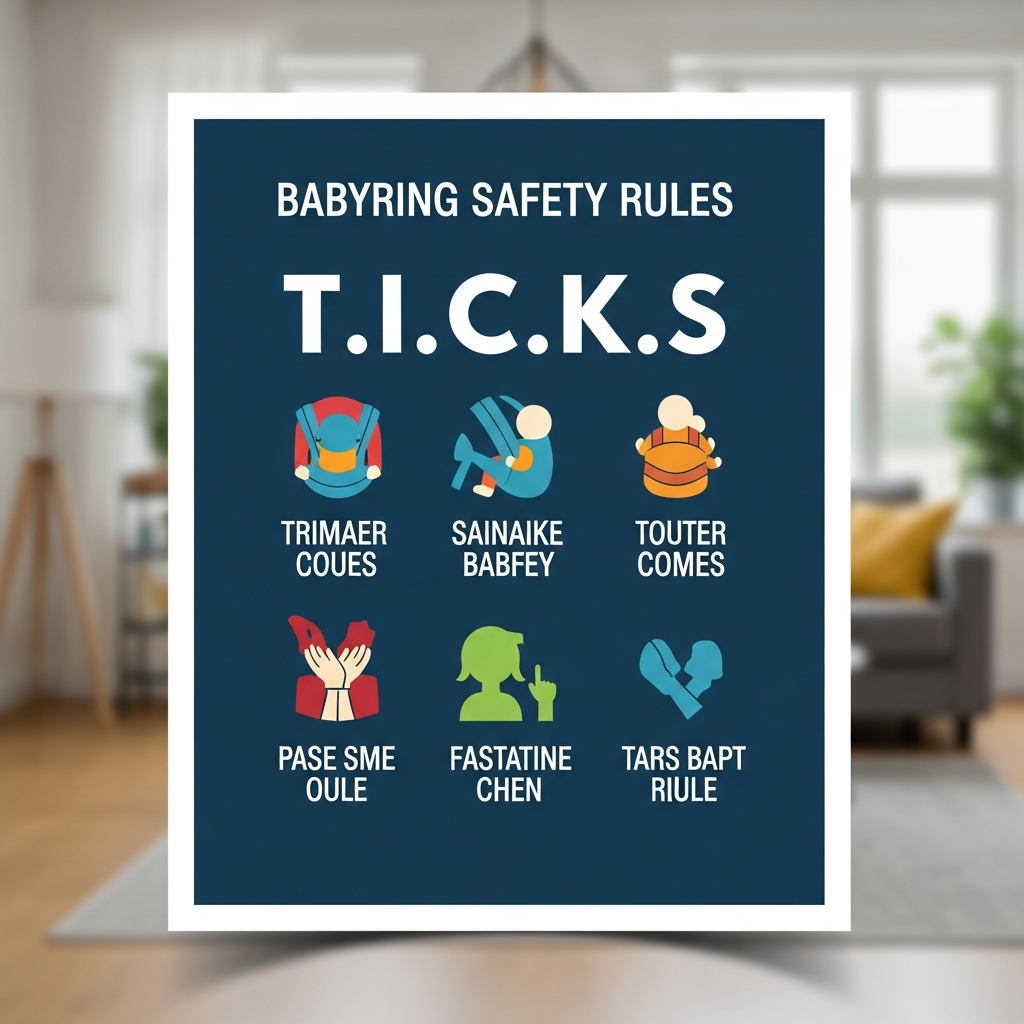
No matter which carrier you choose, safety is always the top priority. Always follow the manufacturer’s instructions, and remember the T.I.C.K.S. rules for safe babywearing:
- T Tight: The carrier should be tight enough to hug your baby close to you. Any slack will allow your baby to slump, potentially blocking their airway.
- I In view: You should always be able to see your baby’s face clearly by simply glancing down. Their face should not be obscured by fabric or your body.
- C Close enough to kiss: Your baby’s head should be as close to your chin as is comfortable. You should be able to kiss their head or forehead easily.
- K Keep chin off chest: Ensure there’s always a gap of at least one to two fingers under your baby’s chin. A baby’s chin tucked to their chest can restrict their breathing.
- S Supported back: Your baby’s back should be supported in its natural position, with their tummy and chest against you. Avoid any slumping or curling into a C-shape.
Additionally, ensure your baby is always in an ergonomic M-position or ‘froggy’ position, where their knees are higher than their bottom. This supports healthy hip development.
Practice in front of a mirror, stay hydrated, and be mindful of your baby’s temperature, especially in warmer weather. Never perform activities that could harm your baby while wearing them, such as cooking over an open flame or operating machinery.
Conclusion: Your Perfect Carrier Awaits

Choosing the best baby carrier for your lifestyle is a personal decision, and there’s no single right answer. It’s about finding what feels comfortable and secure for both you and your little one, and what truly integrates seamlessly into your daily rhythm.
Don’t be afraid to try a few different types if you can. Visit a local babywearing group, ask friends, or even rent carriers to see what clicks. The carrier that works for your neighbor might not be the one for you, and that’s perfectly okay!
Ultimately, the best baby carrier is the one you feel confident and comfortable using, allowing you to keep your baby close, conquer your day, and savor those precious snuggles. Happy babywearing!