Bringing a brand new baby into the world is an experience unlike any other. For months, you’ve imagined this moment: the first cuddle, the first look, that perfect, serene little face. While many of those precious moments certainly come true, sometimes the reality of a newborn baby in their very first hour can be a little… unexpected.
Your baby has just completed an incredible journey. They’re adjusting to a whole new world outside the womb. This means they’re often a bundle of instincts, reflexes, and brand-new sensations. So, if you’re wondering why your newborn is making strange noises or movements right after birth, rest assured, you’re not alone. It’s all perfectly normal and part of their amazing adaptation.
This article will walk you through five of the most common, and sometimes quirky, things babies do in their very first hour of life. Understanding these little quirks can help you feel more prepared and connected to your tiny human from the very beginning.
The First Hour: A Magical, Messy Time

The moments immediately following birth are often a whirlwind. There’s the relief, the joy, and often, the immediate skin-to-skin contact that is so beneficial for both parent and baby. During this sacred “golden hour,” your baby is transitioning from a warm, watery environment to a bright, noisy, and much cooler world.
Their bodies are working hard to regulate temperature, breathing, and blood sugar. They’re also instinctively seeking comfort and connection. It’s a time for quiet observation, gentle touches, and simply marveling at the miracle you’ve just brought forth. Don’t be surprised if your baby acts in ways you didn’t quite expect – these are often signs of their incredible innate abilities.
1. The “Rooting” Reflex (Head Bobbing and Mouth Smacking)

One of the most powerful and immediate instincts a newborn possesses is the drive to feed. This survival mechanism kicks in right away, even if they aren’t quite ready to latch.
What it Looks Like
You might notice your baby turning their head from side to side, often rhythmically, as if searching for something. Their mouth will be open, lips pursed or smacking, and their tongue might dart out. It can look a bit like they’re headbanging gently or trying to eat the air around them. If you gently stroke their cheek, they’ll likely turn their head towards that touch, opening their mouth.
Why They Do It
This is the rooting reflex in action. It’s a primal instinct designed to help them find a food source, specifically the breast. Newborns are incredibly sensitive to the smell of breast milk, and even if they haven’t met it yet, their bodies are preparing. This searching behavior is a clear sign they’re getting ready to feed.
What You Can Do
If you’re planning to breastfeed, this is a wonderful cue to offer the breast. Hold your baby skin-to-skin, allowing them to follow their instincts. Don’t worry if they don’t latch perfectly right away; it’s a learning curve for both of you. If you’re bottle-feeding, you can offer a finger to suck or simply enjoy watching this powerful reflex at work before giving them their first feed. Cherish these early signs of their amazing capabilities.
2. The “Stepping” Reflex (Little Foot Steps)

Imagine your tiny newborn, just minutes old, looking like they’re trying to walk! While they’re definitely not ready for a stroll, many babies display a fascinating “stepping” reflex in their first hour.
What it Looks Like
If you hold your baby upright, supporting their head and neck, and let their feet gently touch a flat surface (like your lap or the hospital bed), they might lift one foot and then the other, mimicking a stepping motion. It’s usually very subtle and almost looks like they’re trying to walk themselves across the surface.
Why They Do It
This is a primitive reflex, meaning it’s an automatic movement, not a conscious decision. It’s part of a group of reflexes that are present at birth and typically disappear as the baby’s brain develops more control over their movements. The stepping reflex is thought to be a remnant of our evolutionary past, and it’s a sign of a healthy developing nervous system. It’s not a predictor of when they’ll actually walk, which will be many months away!
What You Can Do
There’s no need to encourage or discourage this reflex. Simply observe and marvel at your baby’s innate abilities. It’s a fleeting moment, as this reflex usually fades away by around 2 months of age. Enjoy this brief glimpse into their incredible reflexes, knowing it’s a completely normal and healthy part of their early development.
3. The “Moro” Reflex (Startling and Arm Flailing)

You might gently place your newborn down or make a sudden, quiet sound, and suddenly their arms fly out wide, their legs straighten, and they look utterly startled. This dramatic reaction is known as the Moro reflex, and it’s very common in the first hour.
What it Looks Like
The Moro reflex, also called the startle reflex, involves your baby suddenly throwing their arms out to the sides, often with their fingers splayed, and extending their legs. They might then quickly bring their arms back towards their body, as if giving themselves a hug. This can sometimes be followed by a cry, or they might just settle back down.
Why They Do It
This reflex is a response to a sudden change in their environment. This could be a loud noise, a bright light, a sudden movement, or even the feeling of being “dropped” or losing support. It’s a primitive protective reflex, thought to have evolved to help babies grasp onto their mothers if they felt like they were falling. It’s an important indicator that their central nervous system is developing as it should.
What You Can Do
This reflex can sometimes look alarming, as if your baby is scared or in pain, but it’s important to remember it’s just a reflex. To comfort your baby after a Moro reflex, simply hold them close, offer gentle reassurance, and make sure they feel secure. Skin-to-skin contact is excellent for this. As they get a little older, gentle swaddling can help reduce these startles, but in the first hour, simple touch and closeness are usually enough.
4. The Grunting, Snorting, and Sneezing Symphony

Newborns are surprisingly noisy creatures. In their first hour, and often for days and weeks to come, you might hear a variety of grunts, snorts, little coughs, and sneezes emanating from your tiny human.
What it Looks Like
Your baby might sound like a tiny piglet, making little grunting noises, especially during sleep or when trying to pass gas. You’ll hear snorting sounds, almost like they have a stuffy nose. And then there are the sneezes – sometimes multiple in a row – that can make you wonder if they’ve caught a cold already.
Why They Do It
These noises are completely normal and are usually just your baby’s brand-new respiratory system getting used to working in the outside world. Here’s why:
* Clearing Airways: Babies are born with amniotic fluid, mucus, and sometimes even a bit of blood in their airways. Grunts and sneezes are their way of clearing these passages.
* Tiny Nasal Passages: Newborns have incredibly small nasal passages, so even a tiny bit of dry mucus can sound like a major blockage.
* Developing Lungs: Their lungs are still maturing and adjusting to breathing air instead of fluid.
* Gas and Digestion: Grunts can also be related to their digestive system starting up, as they try to pass gas or have their first bowel movement.
What You Can Do
Understand that these noises are almost always normal. Resist the urge to constantly try to clear their nose unless you see actual blockage. A gentle wipe with a soft cloth might be all that’s needed. Keep the room at a comfortable temperature to avoid drying out their nasal passages. If your baby seems truly distressed, is struggling to breathe, or has a fever, always consult your healthcare provider. Otherwise, just accept these adorable sounds as part of their newborn charm!
5. The “Alert In Between” State (Wide-Eyed Gaze)

Amidst all the reflexes, grunting, and stretching, there’s often a magical period in the first hour where your newborn will be surprisingly calm and alert. This is often called the “quiet alert” state.
What it Looks Like
Your baby’s eyes will be wide open, bright, and incredibly focused. They might look directly into your eyes with an intensity that will melt your heart. Their body will be relatively relaxed, and they won’t be rooting or startling as much. It’s a serene, peaceful period where they seem to be taking everything in.
Why They Do It
This quiet alert phase is often attributed to the “golden hour” phenomenon. Evolutionarily, it’s considered a crucial time for bonding and establishing the first feed. Babies are born with a burst of natural alertness immediately after birth, designed to help them connect with their primary caregivers and initiate breastfeeding. Their vision is best at about 8-12 inches, which is precisely the distance from a parent’s chest to their face during skin-to-skin contact.
What You Can Do
This is a prime opportunity for bonding. Maximize skin-to-skin contact, gaze into your baby’s eyes, and talk to them softly. Offer the breast if you’re breastfeeding, as this is often when babies are most receptive to their first latch. Even if you’re not breastfeeding, this is a beautiful time to simply hold your baby close and absorb their presence. These moments are fleeting but incredibly powerful in establishing your connection.
A Note on Appearance: Not Always Picture Perfect
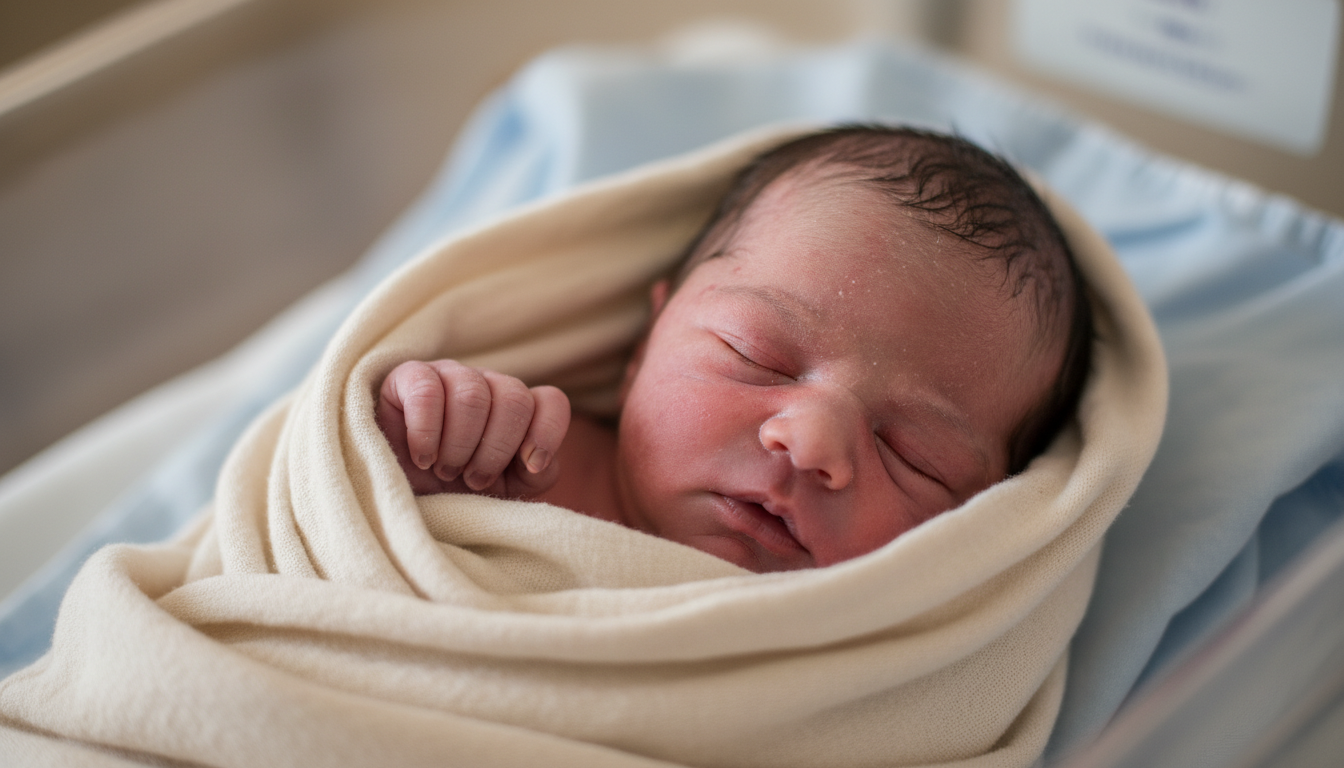
Beyond these “weird” behaviors, newborns themselves might look a bit different from the perfectly posed babies you see in magazines. They might have a cone-shaped head from passing through the birth canal, puffy eyes, a bit of vernix (a white, cheesy coating), or even lanugo (fine, downy hair).
These are all normal, temporary aspects of being a brand-new human. Focus on the wonder of their arrival and the incredible journey they’ve just completed. Their appearance will quickly change and soften in the coming days.
Embracing the Unpredictable Journey of Parenthood

The first hour with your newborn sets the stage for a lifetime of discoveries. Babies are complex, incredible beings, full of surprises and innate wisdom. From their powerful reflexes to their quiet moments of connection, everything they do in that initial hour is a testament to their readiness for life outside the womb.
It’s okay to feel overwhelmed, amazed, or even a little confused by some of their actions. Every parent navigates these first moments with a mix of wonder and a steep learning curve. Trust your instincts, don’t hesitate to ask questions of your healthcare team, and most importantly, soak up every single second.
Your Unique Little Human

The “weird” things babies do in the first hour are not weird at all when you understand them as vital signs of life, adaptation, and instinct. They are your baby’s way of communicating, surviving, and connecting with you. Embrace these unique characteristics, for they are all part of the beautiful, messy, and miraculous journey of welcoming your unique little human into the world. You’re doing great, and your baby is absolutely amazing.