Bringing a new life into the world is an incredible, transformative journey. As you approach your due date, it’s natural to feel a mix of excitement and anticipation, along with some questions about the physical aspects of labor and delivery. One common concern among expectant parents is perineal tearing. The good news is that there are many natural, gentle strategies you can explore to help prepare your body and potentially reduce the risk of tearing during childbirth.
As a parent and an expert in family care, I understand how much you want to feel empowered and informed. This guide is designed to offer you practical, empathetic advice, helping you understand your body and how to work with it for a smoother, more comfortable birthing experience. Remember, every birth is unique, and while we can prepare, flexibility and trust in your body are key.
Understanding Perineal Tearing

The perineum is the area of skin and muscle between the vagina and the anus. During vaginal childbirth, as your baby descends, this tissue needs to stretch significantly to allow the baby’s head to emerge. Sometimes, this stretching can lead to tears or lacerations. These can range from minor skin tears (first-degree) to more extensive tears involving muscle (second-degree) or, less commonly, the anal sphincter (third and fourth-degree).
Why Tearing Happens
Several factors can contribute to perineal tearing:
- Speed of Birth: A very rapid birth, especially when pushing forcefully, might not allow the perineal tissues enough time to stretch gradually.
- Baby’s Size and Position: A larger baby or a baby in a less optimal position (e.g., posterior, where the baby’s back is against the mother’s back) can put more pressure on the perineum.
- First-Time Mother: First-time mothers may have a higher risk because their tissues haven’t stretched before.
- Medical Interventions: Episiotomies (a surgical cut made to the perineum) are sometimes performed, though their routine use is now discouraged as natural tearing often heals better. Forceps or vacuum assistance can also increase the risk.
- Maternal Pushing Technique: Sustained, directed pushing (often called ‘purple pushing’) without listening to your body’s urges can sometimes increase the risk compared to spontaneous, physiological pushing.
While some factors are beyond your control, many others can be influenced by preparation and mindful choices during labor.
Preparing Your Body Naturally for Birth

Empowering yourself with knowledge and proactive steps before labor even begins can make a significant difference. Your body is incredibly resilient and designed for birth, and these natural preparations can help it adapt.
The Power of Perineal Massage

Perineal massage is one of the most widely recommended natural methods to help prevent tearing. It involves gently massaging the perineum in the weeks leading up to birth to increase its elasticity and help you become familiar with the stretching sensation. Studies suggest it can significantly reduce the likelihood of tears, especially for first-time mothers.
When and How to Do Perineal Massage
- When to Start: You can typically begin perineal massage around 34-36 weeks of pregnancy.
- Frequency: Aim for 3-4 times a week, for about 5-10 minutes each session.
- Preparation: Wash your hands thoroughly. Ensure your nails are short. Find a comfortable, private position (e.g., semi-reclining in bed, in the shower, or on the toilet). You might find it easier with a partner’s help.
- Lubrication: Use a natural, unscented oil like almond oil, grapeseed oil, or olive oil. Avoid mineral oils or petroleum jelly.
Step-by-Step Perineal Massage
- Apply a small amount of oil to your thumbs (or your partner’s fingers) and to your perineum.
- Insert your thumbs about 1 to 1.5 inches into your vagina, pointing towards your rectum.
- Press downwards towards the rectum and to the sides. You should feel a stretching sensation, which might be slightly uncomfortable but should not be painful. Hold this gentle pressure for about 30-60 seconds.
- Using your thumbs, gently sweep in a ‘U’ shape from 3 o’clock to 9 o’clock on the lower vaginal wall, continuing to apply gentle downward pressure. This helps stretch the tissues.
- Massage this area for 5-10 minutes, focusing on relaxing into the stretch. Breathe deeply throughout.
The goal is not to force the tissue but to gently encourage flexibility and familiarity with the stretching sensation, which can help you relax during crowning.
Optimal Nutrition and Hydration

A healthy diet during pregnancy supports overall tissue health, including the elasticity of your perineum. Connective tissue strength and elasticity are influenced by nutrition.
- Vitamin C: Essential for collagen production, which gives skin its strength and elasticity. Include plenty of citrus fruits, berries, bell peppers, and broccoli.
- Zinc: Supports tissue repair and immune function. Found in nuts, seeds, legumes, and lean meats.
- Omega-3 Fatty Acids: May contribute to skin health and reduce inflammation. Found in fatty fish (like salmon), flaxseeds, and walnuts.
- Protein: Crucial for tissue growth and repair. Include lean meats, poultry, fish, eggs, dairy, and plant-based proteins like lentils and beans.
- Hydration: Staying well-hydrated is fundamental for all bodily functions, including maintaining skin elasticity. Drink plenty of water throughout the day.
A balanced diet rich in whole foods helps ensure your body has the building blocks it needs for optimal health and tissue integrity.
During Labor: Techniques to Minimize Tearing

The choices you make and the support you receive during labor are just as crucial as your prenatal preparations. These techniques focus on working with your body’s natural rhythms.
Choosing Supportive Birthing Positions
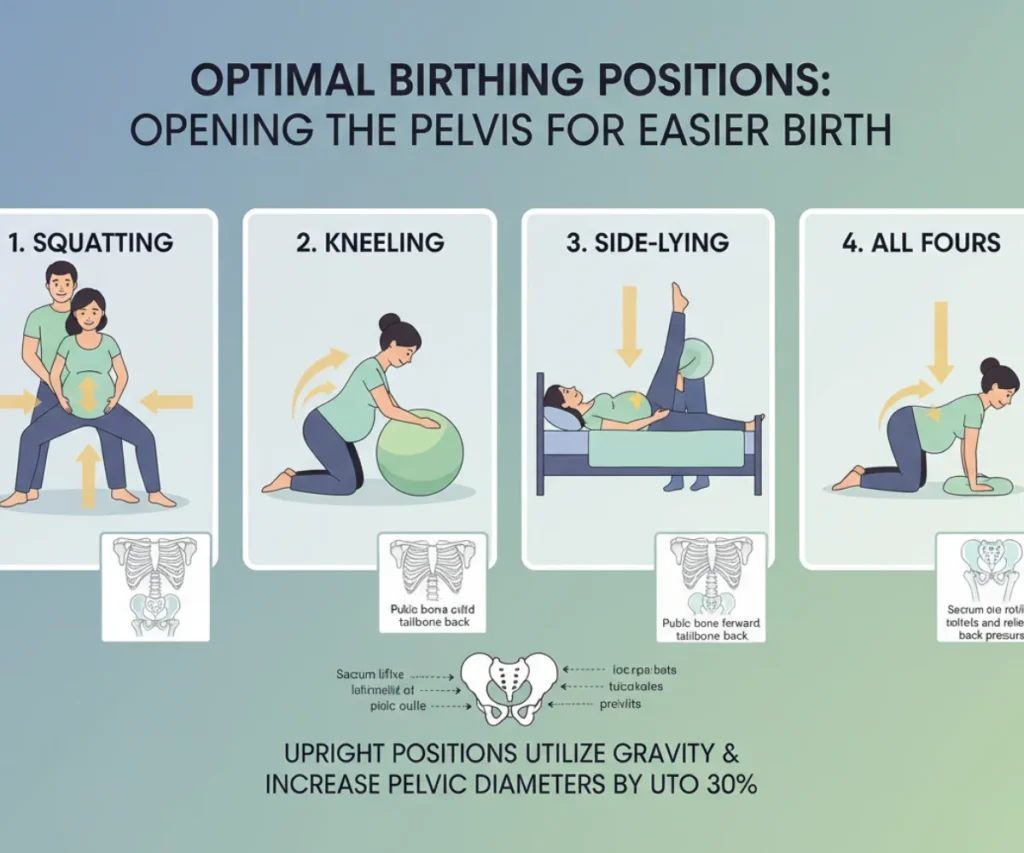
Gravity-friendly and upright positions can open your pelvis, allowing more space for the baby to descend and reducing pressure on the perineum. Lying on your back, while common in hospitals, can actually narrow the pelvic outlet and increase the risk of tearing.
Positions to Consider:
- Upright and Mobile: Walking, standing, slow dancing with your partner.
- Kneeling or All Fours: These positions can take pressure off the perineum and coccyx, allowing more space. They can also help rotate a baby in a less optimal position.
- Squatting: Opens the pelvic outlet significantly, but ensure you have support to avoid tiring too quickly. Birthing stools or bars can be helpful.
- Side-Lying: If you need to rest, lying on your side can still be beneficial. It takes pressure off the perineum and can slow the baby’s descent slightly, allowing for more gentle stretching.
Experiment with different positions during your pregnancy and early labor to find what feels most comfortable and effective for you.
Controlled Pushing and Breathing
The way you push can significantly impact your perineum. ‘Purple pushing’ – holding your breath and pushing with all your might for extended periods – can create intense, prolonged pressure on the perineum, increasing the risk of tearing.
Physiological Pushing
Instead, try to listen to your body’s natural urges to push. This is often called physiological or spontaneous pushing. It’s characterized by:
- Following Your Urge: Push when you feel the strong, undeniable urge, not necessarily just because you’ve reached 10 cm dilation.
- Short, Gentle Pushes: Push in short bursts, taking breaths between pushes, rather than one long, sustained push.
- Open-Glottis Pushing: Pushing with an open mouth, making noise, or grunting, rather than holding your breath. This helps prevent excessive pressure and allows for more controlled descent of the baby.
- Patience: Allow the crowning stage to unfold slowly. This gives your perineum maximum time to stretch gradually.
Your birth team can guide you, but trusting your body’s instincts is paramount. If you feel a burning or stretching sensation during crowning, that’s often your body’s signal to slow down and breathe through it, allowing the tissues to adapt.
Warm Compresses and Perineal Support
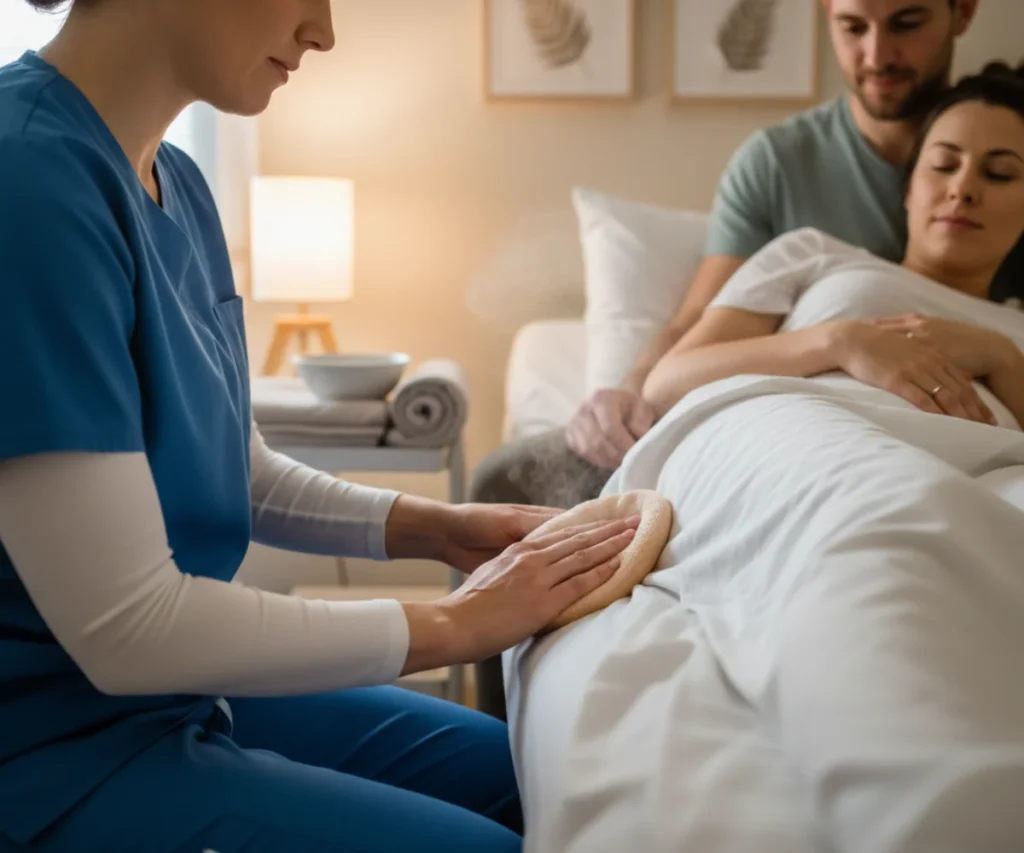
During the second stage of labor, as your baby’s head is crowning, your birth attendant can apply warm, moist compresses to your perineum. This simple intervention can make a big difference.
- Relaxation: The warmth helps relax the tissues, making them more pliable.
- Increased Blood Flow: Warmth can increase blood flow to the area, promoting elasticity.
- Gentle Pressure: The compress can also provide gentle, counter-pressure, which some women find soothing and can help support the perineal tissues as they stretch.
Ask your midwife or doctor if they routinely use warm compresses, or include it in your birth plan.
Water Birth Benefits

For many women, laboring and giving birth in water can be a wonderful option that also has the added benefit of potentially reducing perineal trauma.
- Relaxation: The warm water can be incredibly soothing and help you relax physically and mentally, which can aid in the natural stretching of tissues.
- Buoyancy: The buoyancy in water allows for easier movement and position changes, enabling you to find comfortable and optimal birthing positions effortlessly.
- Tissue Softening: The warm water may help soften and relax the perineal tissues, making them more pliable and less prone to tearing.
If you’re considering a water birth, discuss it with your healthcare provider to ensure it’s a safe option for you and that your chosen birth facility supports it.
Communication with Your Birth Team

Your birth team – your doctor, midwife, doula, and nurses – are there to support you. Open communication is vital to ensure your preferences are understood and respected.
Advocating for Your Preferences

Before labor, discuss your wishes regarding perineal protection with your care provider. This includes:
- Perineal Massage: Inform them that you’ve been doing perineal massage and would like them to be mindful of supporting your perineum.
- Warm Compresses: Ask if they can use warm compresses during crowning.
- Birthing Positions: Express your desire to use upright or alternative birthing positions during labor and pushing.
- Physiological Pushing: Discuss your preference for undirected, physiological pushing.
- Avoiding Routine Episiotomy: Clarify that you wish to avoid an episiotomy unless medically necessary.
Having a birth plan can be a helpful way to communicate these preferences, but remember it’s a guide, not a rigid contract. Be open to flexibility if medical circumstances change, but always feel empowered to ask questions and understand the rationale behind any recommendations.
Embracing the Journey

While preparing to avoid tearing is a valid and understandable concern, it’s also important to release any pressure to have a ‘perfect’ birth. The most important outcome is a healthy baby and a healthy, empowered you. Trust in your body, connect with your baby, and surround yourself with a supportive team.
Even with the best preparations, sometimes tears happen. If they do, know that your body is incredibly capable of healing. Modern medical care provides excellent support for repairing tears, and with proper postpartum care, most women heal well and go on to have fulfilling lives and future pregnancies. Focus on self-care, rest, and bonding with your new arrival.
Your journey into parenthood is an extraordinary one, filled with learning and growth. By understanding and preparing your body naturally, you’re taking a wonderful step towards a more confident and comfortable birth experience.