Alphabet Activities That Make Learning Letters Fun & Easy
Learning the alphabet is one of the first big milestones for young children — and it becomes even more exciting when the process is playful, hands-on, and full of creativity. Kids learn best when they’re having fun, and alphabet activities turn early literacy into an enjoyable adventure instead of a chore. With simple materials and engaging ideas, little learners can build strong letter recognition skills while playing, exploring, and imagining.
Here are some wonderful alphabet activities that make learning letters fun, easy, and memorable.
Alphabet Treasure Hunt
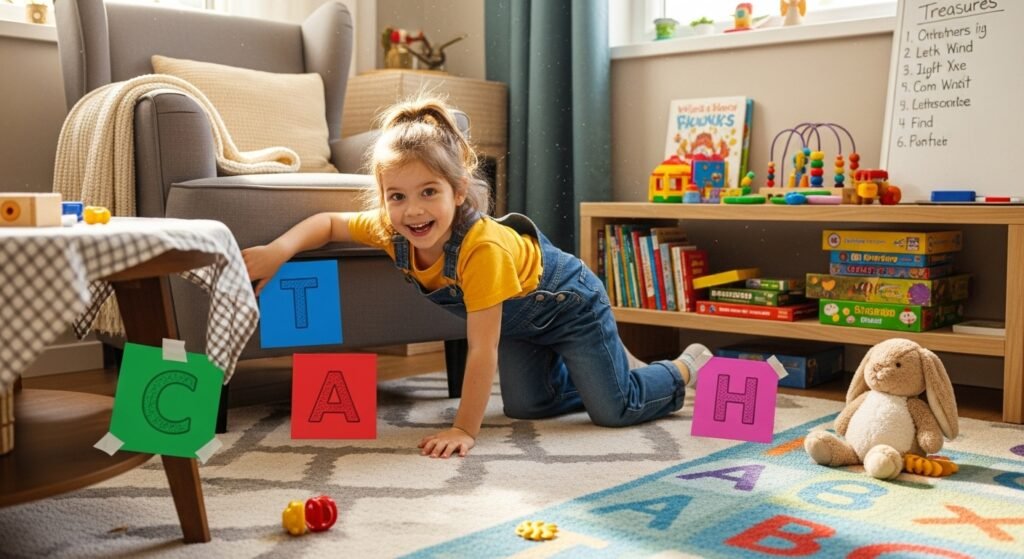
Hide alphabet cards around a room and let kids search for them like treasure.
When they find a letter, ask them to say it aloud or match it to an alphabet chart.
Fun variations:
- Hunt only capital letters
- Hunt lowercase letters
- Hunt a letter of the day
This boosts recognition, movement, and excitement.
Playdough Letter Making
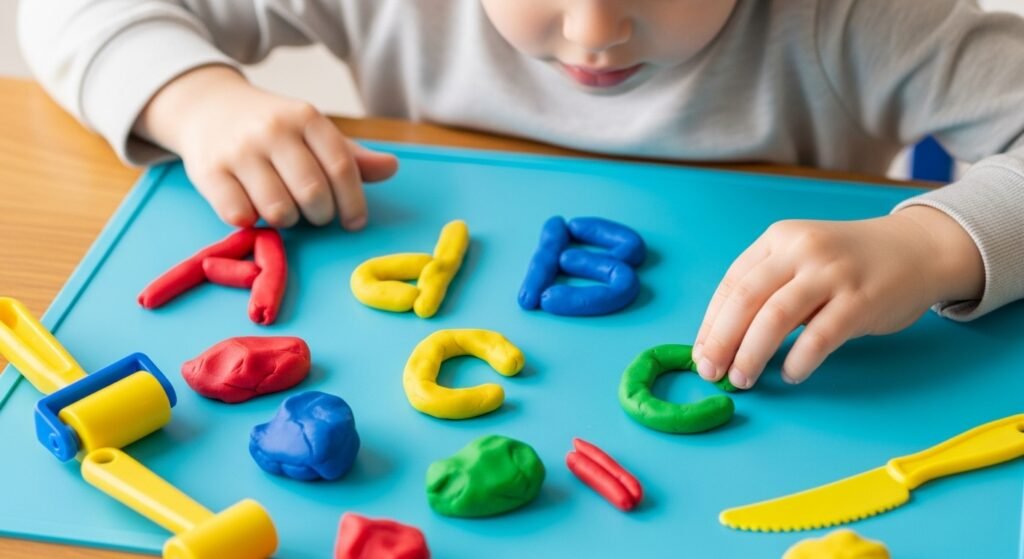
Playdough is a fantastic tactile tool. Kids can roll dough into snakes and shape them into letters.
The hands-on movement improves memory and fine motor skills.
Try:
- Forming letters of their name
- Making uppercase and lowercase
- Creating objects that start with a letter (S → snake)
Alphabet Sensory Bins
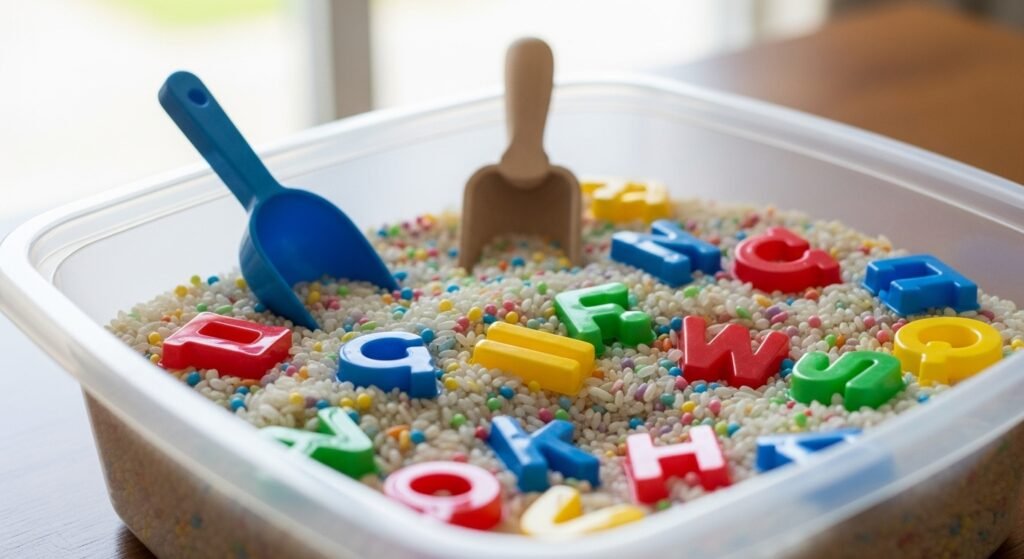
Fill a bin with rice, beans, sand, or pom-poms, then hide plastic letters or letter cards inside.
Kids can:
- Dig for letters
- Sort uppercase vs. lowercase
- Match letters to pictures
Sensory play helps kids stay focused and engaged.
Letter Tracing Sheets
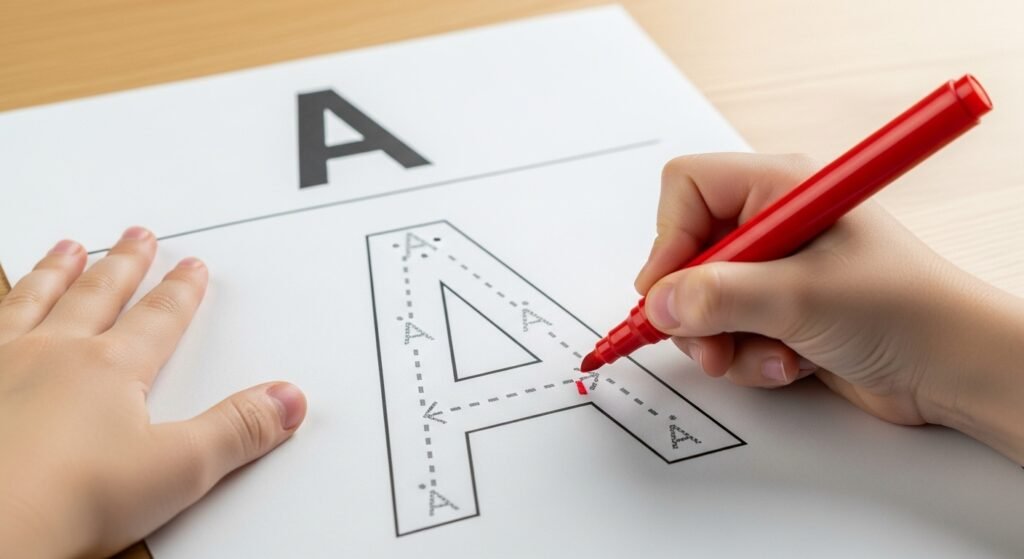
Tracing builds early writing confidence.
Provide laminated sheets or printable tracing cards.
Kids can practice:
- Straight lines
- Curves
- Shapes
- Full letters
Using dry-erase markers makes it reusable and fun.
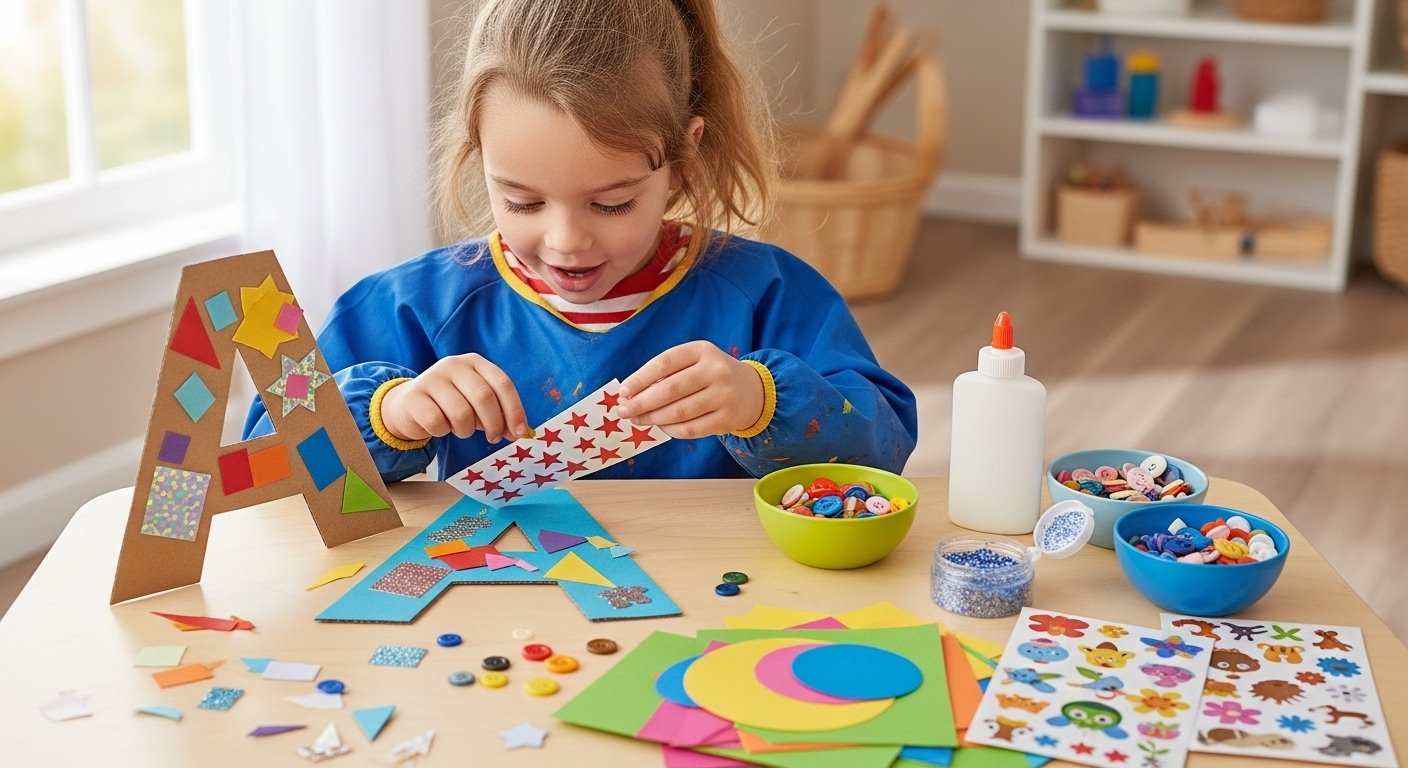
Alphabet Crafts
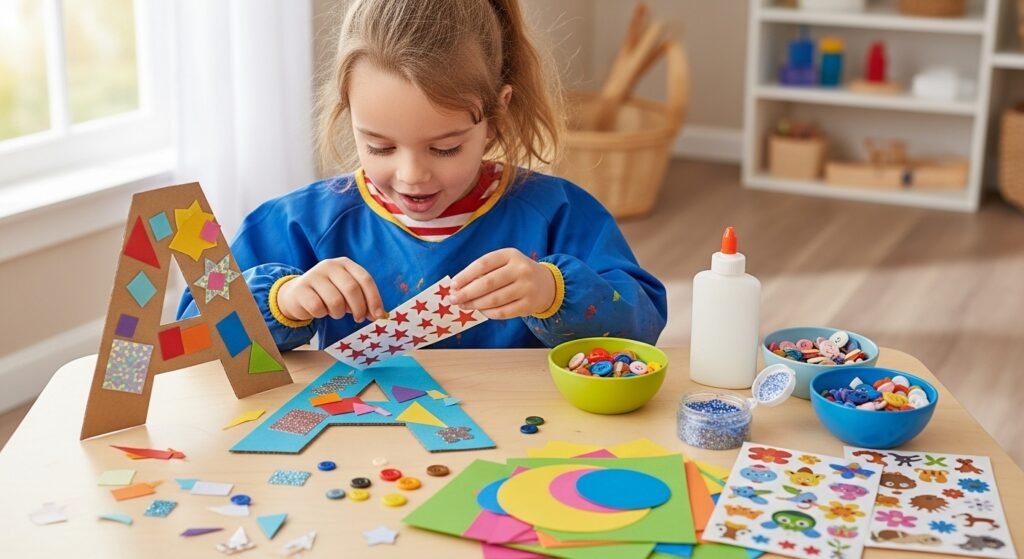
Crafts make letters stick in memory.
Fun craft ideas:
- “A” for alligator (cutout with teeth)
- “B” for butterfly (painted wings)
- “C” for cat (ears and whiskers)
- “D” for dinosaur (spikes and tail)
Each letter becomes a familiar character.
Letter Sorting Games
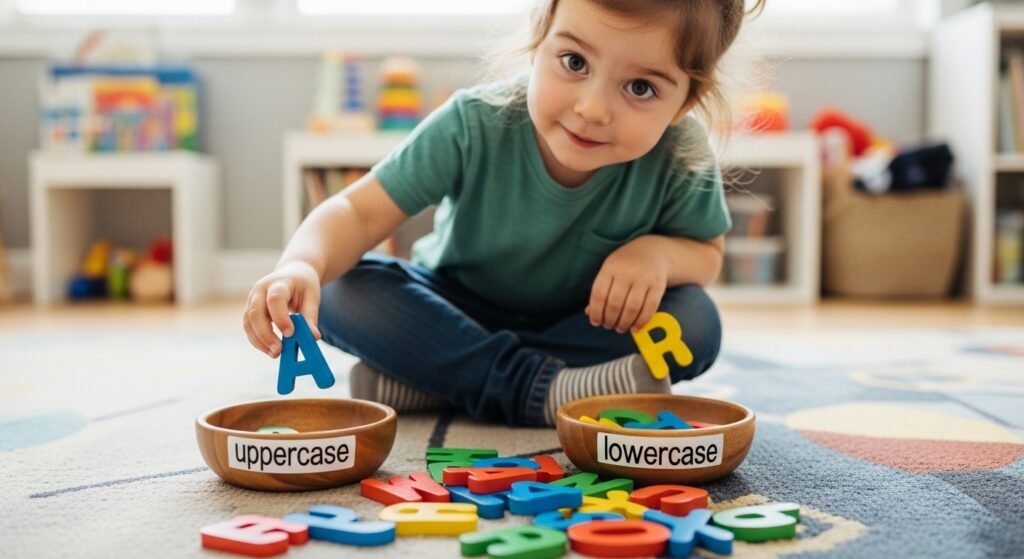
Sort letters by:
- Curvy vs. straight lines
- Capitals vs. lowercase
- Letters in their name vs. not in their name
- Vowels vs. consonants
Sorting helps children categorize and understand letter shapes.
Alphabet Puzzles
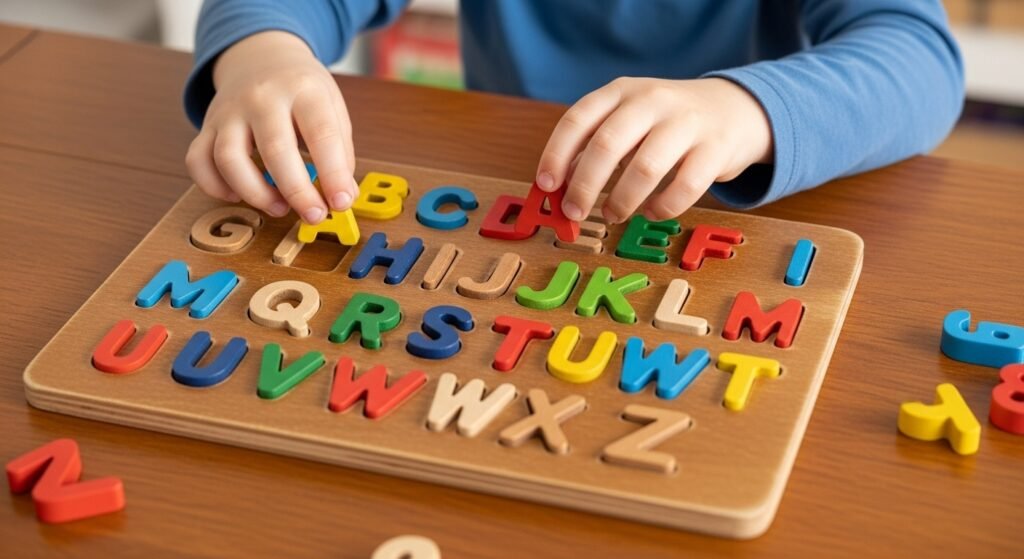
Simple puzzles with letters help build recognition and problem-solving.
Kids match the letter to its outline or pair it with an object (F → fish).
These activities help the brain remember visual patterns.
Outdoor Alphabet Play
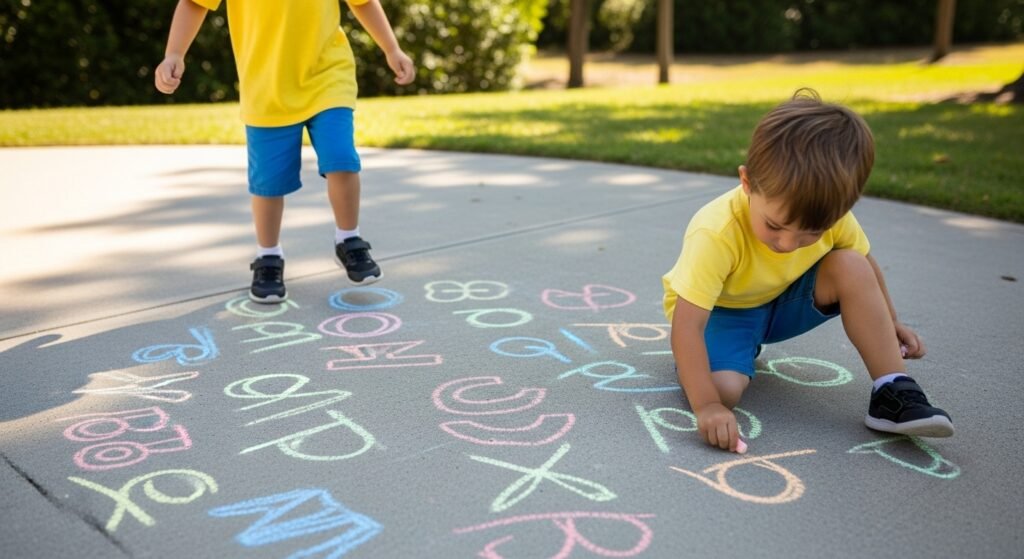
Learning letters outdoors feels refreshing and energetic.
Ideas:
- Write letters with chalk and jump to the ones you call out
- Make letters with sticks or stones
- Draw letters in mud or sand
- Alphabet hopscotch
Movement enhances memory, especially for active kids.
Magnetic Letters on the Fridge
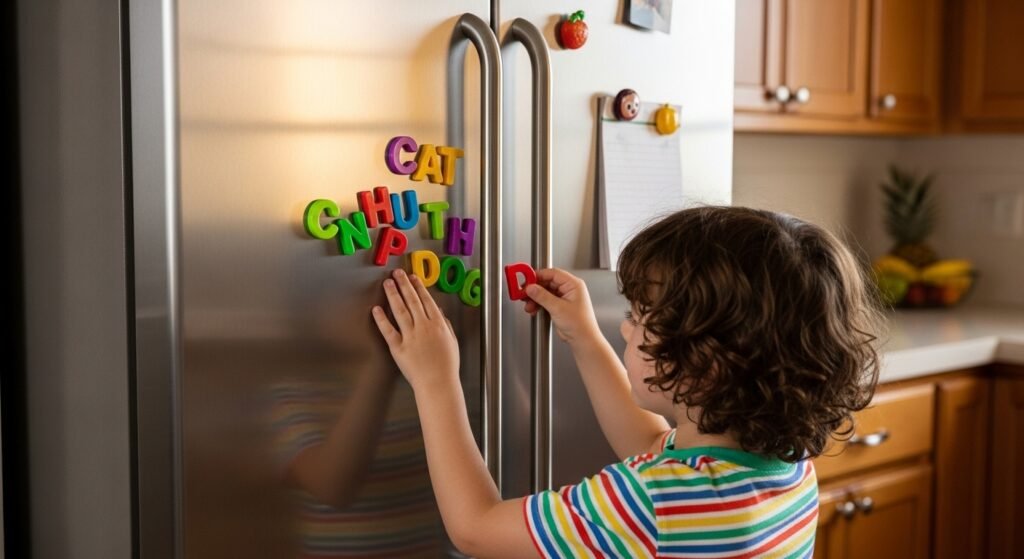
Magnetic letters let kids explore the alphabet on a vertical surface.
Use them for:
- Spelling their name
- Matching colors
- Making simple words
- Sorting vowels and consonants
A simple daily learning tool that kids love.
Story Time With Letter Focus
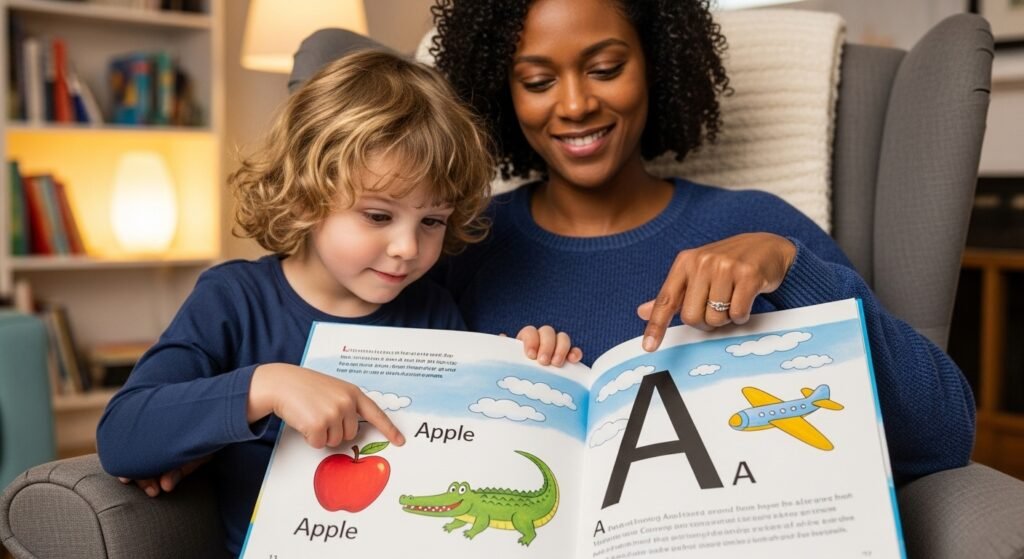
Choose a letter of the day and read books that highlight that sound.
For example:
B → bear, bed, ball
S → sun, snake, snow
Kids begin to connect sounds with written letters.
Alphabet Songs & Rhymes
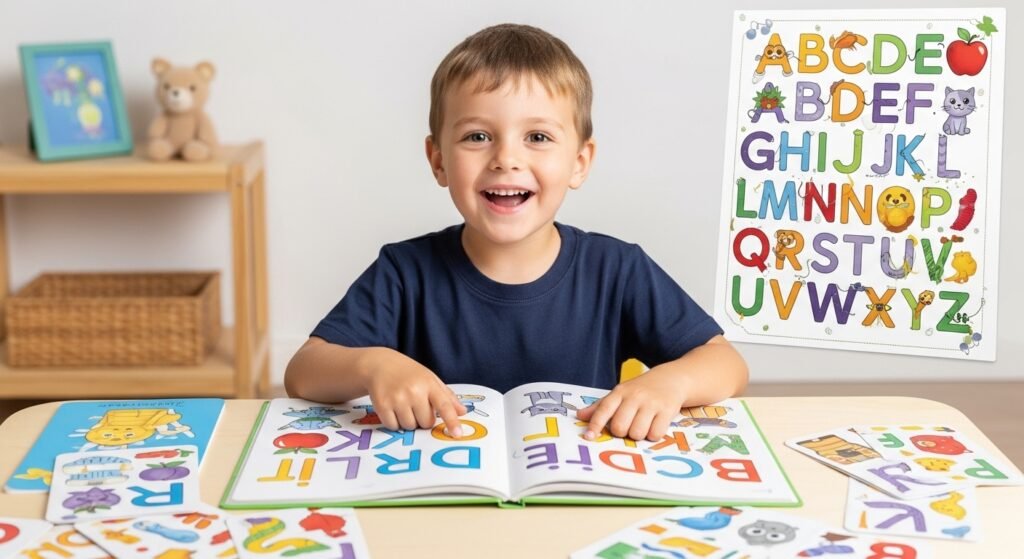
Singing helps kids remember letters quickly.
Songs build rhythm, pronunciation, and confidence.
Try dancing or using hand motions to make learning more fun.
Alphabet Matching Cards
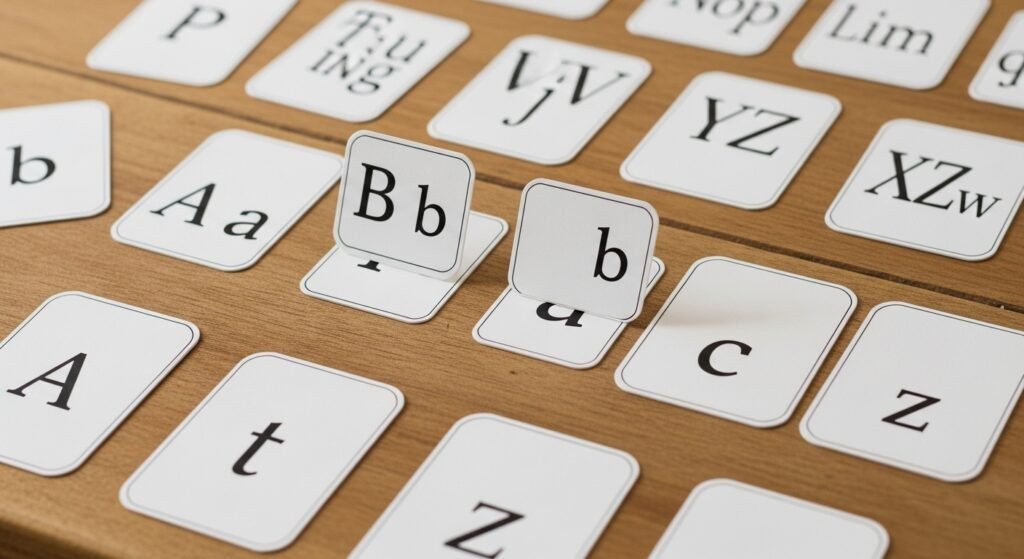
Print or draw cards with letters and pictures.
Kids match:
- Letter to letter
- Letter to picture
- Uppercase to lowercase
A perfect quiet-time activity.
Ice Cube Tray Letter Drop
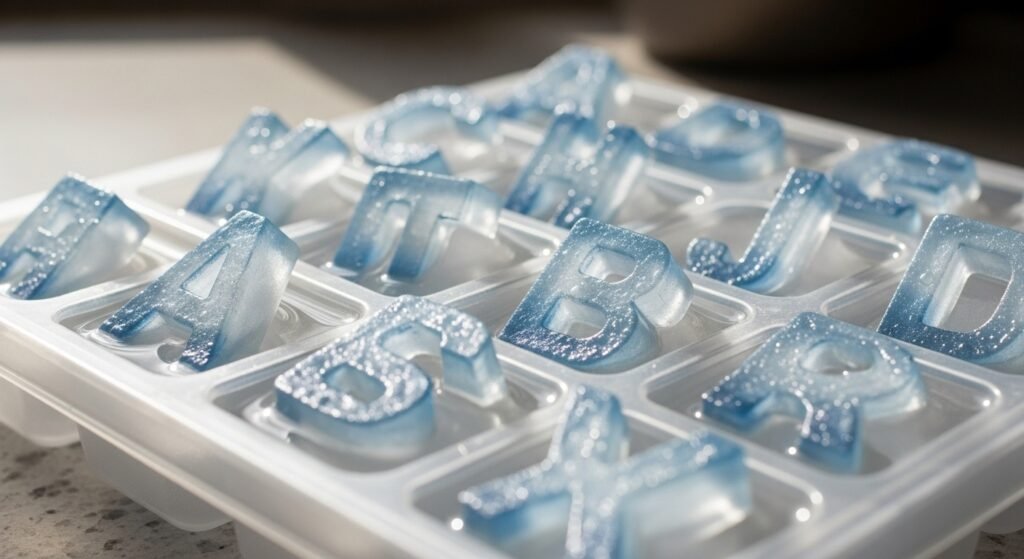
Write letters on small balls or caps and let kids drop them into tray sections labeled with corresponding letters.
This improves hand-eye coordination along with recognition.
Painting Letters With Brushes or Sponges
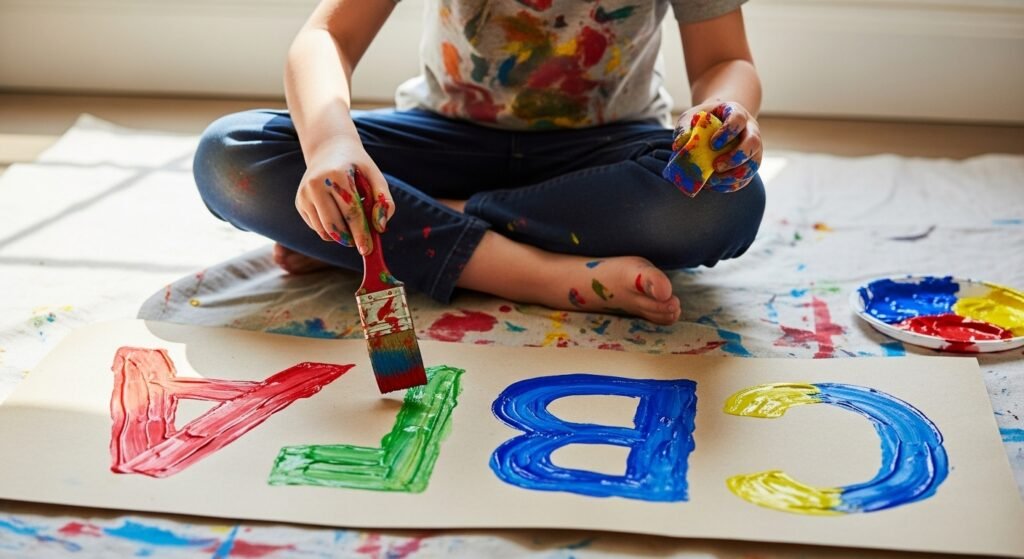
Kids love painting — and it builds creativity.
Try:
- Water painting on walls outside
- Q-tip dot painting
- Finger painting letters
- Sponge stamp alphabets
Art and literacy combined are powerful for learning.
Final Thoughts
Alphabet learning becomes easier, faster, and much more enjoyable when kids explore letters through play. These fun, hands-on activities help children connect with each letter’s shape, sound, and meaning naturally. With creativity, curiosity, and a little structure, early literacy becomes a joyful start to a child’s lifelong learning journey.