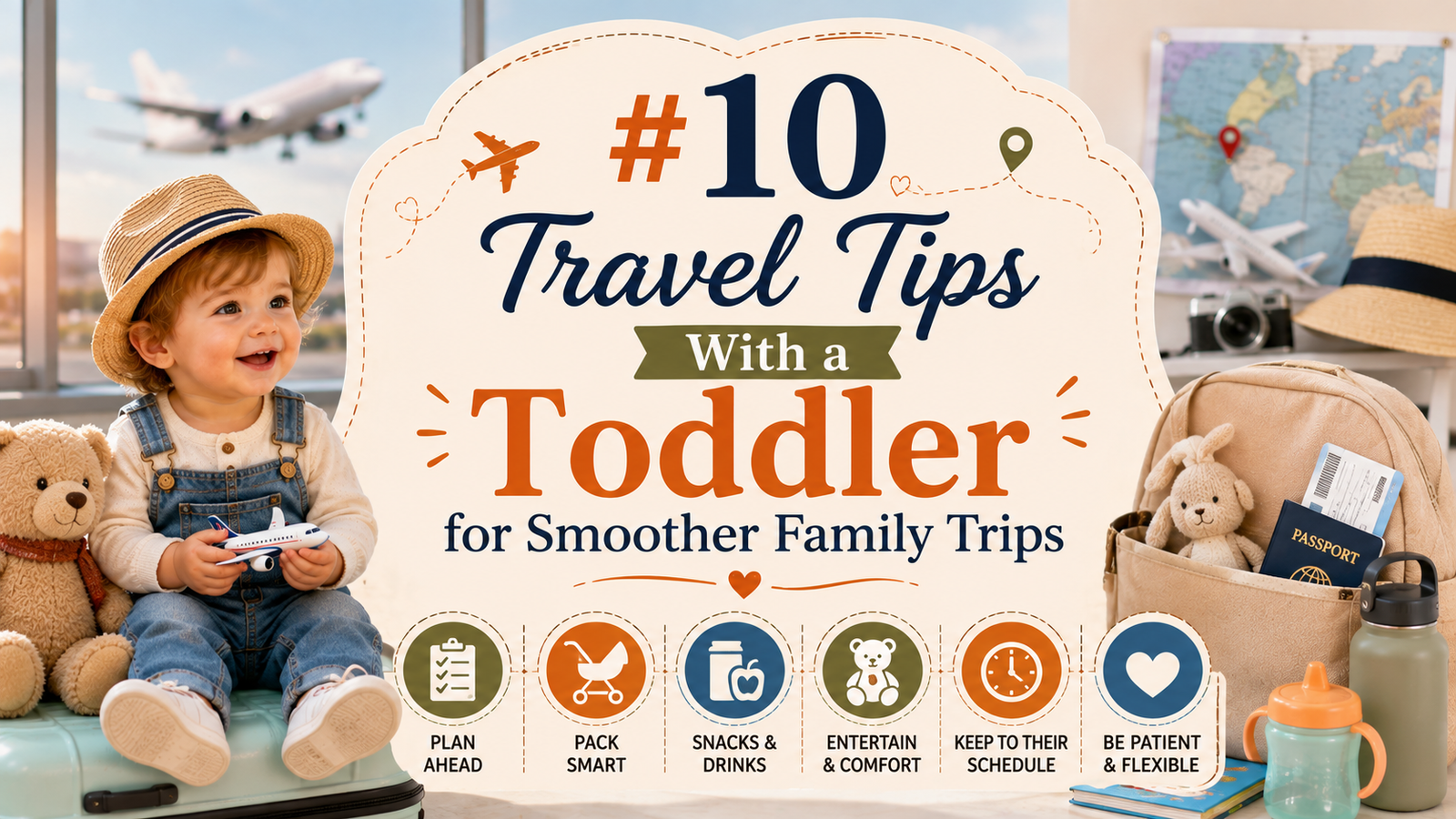
10 Travel Tips With a Toddler for Smoother Family Trips
Traveling with a toddler can feel like orchestrating a high-stakes theatrical production where the lead actor might decide to take a nap—or have a meltdown—at any given moment. However, these tiny explorers also bring a sense of wonder and joy to every journey, turning a simple walk through a terminal into a grand adventure. The key to a successful trip isn’t avoiding the chaos, but managing it with strategic planning and a healthy dose of flexibility.
To help you navigate the world of family travel, we’ve compiled the ultimate guide to keeping your sanity intact while creating lifelong memories. From the logistics of the flight to the rhythm of your daily itinerary, here are ten essential tips for traveling with a toddler.
1. Schedule
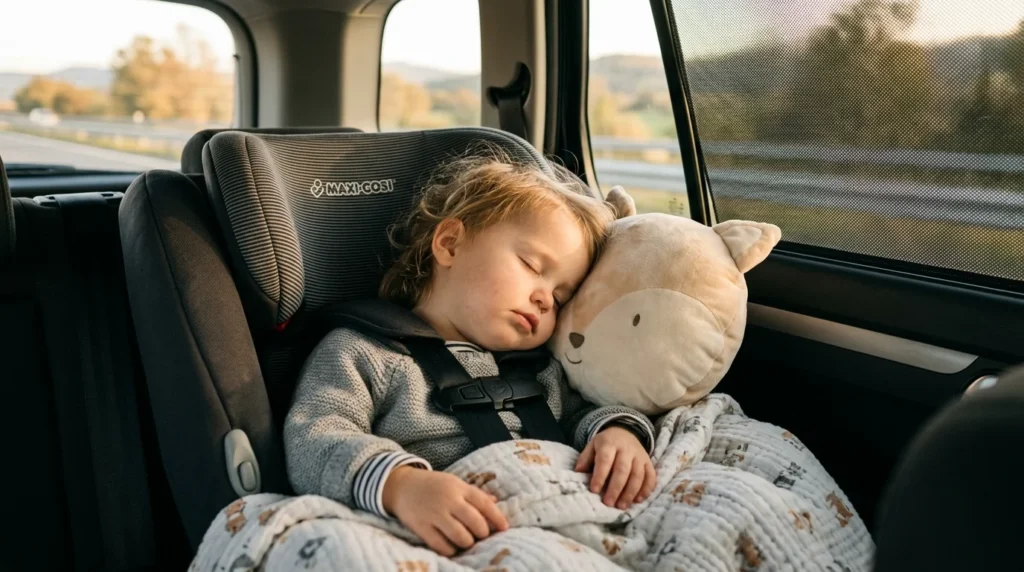
Timing is everything when you have a toddler in tow. While adults might prefer a 6:00 AM flight to maximize their vacation time, a toddler’s internal clock is far less forgiving. When booking your travel, try to align your departure and arrival times with your child’s natural rhythm.
- The Nap Flight: If your child is a champion sleeper in car seats or planes, booking a flight during their afternoon nap window can be a lifesaver.
- The Early Bird: Many parents swear by early morning flights. Toddlers are usually at their best in the morning, and airport delays are less likely to have piled up yet.
- Buffer Time: Always allow twice as much time as you think you’ll need. Rushing a toddler is a surefire way to trigger a tantrum. Arrive at the airport early to let them burn off energy in the terminal.
2. Snacks
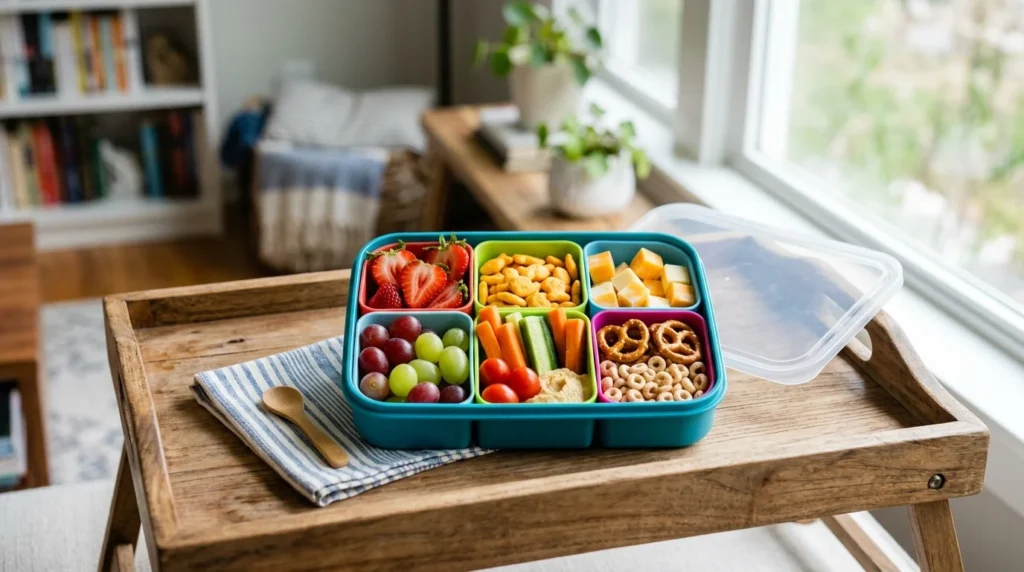
In the world of toddler travel, snacks are more than just nutrition—they are a primary form of entertainment and a powerful tool for distraction. Hunger is the leading cause of “hangry” outbursts, so come prepared with an arsenal of treats.
- Snack-tivities: Choose snacks that take time to eat. Think Cheerios that can be threaded onto a string or a bento box with many small compartments that require fine motor skills to navigate.
- Avoid Sugar Spikes: While it’s tempting to use candy as a bribe, the subsequent sugar crash can be devastating. Stick to high-protein, slow-release energy foods like cheese sticks, nut butters, and whole-grain crackers.
- The “New” Factor: Introduce a special snack they don’t usually get at home. The novelty can buy you an extra twenty minutes of quiet time during a long stretch of travel.
3. Stroller
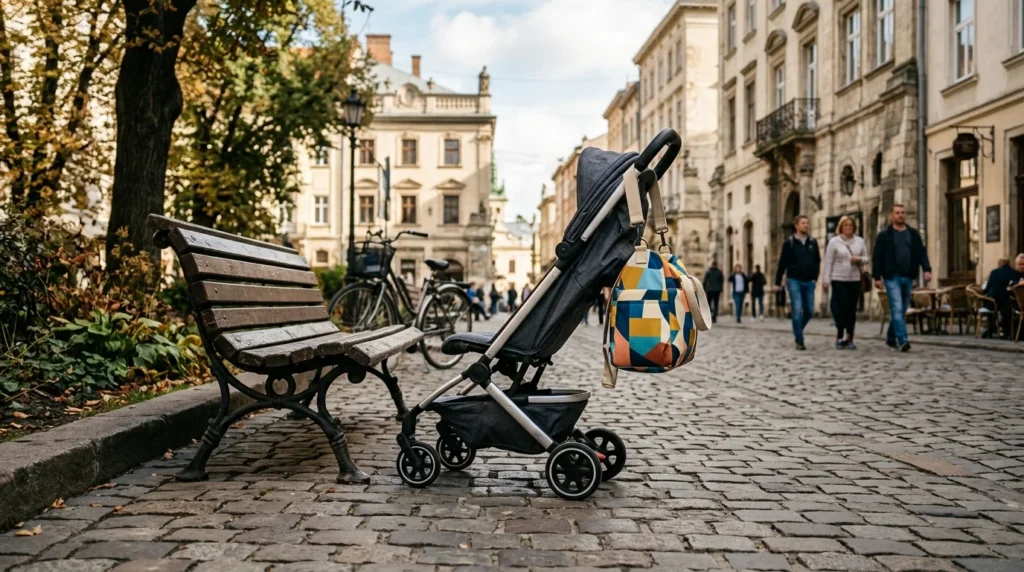
Your choice of wheels can make or break your mobility. While you might love your full-sized jogging stroller at home, travel often requires something more nimble.
- The Travel Stroller: Invest in a high-quality, lightweight umbrella stroller or a compact travel stroller that fits in an overhead bin. Being able to wheel your child right to the gate—and sometimes right onto the plane—is a game-changer.
- Gate Checking: If you have a larger stroller, remember that most airlines allow you to gate-check it for free. This allows you to use the stroller through the airport and have it waiting for you the moment you step off the plane.
- The Mobile Nap Pod: Ensure the stroller reclines. When you’re out exploring a new city, a reclining stroller allows your toddler to nap on the go, meaning you don’t have to head back to the hotel in the middle of the afternoon.
4. Toys
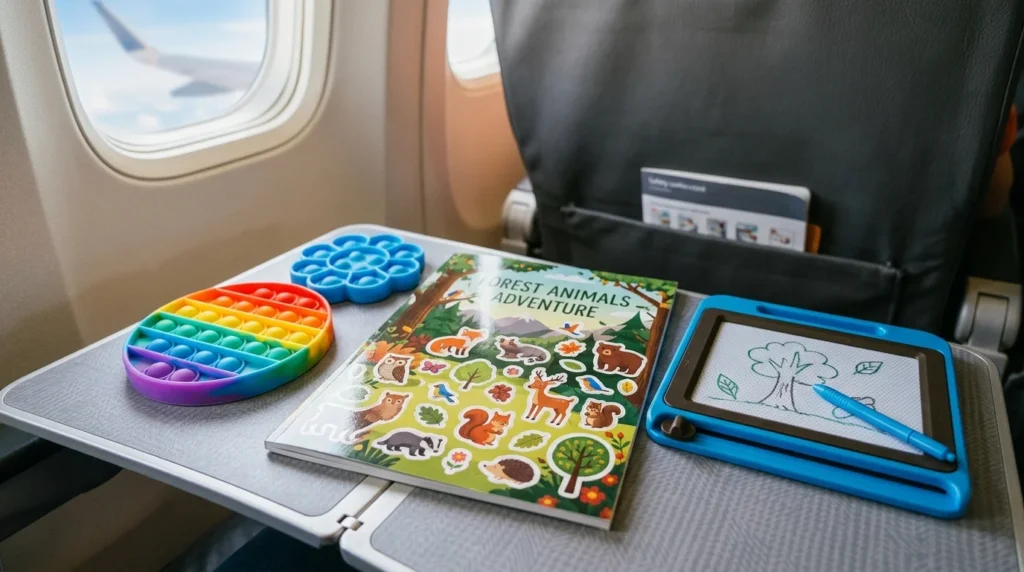
Keeping a toddler occupied in a confined space is an art form. The secret is variety and novelty.
- The Mystery Bag: Wrap small, inexpensive toys in wrapping paper. Let your toddler unwrap one every hour or whenever they start to get restless. The act of unwrapping is just as fun as the toy itself.
- Low-Mess Creativity: Reusable sticker books, Water Wow pads, and magnetic drawing boards provide hours of entertainment without leaving a trail of crayon marks or play-dough crumbs behind.
- Screen Time Grace: Even if you have strict screen time rules at home, travel is the time to relax them. Load a tablet with their favorite shows and interactive games. Don’t forget kid-sized headphones!
5. Cubes
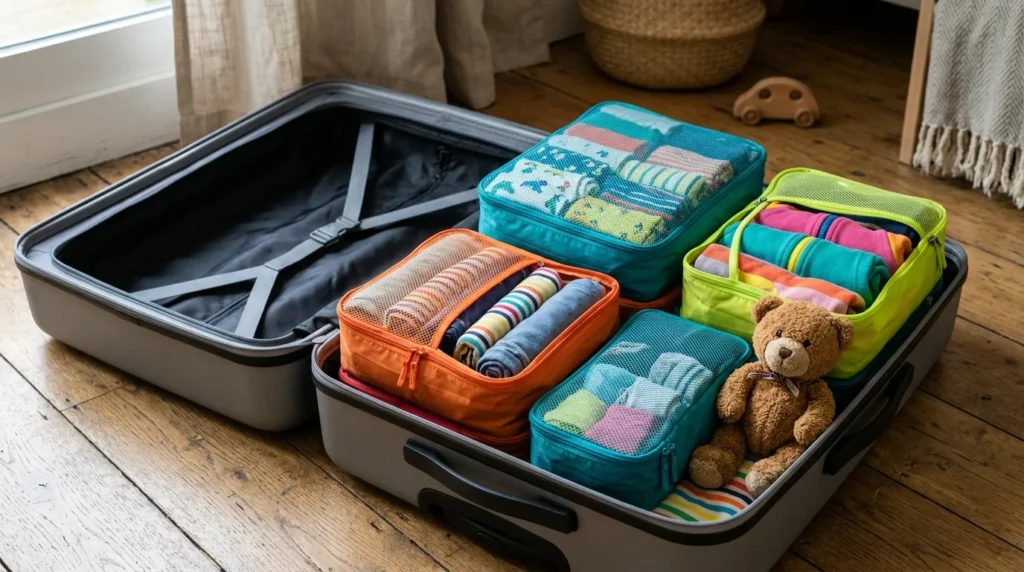
Organization is your best friend when you’re living out of a suitcase with a tiny human who requires three outfit changes a day.
- Packing Cubes: Use packing cubes to categorize clothing. Dedicate one cube to pajamas, one to tops, and another to socks and underwear. This prevents you from having to dig through the entire suitcase to find one specific item.
- The Ziploc Method: For toddlers, pack individual outfits (top, bottom, socks) into gallon-sized Ziploc bags. In the morning, you can simply grab one bag, and you’re ready to go. This is also helpful for managing soiled clothes—just put them back in the bag.
- Essential Carry-On: Always pack a change of clothes for both the toddler and yourself in your carry-on. Spills, blowouts, and motion sickness happen, and you don’t want to be stuck in a soiled shirt for a six-hour flight.
6. Patience

One of the biggest mistakes parents make is trying to maintain their pre-kid travel pace. To enjoy your trip, you must shift your mindset and embrace a slower tempo.
- The One-Activity Rule: Aim for one major activity or sight per day. Anything beyond that is a bonus. If you spend the morning at a museum, spend the afternoon at a local playground.
- Follow Their Lead: Sometimes, a toddler will be more interested in a pigeon in a piazza than the historic cathedral behind it. Let them explore. These small moments of discovery are often the highlights of the trip for them.
- Lower the Bar: Expect things to go wrong. Expect a meltdown. Expect to miss a dinner reservation. When you lower your expectations, you’re less likely to feel stressed when things don’t go perfectly.
7. First-Aid
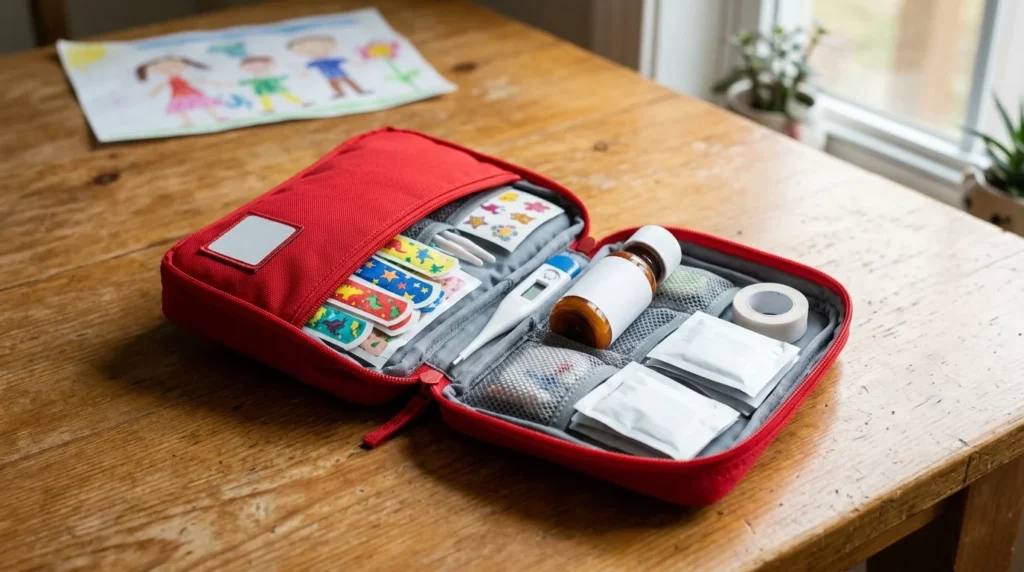
Nothing dampens a vacation faster than a sick toddler. Being prepared for minor ailments will save you a panicked trip to a foreign pharmacy.
- The Essentials: Pack a small kit containing children’s acetaminophen or ibuprofen, a digital thermometer, saline spray, bandages, and antiseptic cream.
- Sanitization: Toddlers touch everything. Carry plenty of hand sanitizer and disinfecting wipes to clean tray tables, high chairs, and hotel remote controls.
- Prescriptions: Ensure you have enough of any regular medications, plus a little extra in case of travel delays. If you’re traveling abroad, bring a copy of the prescription or a note from your pediatrician.
8. Lodging

Where you stay is just as important as where you go. A standard hotel room can feel very small very quickly when a toddler is involved.
- Separate Spaces: If possible, book a suite or an Airbnb with at least one separate bedroom. Having a place to sit and talk (or watch TV) after the toddler goes to bed at 7:30 PM is vital for your own relaxation.
- Kitchenette Access: A small kitchen or even just a microwave and mini-fridge can make mealtime much easier. Being able to prepare a quick bowl of oatmeal or store milk and yogurt is a huge convenience.
- Safety First: Upon arrival, do a quick “toddler sweep” of the room. Move breakables out of reach, check for loose cords, and ensure balcony doors are securely locked.
9. Routine
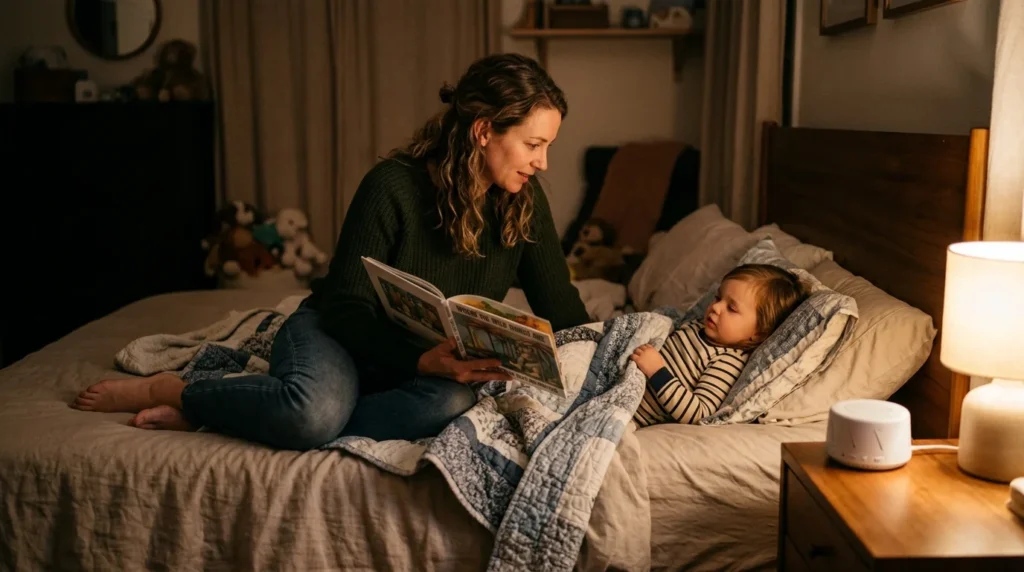
Toddlers thrive on predictability. While travel is inherently unpredictable, maintaining a few key routines from home can provide a sense of security.
- The Bedtime Ritual: Stick to your usual bedtime sequence. If you always read two books and sing a specific song at home, do the same in the hotel. This signals to your toddler’s brain that it’s time to sleep, even in a strange environment.
- Familiar Gear: Bring a small piece of home with you. Whether it’s their favorite sleep sack, a specific white noise machine, or a beloved storybook, these familiar items help them settle into a new space.
- Mealtime Consistency: Try to keep meal and snack times as consistent as possible. A routine-heavy schedule helps regulate their mood and energy levels throughout the day.
10. Extras
Sometimes it’s the little things—the “extras”—that make the biggest difference in your travel experience.
- The Comfort Item: Never, under any circumstances, forget the “lovey” or favorite stuffed animal. In fact, if possible, have a backup of the exact same toy hidden in your luggage just in case the original goes missing.
- Plastic Bags: Always carry a few extra grocery bags or wet bags. They are invaluable for storing wet swimsuits, trash, or the aforementioned “outfit change” disasters.
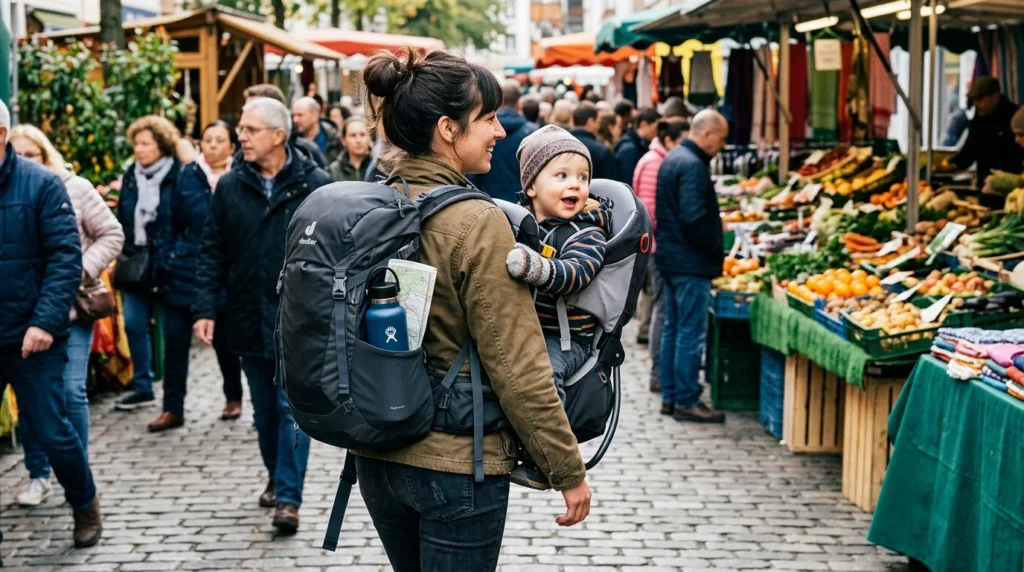
- Baby Carrier: Even if your toddler is a great walker, a toddler-sized soft structured carrier or a hiking pack can be a lifesaver for navigating stairs, crowded markets, or nature trails where a stroller can’t go. It also provides a safe, snuggly place for them to rest when they’re overwhelmed by the environment.