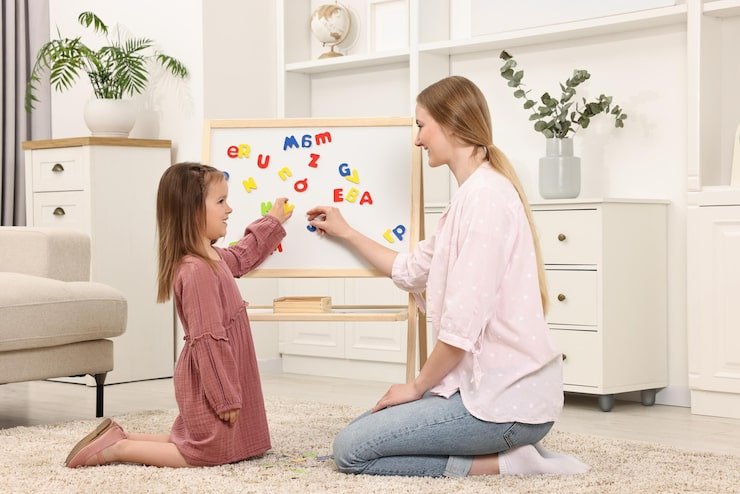
How to Build Kid’s Vocabulary at Home
Building your child’s vocabulary is one of the best ways to support their communication, confidence, and school success. The good news? You don’t need fancy lessons — everyday conversations, fun games, and reading time can work wonders. Here’s how you can help your child expand their vocabulary naturally at home.
1. Talk Often and About Everything
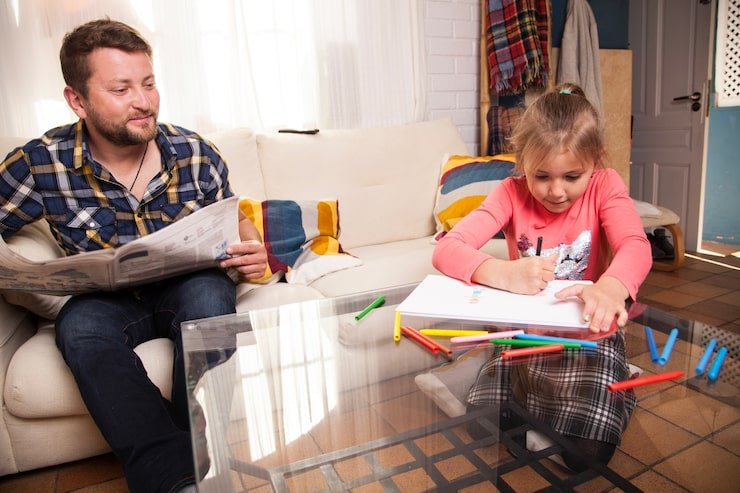
Children learn new words by hearing them in context. Describe what you’re doing, thinking, or seeing — whether you’re cooking dinner, folding clothes, or taking a walk. The more they hear words used in daily life, the faster they learn.
2. Read Together Daily

Reading aloud is one of the most powerful ways to build vocabulary. Choose age-appropriate books with rich language and varied topics. Pause to explain unfamiliar words and ask your child what they think each one means.
3. Use “Big” Words Naturally
Don’t shy away from using advanced words. Instead of “big,” try “enormous” or “gigantic.” Instead of “happy,” use “joyful” or “excited.” Kids love learning “grown-up” words — and they’ll surprise you by using them correctly later!
4. Make Word Learning Fun
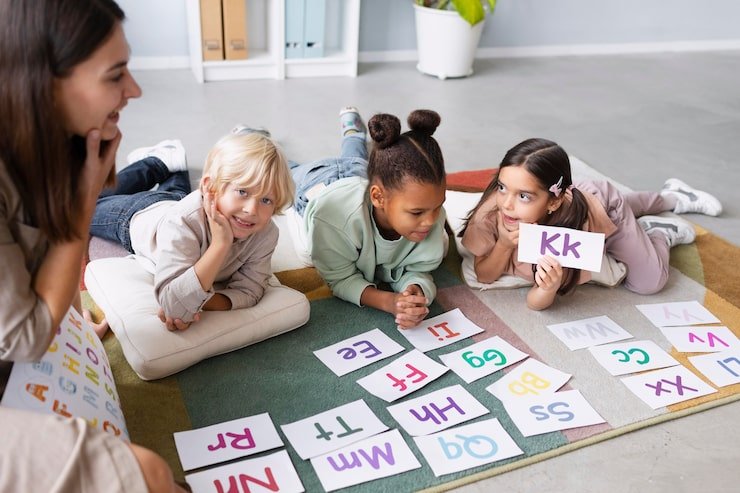
Turn vocabulary into a game. Play Word of the Day, I Spy, or Guess the Word. For example, describe an object without naming it (“I’m thinking of something round and yellow that you can eat”), and let your child guess.
5. Label Things Around the House
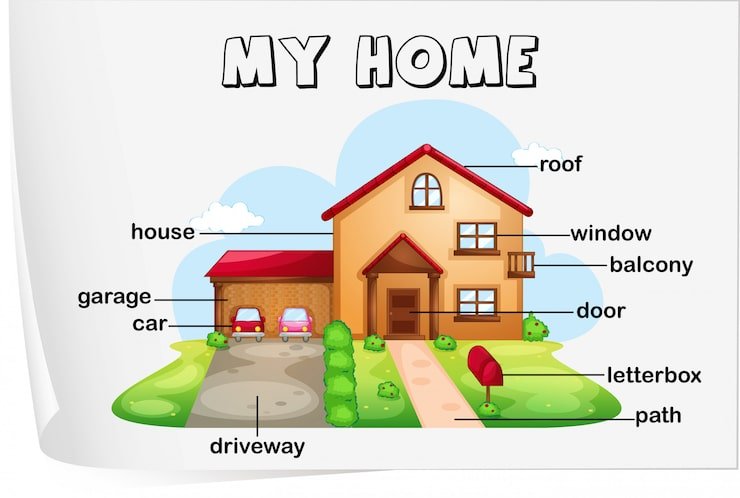
Use sticky notes to label common household items — like door, mirror, or table. For younger kids, add pictures. This visual reinforcement helps connect words to objects and strengthens recognition.
6. Encourage Storytelling

Ask your child to tell stories about their day, a dream they had, or a picture you show them. Storytelling builds sentence structure, creativity, and vocabulary as they search for new words to express their thoughts.
7. Sing Songs and Recite Rhymes

Songs, nursery rhymes, and poems are filled with rhythm and repetition, which make new words easier to remember. Sing together and repeat favorites often — it’s learning disguised as fun.
8. Use Conversations to Reinforce Learning

When your child learns a new word, find ways to use it again later in different situations. For instance, if they learned “shiny,” you can say, “Look, that car is shiny too!” Repetition cements understanding.
9. Introduce New Experiences

Take your child to new places — parks, museums, or even the grocery store — and talk about what you see. Each new environment introduces unfamiliar words and helps expand their world of knowledge.
10. Be Patient and Encouraging

Learning new words takes time and practice. Praise your child when they use a new word, even if it’s not perfect. Positive reinforcement builds confidence and encourages them to keep trying.
Final Thoughts
Expanding your child’s vocabulary at home doesn’t have to feel like work — it can be woven naturally into your daily routine. Read, talk, play, and explore together. With consistency and curiosity, your child will soon develop a strong, expressive vocabulary that lasts a lifetime.