17 Genius Homework Station Ideas for Kids
Creating a dedicated workspace for children is one of the most effective ways to encourage academic focus and organized study habits. A well-designed homework station minimizes distractions and provides all the necessary tools for success right at their fingertips. Whether you are working with a spacious bonus room or a small corner of a hallway , these creative solutions will help you build an environment that fosters productivity and creativity.
1. The Closet Office Conversion
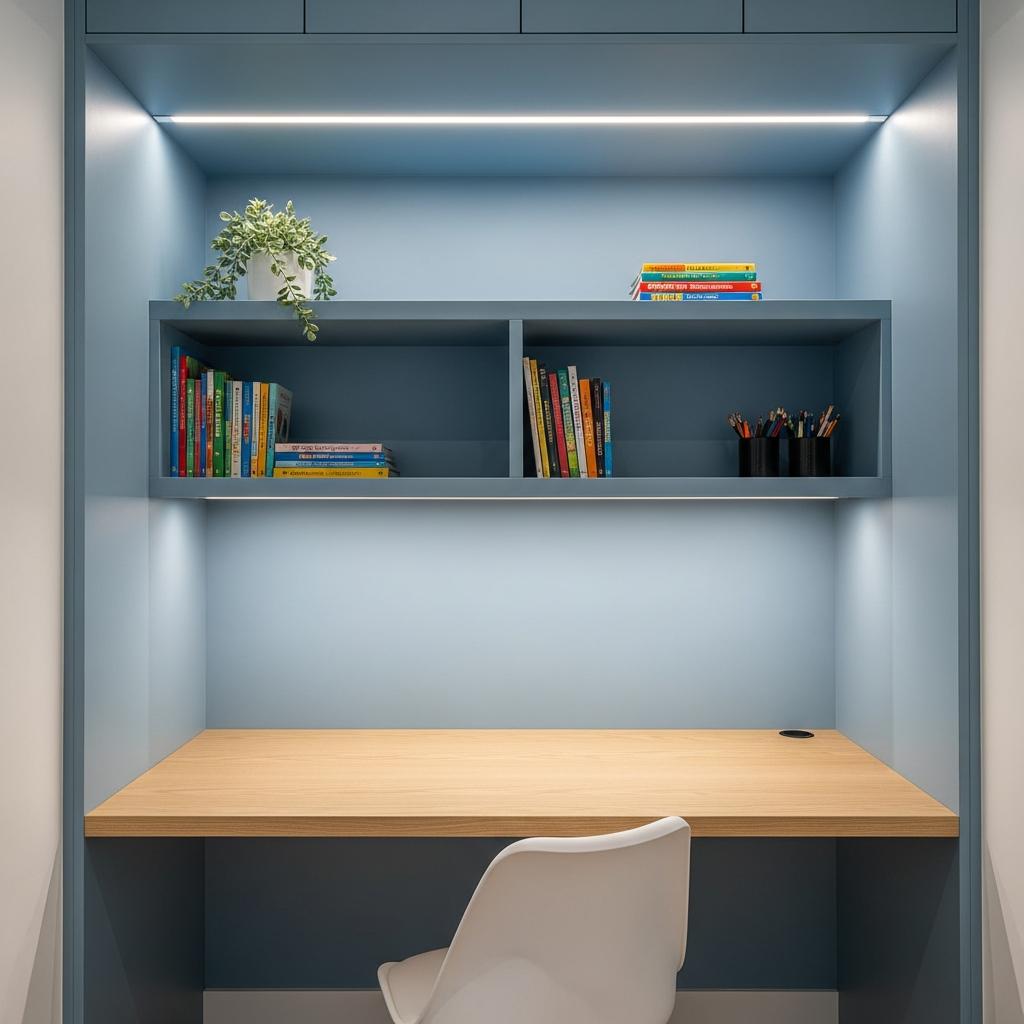
Transform an underutilized reach-in closet into a functional study nook by removing the doors and installing a custom-fit desktop. This approach keeps the workspace tucked away from the main flow of the room while providing a cozy, enclosed environment that helps children concentrate on their tasks.
2. Modern Floating Wall Desks
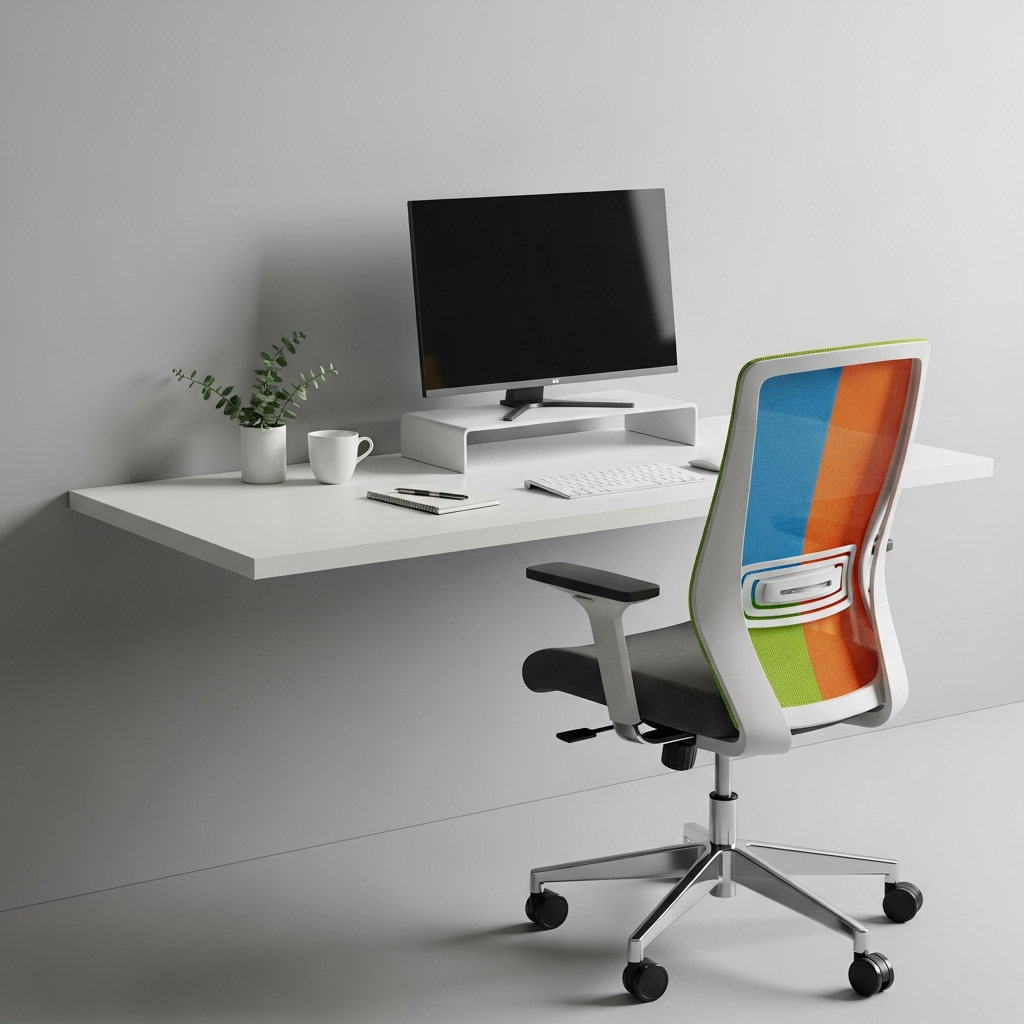
Floating desks are ideal for small bedrooms or shared living spaces because they lack bulky legs, making the room feel more open. By mounting the desk surface directly to the wall at the appropriate height for your child, you create a sleek, contemporary look that is easy to clean around.
3. The Mobile Supply Cart
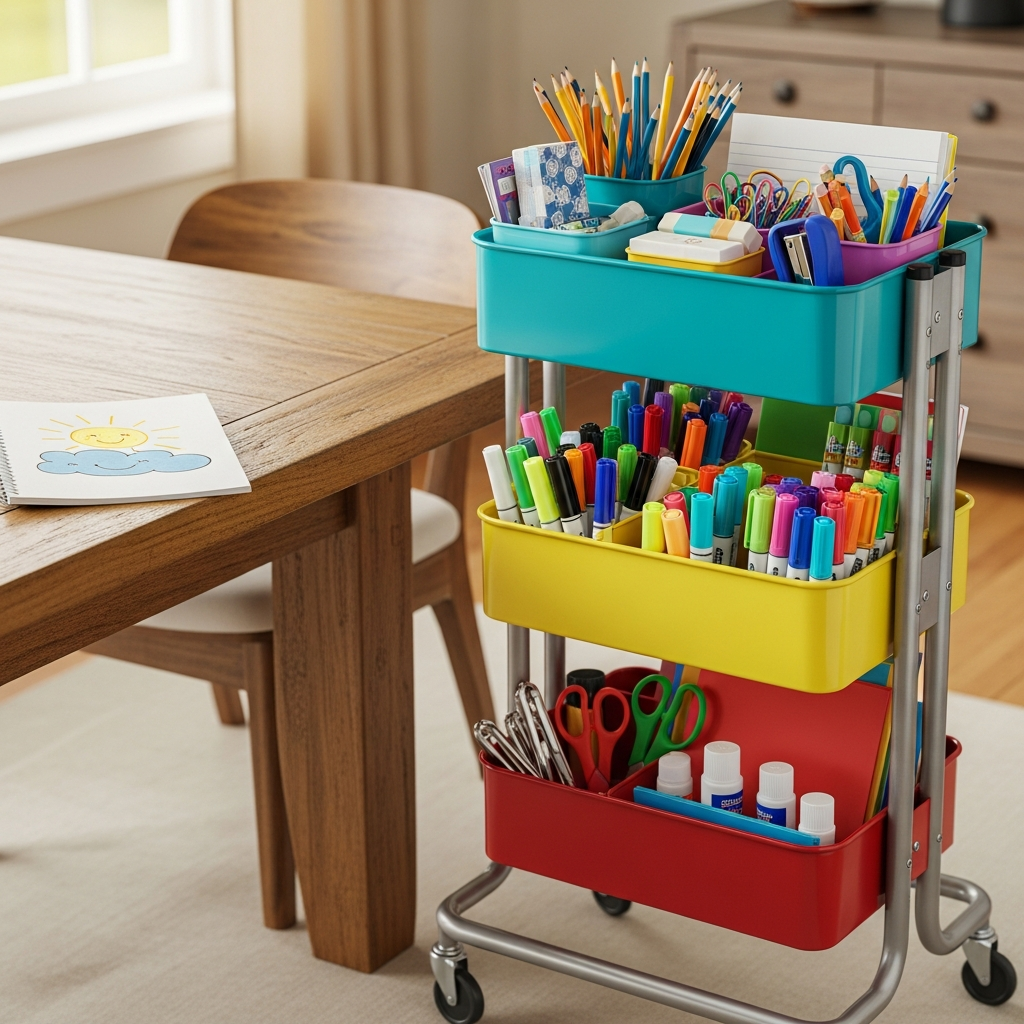
For families who prefer to do homework at the kitchen table, a mobile supply cart is a game changer. Use a three-tiered rolling cart to organize pencils, paper, calculators, and art supplies, allowing the station to be moved wherever the child feels most productive.
4. Under the Loft Bed Workspace
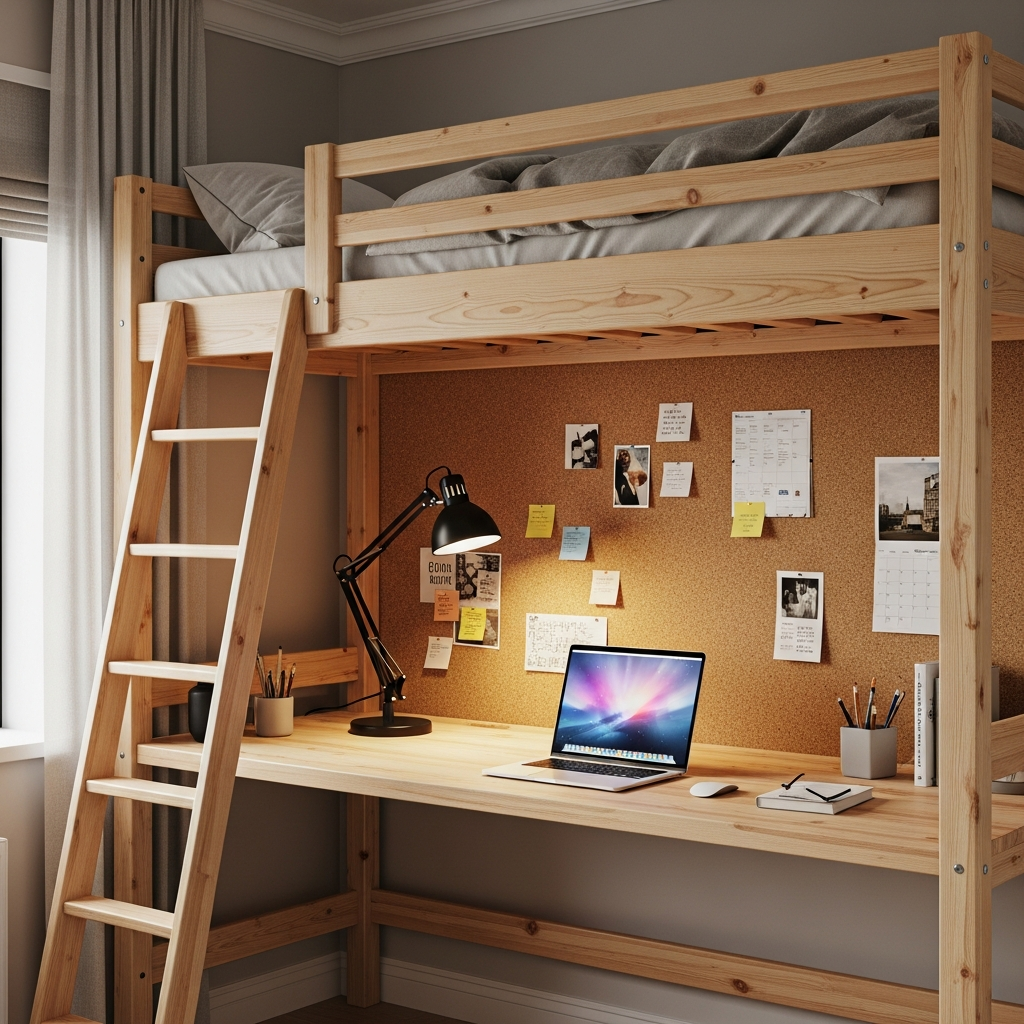
In smaller bedrooms, utilizing the vertical space under a loft bed is a brilliant way to incorporate a desk without sacrificing floor space. This setup creates a private ‘command center’ for older children and teenagers who need extra room for laptops and textbooks.
5. Integrated Pegboard Organization
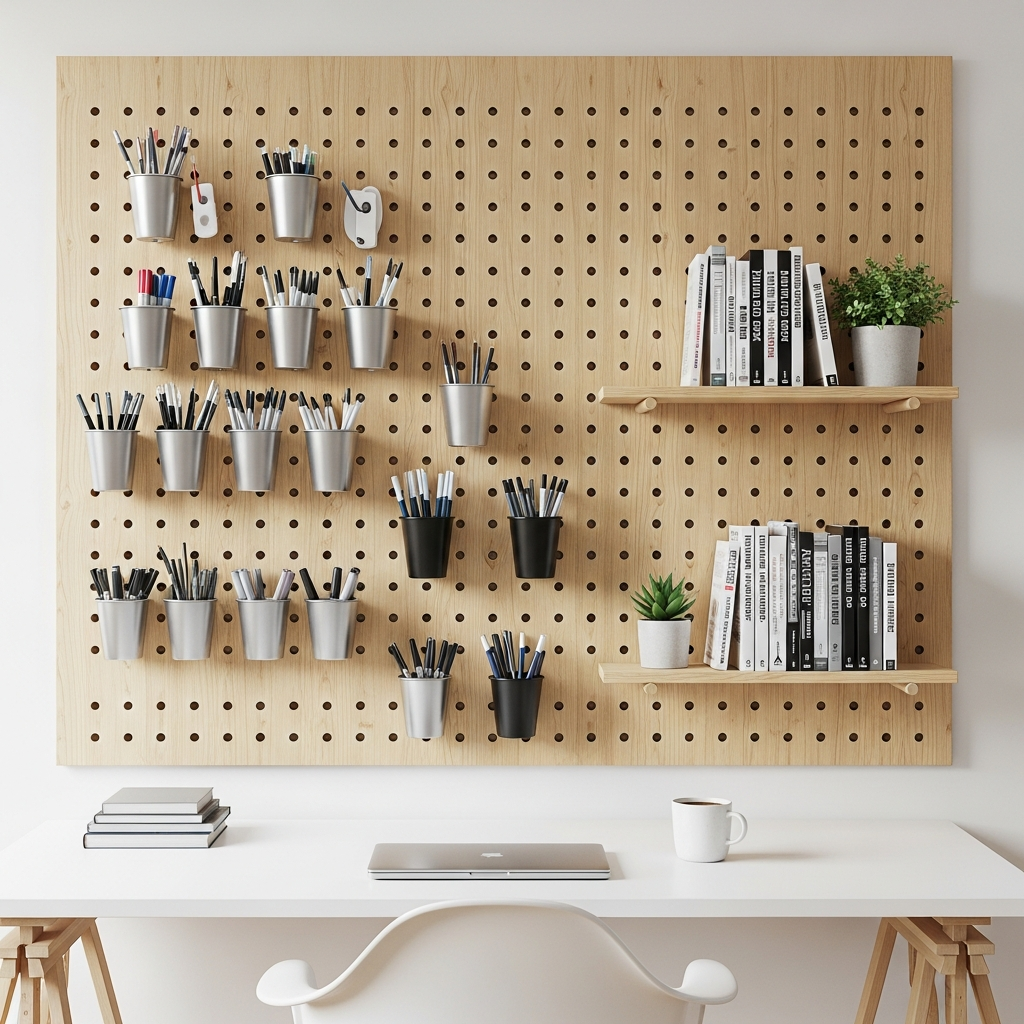
A floor-to-ceiling pegboard allows for complete customization of storage. You can move shelves, hooks, and bins as your child grows, ensuring that their most-used supplies are always within reach while keeping the desktop clutter-free.
6. The Double Shared Station
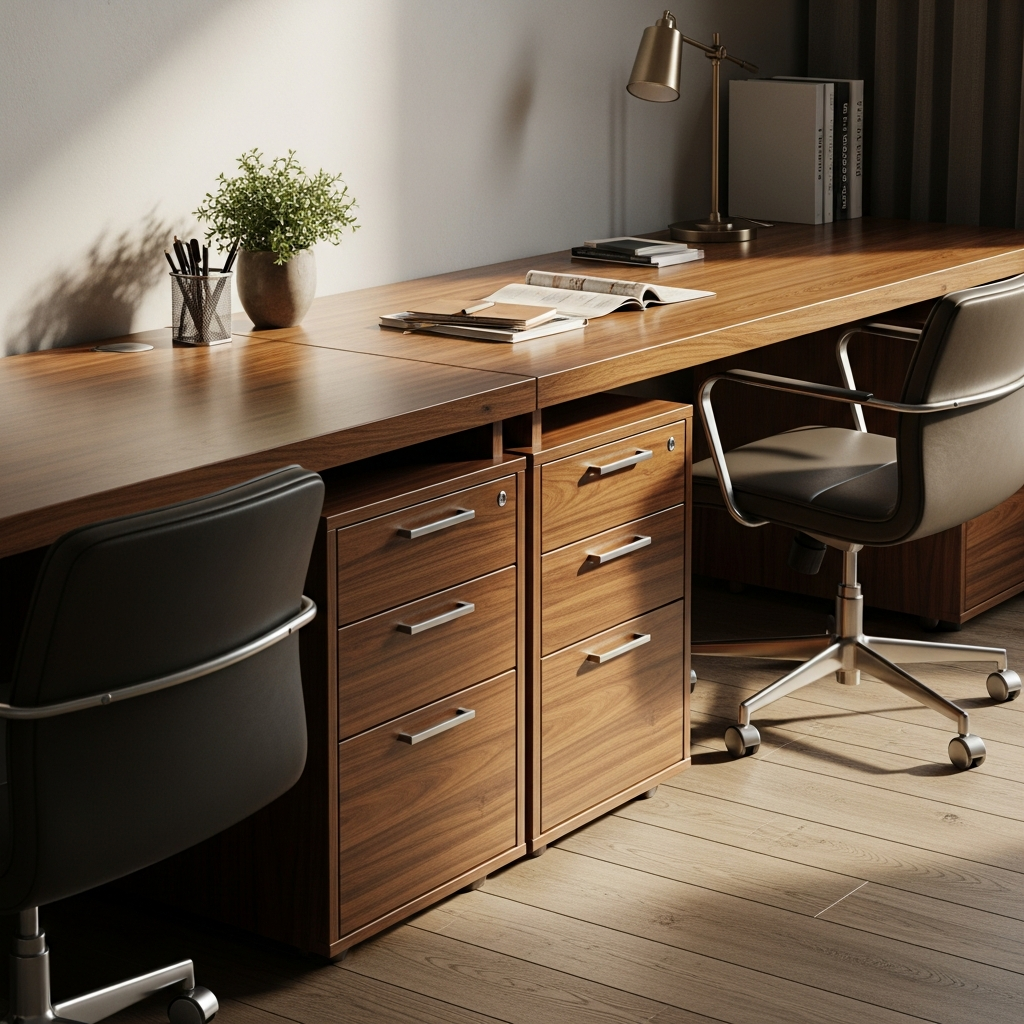
If you have two children sharing a space, a long double-sided desk with a central divider or drawer unit provides individual workspaces while maintaining a cohesive look. This encourages parallel work and makes it easier for parents to supervise multiple children at once.
7. Kitchen Island Nooks
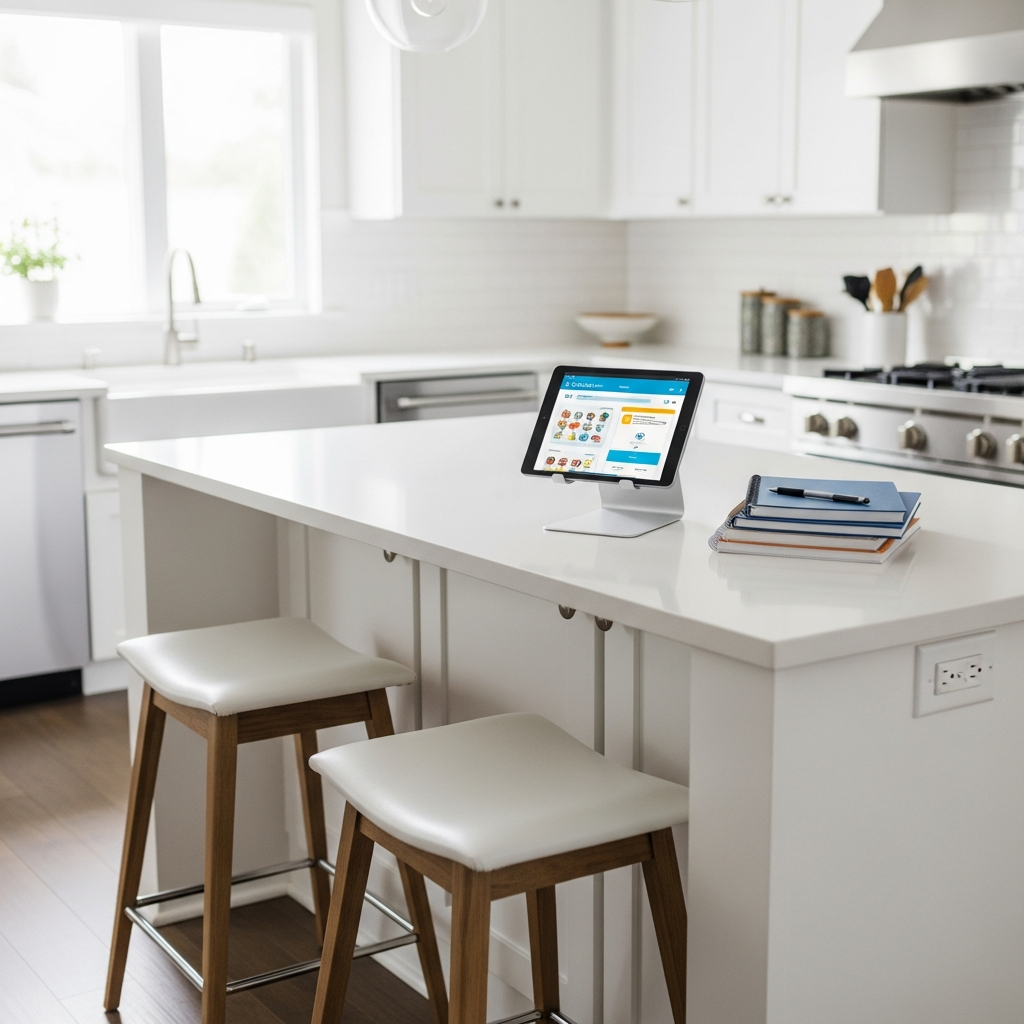
For younger children who need more parental guidance, a dedicated end of the kitchen island can serve as a temporary homework station. Adding comfortable bar stools and a nearby charging station for tablets ensures they stay focused while dinner is being prepared.
8. Staircase Alcove Solutions
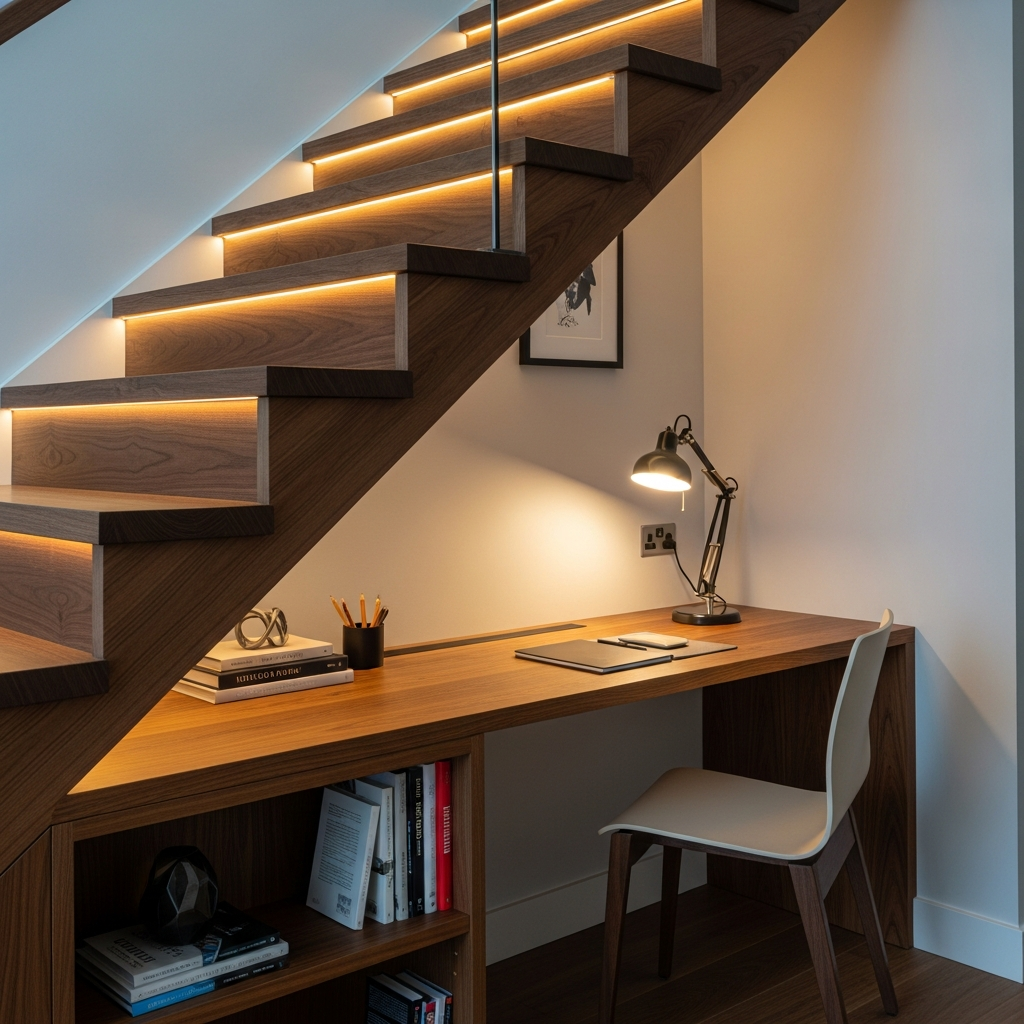
The often-wasted space under a staircase can be turned into a quiet, architectural study zone. Custom cabinetry or a simple built-in desk can make this awkward nook one of the most efficient and secluded spots in the house for reading and writing.
9. Window Sill Desk Extensions
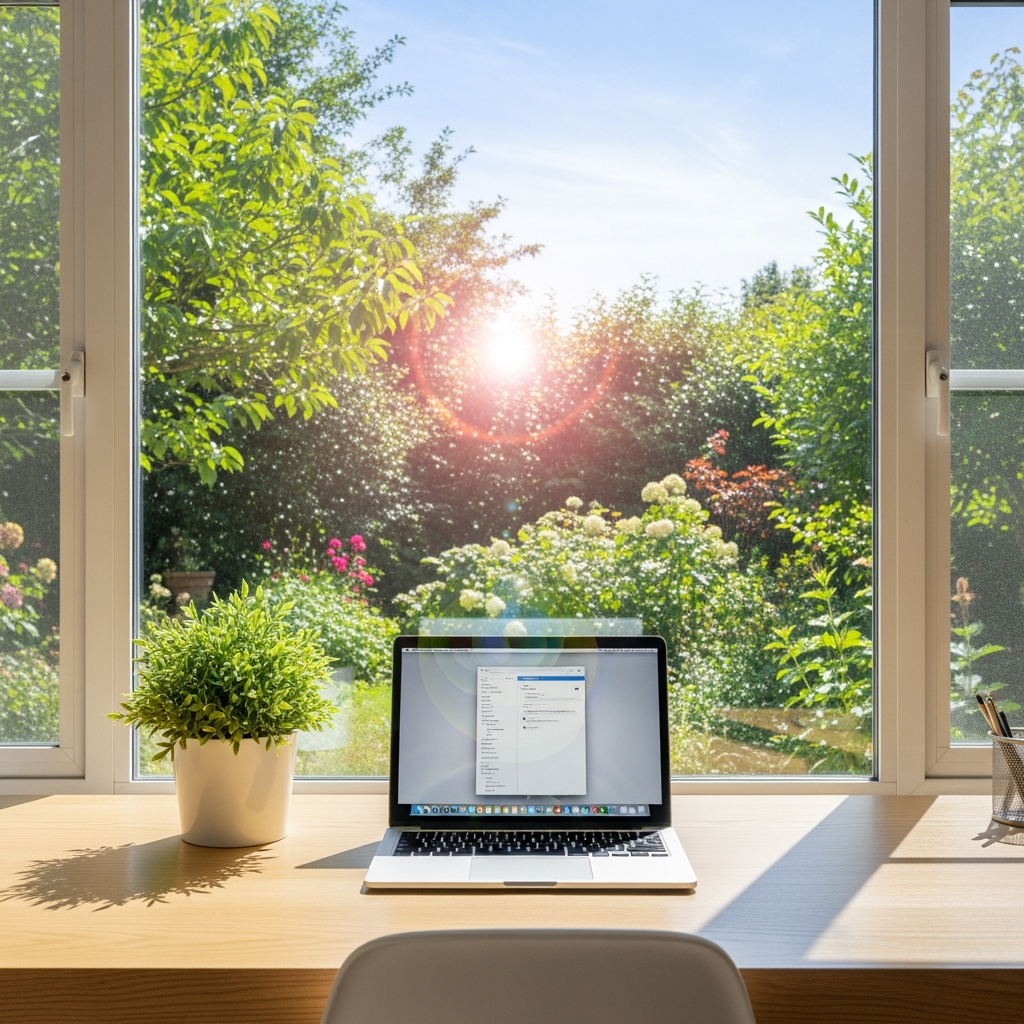
Placing a desk in front of a window provides natural light, which is proven to boost mood and productivity. A wide window sill can even be extended with a matching piece of wood to create a deep, sun-drenched workspace.
10. Fold-Down Murphy Desks
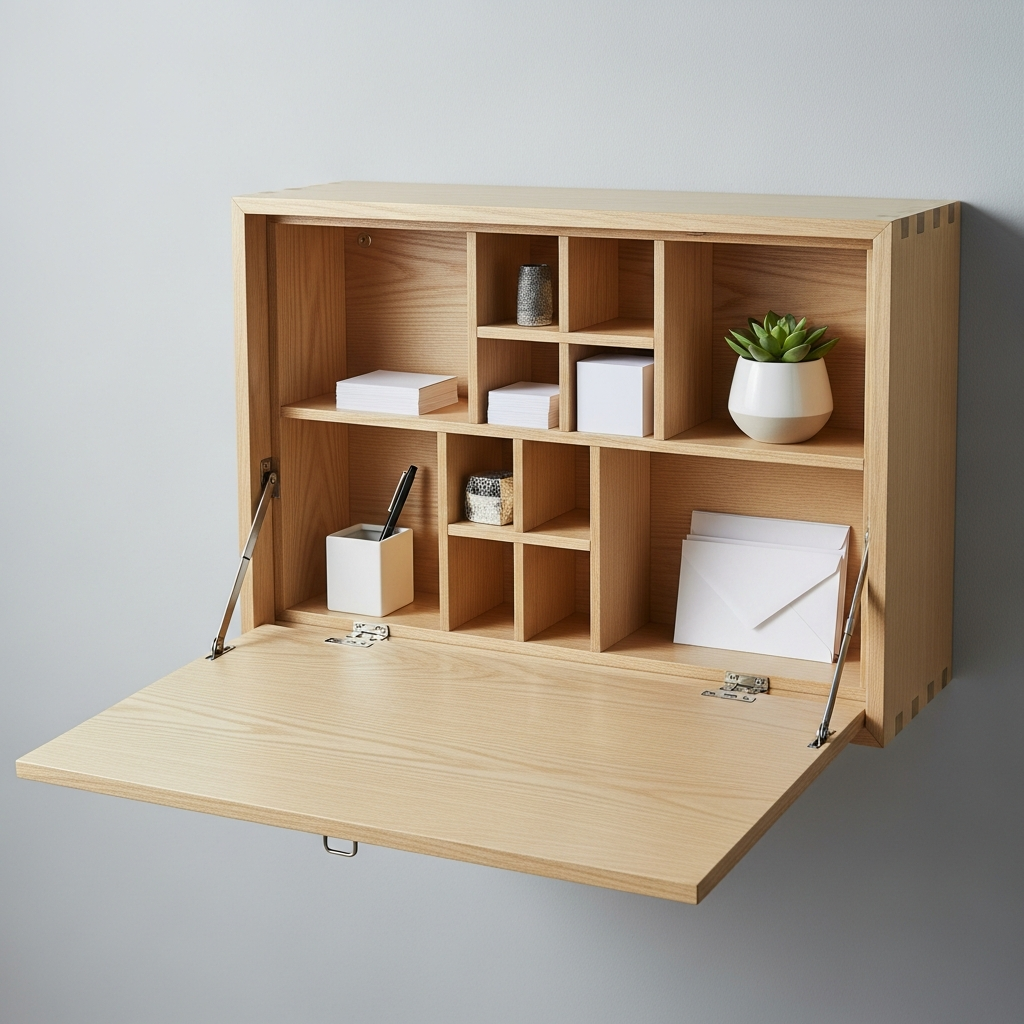
A fold-down or ‘Murphy’ desk is the ultimate space-saver for multi-functional rooms. When homework is finished, the desk folds up against the wall to reveal a chalkboard or a decorative panel, reclaiming the floor space for play.
11. Corner Ladder Desks
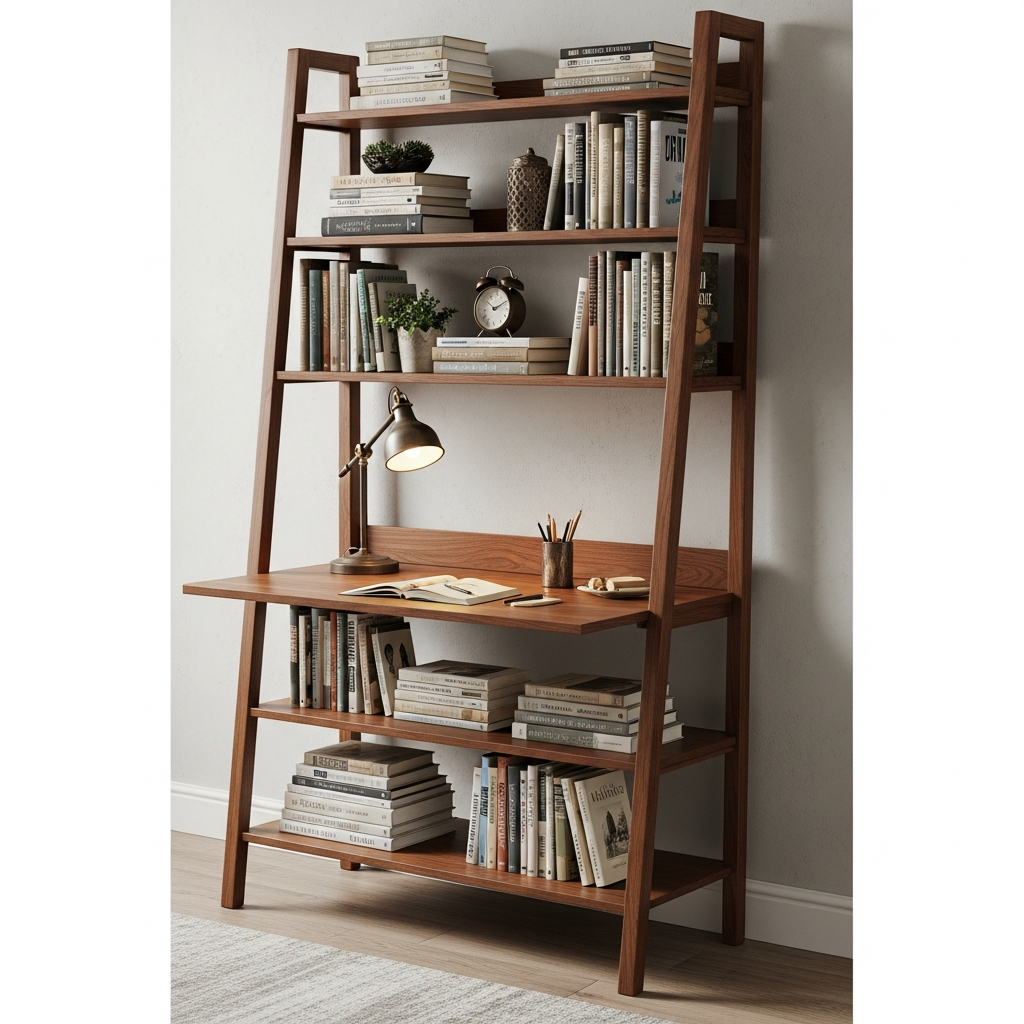
Ladder desks offer a vertical storage solution with a small footprint. The leaning design provides several shelves for books and decor above the main writing surface, making it perfect for bedrooms where wall space is at a premium.
12. The Repurposed Vintage Vanity
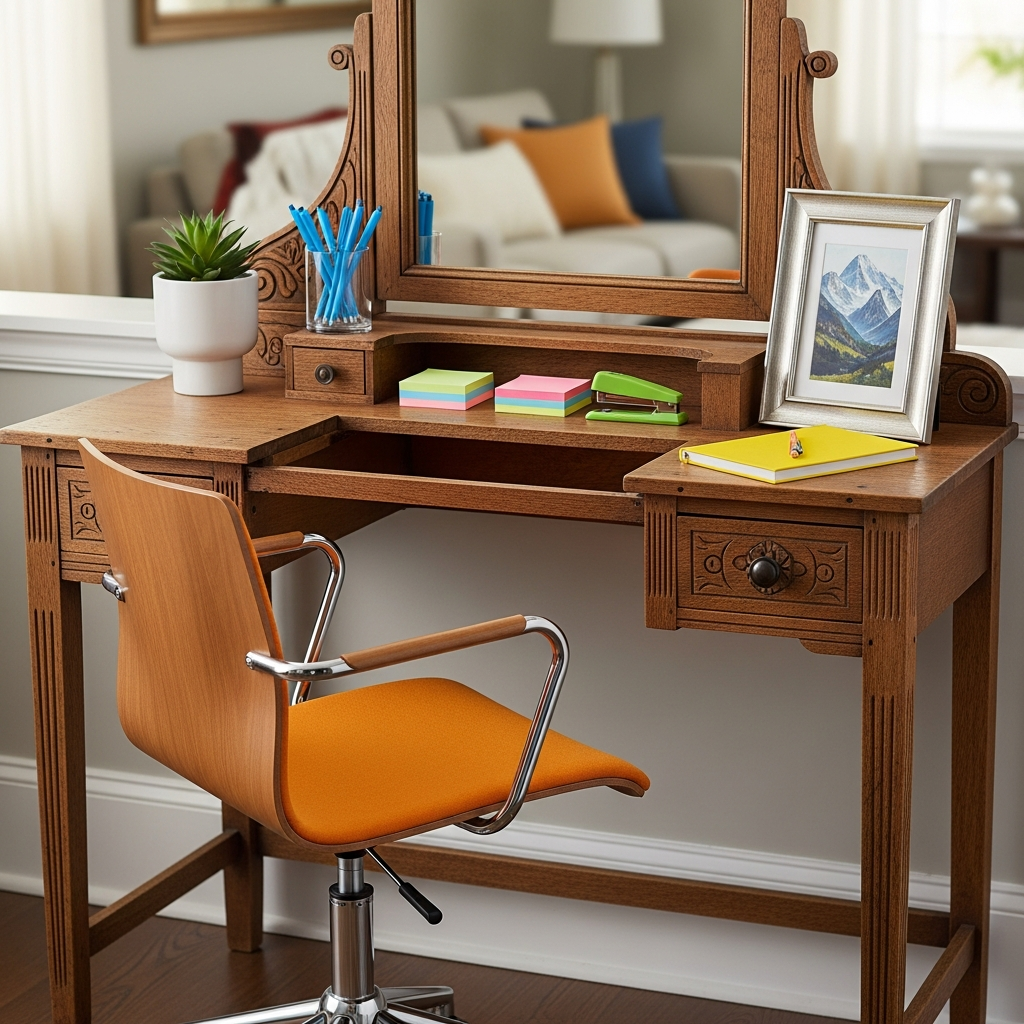
Give a second life to an antique vanity or dressing table by converting it into a desk. These pieces often feature plenty of drawers for organization and add a touch of personality and charm to a child’s bedroom decor.
13. Minimalist Hallway Stations
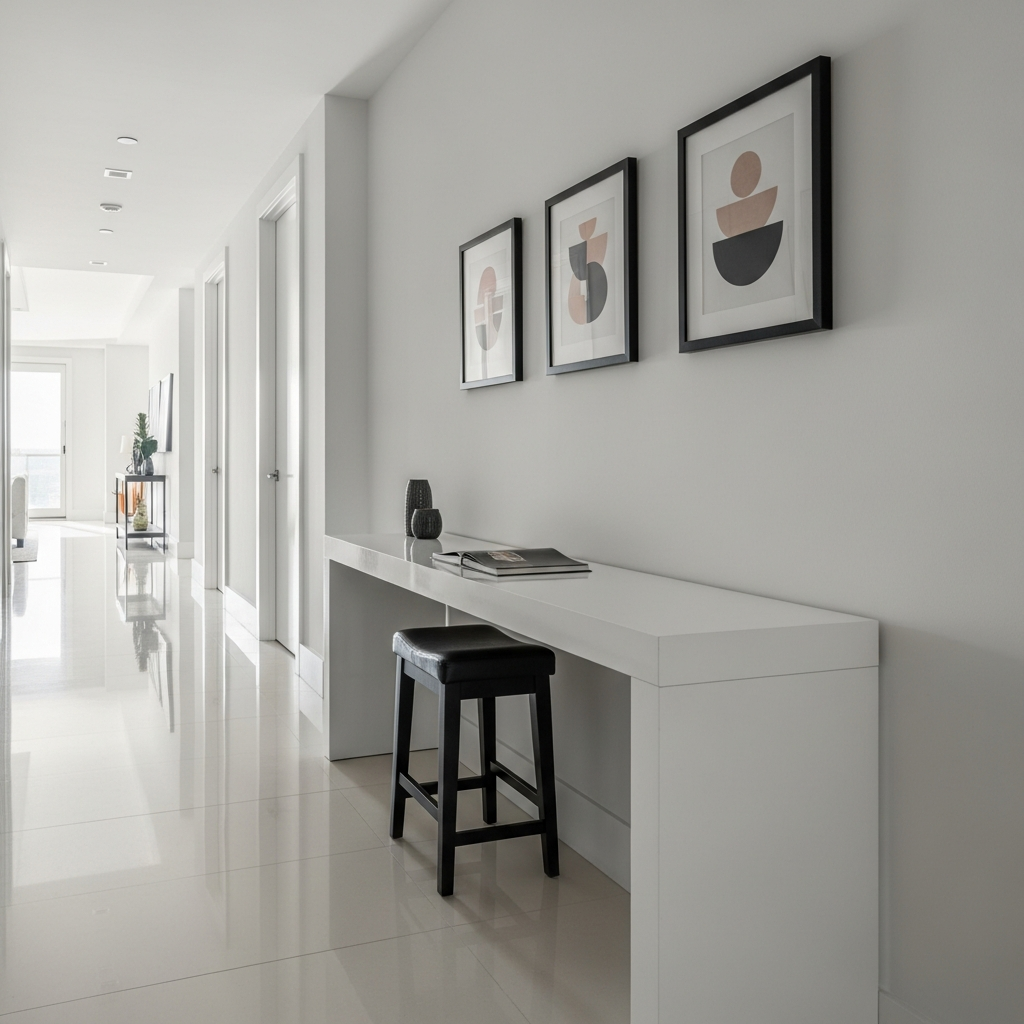
Wide hallways can be the perfect location for a minimalist desk setup. By keeping the furniture slim and the decor neutral, you can create a functional zone that doesn’t obstruct the flow of traffic through the home.
14. Ergonomic Standing Desks
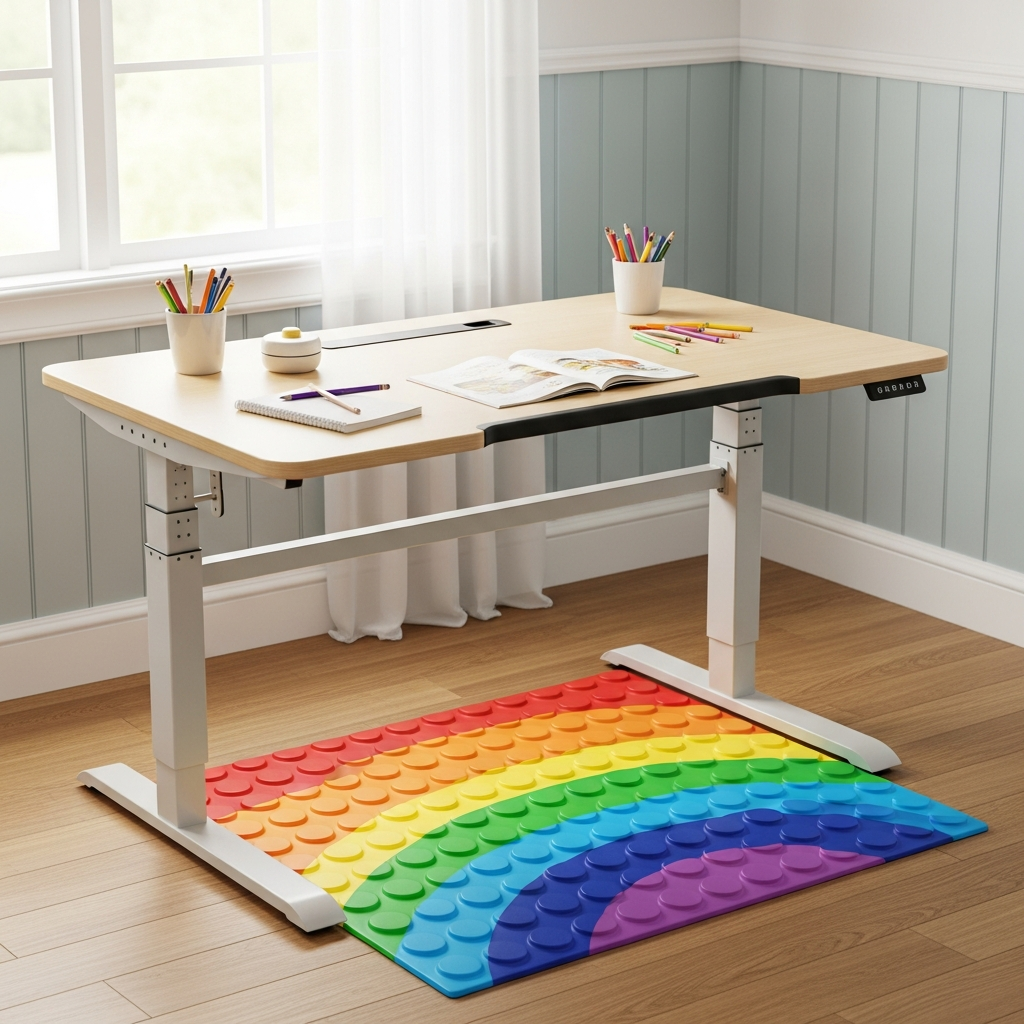
For kids who have trouble sitting still, an adjustable standing desk allows them to shift positions throughout their study session. This can improve circulation and focus, making it a great option for active learners.
15. Library Style Cubbies
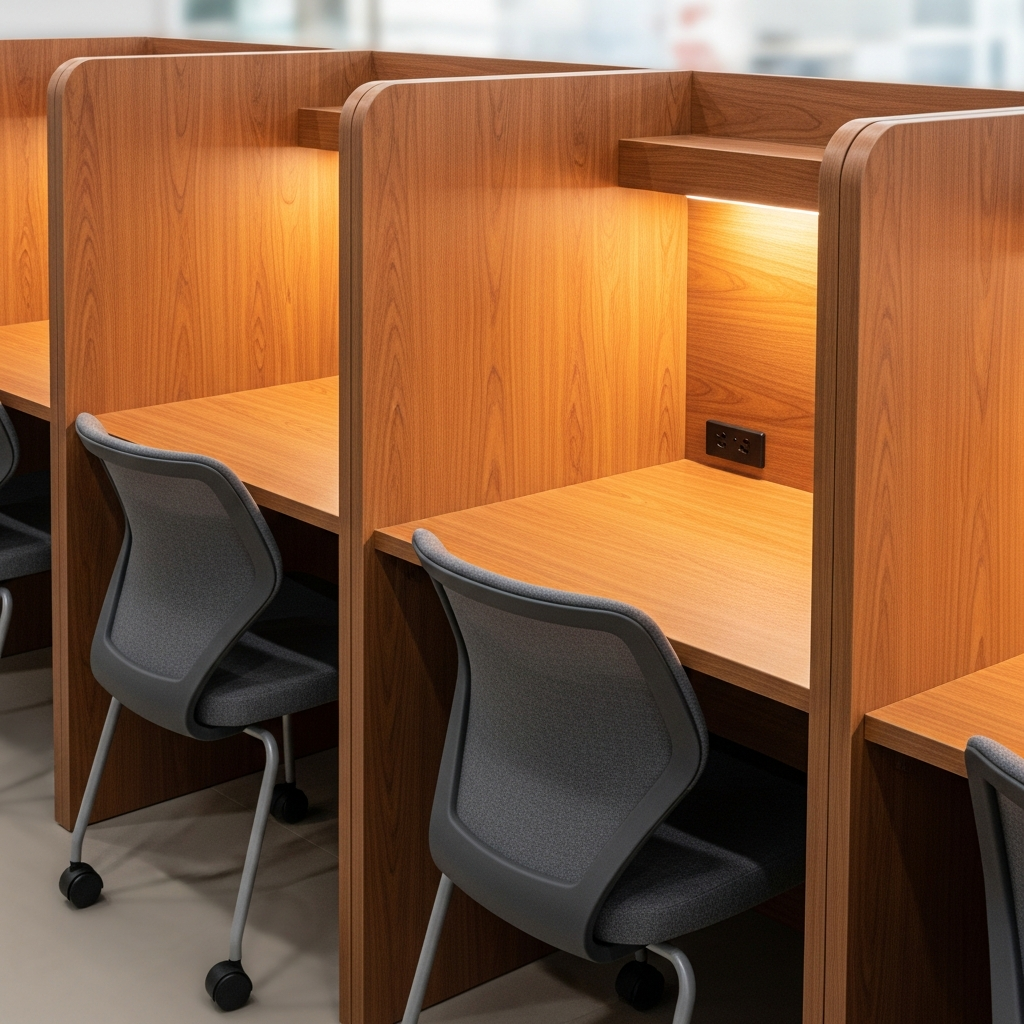
Create a sense of privacy in a shared playroom with library-style cubbies. Side panels block peripheral distractions, helping children enter a ‘flow state’ while working on complex projects or reading.
16. Color Coded Zone Stations
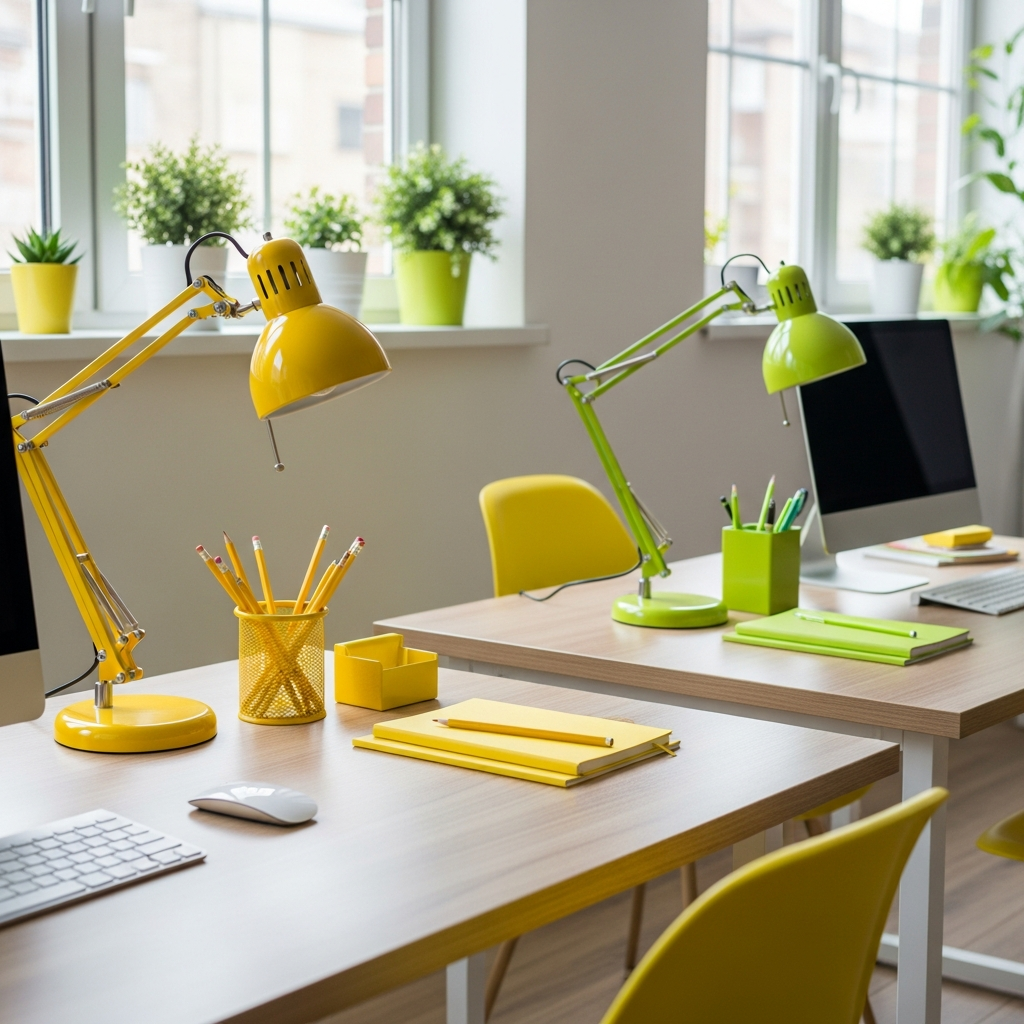
Use color to define different areas of the workspace. Assigning a specific color to each child’s bins, folders, and chair helps maintain order and allows children to take ownership of their specific area.
17. The Integrated Bookshelf Desk
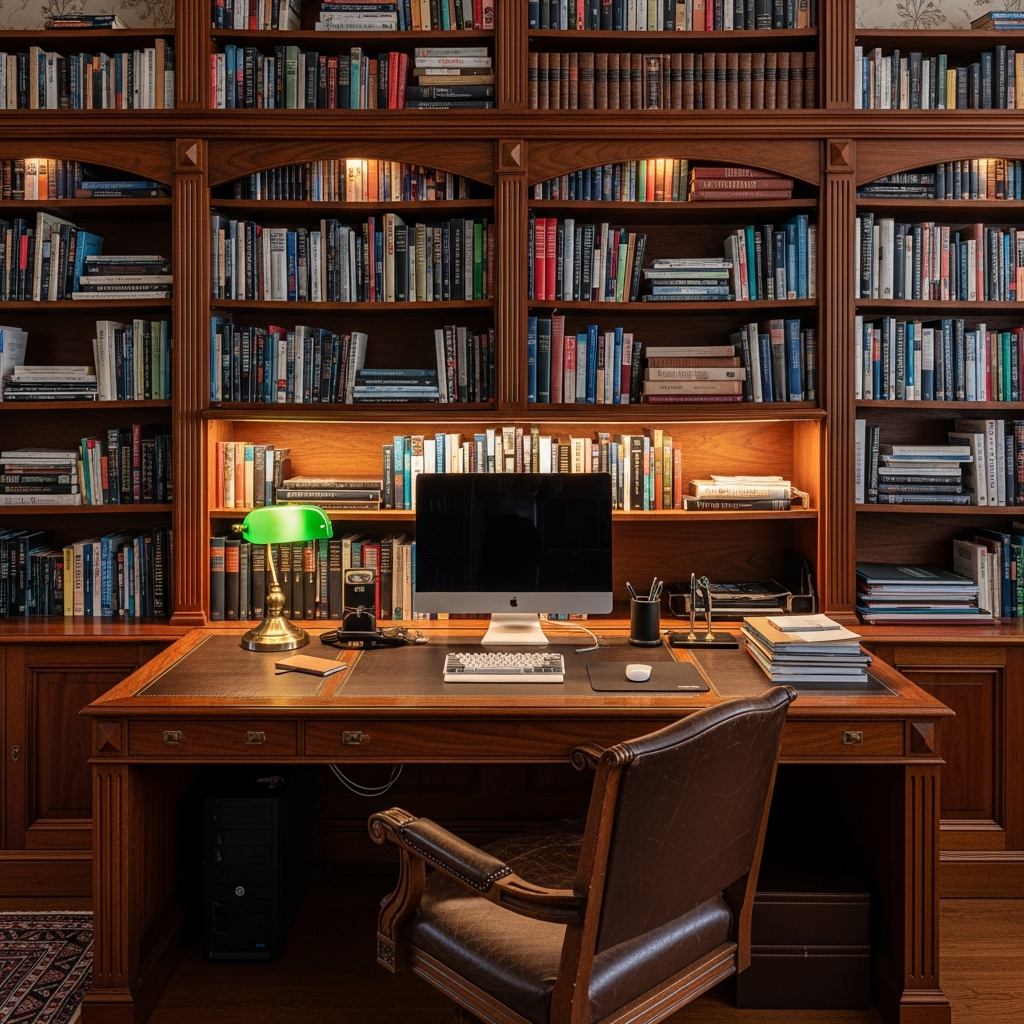
Merge a desk directly into a wall of bookshelves. This provides an academic atmosphere and ensures that reference materials and reading books are always just an arm’s length away, creating a comprehensive home library and study center.
Conclusion
Investing time in creating a thoughtful homework station pays dividends in your child’s attitude toward learning. By choosing a setup that fits your home’s layout and your child’s specific needs, you provide them with the stability and tools required for academic growth. From mobile carts to built-in alcoves, these 17 ideas offer a range of solutions to turn any corner into an inspiring center for education.