The end of the day can often feel like a race against the clock. After school , dinner, homework, and all the little tasks that fill family life , bedtime can sometimes feel like just another item on the to-do list. But what if we saw it differently? What if bedtime wasn’t just about getting our children to sleep, but about creating precious moments of connection and love?
Bedtime rituals are so much more than a routine; they are a golden opportunity. In the quiet winding down of the day, a special space opens up for parents and children to truly connect, to soothe anxieties, and to reinforce their unique bond. These moments, even if they’re just a few minutes long, build a foundation of security and love that lasts a lifetime.
Why Bedtime Rituals Are So Important

A consistent bedtime routine offers profound benefits, not just for helping your child sleep, but for their overall well-being and your relationship. It’s a gentle signal that the day is ending and a peaceful transition into rest is beginning.
Creating a Sense of Security and Predictability
Children, from babies to older kids, thrive on predictability. Knowing what to expect reduces anxiety and helps them feel safe and in control. A familiar bedtime ritual acts like an anchor in their day, offering comfort and stability.
When children know the steps that will happen before bed, they can relax into the process. This routine minimizes resistance and power struggles, making the evening more pleasant for everyone. It’s a gentle reminder that their world is safe and orderly.
Strengthening the Parent-Child Bond
Daily life can be hectic, often leaving little time for focused, one-on-one interaction. Bedtime carves out a dedicated space for this. It’s a time when distractions fade, and your attention is fully on your child.
These quiet moments of shared activity and gentle conversation deepen your emotional connection. It’s an opportunity to show your child they are loved, valued, and safe in your presence, building trust and closeness.
Promoting Better Sleep
A well-structured bedtime ritual signals to a child’s body and mind that it’s time to wind down. This helps their internal clock regulate and makes the transition to sleep smoother. The calming activities reduce stress hormones and promote relaxation.
Children who have consistent bedtime routines tend to fall asleep faster, wake less often during the night, and sleep for longer periods. This leads to more restorative sleep, which is crucial for their growth, development, and mood.
A Space for Emotional Connection
Bedtime can be a unique time for children to open up. The quiet intimacy often encourages them to share their day’s joys, triumphs, and even their worries or fears. This makes you a safe confidante and strengthens their emotional literacy.
By listening actively and offering comfort, you teach your child that their feelings are valid and that you are always there for them. This emotional sharing builds resilience and a strong sense of self-worth.
Crafting Your Own Special Bedtime Routine

There’s no single “perfect” bedtime routine. The best ritual is one that fits your family’s needs, your child’s age, and your lifestyle. The key is to make it consistent, calming, and focused on connection.
Start Early and Be Consistent
It’s never too early to start a bedtime ritual. Even newborns benefit from the predictability of a soothing routine. Consistency is the magic ingredient; try to stick to the same sequence of events around the same time each night.
While consistency is important, life happens. Don’t stress if you miss a night or if things run late. The occasional deviation won’t undo the benefits of your regular routine. Just pick it back up the next evening.
Keep it Calm and Soothing
The goal of bedtime rituals is to wind down, not wind up. Choose activities that are relaxing and gentle. This means dimming the lights, using quiet voices, and avoiding screens or overly stimulating play at least an hour before bed.
Think of creating a peaceful atmosphere. A warm bath, a quiet song, or a gentle cuddle all contribute to a sense of calm. This helps prepare your child’s mind and body for sleep.
Involve Your Child
When children have a say, they are more likely to embrace the routine. Offer age-appropriate choices, such as picking out their pajamas, selecting a book, or choosing which lullaby to sing.
This involvement gives them a sense of ownership and control, which can be particularly helpful in reducing bedtime resistance. It also turns the routine into a collaborative, shared experience.
Beautiful Rituals for Babies and Toddlers (0-3 years)
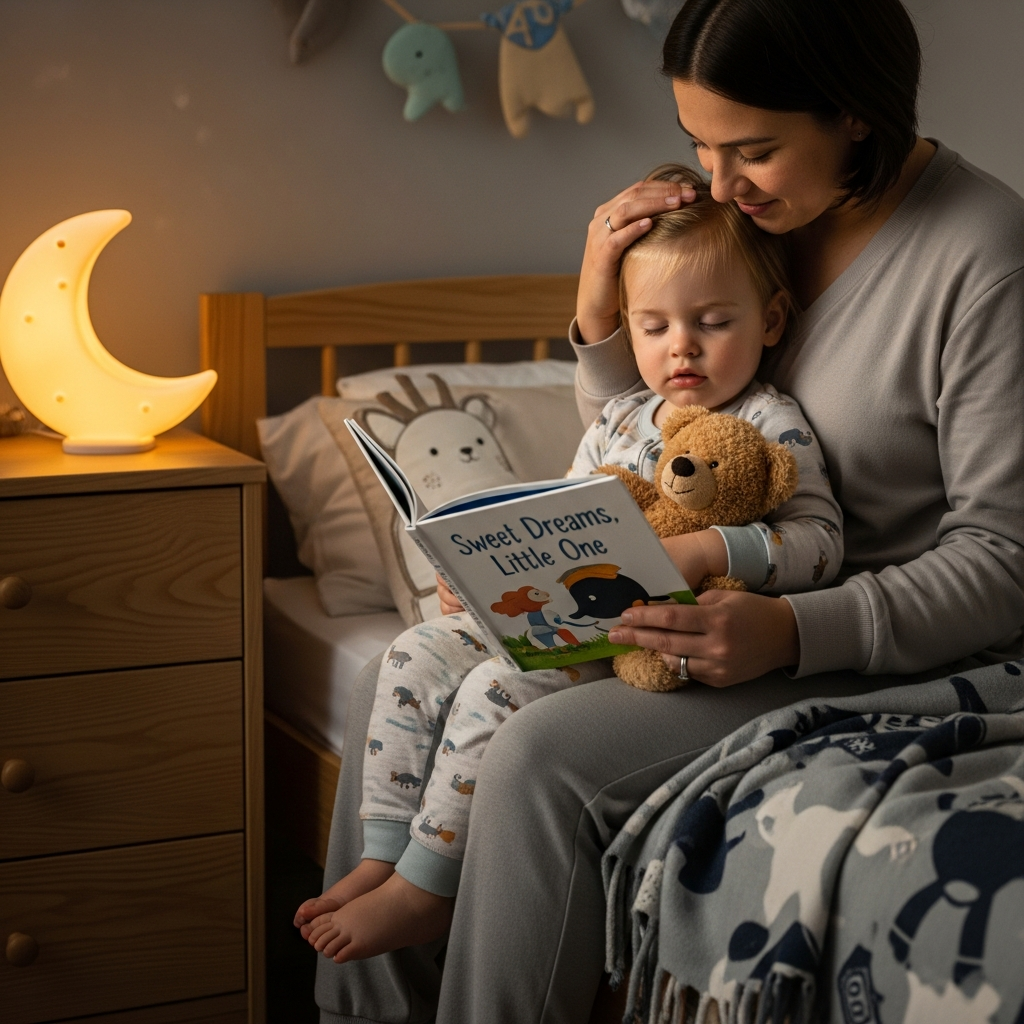
For our littlest ones, bedtime rituals are all about sensory comfort, gentle touch, and soothing sounds. These simple acts lay the groundwork for strong bonds and good sleep habits.
The Gentle Bath Time
A warm bath can be incredibly relaxing for babies and toddlers. The soothing water helps calm their senses and signals to their body that it’s time to wind down.
Making bath time special:
* Use a gentle, calming baby wash.
* Keep the bathroom warm and the lights soft.
* Talk softly or sing a gentle song during the bath.
* Wrap them in a soft, warm towel afterward for a cozy cuddle.
Soft Touch and Massage
A gentle massage with baby lotion after a bath can work wonders. Skin-to-skin contact is vital for bonding and helps release oxytocin, the “love hormone,” in both parent and child.
Simple massage techniques:
* Use long, gentle strokes on their legs, arms, and back.
* Make eye contact and talk softly about your day.
* Focus on relaxation, not a vigorous rub.
Lullabies and Soft Songs
The sound of your voice, especially when singing, is incredibly comforting to a young child. Lullabies are timeless for a reason; their repetitive, soothing melodies have a calming effect.
Tips for lullabies:
* Sing a few favorites consistently each night.
* Don’t worry about being “in tune” – your child loves *your* voice.
* Hold them close and sway gently as you sing.
Short, Simple Story Time
Even very young children benefit from stories. For babies, it’s about the sound of your voice and looking at colorful pictures. For toddlers, it’s engaging with simple narratives.
Story time for little ones:
* Use board books that can withstand curious hands.
* Point to pictures and name objects to build vocabulary.
* Keep stories short and sweet to match their attention span.
The “Goodnight” Tour
This simple ritual involves walking around your child’s room and saying goodnight to various objects or toys. It helps them acknowledge their surroundings and transition away from playtime.
How to do a goodnight tour:
* “Goodnight, teddy bear! See you in the morning.”
* “Goodnight, little car! Time for sleep.”
* This can be a quick, fun way to close out the day.
Engaging Rituals for Preschoolers and Young Children (3-7 years)

As children grow, their bedtime rituals can evolve to include more interaction, imagination, and communication. These years are ripe for building deeper emotional connections.
The Power of Storytelling
Story time remains a cornerstone, but now you can dive into more complex narratives or even create your own tales together.
Enhancing story time:
* Reading favorite books: Let them choose from a selection. Read with expression and different voices.
* Making up stories together: Start a story and let your child add details or even tell the next part. This sparks imagination.
* Audiobooks: A calming alternative for some nights, but ensure there’s still a snuggle component.
“Highlight of the Day” Sharing
This simple conversation encourages reflection and gratitude. Ask your child to share one good thing, funny moment, or happy memory from their day. You can share yours too.
Guiding the conversation:
* “What was your favorite part of today?”
* “Did anything make you laugh?”
* This teaches them to look for positives and promotes open communication.
Simple “I Love You” Affirmations
Beyond simply saying “I love you,” take a moment to tell your child *why* you love them or what wonderful qualities you see in them. This builds self-esteem and makes them feel truly seen.
Meaningful affirmations:
* “I love how kind you were to your friend today.”
* “I love your silly laugh. It makes me so happy.”
* “I’m so proud of how hard you tried with that puzzle.”
Gentle Stretching or Yoga Poses
A few simple, calm stretches can help release any lingering wiggles or tension from the day. It’s a quiet, mindful activity that prepares the body for rest.
Easy bedtime stretches:
* “Cat-cow” stretch: Arching and rounding the back.
* “Butterfly” pose: Sitting with soles of feet together, gently flapping knees.
* “Child’s pose”: Kneeling, folding forward with arms extended or beside the body.
“Wishing Well” or Future Hopes
Spend a moment talking about something they are looking forward to tomorrow or in the near future. This helps end the day on a positive, hopeful note.
Focusing on the positive future:
* “What are you excited about for tomorrow?”
* “Is there anything fun coming up you’re looking forward to?”
* This helps shift focus away from any bedtime resistance or worries.
Deeper Connections for School-Aged Children (7-10+ years)

As children grow, their needs for connection don’t diminish, but the nature of the rituals might change. These are opportunities for more complex conversations and shared experiences.
Longer Conversations
Older children might have more to discuss, from school challenges to friendships or even current events. Bedtime offers a quiet, confidential space for these deeper talks.
Becoming a good listener:
* Ask open-ended questions like, “How was school today, really?”
* Listen without judgment or immediate problem-solving unless asked.
* This builds trust and ensures they feel heard and understood.
Reading Chapters Together
Transition from picture books to chapter books. You can take turns reading paragraphs or pages, making it a shared journey through a story.
Benefits of shared chapter reading:
* Fosters a love of reading and improves literacy.
* Creates shared imaginative worlds and talking points.
* Allows for discussions about characters, plot, and themes.
Simple Gratitude Journaling
Introduce the idea of writing down a few things they are grateful for each night. This can be a quiet, individual activity, or you can share your own gratitude lists with them.
Encouraging gratitude:
* Provide a special notebook and pen.
* It helps cultivate a positive mindset and appreciation.
* It’s a wonderful way to reflect on the good in their day.
Planning for Tomorrow
A quick chat about the next day’s schedule can reduce morning stress and help your child feel prepared. This isn’t about creating pressure, but about a gentle overview.
Preparing together:
* “Do you have anything special happening at school tomorrow?”
* “What do you need to remember for your lunchbox?”
* This can also be a time to quickly lay out clothes for the next day.
“What If” Questions
Engage their imagination and critical thinking with lighthearted “what if” questions. These are fun, imaginative, and don’t require heavy emotional investment.
Fun “what if” prompts:
* “What if animals could talk, what would your pet say?”
* “What if you could fly anywhere, where would you go?”
* This keeps the mood light and ends the day with a smile.
Common Challenges and How to Navigate Them

Even the most loving bedtime rituals can face hurdles. It’s important to approach these challenges with patience and understanding, remembering that consistency is your greatest tool.
When Bedtime Becomes a Battle
If your child resists bedtime or the routine, try to understand the underlying reason. Are they overtired, anxious, or seeking more attention?
Strategies for resistance:
* Stick to the routine: Even if it’s shorter, maintain the sequence.
* Be firm but gentle: Emphasize that bedtime is happening, but you’re there to help them.
* Check for changes: Has something changed in their day or environment?
* Offer limited choices: “Do you want to read this book or that one?” rather than “Do you want to go to bed?”
Sibling Bedtimes
Managing multiple children’s bedtimes can be tricky. You might need to adapt your rituals to fit everyone.
Sibling solutions:
* Staggered bedtimes: Put the youngest to bed first.
* Shared rituals: Combine some elements like story time for everyone.
* Individual time: Ensure each child still gets some one-on-one attention, even if it’s just a 5-minute cuddle.
Traveling and Away from Home
Being away from home can disrupt sleep, but your familiar rituals can provide comfort and stability.
Maintaining rituals on the go:
* Bring familiar comfort items like a favorite blanket or stuffed animal.
* Adapt the routine: A quick story and lullaby can happen anywhere.
* Focus on the *elements* of the routine, even if the timing is off.
When Life Gets Hectic
There will be nights when you’re exhausted, or unforeseen events throw your schedule off. Don’t abandon the ritual entirely.
Short and sweet rituals:
* Even a 5-minute cuddle, a quick song, or two pages of a book can make a difference.
* Prioritize the most important elements of your routine.
* Forgive yourself for imperfect nights; consistency over time is what truly matters.
The Lasting Impact of Bedtime Bonding

The moments you share during bedtime are more than just pleasant; they are formative. They build the scaffolding for a secure, loving relationship and contribute significantly to your child’s emotional growth.
Building Trust and Open Communication
When you consistently show up for your child during this quiet time, you build deep trust. They learn that you are a reliable source of comfort and that they can talk to you about anything. This open communication is a gift that will serve them well through all stages of life.
Creating Cherished Memories
These daily rituals become the fabric of your family story. Years from now, your child may not remember every detail of their day, but they will likely remember the feeling of being snuggled, listening to your voice, or sharing a quiet laugh before bed. These are the moments that truly matter and become cherished memories.
Nurturing Emotional Intelligence
Bedtime rituals often involve talking about feelings, empathy, and gratitude. By engaging in these conversations, you are actively nurturing your child’s emotional intelligence, helping them understand and manage their own emotions, and recognize them in others.
Setting the Stage for Future Relationships
A secure attachment formed through consistent, loving interactions like bedtime rituals provides a strong foundation for your child’s future relationships. They learn what healthy connection feels like, which helps them build meaningful bonds throughout their lives.
Conclusion

The hustle and bustle of daily life can be overwhelming, but bedtime offers a sacred pause. It’s a daily invitation to slow down, connect, and simply be present with your child. These heartwarming rituals are not just about getting them to sleep; they are about nurturing their hearts, soothing their minds, and strengthening the beautiful, unbreakable bond you share. So, embrace these quiet moments. Let them be a gentle reminder of the profound love that stitches your family together, one peaceful night at a time.