Best Newborn Hacks from a Mom of Five
Bringing a newborn home is a beautiful, life-changing event. It’s also a whirlwind of tiny socks, endless feeds, and very little sleep. As a mom who has welcomed five precious babies into the world, I’ve been through the newborn phase more times than I can count. Each time, I learned a little more, found a new trick, and figured out what truly works to make those first few months a bit smoother.
I remember feeling completely overwhelmed with my first, wondering how anyone managed. But with each baby, I gathered a collection of simple, real-life hacks that became my secret weapons. Now, I want to share them with you. My goal is to help you navigate this special time with more confidence and less stress, so you can truly enjoy those fleeting newborn snuggles.
Surviving Those First Few Weeks (Sleep & Feeding)
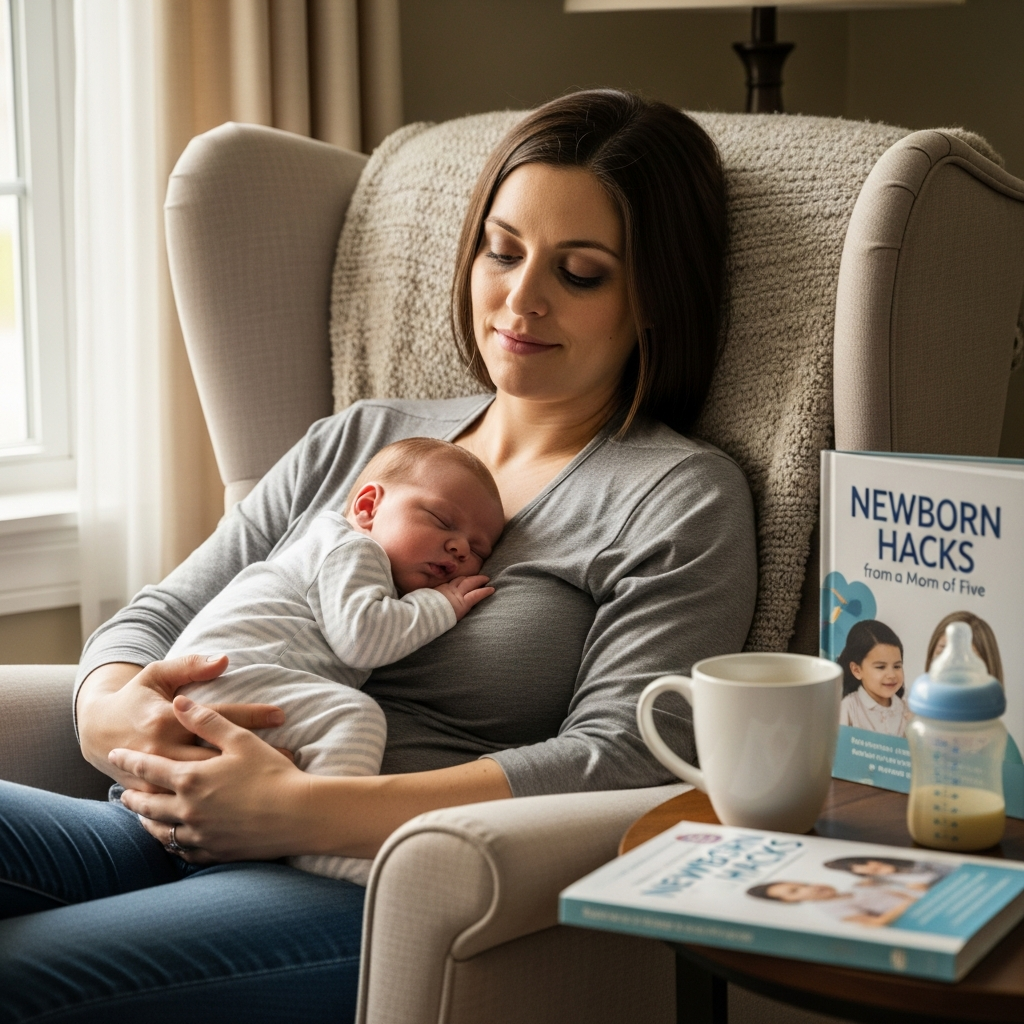
The first few weeks with a newborn often revolve around two main things: sleep (or lack thereof) and feeding. Getting a handle on these early on can make a world of difference for everyone in the house.
The Magic of Swaddling
A good swaddle is a newborn’s best friend. It mimics the snugness of the womb and helps prevent the startle reflex that can wake a sleeping baby. I found that mastering the swaddle was key to longer stretches of sleep for all my babies.
Choosing the Right Swaddle
There are so many swaddles out there. I always kept a variety on hand. Some babies love a traditional muslin blanket swaddle, while others prefer the ease of Velcro or zipper swaddles. Experiment to see what your little one prefers and what works best for your sleepy hands.
The Houdini Baby Trick
Some babies are escape artists, wriggling out of even the tightest swaddle. If your baby is a “Houdini,” try the “double swaddle” method. First, tightly swaddle your baby in a thin muslin blanket, making sure their arms are secure. Then, wrap them in a second, larger swaddle blanket or a Velcro swaddle sack over the first one. This extra layer often does the trick.
Feeding Time Strategies
Whether you are breastfeeding or formula feeding, the early days are a marathon of feeds. Creating a streamlined process will save you time and energy.
Creating a Feeding Station
Set up a comfortable feeding station in your main living area and one by your bed. Stock it with everything you might need: water bottle and snacks for you, burp cloths, nipple cream, nursing pillow, remote control, and a good book or your phone. This way, you aren’t constantly getting up.
Pumping Smart, Not Hard
If you’re pumping, especially for formula supplementing or returning to work, make it efficient. Consider a hands-free pumping bra. If you’re pumping just once or twice a day, coordinate it with a baby’s feed. While your baby is nursing on one side, pump on the other. It saves time and can boost supply.
Burping Like a Pro
Burping is essential to release swallowed air, preventing discomfort and spit-up. Don’t stop after a minute; sometimes it takes a bit longer. Try different positions: over your shoulder, sitting them on your lap leaning forward, or even laying them face down across your lap. A gentle pat or rub on the back is usually enough.
Tackling Sleep Deprivation
Newborns don’t know the difference between day and night, and that can be exhausting. It’s important to be kind to yourself during this time.
Sleep When the Baby Sleeps (Really!)
This isn’t just a saying; it’s a lifeline. Forget the chores, the emails, or even making dinner. If your baby is sleeping, and you feel tired, lie down. Even a 20-minute nap can feel like a luxurious break. With five kids, I learned quickly that rest for me meant more patience for them.
Partner Power for Night Duty
If you have a partner, divide and conquer. If you’re breastfeeding, your partner can bring the baby to you, handle burping, and change diapers. If you’re bottle-feeding, take shifts for night feedings. Even if you’re alone, reach out to a friend or family member for a few hours of help so you can catch up on sleep.
Diaper Duty & Keeping Clean
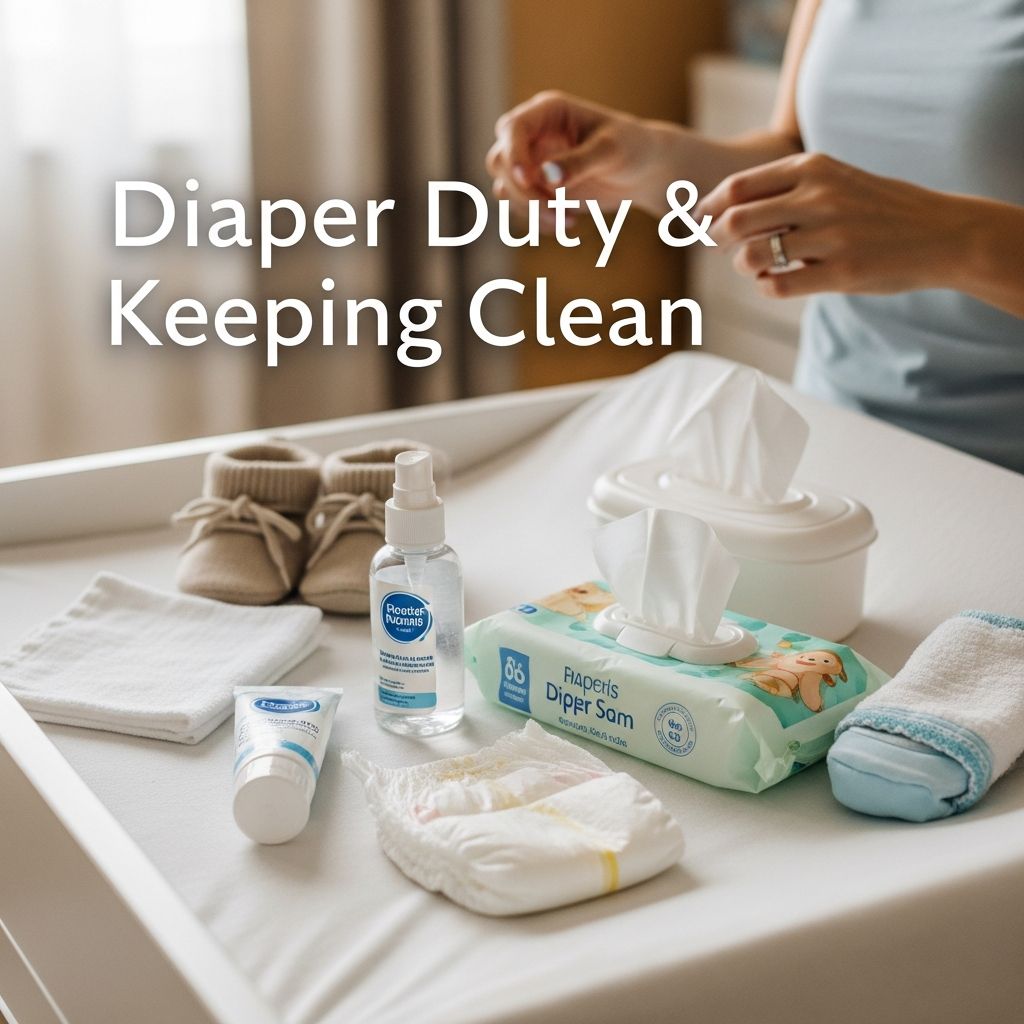
Diaper changes are a constant part of newborn life. Making them quick and efficient is a skill you’ll master quickly.
Speedy Diaper Changes
You’ll be changing a lot of diapers, so having a good system in place can make this frequent task less of a hassle.
Diaper Caddy Essentials
Keep a portable diaper caddy stocked in a few places around your home. Include diapers, wipes, diaper cream, a change of clothes, and a small toy to distract your baby. This saves you from running to the nursery every single time.
The Double Diaper Method
For overnight changes, especially with a boy, try the “double diaper” trick. Put a regular diaper on your baby, then place a second, larger diaper over the first one. This extra layer can prevent leaks and soak-throughs, meaning fewer middle-of-the-night sheet changes.
Bath Time Basics
Newborns don’t need daily baths. In fact, too many baths can dry out their delicate skin.
Sponge Baths to Start
For the first few weeks, until the umbilical cord stump falls off and heals, sponge baths are all you need. Have everything ready beforehand: warm water, a soft washcloth, baby soap, and a clean towel. Keep your baby wrapped and expose only the area you are washing.
Warm and Quick Baths
When you do introduce a full bath, keep it warm and quick. Babies lose heat quickly. Have the water ready, gently place them in, wash, and wrap them in a warm towel right away. A towel with a hood is perfect for this.
Avoiding Diaper Rash
Diaper rash is uncomfortable for babies and worrying for parents. A few simple steps can help prevent it.
Air Time is Key
Allow your baby to have some “naked time” each day, even for just 5-10 minutes. Lay them on a waterproof pad or a towel, and let their bottom air out. This helps to dry the skin and prevent moisture buildup, which contributes to rash.
The Right Cream Matters
Keep a good quality diaper rash cream on hand. Apply a thick layer at the first sign of redness. Zinc oxide creams are usually very effective. For sensitive skin, barrier creams with petroleum jelly can also work wonders to protect the skin from wetness.
Soothing a Fussy Baby

All babies cry, and sometimes it feels like they cry for no reason at all. Learning a few soothing techniques can help calm your little one and yourself.
The Five S’s Revisited
Dr. Harvey Karp’s “Five S’s” are classic for a reason. They really work to replicate the womb experience and calm a fussy newborn.
Swaddle, Side/Stomach, Shush, Swing, Suck
* Swaddle: As mentioned, snug wrapping helps.
* Side/Stomach: Hold your baby on their side or stomach (always place them on their back to sleep).
* Shush: Make a loud “shhh” sound near their ear, mimicking womb sounds.
* Swing: Gentle, rhythmic motion like rocking or swaying.
* Suck: Offer a pacifier, a clean finger, or a breast/bottle.
The Power of Movement
Babies love to be moved. It’s often the quickest way to calm them down.
Baby Carriers for the Win
A baby carrier or wrap is one of the best investments you can make. It keeps your baby close and secure, often lulling them to sleep, while freeing up your hands to do other things. I used mine constantly with all my children, from doing laundry to making dinner.
Rocking and Swaying
Consistent, gentle rhythmic movement can be very soothing. Whether it’s rocking in a chair, swaying while standing, or using a baby swing, find what works for your baby. Remember to keep the movements gentle and never shake a baby.
Distraction and Environment
Sometimes, a change of pace or scenery is all a baby needs.
White Noise Wonders
The womb is a noisy place, so silence can sometimes be unsettling for a newborn. A white noise machine or app can provide comforting background sound, helping them fall asleep and stay asleep by masking sudden household noises.
Change of Scenery
If your baby is fussy, try moving to a different room, going outside for a few minutes, or even just holding them up to look out a window. A new visual or sensory input can sometimes be enough to distract and calm them.
Keeping Your Sanity (and Your House) in Check

With a newborn, life can feel chaotic. It’s vital to find ways to simplify and take care of yourself, even in small ways.
Accepting Help (and Asking for It!)
This is perhaps the hardest hack for many parents, but it’s one of the most important. You don’t have to do everything alone.
Delegating Tasks
When someone asks, “How can I help?” be specific. Ask them to bring a meal, do a load of laundry, or watch the baby for an hour so you can shower. Most people genuinely want to help but don’t know what you need.
Meal Trains and Visitors
If friends or family offer a meal train, accept it! Having ready-made food is a huge relief. As for visitors, don’t feel obligated to entertain. It’s okay to ask them to limit their stay or even postpone their visit if you’re not feeling up to it.
Simplifying Your Space
A cluttered home can feel like a cluttered mind. With five kids, I learned that less is often more.
Minimalist Baby Gear
You don’t need every single baby gadget on the market. Focus on essentials. A safe place for baby to sleep, a changing area, and feeding supplies are the main things. Resist the urge to buy too much, as babies grow out of things quickly.
Designated “Baby Zones”
Instead of baby gear strewn throughout the house, create a few designated baby zones. A feeding station, a changing caddy in the living room, and the nursery. This helps keep things organized and ensures you always know where essential items are.
Quick Self-Care Moments
Your well-being is just as important as your baby’s. Even tiny moments of self-care can recharge you.
The Five-Minute Recharge
Find five minutes each day to do something just for you. Listen to a favorite song, step outside for fresh air, stretch, or enjoy a cup of tea while it’s still warm. These small breaks prevent burnout.
Hydration and Snacks
It sounds simple, but it’s easy to forget when you’re focused on your baby. Keep a water bottle with you and healthy, easy-to-eat snacks within reach. Your body needs fuel, especially if you’re recovering from childbirth or breastfeeding.
Gear That Actually Helps (and What You Can Skip)
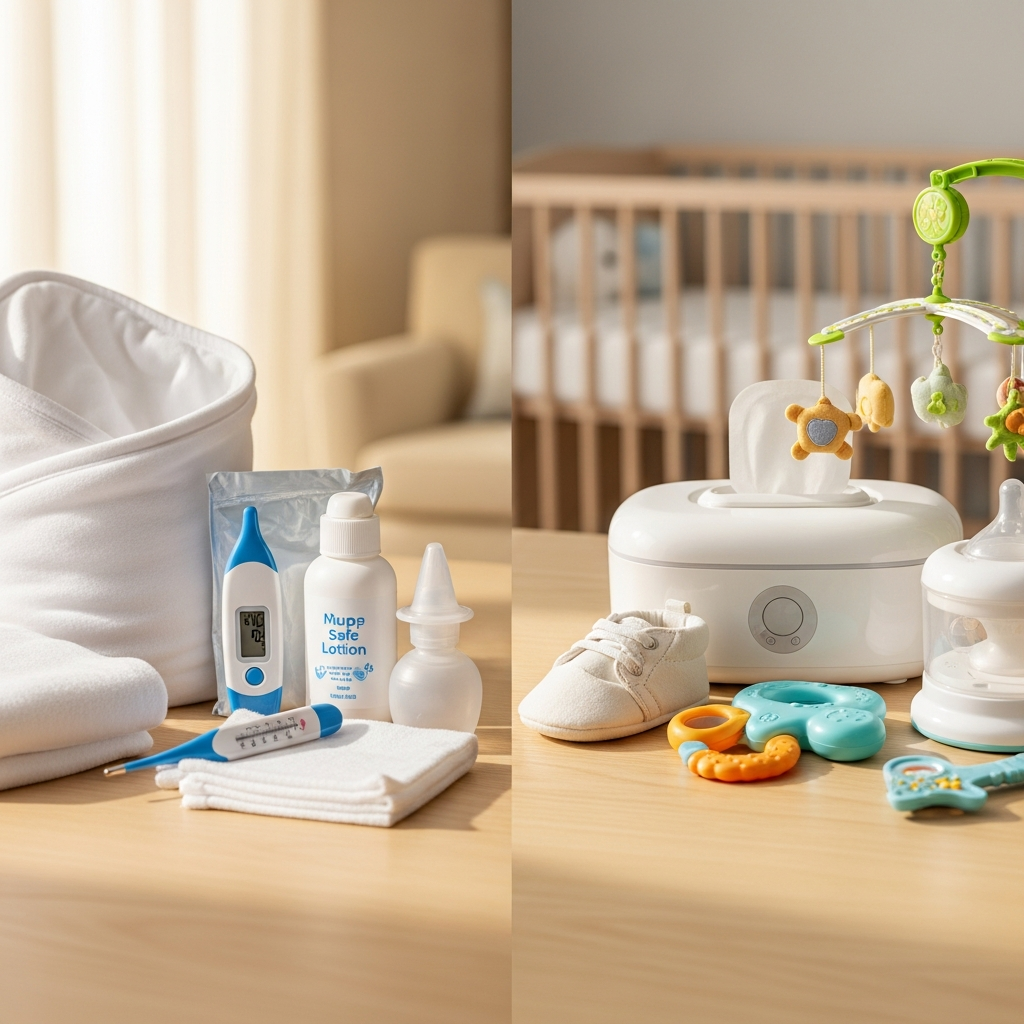
Walking into a baby store can be overwhelming with all the options. Here’s my take on what was genuinely useful and what wasn’t necessary.
Must-Have Essentials
These are the items that truly made life easier and safer with a newborn.
* Safe Sleep Space: A bassinet or crib that meets safety standards.
* Swaddles: A few different types to find what your baby likes.
* Baby Carrier/Wrap: Essential for keeping baby close and hands free.
* Diaper Caddy: For quick changes in any room.
* Burp Cloths: You can never have too many.
* White Noise Machine: A soothing sleep aid.
* Infant Car Seat: Non-negotiable for bringing baby home and going out.
What You Might Not Need
While some of these might be nice to have, they often aren’t essential and can just add clutter.
* Wipes Warmer: Most babies don’t mind cold wipes, and it’s one less thing to plug in and clean.
* Too Many Newborn Outfits: Babies grow incredibly fast. You’ll need a few, but don’t overstock.
* Bottle Sterilizer: Boiling water or a good dishwasher is usually sufficient.
* Baby Shoe Collection: Newborns don’t need shoes; socks or booties are fine.
* Expensive Changing Table: A changing pad on a dresser or the floor works perfectly well.
You’ve Got This, Mama
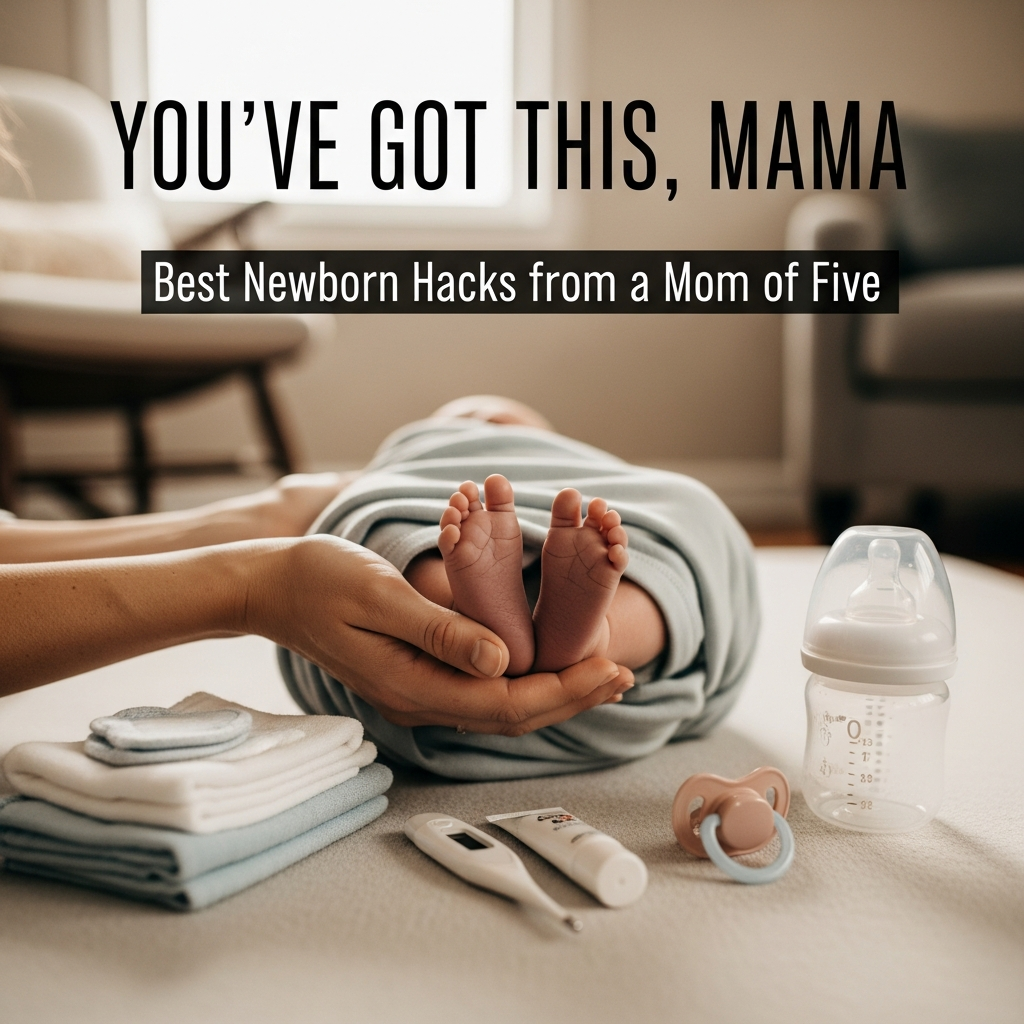
The newborn phase is a unique and precious time, full of wonder and growth for both you and your baby. It’s also incredibly challenging. Remember that every baby is different, and what works for one might not work for another. Be patient with yourself and your little one as you discover what brings you both comfort and joy.
These hacks are born from countless late nights, early mornings, and a lot of learning on the fly. My biggest advice, after raising five beautiful children, is to trust your instincts, lean on your support system, and soak up every single moment. You are doing an amazing job.