10 Best Teething Toys to Soothe Your Baby

Watching your little one grow is filled with so many precious moments – first smiles, first giggles, and those adorable attempts at crawling. But then, a new phase often arrives: teething. For many babies, this can be a tough time, bringing discomfort, fussiness, and lots of drool. As parents, our hearts ache when our babies are hurting, and we just want to find a way to make them feel better.

The good news is that there are wonderful tools available to help soothe those sore gums. Teething toys are designed to give your baby something safe and satisfying to chew on, providing much-needed pressure and distraction. With so many options out there, it can feel overwhelming to choose. That’s why we’ve put together a list of the 10 best teething toys to help you find the perfect match for your little one.

Understanding Teething: What to Expect

Before we dive into the toys, let’s briefly touch on what teething involves. Babies usually start teething between 4 and 7 months old, though it can happen earlier or later. You might notice your baby showing some common signs:

* Increased drooling

* Red, swollen gums

* Fussiness and irritability

* Chewing on everything they can get their hands on

* Trouble sleeping

* Slightly elevated temperature (but not a fever)

These symptoms can make your baby uncomfortable, and that’s where a good teething toy becomes a true lifesaver. It offers a safe outlet for them to relieve pressure on their gums, which can be incredibly soothing.

What Makes a Good Teething Toy? Key Safety & Design Factors

When choosing a teething toy, safety is always the top priority. Beyond that, there are several features that make a teether effective and enjoyable for your baby.

Material Safety

Always look for toys made from safe, non-toxic materials. Food-grade silicone, natural rubber, and untreated wood are excellent choices. Make sure they are free from BPA, phthalates, lead, and other harmful chemicals.

Easy to Hold

A good teething toy should be easy for tiny hands to grasp and manipulate. Look for designs with handles, rings, or shapes that your baby can comfortably hold on their own. This helps them direct the toy to the sore spots in their mouth.

Texture Variety

Different textures provide different sensations, which can be very appealing to sore gums. Some toys have bumpy surfaces, others are smooth, and some offer a combination. This variety allows your baby to explore and find what feels best.

Durability

Babies can chew with surprising strength, so a good teether needs to be durable enough to withstand vigorous gnawing without breaking apart. You want it to last through many teething phases.

Easy to Clean

Hygiene is crucial for baby items, especially those that go in their mouth. Choose teethers that are easy to wash with soap and water, sanitize, or even throw in the dishwasher.

Our Top 10 Picks for Teething Toys

Here are our carefully selected top 10 teething toys, designed to bring relief and comfort to your little one.

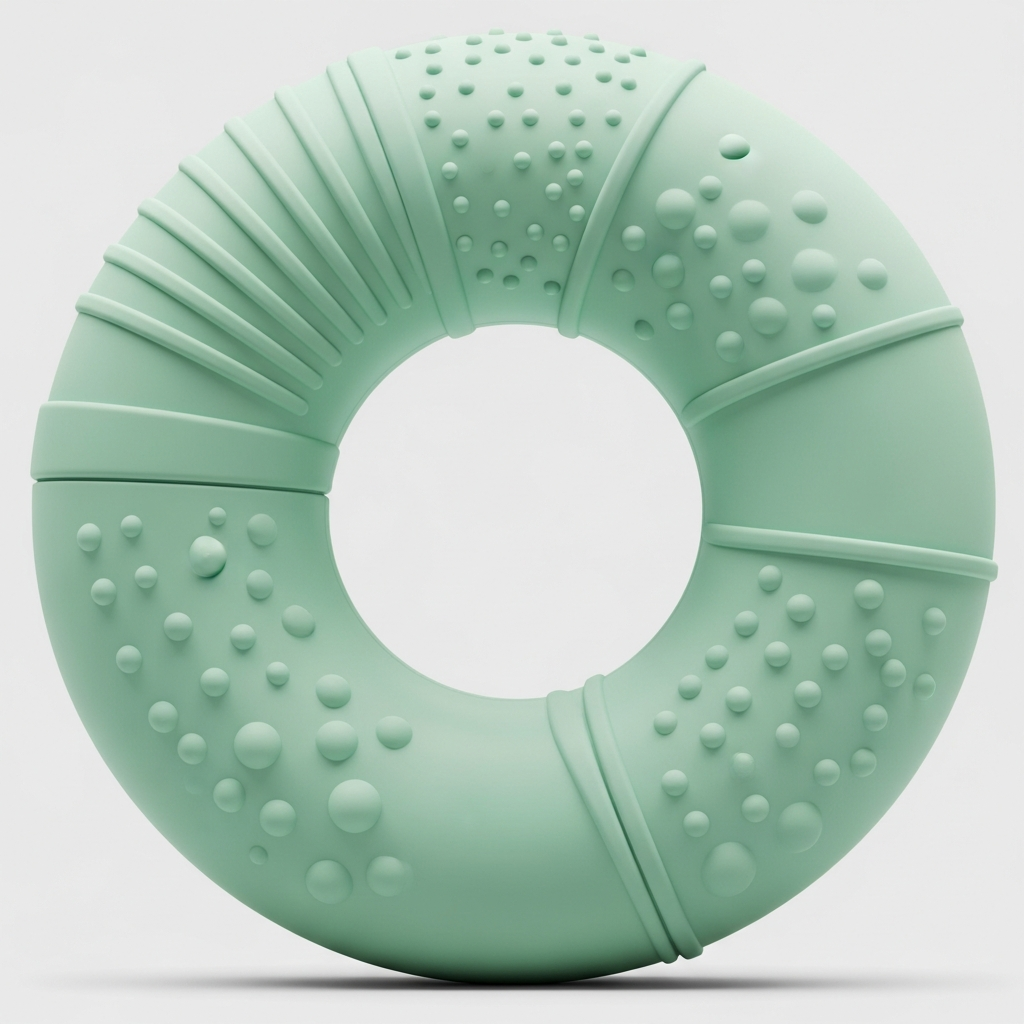
Teething Toy 1: The Classic Silicone Ring Teether

These simple, yet effective, rings are a staple for a reason. Often made from soft, flexible food-grade silicone, they come in various colors and designs, sometimes with added textures.

Why Parents Love It

They are incredibly versatile, easy to hold, and provide consistent chewing relief. Many can be chilled in the refrigerator for extra comfort.

Best For

Babies in the early stages of teething who need gentle pressure. Also great for developing grasping skills.

Tip for Use

Keep a couple in the fridge so you always have a cool one ready when fussiness strikes.

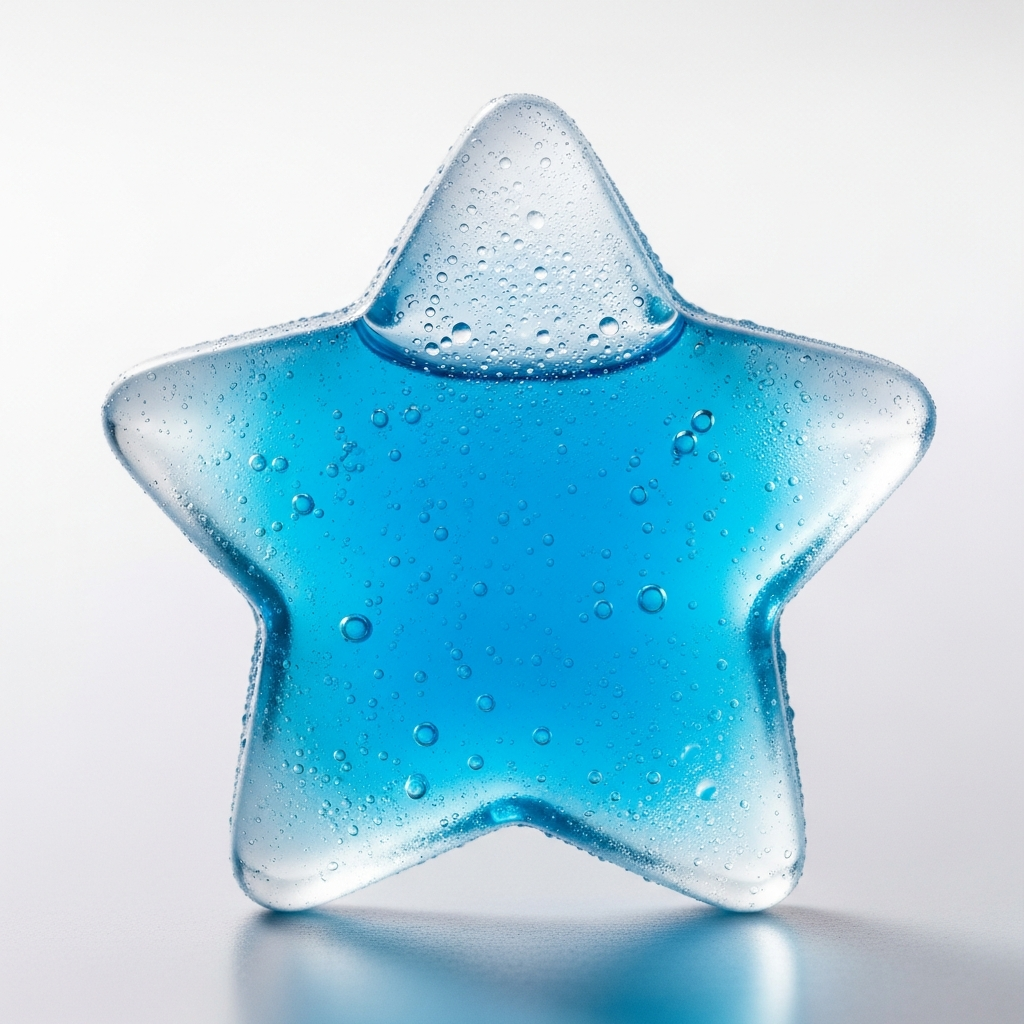
Teething Toy 2: Water-Filled or Gel Teethers

These teethers are designed to be chilled, offering a cooling sensation that can numb sore gums. They are often filled with sterilized water or gel.

Why Parents Love It

The cold temperature provides significant relief for inflamed gums, helping to reduce swelling and discomfort.

Best For

Babies with particularly swollen or painful gums. Great for soothing during peak discomfort.

Tip for Use

Never freeze these teethers, as extreme cold can be too harsh for a baby’s mouth and can damage the plastic, making it brittle. Chilling in the refrigerator is plenty.

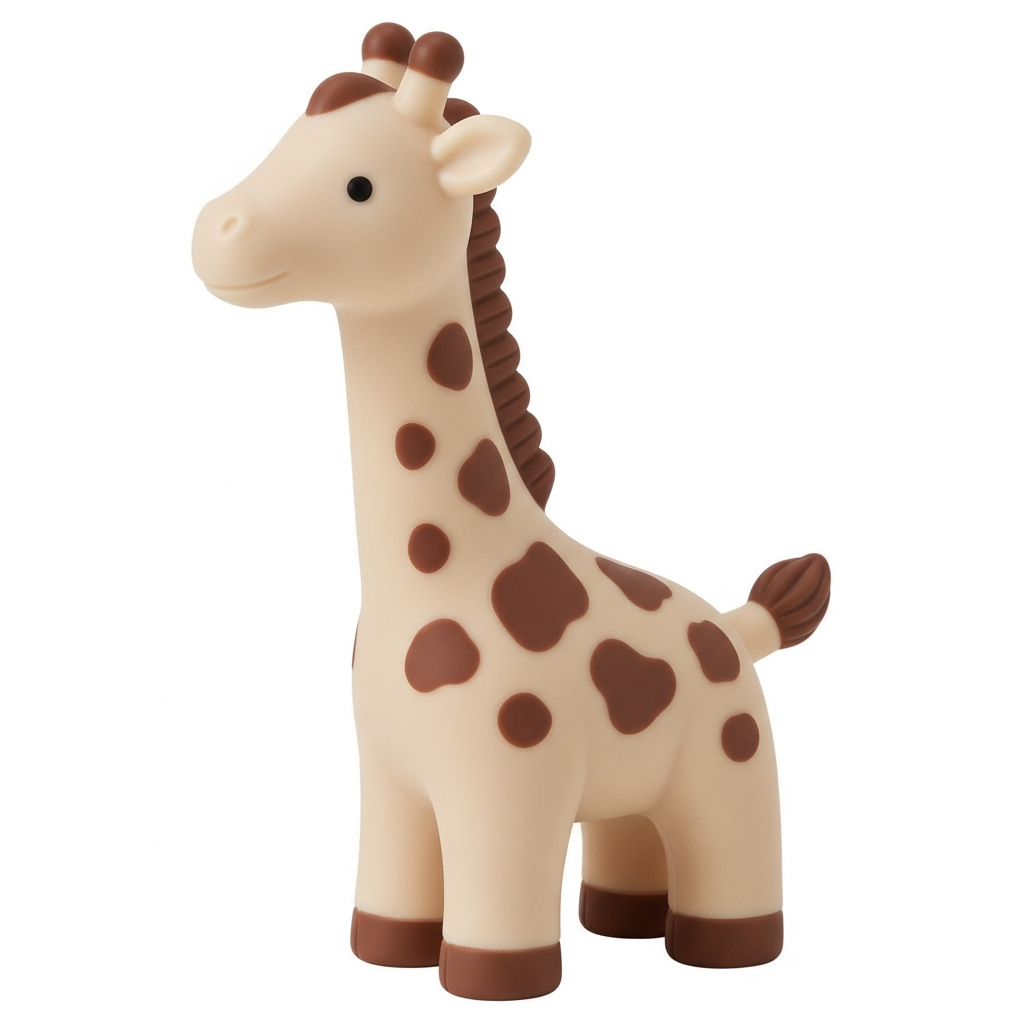
Teething Toy 3: Natural Rubber Animal or Character Teether

Often recognizable by their cute animal shapes, these teethers are made from natural rubber, which is soft, pliable, and sustainable.

Why Parents Love It

The natural material is a big draw for many parents. They are often very lightweight, easy for babies to grasp, and have soft, satisfying textures.

Best For

Babies who enjoy soft, squeezable textures and who need a lightweight option they can easily manage.

Tip for Use

Wipe clean with a damp cloth and mild soap. Avoid submerging in water for long periods or putting in a dishwasher, as this can damage the natural rubber.

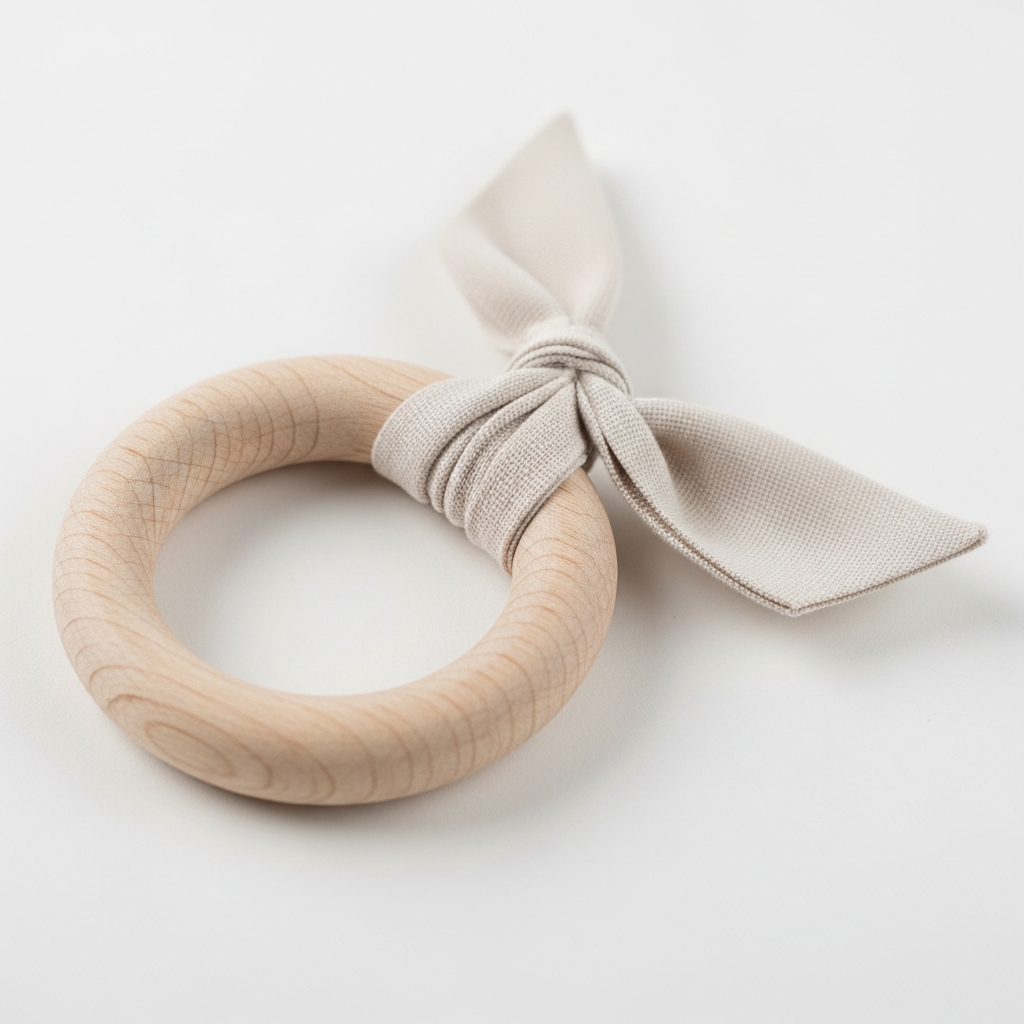
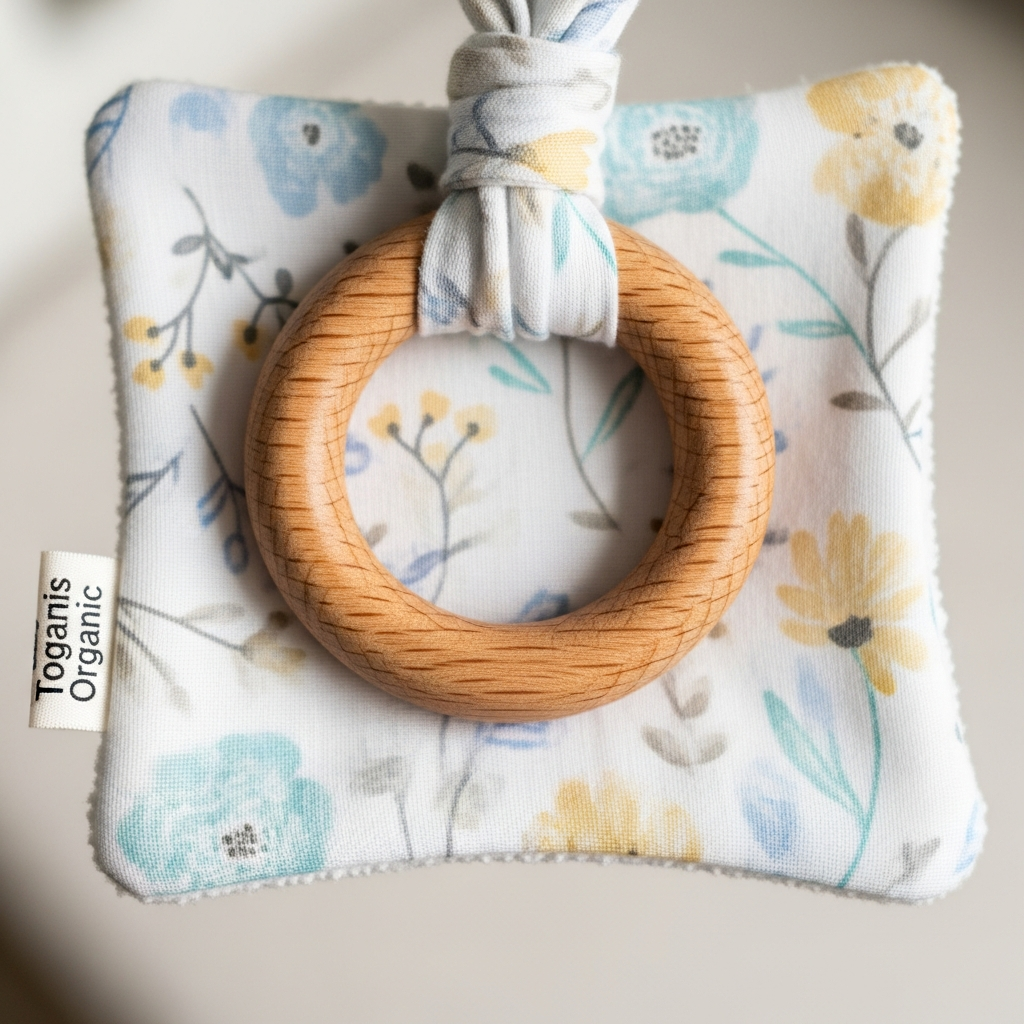
Teething Toy 4: Wooden Teethers

Crafted from untreated, natural hardwoods like maple or beech, wooden teethers offer a firm, durable chewing surface. Some are combined with silicone beads for varied textures.

Why Parents Love It

Many parents appreciate the natural, chemical-free aspect of wood. The firmness provides satisfying counter-pressure to erupting teeth.

Best For

Babies who prefer a harder, more substantial chewing surface. Also great for those looking for eco-friendly options.

Tip for Use

To clean, simply wipe with a damp cloth and mild soap, then air dry completely. Avoid soaking them, as this can damage the wood. Periodically condition with food-grade oil (like coconut oil) to maintain the wood.

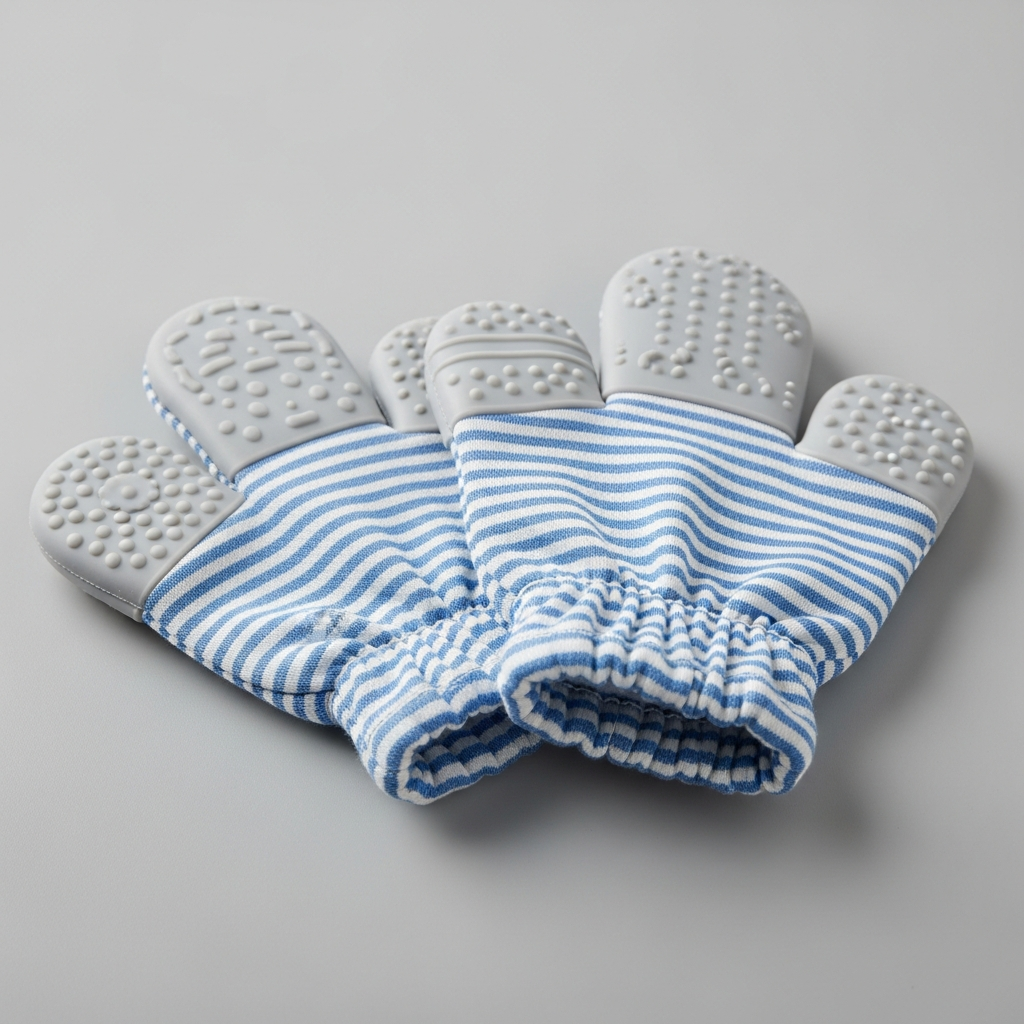
Teething Toy 5: The Teething Mitt or Glove

This clever design fits over your baby’s hand, allowing them to chew directly on their fingers or the attached silicone part without accidentally scratching their face.

Why Parents Love It

It solves the problem of babies constantly dropping their teethers. It also prevents babies from chewing on their hands excessively, which can cause skin irritation.

Best For

Younger babies who haven’t quite mastered grasping and holding toys yet, or babies who love to chew on their own hands.

Tip for Use

These can often be thrown in the washing machine, making them super easy to clean. Have a couple on hand for rotations.

Teething Toy 6: Teething Spoon or Training Toothbrush

These are typically silicone spoons or brushes designed for chewing, sometimes with textured bristles or bumps. They can double as a first step towards oral hygiene.

Why Parents Love It

They provide excellent gum massage, especially for back molars. They also introduce the concept of a toothbrush in a playful, soothing way.

Best For

Babies whose back gums are particularly sore, or those ready to start exploring oral care.

Tip for Use

Let your baby explore it on their own, guiding it to different parts of their gums. Supervise closely during use.

Teething Toy 7: Crinkle Fabric and Silicone Teether

These toys combine soft fabric elements that crinkle when squeezed with firm silicone parts for chewing.

Why Parents Love It

They offer sensory engagement (sound and texture) alongside teething relief. The mix of soft and hard textures can be very stimulating.

Best For

Babies who enjoy multi-sensory experiences and who might be easily distracted by sound and texture.

Tip for Use

These are often machine washable, making them convenient for cleaning. Check the manufacturer’s instructions carefully.

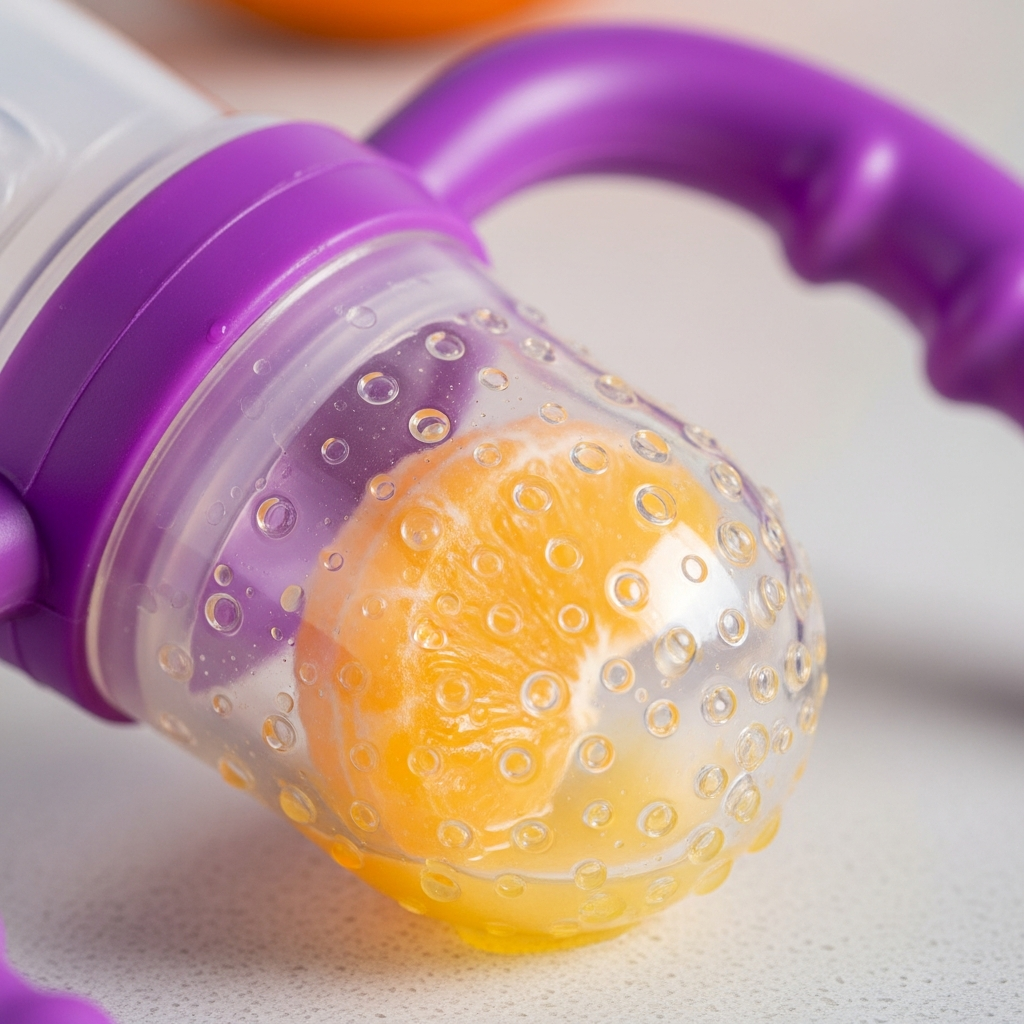
Teething Toy 8: Fruit and Food Feeder Teether

While primarily for introducing solids, these mesh or silicone feeders allow babies to chew on frozen fruit pieces, breast milk pops, or soft vegetables, providing a cold, delicious relief.

Why Parents Love It

It offers a unique combination of teething relief and a taste of real food. The cold from frozen fruit can be incredibly soothing.

Best For

Babies who are starting solids or those who need extra soothing from cold temperatures.

Tip for Use

Fill with frozen banana, melon, or breast milk for an extra-soothing, healthy treat. Always supervise your baby while they are using a feeder.

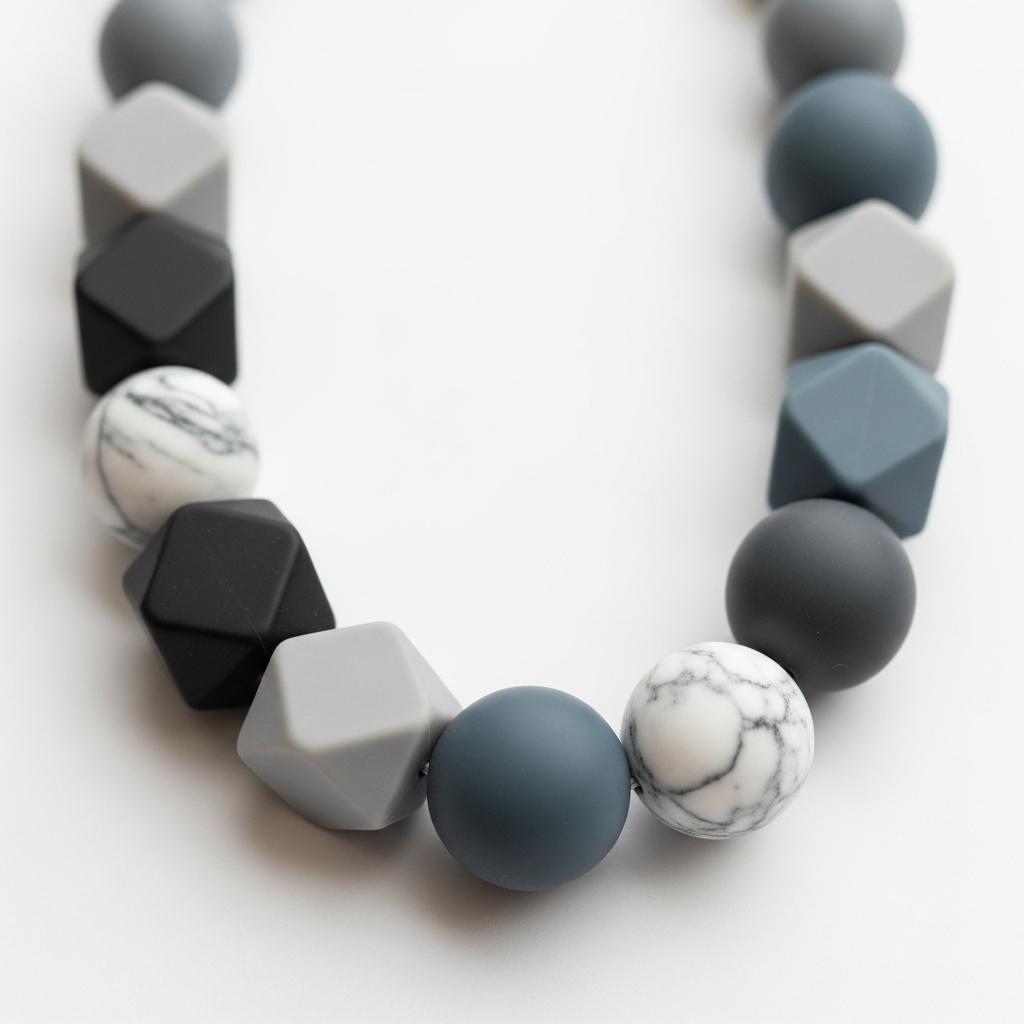
Teething Toy 9: Multiple Texture Silicone Teether

These teethers are specifically designed with a variety of bumps, ridges, and smooth surfaces all on one toy. They come in many shapes, from keys to animals.

Why Parents Love It

The varied textures allow babies to find exactly the right pressure and sensation for different areas of their gums. It keeps them engaged for longer.

Best For

Babies who seem particular about what they chew on, or who need to explore different textures to find relief.

Tip for Use

Observe your baby to see which textures they gravitate towards, and remember what they prefer for future toy purchases.

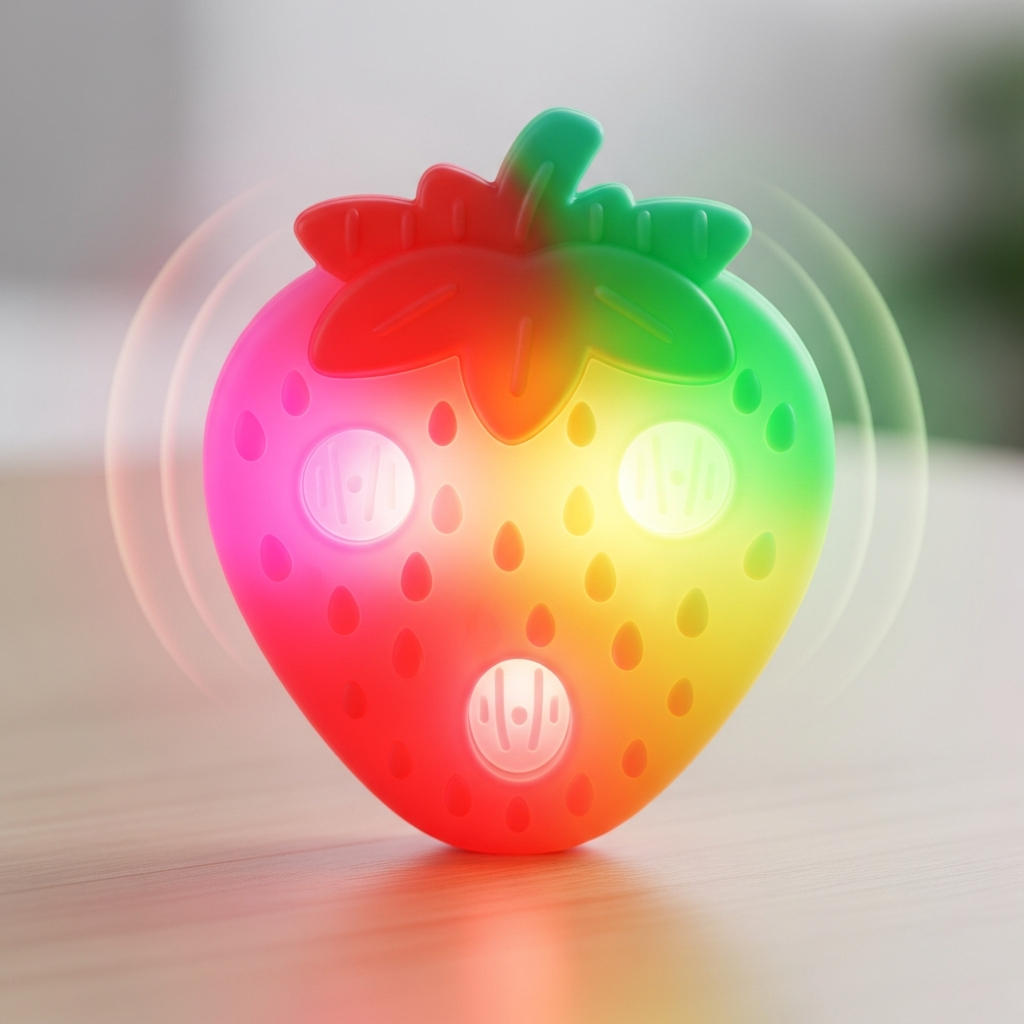
Teething Toy 10: Teething Rattle

Combining the fun of a rattle with the relief of a teether, these toys often feature soft silicone chewable parts attached to a rattling core.

Why Parents Love It

They offer dual benefits: entertainment and soothing. The sound encourages play, while the chewable elements provide comfort.

Best For

Babies who enjoy auditory stimulation and need a teether that can also double as a plaything.

Tip for Use

Great for keeping baby occupied in the stroller or car seat, providing both distraction and relief.

Tips for Teething Relief Beyond Toys

While teething toys are fantastic, there are other ways you can help ease your baby’s discomfort.

Gentle Gum Massage

Sometimes, the simplest things are the most effective. Gently rub your baby’s gums with a clean finger for a few minutes. The pressure can be very soothing.

Cold Cloths

A clean, damp washcloth, chilled in the refrigerator, can be a great alternative to a teether. Your baby can chew on it, and the cold provides comfort.

Offer Comfort and Cuddles

When your baby is feeling cranky and sore, sometimes all they need is extra snuggles and reassurance from you. Your presence can be incredibly calming.

Keep Drool Away

Excessive drooling can cause skin irritation around the mouth, chin, and neck. Use a soft cloth to gently wipe away drool frequently, and consider using a drool bib.

Pain Relief (When Necessary)

If your baby is in significant pain and other methods aren’t working, speak to your pediatrician about whether infant acetaminophen or ibuprofen is appropriate. Always follow their advice on dosage.

When to Introduce Teething Toys

Most babies start showing signs of teething around 3 to 4 months, but some might be earlier or later. You can introduce a teether as soon as you notice your baby putting their hands in their mouth more often, drooling, or seeming generally fussier. Start with softer, easier-to-grasp options and observe what your baby seems to prefer.

Keeping Teethers Clean and Safe

Maintaining hygiene is paramount for any item your baby puts in their mouth.

Regular Cleaning Schedule

Wash teethers frequently, especially after they’ve been dropped or used for an extended period. Use warm water and mild soap, or follow the manufacturer’s cleaning instructions. Some silicone teethers are dishwasher safe.

Inspect for Wear and Tear

Before each use, quickly check the teether for any cracks, tears, or damage. Worn teethers can break apart and become choking hazards. If a teether is damaged, it’s time to replace it.

Avoid Choking Hazards

Always choose teethers that are appropriately sized and shaped for your baby’s age. Avoid anything with small parts that could break off. Never attach a teether to a string or ribbon around your baby’s neck, as this poses a strangulation risk.

Teething is a challenging phase, both for babies and their parents. But with the right tools and a lot of love, you can help your little one navigate this discomfort more easily. Experiment with different types of teethers, pay attention to what your baby responds to best, and remember that this phase, like all others, will pass. You’re doing a wonderful job providing comfort and care during this important time.