15 Healthy Snack Ideas Kids Will Actually Eat
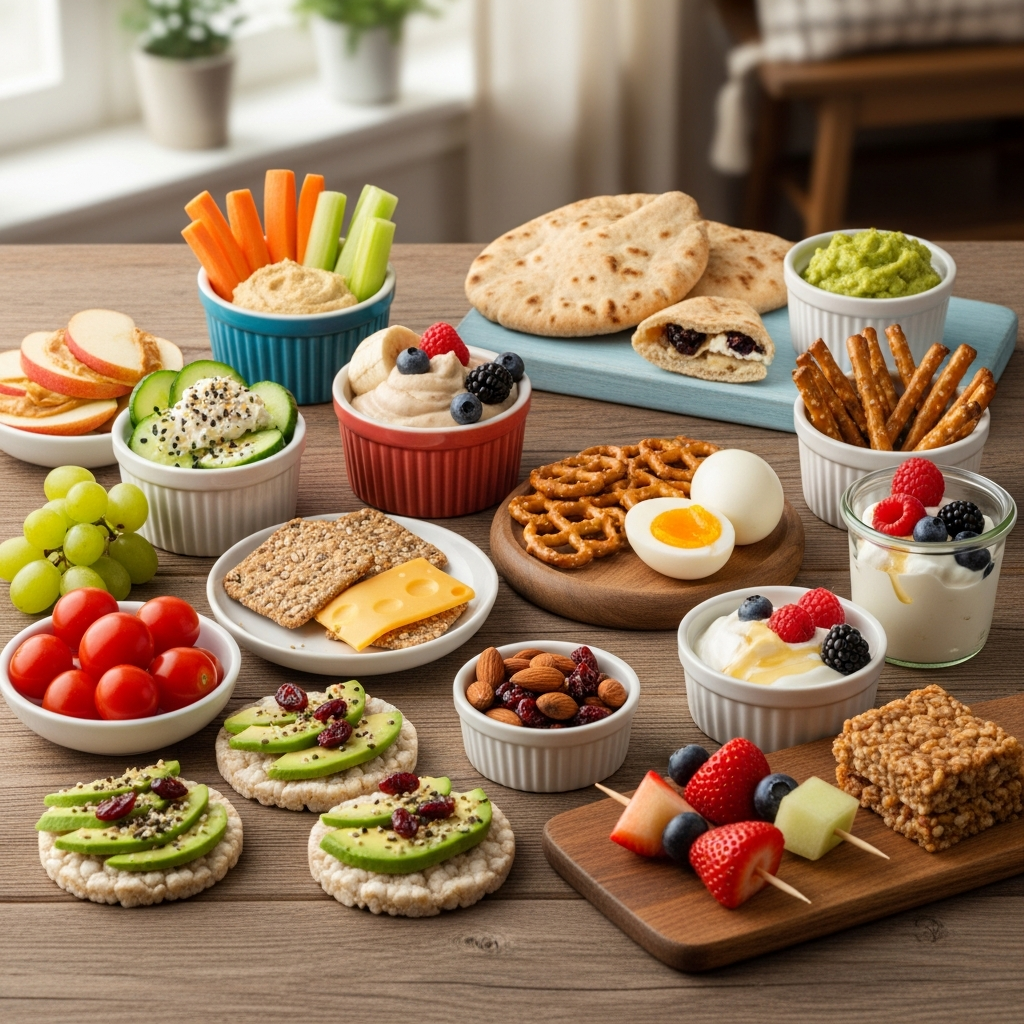
Finding nutritious snacks that children genuinely enjoy can be a complex challenge for parents and caregivers. The key to successful snacking lies in balancing essential nutrients like protein, fiber, and healthy fats with flavors and textures that appeal to younger palates. This guide presents fifteen evidence-based, kid-approved snack options that promote healthy growth while ensuring snack time remains a highlight of their day.
1. Apple Slices with Nut Butter
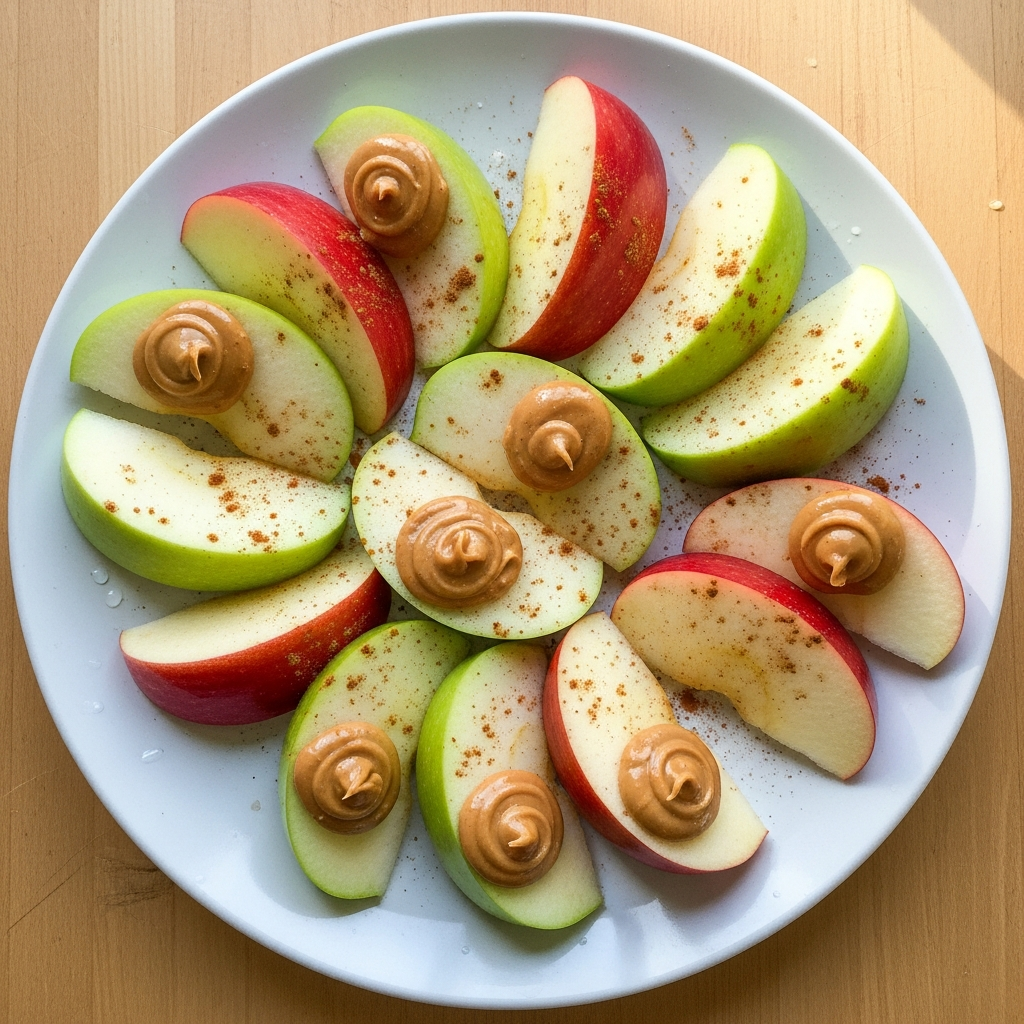
Apples provide essential fiber and vitamin C, while nut or seed butters offer healthy fats and protein. To make this more appealing, core the apple and slice it into rings, spreading a thin layer of almond or peanut butter on top for a snack that resembles a miniature donut.
2. Greek Yogurt Parfaits with Berries
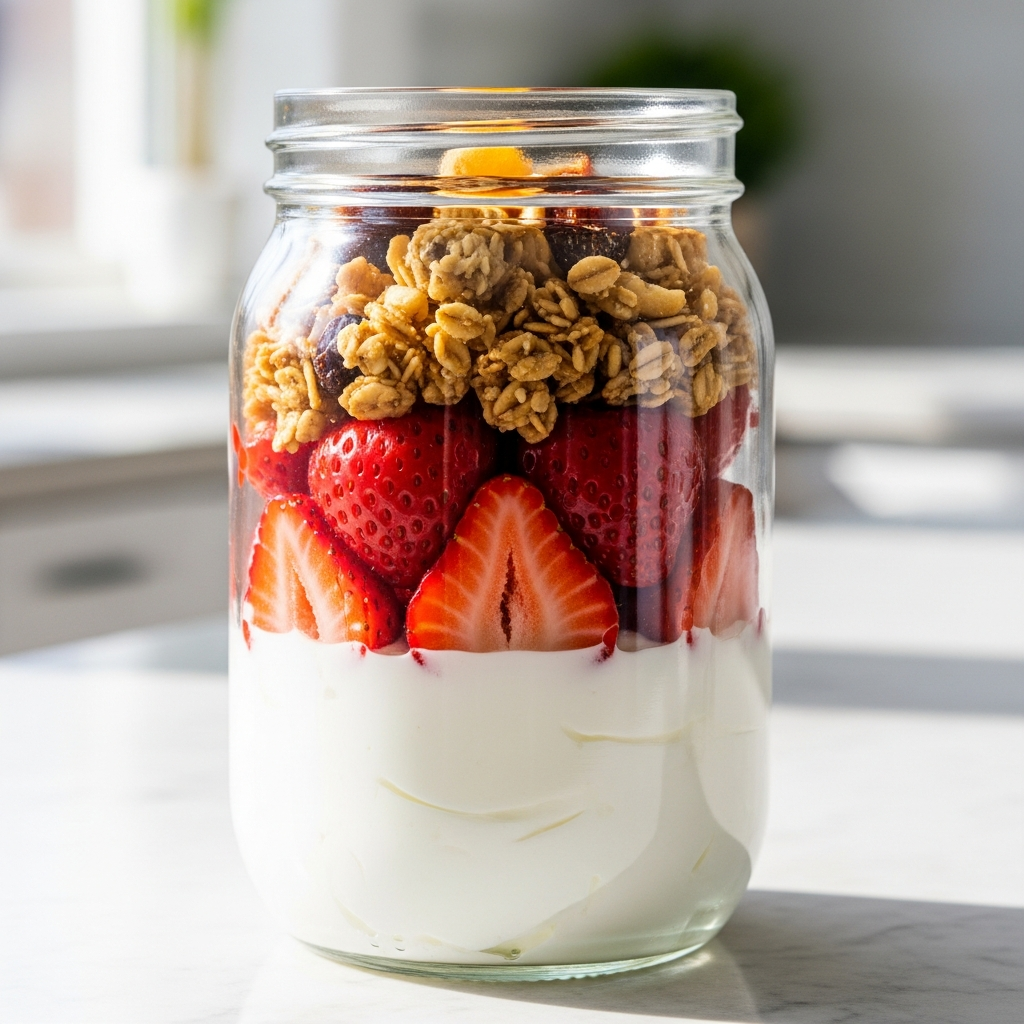
Greek yogurt is an excellent source of calcium and probiotics for gut health. Layering it with fresh blueberries or strawberries and a small amount of low-sugar granola creates a visually appealing treat that offers a satisfying crunch and natural sweetness.
3. Homemade Trail Mix
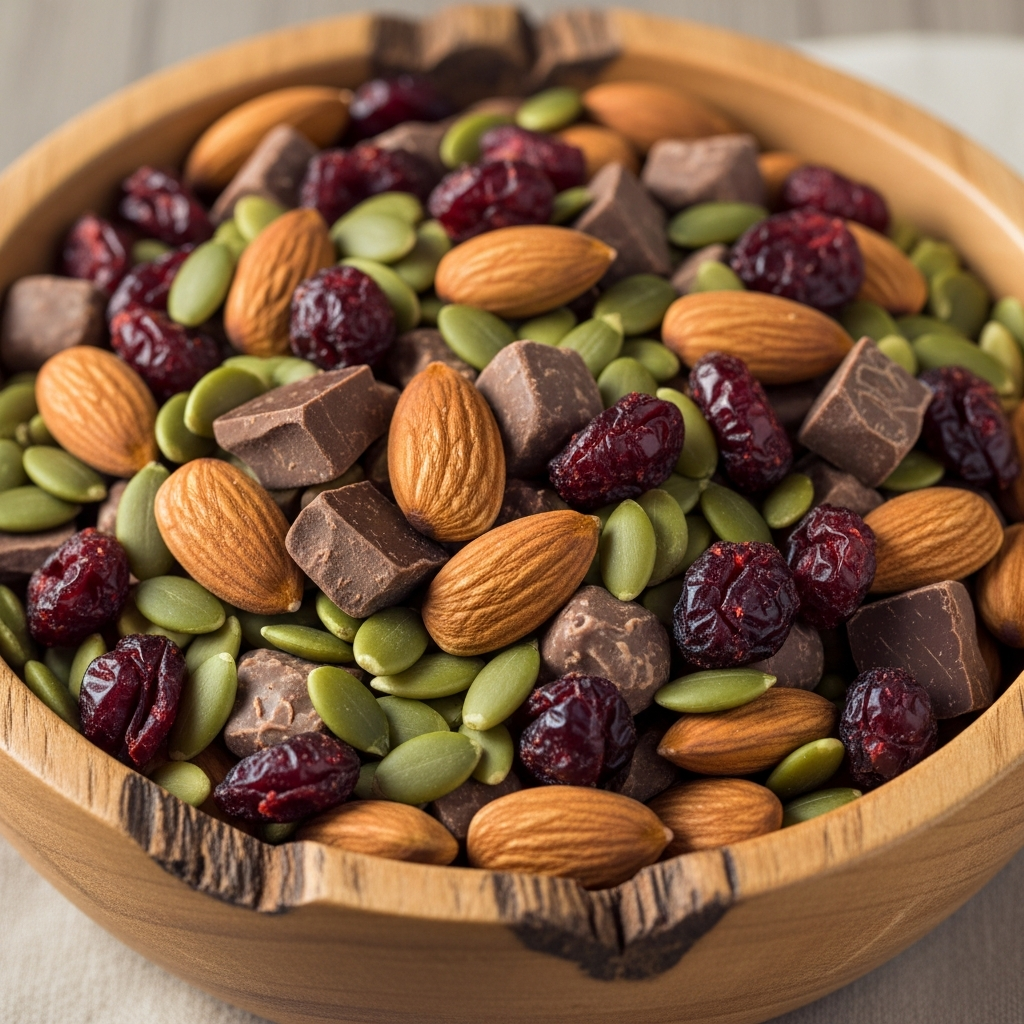
Creating a custom trail mix allows you to control the sugar content. Combine unsalted almonds, pumpkin seeds, dried cranberries, and a few dark chocolate chips. This portable snack provides sustained energy and supports cognitive function through healthy fats.
4. Ants on a Log
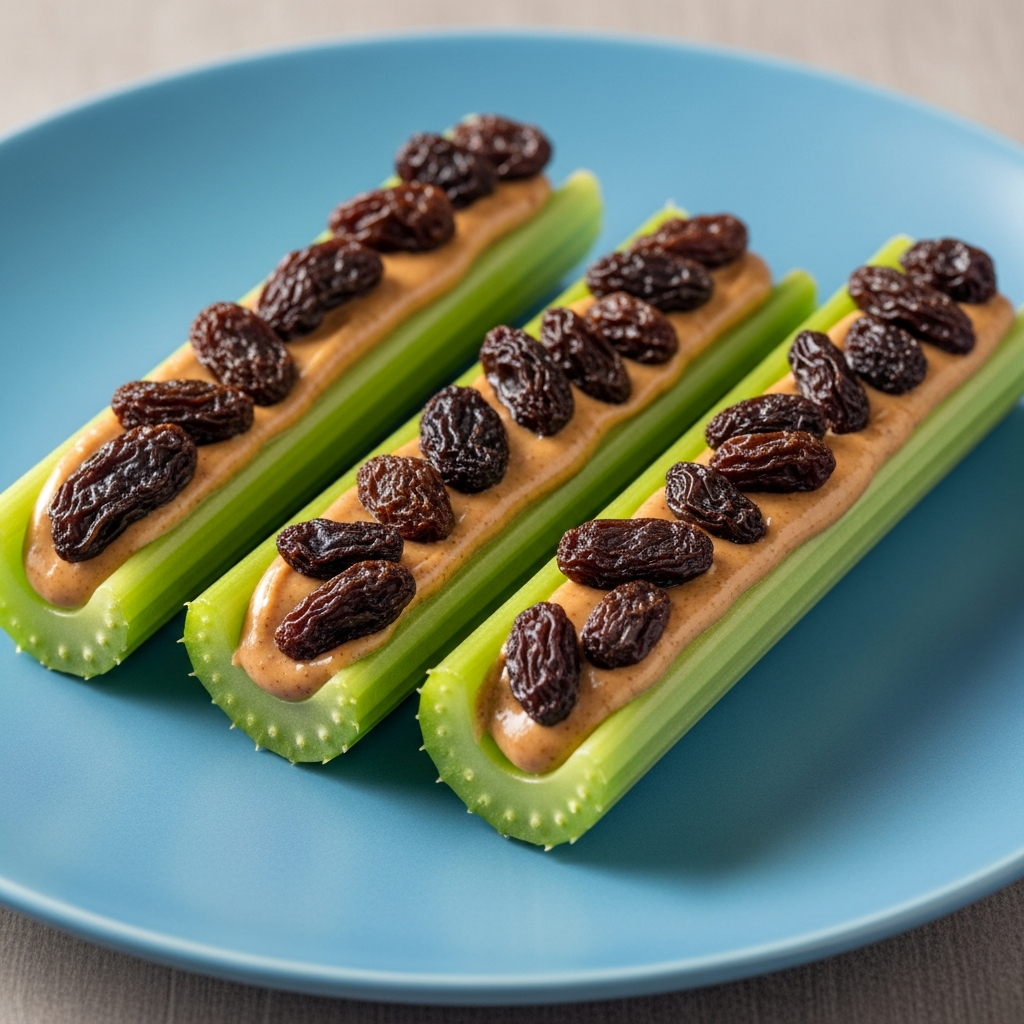
This classic snack remains a favorite for its playful presentation. Fill celery stalks with cream cheese or sunflower butter and top with raisins. It provides a hydrating base with a boost of iron and fiber, making it a perfect after-school option.
5. Frozen Grapes
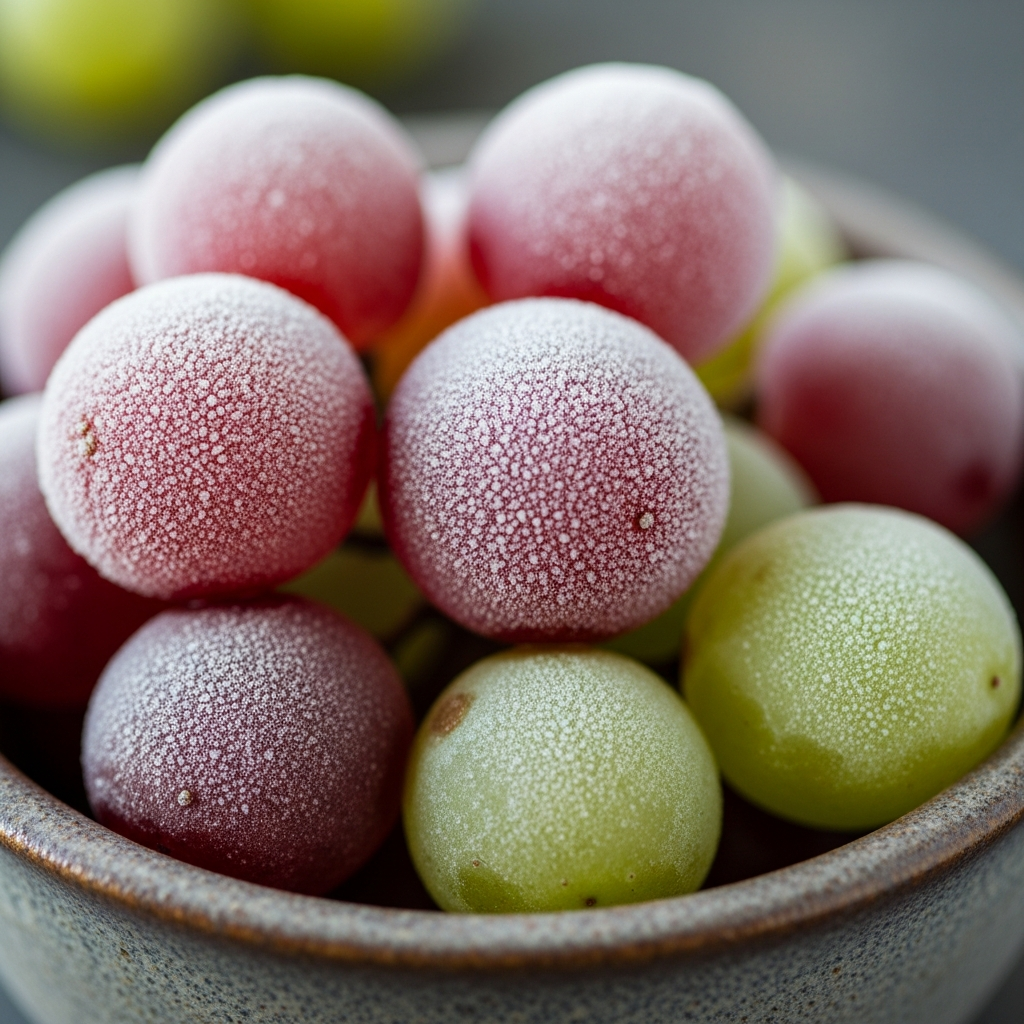
Frozen grapes offer a texture similar to sorbet and serve as an excellent alternative to sugary popsicles. They are rich in antioxidants and help keep children hydrated. Simply wash, dry, and freeze them for at least two hours before serving.
6. Cheese and Whole Grain Crackers
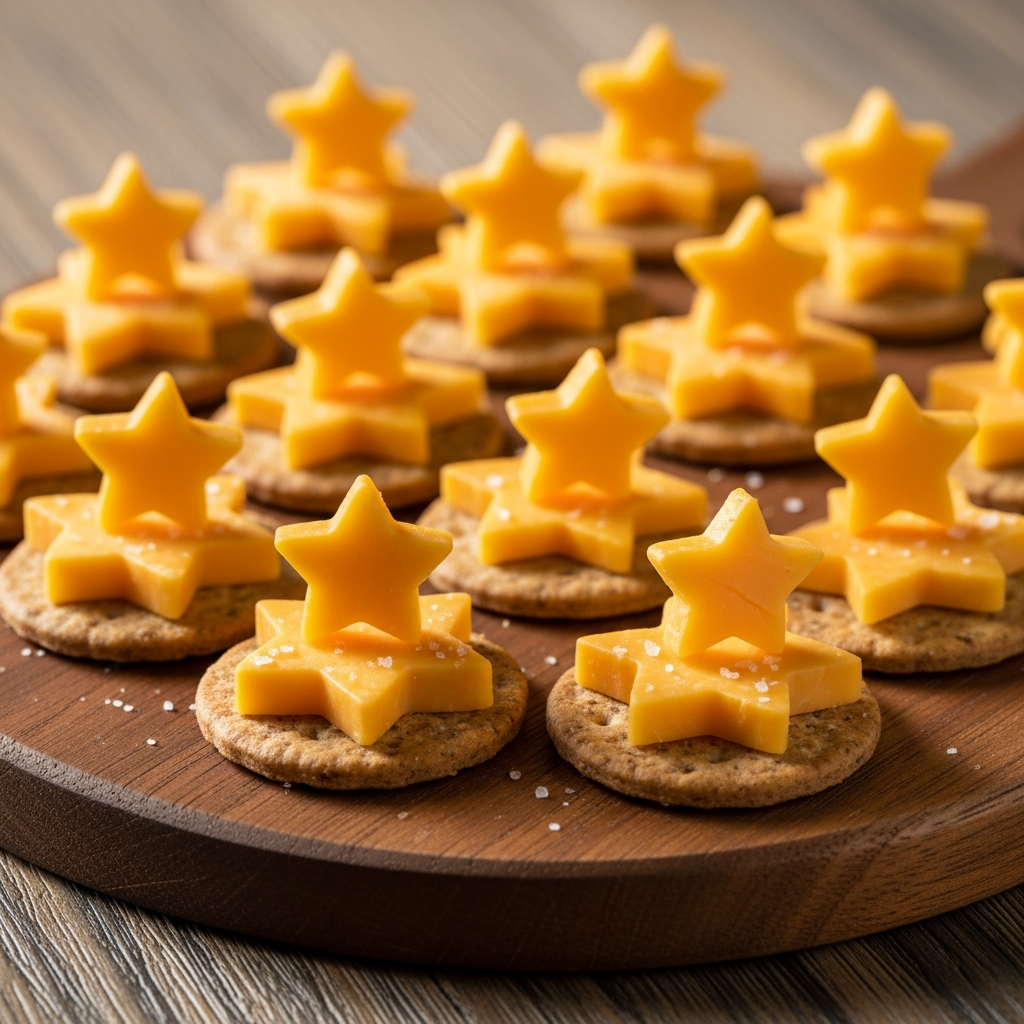
Pairing high-quality cheddar or mozzarella with whole-grain crackers delivers a balance of complex carbohydrates and protein. Use small cookie cutters to create fun cheese shapes, which can encourage younger children to engage more with their food.
7. Hummus and Veggie Sticks
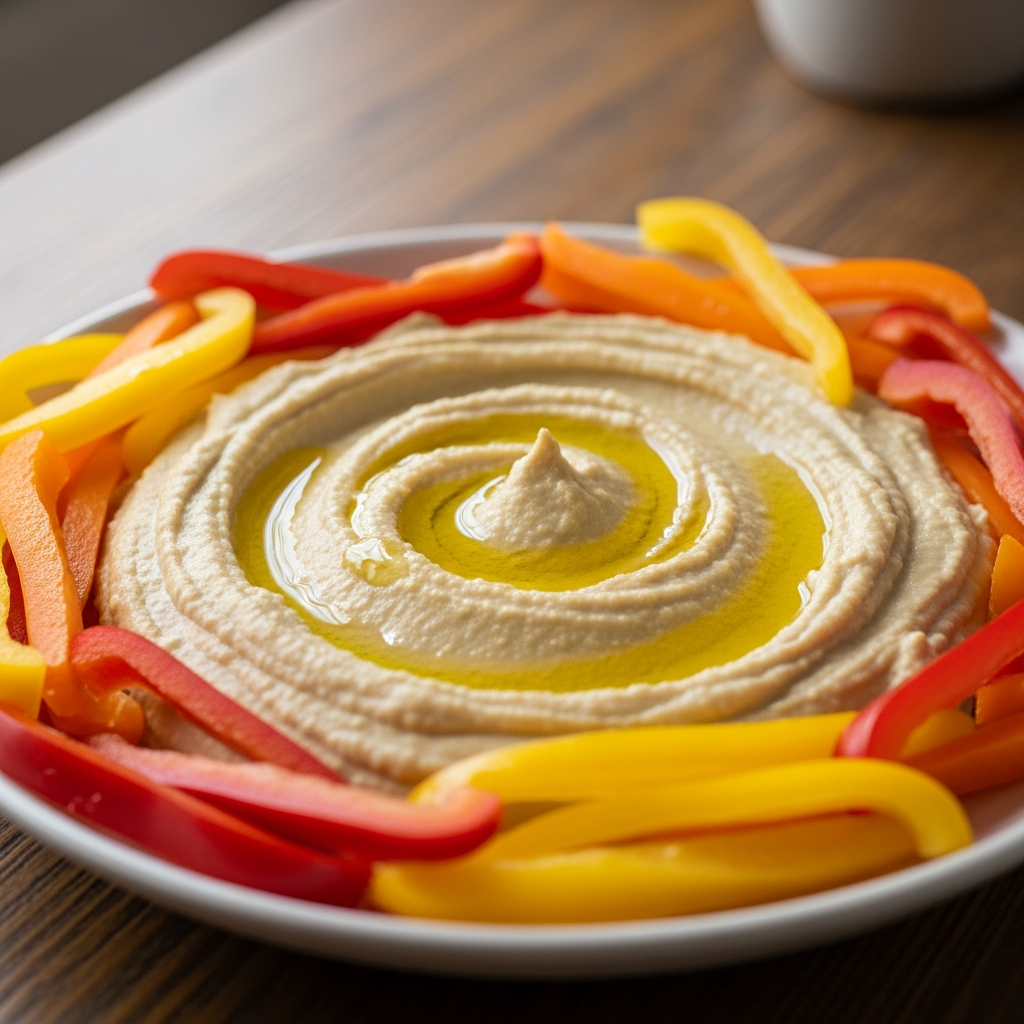
Hummus is a nutrient-dense dip made from chickpeas, providing plant-based protein and fiber. Serve it with colorful strips of bell peppers, cucumbers, and carrots to introduce a variety of vitamins and minerals in a fun, dippable format.
8. Banana Sushi
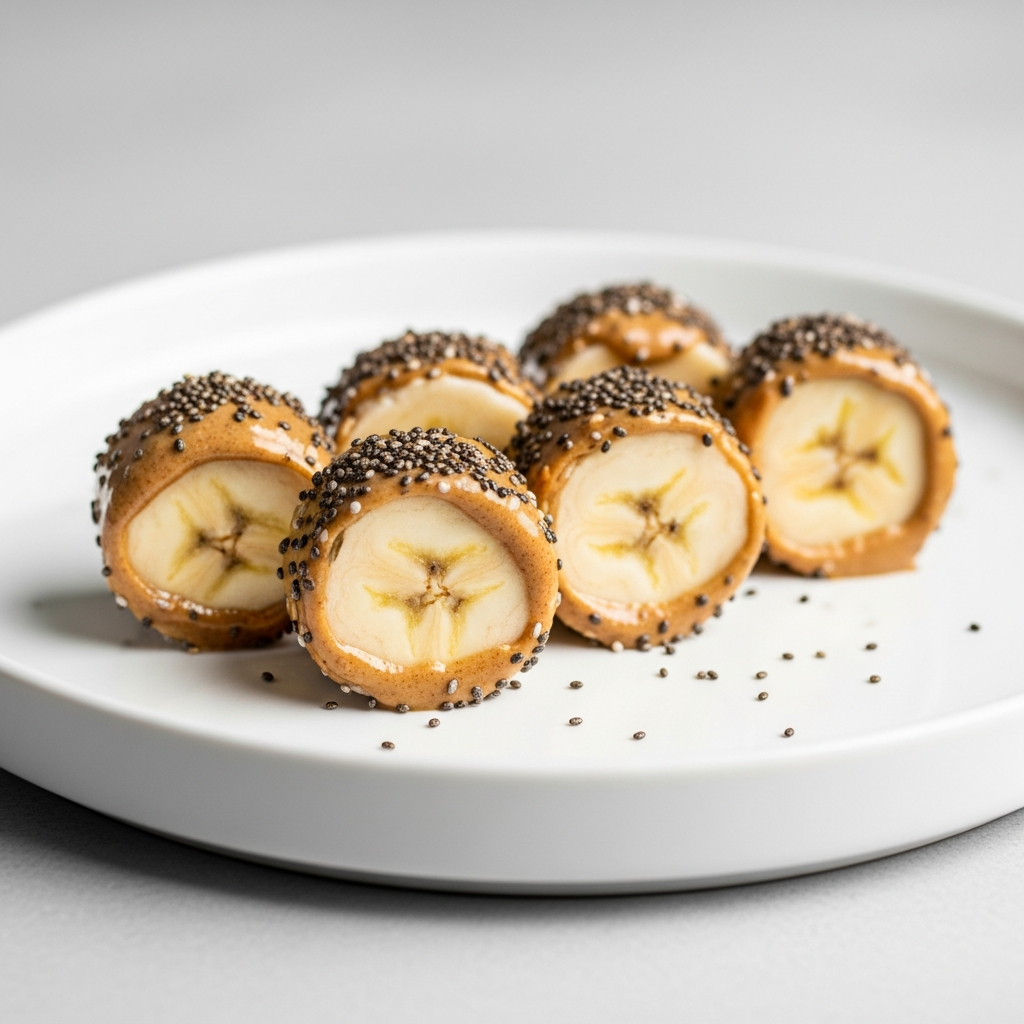
Peel a banana and spread a thin layer of nut butter or Greek yogurt over it, then roll it in crushed cereal or hemp seeds. Slice the banana into bite-sized rounds. This snack is potassium-rich and offers a unique texture that kids find engaging.
9. Hard-Boiled Eggs
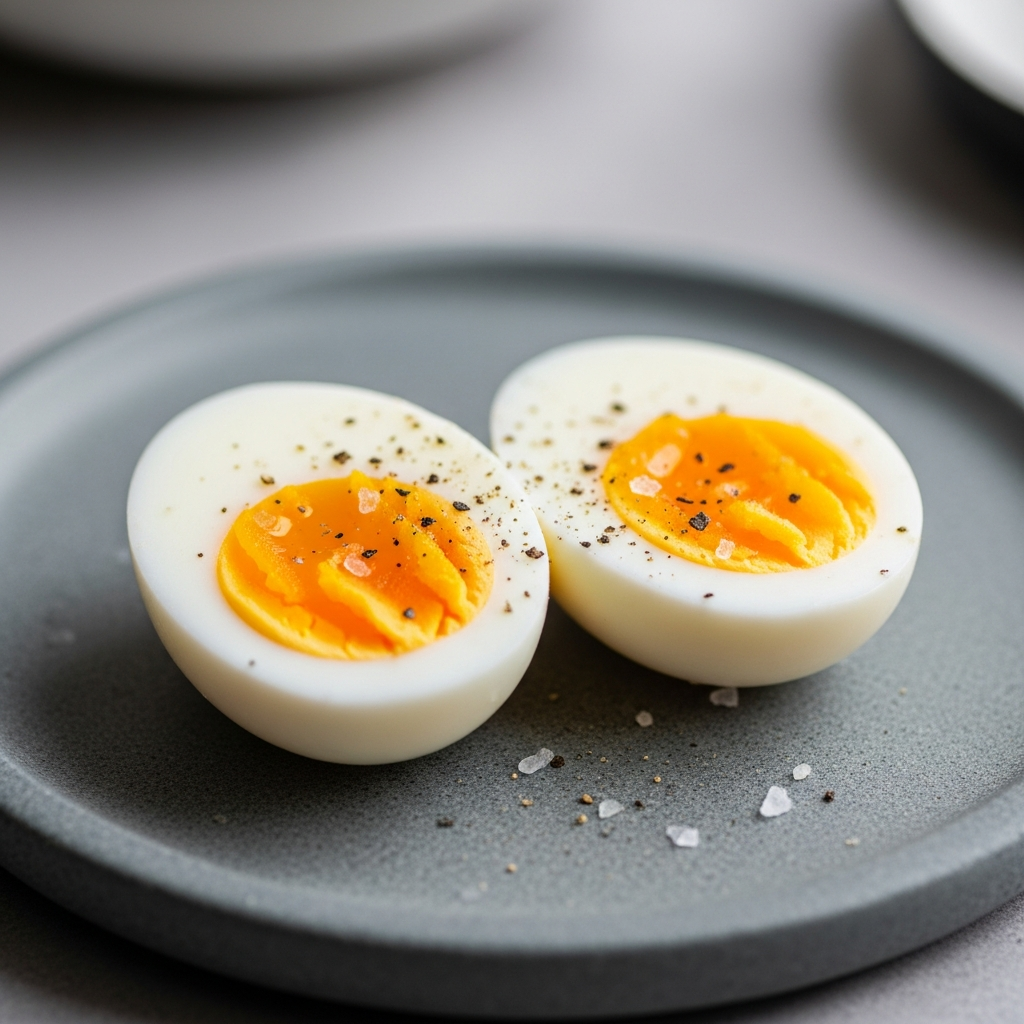
Eggs are a complete protein source and contain choline, which is vital for brain development. Prepare a batch at the start of the week for a quick, grab-and-go snack. Serve them plain or with a tiny pinch of sea salt for flavor.
10. Mini Turkey and Cheese Roll-Ups
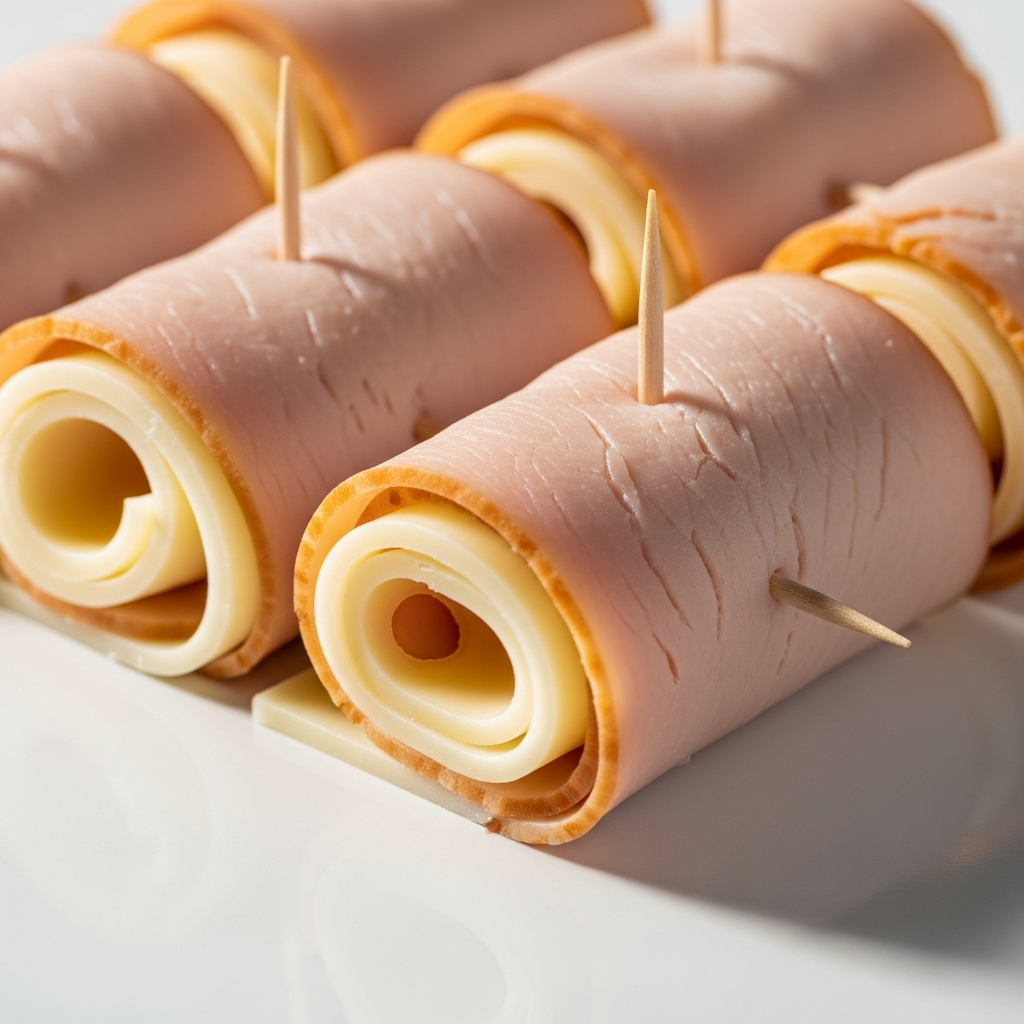
Lean turkey breast rolled with a thin slice of cheese provides a high-protein snack without the need for bread. This is an excellent low-carb option that keeps blood sugar levels stable between meals, preventing energy crashes.
11. Roasted Chickpeas
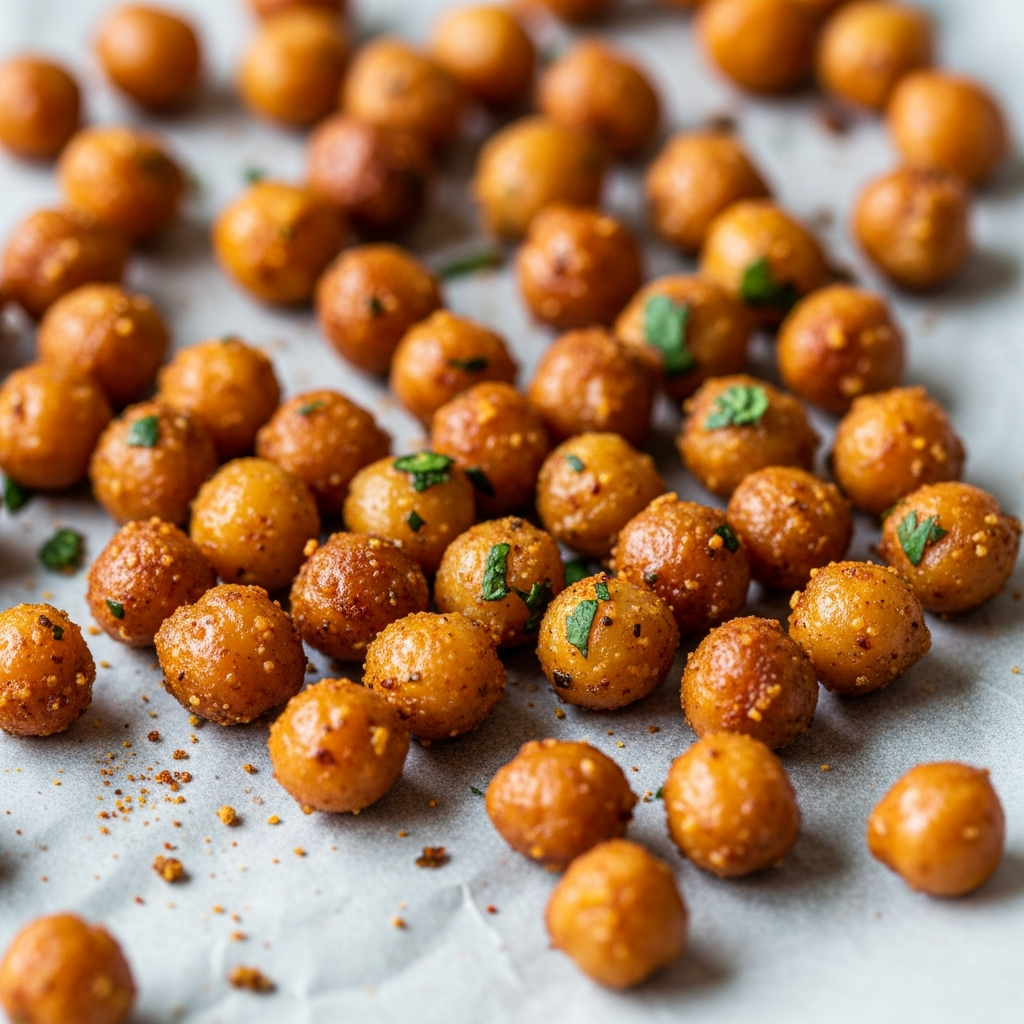
When roasted, chickpeas become a crunchy, savory snack that rivals potato chips. Toss them in olive oil and a hint of cumin or garlic powder before baking. They are packed with plant-based protein and are highly shelf-stable for lunchboxes.
12. Fruit and Spinach Smoothies
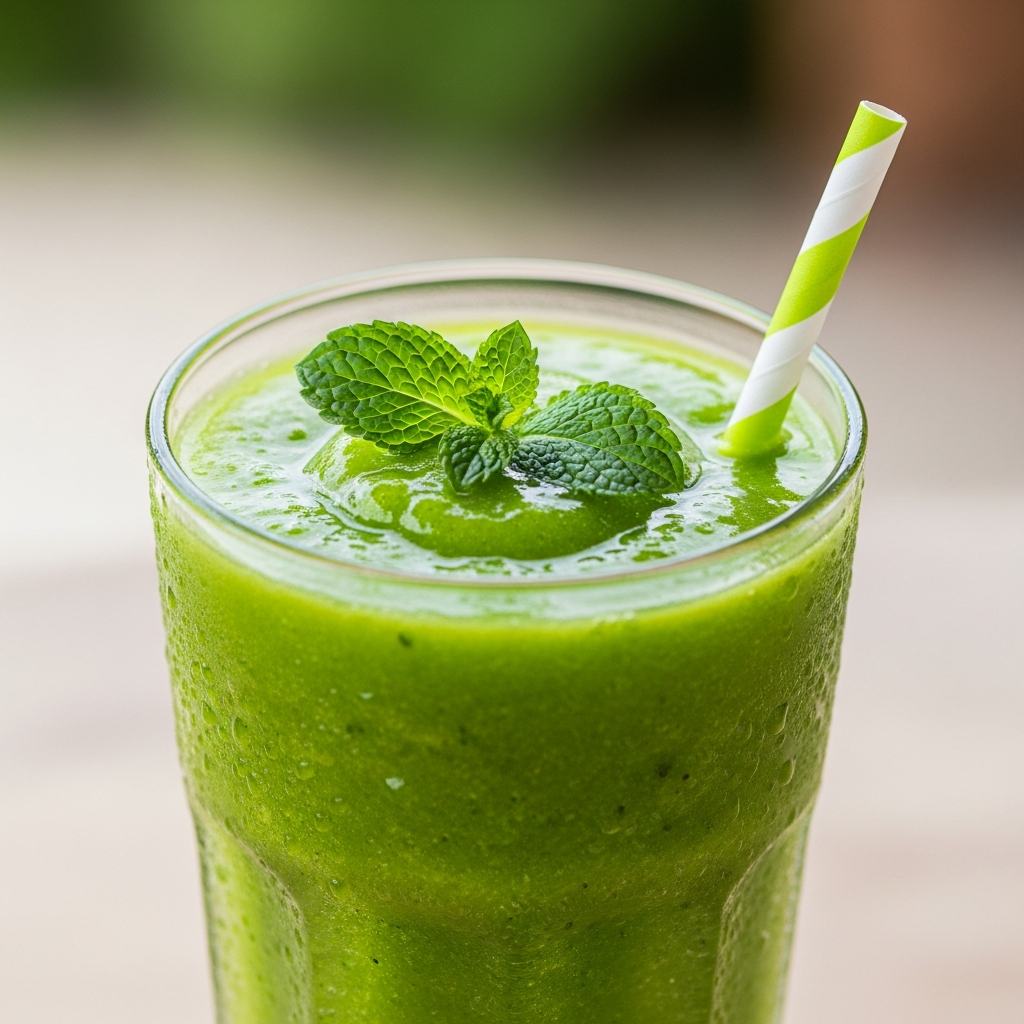
Smoothies are an ideal way to incorporate leafy greens into a child’s diet. Blend spinach with frozen mango, banana, and a splash of coconut water. The fruit masks the taste of the greens, resulting in a vibrant, nutrient-packed beverage.
13. Cottage Cheese with Pineapple
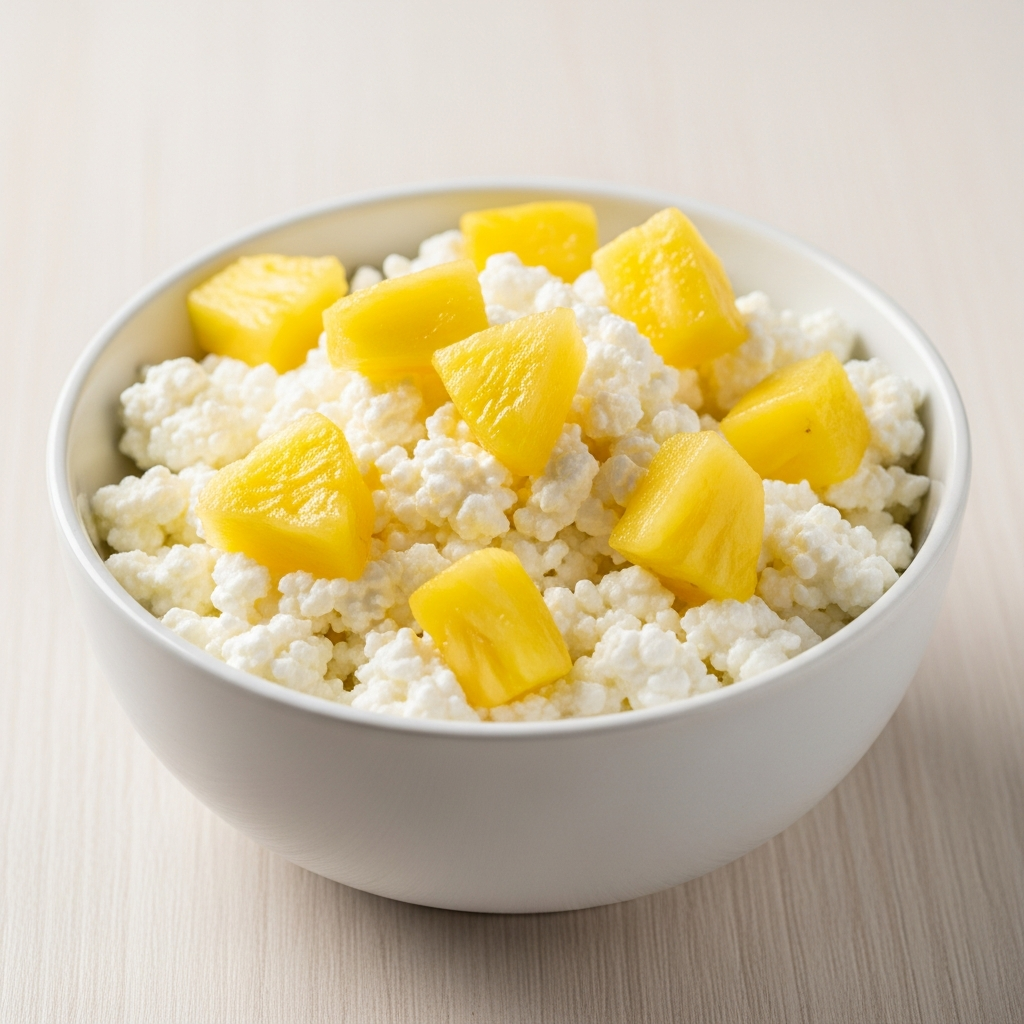
Cottage cheese is a protein powerhouse. Adding fresh or canned pineapple (in juice) provides natural sweetness and digestive enzymes. This combination is light, refreshing, and helps support muscle growth and repair.
14. Air-Popped Popcorn

Popcorn is a whole grain that is naturally high in fiber. By air-popping it at home, you avoid the excess salt and saturated fats found in cinema-style versions. Lightly season with a nutritional yeast for a cheesy flavor without the dairy.
15. Baked Sweet Potato Fries
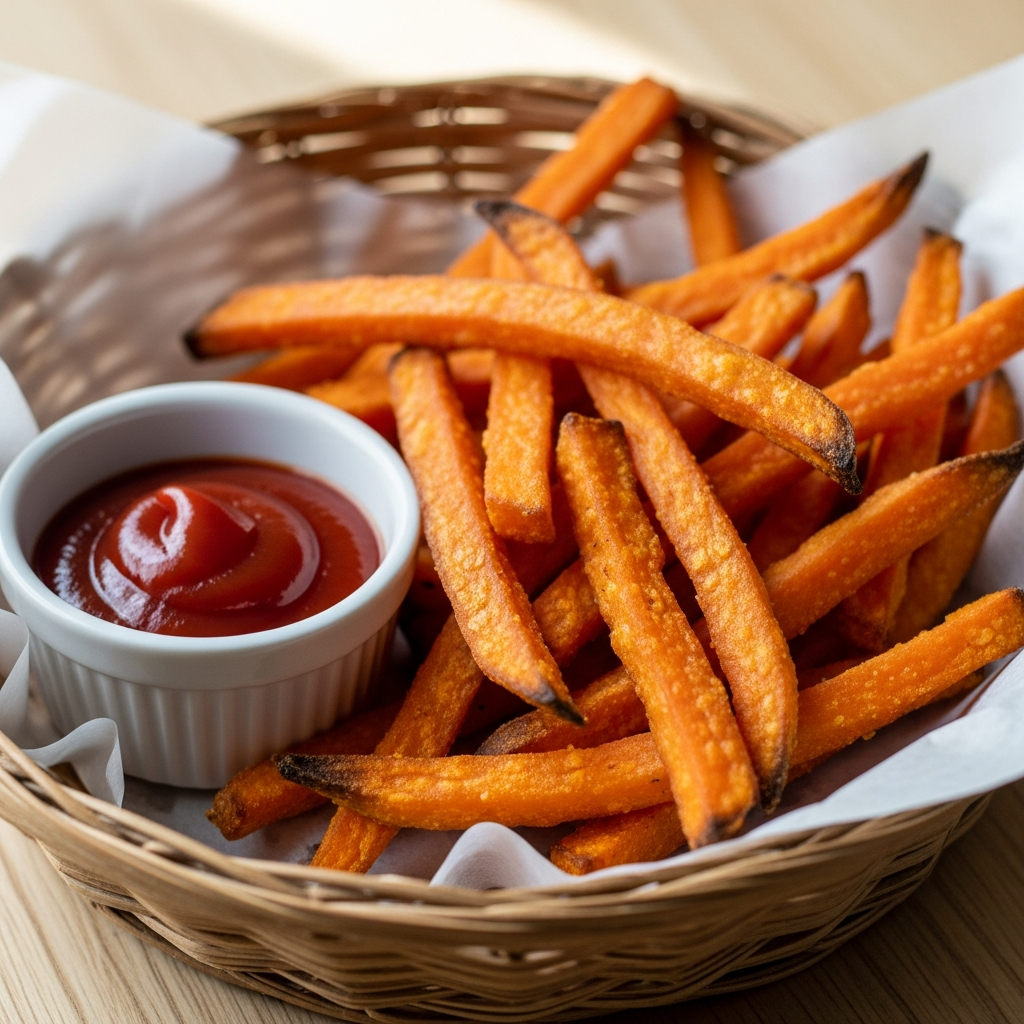
Sweet potatoes are loaded with Vitamin A and fiber. Slice them into thin strips, toss with a small amount of avocado oil, and bake until tender. They offer a satisfying sweetness and a much higher nutritional profile than traditional fries.
Conclusion
Implementing healthy snacking habits for children does not require complex recipes or obscure ingredients. By focusing on whole foods and creative presentations, you can provide snacks that support their physical development and satisfy their cravings. Consistency is key, and involving children in the preparation process often leads to a greater willingness to try new, nutritious options.