12 Creative Sensory Bin Ideas for Kids

As parents, we’re always looking for simple, engaging ways to help our children learn and grow. That’s where sensory bins come in! These delightful, hands-on play experiences are fantastic for toddlers and preschoolers, offering a world of exploration, creativity, and calm.

A sensory bin is essentially a container filled with various materials that stimulate your child’s senses. From touch to sight, and sometimes even smell or sound, these bins provide rich learning opportunities through play. They encourage fine motor skill development, problem-solving, language building, and can even offer a quiet, focused activity when your little one needs to wind down. Don’t worry about the mess too much – a little preparation can go a long way, and the benefits for your child are truly immense.

What Makes a Great Sensory Bin?

Creating a sensory bin doesn’t have to be complicated or expensive. The best ones often use items you already have around the house or can easily gather. Here’s what you’ll need to think about:

Choosing Your Container

The container is the starting point for your sensory adventure. It should be sturdy and ideally, have a good surface area.

* Plastic Storage Bins: Clear, shallow under-bed storage bins work wonderfully as they offer a wide play space without being too deep for little arms to reach.

* Wash Tubs: A simple plastic wash tub or a large mixing bowl can also serve as a great sensory bin.

* Activity Tables: Some children’s activity tables come with built-in compartments perfect for sensory play.

Selecting a Base Material

The base is the main filler of your bin and provides the primary sensory experience. Think about textures and what you have available.

* Dry Goods: Rice (white or dyed), dried pasta (various shapes), dry beans, lentils, oats, and cereal are all excellent, non-perishable options.

* Natural Elements: Sand, dirt, water, leaves, pinecones, acorns, and small smooth rocks offer wonderful tactile exploration.

* Other Textures: Cotton balls, pom-poms, shredded paper, and even safe doughs can be great bases.

Adding Tools and Toys

Once you have your base, you’ll want to add items that encourage interaction and imaginative play. These are often small, open-ended toys.

* Scoops and Cups: Measuring cups, plastic spoons, small shovels, and ladles are perfect for pouring, scooping, and transferring.

* Small Figures: Plastic animals, people, or vehicles can create stories and encourage imaginative play.

* Natural Items: Shells, smooth stones, larger sticks, and flowers can add more sensory depth.

* Fine Motor Tools: Tongs, tweezers, and droppers help develop fine motor skills and hand-eye coordination.

Safety First

Always supervise your child during sensory play, especially with smaller items.

* Age Appropriateness: Ensure all items are age-appropriate and not choking hazards for younger children. If your child is still prone to putting things in their mouth, choose edible or larger, safer items.

* Allergy Considerations: Be mindful of any food allergies if you’re using food-based items and your child might share the bin with others.

* Cleanliness: Wash and dry items thoroughly after use, especially if they’ve been wet or played with outdoors.

The 12 Creative Sensory Bin Ideas

Now for the fun part! Here are 12 different themes to inspire your next sensory bin adventure. Remember, these are just starting points—feel free to adapt them to your child’s interests and what you have on hand.

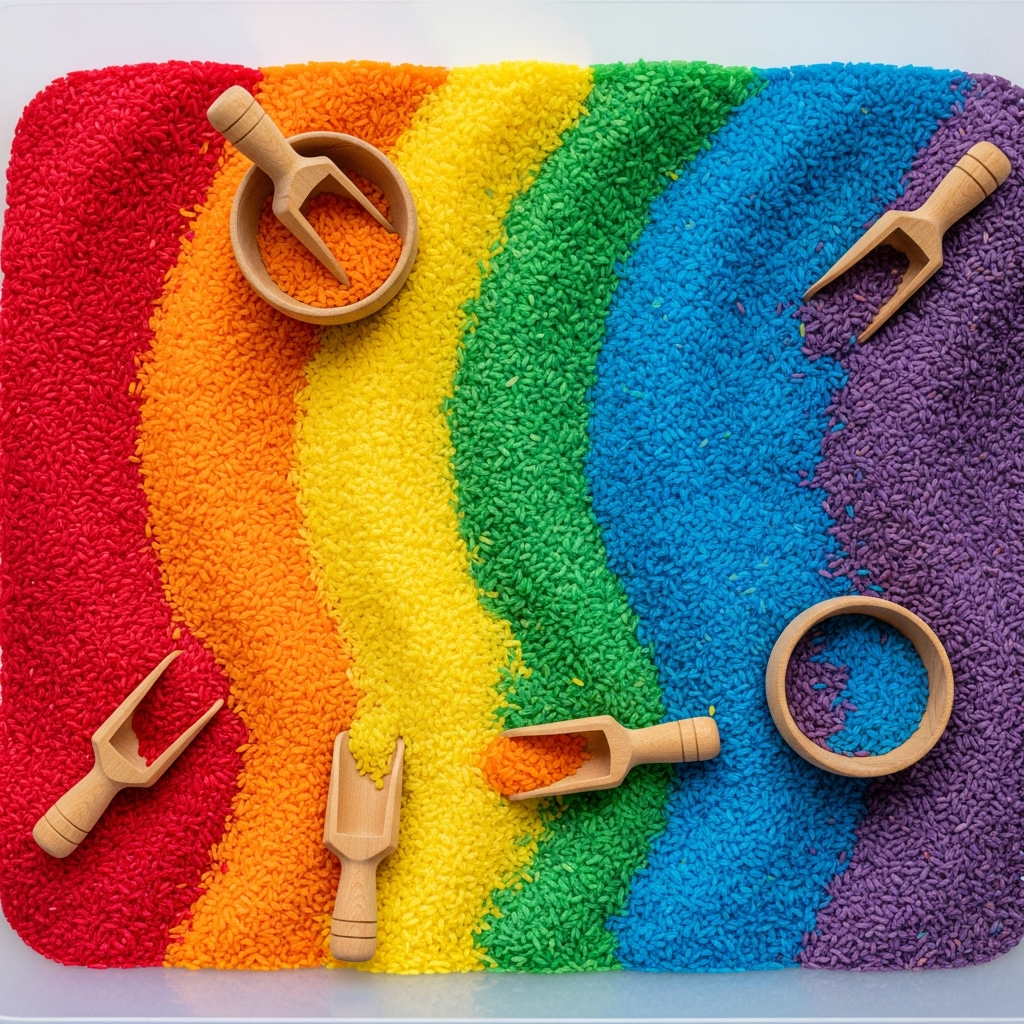
1. Rainbow Rice Exploration

A classic for a reason, rainbow rice is visually stunning and incredibly versatile. The smooth, individual grains offer a wonderful tactile experience.

* Base: White rice dyed with food coloring (simply put rice in a bag with a few drops of food coloring and a splash of vinegar or hand sanitizer, shake, and let dry on a baking sheet).

* **Add-ins:** Small plastic cups, scoops, funnels, animal figures, small blocks, or even letter magnets to “find” in the rice.

* Play Ideas: Encourage scooping, pouring, sorting by color, or hiding and finding treasures.

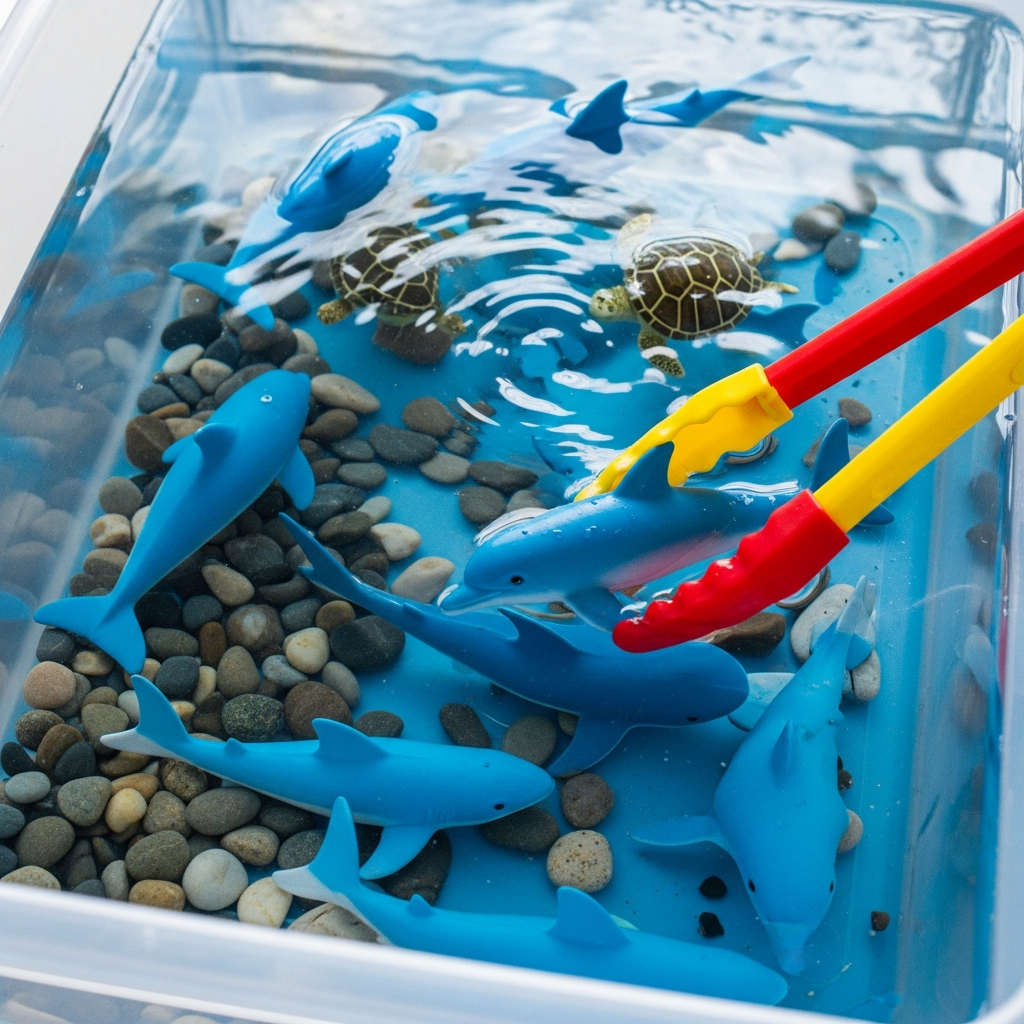
2. Ocean Adventure

Bring the calm of the ocean indoors with a themed bin that invites aquatic exploration.

* Base: Blue water, blue dyed rice or pasta, or even a layer of sand at the bottom.

* Add-ins: Real or plastic shells, plastic ocean animals (fish, turtles, sharks), small boats, blue gems, and scoops.

* Play Ideas: Pretend to swim, rescue animals, build sandcastles, or simply splash and pour if using water.

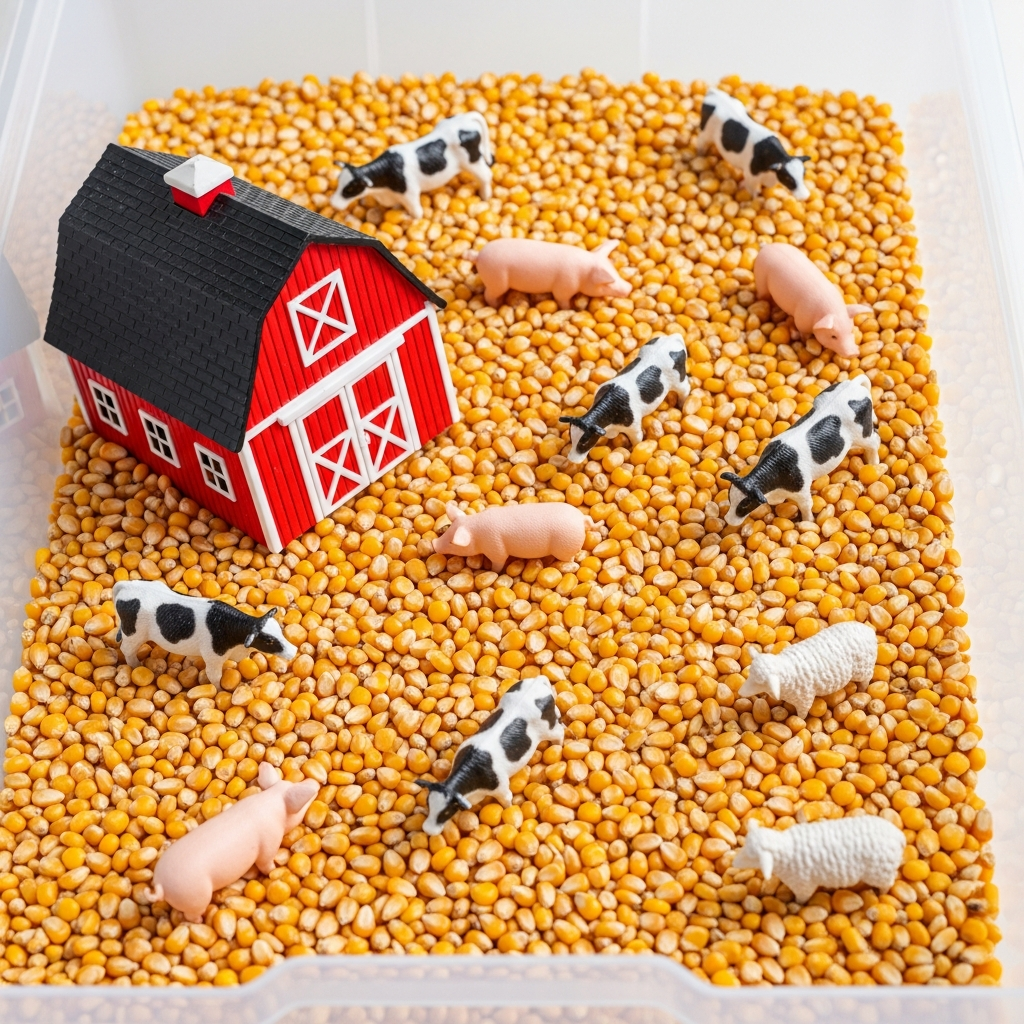
3. Farmyard Fun

Create a miniature farm where your child can explore animal habitats and farm life.

* Base: Dried brown beans (for “soil”), hay or straw, green dyed pasta (for “grass”).

* Add-ins: Toy farm animals, a small toy tractor, miniature fences, plastic trees, small blocks to build barns.

* Play Ideas: Act out farm chores, make animal sounds, drive the tractor through the “fields,” or sort animals by type.

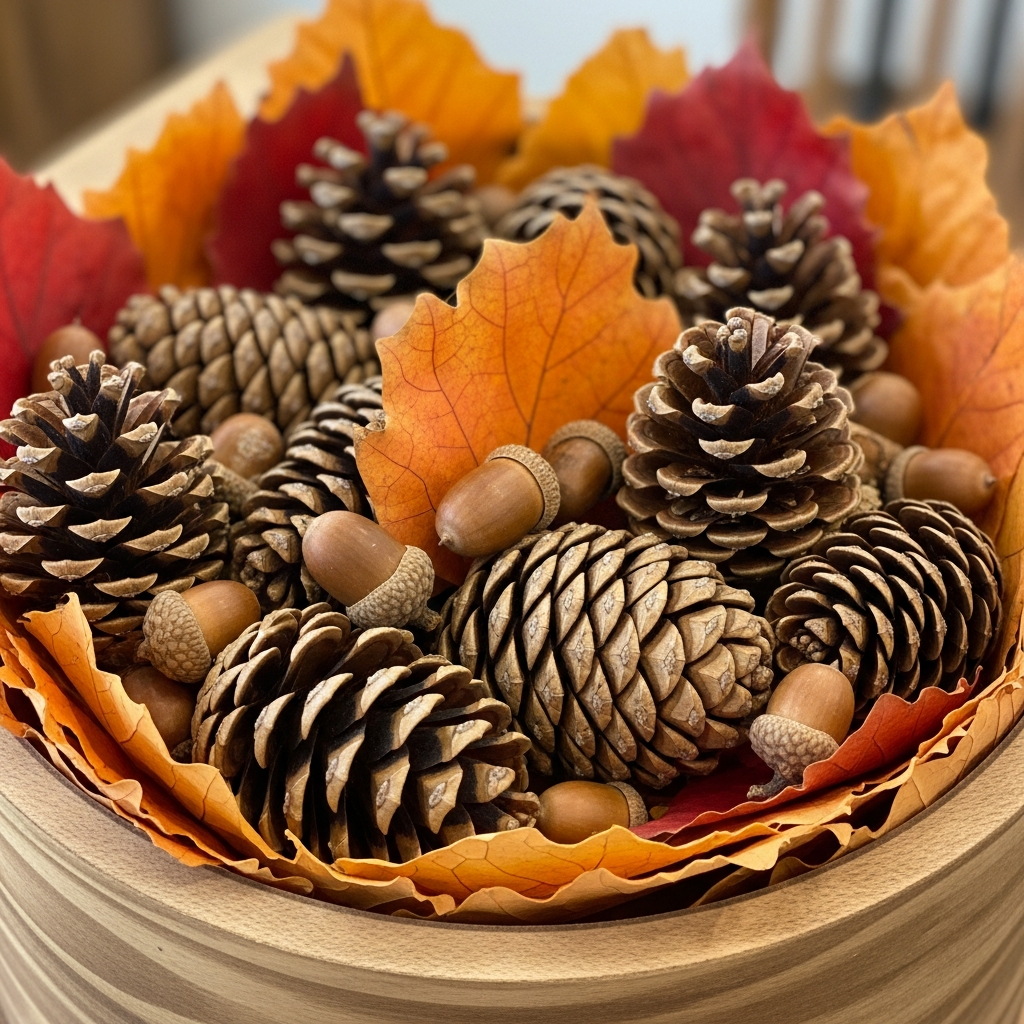
4. Nature’s Bounty

Gather treasures from your backyard or a local park for a sensory experience that connects children with the natural world.

* Base: Fallen leaves (various colors and textures), twigs, small smooth rocks, pinecones, acorns.

* Add-ins: A magnifying glass, small buckets, tongs, plastic insects, flower petals.

* Play Ideas: Examine textures, sort items, make “potions” with the natural elements, or build miniature shelters for tiny animals.

5. Pasta Play

Different shapes and textures of pasta offer a unique sensory experience, whether natural or dyed.

* Base: Various shapes of uncooked pasta (penne, rotini, spaghetti pieces, shells). You can dye them or leave them natural.

* Add-ins: String or pipe cleaners (for threading pasta), small bowls, spoons, measuring cups, tiny toy figures.

* Play Ideas: Thread pasta onto string to make “necklaces,” sort pasta by shape, use spoons to scoop and pour, or create imaginative meals.

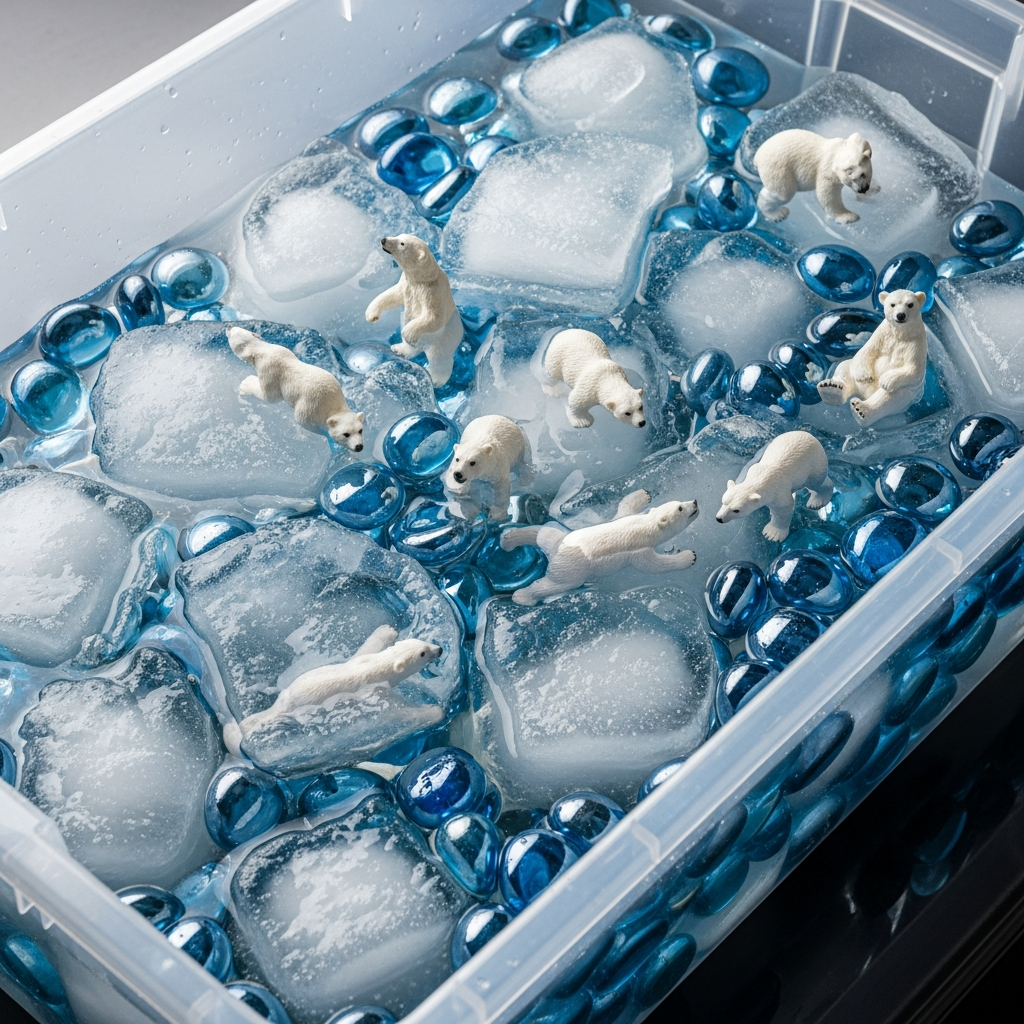
6. Arctic Chill

Explore a frosty landscape with a sensory bin that evokes the cold and beauty of the Arctic.

* Base: White rice, cotton balls, crinkled white paper, or a mixture of baking soda and conditioner for a “snow” feel.

* Add-ins: Plastic arctic animals (polar bears, penguins, seals), ice cubes (with close supervision), small white blocks, clear gems.

* Play Ideas: Pretend the animals are swimming through ice, build igloos with blocks, or explore the cold sensation of the ice cubes.

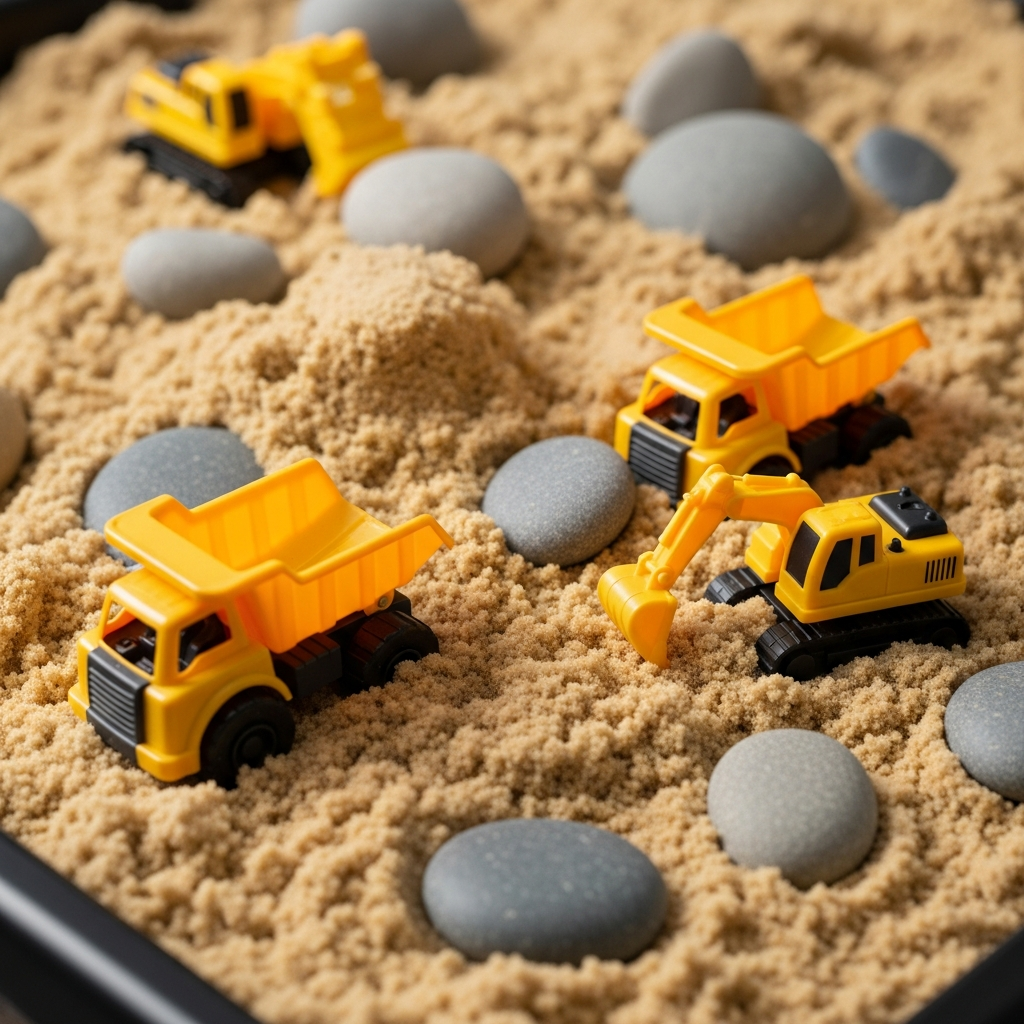
7. Construction Zone

Perfect for little builders and vehicle enthusiasts, this bin encourages imaginative construction play.

* Base: Dried black beans, lentils, or sand to represent dirt and gravel.

* Add-ins: Toy construction vehicles (dump trucks, excavators), small blocks, pebbles, small plastic cones.

* Play Ideas: Use the trucks to scoop and dump the “materials,” build roads or structures, or create a pretend construction site.

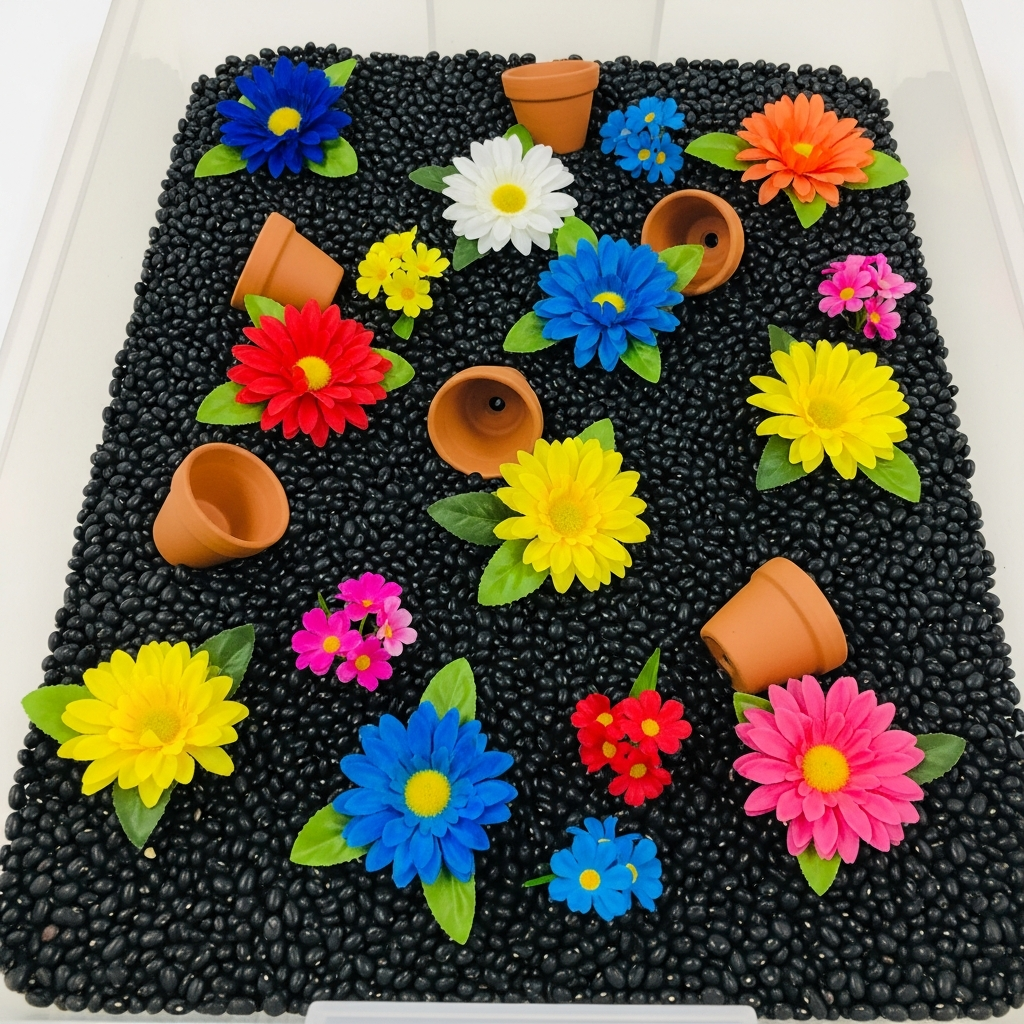
8. Garden Patch

Bring the joy of gardening indoors without the actual dirt (unless you want to!). This bin is great for talking about plants and insects.

* Base: Brown dried beans (for soil), green shredded paper, green dyed rice, or green raffia for grass.

* Add-ins: Plastic flowers, small gardening tools (toy trowel, rake), plastic insects, seed packets, a small watering can.

* Play Ideas: “Plant” and “water” the flowers, find and count the insects, or pretend to harvest vegetables.

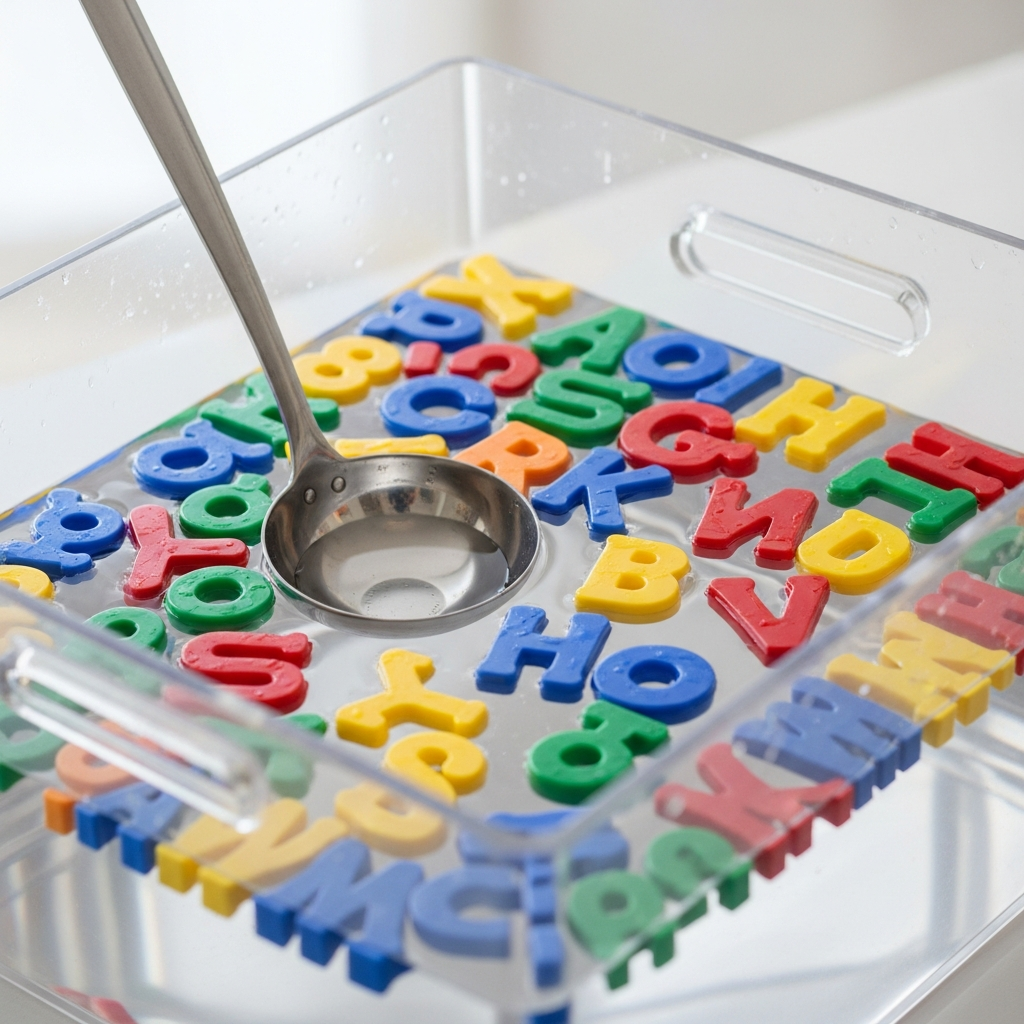
9. Alphabet Soup (or Letter Hunt)

This bin combines sensory play with early literacy skills, making learning a tactile adventure.

* Base: Uncooked alphabet pasta, or letter beads mixed into a base of white rice or dry beans.

* Add-ins: A magnifying glass, small cards with letters written on them, tweezers, a small bowl to collect letters.

* Play Ideas: Find and match letters, spell out simple words, sort letters, or simply explore the different shapes of the alphabet.

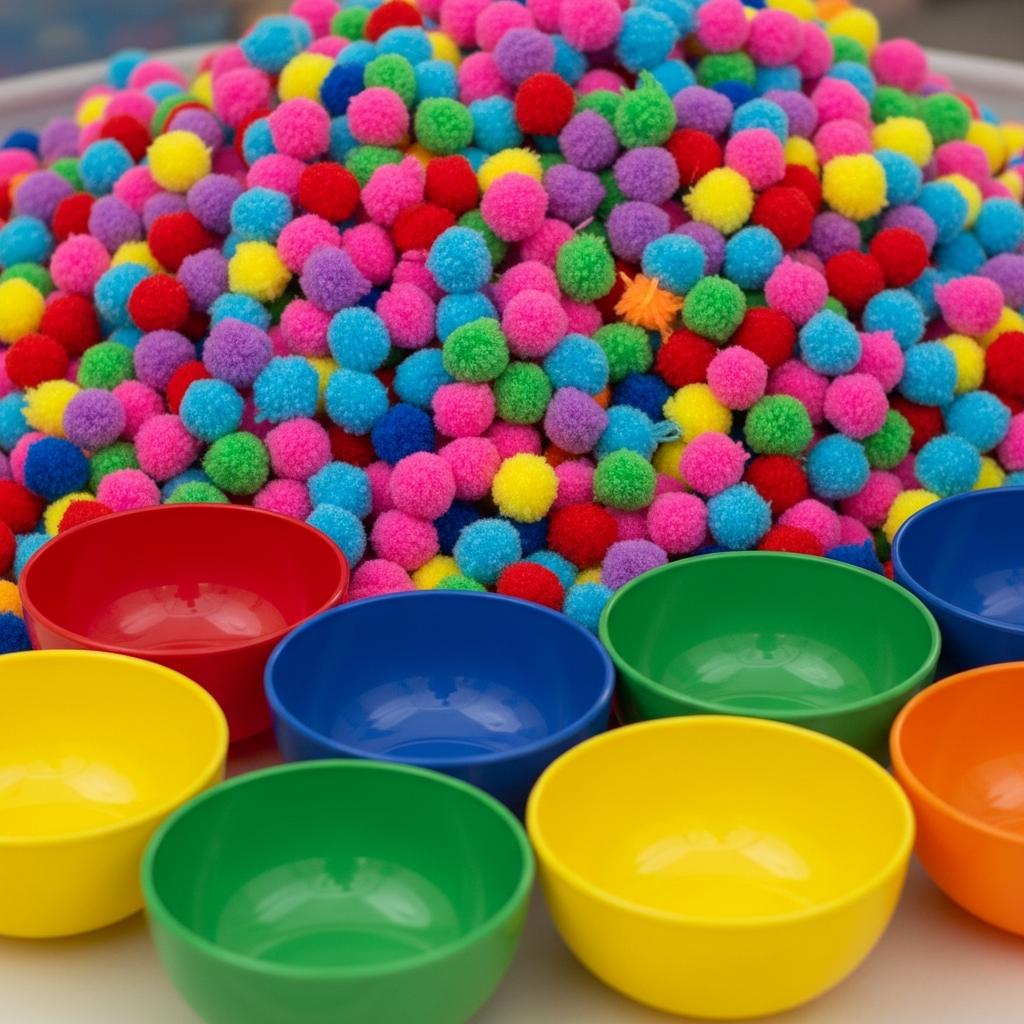
10. Pom-Pom Paradise

Soft, colorful pom-poms are a simple yet incredibly satisfying sensory bin base, great for sorting and fine motor skills.

* Base: Assorted colorful pom-poms (various sizes if safe for your child).

* Add-ins: Tongs, scoops, muffin tins or small bowls (for sorting by color or size), small plastic figures to hide amongst them.

* Play Ideas: Sort pom-poms by color or size, use tongs to transfer them, or create patterns.

11. Water Bead Wonders

Water beads are a unique sensory experience—squishy, smooth, and captivating. Always use with strict supervision and follow manufacturer guidelines.

* Base: Hydrated water beads (ensure they are age-appropriate and supervised, especially for children who still put things in their mouths).

* Add-ins: Small plastic animals, scoops, cups, sieves, plastic tubes, clear containers.

* Play Ideas: Scoop and pour the beads, watch them squish, hide small toys within them, or observe how they look in different containers.

12. Bubble Bin Blast

For a truly bubbly and lighthearted experience, a bubble bin can be incredibly fun and calming. Best done outdoors or on a protected surface.

* Base: Soapy water (a few drops of dish soap in water), or bubble solution.

* Add-ins: Whisk, straws (for blowing bubbles, with supervision), plastic animals that can get wet, small sponges, plastic cups.

* Play Ideas: Whisk up frothy bubbles, blow bubbles with straws, give toy animals a “bath,” or experiment with different ways to make foam.

Tips for Maximizing Sensory Bin Fun (and Minimizing Mess)

Sensory bins are meant to be explored, and sometimes that means a little mess. Here are some pointers to help make the experience enjoyable for everyone.

Setting the Stage

A little preparation before play can save a lot of cleanup later.

* Use a Mat: Place a large mat, old sheet, or towel under the bin to catch spills.

* Play Outdoors: On a nice day, take the sensory bin outside! The natural elements and easy cleanup make it ideal.

* Designate a “Sensory Zone“: Choose a spot in your home that is easy to clean, like the kitchen floor or a low table with a protective cover.

Involving Your Child

Encourage ownership and engagement by letting your child participate in the process.

* Let Them Help Create It: Involve them in choosing the base materials or adding the toys. This builds excitement and investment.

* Encourage Open-Ended Play: Resist the urge to direct their play too much. Let them explore, experiment, and use their imagination freely.

* Join In (Sometimes): Sit with them and engage for a bit, asking open-ended questions like, “What does that feel like?” or “What are you building?”

Rotating and Refreshing

To keep interest high, change up your sensory bins occasionally.

* Change Themes Regularly: Don’t feel pressured to keep the same bin out for weeks. Swapping themes every few days or once a week can renew interest.

* Add New Items: Even with the same base, introducing new tools or small toys can spark fresh curiosity.

* Store Materials: Keep your base materials (like dyed rice or beans) in airtight containers so you can reuse them for future bins.

Embracing the Mess

Remember that mess is often a sign of active, engaged learning.

* It’s Part of the Learning: Children learn through their senses, and that often involves making a bit of a glorious mess. Try to view it as part of the developmental process.

* Have Cleanup Tools Handy: Keep a small brush and dustpan or a handheld vacuum nearby for quick cleanups.

* Set Expectations: Before play, remind your child about keeping materials in the bin as much as possible, but be understanding if some escape.

The Developmental Benefits of Sensory Bins

Beyond being incredibly fun, sensory bins are powerful tools for your child’s development. They aren’t just play; they’re learning opportunities disguised as engaging activities.

Fine Motor Skills

The act of manipulating small items is excellent for strengthening little hands.

* **Scooping and Pouring:** Using spoons, cups, and scoops helps refine hand-eye coordination and strengthen grip.

* **Grasping and Transferring:** Picking up small objects with tongs or fingers improves dexterity and precision.

* **Threading and Sorting:** These activities build control and coordination in tiny finger muscles.

Cognitive Development

Sensory bins naturally encourage critical thinking and exploration.

* Problem-Solving: Children figure out how to make tools work, how to move materials, or how to build structures.

* Cause and Effect: They learn that scooping leads to a pile, or that water flows when poured.

* Sorting and Classifying: Grouping objects by color, size, or type helps develop early math and logic skills.

Language and Communication

Sensory play provides a rich context for building vocabulary and narrative skills.

* Describing Textures: Talking about how items feel (smooth, bumpy, rough, soft) expands descriptive language.

* Naming Objects and Actions: Learning the names of materials, tools, and the actions performed (scooping, pouring, burying).

* Storytelling: Creating imaginative scenarios with figures and props helps develop narrative abilities and communication.

Emotional Regulation

For some children, sensory bins offer a calming and focusing activity.

* Calming Input: Repetitive motions like scooping or feeling soothing textures can have a calming effect on overstimulated children.

* Focused Play: The engaging nature of sensory bins can help children focus their attention for extended periods.

* Independent Play: They provide an opportunity for children to play independently, fostering self-reliance and concentration.

Creativity and Imagination

The open-ended nature of sensory bins truly sparks a child’s imagination.

* Pretend Play: Children can create entire worlds and scenarios within the bin, transforming simple materials into mountains, oceans, or farms.

* Inventing Stories: The various items encourage children to develop narratives and characters.

* Self-Expression: They offer a space for children to express their ideas and creativity without limitations.

Sensory bins are a wonderful addition to any home with young children. They are flexible, adaptable, and packed with developmental benefits. Whether you choose a simple bin of rice and scoops or a more elaborate themed setup, the most important thing is to offer your child a space to explore, create, and learn through their senses. Don’t feel pressured to make them perfect; often, the simplest bins are the most enjoyed. Just dive in, have fun, and embrace the beautiful, messy joy of sensory play!