Rainy days often present a challenge for parents seeking to keep their children engaged and active within the confines of the home. However, these moments offer a unique opportunity to foster creativity, strengthen family bonds, and develop new skills. By shifting the focus from the weather to interactive indoor play, parents can transform a gloomy afternoon into a memorable experience. This guide provides fifteen professionally curated activities designed to stimulate the imagination and provide educational value for children of various ages.
1. Construct an Architectural Blanket Fort

Building a fort is a classic activity that encourages spatial awareness and engineering skills. Use a combination of sofa cushions, chairs, and lightweight blankets to create a complex structure. Enhancing the interior with fairy lights and plush pillows turns the space into a cozy reading nook or a secret headquarters for imaginative play.
2. Organize a Culinary Bake Off

The kitchen serves as an excellent classroom for math and chemistry. Choose a simple recipe such as oatmeal cookies or vanilla cupcakes and involve children in measuring ingredients and observing chemical reactions. This activity teaches following instructions and rewards participants with a delicious treat at the end.
3. Design a High Stakes Scavenger Hunt

A well-planned scavenger hunt stimulates problem-solving and critical thinking. Create a series of rhyming clues that lead children from one room to the next. For older children, incorporate riddles or simple puzzles that must be solved to reveal the location of the final hidden treasure.
4. Establish a Home Art Gallery

Dedicate a rainy afternoon to artistic expression. Provide various mediums such as watercolors, charcoal, and clay. Once the masterpieces are complete, designate a wall or a hallway as the official gallery where the children can curate their work and give a guided tour to family members.
5. Conduct Home Science Experiments

Transform the dining table into a laboratory. Simple experiments like the classic baking soda and vinegar volcano or creating a lava lamp with oil and water demonstrate fundamental scientific principles. These interactive lessons pique curiosity and encourage a lifelong interest in the STEM fields.
6. Host a Themed Cinema Experience

Elevate a standard movie viewing by selecting a specific theme. If watching an underwater adventure, decorate the room with blue streamers and serve fish-shaped crackers. This immersive approach turns a passive activity into an engaging event that requires planning and creative input.
7. Launch a Strategic Board Game Tournament

Board games are essential for teaching strategy, patience, and the value of fair play. Organize a tournament bracket featuring several different games. Keeping a leaderboard adds a healthy level of competition and keeps children focused on the objective throughout the day.
8. Author and Illustrate an Original Book

Encourage literacy and narrative development by helping children write their own stories. Provide blank paper and binding materials. This activity allows them to explore character development and plot structure while honing their fine motor skills through detailed illustrations.
9. Assemble an Indoor Obstacle Course
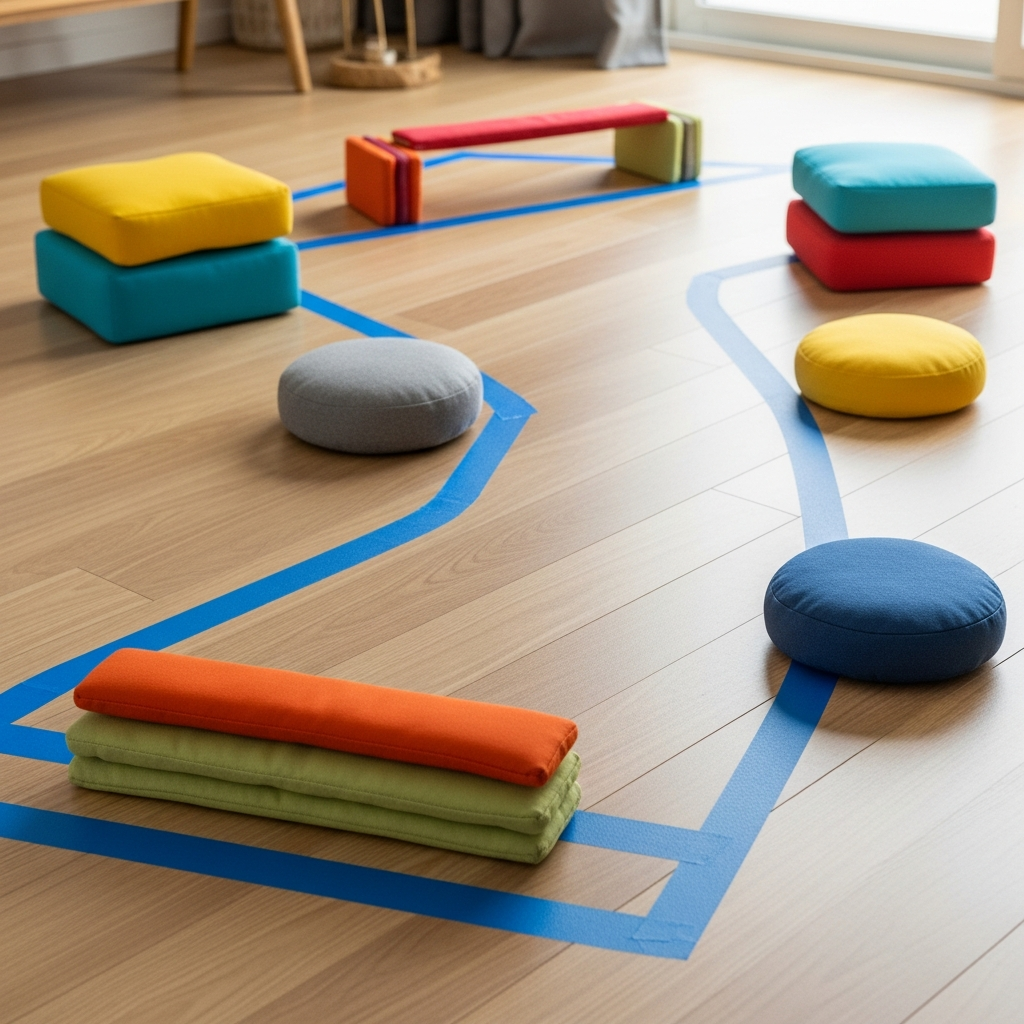
Physical activity is vital even when confined indoors. Use household items like painters tape for balance beams, pillows for hurdles, and chairs for tunnels. Timing each lap encourages children to improve their agility and provides a constructive outlet for high energy levels.
10. Practice Mindfulness and Youth Yoga

Rainy days can sometimes lead to restlessness. Introduce children to basic yoga poses and breathing exercises to promote emotional regulation and physical flexibility. Many child-friendly programs use storytelling to make the poses more engaging and easier to remember.
11. Explore Tactile Sensory Bins
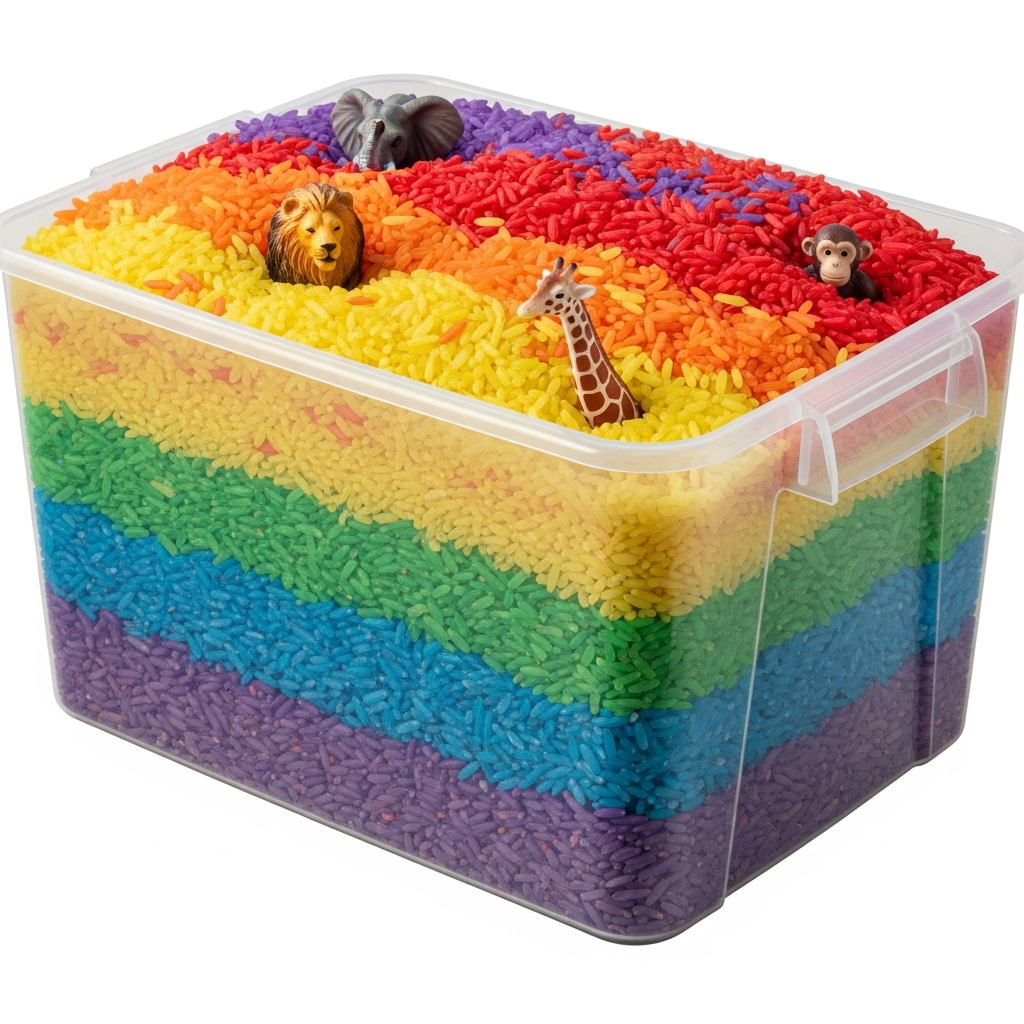
For younger children, sensory bins provide hours of quiet exploration. Fill a large container with materials like dried rice, beans, or kinetic sand. Hide small toys or colorful beads within the substrate to encourage tactile discovery and the development of fine motor skills.
12. Execute a Professional Fashion Show

Gather a collection of costumes, old clothes, and accessories to host a fashion show. This activity encourages self-expression and confidence. Set up a runway in the living room and play upbeat music while each participant debuts their unique stylistic creations.
13. Master the Art of Magic Tricks

Learning magic requires focus, repetition, and manual dexterity. Provide children with simple props like playing cards, coins, or cups and balls. Once they have mastered a few illusions, they can perform a formal magic show for the rest of the household.
14. Embark on Virtual Museum Tours

Utilize technology to visit world-renowned institutions from the comfort of your home. Many museums offer interactive 360-degree tours of their exhibits. This provides a cultural and historical education, allowing children to see artifacts and artwork they might not otherwise encounter.
15. Host a High Energy Karaoke Night

Music and singing are excellent for mood elevation. Use a karaoke machine or a streaming service to find lyric videos of favorite songs. This activity encourages vocal expression and provides a festive atmosphere to conclude a day spent indoors.
Conclusion
Rainy days do not have to result in boredom or excessive screen time. By implementing these fifteen diverse activities, parents can ensure that their children remain mentally stimulated and physically active. Whether through the lens of science, art, or physical play, these ideas turn an indoor day into a productive and joyful experience for the entire family. Preparation and a positive attitude are the key components to making the most of a stay-at-home afternoon.