Why Childhood Independence Is Easier Than You Think
As parents, we all dream of raising capable, confident children who can navigate the world with a sense of self-reliance. Yet, the path to fostering independence often feels like a mountainous climb, filled with worries about safety, mess, and the simple fact that it just seems *faster* to do everything ourselves. We get it; the daily juggle is real.
But what if we told you that building childhood independence isn’t as hard or as time-consuming as you imagine? What if it’s a gradual, gentle process that starts much earlier than you might think, and actually makes your life *easier* in the long run? This article is here to demystify the journey, offer practical steps, and reassure you that you’re more equipped than you realize to raise independent little humans.
What Does “Childhood Independence” Really Mean?

Let’s clear up a common misunderstanding right away. Childhood independence isn’t about leaving your child to fend for themselves or expecting them to act like a miniature adult. Instead, it’s about empowering them with the skills and confidence to do age-appropriate tasks on their own.
It’s about fostering their ability to think, decide, and act without constant adult intervention. This foundational strength helps them develop resilience, problem-solving skills, and a strong sense of self-worth that will serve them for a lifetime.
Why We Often Overcomplicate It

It’s natural for parents to feel overwhelmed by the idea of fostering independence. Many common beliefs and habits unintentionally make the process seem harder than it is. Understanding these can help us shift our approach.
The “Faster If I Do It” Trap
This is perhaps the biggest culprit. In the rush of daily life – getting out the door for school, preparing meals, tidying up – it genuinely feels quicker to just tie their shoes, cut their food, or pack their bag ourselves. We might save a few minutes in the short term.
However, each time we step in to complete a task for them, we miss an opportunity for them to learn. This short-term gain often leads to long-term dependency, meaning we end up doing these tasks for much longer than necessary.
Fear of Mistakes and Failure
No parent wants to see their child struggle or fail. Our protective instincts are strong, leading us to intervene before they spill, trip, or choose the “wrong” outfit. We aim to shield them from discomfort.
But making mistakes is how children learn. It’s how they figure out what works and what doesn’t. When we prevent all errors, we also prevent valuable learning experiences and the chance for them to build problem-solving skills.
Worry About Mess and Imperfection
Let’s be honest, a child learning to pour milk will likely spill. A child dressing themselves might put their shirt on backward. An independent child’s space might not always meet our tidy standards.
Embracing independence often means embracing a bit of mess and imperfection. Our desire for a pristine home or perfectly executed tasks can inadvertently hinder their attempts to learn and contribute.
Our Own Childhood Experiences
Sometimes, our approach to parenting is deeply influenced by how we were raised. If we weren’t encouraged to be independent, or if we were micro-managed, we might unconsciously repeat those patterns or overcompensate in other ways.
It’s helpful to reflect on our own upbringing and consider if those past experiences are shaping our current parenting habits.
The Simple Truth: It Starts Small and Early
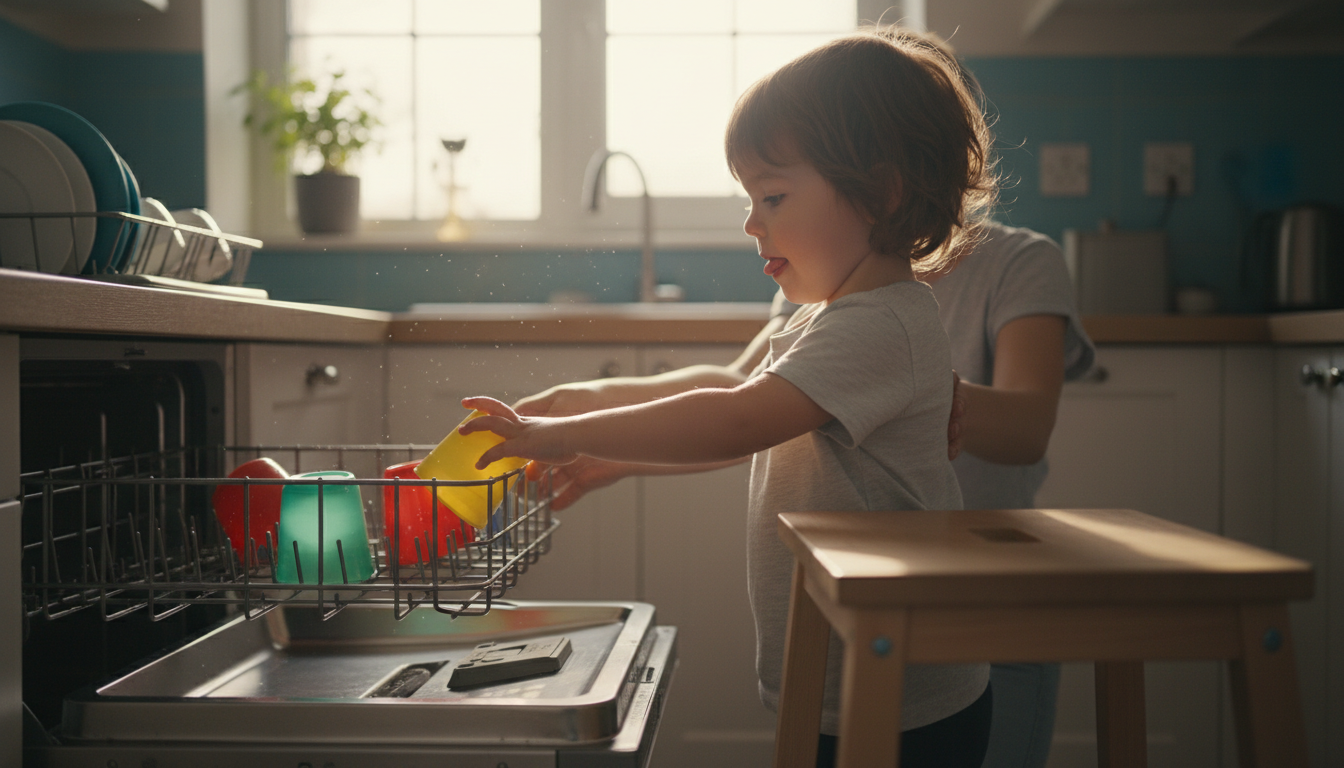
The wonderful news is that you don’t need grand gestures or complex systems to build independence. It begins with tiny steps, woven into the fabric of everyday life, starting right from the toddler years.
Independence for Toddlers (1-3 years)
Even the littlest ones are eager to assert themselves and “do it myself!” This stage is perfect for laying the groundwork.
Simple Choices Build Confidence
Offer two choices for snacks, clothes, or activities. “Do you want the red cup or the blue cup?” “Apple or banana?” This empowers them to make decisions, even small ones.
“Helping” Around the House
Toddlers love to mimic. Let them “help” with simple tasks like putting toys in a basket, wiping up a spill with a cloth, or putting their dirty clothes in a hamper. Their efforts are more important than the perfection of the task.
Independence for Preschoolers (3-5 years)
As children grow, their motor skills and cognitive abilities expand, allowing for more complex independent actions.
Mastering Self-Care Skills
Encourage them to dress themselves, brush their teeth, and wash their hands. Provide steps or visual aids if needed. Lay out clothes the night before to make morning dressing easier.
Engaging in Age-Appropriate Chores
Beyond putting away toys, preschoolers can help set the table, put away silverware, water plants, or help sort laundry. Make it a game and celebrate their contributions.
Independence for School-Aged Children (6-12 years)
Elementary school years are a prime time to develop deeper problem-solving and responsibility.
Developing Problem-Solving Abilities
Instead of solving their minor conflicts or homework struggles, ask guiding questions. “What do you think happened?” “What are some ways you could try to solve that?” This teaches them to think through issues.
Fostering Personal Responsibility
Assign specific chores that contribute to the family, like clearing the table after meals, making their bed, or preparing simple snacks. Encourage them to pack their own lunch or school bag.
Practical Steps to Nurture Independence (Without the Stress)

Making independence easier for your child starts with making it easier for *you* to facilitate it. Here are some actionable strategies.
Offer Choices, Not Demands
Instead of saying, “Put on your shoes,” try, “Do you want to wear your sneakers or your sandals today?” This gives them a sense of control and makes them more likely to cooperate.
Break Down Tasks
A big task like “clean your room” can be overwhelming. Break it into smaller, manageable steps: “First, put all your books on the shelf. Next, gather the dirty clothes for the hamper.”
Provide the Right Tools and Environment
Adjust your home to make independence easier. Use low hooks for coats, put snacks on a bottom shelf, provide child-sized brooms or cleaning supplies, and use step stools so they can reach sinks.
Allow for Mistakes (And Resist the Urge to Fix Everything)
Let them learn from natural consequences where safe. If they forget their coat, they’ll feel chilly. If they dress oddly for school, they’ll notice it themselves. Your role is to guide and support, not to prevent all discomfort.
Practice Patience and Repetition
Learning new skills takes time and practice. There will be spills, missed steps, and slow progress. Your patience and consistent encouragement are far more effective than frustration or taking over.
Be a Guide, Not a Rescuer
When your child faces a challenge, resist the immediate urge to jump in and solve it. Instead, ask open-ended questions: “What could you try next?” “How do you think we can fix this?” This empowers them to find solutions.
Celebrate Efforts, Not Just Outcomes
Focus on their willingness to try and their effort, even if the final result isn’t perfect. “You worked so hard to get your shoes on!” goes further than “You put your shoes on the wrong feet again.”
The Unexpected Benefits for You, the Parent

While fostering independence primarily benefits your child, it also brings a wealth of positive changes to your own life and household.
* More Time for Yourself: As children take on more age-appropriate tasks, you’ll find pockets of time opening up.
* Less Mental Load: You won’t have to remember every little detail for everyone; your children will start managing their own things.
* A Calmer Household: Children who feel capable often show less frustration and more cooperation.
* Children Who Truly Contribute: Imagine having children who genuinely help run the household, rather than needing constant direction.
* Seeing Your Child Thrive: There’s immense joy in watching your child gain confidence and mastery over new skills.
A Simple Plan: Baby Steps to Greater Independence

Ready to start? Here’s a quick, actionable plan to integrate independence into your daily routine without feeling overwhelmed.
| Step | What to Do | Example for a 4-year-old |
| 1. Identify One Task | Choose one small, age-appropriate task your child *almost* does. | Putting their plate in the sink after meals. |
| 2. Teach the Skill | Show them how, break it down, and explain the “why.” | “First, scrape the food into the bin, then put the plate here.” |
| 3. Provide Practice | Give them regular opportunities to try the task. | Every mealtime, remind them it’s their job. |
| 4. Step Back | Once they’ve practiced, let them try it on their own, even if it’s messy. | Watch them, but don’t intervene immediately unless necessary. |
| 5. Praise Effort | Acknowledge their attempt and progress, not just perfection. | “Great job remembering your plate!” |
Remember, consistency is key. Small, consistent efforts build habits and confidence over time.
Fostering childhood independence isn’t about adding another stressful item to your parenting to-do list. It’s about shifting your mindset, starting small, and trusting in your child’s innate capabilities. By stepping back and allowing them the space to try, learn, and grow, you’re not only raising more capable children but also creating a more harmonious and joyful family life for everyone. You’ve got this, and so do they!