
The Surprising Truth About Screen Time for Kids
As parents, we’re constantly trying to do our best for our children. From the moment they arrive, we’re faced with countless decisions, and few feel as confusing or guilt-inducing as screen time. Everywhere you look, there’s advice, warnings, and conflicting opinions. You might feel a knot in your stomach every time your little one reaches for a tablet or gets captivated by a cartoon.
It’s a common worry, and you’re not alone in wondering if you’re getting it right. But what if we told you the truth about screen time isn’t as simple as “good” or “bad”? What if there’s a more nuanced, and perhaps surprising, reality that can actually bring some peace to your parenting journey?
Let’s dive into understanding screen time for kids not as a villain or a savior, but as a tool. A tool that, like any other, has its uses, its dangers, and its best practices.
Why Parents Worry (And Why That’s Okay)
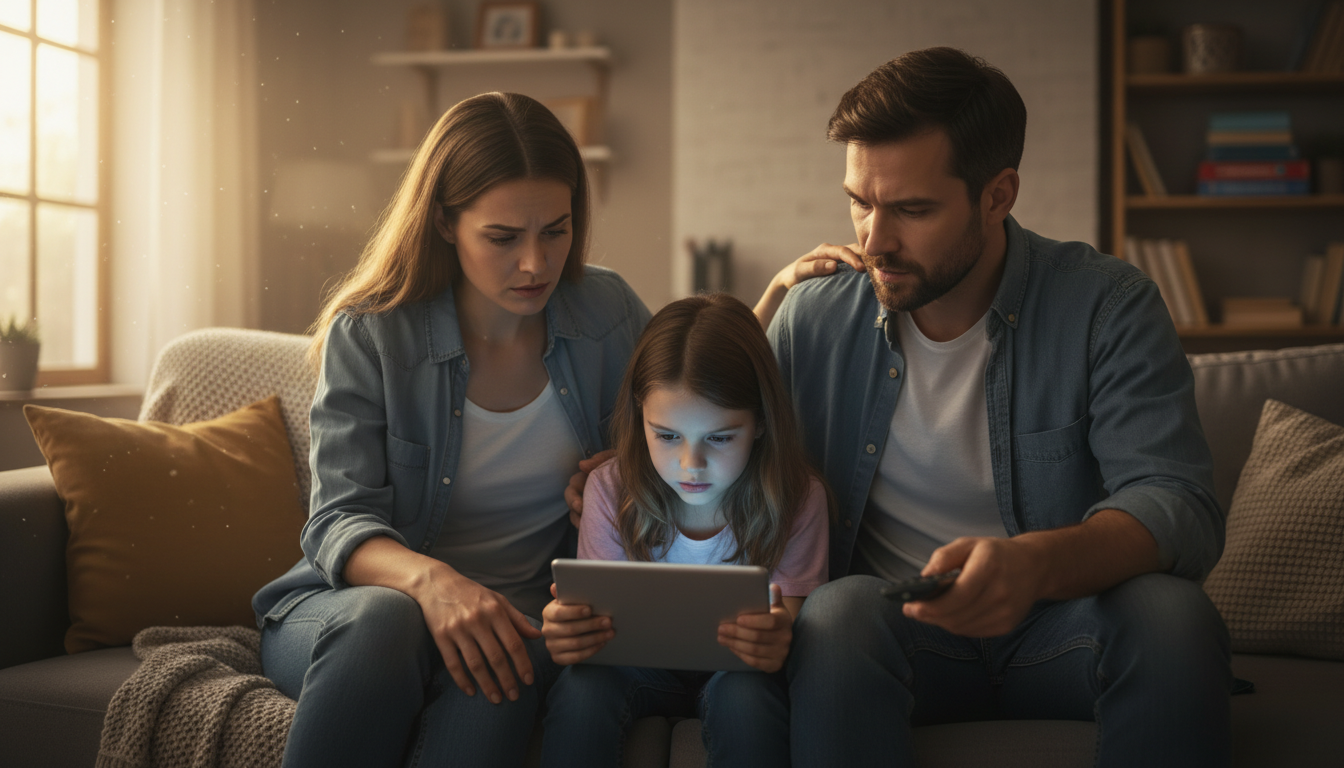
It’s natural to worry about screen time. We live in a world that moves faster than ever, with new technologies popping up all the time. Our own childhoods likely didn’t involve smartphones or streaming services, so navigating this digital landscape for our kids feels like charting unknown territory.
We hear stories about children glued to screens, losing out on outdoor play, or struggling with social skills. News headlines often highlight the negative impacts, making it hard to see any upside. This constant barrage of information, sometimes contradictory, can leave any parent feeling overwhelmed and unsure.
Your concerns are valid. It shows you care deeply about your child’s development and well-being. But understanding the full picture can help you move from a place of fear to a place of informed decision-making.
It’s Not Just Black and White: The Nuance of Screen Time
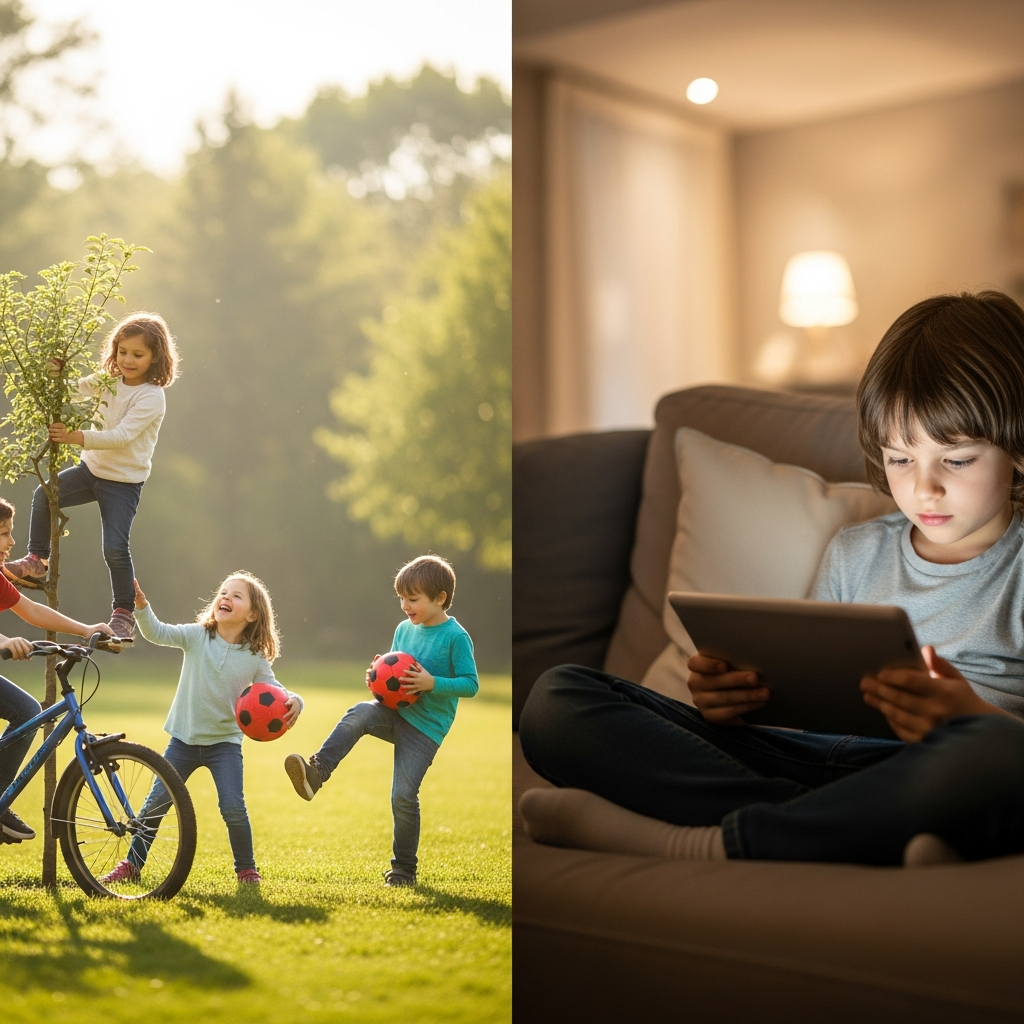
Here’s the first surprising truth: screen time isn’t a monolith. It’s not a single entity that’s either entirely beneficial or entirely harmful. The real story is much more complex, and it depends heavily on a few key factors.
Instead of asking “Is screen time bad?”, we should be asking:
* What kind of content are they watching or interacting with?
* How much time are they spending?
* In what context are they using screens?
* How old is my child?
Moving beyond the simple “good” or “bad” label allows us to see the bigger picture and make more thoughtful choices for our families.
Understanding the Different Kinds of Screen Time
Not all screen time is created equal. Imagine the difference between watching a passive commercial and actively building a story in a coding game. These are vastly different experiences for a child’s developing brain.
Passive Consumption
This is often what comes to mind when we think of “too much screen time.” It involves simply watching without much interaction.
* Watching TV shows or movies.
* Mindlessly scrolling through short videos.
* Sitting passively during long car rides with a tablet.
Active Engagement
This type of screen time involves interaction and often requires thinking and participation.
* Educational apps that teach math, reading, or foreign languages.
* Interactive games that involve problem-solving or strategy.
* Video calls with grandparents or distant family members.
Creative Expression
Screens can be powerful tools for creativity and bringing ideas to life.
* Using digital art programs to draw or paint.
* Creating videos or animations.
* Learning basic coding to build simple games or stories.
The Potential Downsides: What to Watch Out For

While we’re exploring the nuances, it’s important not to dismiss the very real concerns associated with excessive or inappropriate screen use. Understanding these potential challenges helps us to mitigate them.
Impact on Physical Health
Too much time in front of a screen can have physical consequences for children.
* Lack of physical activity: When kids are engrossed in screens, they’re often sitting still. This can replace time spent running, jumping, and playing outdoors, which are crucial for healthy development and weight management.
* Sleep disruption: The blue light emitted by screens can interfere with the body’s production of melatonin, a hormone that helps us sleep. Using screens close to bedtime can make it harder for children to fall asleep and impact the quality of their rest.
* Eye strain: Prolonged screen use can lead to tired eyes, headaches, and blurred vision, sometimes called “digital eye strain.”
Social and Emotional Development
Developing healthy relationships and managing emotions are key parts of childhood. Screen time can sometimes interfere with this.
* Reduced face-to-face interaction: Real-world conversations teach empathy, reading body language, and negotiation skills. If too much time is spent online, these skills might not get enough practice.
* Risk of cyberbullying (for older kids): As children get older and venture into social media or online gaming, they can be exposed to cyberbullying, which can have serious emotional impacts.
* Comparison culture: Social media, in particular, can lead to children comparing themselves to others, often leading to feelings of inadequacy or anxiety.
Academic Performance and Attention Span
Some studies suggest that excessive screen time can have effects on how children learn and focus.
* Distraction from homework: Having devices readily available can make it difficult for children to concentrate on schoolwork, leading to lower academic performance.
* Potential for shorter attention spans: While research is still ongoing, some experts worry that the fast-paced nature of certain online content might affect a child’s ability to focus on slower, more complex tasks.
The Surprising Upsides: Benefits You Might Not Expect

Now for the truly surprising part! Amidst all the worries, it’s easy to overlook the genuine benefits that screens can offer our children when used thoughtfully and in moderation.
Educational Opportunities
Screens can open up a world of learning that wasn’t possible before.
* Interactive learning apps: Many apps are designed by educators to teach foundational skills in math, reading, and science in engaging ways.
* Documentaries and virtual field trips: Children can explore the Amazon rainforest, visit a museum in Paris, or learn about space travel, all from their living room.
* Coding and problem-solving skills:** Games and platforms that teach coding introduce children to logical thinking and computational skills vital for the future.
Social Connection and Communication
In our increasingly global world, screens can help maintain and build connections.
* Connecting with distant relatives: Video calls allow children to see and talk to grandparents, aunts, uncles, and cousins who live far away, strengthening family bonds.
* Online collaborative learning: Older children can work on school projects with classmates, even when not physically together, fostering teamwork.
* Finding communities with shared interests: Children with niche hobbies or interests can find online groups where they can connect with peers who share their passions, fostering a sense of belonging.
Creativity and Digital Literacy
Screens are not just for consumption; they are powerful tools for creation.
* Tools for digital art and music creation: Apps allow children to compose music, draw, animate, and edit videos, unleashing their creative potential in new mediums.
* Learning to navigate the digital world safely: Understanding how to use the internet responsibly, identify reliable sources, and protect personal information are crucial life skills in the digital age.
* Developing future-ready skills: Proficiency with technology is no longer optional; it’s a fundamental skill for almost all future careers. Early exposure in a guided way prepares them.
A Tool for Parent Sanity (in moderation)
Let’s be honest, sometimes a few minutes of screen time can be a lifesaver for parents.
* Short breaks for parents: When you need to cook dinner, make an important phone call, or simply catch your breath, a brief, well-chosen show can provide a much-needed moment of calm.
* Calming influence during difficult moments: During long car rides, doctor’s appointments, or times when a child is overwhelmed, a familiar show or game can provide comfort and distraction.
Age-Specific Guidelines: Tailoring Screen Time to Your Child

One of the biggest “surprising truths” is that there’s no one-size-fits-all rule for screen time. What’s appropriate for a toddler is very different from what’s suitable for a teenager. Here are some general guidelines, always remembering that flexibility and knowing your own child are most important.
Under 18 Months: The “No Screen Time” Rule (with exceptions)
For the youngest children, direct interaction with caregivers and exploring the physical world are paramount for brain development.
* Focus on real-world interaction: Babies and young toddlers learn best through hands-on play, talking, reading, and moving. These interactions build crucial neural pathways.
* Exception: Video chats with family: Seeing a grandparent’s face and hearing their voice via video call is considered an exception, as it’s a social and connective experience.
18 Months to 2 Years: Limited and High-Quality
At this age, a small amount of carefully chosen screen time can be introduced, but always with a parent.
* Co-viewing with parents: Watch with your child. Talk about what they’re seeing. Ask questions. This makes it an interactive learning experience rather than passive viewing.
* Educational programming: Look for shows or apps specifically designed for this age group that encourage language development or simple problem-solving.
* Short durations: Keep screen time sessions very brief, typically 5-10 minutes at a time.
2 to 5 Years: The “Hour or So” Guideline
The American Academy of Pediatrics suggests limiting screen time to about one hour per day for this age group, focusing on quality.
* Focus on educational and interactive: Choose content that actively engages your child’s mind and encourages participation, rather than just sitting and watching.
* Parental involvement is key: Continue to watch with your child whenever possible, discussing what’s happening and connecting it to their real-world experiences.
* Balance with physical play: Ensure screen time doesn’t replace outdoor play, creative activities, reading, or social interactions with other children.
6 Years and Older: It’s About Balance, Content, and Habits
As children get older, strict time limits become less practical and the focus shifts to teaching healthy habits and critical thinking.
* No strict time limits, but focus on healthy habits: Instead of counting minutes, establish family rules that prioritize sleep, physical activity, schoolwork, and face-to-face social time over screens.
* Negotiate expectations: Involve your older child in setting screen time rules. This teaches responsibility and can lead to better cooperation.
* Prioritize sleep, physical activity, and social time: Ensure screens don’t interfere with these essential aspects of a child’s health and development. Set device curfews before bed.
Practical Tips for Healthy Screen Habits

Knowing the “surprising truth” means we can move from worrying to proactive parenting. Here are some practical steps you can take to foster healthy screen habits in your home.
Be a Media Mentor
Your role isn’t just to restrict, but to guide and educate.
* Watch with them: Especially with younger children, share the experience. Comment on what you see, ask questions, and connect it to their lives.
* Talk about what they see: Discuss advertising, stereotypes, or confusing content. For older kids, talk about fake news and online safety.
* Explain the “why”: When you set a boundary, explain your reasoning in an age-appropriate way.
Set Clear Boundaries and Expectations
Consistency helps children understand and follow rules.
* Designate screen-free zones: Keep certain areas of the house, like the dinner table or bedrooms, free from screens. This protects family connection and sleep.
* Establish screen-free times: Implement times when no one uses screens, such as during meals, before school, or for an hour before bedtime.
* **Use timers if helpful: For some children, a visual timer can help them manage their screen time and ease transitions when it’s time to turn off.
Prioritize Real-World Experiences
Screens should complement, not replace, traditional play and learning.
* Offer alternatives: Always have engaging alternatives readily available: books, art supplies, board games, building blocks, and opportunities for outdoor play.
* Lead by example: Your children watch you. If you’re constantly on your phone, they will learn that this is how people interact with the world. Model balanced screen use yourself.
Choose Quality Over Quantity
Focus on the value of the content, not just the duration.
* Seek out educational, interactive, and age-appropriate content: Do your research. Look for apps and shows that have a clear learning objective or encourage active participation.
* Common Sense Media as a resource: Websites like Common Sense Media offer reviews and age ratings for movies, shows, apps, and games, helping you make informed choices.
Encourage Active Screen Use
Transform passive viewing into engaging experiences.
* Ask questions about what they’re doing: “What are you building in that game?” “Can you show me how that app works?” This sparks conversation and critical thinking.
* Encourage creation, not just consumption: Guide them towards apps or platforms where they can create stories, draw, build, or code, rather than just passively watching.
The Power of the “Off” Button
It’s okay to end screen time, even if it causes a momentary protest.
* It’s okay to turn it off: Don’t be afraid to end screen time. It teaches children that screens are not always available and that there are other things to do.
* Helping kids manage frustration: Learning to transition away from something enjoyable is an important life skill. Acknowledge their feelings, but stand firm on the limits.
Finding Your Family’s Balance: It’s a Journey

The journey of parenting is filled with adjustments, and screen time is no different. There’s no magical formula or perfect answer that works for every child or every family. What feels right for one family might not work for yours, and that’s perfectly fine.
The “surprising truth” is that the most powerful tool you have as a parent is your own intuition and your relationship with your child. Observe your child, notice how screen time affects their mood, sleep, and behavior. Be flexible, and don’t be afraid to adjust your rules as your child grows and technology evolves. Open communication within your family is key to finding a balance that supports everyone’s well-being.
Conclusion
So, what is the surprising truth about screen time for kids? It’s that screens themselves are neither inherently good nor bad. They are powerful tools, much like a hammer or a paintbrush. It’s how we use them, the content we choose, and the habits we cultivate around them that truly matter.
As parents, our role isn’t to eliminate screens or to blindly embrace them. It’s to be thoughtful navigators, guiding our children through the digital world with intention, wisdom, and love. By focusing on balance, quality, and connection, you can harness the benefits of technology while safeguarding your child’s well-being. You’re doing a wonderful job, and by understanding these nuances, you’re empowering yourself to make choices that truly serve your family.