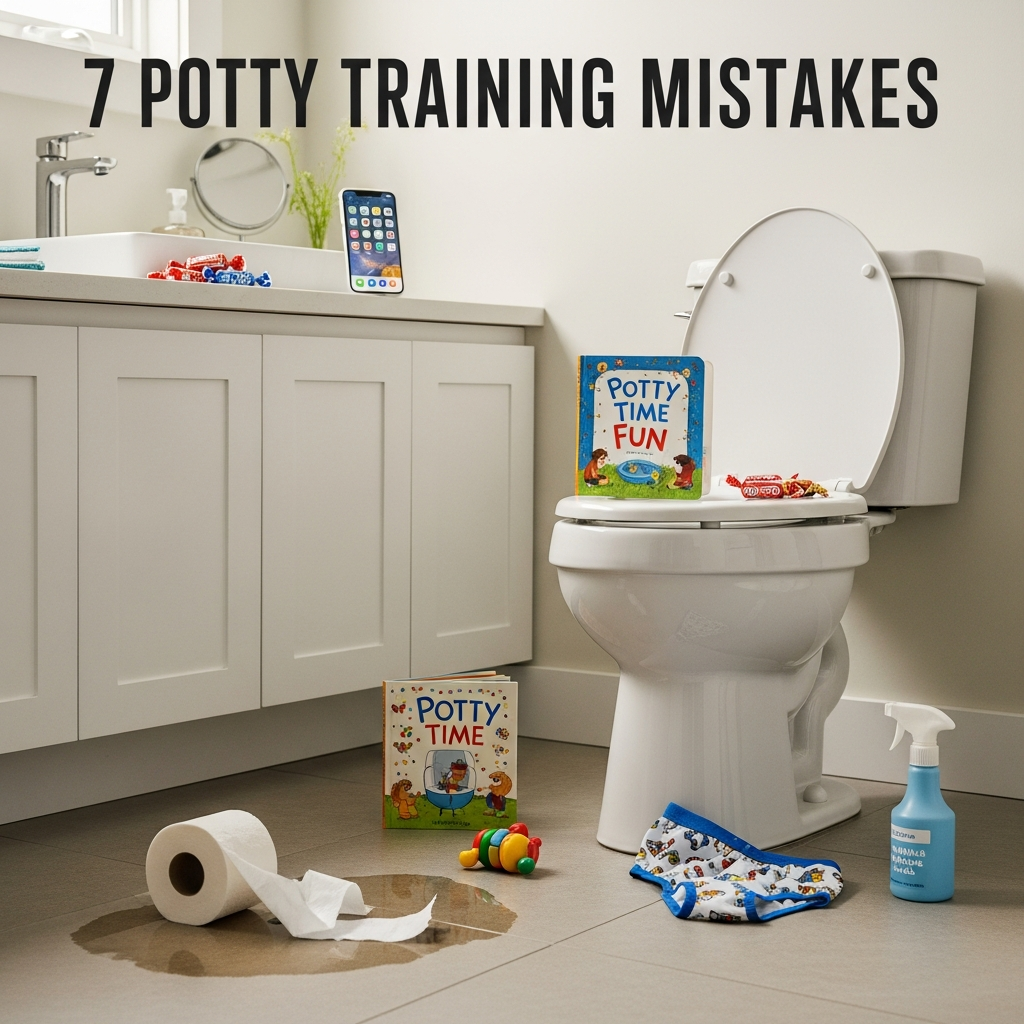
7 Potty Training Mistakes You Might Be Making
Potty training can feel like a mountain to climb, filled with tiny victories and sometimes, unexpected setbacks. It is a big step for both children and parents, marking a shift towards more independence. If you are in the midst of it, or just thinking about starting, you might find yourself feeling overwhelmed or wondering if you are doing things “right.”
The truth is, there is no single perfect way to potty train every child. Every little person is unique, and what works for one might not work for another. However, there are some common pitfalls that many parents stumble into, often without even realizing it. Identifying these can help smooth out the journey for everyone involved. Let us explore some of these common mistakes, not to make you feel bad, but to offer gentle guidance and support.
Mistake 1: Starting Too Soon or Too Late

One of the most common questions parents ask is, “When should I start potty training?” The answer is not a specific age, but rather a set of signs from your child. Trying to start before your child is truly ready can lead to frustration for both of you, making the process longer and more stressful. Waiting too long, on the other hand, can sometimes create a habit that is harder to break.
What “Readiness” Really Looks Like
Readiness is a combination of physical, cognitive, and emotional milestones. It is about your child showing you they are capable and interested.
Physical Readiness
* Staying dry for longer periods, perhaps two hours or more during the day, or even through naps.
* Having predictable bowel movements.
* Being able to walk to the bathroom, pull down their pants, and pull them back up.
* Having the fine motor skills to get on and off the potty independently.
Cognitive Readiness
* Being able to understand and follow simple instructions, like “Let us go to the potty.”
* Knowing when they need to go and being able to tell you, even if it is after the fact.
* Showing an interest in the toilet or underwear.
* Having words for pee and poop.
Emotional Readiness
* Showing curiosity about the toilet or about what older siblings or parents do in the bathroom.
* Disliking the feeling of wet or dirty diapers.
* Wanting to be “big” or wear underwear.
* Being able to communicate their needs and feelings.
Why Timing Matters
Starting when your child is ready means they are more likely to succeed quickly. They will be more cooperative and proud of their achievements. Starting too early can lead to prolonged training, more accidents, and a negative association with the potty, turning it into a battleground rather than a positive learning experience.
Mistake 2: Making It a Power Struggle

Potty training is a unique area where children often feel they have control, sometimes for the first time. If you push too hard, it can quickly become a battle of wills, with your child holding all the power. This is a common mistake that can delay progress significantly.
The Trap of Coercion
Threats, bribes that are too big, or forcing your child to sit on the potty when they do not want to can backfire. Your child might resist simply because they do not want to be told what to do, not because they cannot or will not use the potty. This creates stress and anxiety around the toilet.
For example, constantly asking, “Do you need to go?” or saying, “You are not leaving until you try!” can turn the potty into a dreaded place. Your child might associate it with feeling pressured or upset.
Encouraging Cooperation, Not Compliance
Instead of demanding, invite. Frame it as a choice and an exciting new step. “Would you like to try sitting on the big potty, or the little potty?” gives them a sense of control. Offer small, consistent praise for effort, not just for success.
A sticker chart for trying, even without success, can be more effective than a huge toy for a full week of dryness. Remember, you want them to internalize the motivation, not just perform for a reward. Your goal is for them to feel good about using the potty, not to avoid your disappointment.
Mistake 3: Inconsistent Approach

Children thrive on routine and predictability, especially when learning something new and complex like potty training. An inconsistent approach can be very confusing for them, slowing down their progress and potentially leading to more accidents.
Mixed Signals Confuse Little Ones
Imagine one parent using pull-ups, while the other insists on underwear. Or one day you are focused on the potty, and the next you are too busy to remind them. This sends mixed messages. Your child will not know what is expected of them, or when.
This also applies to how you react to accidents. If one day an accident is met with understanding and the next with frustration, your child will not feel secure in the learning process.
Creating a Routine That Sticks
Decide on a plan with all caregivers involved (parents, grandparents, daycare providers) and stick to it. This includes:
* Designated Potty Times: Take your child to the potty first thing in the morning, before leaving the house, after meals, before naps and bedtime, and any other regular intervals.
* Consistent Language: Use the same words for pee and poop.
* Unified Expectations: Everyone should agree on whether to use underwear, pull-ups, or go commando.
* Handling Accidents: A calm, consistent response to accidents helps your child understand it is part of learning, not something to be ashamed of.
Consistency builds confidence and helps your child understand the new routine.
Mistake 4: Focusing Too Much on Accidents

Accidents are an inevitable part of potty training. They are not failures, but learning opportunities. However, many parents make the mistake of focusing too much attention, often negative, on these accidents.
The Downside of Punishment
Scolding, shaming, or punishing a child for an accident can be incredibly damaging. It creates fear and anxiety, which can actually make accidents *more* likely. Your child might start to hide accidents or become afraid to tell you when they need to go, making the problem worse.
They are learning a complex new skill that requires them to tune into their body, communicate, and manage their clothing. It is a lot for a small child. When they have an accident, it is often because they got distracted, waited too long, or did not quite make it in time.
Shifting Focus to Success
Instead of reacting negatively to accidents, keep your response neutral and calm. “Oops, you had an accident. Let us get you cleaned up. Next time, let us try to make it to the potty.” Then, help them clean up and move on.
The real power lies in celebrating successes. When your child uses the potty, offer enthusiastic praise, high-fives, or a sticker. Make a big deal out of the times they get it right, even if it is just a tiny bit of pee. This positive reinforcement encourages them to keep trying and associates the potty with good feelings.
Mistake 5: Not Preparing the Environment

Potty training is not just about your child’s readiness; it is also about having the right tools and setup. Neglecting to prepare the environment can create unnecessary hurdles for your little one.
Making the Potty Inviting
Your child needs to feel comfortable and safe on the potty.
*Choosing the Right Potty: There are many options: small stand-alone potties, seat inserts for the regular toilet, or even step stools. Let your child help choose. A smaller potty that allows their feet to touch the ground offers more security and leverage.
* Accessibility: Place the potty in an easily accessible location, at least initially. This might be in the living room or another frequently used area, not just tucked away in the bathroom.
* Comfort and Fun: Make the potty area inviting. You can put a book next to it, or let them play with a quiet toy while they sit. Some children enjoy personalized potty charts or special “potty books.”
Wardrobe Choices
Easy-to-remove clothing is crucial. Overalls, complicated buttons, or tight leggings can be a nightmare for a child who suddenly has to go. Opt for elastic waists, simple pull-on pants, or dresses and skirts that are easy to lift. This removes a significant barrier to independent potty use.
Accessibility is Key
If your child is using the regular toilet with an insert, make sure there is a sturdy step stool so they can get on and off themselves. Being able to independently manage their trip to the potty boosts confidence and empowers them.
Mistake 6: Comparing Your Child to Others

It is incredibly easy to fall into the trap of comparing your child’s developmental milestones, including potty training, with those of their peers or siblings. However, this is a common mistake that can lead to unnecessary stress and pressure.
Every Child is Unique
Just like children learn to walk and talk at different ages, they also become ready for and master potty training at their own pace. There is a wide range of “normal” when it comes to potty training, with some children being ready at 18 months and others not until well past their third birthday.
A child who trains early is not necessarily more intelligent or advanced, and a child who trains later is not “behind.” It simply means their unique developmental timeline for this particular skill is different.
The Pressure Trap
Comparing your child to others can lead you to:
* Push your child before they are ready, leading to frustration and setbacks.
* Feel anxious or embarrassed, which your child will pick up on. This can make them resistant.
* Question your own parenting abilities, when in reality, you are doing great by following your child’s lead.
Instead, try to focus solely on your child’s individual progress. Celebrate their small victories, acknowledge their challenges, and trust that they will get there when they are ready. If you have concerns about their development, speak with your pediatrician, rather than relying on playground comparisons.
Mistake 7: Giving Up Too Soon or Pressuring Too Hard

Potty training often involves a “two steps forward, one step back” rhythm. It is easy to get discouraged when progress stalls or when accidents seem to increase. This can lead to either giving up completely or, conversely, doubling down on pressure. Both approaches can hinder progress.
The “Stop and Restart” Strategy
If you have been trying for a while and your child is consistently resistant, having many accidents, or seems genuinely unhappy about the process, it might be time for a break. Sometimes, taking a step back for a few weeks or even a month can be incredibly effective.
During this break, do not mention the potty. Go back to diapers or pull-ups without comment. Often, when you reintroduce potty training later, your child will have matured a bit more and will be much more receptive. It is not giving up; it is a strategic pause.
Understanding Plateaus and Regression
It is very common for children to have periods where they seem to plateau, making no progress for days or even weeks. Regression, where they suddenly start having more accidents after a period of success, is also normal. This can happen due to:
* Stress: A new sibling, moving house, starting a new daycare, or even just being overtired can cause regression.
* Illness: Sickness can temporarily set back training.
* Distraction: They might be so absorbed in play that they forget to go.
* Testing Boundaries: Sometimes, it is a way for them to exert control.
During these times, patience is your most powerful tool. Avoid blame and punishment. Revert to your consistent, positive reinforcement strategies. Remind them gently, celebrate small successes, and reassure them that it is okay. This phase will pass.
Potty training is a journey, not a race. It requires patience, consistency, and a good dose of humor. By being aware of these common mistakes, you can approach this milestone with more confidence and less stress. Remember that every child is on their own path, and your loving support is the most important tool you have. You are not alone in this, and you are doing a great job guiding your little one through this exciting transition.