Navigating the complexities of infant sleep is one of the most challenging aspects of early parenthood. Establishing a predictable sleep schedule is not only vital for a baby’s physical and cognitive development but also essential for the well-being of the entire family. This comprehensive guide outlines ten evidence-based strategies and age-specific schedules to help your child achieve restorative rest. By understanding biological wake windows and developmental milestones, parents can create a structured environment that fosters healthy sleep habits from infancy through the toddler years.
1. The Newborn Phase and On-Demand Rest

During the first two months of life, infants do not yet have a developed circadian rhythm. Sleep occurs in short bursts throughout the day and night, usually ranging from 30 minutes to three hours. At this stage, the best schedule is one that follows the baby’s hunger cues rather than a rigid clock. Focus on keeping the environment bright during the day and dark at night to help their internal clock eventually calibrate. Most newborns will sleep between 14 and 17 hours in a 24-hour period.
2. Establishing a Routine at Three to Four Months

As babies reach the three-month mark, they begin to produce melatonin and follow more predictable patterns. This is often the time when the four-month sleep regression occurs due to significant neurological development. To manage this transition, start introducing a consistent four-nap schedule. Focus on wake windows of approximately 90 minutes to two hours. Consistency is key here to help the infant transition from newborn sleep cycles to more adult-like sleep stages.
3. The Three Nap Strategy for Five to Six Months
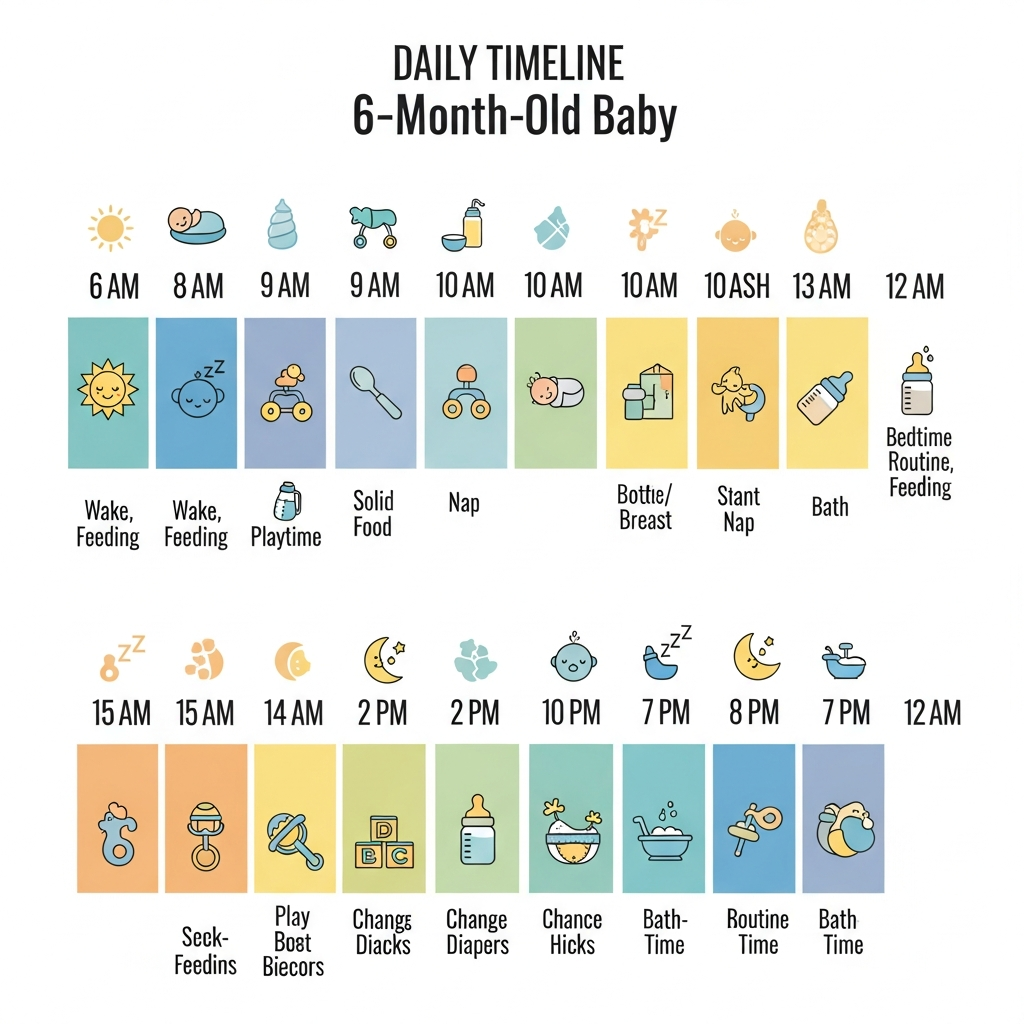
By five or six months, many babies can consolidate their sleep into three distinct daytime naps: morning, midday, and a short late-afternoon catnap. Nighttime sleep typically stretches longer as caloric intake during the day increases. A common schedule involves a 7:00 AM wake-up with naps at 9:00 AM, 12:30 PM, and 4:00 PM. This structure prevents overtiredness and sets the stage for longer stretches of independent sleep at night.
4. Transitioning to Two Naps Between Seven and Nine Months

Most infants drop their third nap between seven and nine months of age. This transition requires extending wake windows to roughly 2.5 to 3.5 hours. The two-nap schedule usually consists of a substantial morning nap and a mid-afternoon nap. Eliminating the third nap allows for an earlier bedtime, which is often necessary to prevent a sleep deficit during this adjustment period. Watch for signs like refusing the third nap or late-night party sessions.
5. Stabilizing the Ten to Twelve Month Routine

As your baby approaches their first birthday, their sleep schedule becomes increasingly stable. They typically require two naps totaling two to three hours of daytime sleep, plus 10 to 12 hours of overnight rest. Maintain a consistent wake-up time and bedtime to reinforce their biological clock. This period is also characterized by increased mobility like crawling or cruising, which may temporarily disrupt sleep; however, sticking to the established schedule provides the necessary security for the child.
6. The Shift to One Nap During the Toddler Years

Between 13 and 18 months, most toddlers transition from two naps to one single midday nap. This shift is one of the most difficult transitions for parents to manage. The goal is to gradually move the morning nap later until it starts around 12:30 or 1:00 PM. During this transition, an earlier bedtime at 6:30 or 7:00 PM can help compensate for the loss of the second nap and prevent the child from becoming chronically overtired.
7. The Importance of Biological Wake Windows
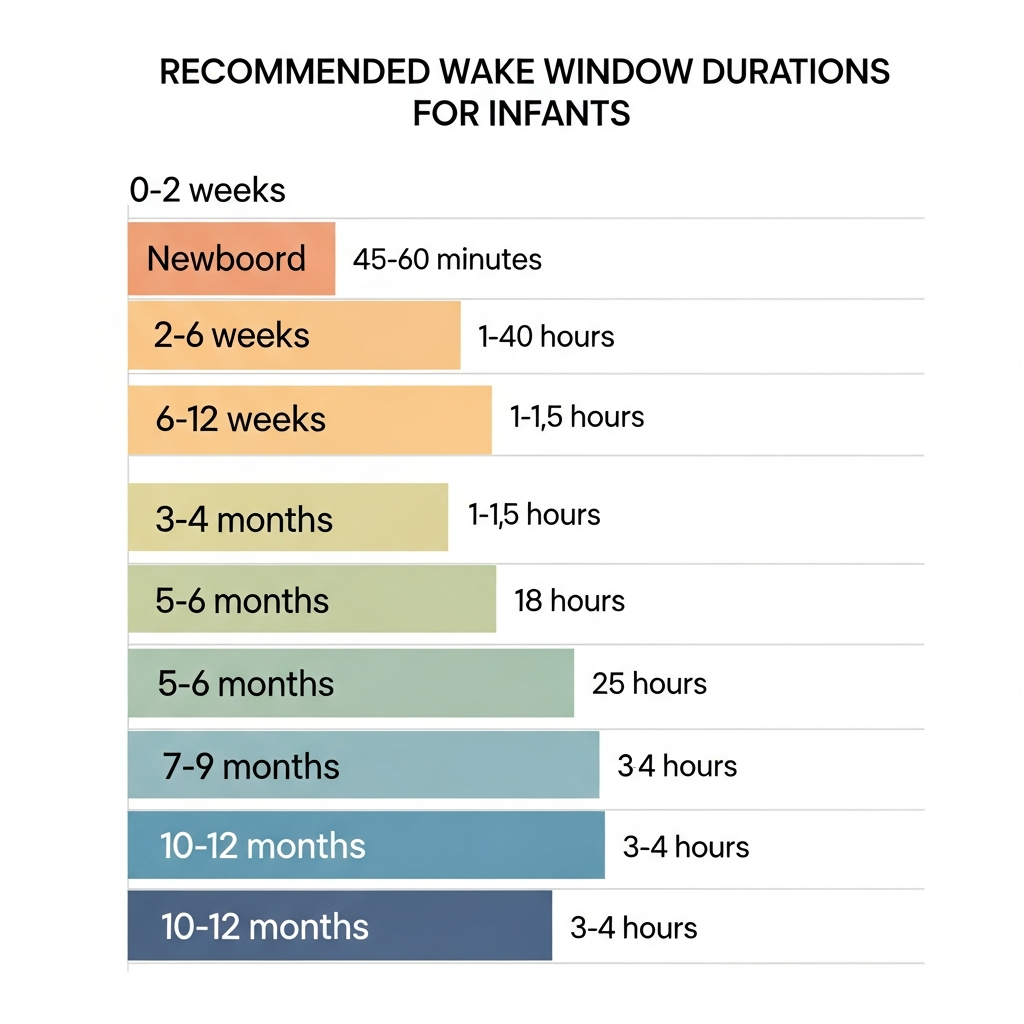
A wake window is the amount of time a baby is awake between sleep periods. Understanding these windows is crucial for any successful sleep schedule. If a window is too short, the baby won’t be tired enough to sleep; if it is too long, the baby becomes overtired, making it harder for them to fall and stay asleep. Younger infants have very short windows of 60 to 90 minutes, while toddlers can stay awake for 5 to 6 hours comfortably.
8. Optimizing the Sleep Environment

A successful sleep schedule relies heavily on the environment. The room should be dark enough that you cannot see your hand in front of your face, which aids in melatonin production. Use a white noise machine to mask external household sounds and keep the temperature between 68 and 72 degrees Fahrenheit. A safe, boring sleep space tells the baby’s brain that it is time for rest rather than play or social interaction.
9. Recognizing Tired Cues and Sleep Signals

While following a clock is helpful, observing your baby’s unique tired cues is equally important. Early signs of sleepiness include rubbing eyes, pulling ears, turning away from stimulation, or becoming quiet. Late signs include crying, arching the back, or becoming hyperactive. The goal of a good sleep schedule is to get the baby into bed during the early cue phase to ensure a smoother transition into sleep without the stress of an adrenaline spike.
10. The Power of a Consistent Bedtime Ritual

A predictable sequence of events before sleep helps signal to the baby that the day is ending. A professional sleep schedule always includes a 20 to 30-minute bedtime routine. This might include a warm bath, a gentle massage, putting on pajamas, a final feeding, and a short book or song. Repeating the exact same steps in the same order every night builds a psychological association with sleep, making it easier for the baby to settle down regardless of their age.
Conclusion
Implementing a structured sleep schedule requires patience, consistency, and a deep understanding of your child’s developmental needs. While regressions and growth spurts may occasionally disrupt the routine, having a solid framework allows you to return to healthy habits quickly. By monitoring wake windows, optimizing the environment, and maintaining a soothing bedtime ritual, you provide your baby with the foundation for a lifetime of healthy sleep. Remember that every child is unique, and while these guidelines offer a proven path to success, flexibility within the routine is key to long-term parental sanity and infant happiness.