Ensuring toddlers receive adequate iron is essential for their rapid brain development, energy levels, and overall immune health. Iron deficiency is a common nutritional concern in early childhood, as toddlers transition from breast milk or formula to solid foods. By incorporating a variety of iron-rich whole foods and creative recipes, parents can support their child’s growth and prevent iron deficiency anemia. This guide outlines eleven high-iron foods and six kid-friendly recipes designed to maximize absorption and appeal to picky eaters.
1. Lean Ground Beef
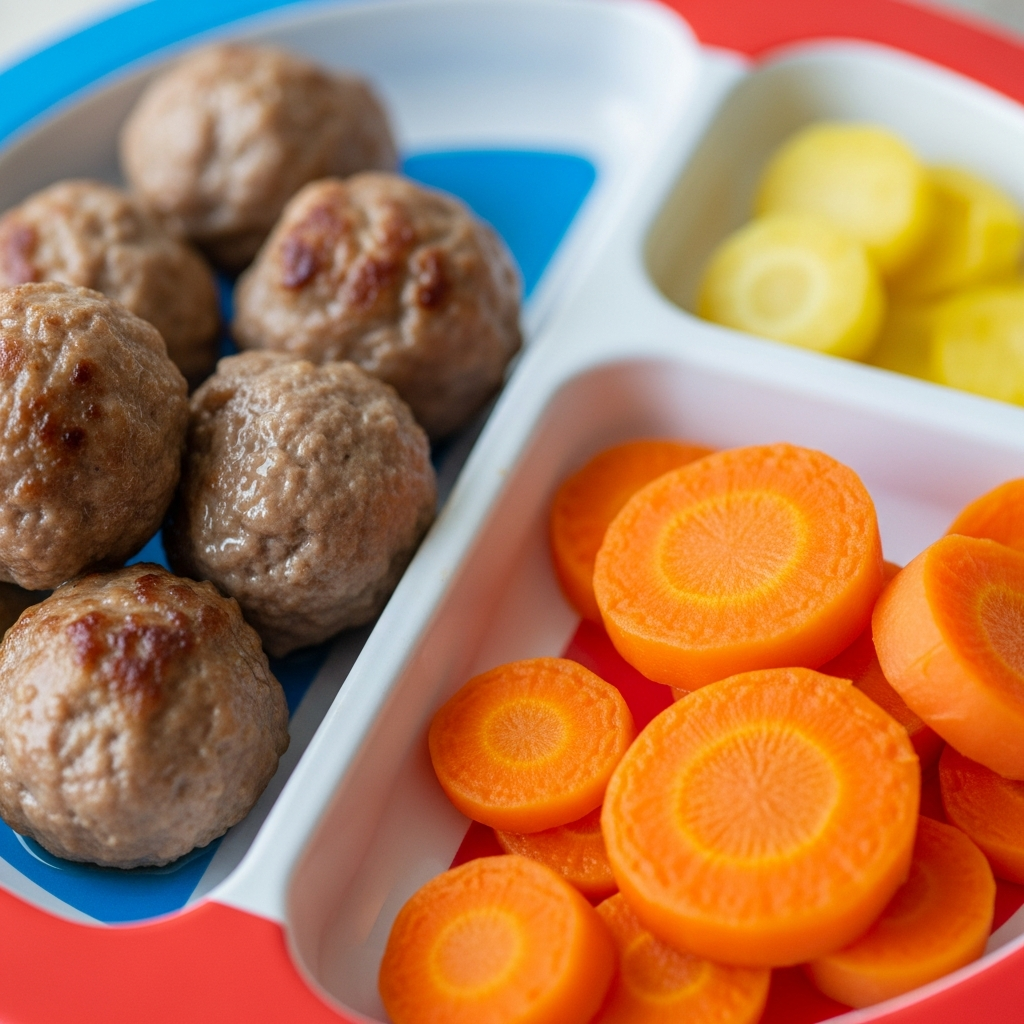
Lean ground beef is one of the most efficient sources of heme iron, which the body absorbs more easily than non-heme iron found in plants. For toddlers, finely crumbled beef or soft meatballs are easy to chew and digest. Beef also provides high-quality protein and zinc, supporting physical growth and tissue repair.
2. Iron Fortified Cereals
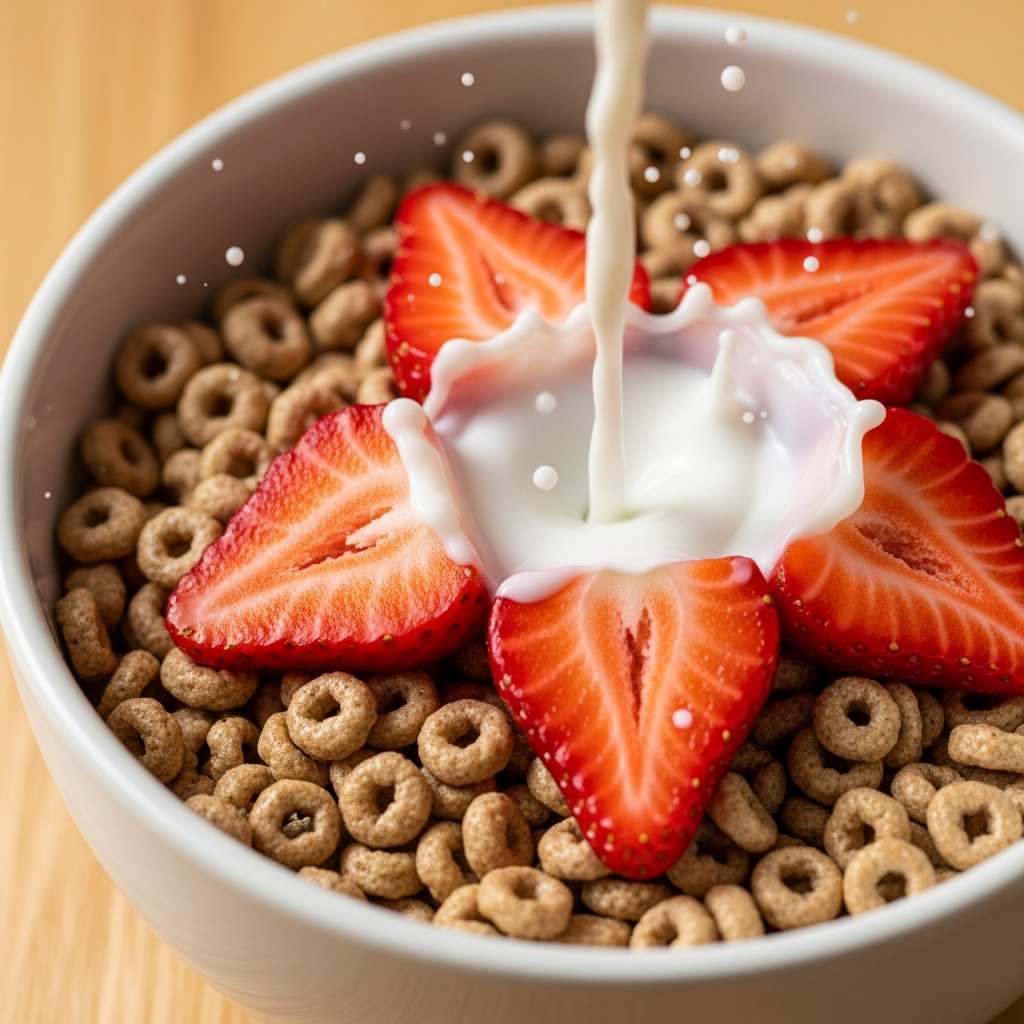
Many infant and toddler cereals are fortified with significant amounts of iron. These are excellent for ensuring consistent daily intake. When selecting a cereal, look for whole-grain options with low sugar content. Mixing these cereals with vitamin C rich fruits like strawberries can further enhance iron absorption.
3. Lentils
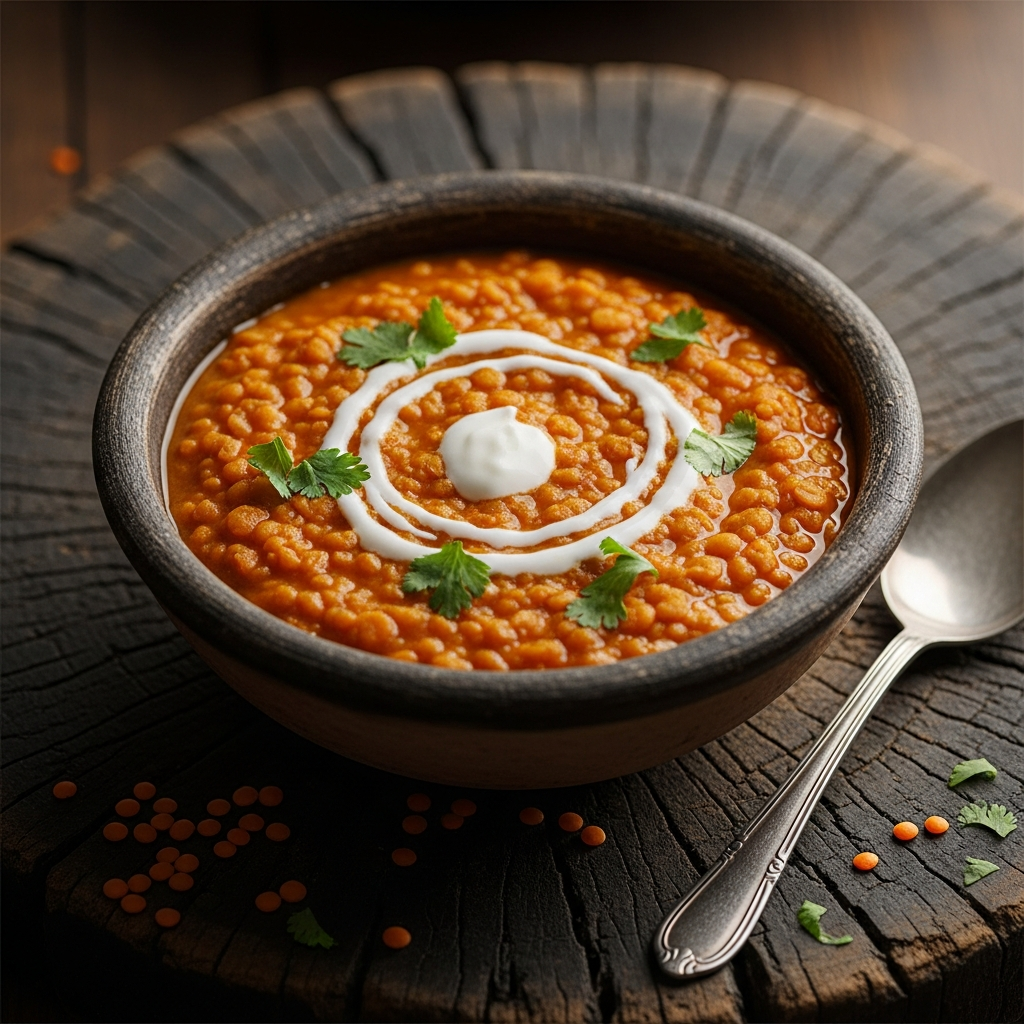
Lentils are a powerhouse of non-heme iron and fiber. They are versatile and can be cooked until very soft, making them an ideal texture for young children. Red lentils, in particular, tend to dissolve into a puree-like consistency which is perfect for thickening soups or mixing into pasta sauces.
4. Spinach
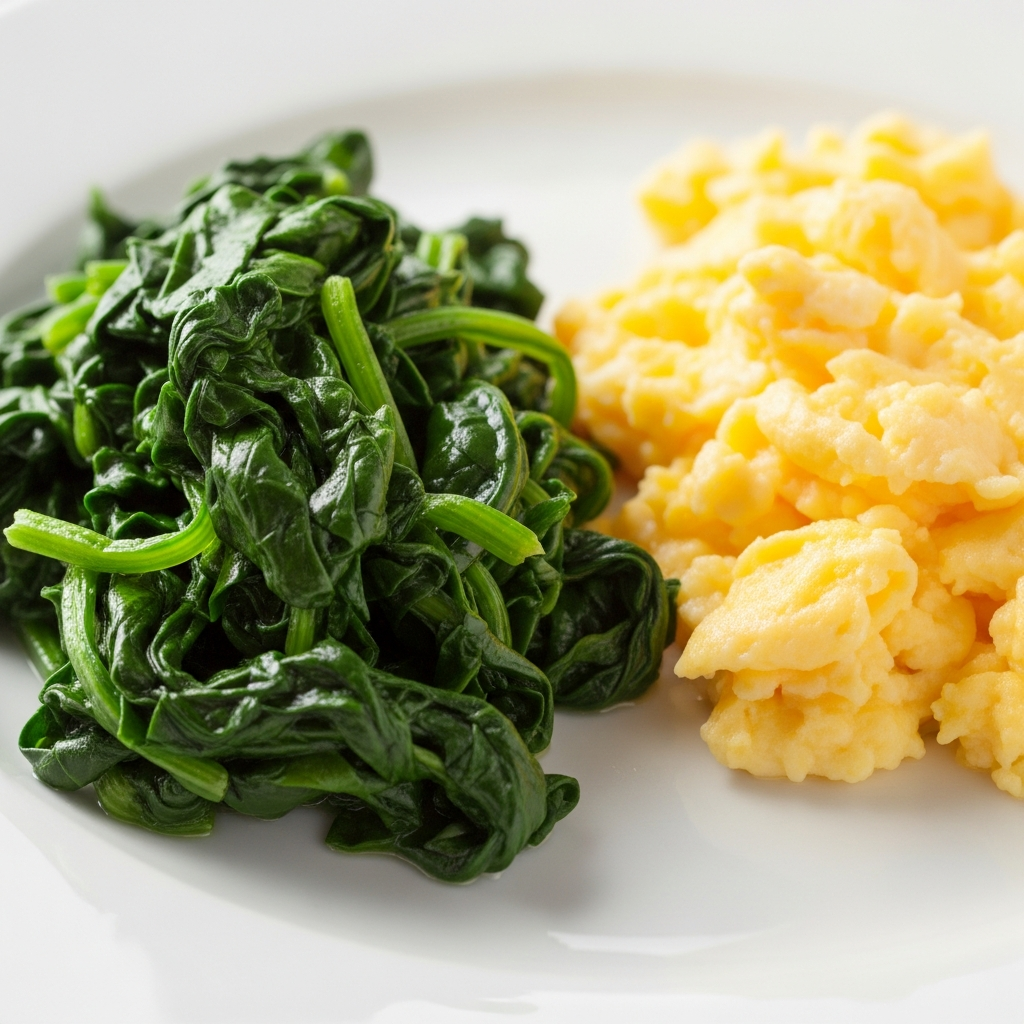
While spinach contains non-heme iron, it is most effective when cooked, as the heat helps break down oxalates that can inhibit iron absorption. Steamed or sautéed spinach can be finely chopped and hidden in various dishes. Pairing it with lemon juice or tomatoes increases the bio-availability of its nutrients.
5. White Beans
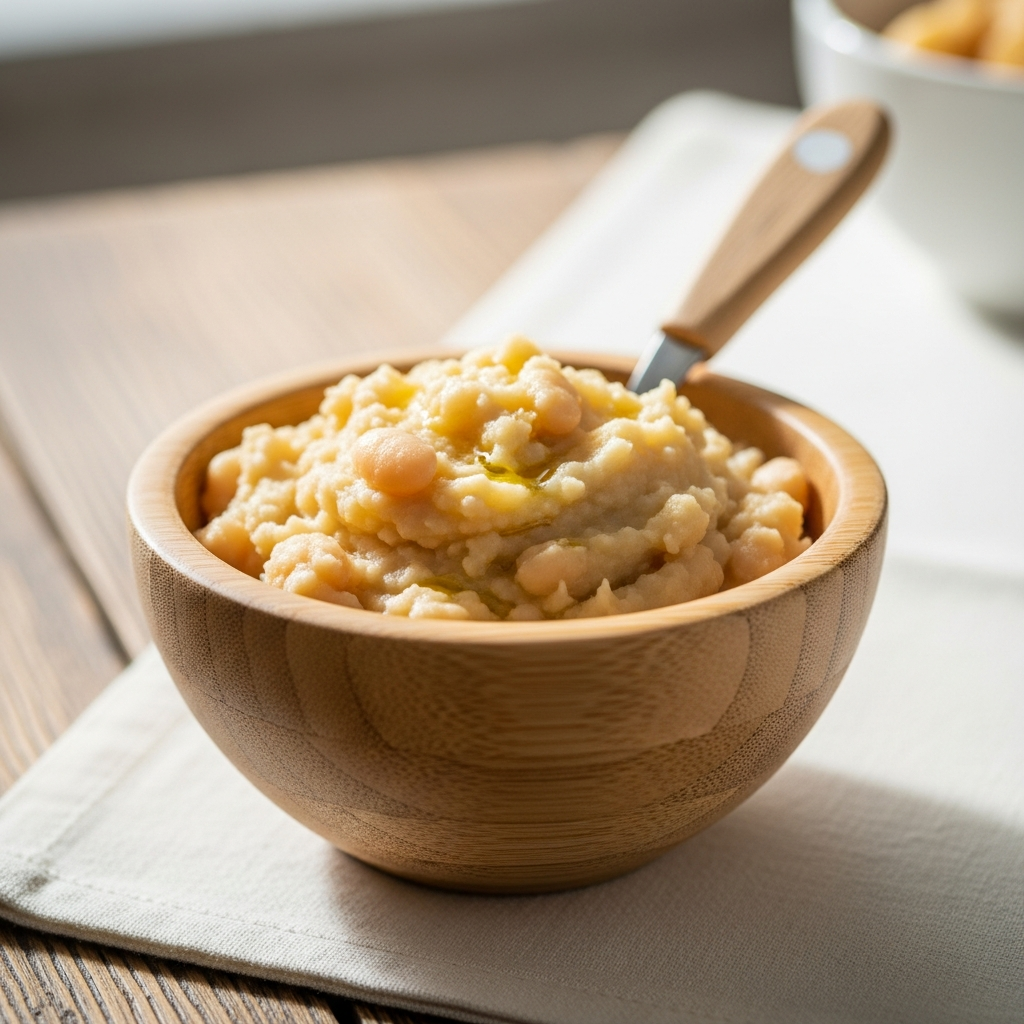
White beans, such as navy beans or cannellini beans, offer a mild flavor and creamy texture that toddlers usually enjoy. They are rich in iron and protein. Mashing them into a spread or adding them to a mild white chili can make them more accessible for children who are still learning to chew whole beans.
6. Tofu
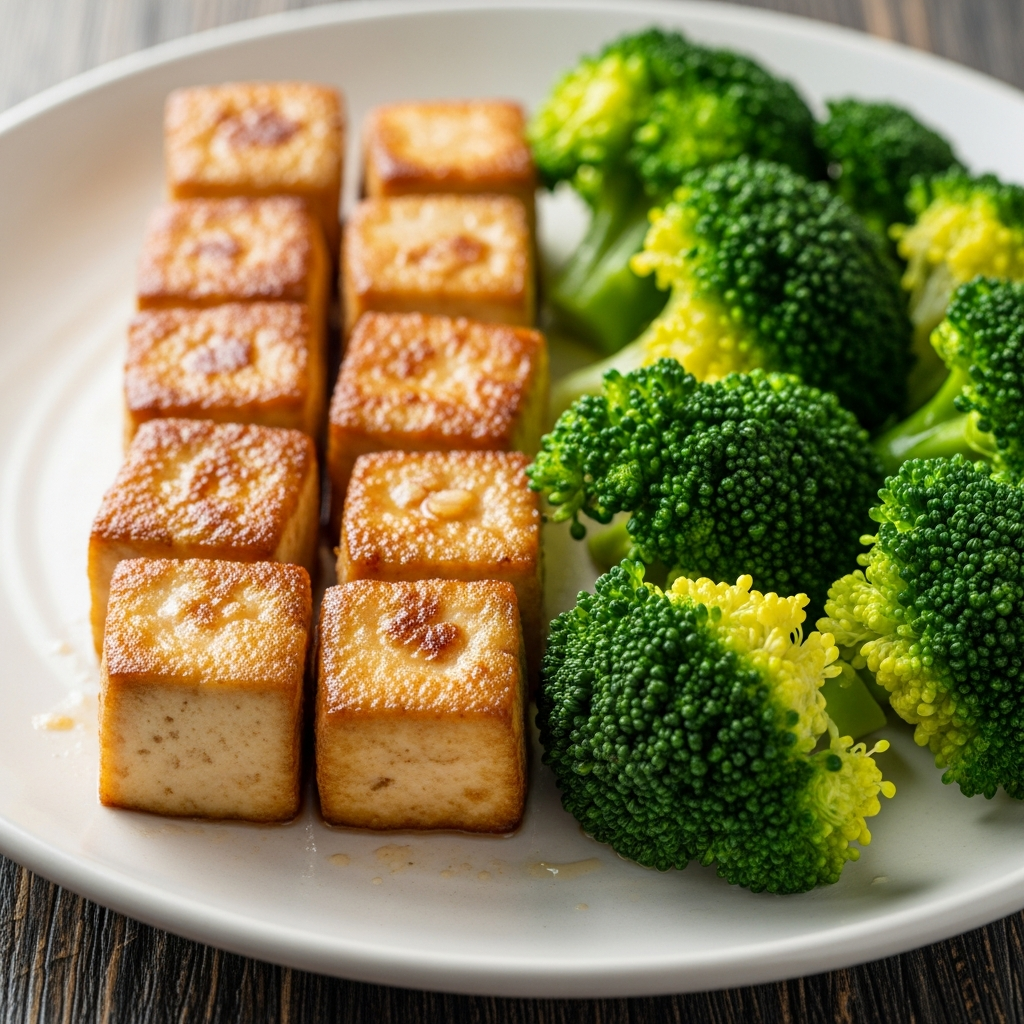
Tofu is an excellent plant-based iron source that is very easy for toddlers to eat due to its soft texture. Firm tofu can be cut into small cubes for finger food, while silken tofu can be blended into smoothies or puddings. It is also a great source of calcium and protein for growing bones.
7. Pumpkin Seeds
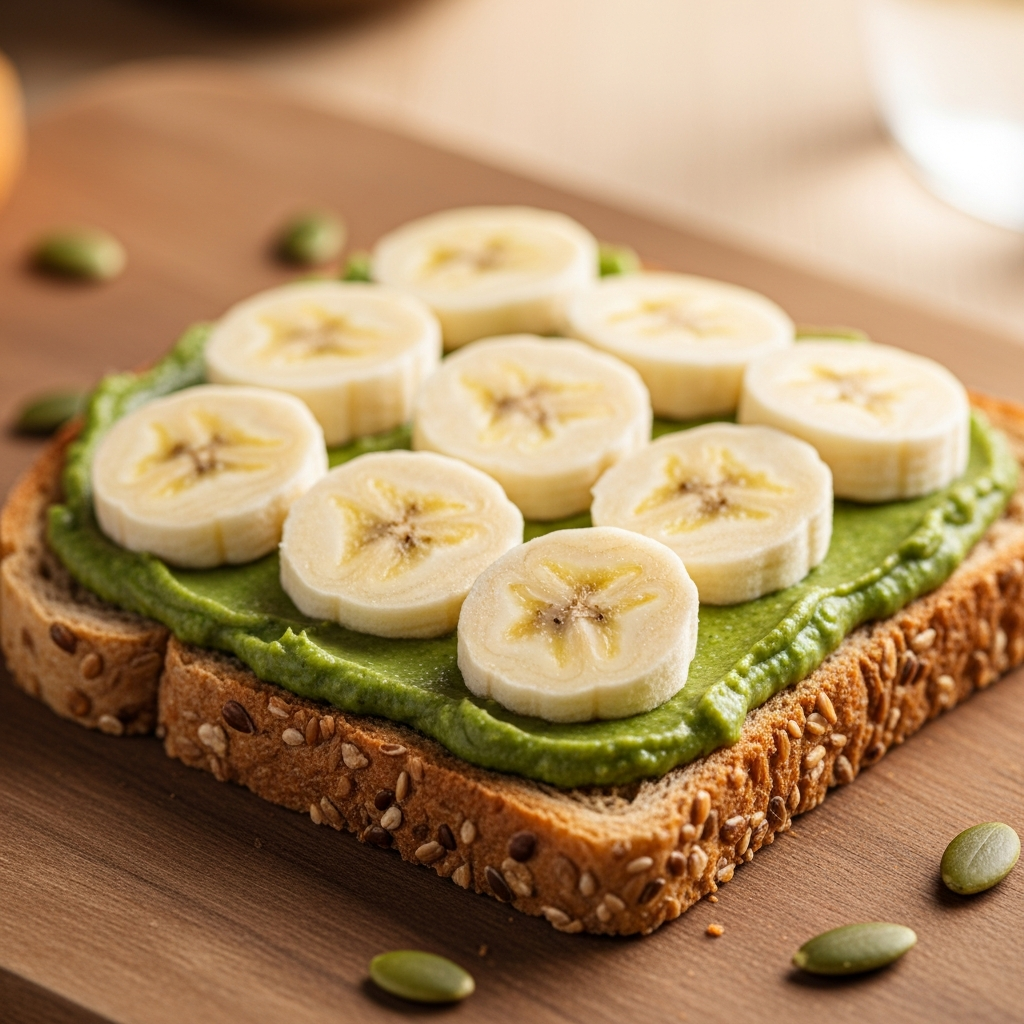
Pumpkin seeds are surprisingly high in iron. For toddlers, these should be served as a smooth seed butter or finely ground into a flour to avoid choking hazards. Pumpkin seed butter can be spread on whole-grain toast or stirred into oatmeal for a nutritional boost.
8. Quinoa
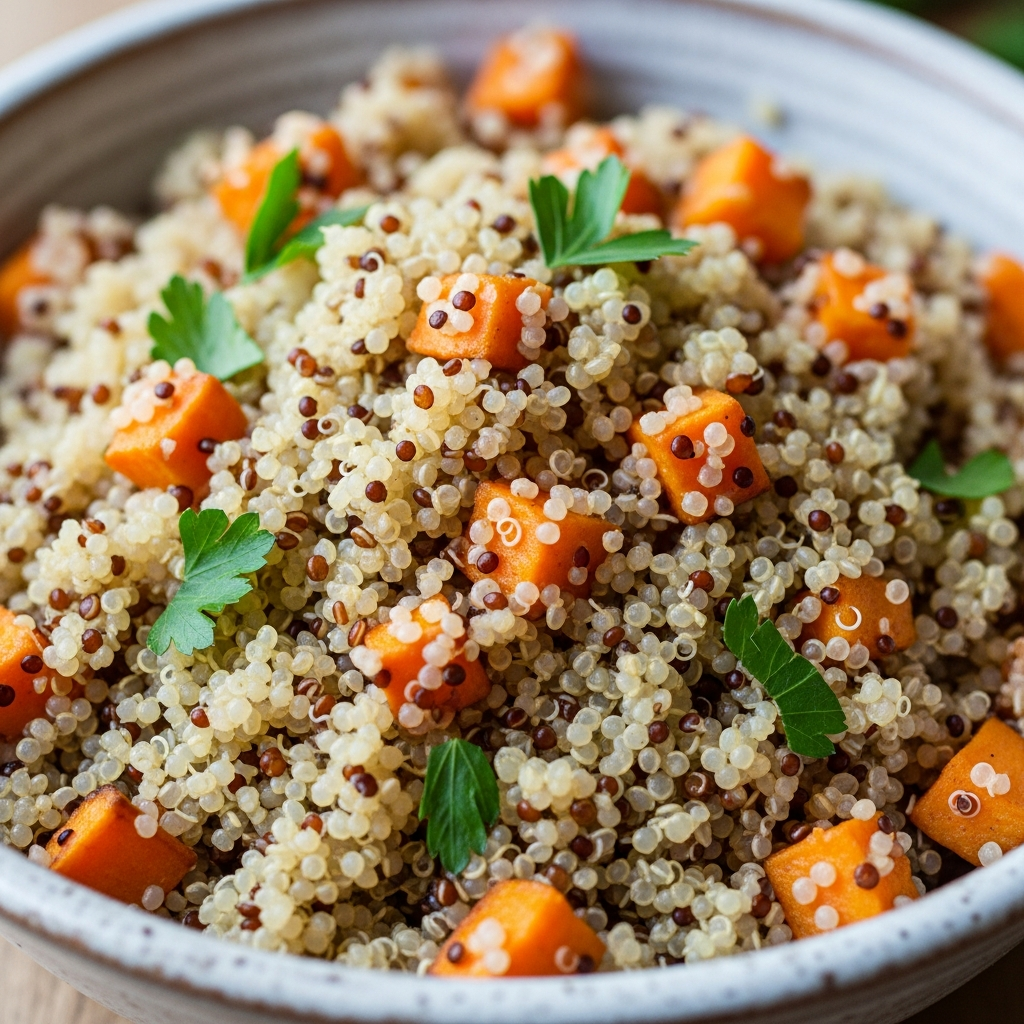
Quinoa is a gluten-free grain that contains more iron than most other grains. It has a tiny, soft texture that is perfect for toddlers. It can be served as a warm breakfast porridge or as a base for a savory lunch bowl mixed with colorful vegetables.
9. Turkey
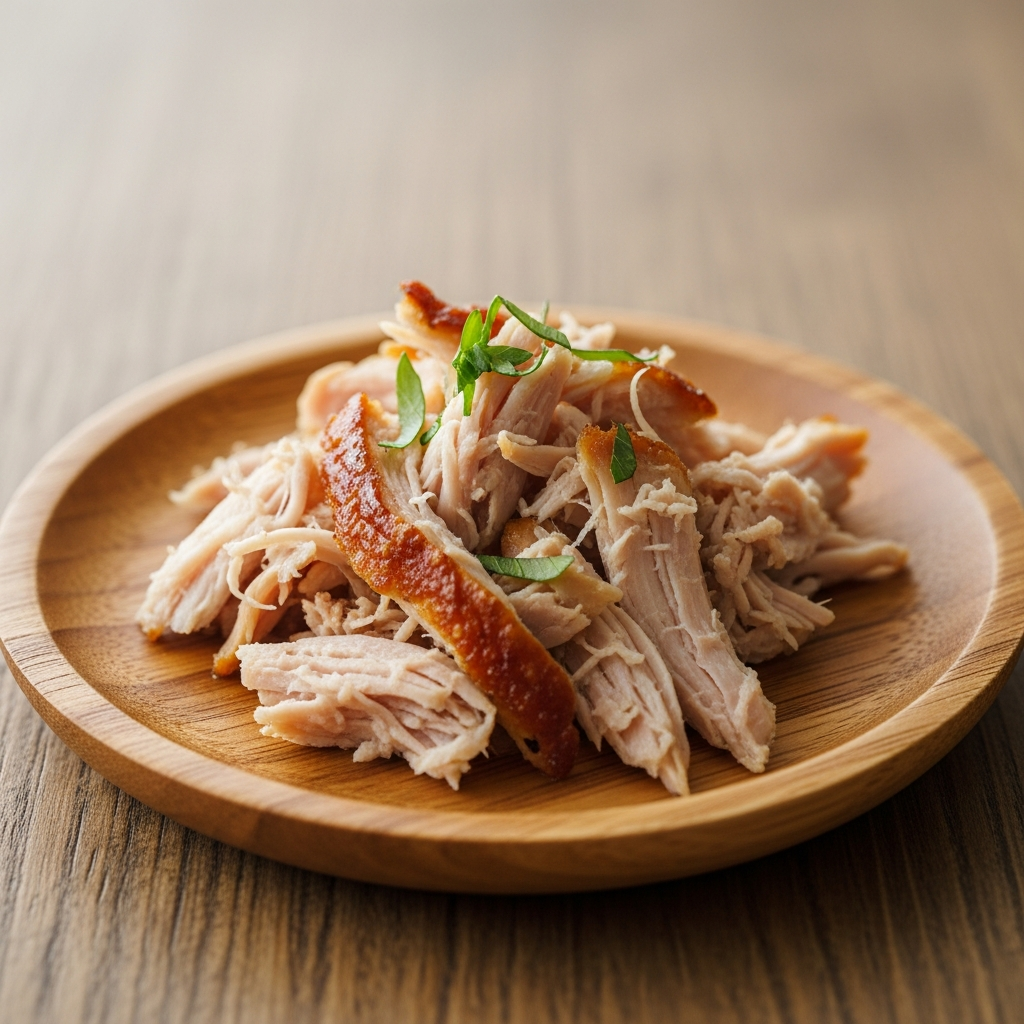
Dark meat turkey contains more iron than white meat and provides a tender, flavorful option for toddlers. Shredded turkey breast or dark meat cuts are high in protein and heme-iron. It is an excellent alternative for families looking for lean poultry options that still meet iron requirements.
10. Chickpeas
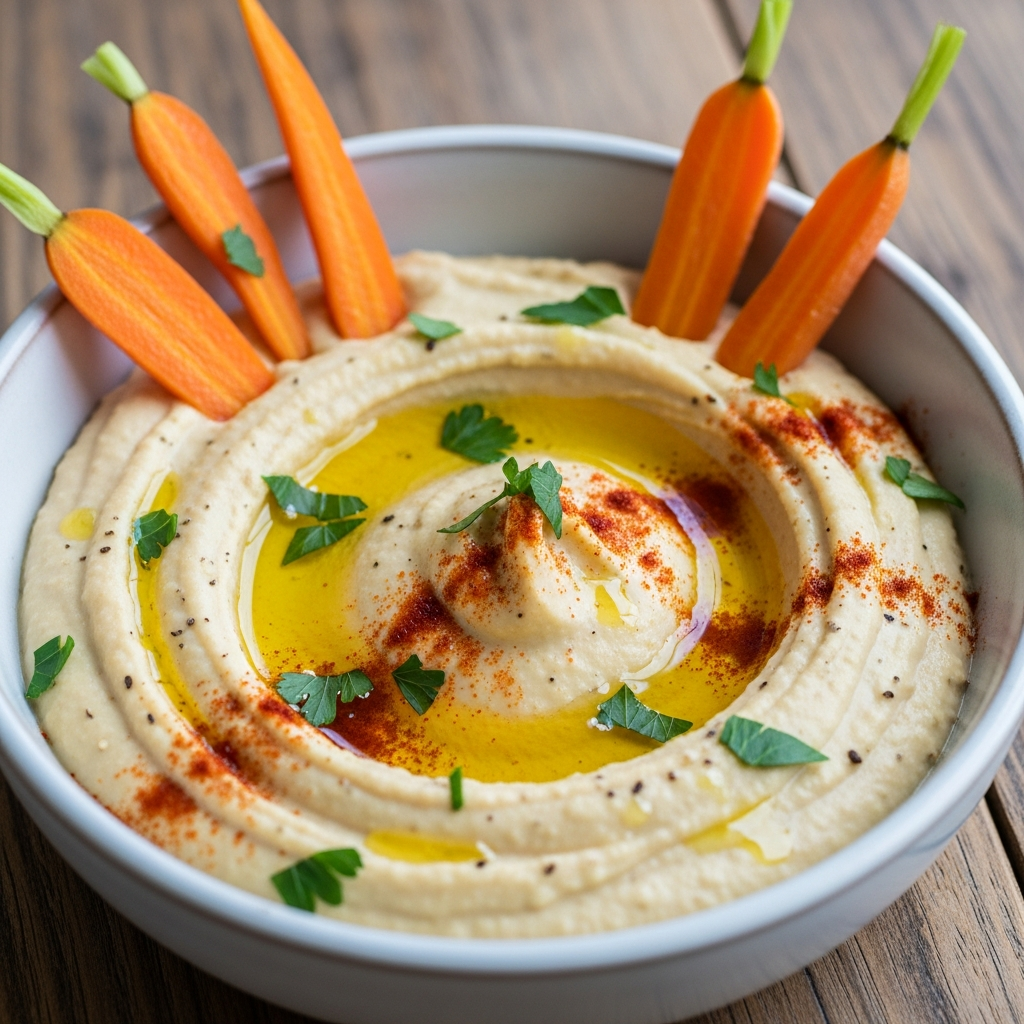
Chickpeas, also known as garbanzo beans, are a versatile source of iron. They can be served as hummus, which is a popular dip for toddlers, or roasted until soft and smashed. They provide a good balance of carbohydrates, protein, and iron for sustained energy levels.
11. Eggs
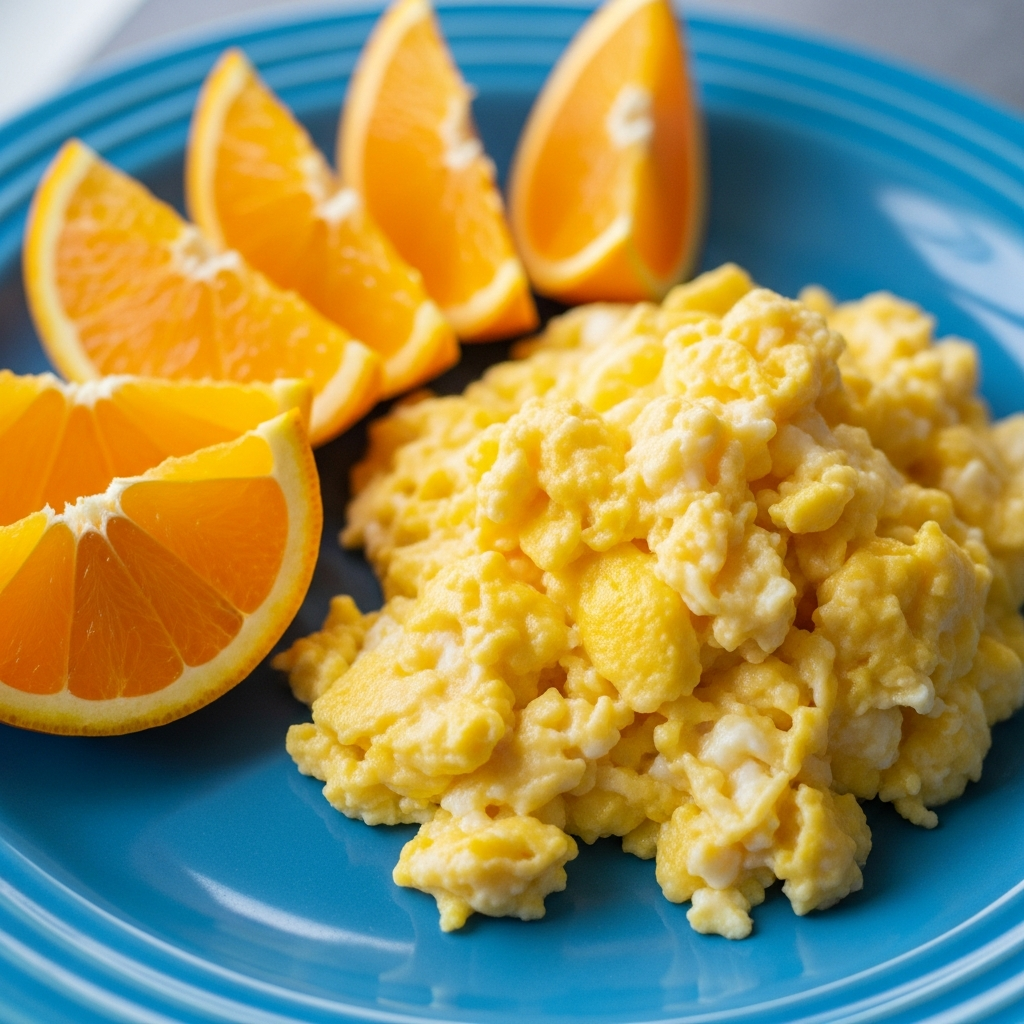
Eggs are a nutrient-dense food containing iron, particularly in the yolk. They are easy to prepare in various ways, such as scrambled, hard-boiled, or in omelets. Since the iron in eggs is non-heme, serving them with fruit or vegetables high in vitamin C is recommended for maximum benefit.
Recipe 1: Iron Boost Green Smoothie
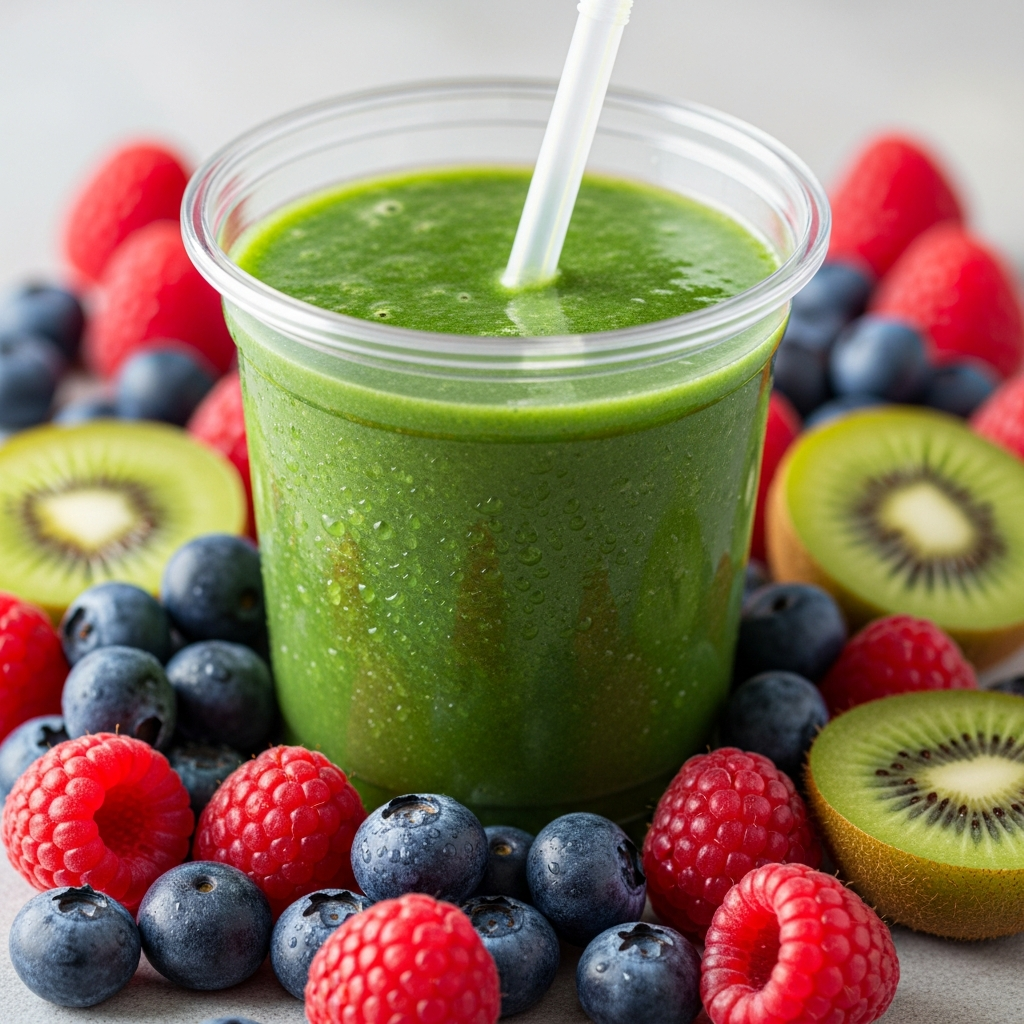
Blend half a cup of baby spinach, one frozen banana, half a cup of frozen strawberries, and one tablespoon of pumpkin seed butter with a cup of milk or fortified plant milk. The vitamin C in the strawberries helps the body absorb the iron from the spinach and seed butter, making this a refreshing and functional breakfast.
Recipe 2: Mini Beef and Liver Meatballs
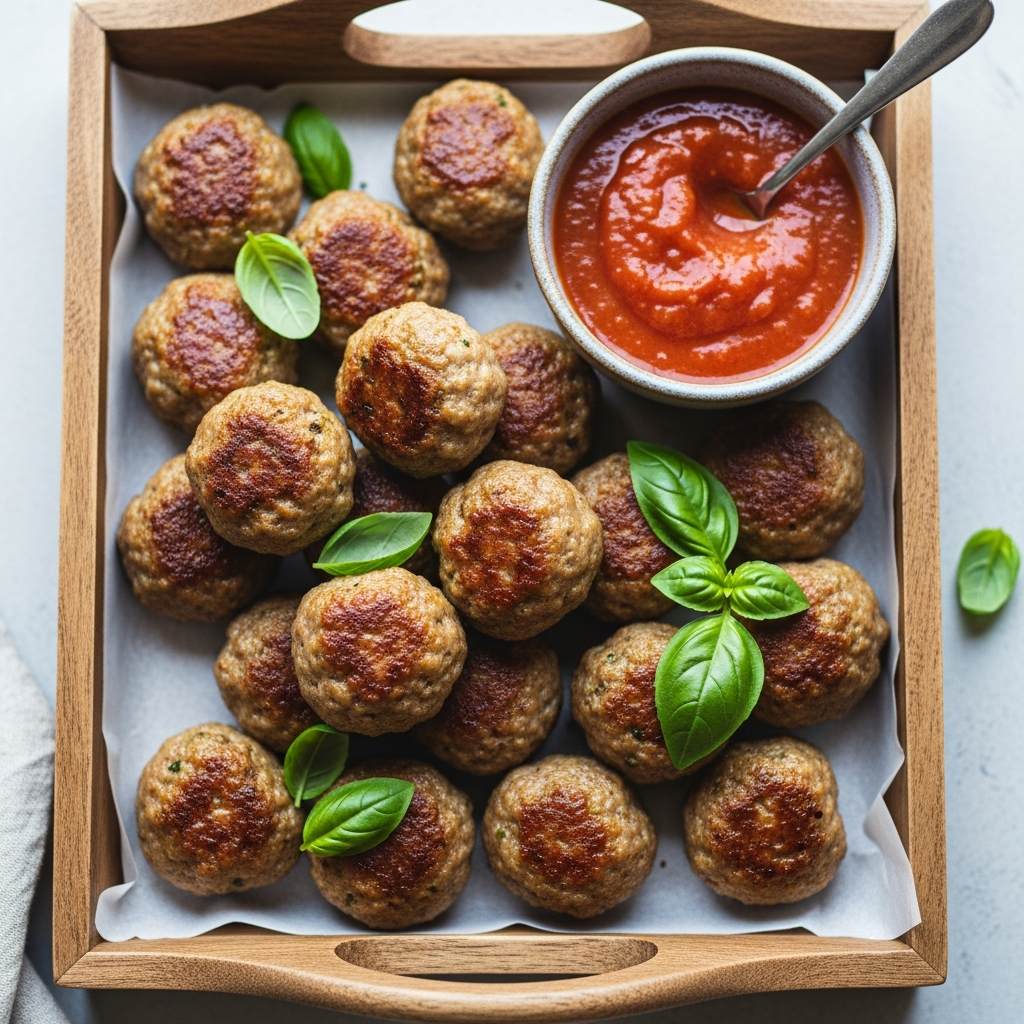
Mix one pound of lean ground beef with two tablespoons of finely grated beef liver (a massive iron source), half a cup of breadcrumbs, and one egg. Roll into bite-sized balls and bake at 375 degrees Fahrenheit for 15 minutes. The small amount of liver significantly boosts iron without altering the familiar beef flavor.
Recipe 3: Red Lentil and Carrot Mash
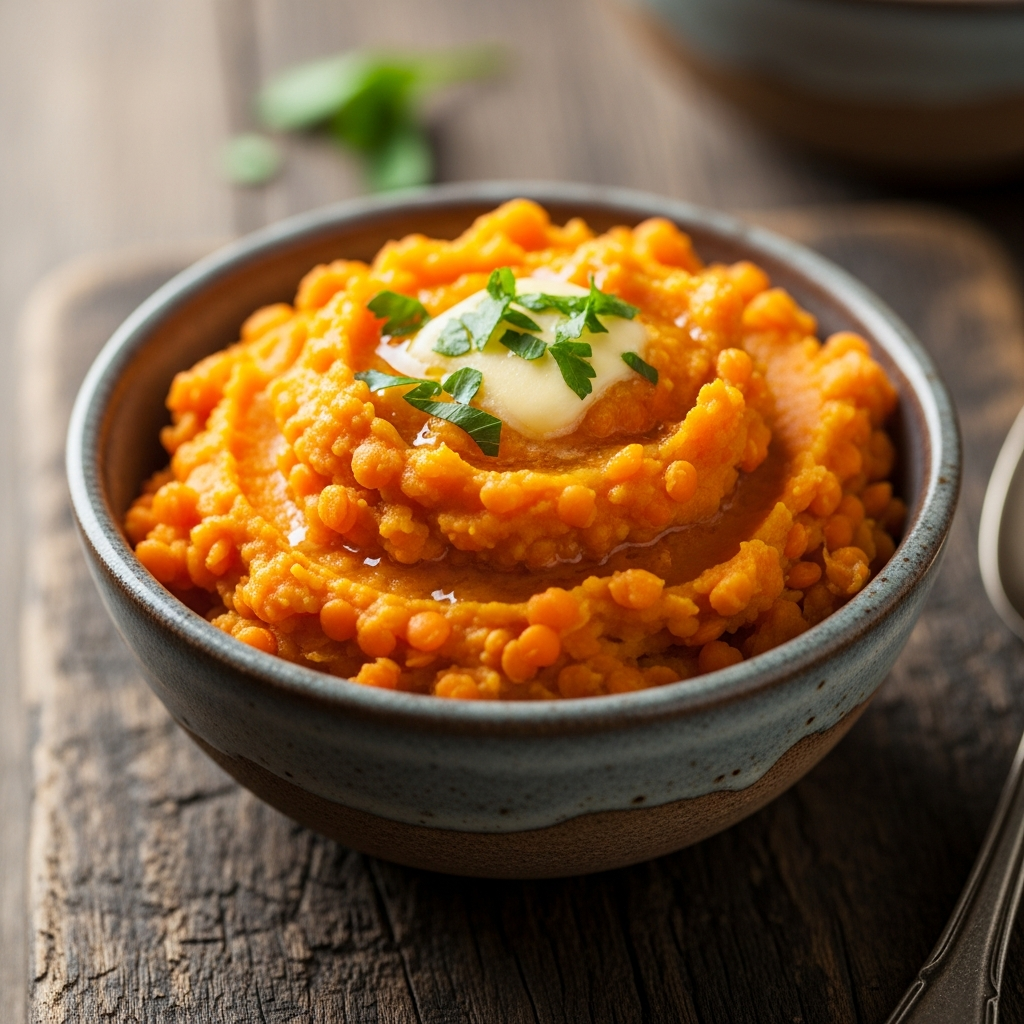
Boil half a cup of red lentils and one diced carrot in two cups of vegetable broth until very soft. Drain the excess liquid and mash together with a teaspoon of olive oil and a pinch of cumin. This soft, flavorful mash is easy to swallow and packed with iron and beta-carotene.
Recipe 4: Quinoa and Apple Breakfast Bake
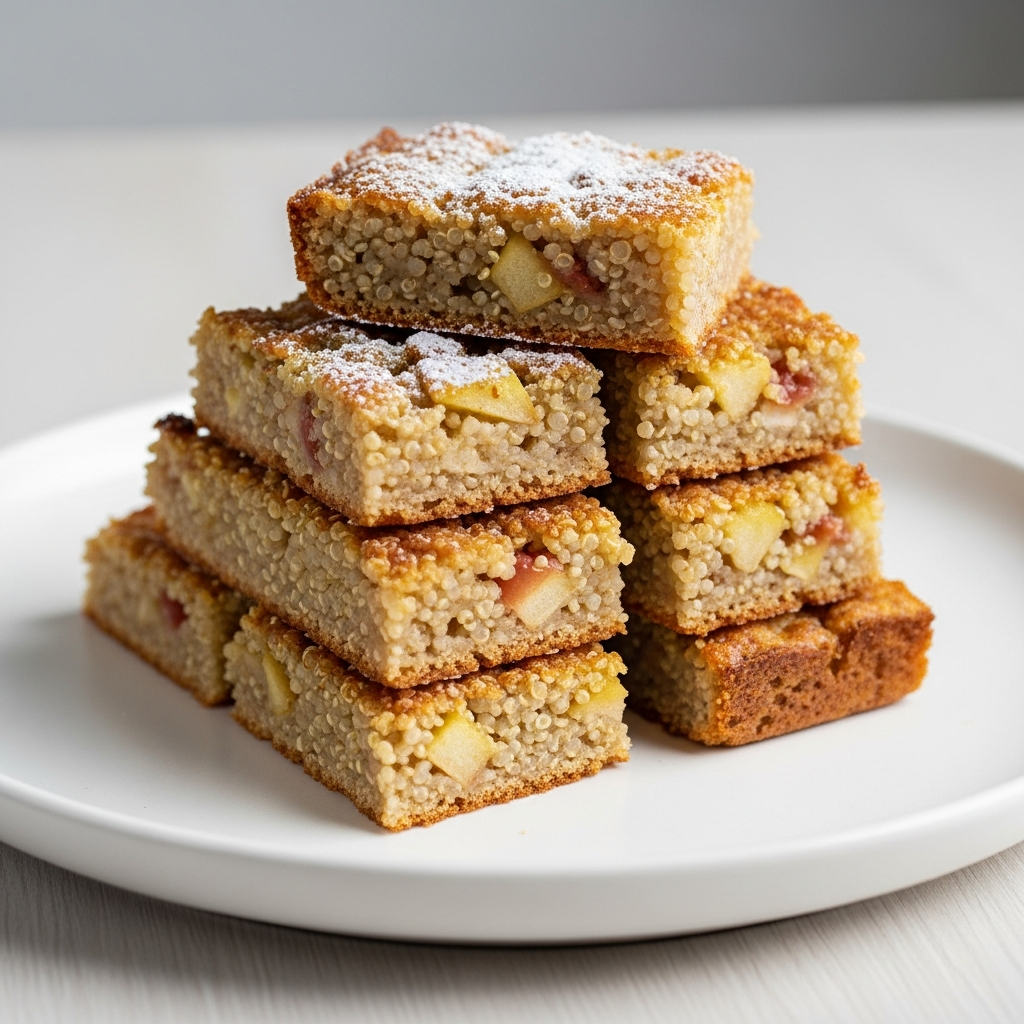
Combine two cups of cooked quinoa, one grated apple, one teaspoon of cinnamon, and two beaten eggs. Pour into a greased baking dish and bake for 20 minutes. Cut into small squares for easy finger food. This recipe provides a sweet, iron-rich start to the day that toddlers will love.
Recipe 5: Turkey and Spinach Pinwheels
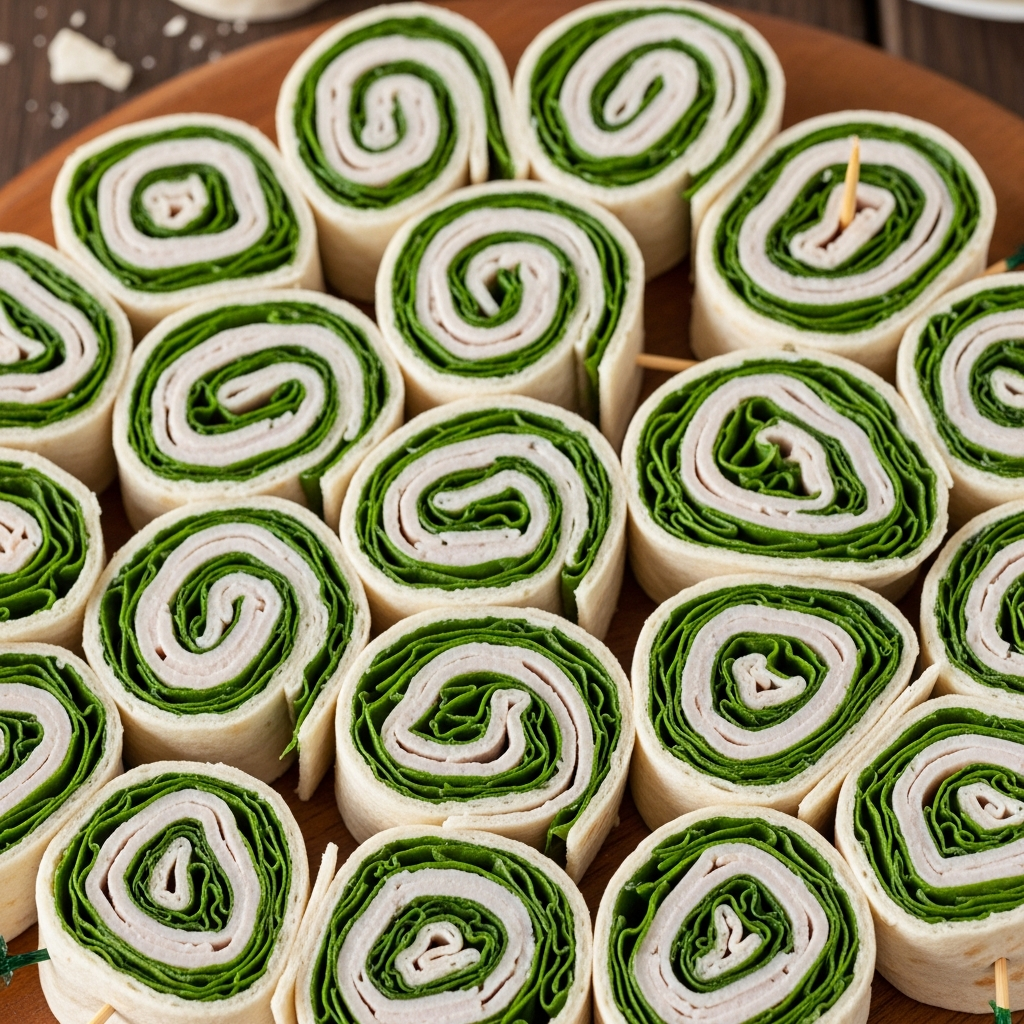
Spread a thin layer of cream cheese on a whole-wheat tortilla. Top with a layer of finely chopped cooked spinach and thin slices of deli-style turkey. Roll the tortilla tightly and slice into one-inch rounds. These colorful pinwheels are visually appealing and provide a balanced mix of iron and protein.
Recipe 6: Savory Chickpea Pancakes
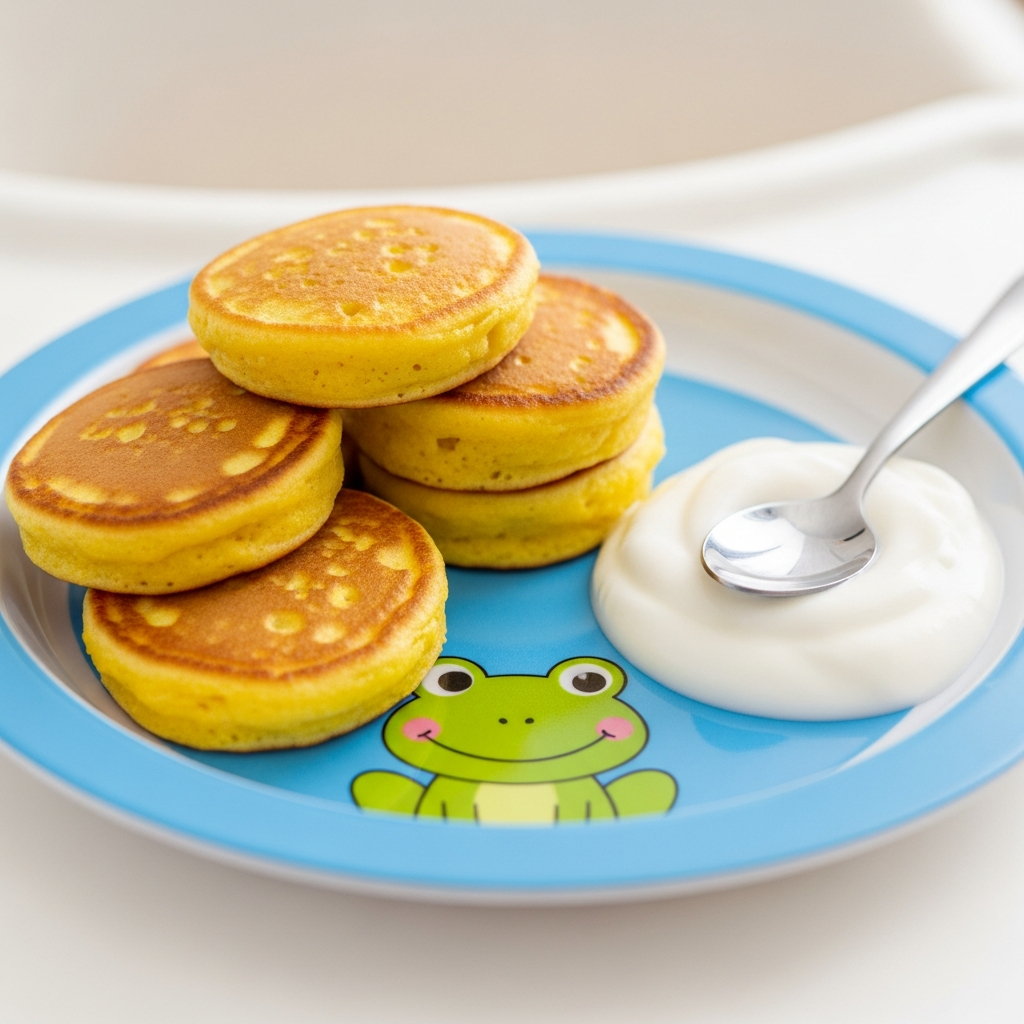
Whisk half a cup of chickpea flour with half a cup of water and a pinch of turmeric. Pour small amounts of batter onto a non-stick skillet to make silver-dollar sized pancakes. These are naturally high in iron and can be served with a dollop of Greek yogurt for added protein and calcium.
Conclusion
Incorporating iron-rich foods into a toddler’s diet does not have to be a challenge. By focusing on a mix of heme sources like beef and turkey, and non-heme sources like lentils and spinach, parents can provide a diverse nutritional profile. Always remember to pair plant-based iron with vitamin C to enhance absorption. Consult with a pediatrician if you have specific concerns about your child’s iron levels, but starting with these eleven foods and six recipes is a proactive way to support their healthy development.