Montessori Guide to Toddler Biting and Hitting

Few things test a parent’s patience and calm quite like a toddler who bites or hits. It’s a deeply unsettling experience, leaving us feeling confused, embarrassed, and often helpless. If you’ve witnessed your sweet child suddenly lash out, you’re not alone. This challenging phase is a common part of toddler development, but understanding why it happens and how to respond effectively can make all the difference. This guide explores the Montessori approach to toddler biting and hitting, offering gentle, respectful, and practical strategies to navigate these behaviors and foster peaceful interactions.
Understanding Toddler Biting and Hitting The Montessori Perspective

In the Montessori philosophy, every behavior is viewed as communication. Toddlers, who are still developing their language skills and impulse control, often resort to physical actions when they lack the words or the emotional regulation to express themselves. Rather than seeing biting or hitting as malicious acts, the Montessori approach encourages us to look deeper: What is the child trying to tell us? What need is unmet?
This perspective shifts our response from punishment to understanding and guidance. We recognize that our toddlers are not intentionally trying to be ‘naughty’; they are simply using the tools they have available to them in that moment. Our role as parents and caregivers is to help them develop more appropriate and effective ways to communicate and cope with their big feelings.
The Developing Toddler Brain

Toddlers are in a critical period of brain development. Their prefrontal cortex, responsible for executive functions like impulse control, planning, and emotional regulation, is still very immature. This means:
- They live very much in the present moment, reacting to immediate stimuli.
- They struggle with understanding consequences, especially long-term ones.
- Their ability to empathize is nascent; they are still learning about other people’s feelings.
- Big emotions can quickly overwhelm their system, leading to meltdowns or physical outbursts.
Understanding these developmental realities helps us approach their challenging behaviors with empathy and realistic expectations. We aren’t just trying to stop a behavior; we’re guiding a developing human toward self-regulation and social competence.
Common Reasons Behind Biting and Hitting
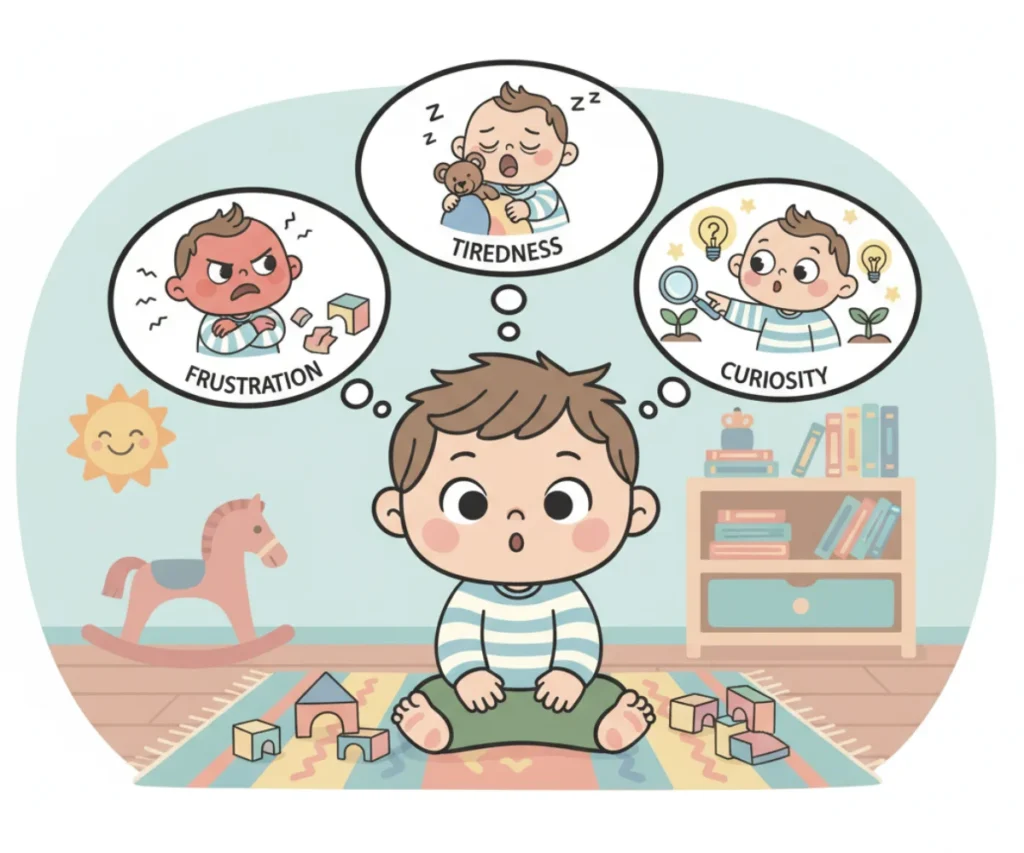
Before we can address the behavior, we must identify its root cause. Observation is a cornerstone of the Montessori method, and it’s invaluable here. Watch your child closely. When do these incidents occur? What happens immediately before? What is the environment like? Here are some common underlying reasons:
- Frustration and Communication Barriers: This is perhaps the most frequent culprit. A toddler wants a toy, a turn, or to express a strong opinion but lacks the vocabulary. Hitting or biting becomes their desperate attempt to be heard or get what they want.
- Exploration and Sensory Input: Sometimes, biting is purely experimental. A child might bite to see what happens, how it feels, or to get a sensory experience they are craving. They are exploring cause and effect.
- Overwhelm and Overstimulation: Too much noise, too many people, a busy schedule, or a highly stimulating environment can overload a toddler’s senses. When overwhelmed, they might lash out physically as a way to release tension or create distance.
- Seeking Attention: Negative attention is still attention. If a child feels overlooked or disconnected, a dramatic reaction like biting or hitting can quickly bring all eyes to them.
- Teething or Physical Discomfort: Uncomfortable gums can lead to an urge to bite. Similarly, hunger, tiredness, or illness can lower a child’s tolerance for frustration, making them more prone to aggressive outbursts.
- Imitation: Children learn by observing. If they see physical aggression in media, other children, or even playful roughhousing that gets out of hand, they might imitate it without understanding the impact.
- Testing Boundaries: As toddlers develop a sense of self, they naturally test limits. Biting or hitting can be a way to see what happens, how you react, and where the boundaries truly lie.
By identifying the specific trigger, we can tailor our response to address the underlying need, rather than just reacting to the symptom.
Montessori Strategies for Immediate Response

When biting or hitting occurs, your immediate response is crucial. The goal is to stop the behavior firmly but gently, prioritize safety, and begin the process of teaching an alternative.
Calm Intervention and Prioritizing Safety

Your calm demeanor is your most powerful tool. Reacting with anger or panic can escalate the situation and frighten your child. First, ensure everyone’s safety:
- Gently Intervene: Without shaming or harsh words, physically separate the children or remove your child from the situation. You might say, “I won’t let you hurt others.”
- Tend to the Child Who Was Hurt: This is vital. Immediately comfort the child who was bitten or hit. This teaches your child empathy and shows them that hurting others leads to consequences (you comforting the other child, not them). You might say, “Are you okay? Biting hurts. Let’s get some ice.”
- Acknowledge the Perpetrator’s Feelings (Briefly): Once the immediate crisis is handled, turn to your child. “You seem frustrated right now. Biting hurts.” Keep it brief and factual.
Clear, Simple Language and Redirection

Toddlers have limited language comprehension. Use short, direct statements:
- “No biting. Biting hurts.”
- “No hitting. Hands are for gentle touches.”
- “We use our words.”
Avoid long lectures, shame, or asking “why.” They don’t have the cognitive ability to explain their actions rationally. Instead of just saying “no,” offer an alternative: “If you’re frustrated, you can stomp your feet or ask for help.”
Brief, Firm Consequence (Natural and Logical)

Montessori discipline focuses on natural and logical consequences, not punishment. The consequence should be directly related to the action and delivered respectfully.
- Removal from the Situation: “I can’t let you bite. I’m going to move you over here so everyone can be safe.” This isn’t a punitive “time-out” but a time for the child to regain control in a calm space, often near you.
- Loss of Privilege: If the hitting was over a toy, the toy might be temporarily put away. “The toy is making it hard for you to be gentle. I’m putting it away for a few minutes. We can try again later.”
The key is consistency and brevity. Reconnect with your child once they’ve calmed down, offering comfort and reassuring them of your love, separating the behavior from their worth.
Long-Term Montessori Prevention and Guidance
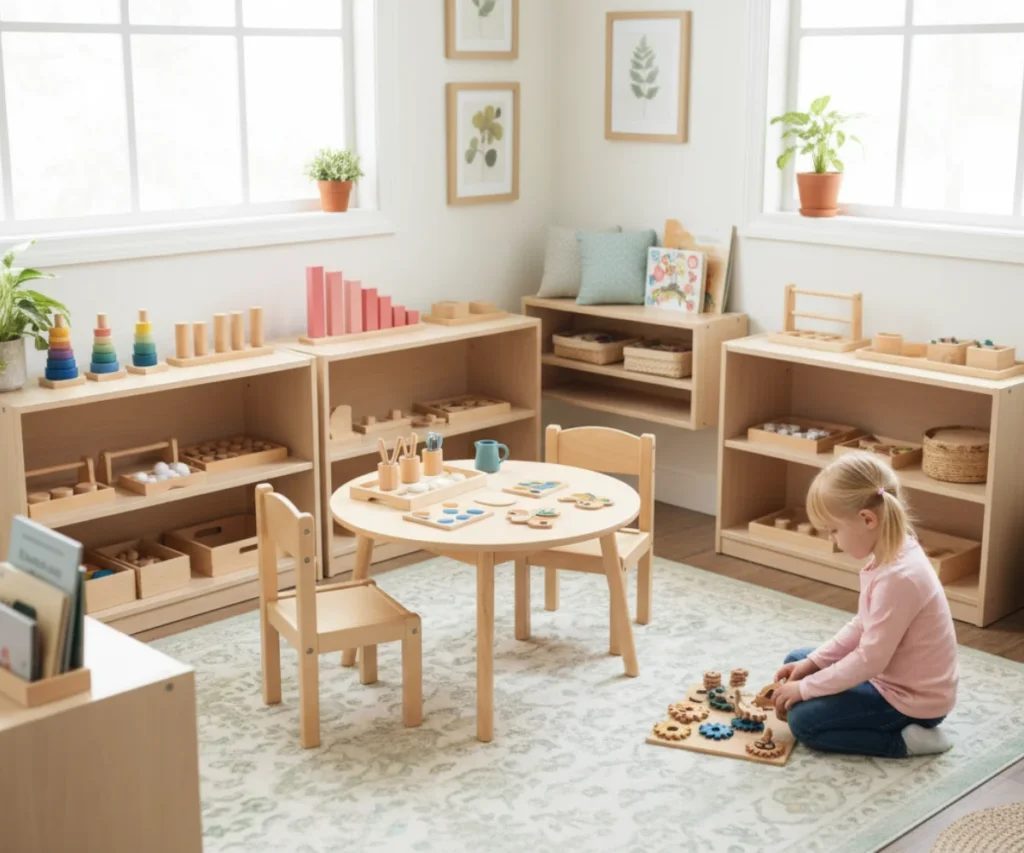
While immediate responses are important, the Montessori approach emphasizes proactive strategies to prevent these behaviors from occurring in the first place. This involves preparing the environment, teaching skills, and fostering emotional intelligence.
Preparing the Environment

A well-prepared environment is crucial for reducing triggers and supporting positive behavior.
- Provide Ample Space: Ensure your child has enough room to move, play, and explore without constantly bumping into others or feeling confined.
- Offer Engaging, Purposeful Activities: A bored toddler is a toddler looking for trouble. Provide open-ended toys, practical life activities (like pouring water or sweeping), and sensory play opportunities that challenge and engage them.
- Ensure Physical Outlets: Toddlers have immense energy. Regular outdoor play, running, jumping, and climbing are essential for releasing pent-up energy in constructive ways.
- Child-Proof for Independence: Allow your child to safely explore their environment. When they don’t constantly hear “no,” they feel more competent and less frustrated.
Teaching Communication Skills
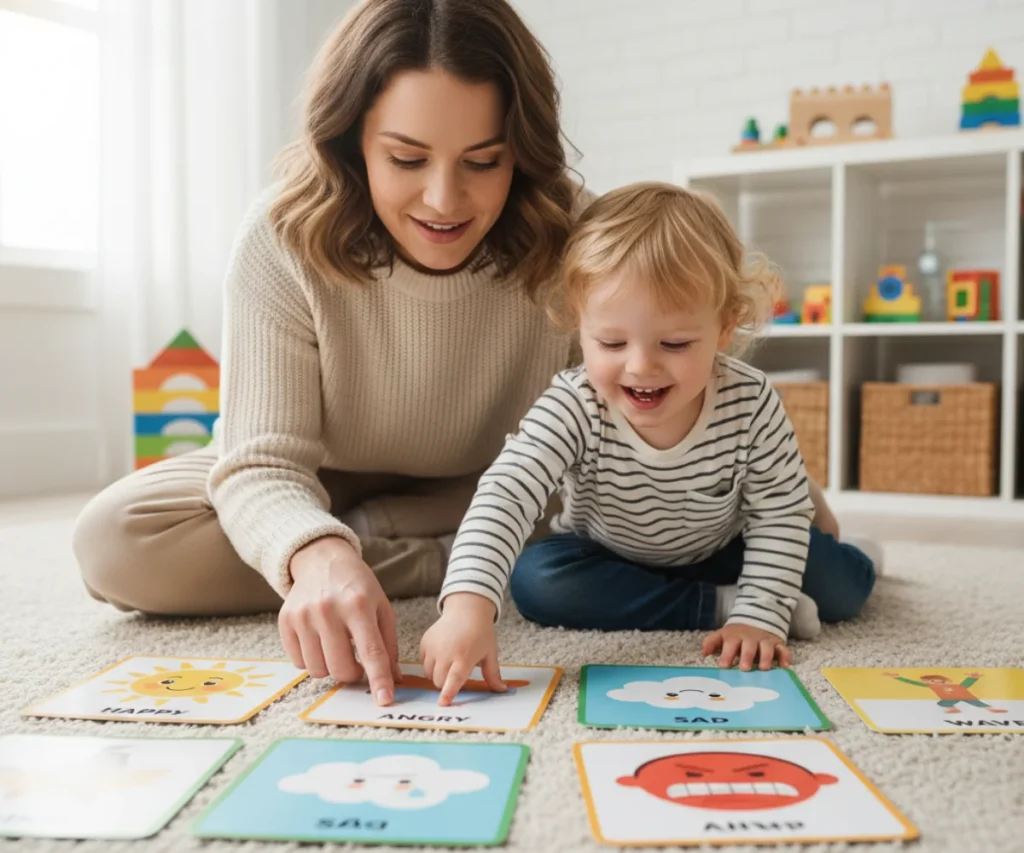
Language is a powerful tool. Help your child develop the vocabulary to express their needs and feelings.
- Model Appropriate Language: Narrate your own feelings. “I’m feeling frustrated because this isn’t working.” “I’m happy you’re here.”
- Teach “Use Your Words” (with specifics): Instead of a vague instruction, give them phrases: “Can I have a turn?” “My turn now.” “Please stop.” “I don’t like that.”
- Use Picture Cards: For younger toddlers or those with language delays, visual aids can help them communicate hunger, tiredness, or the desire for a specific item.
- Practice Role-Playing: Use dolls or puppets to act out social scenarios and practice asking for turns or expressing feelings verbally.
Fostering Emotional Regulation

Helping your child understand and manage their emotions is a lifelong skill. The toddler years are foundational.
- Name Emotions: “You seem angry that your tower fell.” “It looks like you’re sad.” Validating their feelings helps them feel understood and learn emotional vocabulary.
- Teach Coping Mechanisms: Introduce simple strategies like taking deep breaths (“smell the flower, blow out the candle”), counting, or going to a “peace corner” (a designated quiet spot with calming items).
- Model Empathy: When someone is hurt (even in a book or on TV), talk about their feelings. “The puppy looks sad because he’s lost.”
Setting Clear Boundaries Consistently
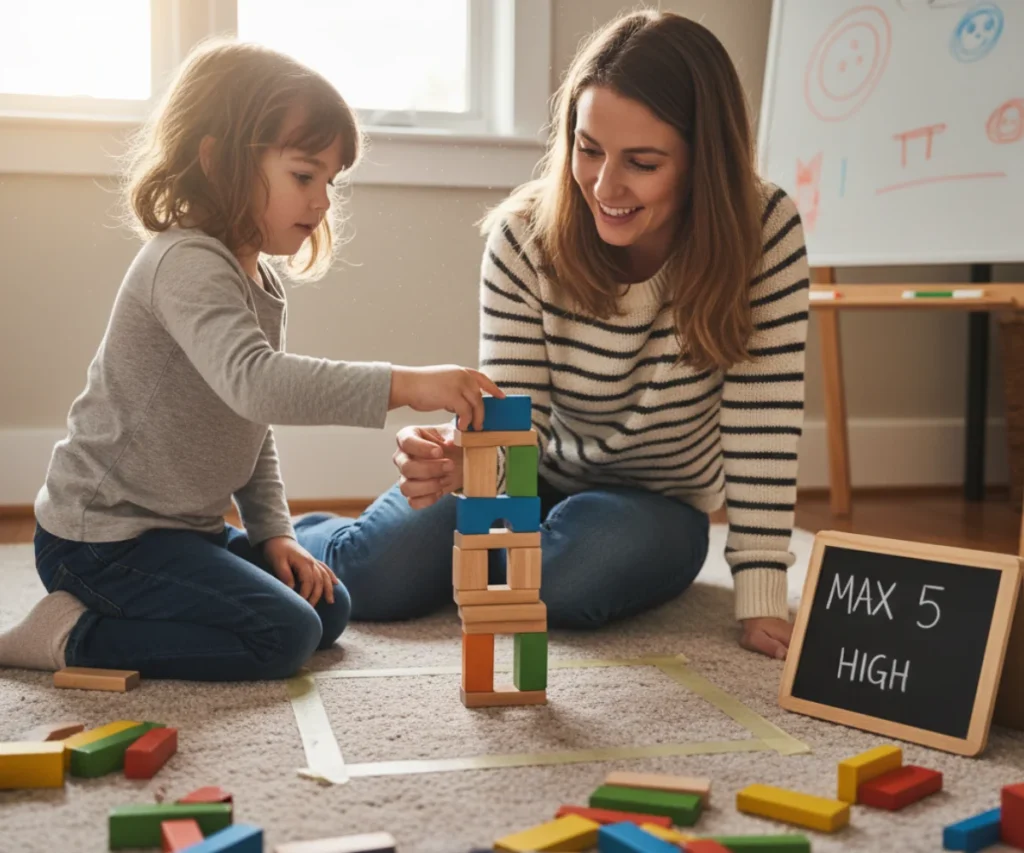
Boundaries provide a sense of security and predictability for toddlers. They need to know what to expect.
- Establish Non-Negotiable Rules: “We do not hurt people or animals.” “We do not break things on purpose.” These rules should be few, clear, and consistently enforced.
- Involve the Child (Age-Appropriately): For older toddlers, you can involve them in simple rules. “How do we keep everyone safe when we play?”
- Follow Through: Consistency is key. If a boundary is set, you must follow through with the logical consequence every time. This teaches your child that you mean what you say.
Observing and Anticipating Triggers

Becoming an expert observer of your child can help you prevent incidents before they start.
- Identify Patterns: Do biting incidents always happen before naptime? When a specific friend visits? When they’re hungry?
- Proactive Intervention: If you notice your child becoming overstimulated or frustrated, intervene before they lash out. “It looks like you’re having trouble sharing. Let’s take a break and look at this book.”
- Adjust the Environment: If certain situations reliably lead to aggression, consider altering those situations. Can playdates be shorter? Can you leave a stimulating environment before meltdowns begin?
Respecting the Child’s Process
Growth and learning take time. There will be setbacks. Remember to:
- Be Patient: Changing ingrained behaviors takes time, repetition, and a lot of patience from you.
- Avoid Labeling: Refrain from calling your child “a biter” or “naughty.” This can become a self-fulfilling prophecy. Focus on the behavior, not the child’s character. “Biting is not okay” instead of “You are bad for biting.”
- Focus on Progress, Not Perfection: Celebrate small victories. Acknowledge when they use their words instead of hitting, even if it’s only occasionally.
When to Seek Professional Help
While biting and hitting are common toddler behaviors, there are times when seeking professional guidance is advisable. Consider consulting your pediatrician or a child development specialist if:
- The behavior is consistently aggressive, frequent, and escalating despite your consistent efforts.
- Your child is harming themselves or others significantly.
- The behavior is severely impacting their ability to form friendships or participate in group settings.
- You feel overwhelmed, exhausted, or unsure how to cope.
- There are other developmental concerns (e.g., significant language delays, extreme sensory sensitivities).
A professional can offer tailored strategies, rule out underlying issues, and provide invaluable support.
Conclusion

Toddler biting and hitting can be one of the most challenging phases of early parenthood. However, by embracing a Montessori-inspired approach rooted in observation, respect, and proactive guidance, you can transform these difficult moments into powerful learning opportunities. Remember to respond with calm and consistency, provide a prepared environment, and gently teach your child the crucial skills of communication and emotional regulation. This journey requires immense patience, empathy, and unwavering love, but by fostering understanding and self-control, you are laying the foundation for a kind, confident, and respectful individual. You’ve got this, and your child is learning with every step you take together.