Why Punishment Does Not Work for Toddlers
Every parent knows the unique challenges and boundless energy that come with toddlerhood. It’s a magical time of rapid growth, curiosity, and, let’s be honest, frequent boundary-testing. When our little ones push limits, throw tantrums, or act out, our instinct might be to resort to punishment. After all, isn’t that how we teach right from wrong? But what if the very methods we think will correct behavior are actually counterproductive? As family-care experts and fellow parents, we’re here to share why traditional punishment often falls short with toddlers and what truly effective alternatives look like.
Understanding the Toddler Brain
To truly grasp why punishment isn’t the answer, we need to take a peek inside a toddler’s developing brain. Unlike older children or adults, toddlers operate from a very different neurological landscape. Their prefrontal cortex, the part of the brain responsible for impulse control, logical reasoning, and understanding long-term consequences, is still very much under construction.
Impulse and Emotion Drive Their World
Toddlers are largely driven by impulse and immediate emotions. When they hit a sibling, snatch a toy, or throw food, it’s rarely a calculated act of defiance. More often, it’s a raw, unfiltered expression of big feelings (frustration, anger, excitement) that they simply don’t have the words or the emotional regulation skills to manage yet. Expecting them to process complex cause-and-effect relationships or to inhibit a strong impulse is like asking a fish to climb a tree – it’s beyond their current developmental capacity.

The Problem with Punishment
When we resort to punishment – whether it’s yelling, timeouts as isolation, shaming, or physical discipline – we often create more problems than we solve. While it might seem to stop the behavior in the short term, the long-term impacts can be detrimental to both the child and the parent-child relationship.
Fosters Fear, Not Learning
Punishment, especially if it’s harsh or unpredictable, teaches a child to fear the punisher, not to understand why their behavior was problematic. A toddler who is punished for touching a hot stove might learn to avoid the stove out of fear of getting yelled at, rather than understanding the danger of burns. This can lead to children hiding their mistakes or lying to avoid consequences, hindering genuine learning.
Damages the Parent-Child Bond
The parent-child relationship is the bedrock of a child’s development. When punishment becomes the primary mode of discipline, it can erode trust and create distance. Toddlers need to feel safe, loved, and understood by their parents. Punishment can make them feel isolated, unloved, or ashamed, which are feelings that can undermine their sense of security and willingness to connect.
Teaches the Wrong Lessons
What does hitting a child teach? It teaches them that hitting is an acceptable way to solve problems or get what you want, especially if you’re bigger and stronger. What does yelling teach? It teaches them that yelling is how you express anger or exert control. Punishment often models the very behaviors we want to discourage, rather than teaching empathy, problem-solving, or self-regulation.
Doesn’t Address the Root Cause
Behavior is communication. A toddler who is acting out is often trying to tell us something – they’re tired, hungry, overwhelmed, seeking attention, or struggling with a new skill. Punishment focuses on stopping the outward behavior without ever addressing the underlying need or feeling. Until the root cause is understood and addressed, the behavior is likely to resurface in another form.
Effective Alternatives to Punishment
So, if punishment doesn’t work, what should parents do? The good news is there are many positive, effective strategies that truly guide and teach toddlers, fostering healthy development and a strong parent-child bond.
1. Connection Before Correction
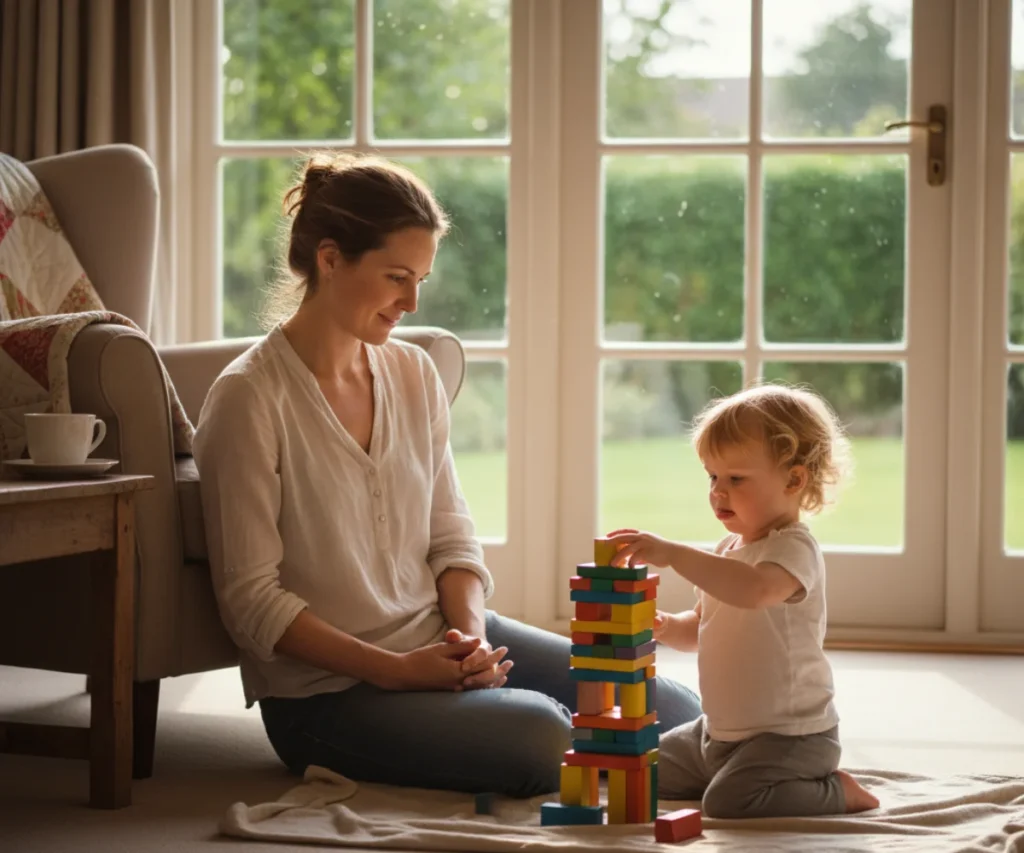
Before you can effectively guide your toddler, you need to connect with them. Get down to their level, make eye contact, and acknowledge their feelings. “I see you’re really angry that your block tower fell down.” Validating their emotions helps them feel understood and more open to guidance.
2. Redirection and Distraction
For toddlers, their attention span is short. Often, the easiest way to handle an undesirable behavior is to simply redirect their focus. If they’re playing with something they shouldn’t, offer an appealing alternative: “Let’s put the keys away, and instead, let’s play with your toy truck!”
3. Natural and Logical Consequences
These are powerful teaching tools because they are directly related to the child’s actions, helping them learn cause and effect in a meaningful way. They are not imposed by the parent but arise naturally from the situation.
- Natural Consequence: If a child refuses to wear a coat outside on a chilly day (and it’s safe to allow this), they will feel cold.
- Logical Consequence: If a child throws food, the food is taken away (because it’s not being eaten). “It looks like you’re done with your food for now. We can try again later.”
The key is to present these calmly and consistently, not with anger or a “told you so” attitude.
4. Teaching Skills and Modeling Behavior
Toddlers aren’t born knowing how to share, wait, or manage big emotions. These are learned skills. Instead of punishing for lacking a skill, teach it. Demonstrate, role-play, and practice.
- Sharing: “It’s hard to share, isn’t it? Let’s take turns with the truck. First, Mommy’s turn, then your turn.”
- Patience: “You really want a cookie now! We need to wait until after dinner. Let’s sing a song while we wait.”
Also, remember that you are your child’s first and most influential teacher. Model the behavior you want to see: use kind words, manage your own frustration calmly, and show empathy.
5. Time-In (Not Time-Out as Isolation)
Traditional time-outs can feel isolating and shameful for a toddler who is struggling. A more effective approach is “time-in” – moving the child to a calm, quiet space with a parent or caregiver to help them regulate their emotions. This isn’t a punishment but a chance to co-regulate and teach coping skills. “It looks like you need some quiet time to calm your body. Let’s go sit on the couch together until you feel better.”
6. Setting Clear Boundaries and Expectations
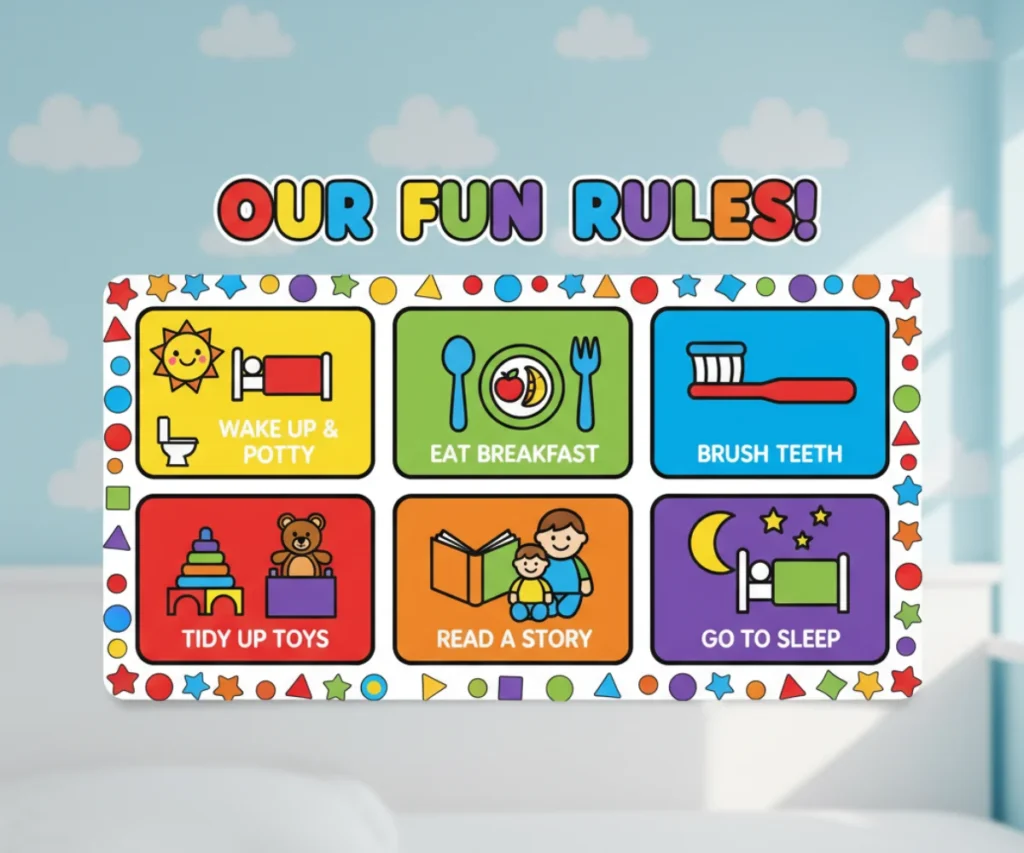
Toddlers thrive on predictability and clear limits. Establish simple, consistent rules and communicate them clearly. “We walk inside,” “We use gentle hands,” “Toys stay on the floor.” When boundaries are crossed, calmly reiterate the rule and guide them back to appropriate behavior.
7. Positive Reinforcement
Catch your toddler being good! When they do something you want to see more of – sharing, using gentle hands, helping – acknowledge and praise their efforts. “Wow, you were so gentle with the cat!” or “Thank you for helping me put the blocks away.” This encourages them to repeat desirable behaviors because they feel good about their actions and know they’ve been noticed.
8. Problem-Solving Together
As your toddler gets a little older and their language skills develop, involve them in finding solutions. If they repeatedly argue over a toy, you might ask, “How can we both get a turn with this toy?” This empowers them and teaches valuable negotiation skills.

Consistency and Patience Are Key
No parenting strategy works perfectly every time, and every child is different. The most important ingredients for success with positive discipline are consistency and patience. Toddlers need repeated exposure to expectations and guidance to truly internalize them. There will be days when you feel like you’re saying the same thing over and over, and that’s okay. Your calm, consistent presence is teaching them invaluable lessons about resilience, self-control, and your unwavering love.
Conclusion
Moving away from traditional punishment towards a more positive, connection-based approach can feel like a paradigm shift, but it’s one that yields incredible rewards. By understanding your toddler’s developmental stage, addressing the root causes of their behavior, and teaching them with empathy and clear guidance, you’re not just managing tantrums – you’re building a foundation of trust, respect, and emotional intelligence that will serve them for a lifetime. Embrace the journey with patience, self-compassion, and the knowledge that you are equipping your child with the skills they need to thrive.