Welcoming a baby into your home is a joyous, transformative experience. Amidst the cuddles and coos, there’s also the profound responsibility of keeping your little one safe and healthy. While we all hope for perfectly healthy days, minor ailments and little bumps are an inevitable part of babyhood. Being prepared can make all the difference, easing your worries and allowing you to act quickly and confidently when needed.
Think of your baby’s medicine cabinet as a first-aid hub, carefully stocked with essentials that cater specifically to their delicate needs. It’s not about anticipating every possible scenario, but rather about having the foundational tools to handle common concerns – from a sudden fever to a pesky splinter. As a fellow parent, I know how overwhelming it can feel, but stocking these items ahead of time will give you immense peace of mind. Let’s explore the 12 crucial items every parent should have on hand for their little one.
1. Infant Acetaminophen or Ibuprofen
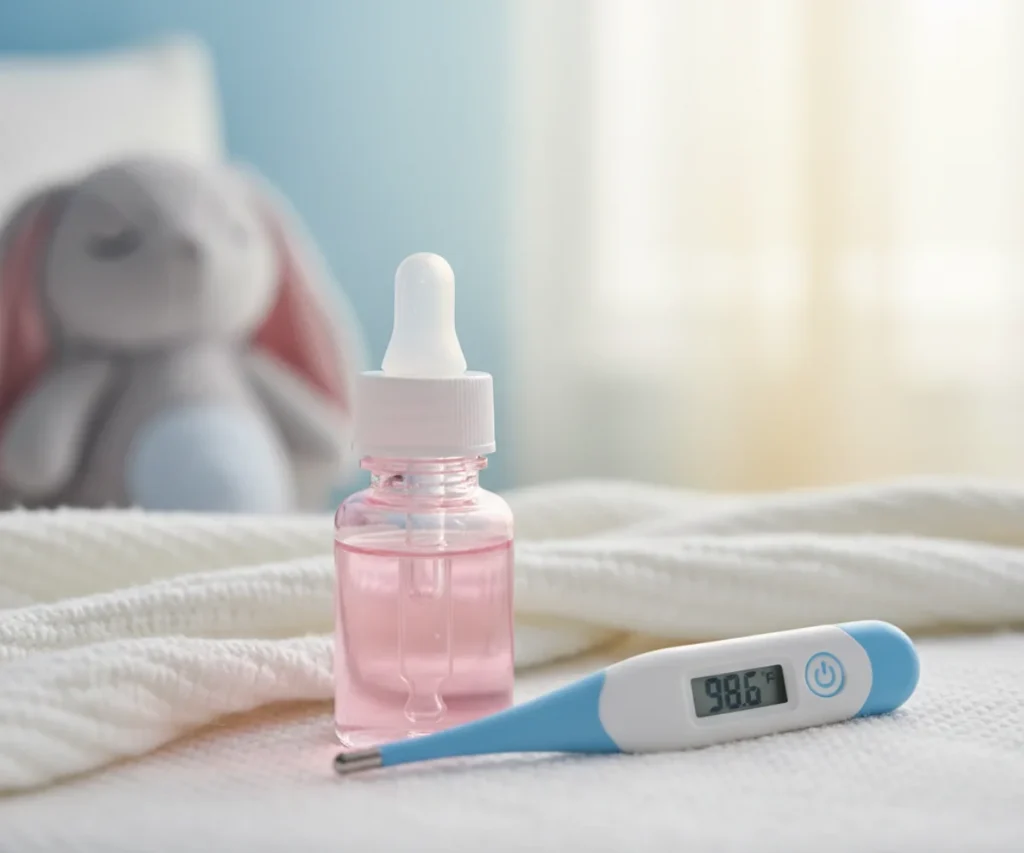
When your baby isn’t feeling well, a fever or discomfort can be truly heartbreaking to witness. Infant acetaminophen (like Tylenol) and ibuprofen (like Motrin or Advil, generally for babies 6 months and older) are invaluable for reducing fevers and easing pain from teething, colds, or vaccinations. It’s vital to always consult your pediatrician for the correct dosage based on your baby’s weight, not just age. Keep a dosage chart handy and never exceed the recommended amount.
Why it’s essential:
- **Fever Reduction:** Helps bring down high temperatures, making your baby more comfortable.
- **Pain Relief:** Alleviates discomfort from teething, minor aches, and post-vaccination soreness.
Parenting Tip: Always use the measuring device that comes with the medicine to ensure accuracy. Double-check the concentration (e.g., infant vs. children’s) as they can vary greatly, and never give adult medicine to a baby.
2. Rectal Thermometer
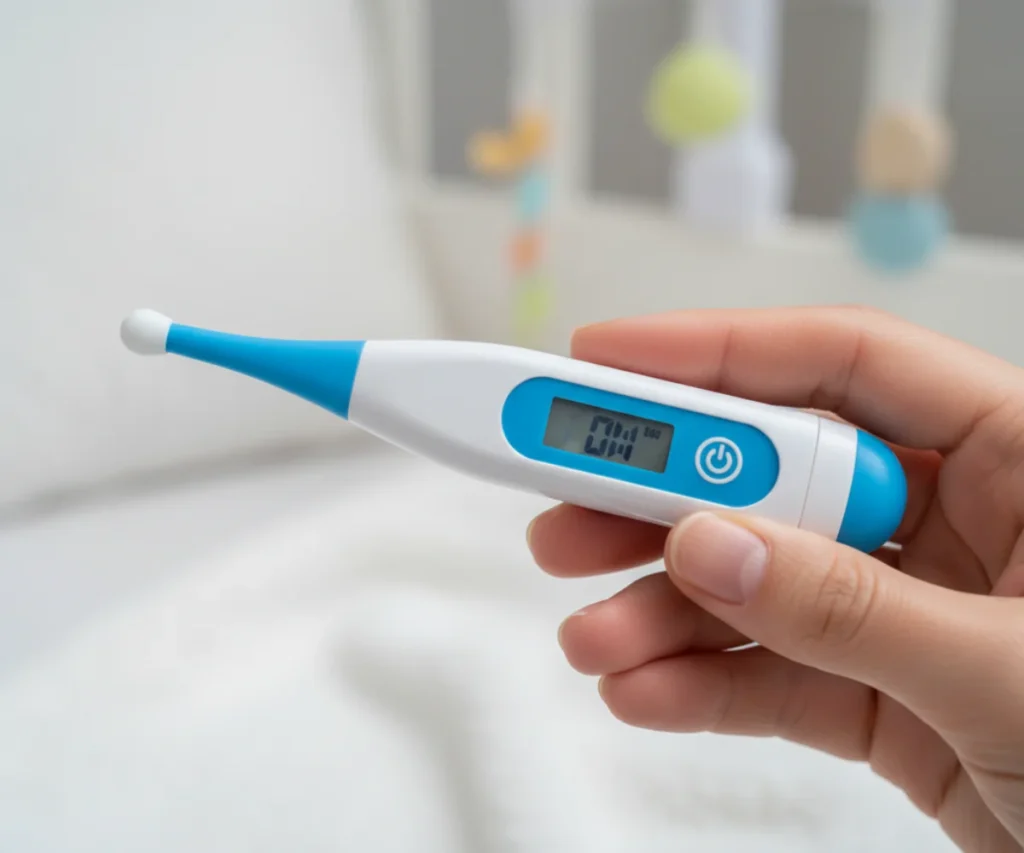
A fever is often the first sign that something is amiss with your baby. While there are various types of thermometers, a digital rectal thermometer is considered the most accurate for infants and young children by pediatricians. Accuracy is key when dealing with a baby’s temperature, as even a slight elevation can be significant in newborns.
Understanding Temperature:
- **Rectal Accuracy:** Provides the most reliable reading for babies under one year old.
- **Easy to Use:** Modern digital versions are quick and generally gentle.
Parenting Tip: Keep the thermometer clean and dedicate it solely to rectal use. Always use a little petroleum jelly on the tip for easier insertion and comfort. Call your doctor immediately if a newborn (under 3 months) has a fever of 100.4°F (38°C) or higher.
3. Nasal Aspirator and Saline Drops
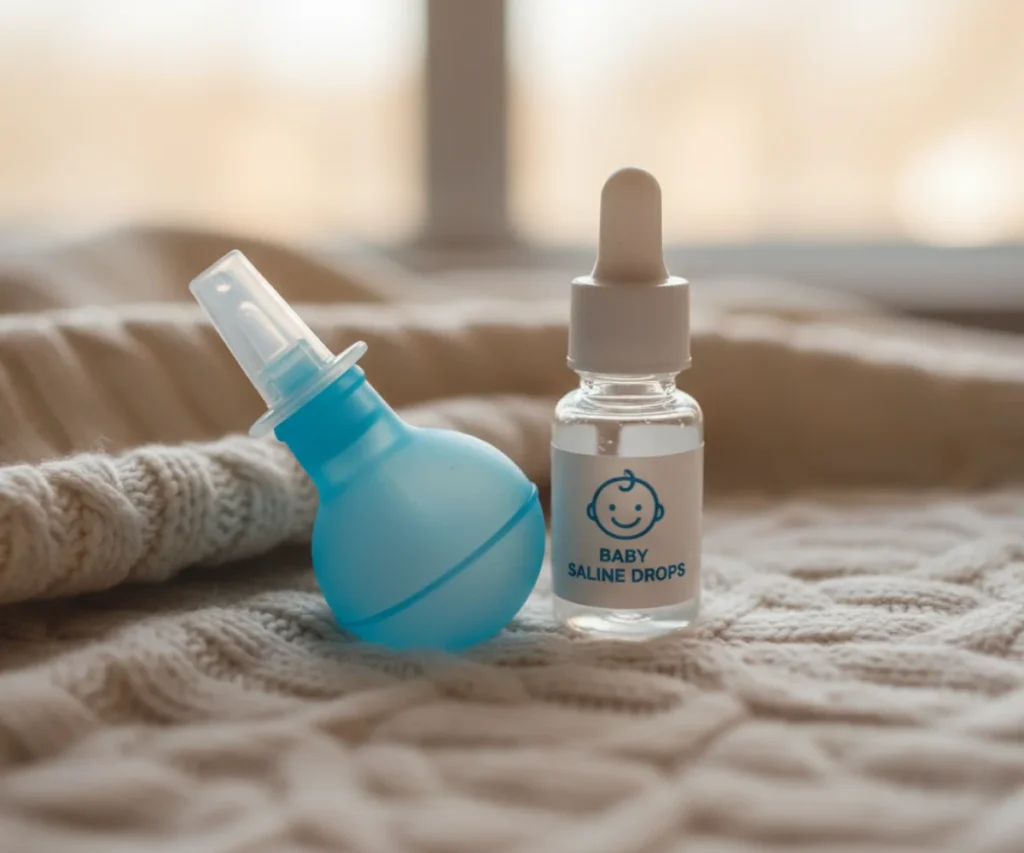
Little noses get stuffy, especially during cold season or when allergies flare up. Since babies can’t blow their own noses, a nasal aspirator (like a bulb syringe or a ‘snot sucker’ type) combined with saline drops can be a lifesaver. Saline helps thin mucus, making it easier to remove and helping your baby breathe, eat, and sleep better.
How they help:
- **Clears Congestion:** Removes mucus, facilitating easier breathing.
- **Prevents Complications:** Helps prevent congestion from leading to ear infections or feeding difficulties.
Parenting Tip: Use saline drops first to loosen mucus, wait a minute, then gently use the aspirator. Don’t overdo it, as excessive suction can irritate delicate nasal passages. Clean the aspirator thoroughly after each use.
4. Diaper Rash Cream
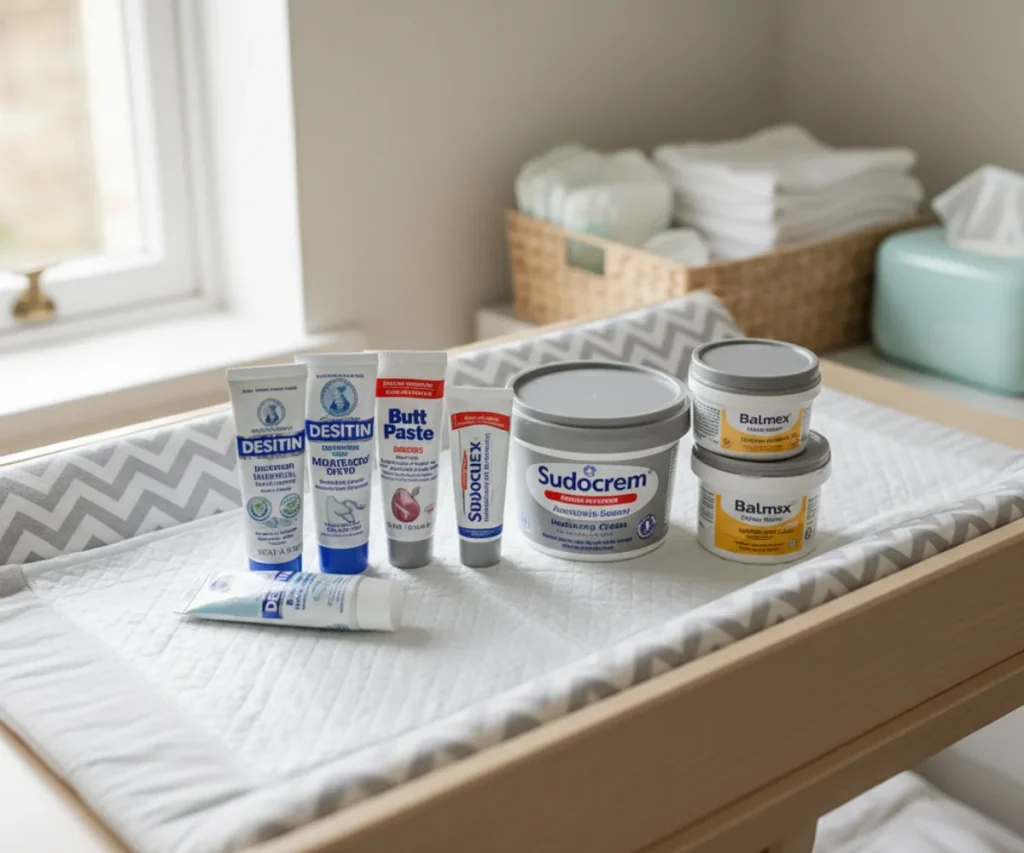
Diaper rash is almost a rite of passage for babies. The warm, moist environment of a diaper can lead to skin irritation. A good quality diaper rash cream, often containing zinc oxide or petroleum jelly, creates a protective barrier that helps heal existing rash and prevents new ones from forming.
Your baby’s skin shield:
- **Protective Barrier:** Shields delicate skin from moisture and irritants.
- **Soothing Relief:** Contains ingredients that calm inflammation and promote healing.
Parenting Tip: Apply a thick layer of cream at every diaper change, especially overnight. Ensure your baby’s bottom is thoroughly dry before applying the cream to maximize its effectiveness.
5. Baby Nail Clippers or File
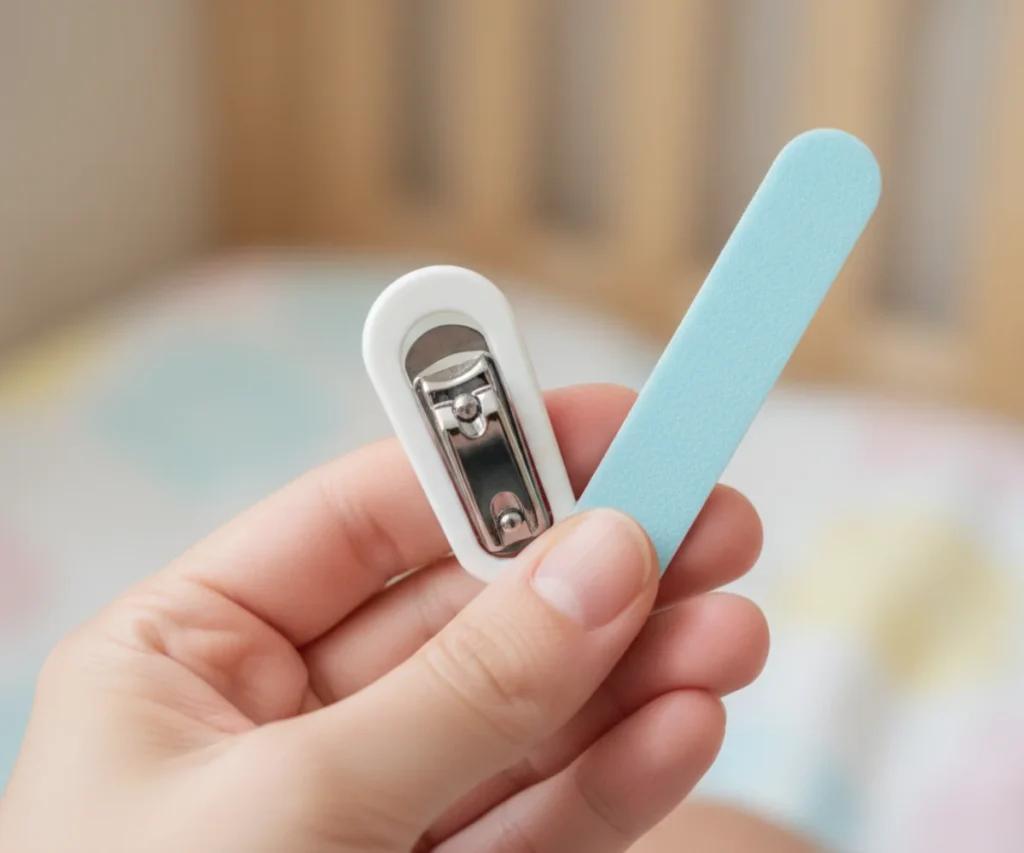
Those tiny, seemingly soft baby nails can be surprisingly sharp! Babies often inadvertently scratch themselves or their delicate faces. Regular trimming or filing is essential to keep their nails short and smooth. Baby-specific clippers have rounded edges for safety, and soft emery boards are perfect for newborns.
Keeping tiny nails safe:
- **Prevents Scratches:** Reduces the risk of accidental scratches to their face or body.
- **Hygiene:** Helps prevent dirt and germs from accumulating under the nails.
Parenting Tip: The best time to trim nails is when your baby is asleep or very calm, perhaps after a warm bath. Gently push down the fingertip pad to avoid clipping skin. If you prefer, a soft emery board works wonderfully for filing sharp edges without the stress of clippers.
6. Sterile Gauze Pads and Medical Tape
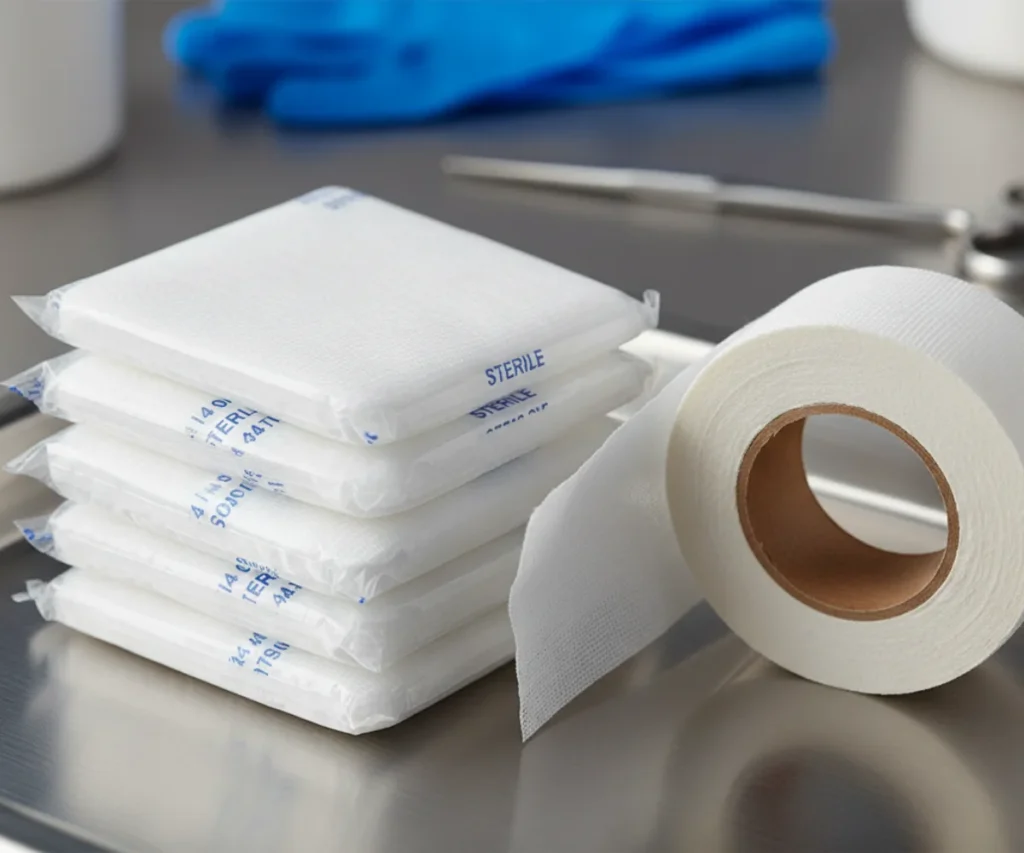
Minor cuts, scrapes, or nicks can happen, even with the most vigilant parenting. Sterile gauze pads are crucial for cleaning wounds and applying gentle pressure to stop minor bleeding. Medical tape helps hold the gauze in place, protecting the wound from dirt and further irritation.
First-aid essentials:
- **Wound Care:** Essential for cleaning and covering small injuries.
- **Protection:** Keeps wounds clean, reducing the risk of infection.
Parenting Tip: Always wash your hands thoroughly before treating any wound. For small scrapes, clean gently with mild soap and water (or antiseptic wipes if available), pat dry, and cover with gauze if needed. Never use harsh antiseptics on a baby’s skin without consulting your pediatrician.
7. Antiseptic Wipes or Rubbing Alcohol Pads
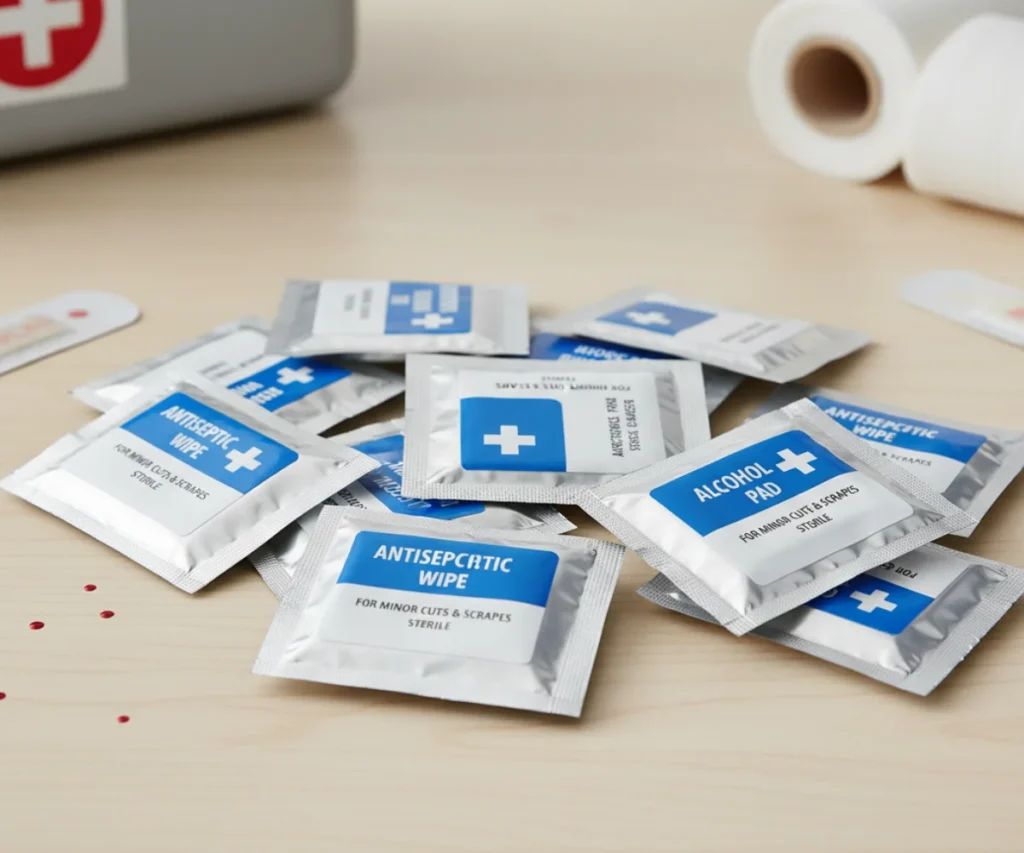
For those inevitable little scrapes and cuts, having a way to clean them thoroughly is crucial. Antiseptic wipes or rubbing alcohol pads are convenient for quickly disinfecting minor injuries on the go or when soap and water aren’t immediately available. They help prevent infection in small wounds.
Keeping things clean:
- **Disinfection:** Helps clean minor cuts and scrapes to prevent infection.
- **Convenience:** Pre-packaged and easy to use, especially when out and about.
Parenting Tip: Always use these with caution on sensitive baby skin. For very minor scrapes, often gentle washing with mild soap and water is sufficient. Consult your pediatrician before using strong antiseptics on larger or deeper wounds.
8. Tweezers
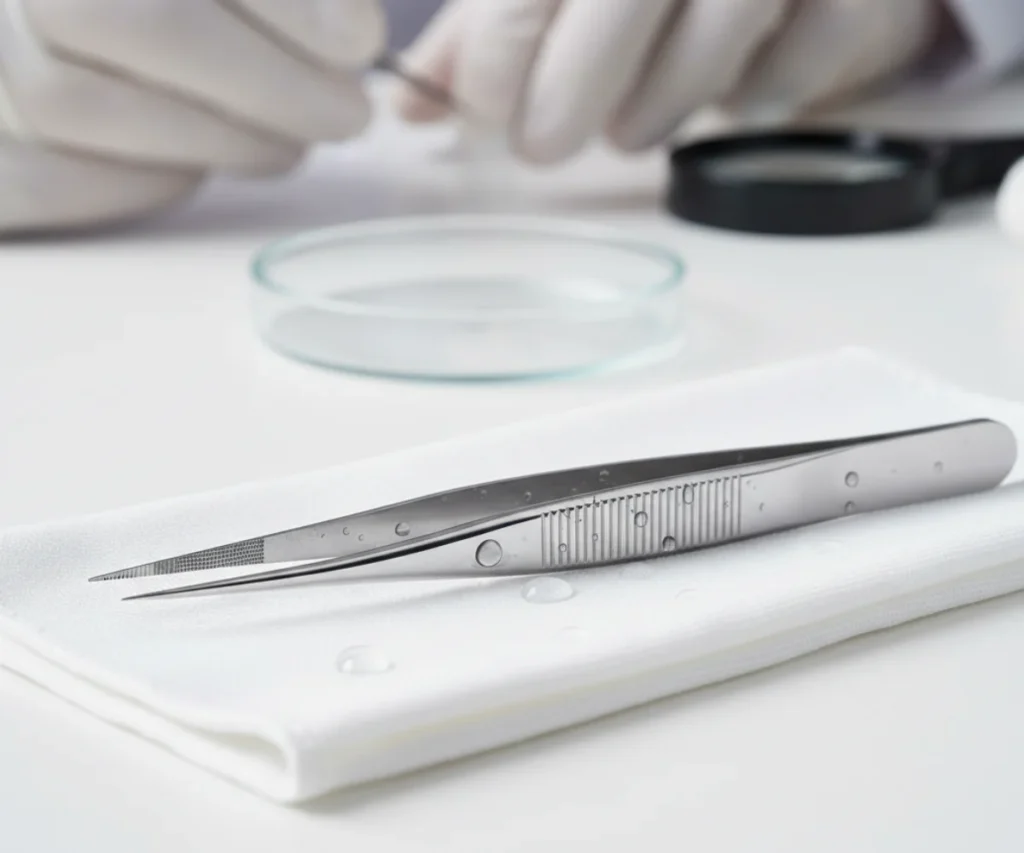
Splinters happen! Whether from a wooden toy, a piece of furniture, or even a tiny fiber from clothing, getting a splinter out of a squirming baby can be a challenge. A good pair of fine-tipped tweezers can be incredibly helpful for carefully removing these tiny foreign objects from their delicate skin.
For tiny intruders:
- **Splinter Removal:** Essential for carefully extracting small splinters.
- **Precision:** Fine tips allow for delicate handling of tiny objects.
Parenting Tip: Sterilize the tweezers with rubbing alcohol before and after use. Ensure your baby is calm and still, perhaps by distracting them or holding them securely. If you can’t easily remove a splinter or if it’s deep, always contact your doctor.
9. Oral Rehydration Solution (ORS)
Diarrhea or vomiting can quickly lead to dehydration in babies, which can become serious very fast. Oral Rehydration Solution (ORS) is specially formulated with the right balance of water, salts, and sugars to replace fluids and electrolytes lost during illness. It’s much more effective than plain water or juice for rehydrating a sick baby.
Rehydration hero:
- **Electrolyte Balance:** Replenishes vital salts and sugars lost during illness.
- **Prevents Dehydration:** Crucial for babies with diarrhea or vomiting.
Parenting Tip: Always have some on hand, especially during cold and flu season. If your baby is showing signs of dehydration (fewer wet diapers, sunken soft spot, lethargy), contact your pediatrician immediately.
10. Gripe Water or Gas Drops
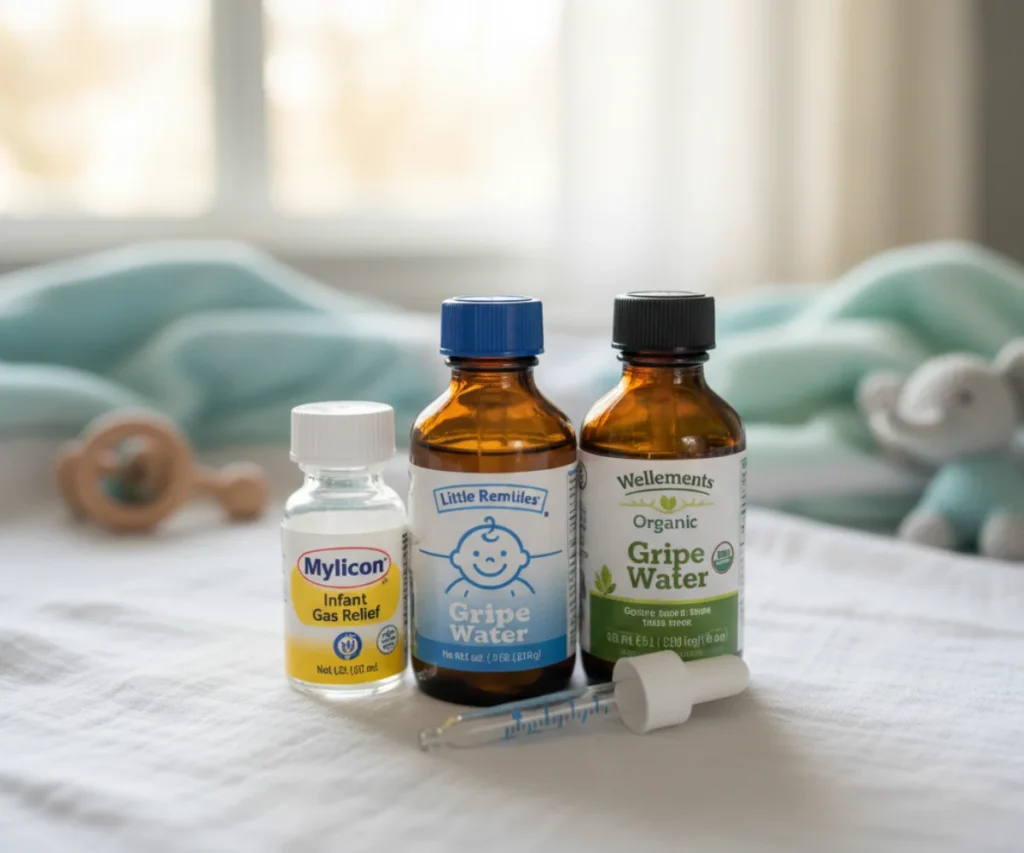
Many babies experience gas, fussiness, or colic, leading to uncomfortable cries. While not a cure-all, gripe water (herbal remedies) or gas drops (simethicone-based) can offer temporary relief by breaking down gas bubbles or soothing digestive discomfort. Always check with your pediatrician before introducing any new supplement.
For tummy troubles:
- **Gas Relief:** Helps break down gas bubbles, reducing discomfort.
- **Soothing:** Can calm a fussy baby experiencing colic or indigestion.
Parenting Tip: Not all babies respond to these, and effectiveness can vary. Always follow dosage instructions carefully and discontinue use if your baby shows any adverse reaction. Sometimes, a warm bath or gentle tummy massage can also help.
11. Petroleum Jelly or Baby Balm

Petroleum jelly (like Vaseline) or a gentle baby balm is a versatile item for your baby’s medicine cabinet. It can be used for various purposes, from protecting delicate skin around the nose during a cold, to preventing chafing, to soothing dry patches, or even as a barrier against minor diaper rash. It’s a simple, effective moisturizer and protector.
Multipurpose skin protector:
- **Skin Barrier:** Protects delicate skin from moisture and irritation.
- **Moisturizer:** Helps relieve dry skin and chapped areas.
Parenting Tip: Apply a thin layer to areas prone to dryness or irritation, like creases in the neck or behind the ears. It’s also great for creating a barrier on a newborn’s bottom after circumcision or for protecting skin around a stuffy nose.
12. Medicine Syringe or Dropper
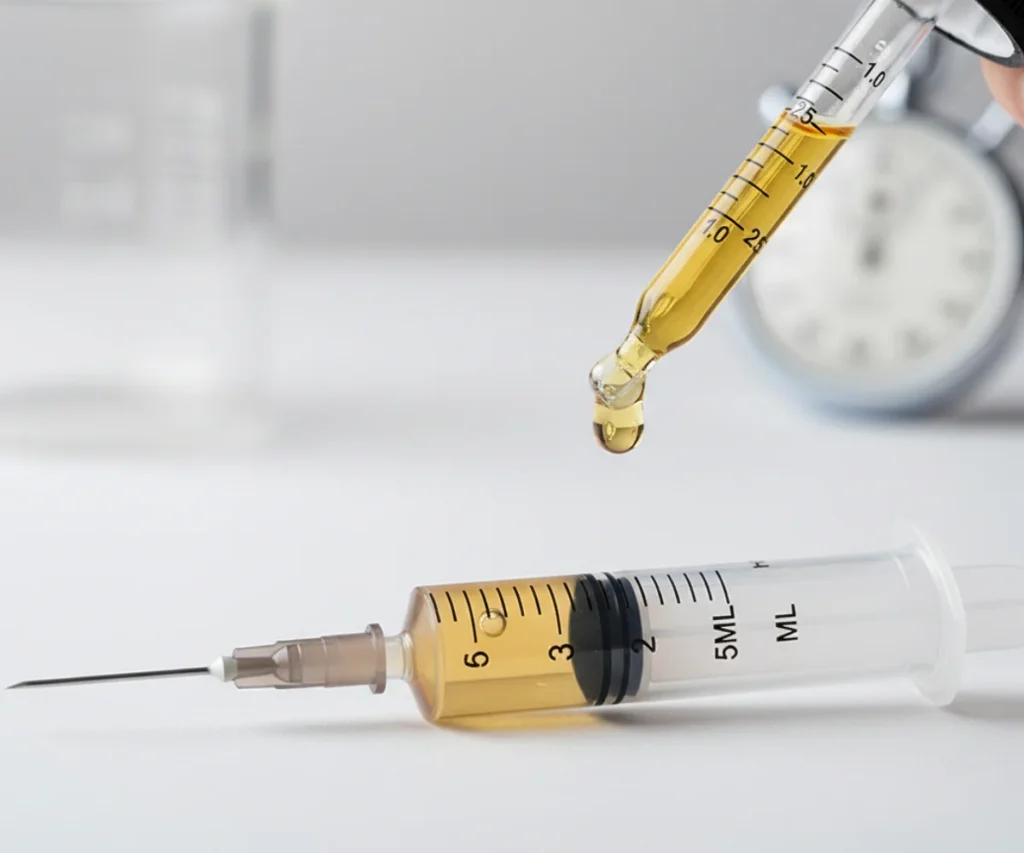
Administering liquid medicine to a baby requires precision. The small measuring cups often provided with medicine aren’t always accurate enough for tiny dosages. A dedicated medicine syringe or dropper, marked with clear measurements, ensures you give your baby the exact amount needed, reducing waste and ensuring safety.
Accurate dosing for safety:
- **Precision:** Ensures accurate measurement of liquid medications.
- **Safety:** Prevents accidental under or overdosing.
Parenting Tip: Always use a medicine dispenser that you’ve personally calibrated or that comes directly with the medicine. Practice giving a little water with it first if you’re unsure. Aim for the side of your baby’s cheek, slowly, to prevent choking.
Creating Your Baby’s Health Hub
Stocking your baby’s medicine cabinet isn’t about being a hypochondriac; it’s about being a prepared, proactive parent. Knowing these essentials are within reach can greatly reduce stress during those unexpected moments when your little one isn’t feeling their best. Keep everything organized, clearly labeled, and easily accessible, but out of your baby’s reach. Regularly check expiration dates and replace items as needed.
Remember, this list provides foundational items for minor ailments. Always consult your pediatrician for serious concerns, persistent symptoms, or if you’re ever unsure about your baby’s health. With these essentials at your fingertips, you can face the everyday challenges of babyhood with a little more confidence and a lot more peace of mind.