As parents, we know the toddler years are a whirlwind of growth, discovery, and seemingly endless energy. And with all that energy comes a constant need for fuel! Snacks for toddlers aren’t just a way to tide them over between meals; they’re vital opportunities to pack in essential nutrients that support their rapid development. But let’s be honest, finding healthy snack options that actually appeal to a tiny, often opinionated, human can feel like a daily challenge.
We’ve all been there: staring into the pantry, wondering what to offer that’s both nutritious and won’t end up on the floor. The good news is, healthy toddler snacks don’t have to be complicated or time-consuming. With a little planning and creativity, you can offer a variety of delicious and wholesome options that your little one will love. This guide is designed to make your snack-time decisions easier, offering practical, parent-to-parent advice and 12 fantastic healthy snack ideas that are sure to be a hit.
Why Healthy Toddler Snacks Are So Important
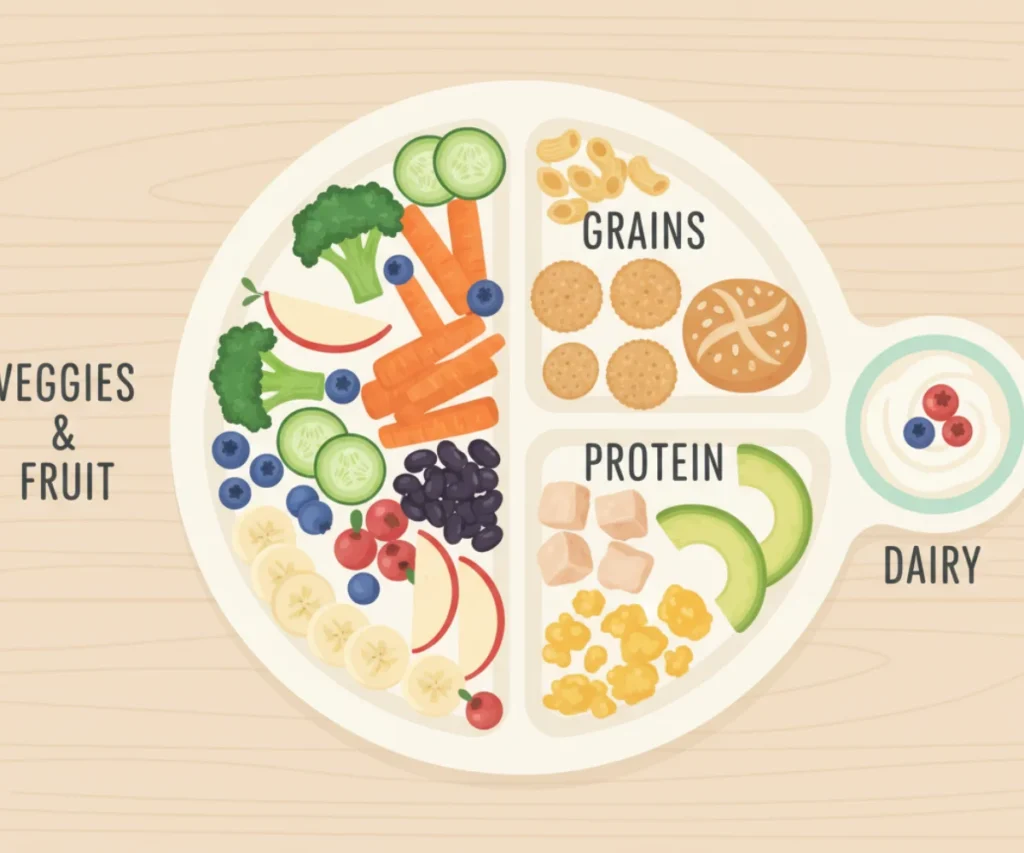
Toddlers are little powerhouses of energy and development. Their bodies and brains are growing at an incredible rate, which means they have higher nutritional needs per pound of body weight than adults do. However, their tummies are small, so they can’t eat a huge amount at any one meal. This is where healthy snacks come in.
Snacks play a crucial role in bridging the nutritional gaps between meals, providing a steady supply of energy and essential vitamins and minerals throughout the day. Skipping snacks or relying on less nutritious options can lead to energy slumps, moodiness, and a lack of crucial nutrients needed for growth, learning, and overall well-being. Think of snacks as mini-meals that contribute significantly to their overall dietary intake.
Understanding Toddler Nutritional Needs
Toddlers need a variety of nutrients to thrive. This includes protein for muscle growth, carbohydrates for energy, healthy fats for brain development, and a wide range of vitamins and minerals. Because they have small stomachs, they often need to eat every two to three hours. Offering nutrient-dense snacks helps ensure they get enough calories and nutrients without feeling overwhelmed by large meal portions.
It’s also a time when many toddlers start to assert their independence, which can manifest as picky eating. Offering a diverse range of healthy snacks can expose them to new flavors and textures, encouraging them to develop a broader palate over time. Patience and repeated exposure, without pressure, are key strategies during this developmental stage.
General Principles for Choosing Toddler Snacks
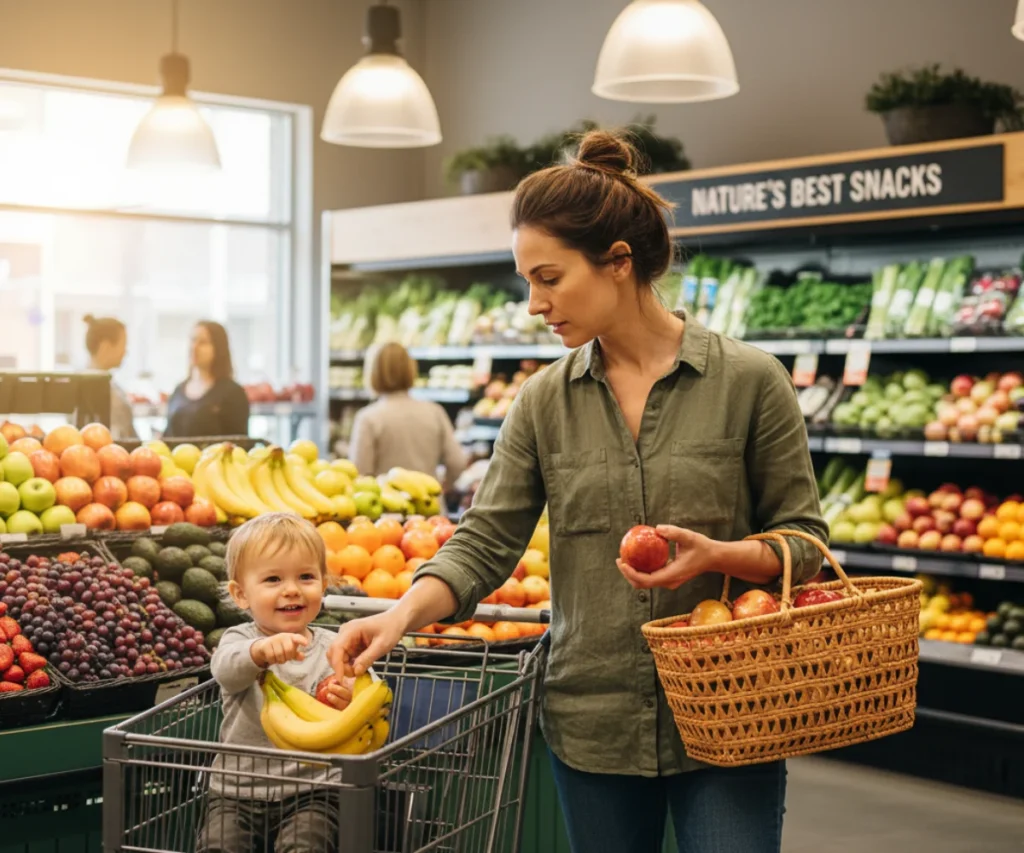
Before we dive into our list of 12 fantastic snack ideas, let’s briefly touch on some general principles that will help you choose the best options for your little one:
- Focus on Whole Foods: Prioritize minimally processed foods like fruits, vegetables, whole grains, dairy, and lean proteins.
- Limit Added Sugar and Salt: Many packaged snacks are loaded with these, which aren’t beneficial for a toddler’s developing body. Check labels carefully.
- Consider Portion Sizes: Snacks should be enough to curb hunger until the next meal, not replace it. A small handful is often sufficient.
- Texture and Safety: Always consider choking hazards. Cut foods into small, bite-sized pieces, and supervise your child while they eat. Avoid sticky, hard, or round foods that can pose a risk.
- Hydration: Offer water alongside snacks. Sugary drinks should be avoided.
- Balance: Aim for a mix of food groups over the course of the day. A snack can include a fruit and a protein, or a grain and a healthy fat.
Our Top 12 Healthy Snacks for Toddlers
1. Fruit and Veggie Sticks with Dip
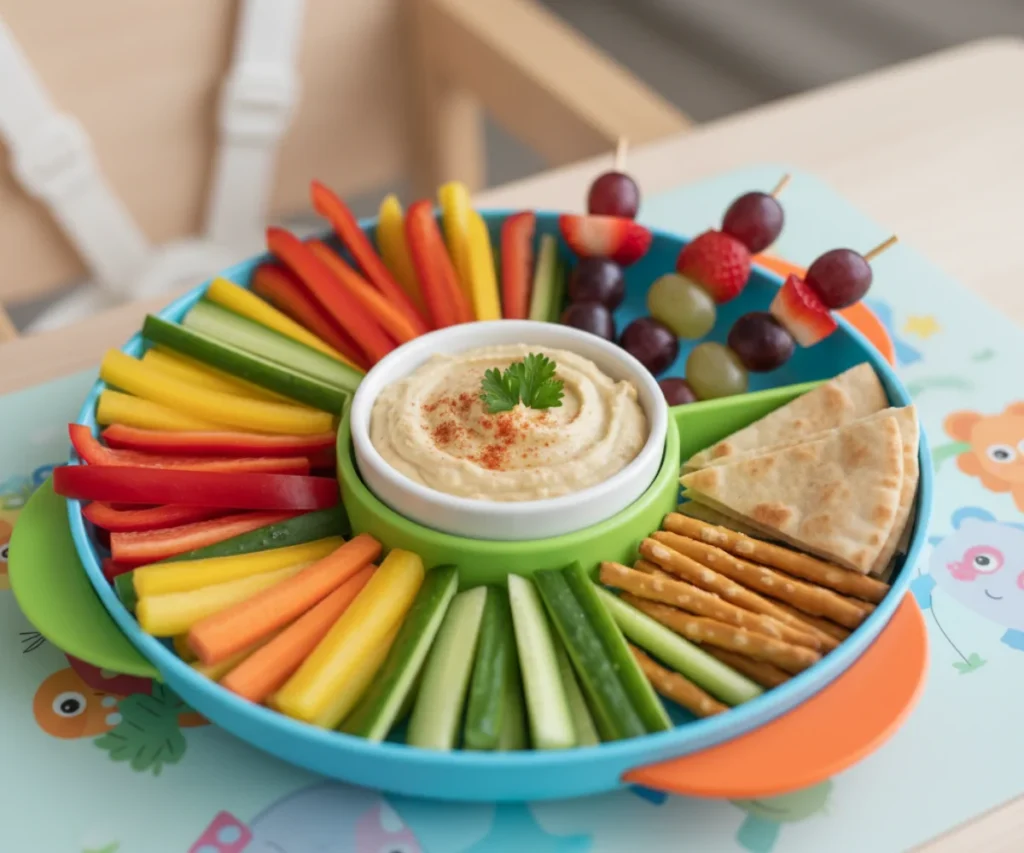
This classic snack is a winner for a reason! Fresh fruits and vegetables are packed with vitamins, minerals, and fiber, essential for your toddler’s health. The key is offering them in appealing, easy-to-manage forms. Think soft cooked carrot sticks, cucumber spears, bell pepper strips (if your toddler can chew well), apple slices (peeled and cored), pear slices, or melon chunks. Cut everything into age-appropriate sizes to prevent choking hazards.
Adding a dip can make this snack even more exciting and boost its nutritional value. Try plain whole milk yogurt mixed with a pinch of cinnamon, or a smear of hummus (check for low sodium versions). These dips add protein and healthy fats, making the snack more satisfying and often more palatable for little ones who might be hesitant about plain veggies. Remember, small portions are best for toddlers. This snack helps develop fine motor skills as they learn to grasp and dip.
2. Plain Whole Milk Yogurt
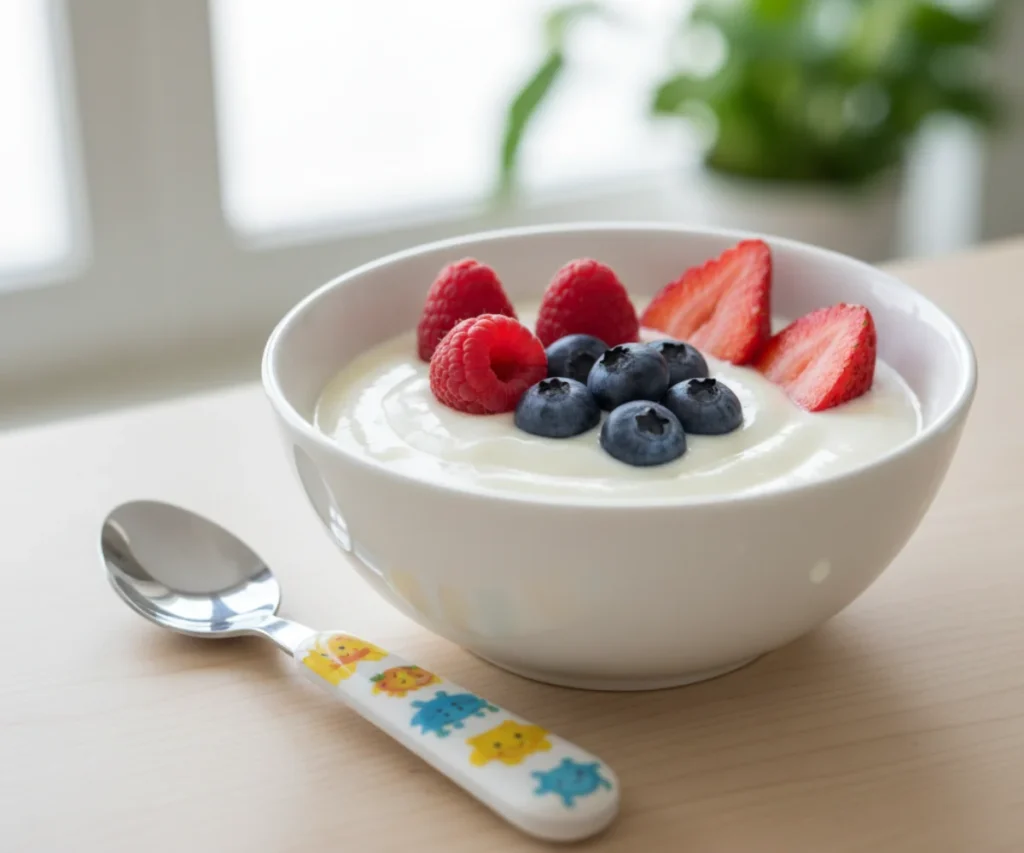
Yogurt is a fantastic snack for toddlers, offering a rich source of calcium for strong bones and teeth, and protein for growth. Opt for plain, whole milk yogurt to ensure they’re getting healthy fats for brain development and to avoid unnecessary added sugars found in many flavored yogurts. Whole milk provides the extra fat calories toddlers need.
If your toddler isn’t keen on plain yogurt, you can naturally sweeten it with a few fresh berries, a swirl of apple sauce, or a tiny sprinkle of cinnamon. You can also mix in some finely grated fruit or a spoonful of nut butter (if no allergies and thinly spread for safety). It’s incredibly versatile and provides beneficial probiotics for gut health, making it a great choice for a developing digestive system.
3. Cheese Cubes or Sticks
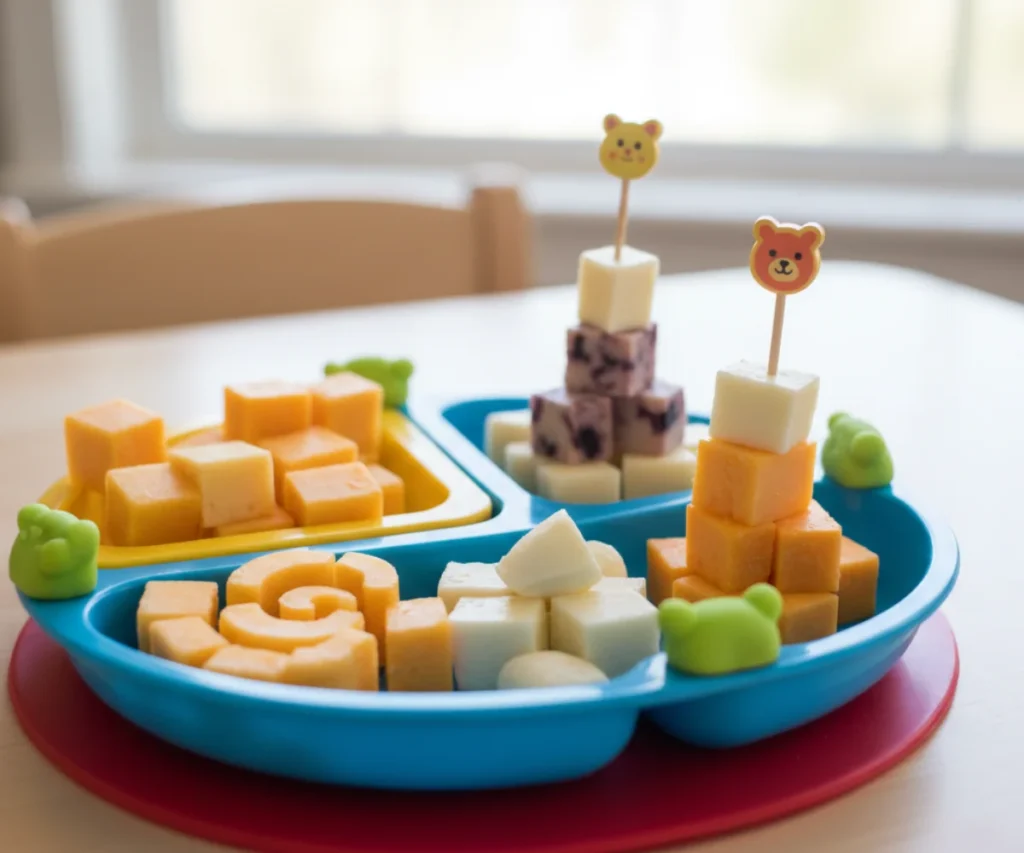
Cheese is another excellent source of calcium and protein, making it a satisfying and nutritious snack. It’s also incredibly convenient for busy parents. Choose mild cheeses like cheddar, mozzarella, or Colby. Cut them into small, bite-sized cubes or offer cheese sticks that toddlers can easily hold and gnaw on. Avoid string cheese for very young toddlers as it can be a choking hazard if they tear off large strands.
Cheese offers healthy fats that contribute to satiety and provide energy. It’s a great finger food that helps toddlers practice their pincer grasp and self-feeding skills. Pair cheese with a few whole-grain crackers or some fruit for a balanced snack. Always ensure the cheese is cut into manageable pieces suitable for your child’s chewing abilities.
4. Whole-Grain Crackers with Healthy Toppings
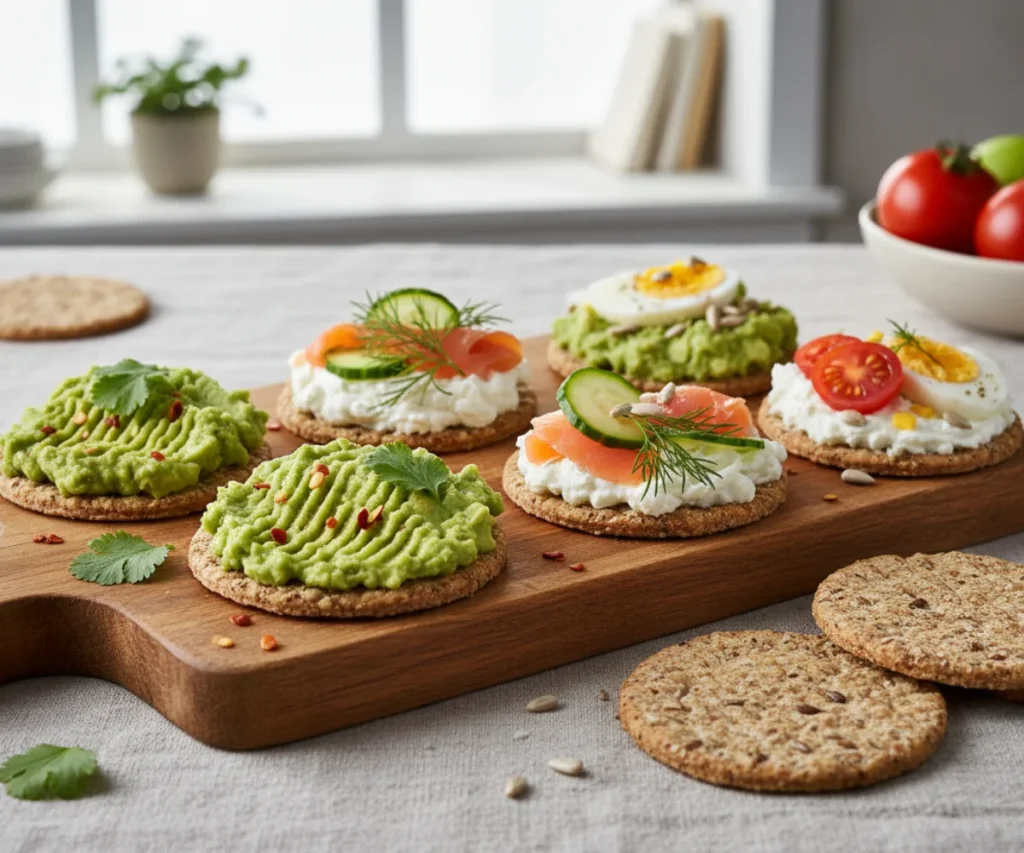
Whole-grain crackers provide fiber and energy, making them a good base for a healthy snack. Look for crackers with minimal ingredients and low sodium. The magic happens with the toppings, which allow you to add more nutrients and flavor. Think beyond plain crackers!
Some great topping ideas include a thin spread of avocado (healthy fats!), cottage cheese, cream cheese, or a very thin layer of nut butter (peanut butter, almond butter). When using nut butter, spread it thinly across the cracker and never offer large dollops, as it can be a choking hazard due to its sticky consistency. Fruit purees or finely mashed berries can also be spread on crackers for a touch of natural sweetness. This snack offers a satisfying crunch and can be customized endlessly.
5. Hard-Boiled Eggs
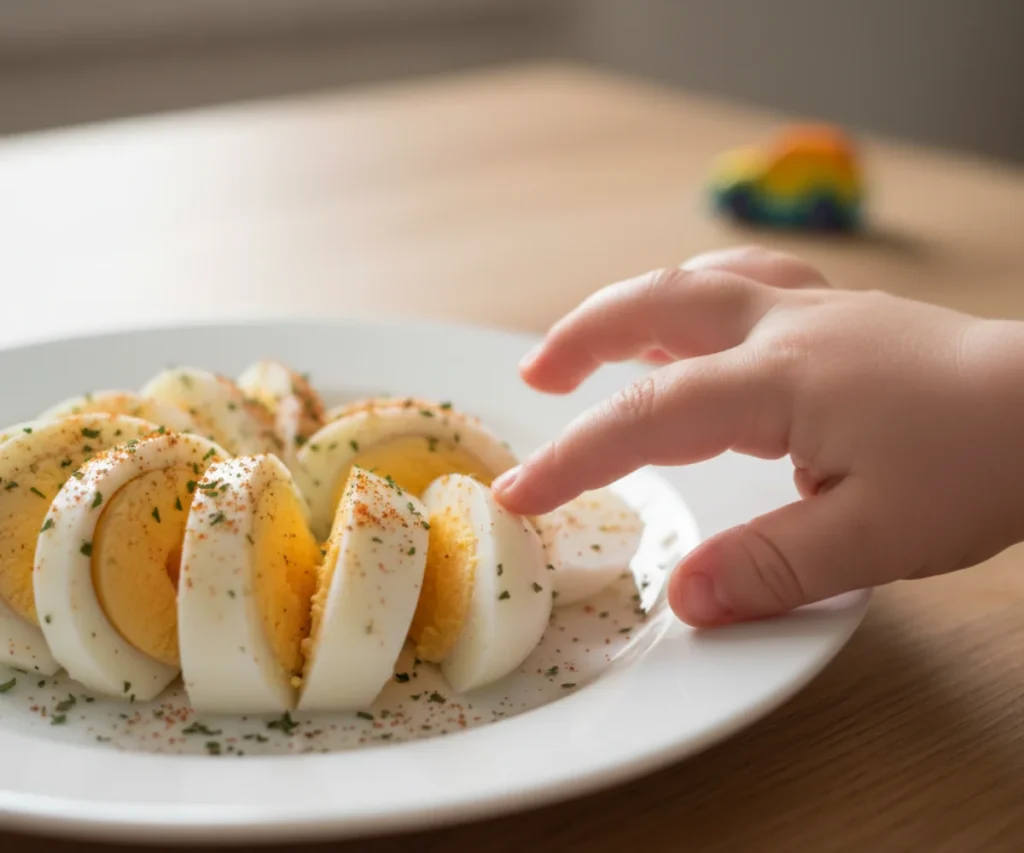
Hard-boiled eggs are a nutritional powerhouse for toddlers. They are packed with high-quality protein, which is essential for growth, and contain choline, vital for brain development. Plus, they are incredibly easy to prepare in advance and store in the fridge for a quick grab-and-go snack.
Serve a hard-boiled egg cut into small, quartered pieces or mashed slightly. Some toddlers enjoy them plain, while others might like a tiny sprinkle of salt-free seasoning (like a pinch of paprika) or served alongside some cucumber slices. Eggs are a very filling snack that can keep hunger at bay until the next meal, and they offer a good source of iron, which is often a nutrient of concern for toddlers.
6. Nutrient-Rich Smoothies
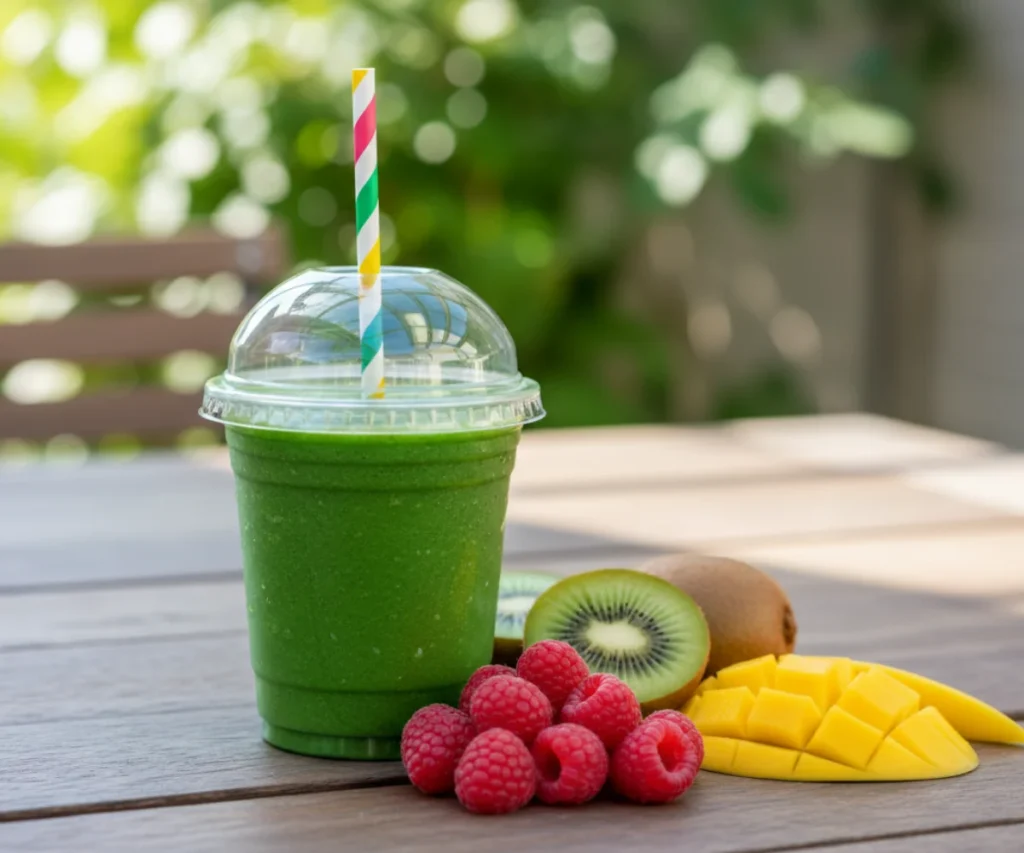
Smoothies are a fantastic way to sneak in extra fruits, vegetables, and other nutrients, especially for picky eaters. They are quick to make and can be highly customizable. Use a base of whole milk, plain whole milk yogurt, or a dairy-free alternative.
Blend in a variety of ingredients like spinach (often goes unnoticed in a fruit smoothie!), banana, berries, mango, or even a small scoop of cooked oats for added fiber. You can also add a touch of nut butter for healthy fats and protein. Serve smoothies in a small cup with a straw or even a reusable pouch. This is a perfect way to ensure your toddler gets a boost of vitamins and hydration, especially on warmer days or when you’re on the go.
7. Edamame (Shelled)
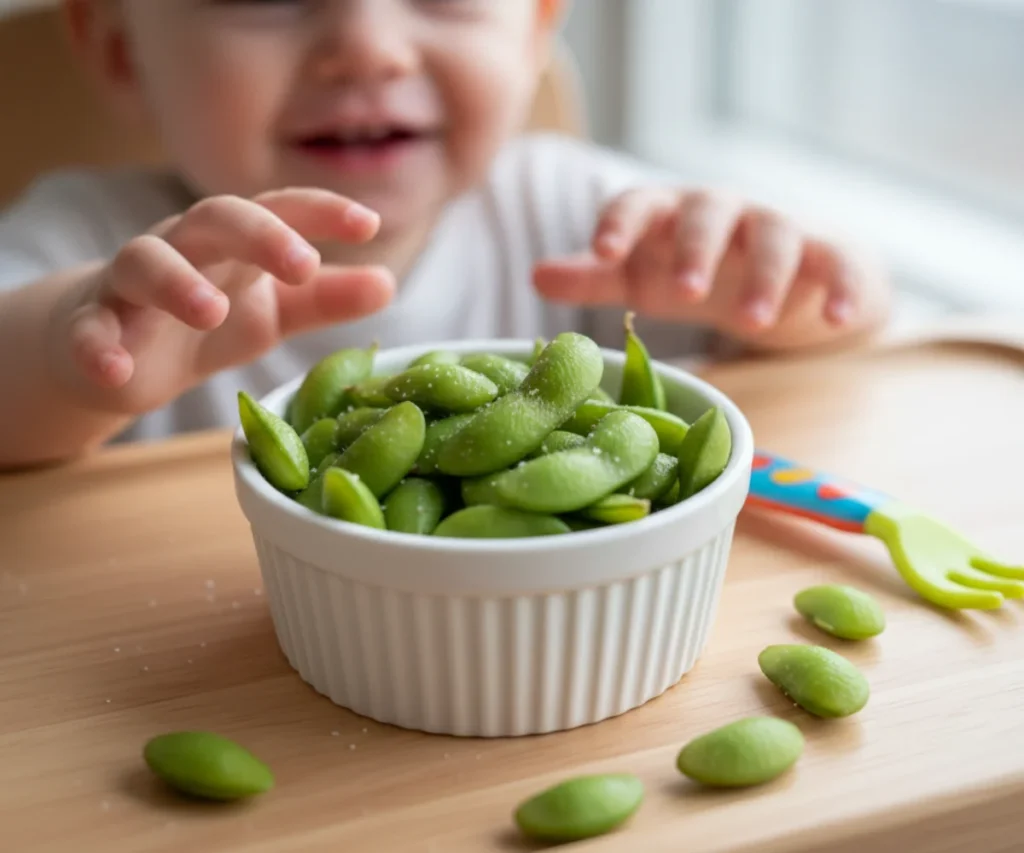
Shelled edamame beans are a wonderfully nutritious and fun snack for toddlers (usually 18+ months and older, who have good chewing skills). They are rich in plant-based protein, fiber, and iron. The process of picking them up and popping them into their mouth can also be engaging for little ones, helping with fine motor development.
Simply steam or boil frozen shelled edamame until tender, let them cool, and offer them in a small bowl. Make sure they are completely cool to avoid burns. Always supervise your toddler while they eat edamame, ensuring they chew thoroughly. Avoid whole edamame in pods for toddlers, as the pods can be a choking hazard. This is a fantastic alternative to highly processed snacks.
8. Puffed Rice Cakes or Corn Cakes
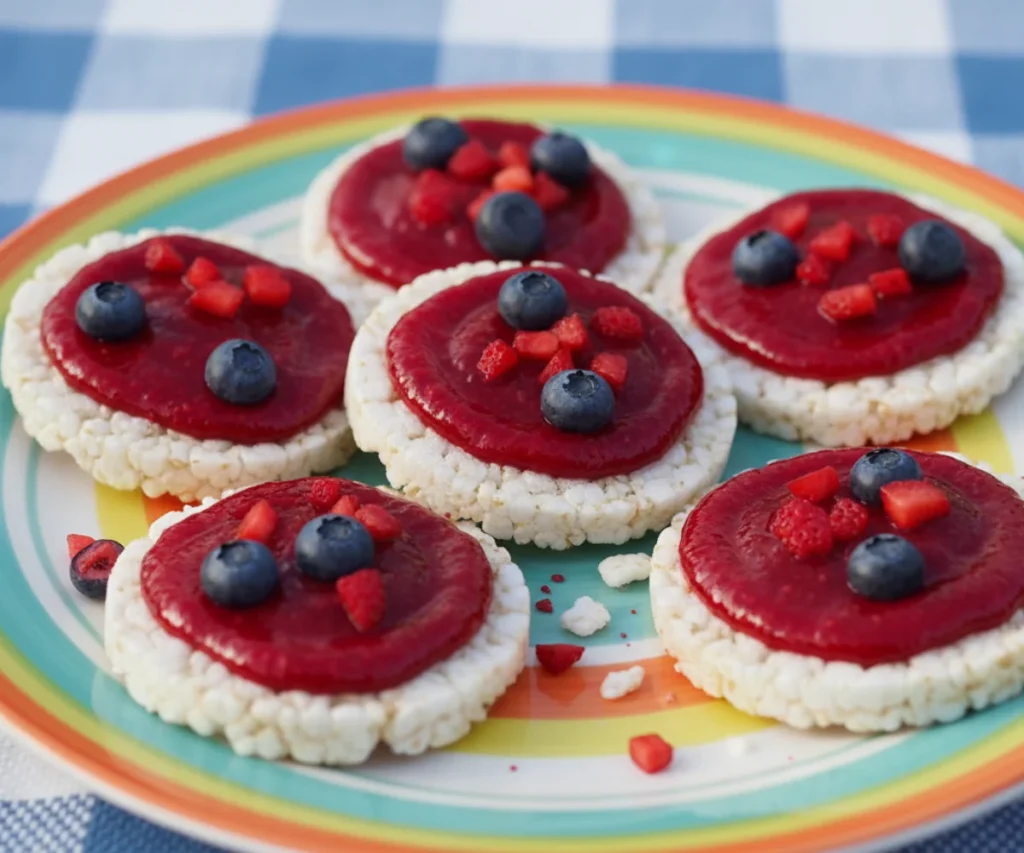
Light, airy, and easy to hold, plain puffed rice cakes or corn cakes can be a versatile snack for toddlers. They offer a mild base that you can build upon with various healthy toppings. Look for unsalted or very low sodium varieties with minimal ingredients.
Instead of offering them plain, enhance their nutritional value with a thin spread of avocado, cream cheese, hummus, or a small amount of fruit puree (like mashed banana or apple butter). You can also sprinkle a tiny bit of chia seeds for extra fiber. Rice cakes are great for practicing biting and chewing, and their mild flavor makes them generally well-accepted. Break them into smaller pieces if your toddler is just starting with solid foods to prevent large chunks.
9. Homemade Mini Muffins
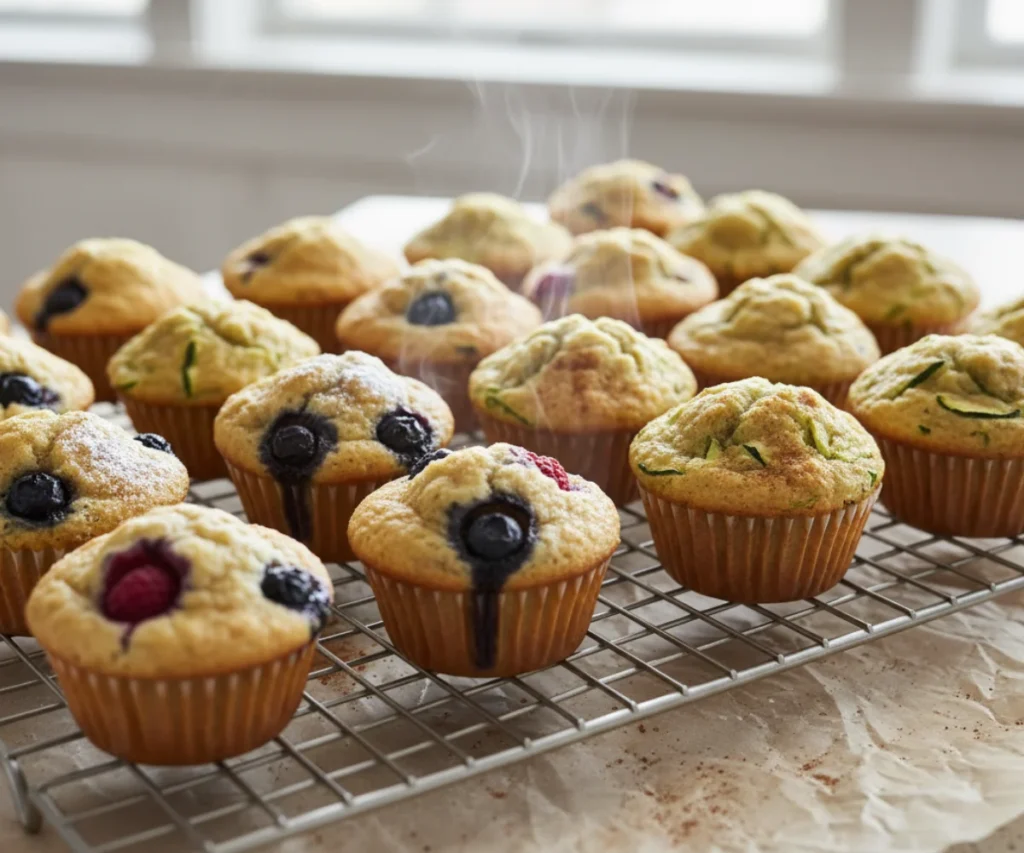
Making your own mini muffins gives you complete control over the ingredients, allowing you to create truly healthy and delicious snacks. You can pack them with nutritious elements like whole-wheat flour, grated vegetables (zucchini, carrots), fruits (berries, bananas, applesauce), and even a touch of protein from plain yogurt or an egg. Significantly reduce or eliminate added sugar from recipes typically found for adults.
Mini muffins are perfect for little hands, and you can bake a batch and freeze them for quick access. Thaw them overnight or warm them slightly for a comforting snack. They are fantastic for adding fiber and hidden veggies to your toddler’s diet, making them a convenient and customizable option for snack time.
10. Low-Sugar Dry Cereal
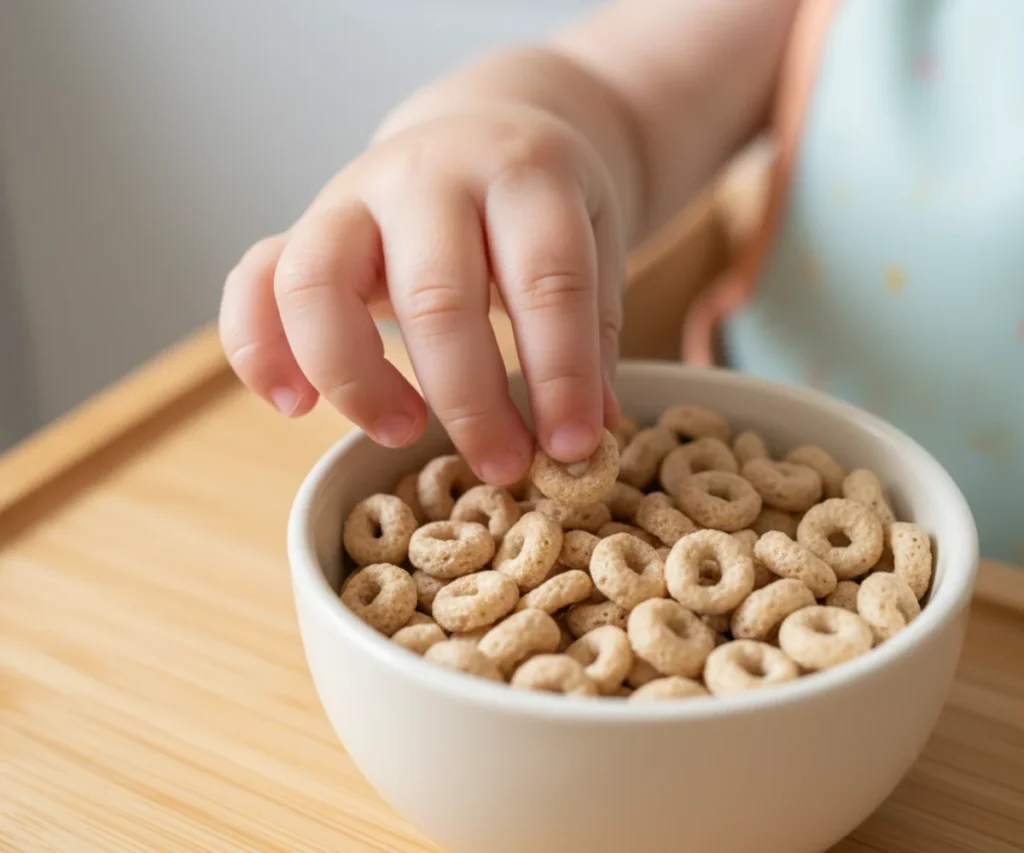
Certain dry cereals can make a great, quick, and easy snack for toddlers. The key is to choose varieties that are low in sugar and made from whole grains. O-shaped cereals, like Cheerios (check label for sugar content), are excellent because they are easy for little fingers to pick up, helping to develop fine motor skills and pincer grasp.
Serve a small handful dry in a bowl. This is a convenient snack for when you need something fast, or for keeping your toddler occupied in their high chair for a few minutes. Always check the nutrition label to ensure there’s minimal added sugar and that it’s fortified with essential vitamins and minerals. Avoid sugary cereals that offer little nutritional value beyond empty calories.
11. Air-Popped Popcorn (for older toddlers, with caution)

For older toddlers (generally 3 years and up, and only if they have excellent chewing skills and you are supervising closely), plain air-popped popcorn can be a fun and fibrous snack. It offers whole grains and can be a good source of fiber. However, it is crucial to exercise extreme caution.
Popcorn is a well-known choking hazard for young children. Ensure it’s air-popped (no butter or excessive salt), and carefully pick out any unpopped kernels. Never leave a toddler unattended with popcorn. If you’re at all unsure about your child’s chewing abilities, it’s best to hold off on popcorn until they are older. For toddlers who can safely manage it, it can be a novel and enjoyable treat.
12. Avocado Slices
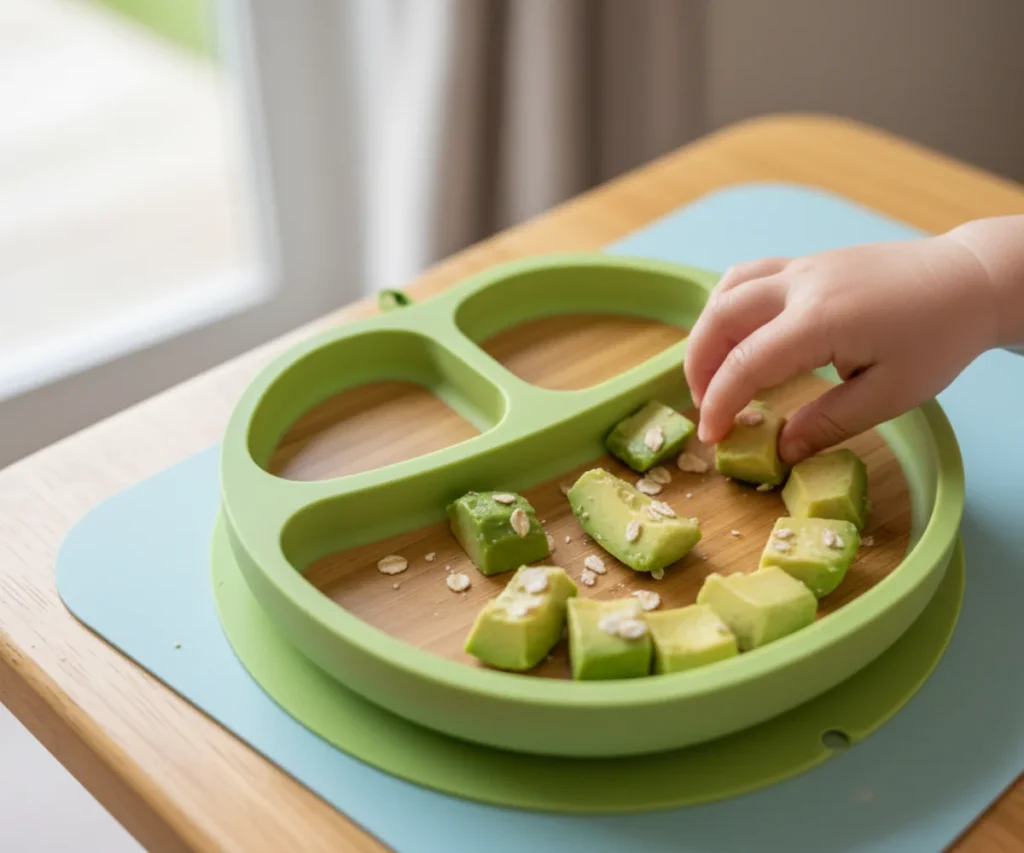
Avocado is a superfood for toddlers, packed with healthy monounsaturated fats that are crucial for brain development. It’s also a good source of fiber and various vitamins and minerals. Its soft, creamy texture makes it incredibly easy for toddlers to eat, even those with limited teeth.
Simply slice a ripe avocado into small, manageable pieces or mash it slightly. You can offer it plain, or sprinkle a tiny bit of nutritional yeast for a cheesy flavor and added B vitamins. Avocado is a fantastic energy source, helps with satiety, and is wonderfully versatile, pairing well with almost anything. It’s an ideal, naturally soft finger food that requires minimal preparation.
Practical Tips for Successful Toddler Snacking
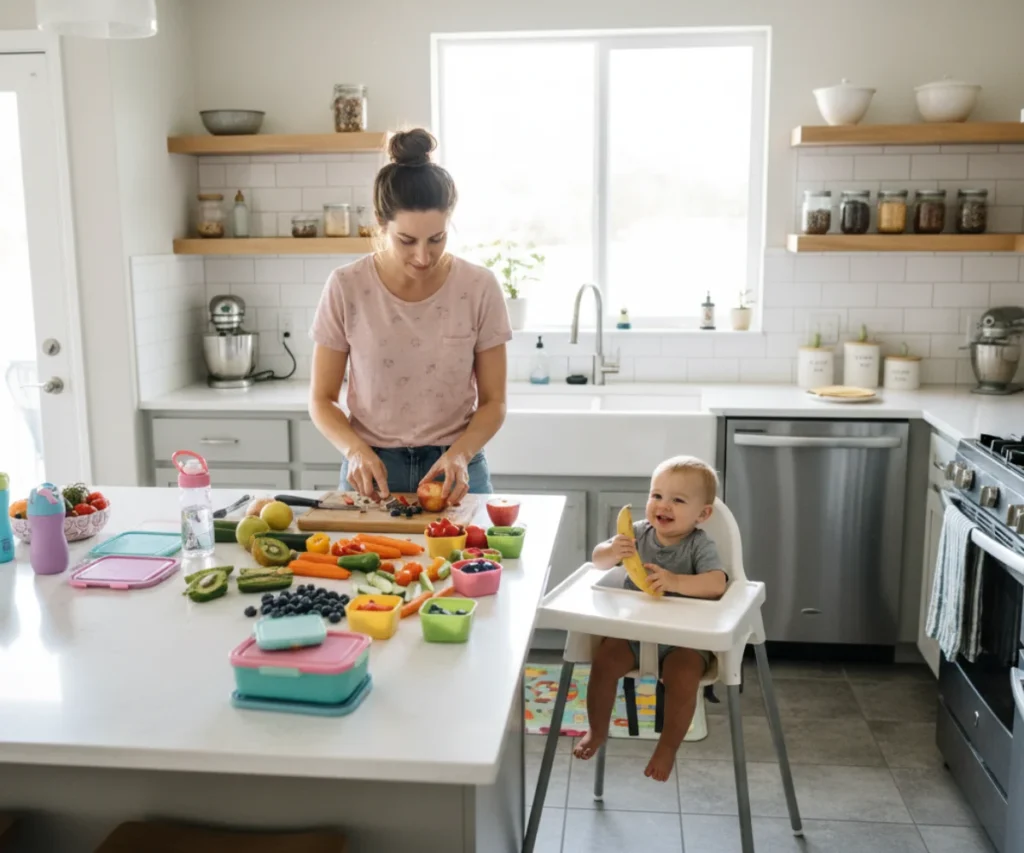
Offering healthy snacks is just one piece of the puzzle. How you approach snack time can make a big difference in fostering positive eating habits.
Timing and Routine
Establish a routine for snacks, offering them at predictable times between meals. This helps toddlers understand when to expect food and prevents constant grazing, which can interfere with their appetite at mealtimes. Generally, one or two snacks between main meals are sufficient. Avoid letting them graze all day, as this can lead to them never feeling truly hungry for a meal.
Portion Control Matters
Remember that snacks are not mini-meals. They are meant to bridge the hunger gap. Offer small, appropriate portions. Over-snacking can lead to a lack of appetite at meal times, potentially causing them to miss out on other essential nutrients. Start with a small amount and offer more if your toddler is still hungry.
Involve Your Toddler (Safely)
Toddlers love to feel independent. Involving them in snack preparation or choice can empower them and make them more likely to eat what’s offered. Let them choose between two healthy options