As parents, we want nothing more than to see our children thrive, grow, and live their healthiest, happiest lives. The topic of childhood obesity can feel daunting, but it’s one we need to approach with understanding, compassion, and practical strategies. It’s not about blame or shame, but about equipping ourselves with the knowledge and tools to foster a supportive environment where our children can flourish.
In this comprehensive guide, we’ll explore the real risks associated with childhood obesity and, more importantly, empower you with actionable, parent-friendly prevention tips. Remember, every small step you take makes a big difference in shaping your child’s well-being for years to come.
Understanding Childhood Obesity
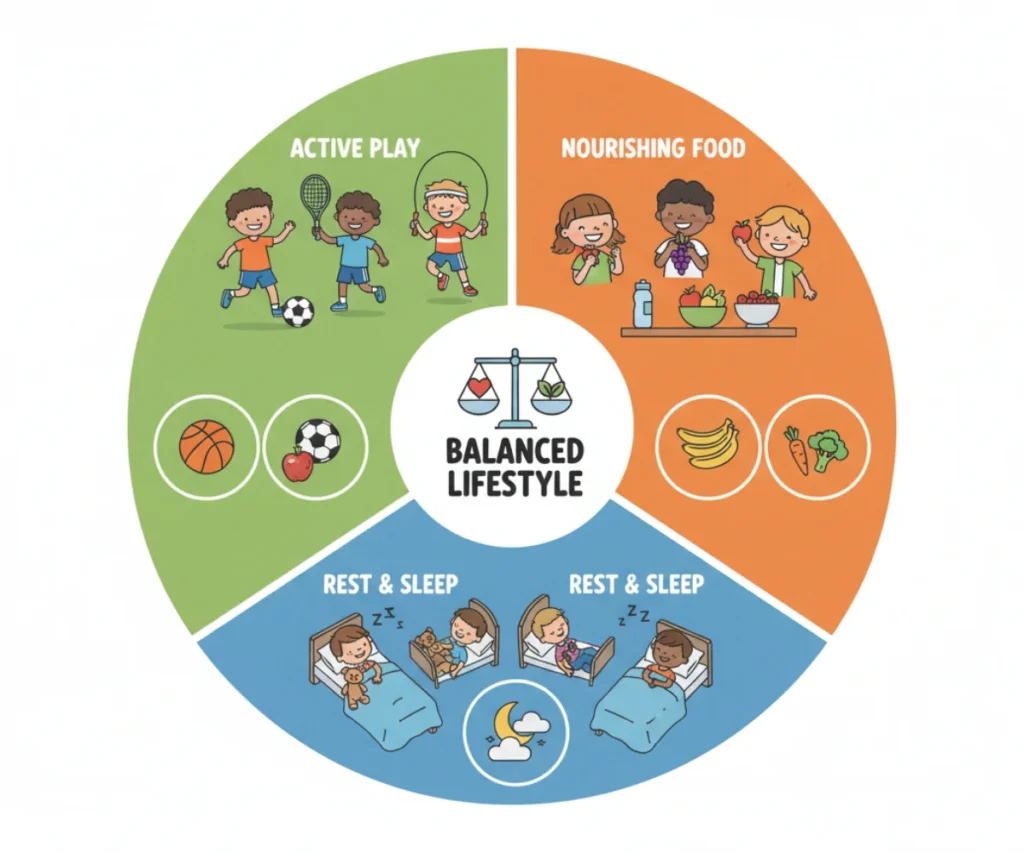
Childhood obesity is a complex health issue defined by an excessive amount of body fat. It’s not just about a child being ‘chubby’ or ‘big-boned’; it’s a medical condition that can significantly impact a child’s health both now and in the future. Pediatricians typically diagnose obesity using Body Mass Index (BMI) charts specifically designed for children, which account for age and sex.
It’s important to distinguish between a healthy weight for a child and obesity. Growth patterns vary greatly among children, and a pediatrician is the best resource to help interpret your child’s growth trajectory and address any concerns. The goal isn’t to make children ‘thin,’ but to help them achieve and maintain a healthy weight that supports their overall development and reduces health risks.
Why Childhood Obesity Matters Now More Than Ever
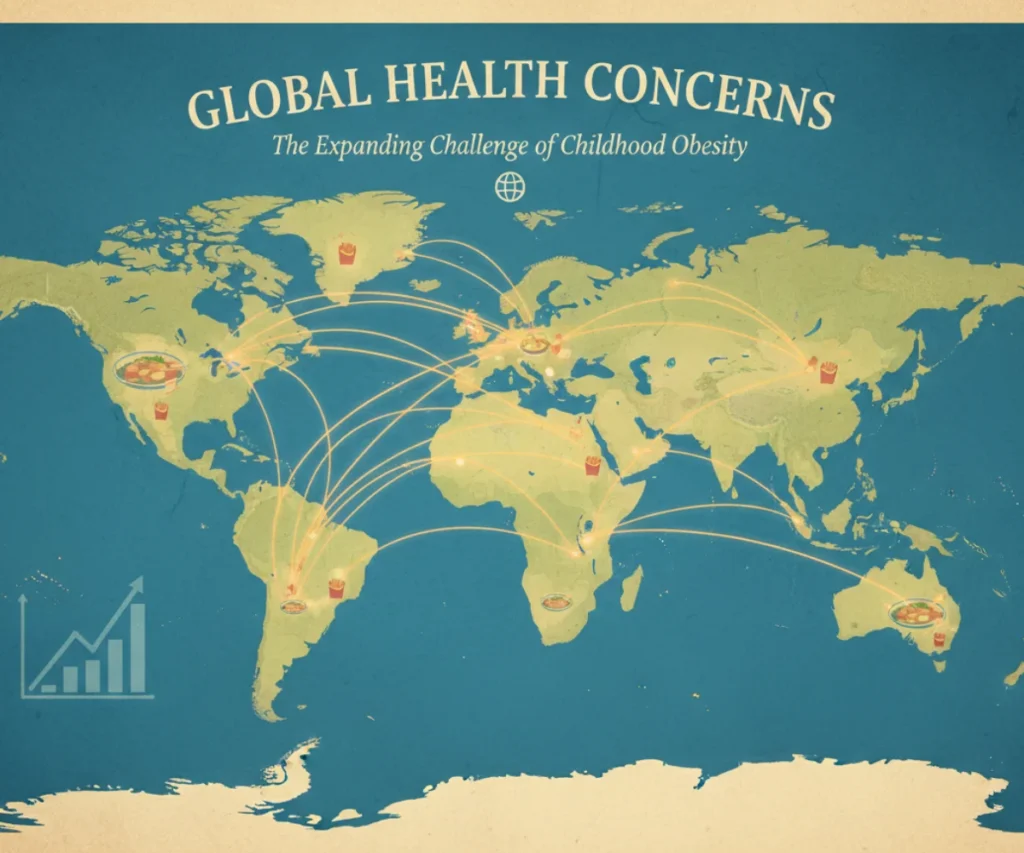
Over the past few decades, the rates of childhood obesity have risen significantly worldwide. This isn’t just a statistical trend; it represents a growing challenge for families and healthcare systems. Lifestyle changes, including increased access to highly processed foods, decreased physical activity due to screen time, and busy family schedules, all contribute to this rise. Addressing it early is crucial because the habits formed in childhood often carry into adulthood.
The Risks of Childhood Obesity
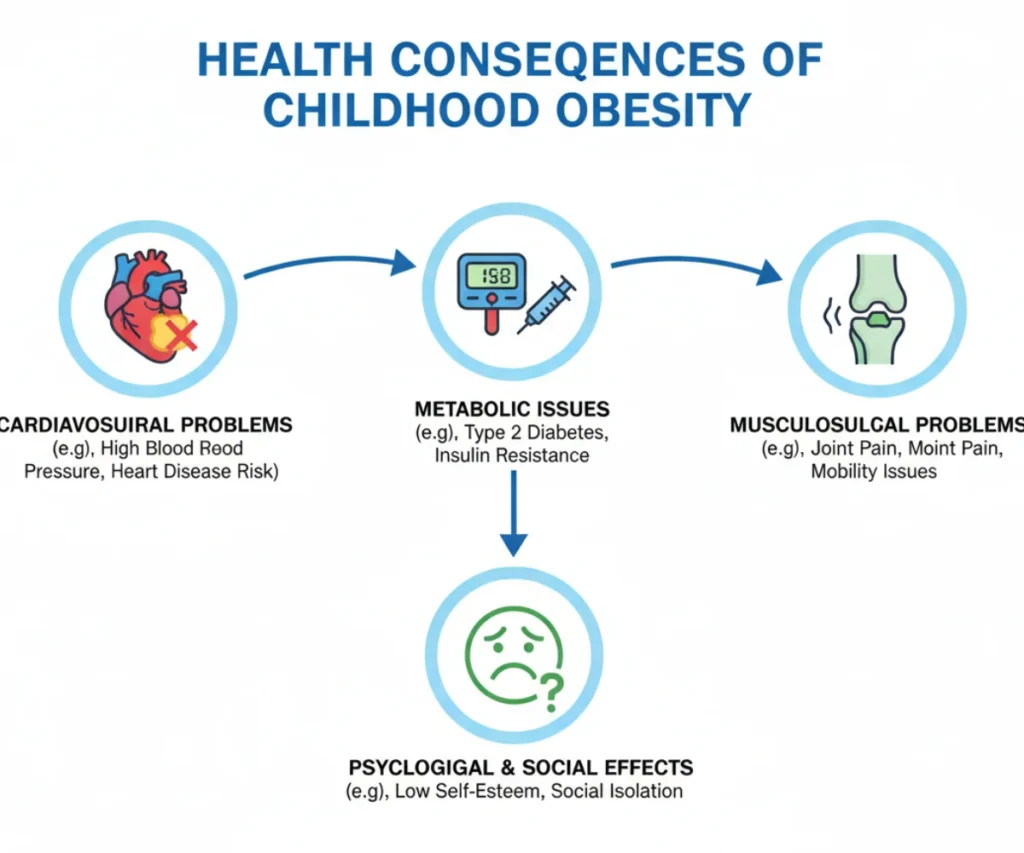
The immediate and long-term health risks associated with childhood obesity are extensive and can profoundly affect a child’s quality of life. Understanding these risks isn’t meant to cause alarm, but to underscore the importance of preventive measures.
Physical Health Risks
Children carrying excess weight are at a higher risk of developing a range of physical health problems that were once primarily seen in adults:
- Type 2 Diabetes: A serious condition where the body doesn’t use insulin properly, leading to high blood sugar.
- Heart Disease: Obesity can lead to high blood pressure and high cholesterol, precursors to heart disease later in life.
- Sleep Apnea: A condition where breathing repeatedly stops and starts during sleep, leading to fatigue and other health issues.
- Joint Problems: Excess weight puts significant strain on developing bones and joints, particularly in the knees and hips.
- Fatty Liver Disease: Non-alcoholic fatty liver disease (NAFLD) is becoming increasingly common in obese children.
- Asthma: Children with obesity may have more severe asthma symptoms.
- Early Puberty: Obesity can sometimes contribute to earlier onset of puberty in girls.
Emotional and Social Well-being
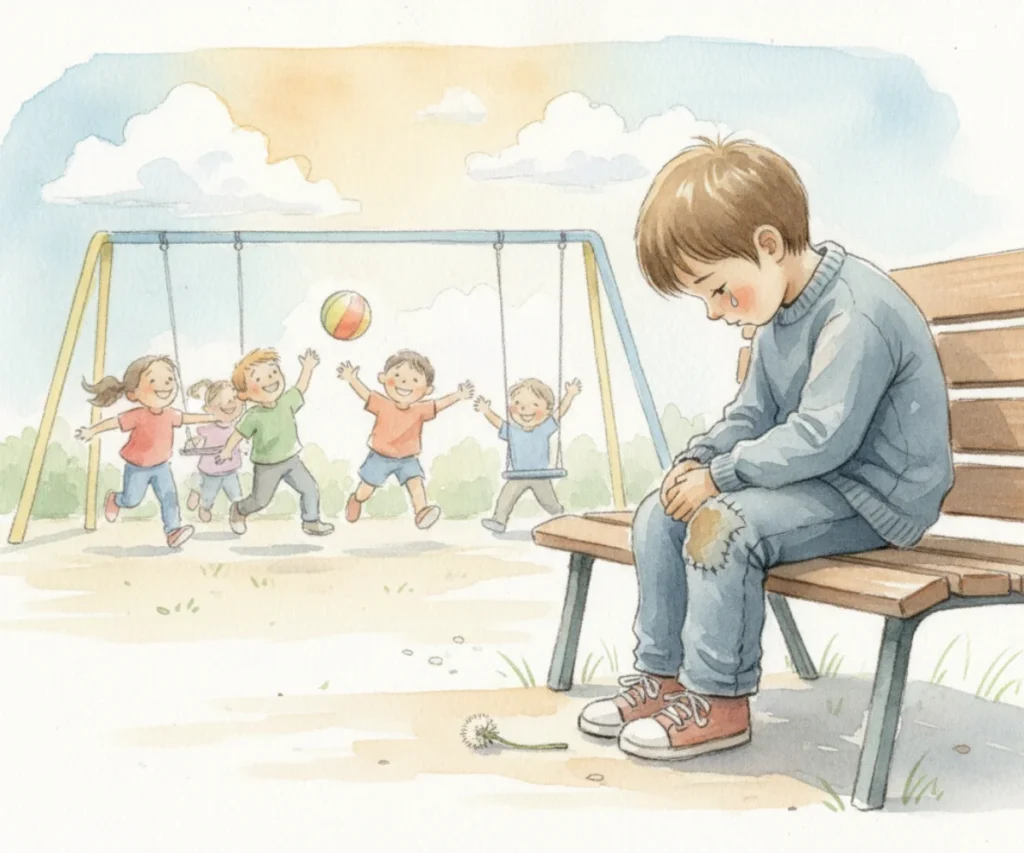
Beyond the physical challenges, childhood obesity can take a significant toll on a child’s emotional and social health:
- Low Self-Esteem and Body Image Issues: Children may feel self-conscious about their appearance, leading to poor self-image.
- Bullying: Sadly, children with obesity are often targets of bullying, which can have lasting psychological impacts.
- Depression and Anxiety: The emotional burden of obesity, combined with social isolation and bullying, can contribute to mental health challenges.
- Social Isolation: Children might withdraw from social activities, especially those involving physical activity, due to feelings of inadequacy or fear of judgment.
Long-Term Impact

The health consequences of childhood obesity often don’t disappear in adulthood. Children with obesity are more likely to become adults with obesity, increasing their risk for a lifetime of chronic diseases, including:
- Cardiovascular disease (heart attacks, strokes)
- Diabetes
- Certain types of cancer
- Osteoarthritis
- Kidney disease
These long-term impacts highlight why prevention during childhood is so critically important.
Prevention is Key A Holistic Approach

The good news is that childhood obesity is largely preventable. The most effective strategies involve a holistic, family-centered approach that focuses on creating a supportive environment for healthy choices. It’s not about restrictive diets or intense exercise regimens for children, but about building sustainable habits as a family.
Nutritional Foundations

What and how our children eat forms the cornerstone of their health. It’s about nurturing a positive relationship with food from an early age.
Balanced Meals and Healthy Snacks
Focus on offering a variety of nutrient-dense foods. Think of colorful plates with plenty of fruits and vegetables, lean proteins, and whole grains. Healthy snacks are crucial for growing bodies and minds; steer clear of highly processed options. Here are some ideas:
- Apple slices with peanut butter
- Carrot sticks and hummus
- Greek yogurt with berries
- A handful of nuts (for older children)
- Whole-grain crackers with cheese
Limiting Sugary Drinks and Processed Foods
Sugary drinks (soda, fruit juice cocktails, sports drinks) are a major source of empty calories and contribute significantly to weight gain. Water and milk are the best choices for children. Similarly, highly processed foods, often high in sugar, unhealthy fats, and sodium, should be limited. Prioritize home-cooked meals whenever possible.
Mindful Eating and Portion Control
Teach children to listen to their bodies. Encourage them to eat when they are hungry and stop when they are full. Avoid using food as a reward or punishment. Portion sizes for children are naturally smaller than for adults; use smaller plates and serve appropriate amounts. You can always offer more if they’re still hungry.
Encouraging Physical Activity

Movement is fundamental for children’s health, both physically and mentally. Aim for at least 60 minutes of moderate to vigorous physical activity daily for school-aged children, and even more for toddlers and preschoolers.
Make it Fun and Family-Oriented
Children are more likely to be active if it’s enjoyable and if their parents participate. Plan family outings that involve movement:
- Go for walks or bike rides together.
- Play tag or hide-and-seek in the park.
- Visit playgrounds regularly.
- Dance to music at home.
- Enroll them in sports or active clubs they genuinely enjoy.
Limit Sedentary Time
Counteract the increasing trend of sedentary behavior by setting limits on screen time and encouraging active alternatives. Every minute spent moving is beneficial.
Prioritizing Sleep

It might seem unrelated, but adequate sleep plays a critical role in weight management. Lack of sleep can disrupt hormones that regulate appetite, leading to increased hunger and cravings for unhealthy foods.
Consistent Sleep Routines
Establish a regular bedtime and wake-up schedule, even on weekends. Create a calming bedtime routine (bath, story, quiet play) to help children wind down. Ensure their bedroom is dark, quiet, and cool.
Managing Screen Time

While screens can offer educational content and entertainment, excessive screen time contributes to sedentary behavior and can disrupt sleep. The American Academy of Pediatrics recommends:
- For children 2-5 years: Limit screen use to 1 hour per day of high-quality programming, co-viewed with a parent.
- For children 6 and older: Place consistent limits on time and types of media. Ensure screen time doesn’t displace adequate sleep, physical activity, and other essential behaviors.
Create ‘screen-free’ zones and times, such as during meals or before bedtime. Encourage alternative activities like reading, creative play, or outdoor adventures.
The Family Unit Leading by Example

Children learn by observing. Your habits and attitudes toward food and activity will heavily influence theirs.
Eat Together as a Family
Family meals offer an opportunity to model healthy eating, connect, and reinforce positive food behaviors. Make mealtimes pleasant, not a battleground.
Be a Role Model
Let your children see you enjoying healthy foods and being physically active. If you make health a priority for yourself, they are more likely to adopt similar values.
Positive Reinforcement
Praise efforts and healthy choices, rather than focusing on weight or specific foods. Celebrate small victories, like trying a new vegetable or choosing water over soda.
Building Positive Body Image
It’s crucial to focus on health, strength, and well-being rather than appearance or weight. Avoid making negative comments about your child’s body or your own. Talk about food in terms of nourishment and energy, not ‘good’ or ‘bad.’
When to Seek Professional Guidance

If you have concerns about your child’s weight or growth, the first and most important step is to speak with their pediatrician. They can assess your child’s individual needs, provide accurate information, and offer guidance tailored to your family. They might also refer you to a registered dietitian or a pediatric weight management specialist if needed. Remember, seeking help is a sign of strength and a commitment to your child’s health.
Conclusion A Journey, Not a Race

Addressing childhood obesity is a journey, not a sprint. It requires patience, consistency, and above all, a loving, supportive environment. By focusing on sustainable lifestyle changes that involve the entire family — healthy eating, regular physical activity, adequate sleep, and mindful screen time — you’re not just preventing risks; you’re building a foundation for a lifetime of well-being for your child. Remember, you’re not alone in this; every parent striving for their child’s health is part of a compassionate community. Keep taking those small, steady steps, and celebrate every healthy choice along the way.