Seeing your little one uncomfortable and fussy due to diaper rash is heartbreaking for any parent. That bright red, irritated skin can seem to appear out of nowhere, leaving you searching for quick, reliable solutions. The good news is, diaper rash is incredibly common, and most cases can be effectively treated at home with consistent care and a few proven strategies.
As a parent, you’re juggling a million things, and a persistent diaper rash can add to your stress. This guide is designed to empower you with practical, parent-tested methods to soothe your baby’s skin and bring them relief fast. We’ll walk you through 12 effective ways to tackle diaper rash, along with advice on prevention and when it’s time to call the doctor.
Understanding Diaper Rash
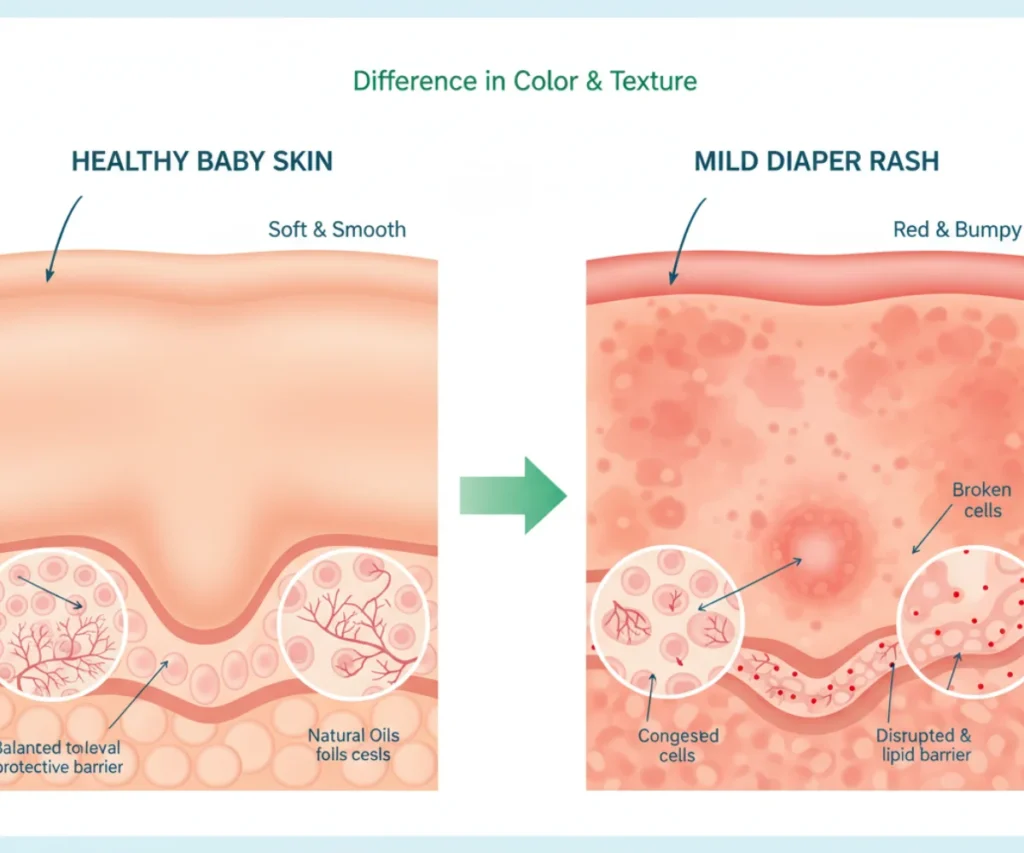
Before diving into treatment, let’s quickly understand what diaper rash is. It’s an inflammatory skin condition that develops in the diaper area, primarily caused by prolonged exposure to wetness (urine and feces), friction from diapers, and irritation from certain chemicals in wipes or soaps. Yeast infections can also sometimes develop in a rash that doesn’t clear up, making it look bright red with small red bumps around the edges.
The 12 Effective Ways to Soothe and Heal
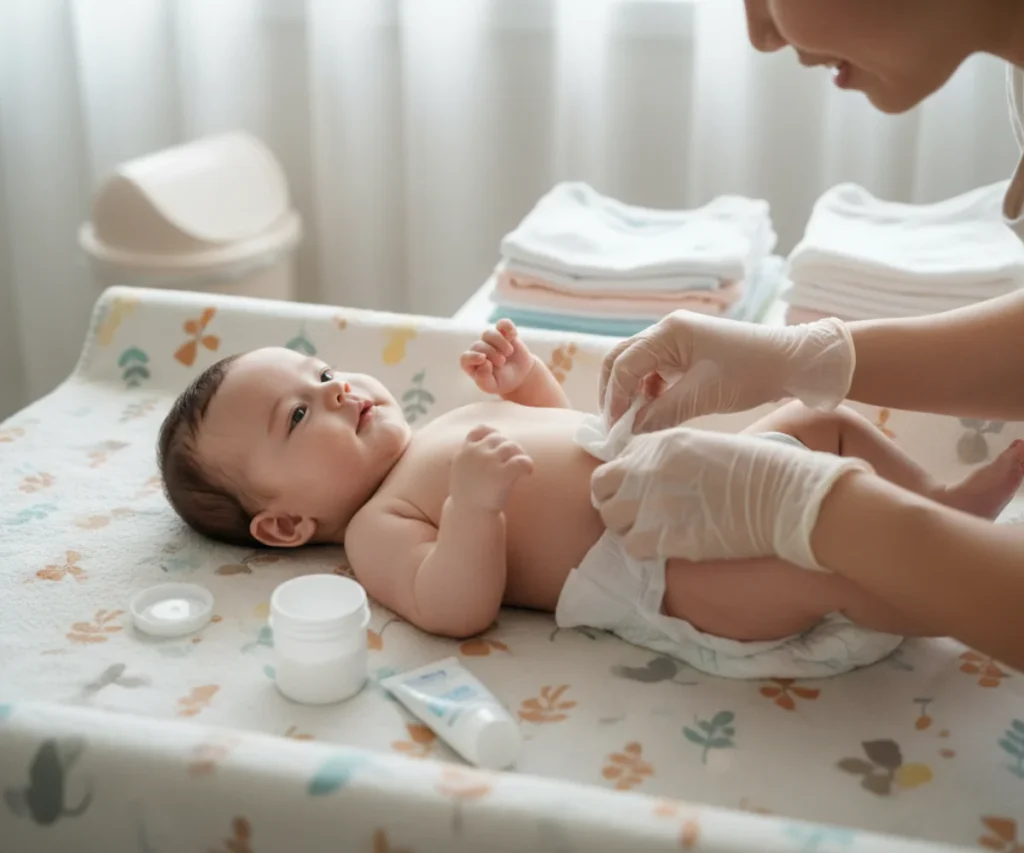
Consistency and a gentle approach are key when treating diaper rash. Here are the 12 strategies that can help clear up your baby’s rash quickly and effectively:
1. Frequent Diaper Changes

This might seem obvious, but it’s the absolute cornerstone of diaper rash treatment. Every minute your baby sits in a wet or soiled diaper, the rash has a chance to worsen. During a rash outbreak, aim to change diapers even more frequently than usual – every 1-2 hours, or immediately after a bowel movement. This minimizes contact with irritants and allows the skin to begin healing.
2. Gentle Cleaning
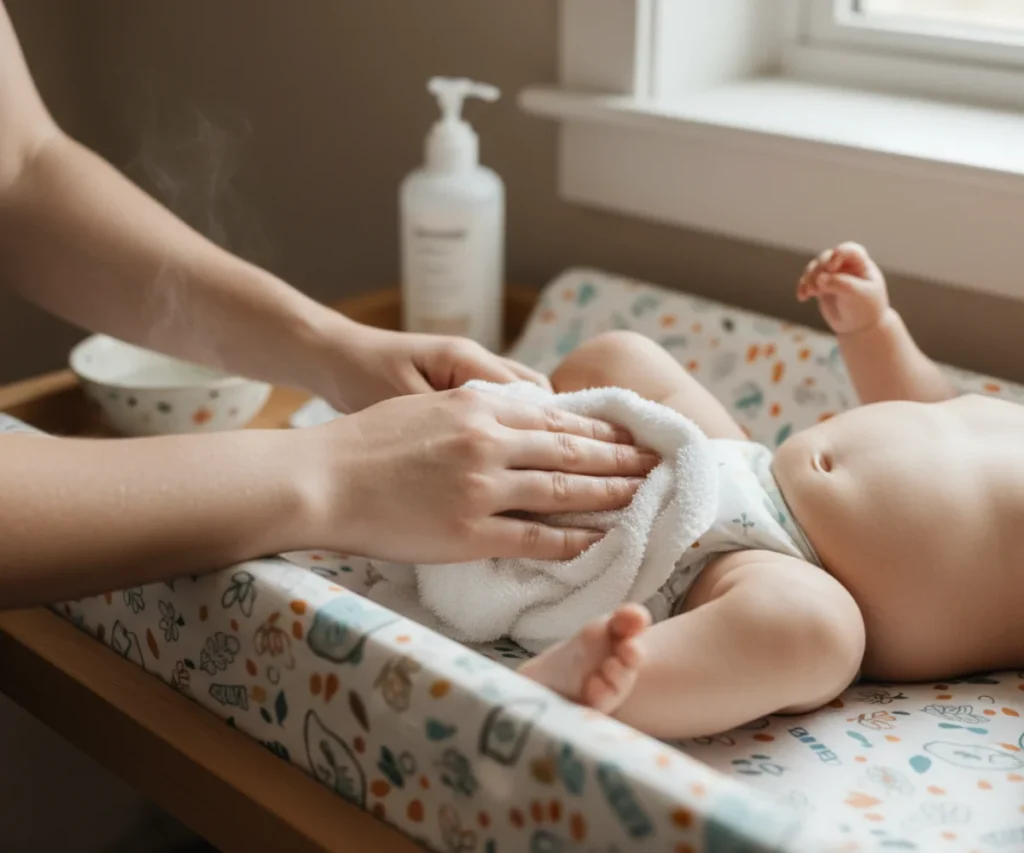
When changing a diaper, avoid harsh rubbing, which can further irritate already sensitive skin. Instead of scented wipes that might contain alcohol or other irritants, opt for a soft washcloth dampened with warm water. For poopy diapers, gently rinse your baby’s bottom under a warm faucet or in a shallow bath to ensure all irritants are removed without excessive rubbing. Pat, don’t wipe.
3. Thorough Drying
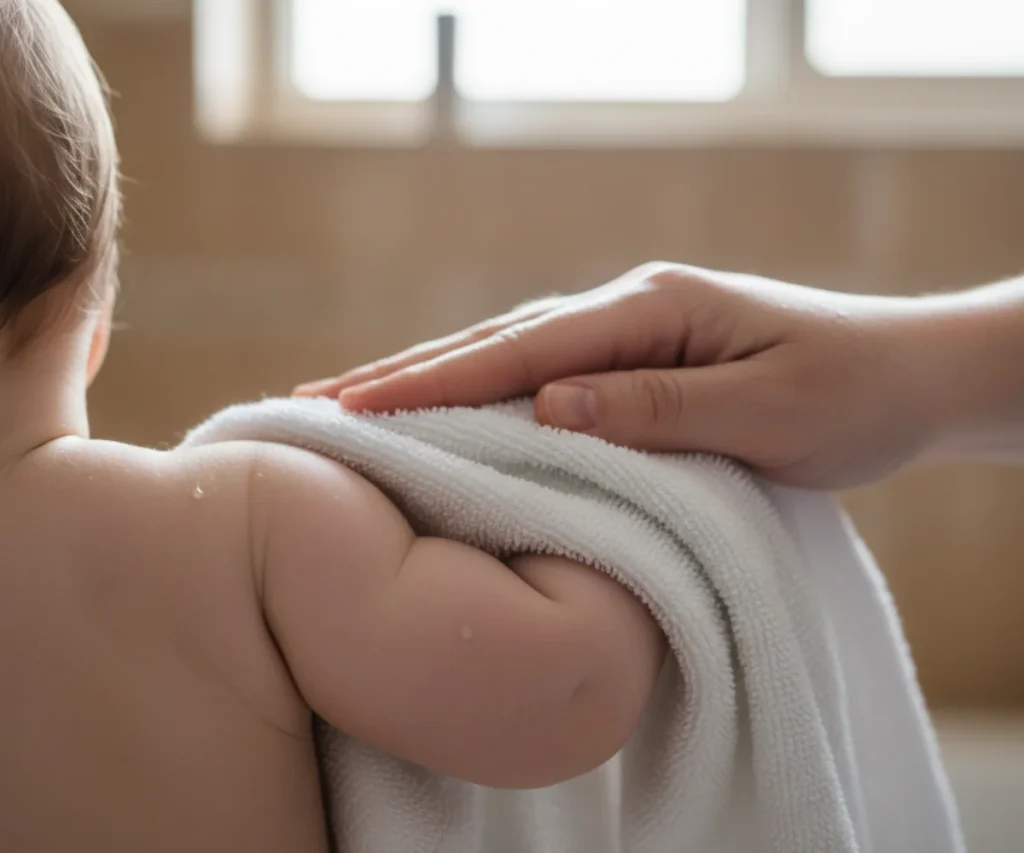
Moisture is the enemy of healing diaper rash. After cleaning, it’s crucial to ensure your baby’s skin is completely dry before applying any creams or a fresh diaper. You can gently pat the area dry with a soft towel or allow a few minutes of air drying. If using a towel, ensure it’s clean and soft to prevent further irritation.
4. Diaper Rash Barrier Creams

Barrier creams create a protective layer between your baby’s skin and wetness. Look for creams containing zinc oxide or petroleum jelly. Zinc oxide is excellent because it not only forms a barrier but also has mild astringent and antiseptic properties that aid healing. Petroleum jelly works well as a simple moisture barrier. Apply a generous layer – you should still see the white cream, not just clear skin, after application. This creates a lasting shield.
5. Allow “Naked Time”
FailedRetry
One of the most effective ways to heal diaper rash is to let your baby go diaper-free for periods throughout the day. Air exposure helps to dry out the rash and promotes healing. Lay your baby on a clean towel or a waterproof pad (accidents happen!) and let them kick and play without a diaper for 10-15 minutes several times a day. This simple practice can make a significant difference.
6. Avoid Irritants

Scrutinize the products you’re using. Scented baby wipes, soaps, lotions, and powders can contain ingredients that irritate sensitive skin, especially when a rash is present. Opt for fragrance-free, alcohol-free, and hypoallergenic products. Plain warm water and a soft cloth are usually the best choice during a rash. Avoid powders, as they can clump and become an irritant when wet, and the dust can be inhaled by your baby.
7. Ensure Proper Diaper Fit
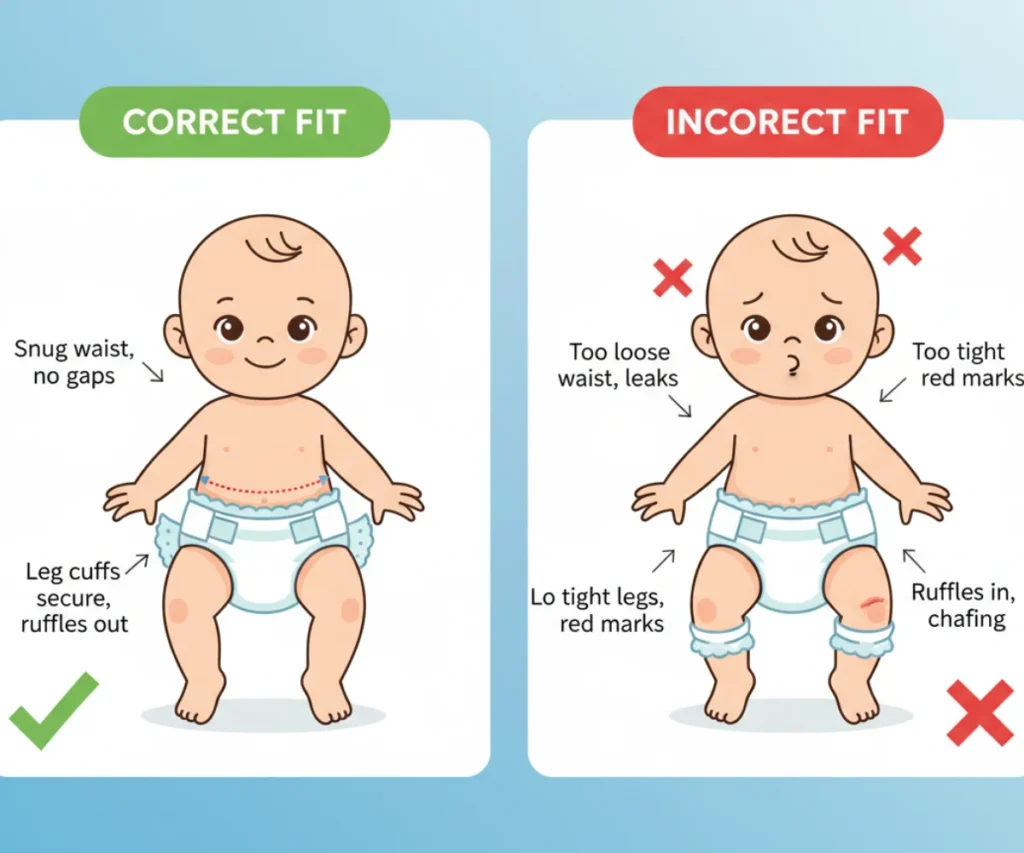
A diaper that’s too tight can cause friction, leading to chafing and worsening a rash. Conversely, a diaper that’s too loose can allow urine and feces to escape and spread, increasing skin contact with irritants. Ensure your baby’s diapers fit snugly but comfortably around the waist and thighs, allowing air circulation without gaps or restriction. Sometimes, going up a size temporarily can help reduce friction.
8. Baking Soda Baths (for mild cases)

For mild to moderate diaper rashes, a baking soda bath can be wonderfully soothing. Baking soda helps to neutralize acids on the skin and can reduce inflammation. Add two tablespoons of baking soda to a warm, shallow bath and let your baby soak for 10-15 minutes. Gently pat dry afterward. This can be done once or twice a day. Always ensure the water isn’t too hot.
9. Colloidal Oatmeal Baths

Colloidal oatmeal is known for its anti-inflammatory and skin-soothing properties. Adding it to your baby’s bath can provide significant relief for itchy, inflamed skin. You can find colloidal oatmeal at most drugstores. Follow the package directions for adding it to a warm bath. Let your baby soak for about 10 minutes, then gently pat them dry.
10. Breast Milk Application (for mild rashes)

If you’re breastfeeding, your breast milk is a powerhouse of antibodies and healing properties. For very mild rashes, a few drops of breast milk can be applied directly to the affected area. Let it air dry before putting on a fresh diaper. While not a standalone treatment for severe rashes, it can offer a gentle, natural boost to healing for minor irritation.
11. Over-the-Counter Antifungal Creams (if yeast suspected)

Sometimes, what looks like a typical diaper rash is actually a yeast infection, especially if the rash is bright red, has raised borders, and features small red bumps (satellite lesions) beyond the main rash area, or if it’s not improving with standard treatments. In such cases, an over-the-counter antifungal cream (like nystatin, clotrimazole, or miconazole) can be helpful. *However, always consult your pediatrician before using antifungal creams on an infant.* They can confirm if it’s a yeast infection and recommend the appropriate product and dosage.
12. Mild Hydrocortisone Cream (short-term, under medical guidance)

For very inflamed and stubborn rashes, your pediatrician might recommend a mild over-the-counter hydrocortisone cream (0.5% or 1%). This steroid cream helps reduce inflammation and redness. *It is crucial to use hydrocortisone cream only under a doctor’s guidance and for very short periods*, as prolonged or improper use can thin delicate baby skin. Always follow your pediatrician’s specific instructions for application and duration.
When to Seek Medical Advice
FailedRetry
While most diaper rashes resolve with home care, there are times when you should consult your pediatrician:
- The rash doesn’t improve within 2-3 days of consistent home treatment.
- The rash appears to be infected (blisters, oozing, pus, fever).
- The rash is unusually severe, painful, or your baby seems to be in significant discomfort.
- The rash spreads beyond the diaper area.
- Your baby develops a fever or seems unwell.
Trust your parental instincts. If something doesn’t feel right, it’s always best to get professional medical advice.
Preventing Future Diaper Rashes
FailedRetry
Once the current rash is healed, you’ll want to take steps to prevent it from returning:
- Continue frequent diaper changes.
- Maintain gentle cleaning and thorough drying routines.
- Consider using a thin layer of barrier cream at every diaper change as a preventative measure.
- Stick to fragrance-free and hypoallergenic baby products.
- Ensure your baby’s diapers fit properly.
- Introduce new foods gradually to monitor for sensitivities that might manifest as diaper rash.
Conclusion
Diaper rash is a common challenge in infancy, but it doesn’t have to be a source of prolonged distress for you or your baby. By consistently applying these 12 effective strategies – focusing on cleanliness, dryness, and protection – you can provide fast relief and promote healing. Remember, patience and diligence are your best tools. With your loving care, your little one will be back to their happy, comfortable self in no time.