Maintaining a nutrient-dense diet is one of the most significant ways to support a healthy pregnancy and promote optimal fetal development. During this period, the body requires increased amounts of macronutrients and micronutrients to build new tissues and support metabolic changes. Selecting the right foods ensures that both the mother and the developing baby receive essential vitamins, minerals, and proteins. This guide outlines twenty of the most beneficial foods to incorporate into a prenatal diet for maximum health benefits.
1. Eggs
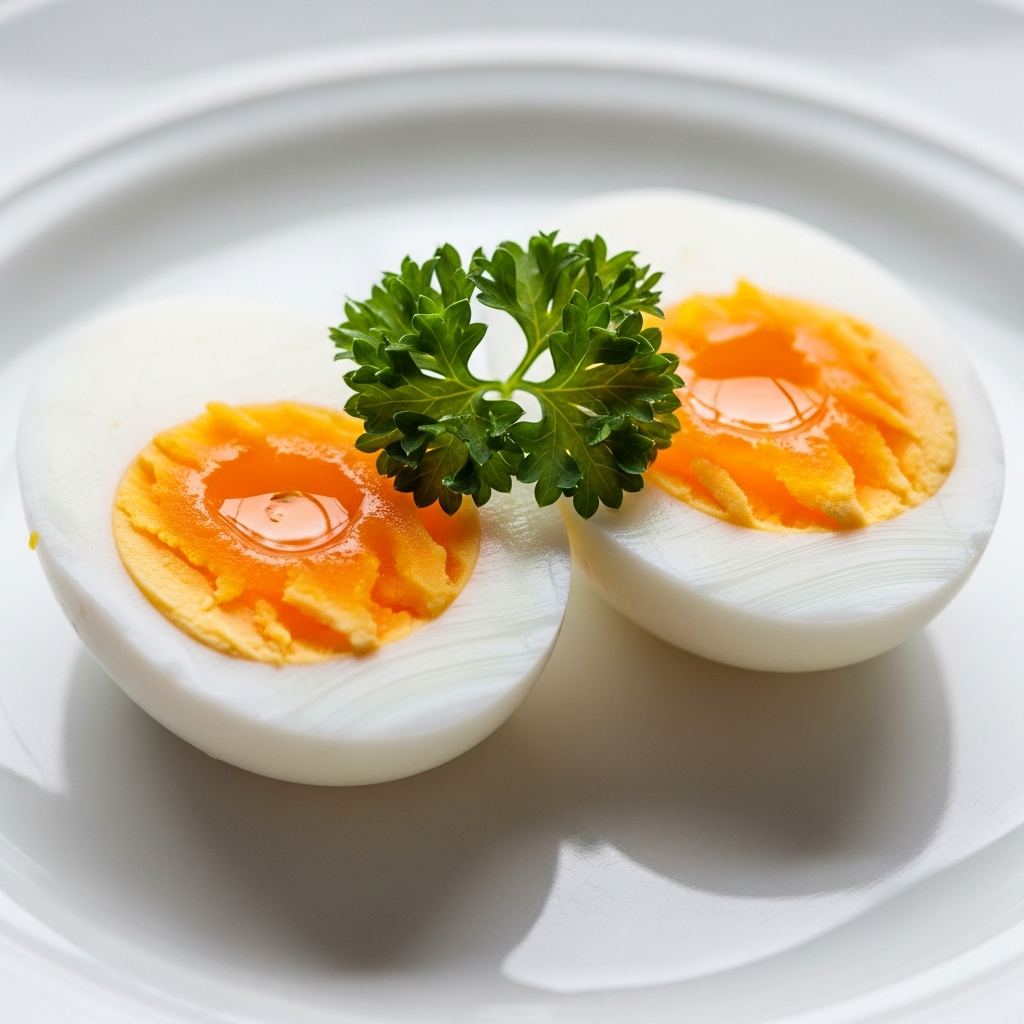
Eggs are an incredible source of choline, a vital nutrient that plays a significant role in fetal brain development. They also provide high-quality protein and a variety of fats, vitamins, and minerals. Consuming eggs can help prevent neural tube defects and support the overall growth of the baby.
2. Salmon
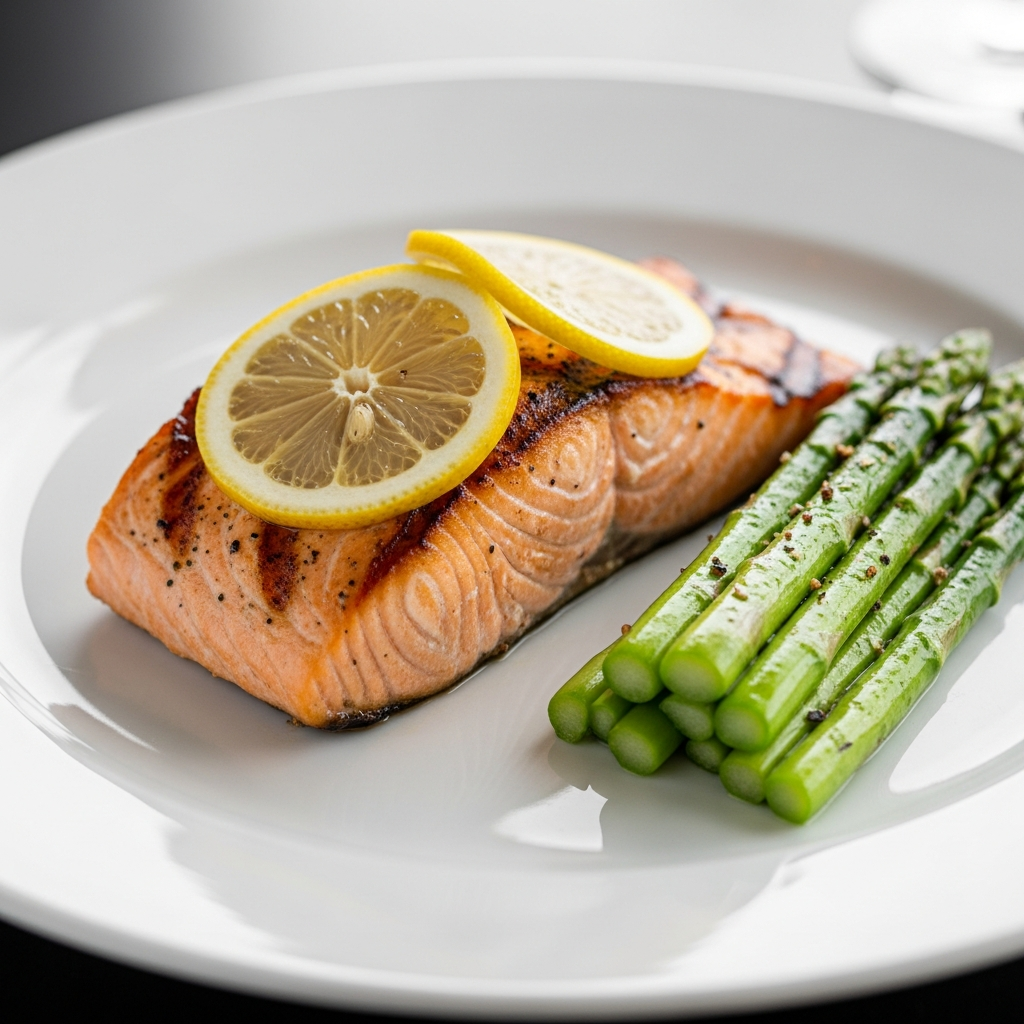
Salmon is rich in essential omega-3 fatty acids, specifically DHA and EPA. these are crucial for the development of the baby’s eyes and brain. Unlike some other fish, salmon is typically low in mercury, making it a safer choice for expectant mothers when consumed in moderation.
3. Sweet Potatoes
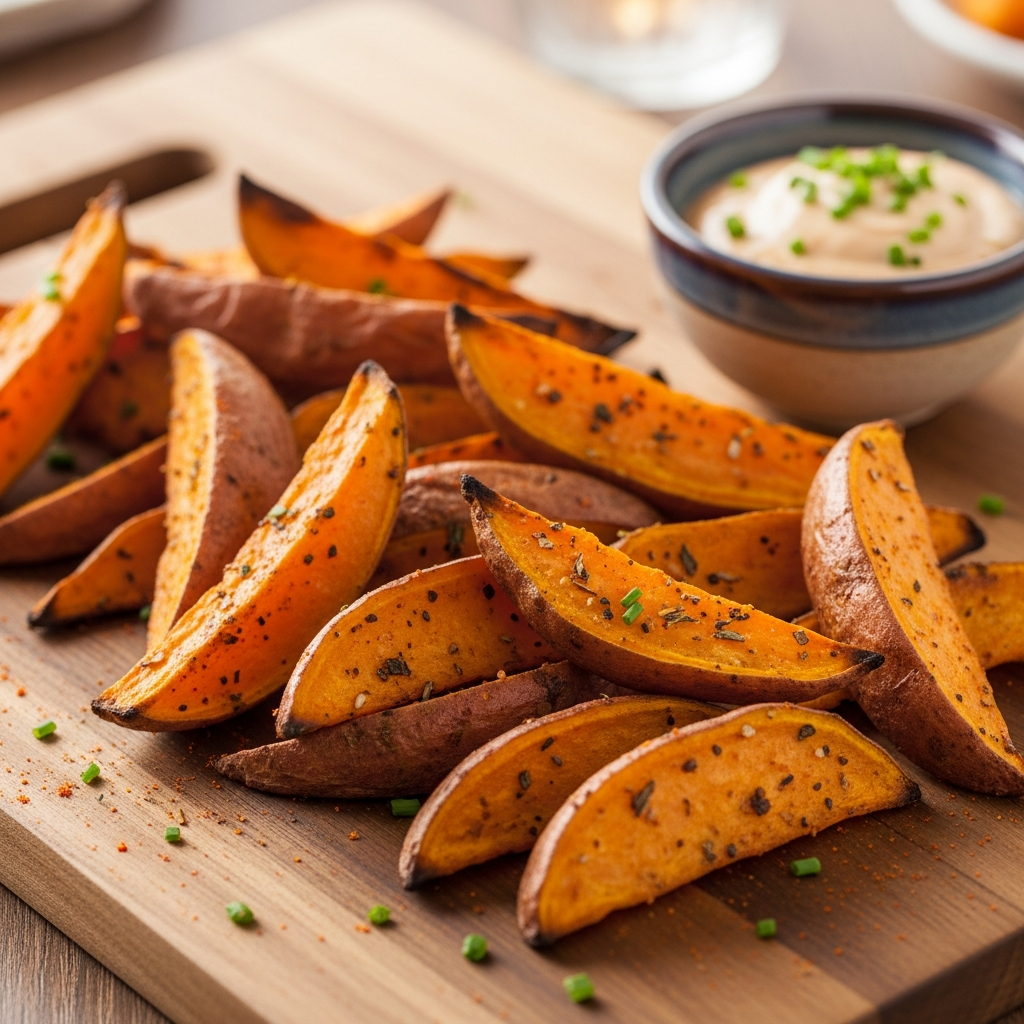
Sweet potatoes are an excellent source of beta-carotene, which the body converts into vitamin A. Vitamin A is essential for the growth of cells and tissues in the developing fetus. Additionally, the fiber in sweet potatoes helps maintain digestive health and prevents constipation.
4. Legumes
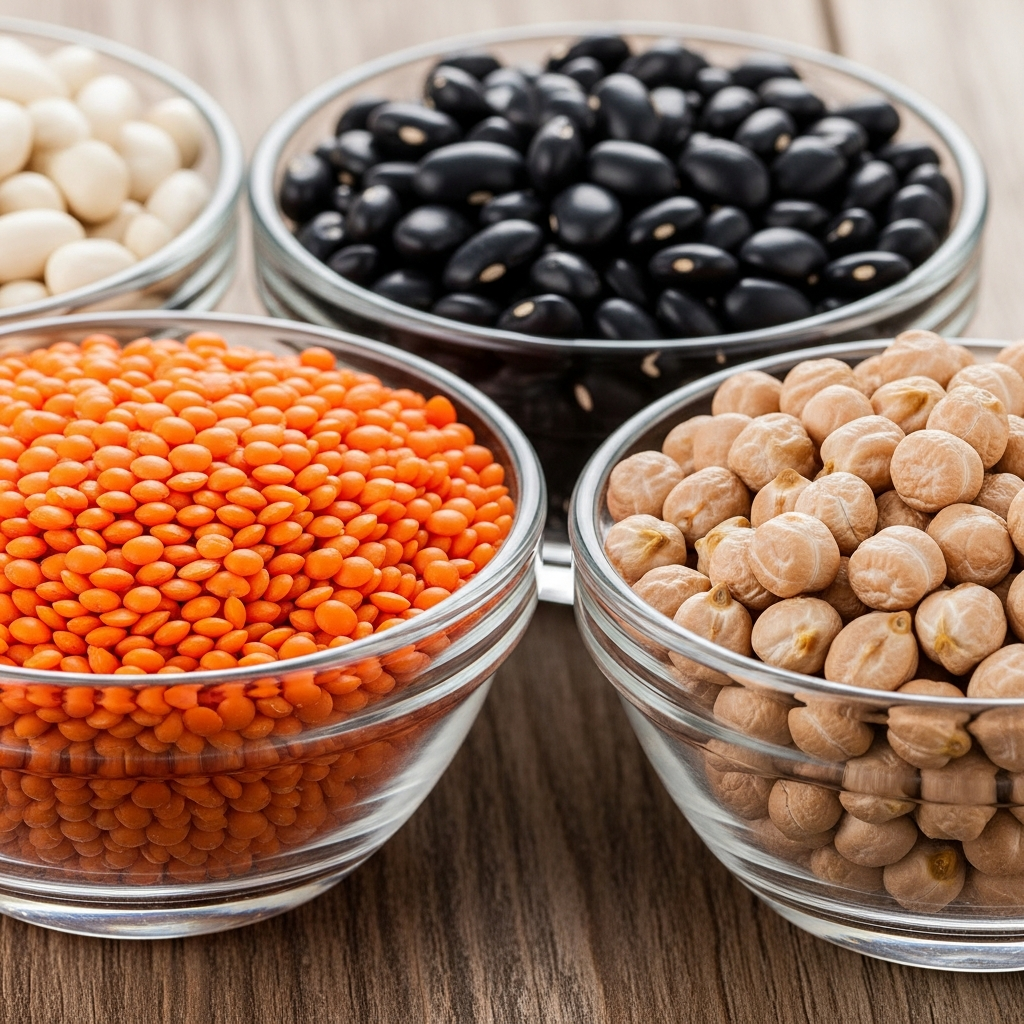
This category includes lentils, peas, beans, and chickpeas. Legumes are fantastic plant-based sources of fiber, protein, iron, folate, and calcium. Folate is one of the most critical nutrients during pregnancy for reducing the risk of birth defects.
5. Dark Leafy Greens
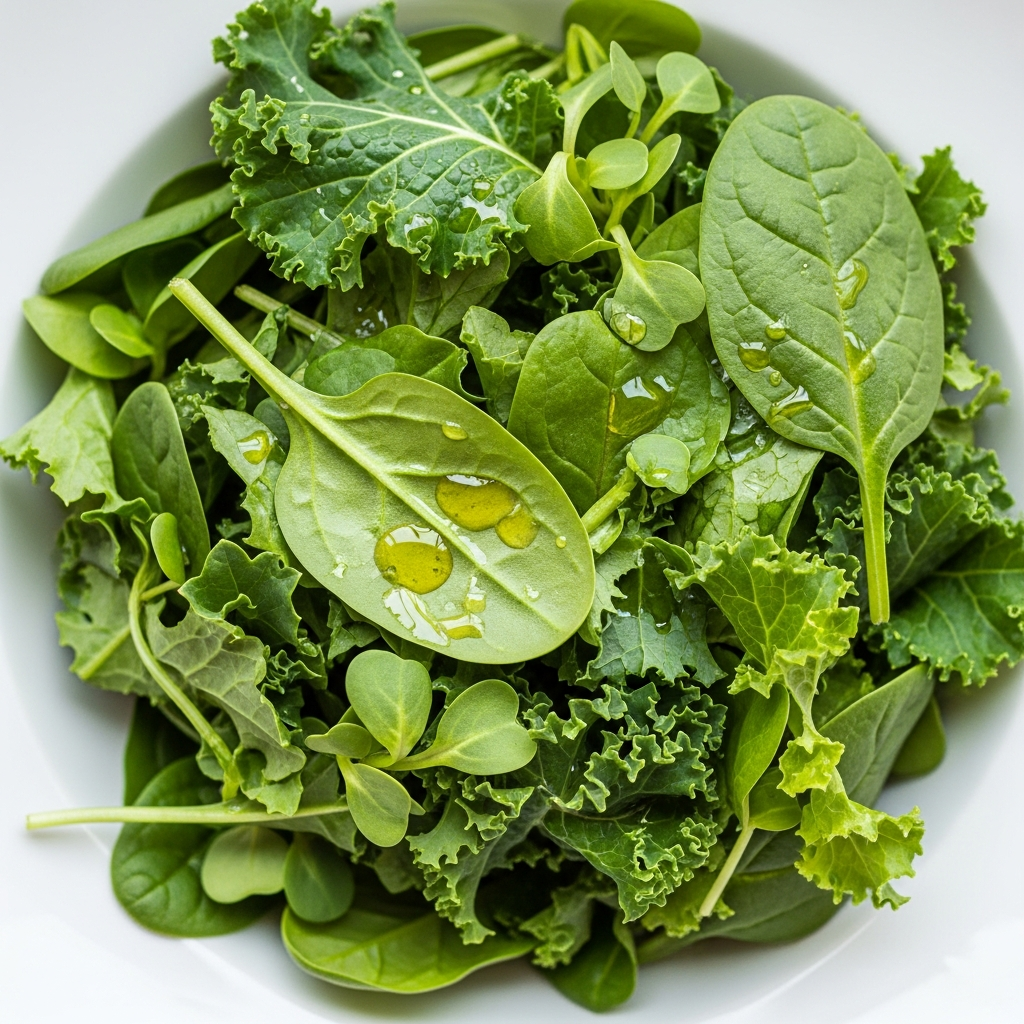
Kale, spinach, and Swiss chard are packed with vitamins K, C, and A, as well as calcium and iron. They also contain fiber, which helps alleviate the common pregnancy symptom of constipation. These greens provide a high volume of nutrients for very few calories.
6. Lean Meats
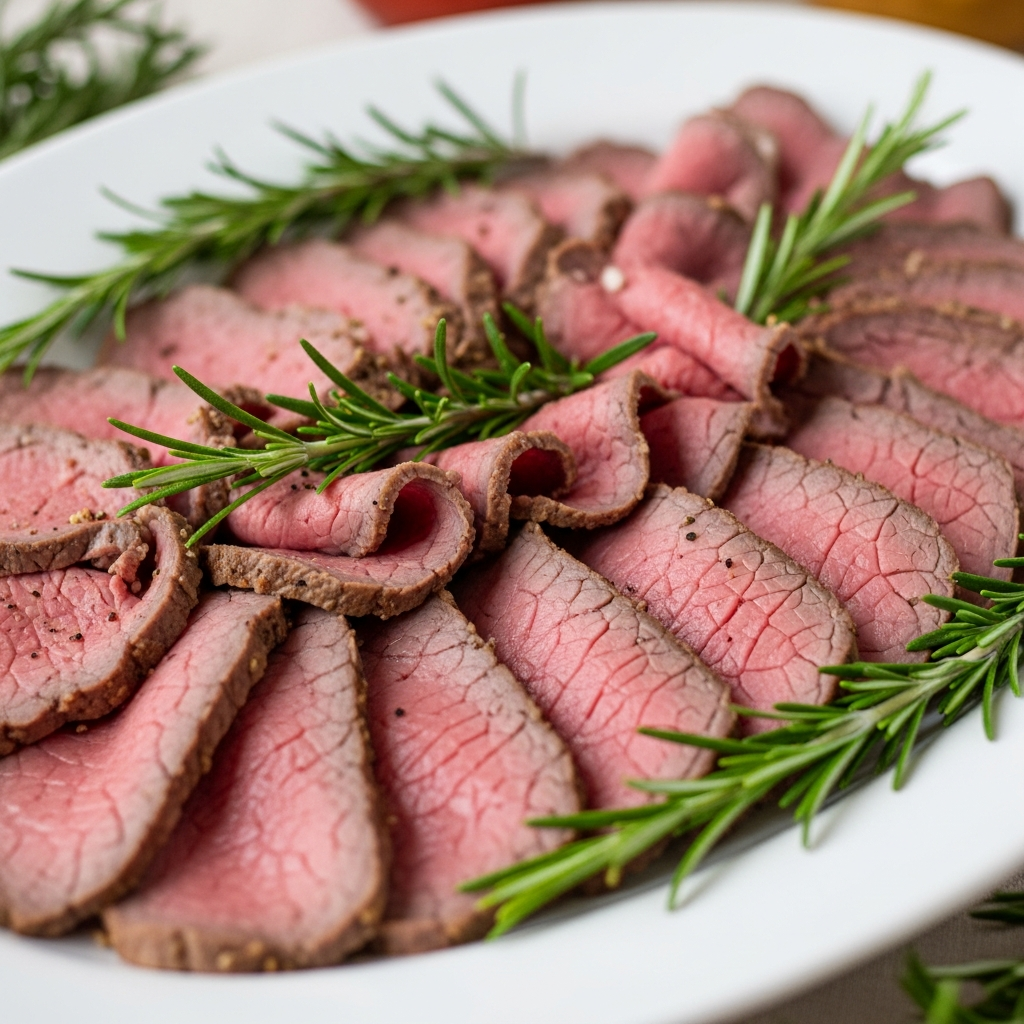
Beef, pork, and chicken are excellent sources of high-quality protein. Beef and pork are also rich in iron, choline, and B vitamins. Iron is particularly important because the mother’s blood volume increases significantly during pregnancy, requiring more oxygen transport.
7. Berries
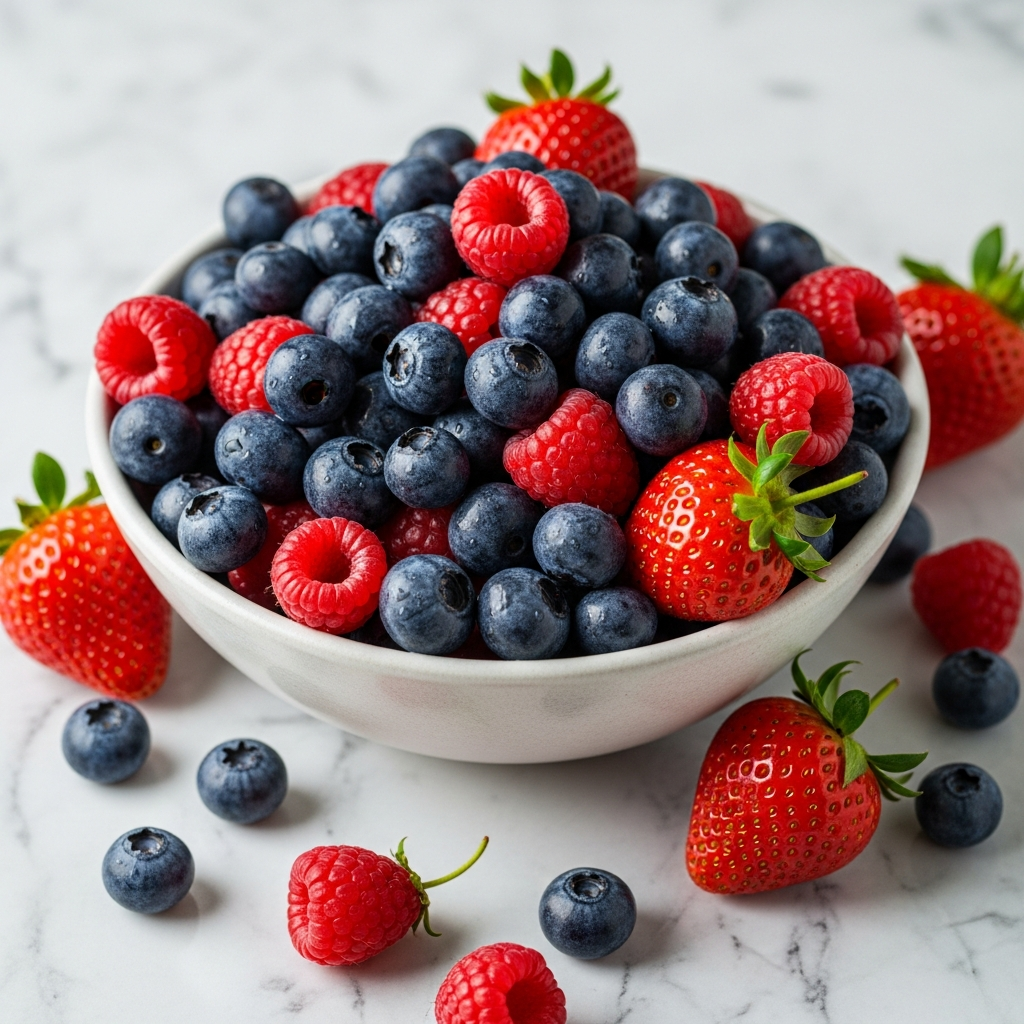
Blueberries, raspberries, and strawberries are filled with water, healthy carbohydrates, vitamin C, and fiber. Vitamin C helps the body absorb iron more effectively and supports the immune system, which can be slightly suppressed during pregnancy.
8. Whole Grains
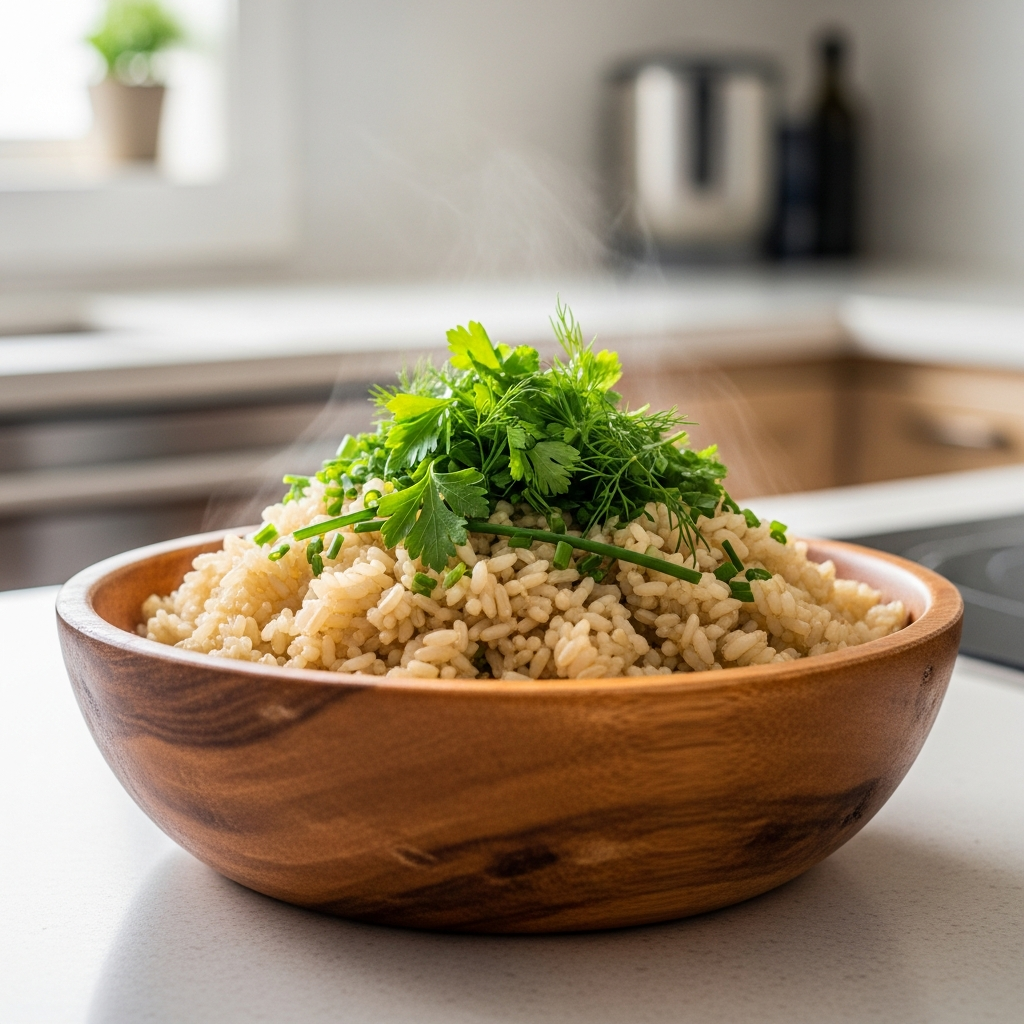
Unlike refined grains, whole grains like oats, brown rice, and barley are packed with fiber, vitamins, and plant compounds. Many whole grains also provide a significant amount of B vitamins and magnesium, which are necessary for energy production.
9. Avocados
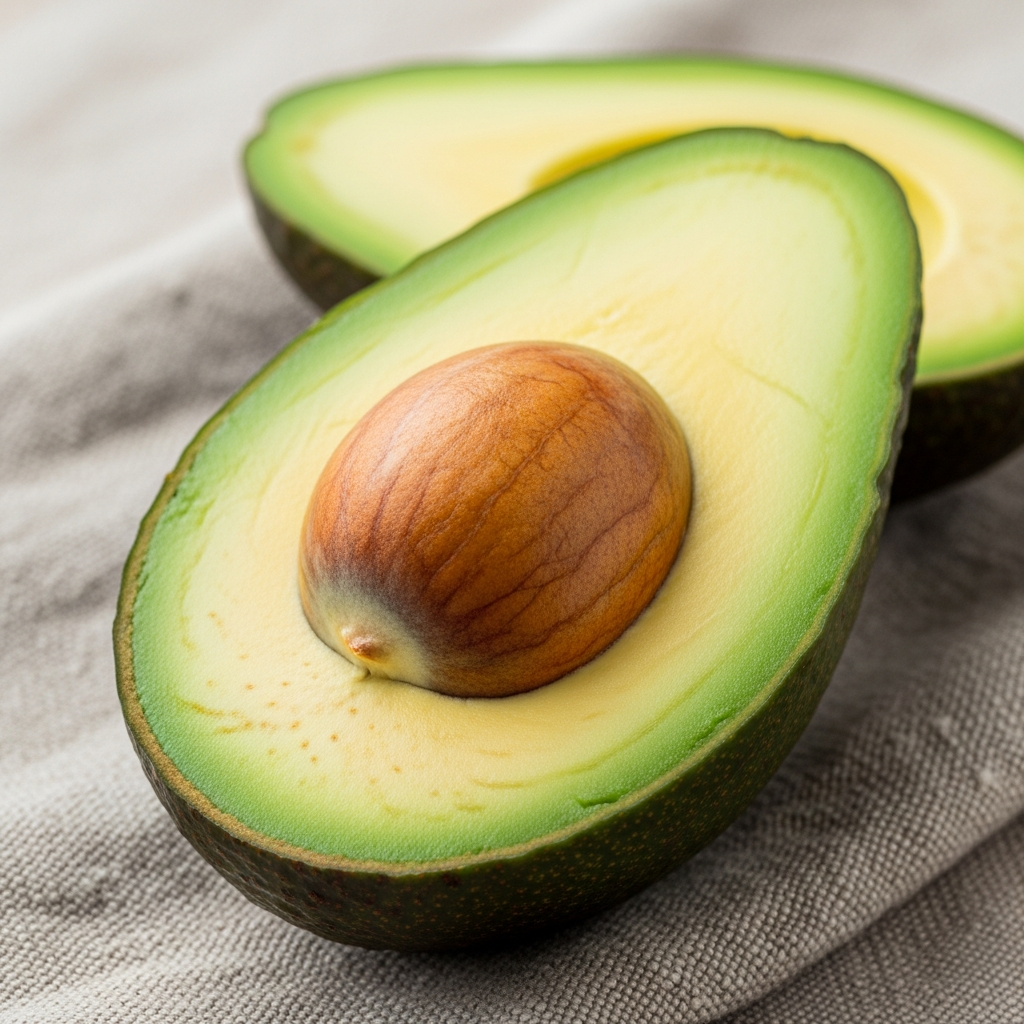
Avocados are unique because they contain a high amount of monounsaturated fatty acids. These healthy fats help build the skin, brain, and tissues of the fetus. They are also rich in potassium, which can help relieve leg cramps often experienced during pregnancy.
10. Greek Yogurt
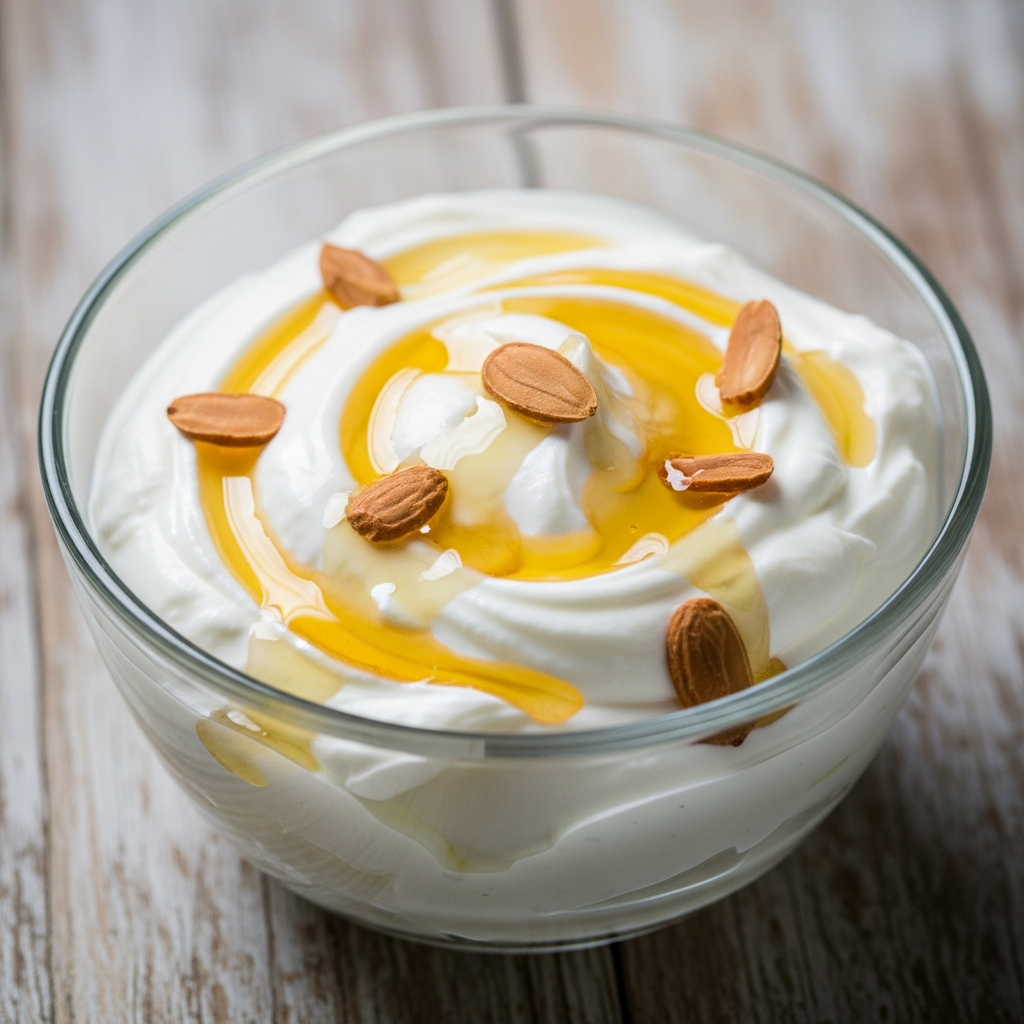
Greek yogurt contains more calcium than most other dairy products and is beneficial for bone health. It also provides probiotic bacteria, which support digestive health and may reduce the risk of complications like gestational diabetes and allergies.
11. Walnuts
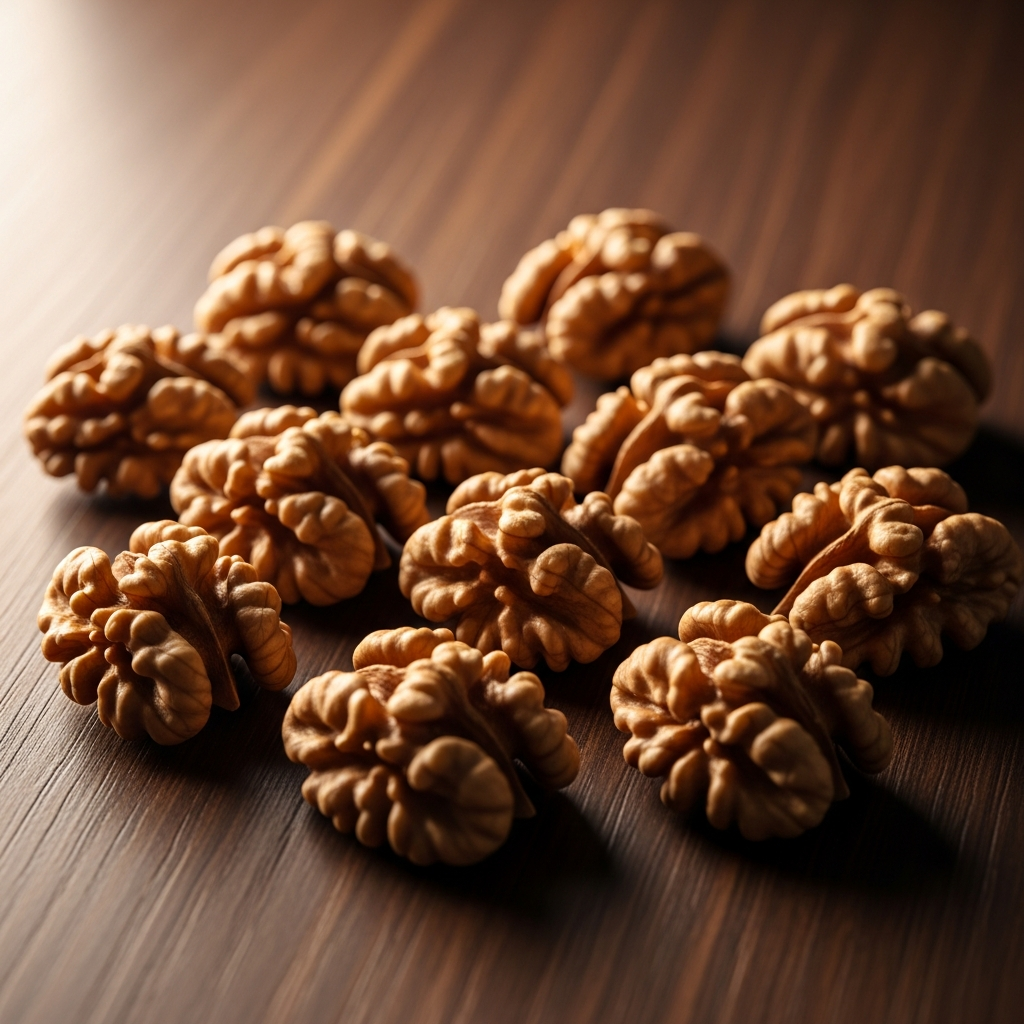
Walnuts are one of the richest plant sources of omega-3 fatty acids. They are a convenient snack that provides protein and fiber, making them an excellent choice for maintaining steady energy levels throughout the day.
12. Broccoli
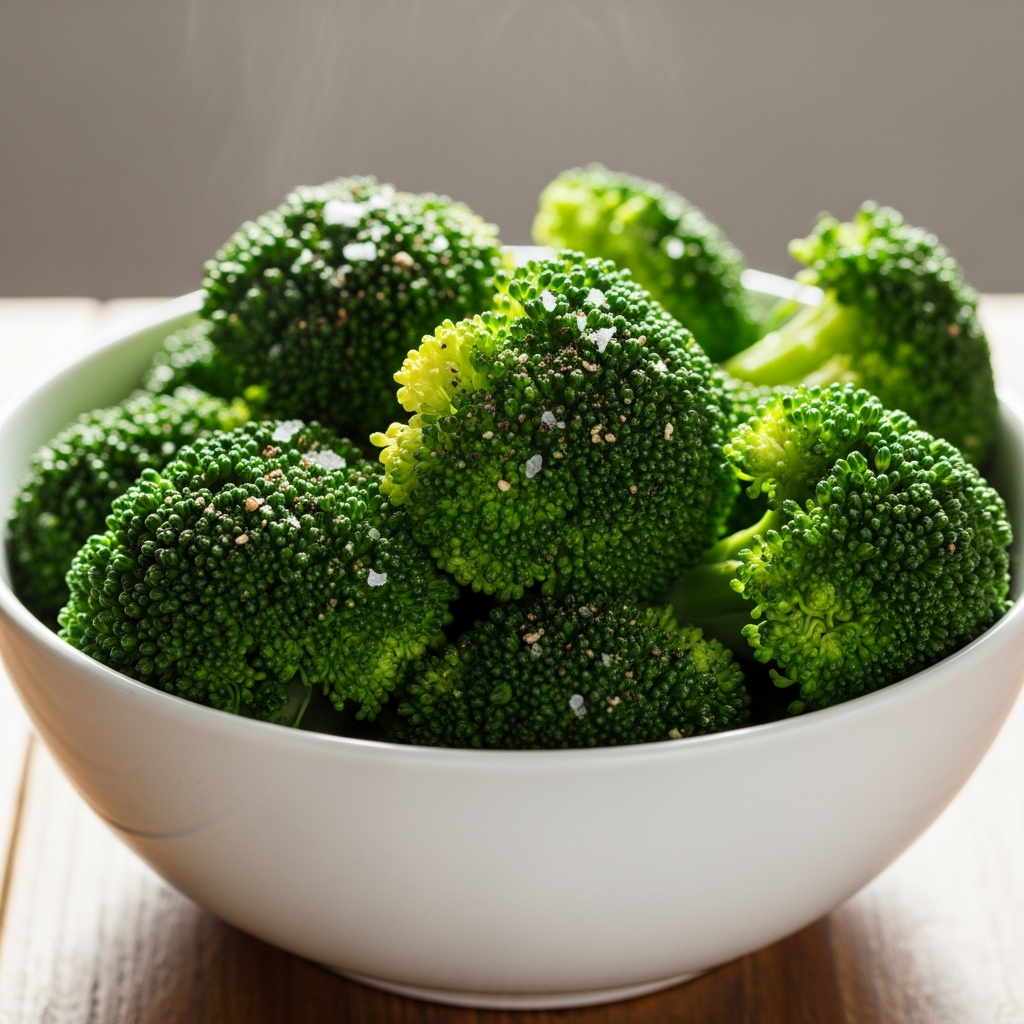
Broccoli and other cruciferous vegetables offer a wide range of nutrients including fiber, vitamin C, vitamin K, vitamin A, calcium, iron, and potassium. They are also rich in antioxidants that protect cells from damage.
13. Bananas
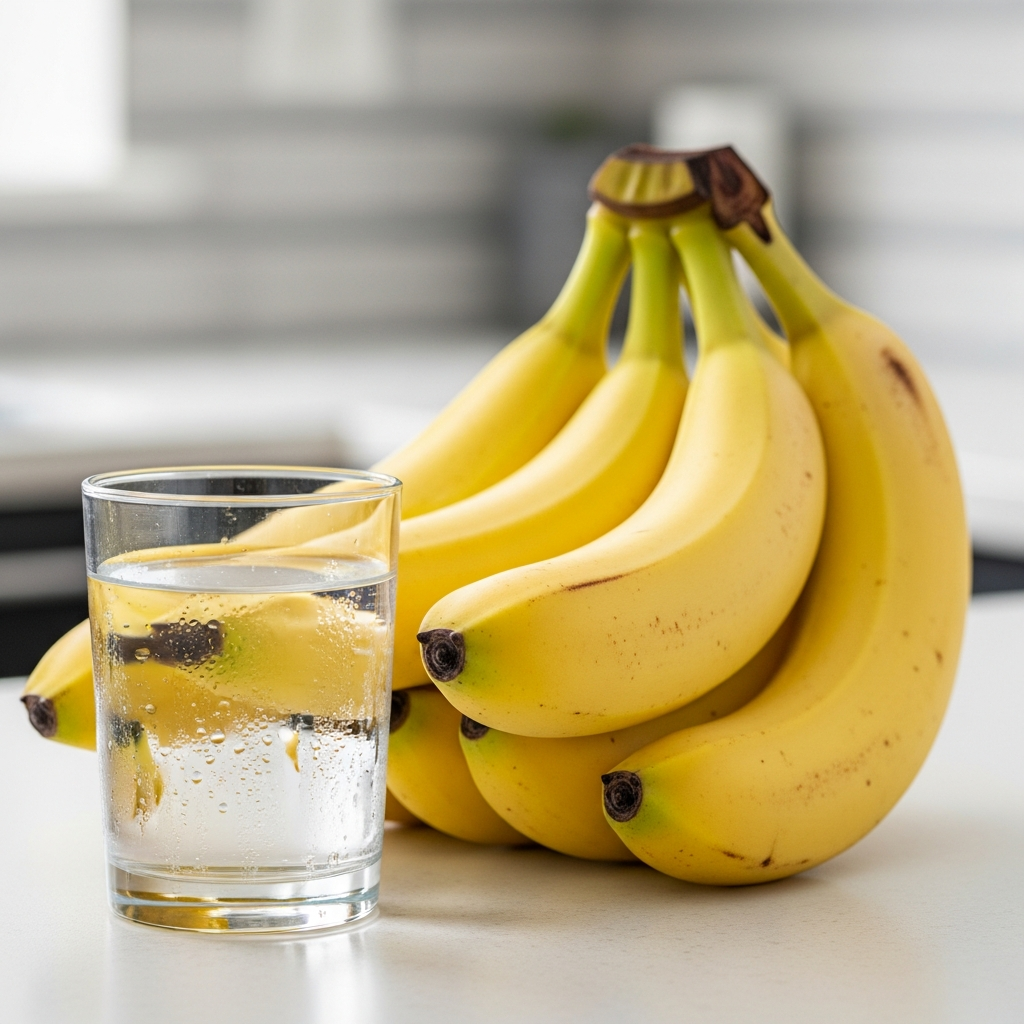
Bananas are a great source of potassium and provide quick energy. They are also known to be gentle on the stomach, making them an ideal food for women struggling with morning sickness or nausea in the first trimester.
14. Dried Fruit
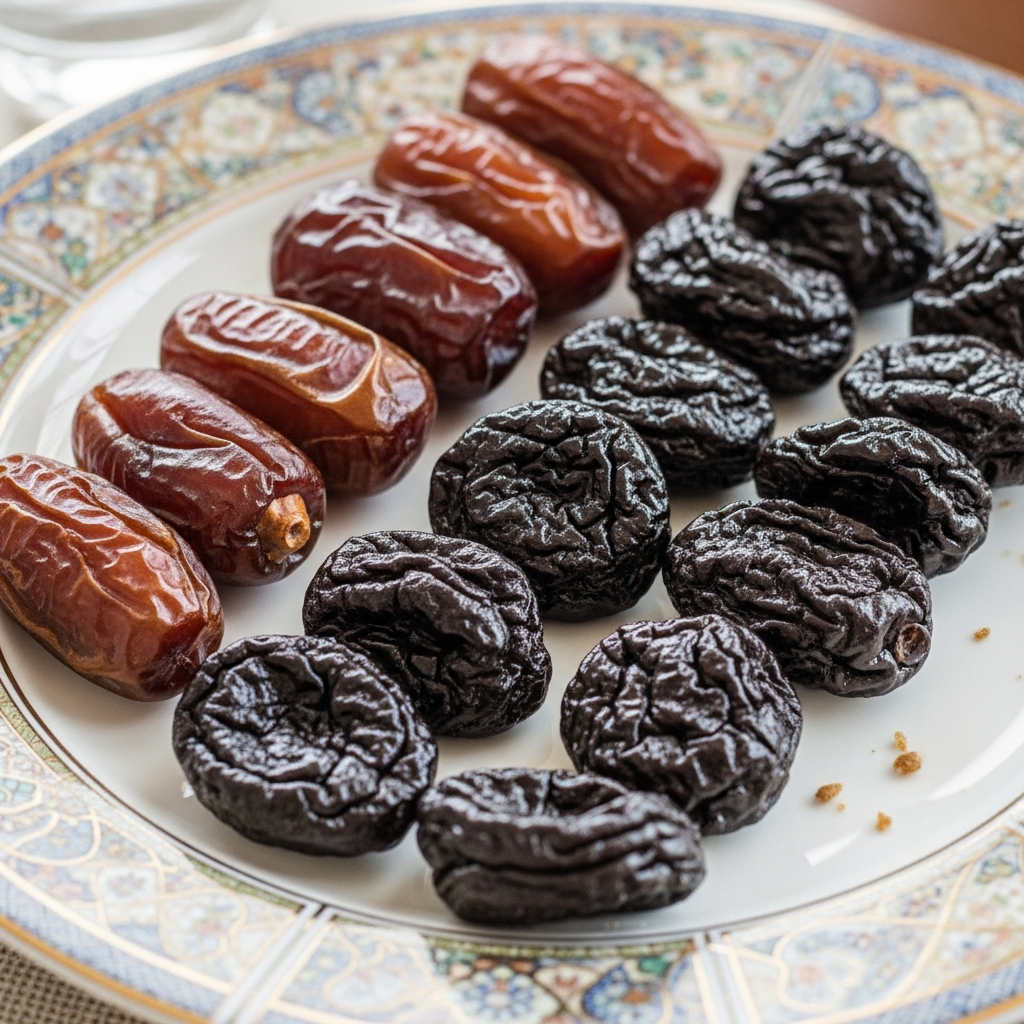
Dried fruits like dates and prunes are high in calories, fiber, and various vitamins and minerals. Prunes specifically are well-known for their natural laxative effect, which can be very helpful for managing pregnancy-related constipation.
15. Tofu
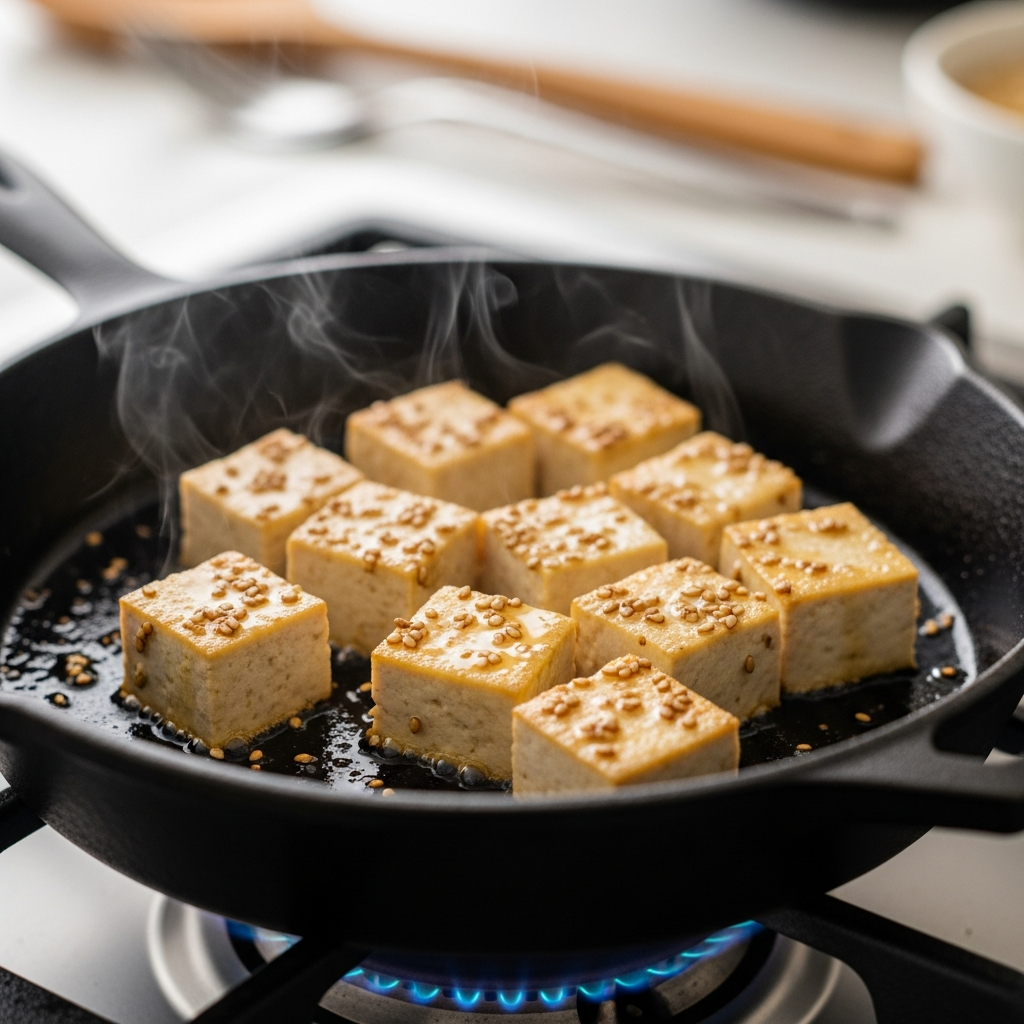
Tofu is a fantastic plant-based protein source that is also high in calcium and iron. For vegetarians or vegans, tofu serves as a primary building block for the baby’s developing muscles and tissues.
16. Pumpkin Seeds
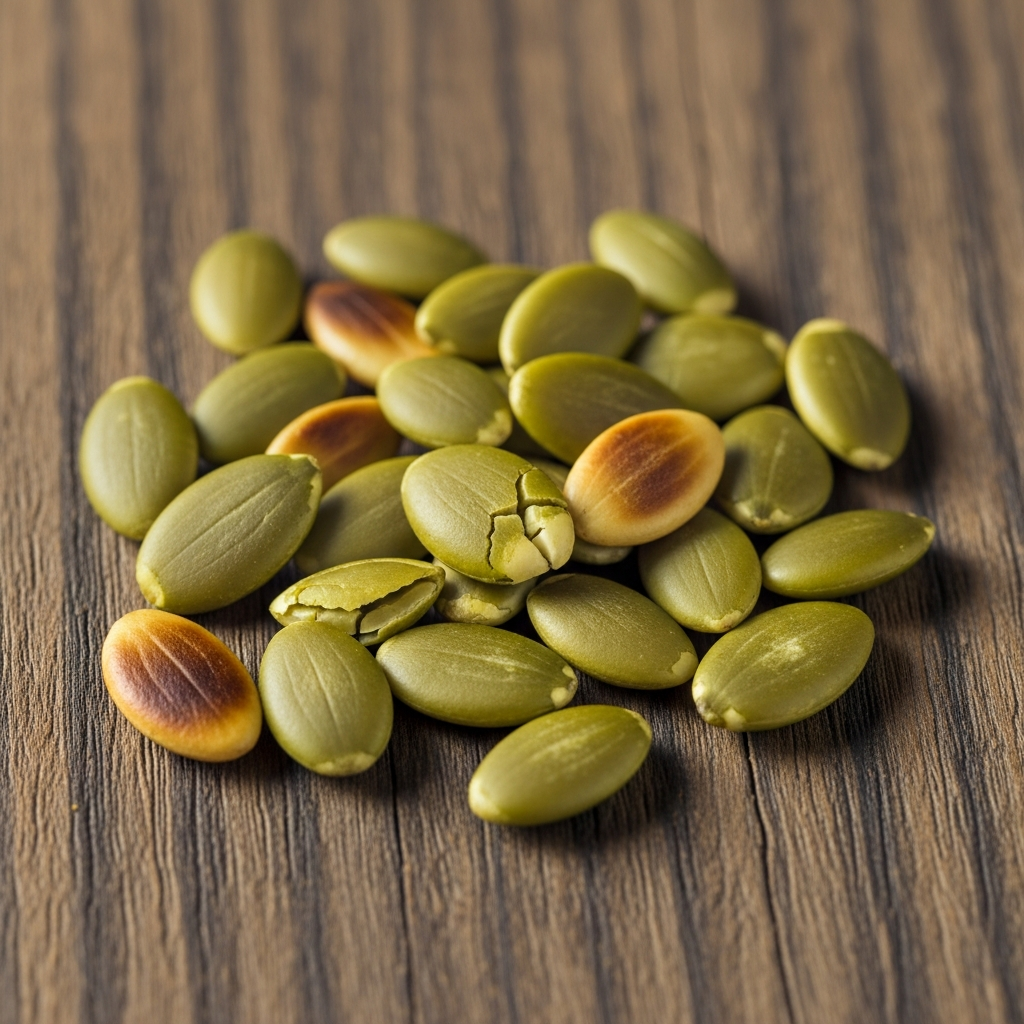
Pumpkin seeds are a powerhouse of minerals, particularly zinc and magnesium. Zinc is essential for DNA synthesis and cell division, which are constant processes during the growth of a fetus.
17. Milk
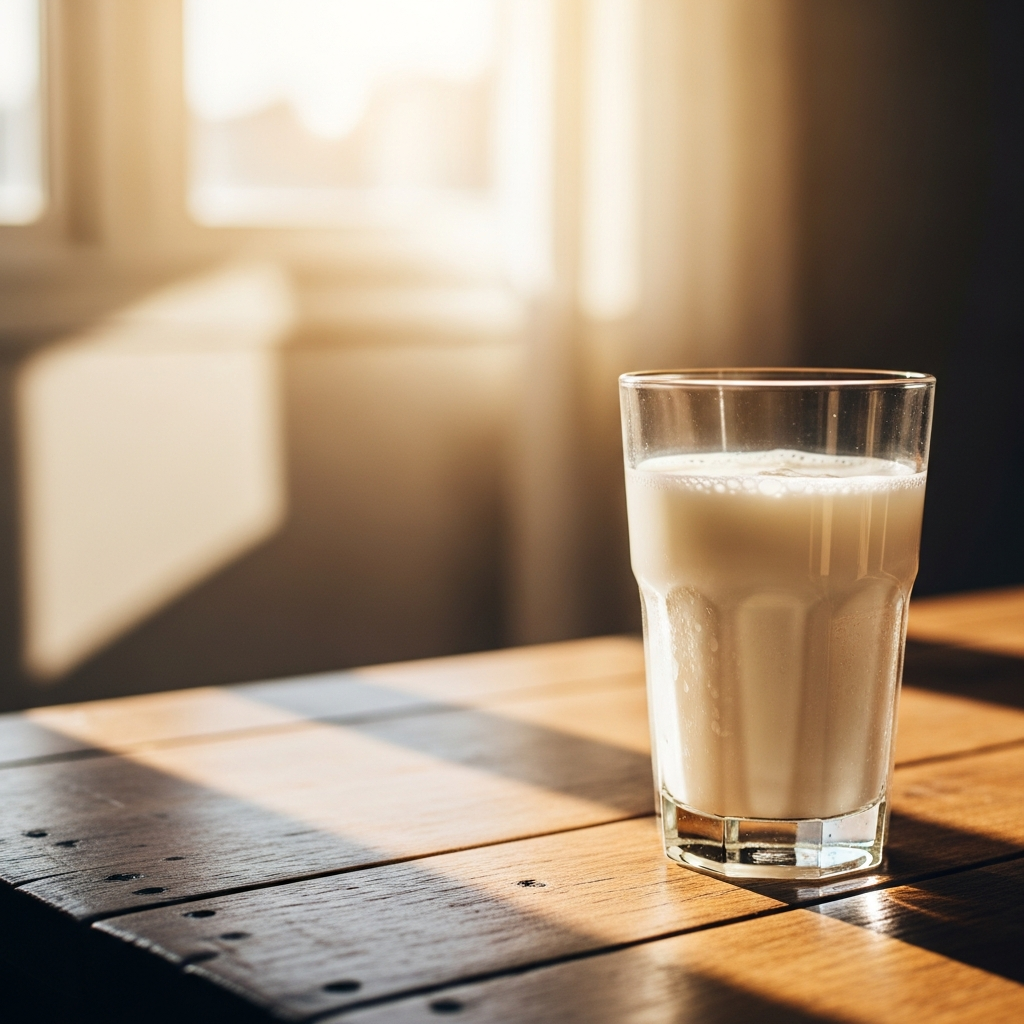
Dairy milk provides a high-quality source of calcium and phosphorus, as well as vitamin D if fortified. These nutrients are essential for the development of the baby’s bones and teeth and support the mother’s skeletal health.
18. Oranges
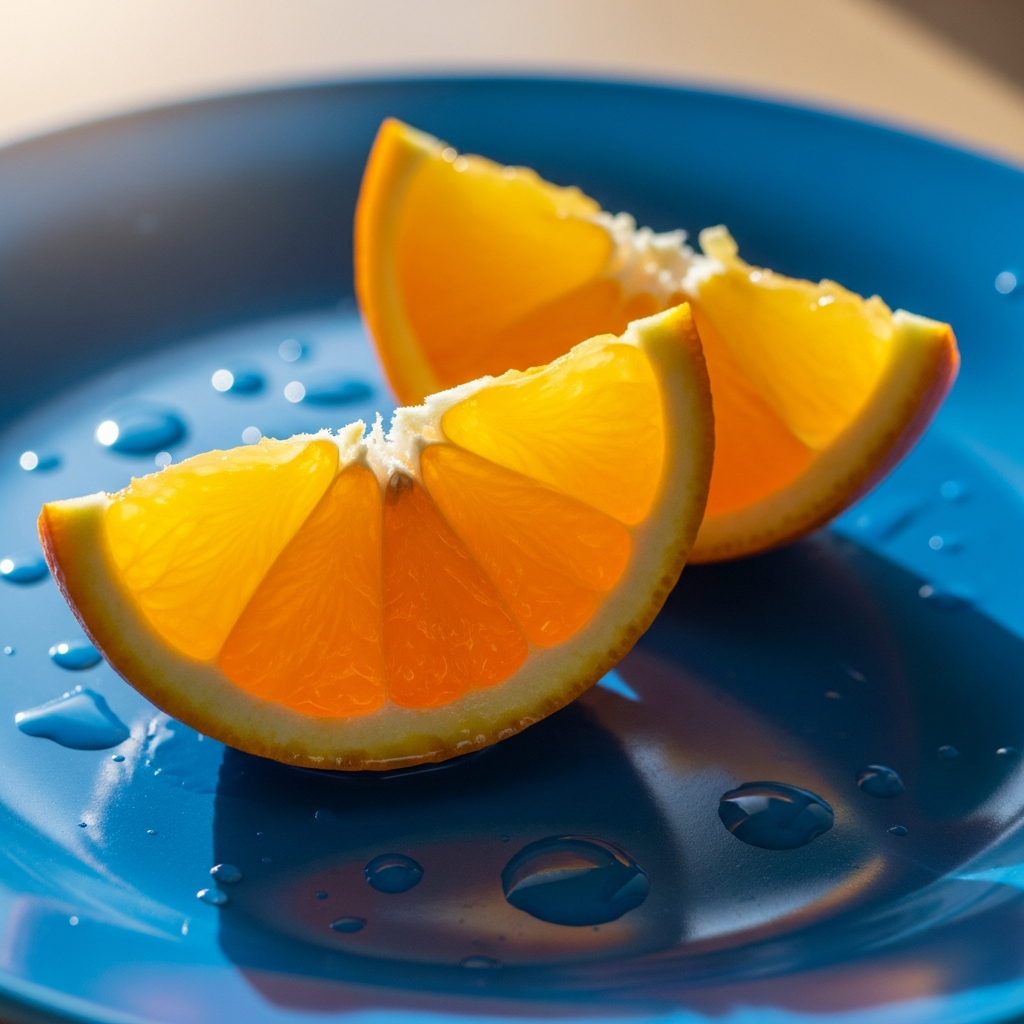
Oranges are synonymous with vitamin C and are also a good source of folate and water. They help keep expectant mothers hydrated while providing the nutrients necessary for tissue repair and immune function.
19. Quinoa
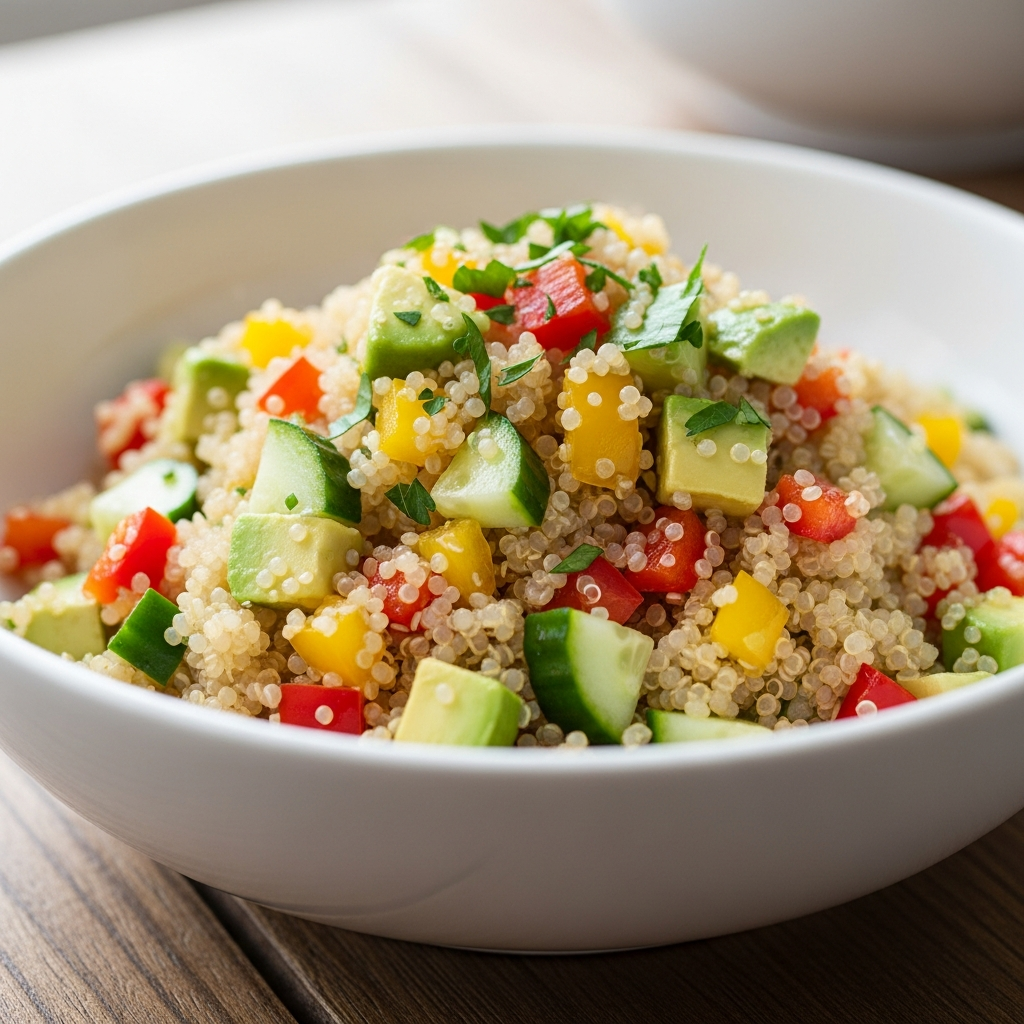
Quinoa is a complete protein, meaning it contains all nine essential amino acids. It is also high in fiber and minerals like magnesium and manganese, making it a nutritionally superior alternative to white rice or pasta.
20. Water

While not a food, hydration is the most critical component of a pregnancy diet. Blood volume increases by about 45 percent during pregnancy, and staying hydrated prevents urinary tract infections, swelling, and exhaustion.
Conclusion
Prioritizing these twenty nutrient-dense foods can significantly contribute to a healthy and comfortable pregnancy journey. By focusing on whole, unprocessed ingredients, mothers can provide the best possible environment for their baby’s growth. It is always recommended to consult with a healthcare professional or a registered dietitian to tailor a nutritional plan that meets specific individual needs and health conditions.