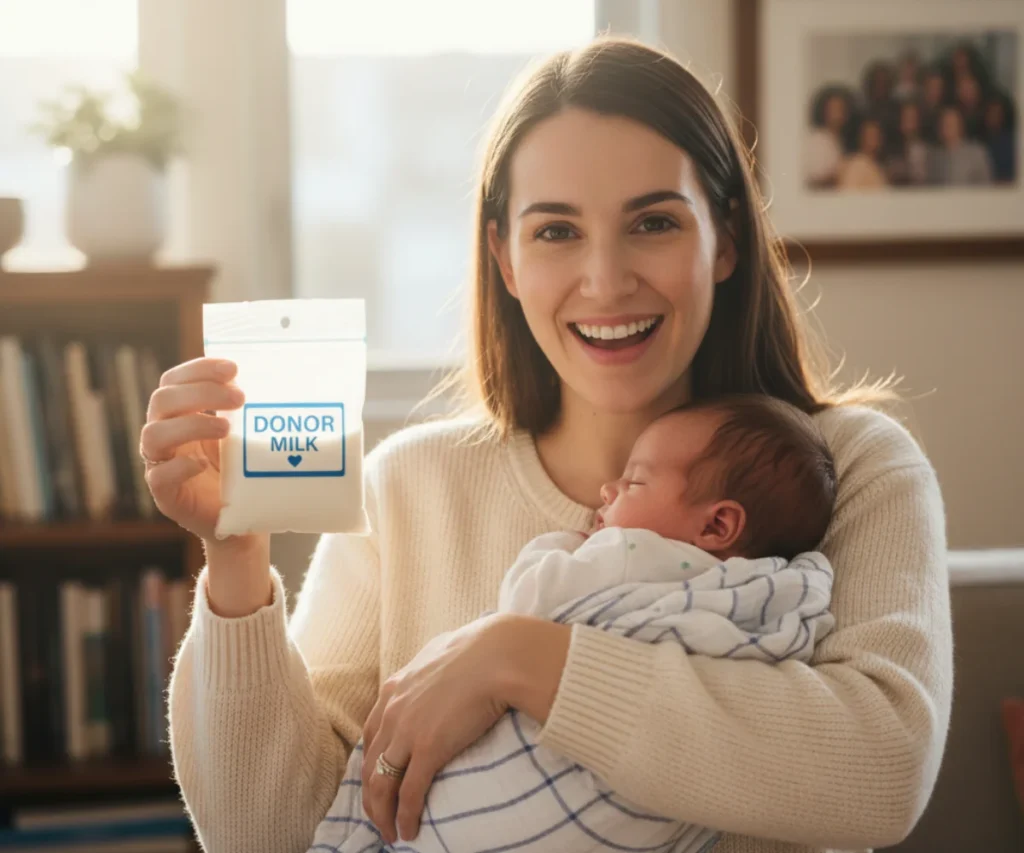
In the world of parenting, every drop counts, especially when it comes to the precious gift of breast milk. For many vulnerable infants, particularly premature babies or those with complex health issues, donor human milk is not just nutrition; it’s a lifeline. While milk banks work tirelessly to meet this critical need, sometimes the sheer demand can be overwhelming. This is where the power of community, and the incredible drive of one dedicated mom, can make all the difference. This is the inspiring story of how one mom, fueled by empathy and a passion for infant health, successfully organized a breast milk donation drive, transforming compassion into tangible support for families in need.
The Unseen Need: Why Every Drop Counts
Imagine the profound relief a parent feels knowing their fragile newborn will receive the best possible start in life, even if they can’t provide breast milk themselves. This is the reality for countless families who rely on donor human milk. It’s rich in antibodies, nutrients, and enzymes, offering protection against infections and aiding in the development of vital organs. For preterm infants, donor milk significantly reduces the risk of necrotizing enterocolitis (NEC), a devastating intestinal disease.
The Power of Human Milk for Fragile Infants
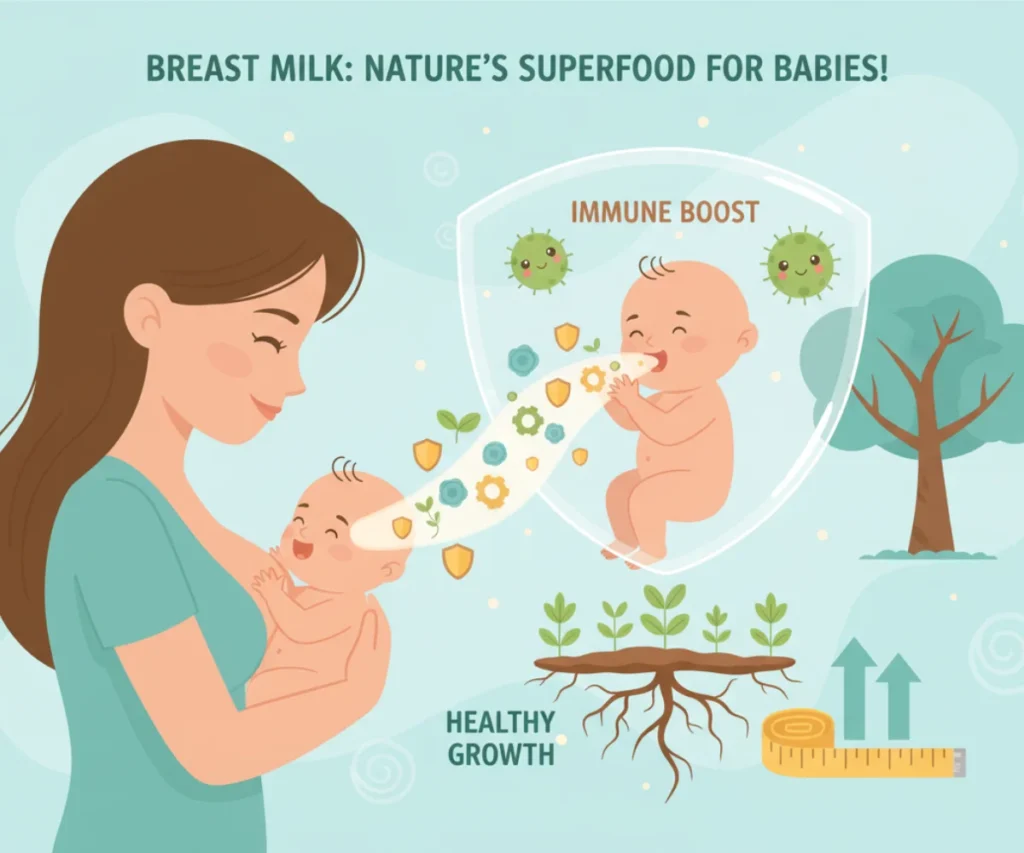
Donor human milk acts like a gentle medicine, especially for babies in neonatal intensive care units (NICUs). It provides a crucial bridge for moms who might be struggling with milk supply due to stress, illness, or medications, ensuring their baby receives the optimal nutrition from birth. The altruism of milk donors allows hospitals and families to access this vital resource, but the supply often struggles to keep up with demand.
Personal Journeys and the Call to Action

Our featured mom, let’s call her Sarah, experienced firsthand the challenges of breastfeeding and the overwhelming desire to provide the best for her own child. While her personal journey eventually led to a strong milk supply, she remembered the anxieties and struggles of those early days. She heard stories from friends whose babies needed donor milk but faced long waits or limited access. This personal connection to the issue, coupled with her overflowing freezer of extra milk, sparked an idea: what if she could help connect generous local donors with those who needed it most?
From Personal Story to Community Drive
Sarah knew she couldn’t just hand out milk; safety and proper procedures were paramount. Her journey began with extensive research and a clear vision. She wanted to create a safe, organized, and impactful way for her community to contribute to a cause she deeply believed in. Her goal was not to replace official milk banks but to complement their efforts by making local donation more accessible.
The Lightbulb Moment: Recognizing a Gap

The turning point for Sarah came during a conversation with a lactation consultant who mentioned the consistent need for donor milk. Sarah realized that many moms in her local parenting groups had expressed having excess milk but weren’t sure how to donate it safely or conveniently. The idea of a local ‘donation station’ began to form in her mind – a single, trusted point where local moms could bring their safely stored milk for organized collection and transfer to an accredited milk bank.
Initial Steps and Research

Sarah’s first step was research. She learned about the Human Milk Banking Association of North America (HMBANA) guidelines, which set the gold standard for milk donation and processing. She understood that raw, unpasteurized milk could not be directly distributed to fragile infants. Her drive would need to act as a collection point for a HMBANA-accredited milk bank. This was a crucial distinction, ensuring safety and efficacy for the recipient babies.
She investigated local hospitals and their NICU needs, learning that even with existing milk bank partnerships, there was always room for more supply. This confirmed her belief that a local drive could truly make a difference.
Building the Foundation: Planning and Partnerships

No successful community initiative happens in a vacuum. Sarah understood the importance of partnerships and proper planning. Her drive wasn’t just about collecting milk; it was about building trust and ensuring every step was handled with the utmost care and professionalism.
Connecting with Milk Banks
This was the cornerstone of her plan. Sarah reached out to several HMBANA-accredited milk banks in her region. She explained her vision for a community-based collection drive. After several conversations, one milk bank, impressed by her dedication and thoroughness, agreed to partner with her. They provided clear guidelines on:
- Donor screening requirements (health questionnaires, blood tests)
- Milk storage and handling protocols
- Collection and transportation logistics
- The necessary paperwork and consent forms
This partnership was vital, as it gave her drive legitimacy and ensured the milk would be safely processed and distributed.
Gathering Local Support
Sarah then tapped into her local network. She spoke with:
- Local pediatricians and family doctors: Many were eager to help spread the word to their patients.
- Lactation consultants: They offered their offices as potential drop-off points or venues for informational sessions.
- Parenting groups and online forums: These were invaluable for recruiting potential donors.
- Community centers and churches: Several offered space for the donation event itself.
Her enthusiasm was contagious, and soon she had a small but mighty team of volunteers ready to help with everything from outreach to event day logistics.
Legal and Safety Considerations
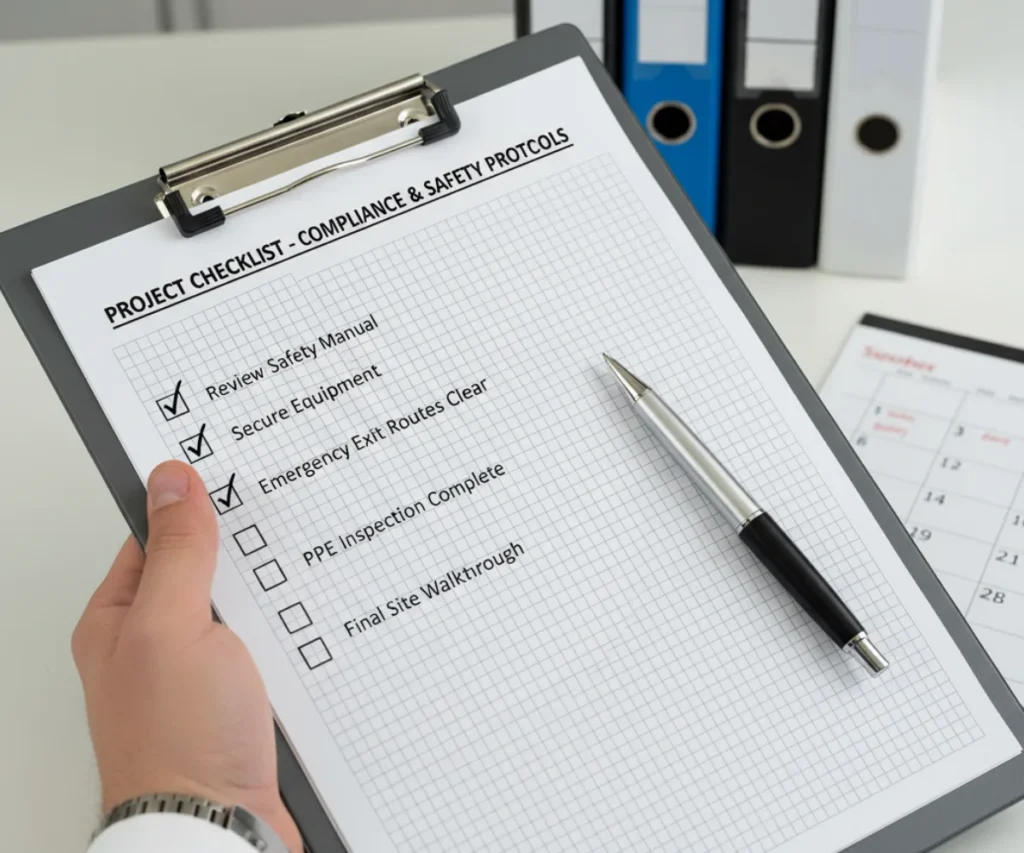
Working closely with the partner milk bank, Sarah ensured all legal and safety protocols were met. This included:
- Donor Screening: Explaining to potential donors that they would need to undergo a formal screening process by the milk bank, including a health history questionnaire and blood tests, similar to blood donation.
- Storage Guidelines: Emphasizing strict guidelines for freezing and storing milk prior to donation.
- Transport: Planning for temperature-controlled transport of the collected milk to the milk bank.
These details, while rigorous, were essential for protecting the health of fragile recipients.
Executing the Drive: Logistics and Awareness
With the foundations laid, it was time to bring the drive to life. Sarah focused on making the donation process as straightforward and reassuring as possible for potential donors.
Setting Up Collection Points
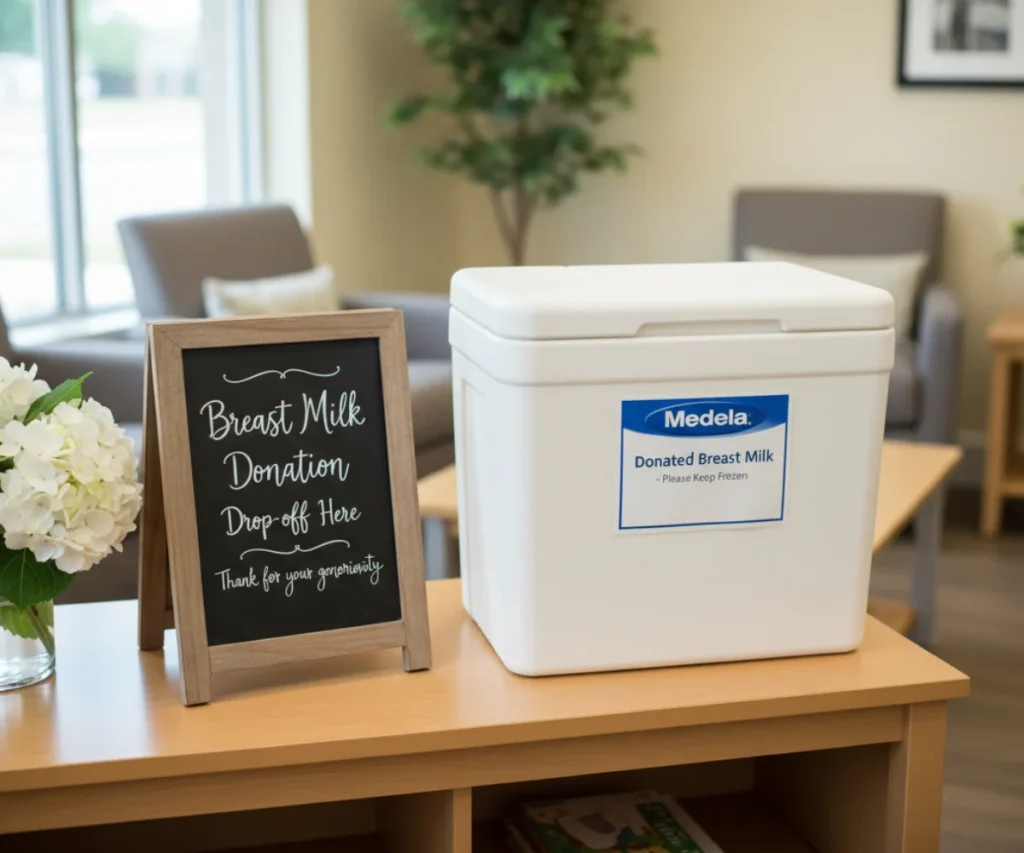
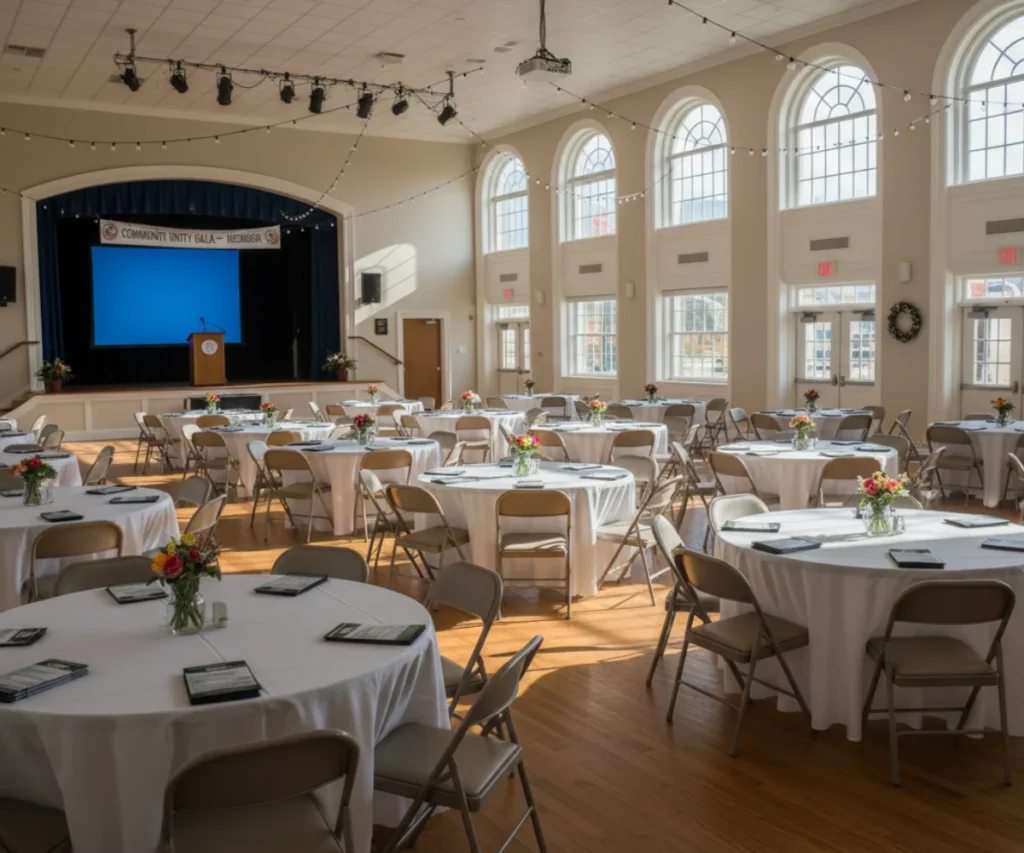
Sarah chose a central, easily accessible community center for the main donation event. She ensured there was ample parking and a welcoming atmosphere. For those unable to attend the main event, she coordinated with a few trusted lactation consultants and pediatric offices to act as temporary, short-term drop-off points in the days leading up to the drive. Each point was equipped with clear instructions, proper labeling, and insulated coolers to maintain milk temperature.
Spreading the Word Effectively
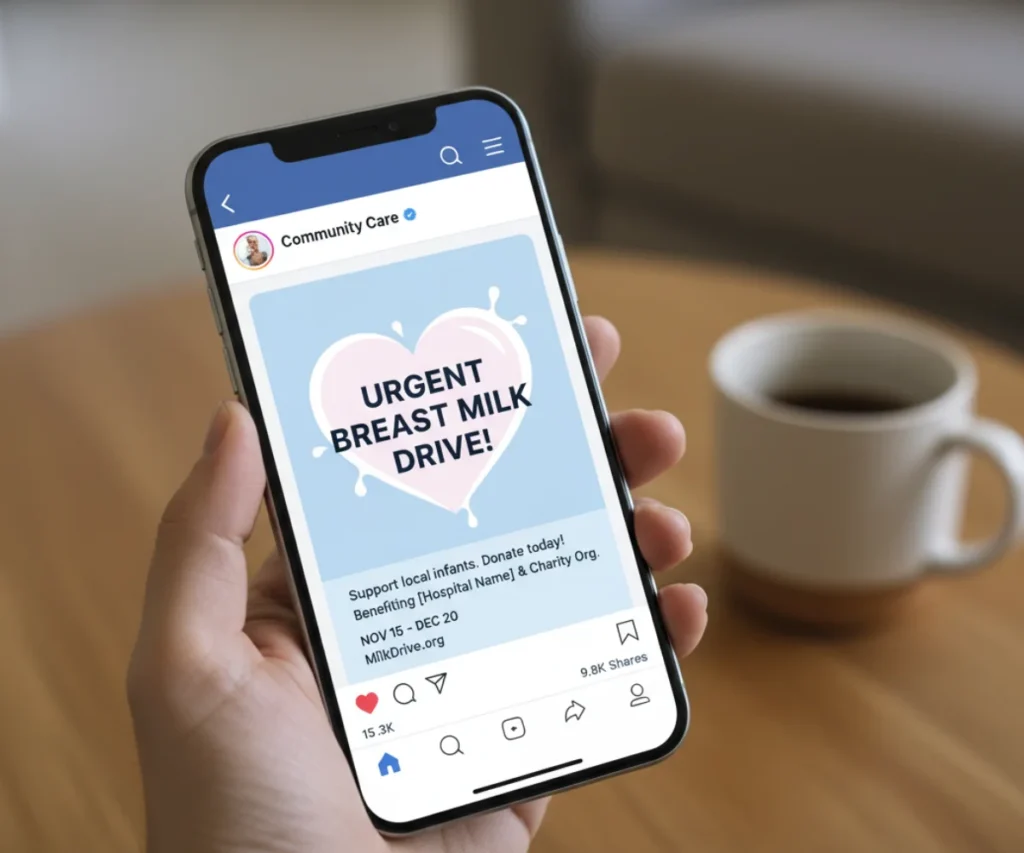
Marketing was crucial. Sarah utilized a multi-pronged approach:
- Social Media: She created a dedicated Facebook event page, posted regularly in local parenting groups, and encouraged shares. She used heartwarming graphics and clear calls to action.
- Local Media: She sent press releases to local newspapers and community online portals. A local news channel even did a short piece on her initiative, generating significant interest.
- Flyers and Posters: She designed simple, informative flyers and distributed them to pediatricians’ offices, birthing centers, libraries, and community notice boards.
- Word of Mouth: Her most powerful tool was personal stories. She encouraged volunteers and initial donors to share their experiences and spread the word organically.
Her messaging focused on the impact of donation – emphasizing that ‘every ounce is a lifeline’ – and the ease of the process.
Ensuring Safe Handling and Storage
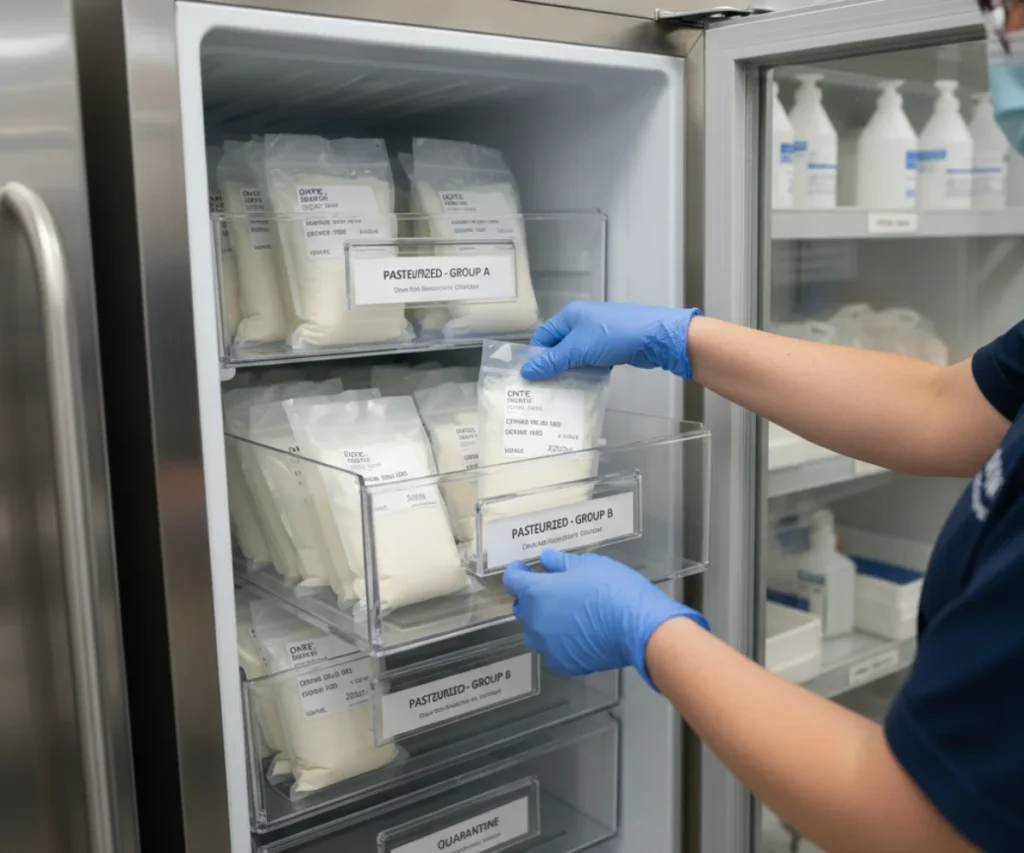
On the day of the drive, Sarah and her volunteers meticulously followed the milk bank’s guidelines. Donors arrived with their frozen milk, already stored in approved bags and containers. Each donor confirmed they had completed the milk bank’s screening process. Volunteers checked labels, recorded donations, and immediately transferred the milk into large, industrial-grade freezers rented for the event, ensuring it remained deeply frozen until transport. The milk bank arranged for a refrigerated truck to pick up the collective donation shortly after the drive concluded.
Overcoming Hurdles and Sustaining Momentum
Like any large-scale effort, Sarah’s drive faced its share of challenges. However, her proactive approach and unwavering commitment helped navigate them successfully.
Addressing Common Challenges

Some of the hurdles Sarah encountered included:
- Donor Misconceptions: Some potential donors were hesitant due to misunderstandings about the screening process or safety. Sarah countered this by hosting Q&A sessions with a lactation consultant and providing clear, reassuring information from the milk bank.
- Logistical Complexities: Coordinating multiple drop-off points, volunteers, and the milk bank’s pickup required detailed planning and contingency measures. Sarah created clear schedules and communication channels.
- Funding: While the milk itself was donated, there were costs associated with renting freezers, printing materials, and volunteer refreshments. Sarah sought small community grants and accepted local business sponsorships to cover these expenses.
The Impact on Families and Community
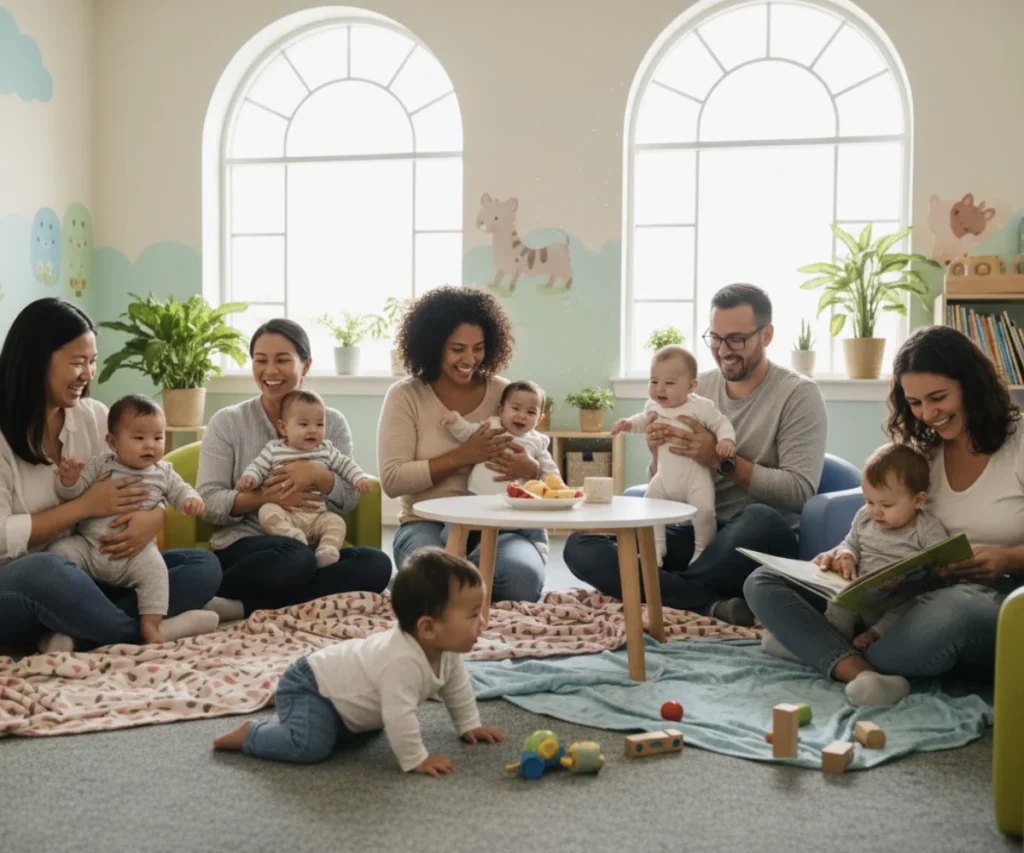
The success of Sarah’s first drive was undeniable. Hundreds of ounces of breast milk were collected and transported to the milk bank, ultimately providing critical nourishment for dozens of fragile babies. The impact wasn’t just measured in ounces, however. It was felt in the hearts of:
- Donor Moms: Who felt immense pride and satisfaction in knowing their liquid gold was making a life-saving difference.
- Recipient Families: Who expressed profound gratitude for the anonymous generosity that supported their babies’ health.
- The Community: Which rallied together, fostering a sense of collective care and support for its newest and most vulnerable members.
The drive sparked conversations about infant health, breastfeeding support, and the power of community action.
Your Turn to Make a Difference: A Step-by-Step Guide
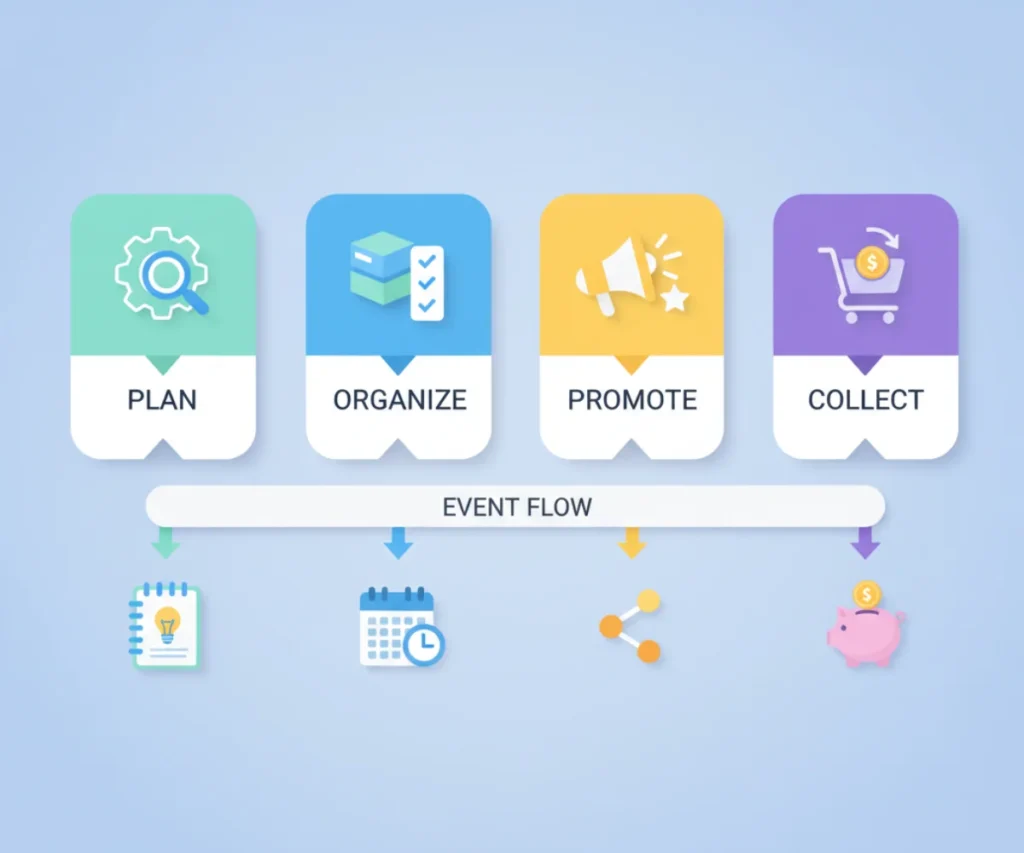
Inspired by Sarah’s journey? You too can create a profound impact in your community. Here’s a simplified guide to starting your own breast milk donation initiative:
1. Assess Local Needs and Resources
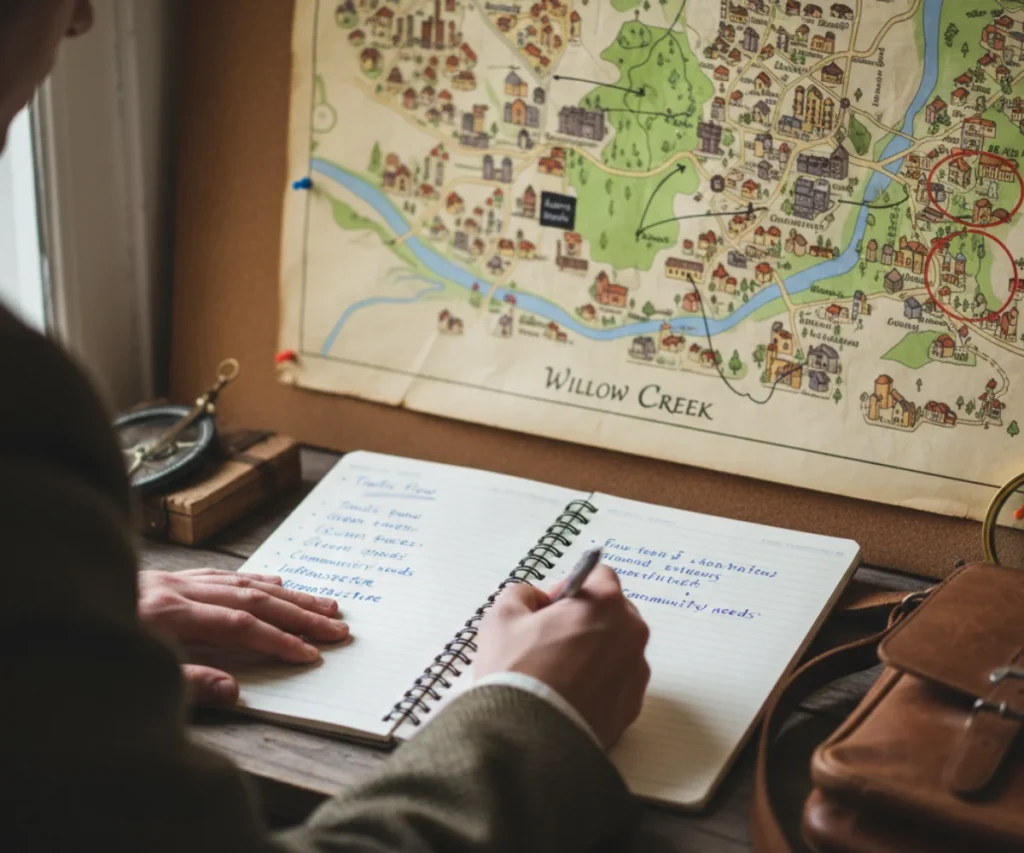
Research accredited HMBANA milk banks in your region. Contact local NICUs and hospitals to understand their needs and existing relationships with milk banks. Gauge interest from local parents, lactation consultants, and pediatricians.
2. Partner with Experts

This is non-negotiable for safety. Secure a partnership with an accredited human milk bank. They will provide the necessary guidelines, donor screening protocols, and logistical support for safe processing and distribution.
3. Plan Your Event

Choose a central, accessible location and a suitable date. Recruit a small team of reliable volunteers. Outline a clear budget and seek community sponsorships or small grants if needed for operational costs.
4. Promote and Execute
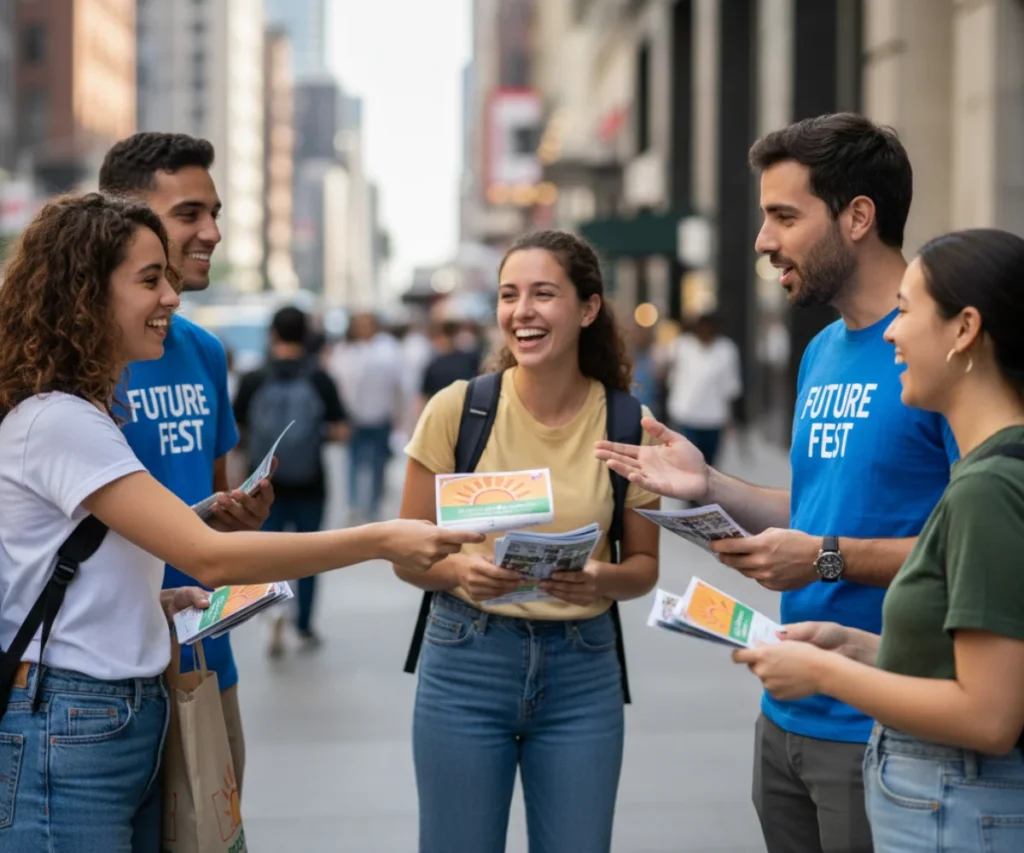
Develop a communication strategy using social media, local press, and community networks. Emphasize the ease of donation and the profound impact. On the event day, ensure volunteers are well-briefed, and all milk handling and recording protocols are strictly followed.
5. Follow Through

Ensure collected milk is transported safely and promptly to the partner milk bank. Thank your donors, volunteers, and community partners. Share the success stories and the positive impact, perhaps planning future drives based on demand and feedback.
Conclusion: Every Act of Kindness Fuels Hope

Sarah’s story is a powerful testament to the fact that one person, driven by compassion and a desire to help, can spark a movement of kindness. Her breast milk donation drive not only provided vital nutrition for vulnerable babies but also fostered a stronger, more connected community. It reminded everyone that even in the busiest seasons of parenting, there’s always room to extend a hand, or in this case, a precious freezer stash, to those who need it most. Your efforts, big or small, can truly make a difference, offering hope and health to the tiniest members of our society.