Few topics ignite more passionate debate among parents than baby sleep, and at the heart of much of that discussion lies the ‘Cry It Out’ (CIO) method. As parents, our deepest desire is to keep our little ones safe, loved, and thriving. So, when faced with the prospect of intentionally letting our baby cry, a flurry of questions and anxieties naturally arises: Is it truly safe? Will it harm them emotionally? Will it damage our bond? These are incredibly valid concerns, and navigating the world of sleep training requires not just information, but also a deep understanding of your baby’s unique needs and your family’s values.
This article aims to provide a balanced, evidence-based perspective on the Cry It Out method. We’ll explore what it entails, delve into the science behind its safety and potential concerns, and offer practical guidance to help you make an informed decision that feels right for your family. Our goal isn’t to advocate for or against CIO, but to empower you with the knowledge to approach baby sleep with confidence and compassion.
Understanding the Cry It Out Method

The term ‘Cry It Out’ (CIO) often conjures images of a baby left to cry indefinitely, but in practice, it refers to a set of sleep training techniques designed to help babies learn to fall asleep independently and self-soothe. At its core, CIO methods involve placing a baby in their crib awake at bedtime and allowing them to cry for a predetermined period before offering comfort, or in some variations, not re-entering the room until morning. The underlying principle is that by removing parental intervention during brief awakenings or initial protests, babies learn to transition into sleep on their own.
Different Approaches to Cry It Out
It’s important to recognize that CIO isn’t a single, monolithic method. Several variations exist, with differing levels of parental intervention:
- Extinction (True CIO): This is the strictest form, where parents put the baby to bed awake and do not re-enter the room until the scheduled wake-up time, regardless of crying. The aim is for the baby to learn that crying will not bring parental intervention, thus breaking the association between crying and comfort-seeking during the night.
- Graduated Extinction (Ferber Method): Often mistakenly referred to as pure CIO, this method involves checking on the baby at increasing intervals. For example, on the first night, you might check after 3 minutes, then 5 minutes, then 10 minutes. Each subsequent night, these intervals gradually lengthen. The checks are brief and reassuring, not intended to soothe the baby to sleep, but to let them know they haven’t been abandoned.
- Chair Method: While often considered a ‘gentler’ method, it shares some principles with CIO. The parent sits in a chair next to the crib, gradually moving the chair further away from the crib each night until eventually leaving the room. The parent doesn’t pick up the baby but offers verbal reassurance. This method still involves the baby crying, but with a parent’s presence nearby.
Each method aims to teach the baby to consolidate sleep and fall back asleep independently. The choice among them often depends on parental comfort levels, the baby’s temperament, and the family’s overall sleep goals.
The Science Behind CIO Safety

When considering any sleep training method, parents naturally look to scientific research to understand its impact. For the Cry It Out method, much of the safety debate centers on two main areas: stress hormones and attachment.
Stress Hormones and Cortisol
One of the primary concerns about CIO is the potential for increased stress in infants, evidenced by elevated cortisol levels. Cortisol is a stress hormone, and prolonged elevation can theoretically have negative effects on development. However, research on CIO and cortisol presents a nuanced picture:
- Initial Studies: Some early studies did show a temporary increase in cortisol levels during the first few nights of CIO, as babies adapted to the new routine. The visible crying itself is a stress response.
- Later Findings: More comprehensive studies, however, have often found that while crying initially elevates cortisol, levels tend to normalize and even decrease over time as the baby learns to self-soothe and sleep better. In some cases, studies have shown that by the third night, babies undergoing CIO had lower cortisol levels at bedtime than the control group, suggesting that they were experiencing less stress overall due to improved sleep. Crucially, studies often compare babies whose parents used CIO to those whose parents were experiencing chronic sleep deprivation due to frequent night wakings. The cortisol levels of mothers in the CIO group also tend to decrease, indicating reduced parental stress, which can indirectly benefit the baby.
- Long-Term Impact: There is currently no robust scientific evidence to suggest that short-term, controlled crying associated with CIO methods leads to long-term elevated cortisol or adverse developmental outcomes in otherwise healthy infants. The human stress response is adaptive, and transient stress is a normal part of learning and development.
Attachment and Bonding
Another significant concern is whether CIO can damage the parent-child attachment bond. Attachment theory emphasizes the importance of a secure base and responsive caregiving. Critics argue that ignoring a baby’s cries can lead to feelings of abandonment and insecure attachment.
- Research on Attachment: Multiple studies have investigated the link between sleep training (including CIO) and attachment security. Overwhelmingly, these studies have found no significant difference in attachment security between infants who underwent sleep training and those who did not. Secure attachment is built on consistent, loving, and responsive caregiving over time, not solely on immediate responses to every cry during sleep training.
- Parental Responsiveness: Proponents of CIO argue that a well-rested parent is better equipped to be consistently responsive and emotionally available during waking hours, which is paramount for fostering secure attachment. Chronic parental sleep deprivation, often a driving force behind considering CIO, can negatively impact a parent’s ability to be patient, present, and sensitive to their child’s needs.
- Individual Differences: It’s also recognized that babies vary in temperament. Some babies are naturally more adaptable, while others might find CIO more challenging. The overall context of the parent-child relationship and daily interactions plays a much larger role in attachment than a few nights of structured sleep training.
In summary, while the initial phase of CIO involves crying and temporary stress, current scientific evidence, when applied to healthy, typically developing infants of an appropriate age, generally indicates that it does not cause long-term psychological harm, elevated stress, or damage to parent-child attachment. The key is to implement it thoughtfully, with appropriate age considerations and consistent daytime responsiveness.
Potential Benefits for Families

While the initial journey of implementing Cry It Out can be challenging for parents, many families ultimately find that the method yields significant benefits for both the baby and the entire household. These advantages often center around improved sleep quality and enhanced family well-being.
Improved Infant Sleep
The most immediate and desired outcome of CIO is often a baby who learns to fall asleep independently and stay asleep for longer stretches. This can translate into:
- Longer Consolidated Sleep: Babies learn to connect sleep cycles without parental intervention, leading to longer periods of uninterrupted sleep at night. This is crucial for their physical and cognitive development.
- Reduced Night Wakings: Many babies wake briefly between sleep cycles. If they’ve learned to self-soothe, these brief awakenings don’t turn into full-blown calls for parental comfort, allowing them to drift back to sleep on their own.
- Clear Sleep Cues: Once babies learn to sleep independently, they often develop more predictable sleep patterns, making it easier for parents to recognize their sleep cues and establish a consistent routine.
Studies have consistently shown that sleep training methods, including CIO, are effective in reducing night wakings and increasing sleep duration in infants.
Enhanced Parental Well-being
The impact of chronic sleep deprivation on parents cannot be overstated. Exhaustion can lead to a host of problems that affect daily life and parenting capacity:
- Improved Mental Health: Parents who get more sleep often report reduced symptoms of depression and anxiety. Better sleep can significantly improve mood, patience, and overall emotional resilience.
- Increased Energy and Focus: With adequate rest, parents have more energy to engage positively with their children during waking hours, enjoy their relationships, and attend to other responsibilities.
- Stronger Relationships: Sleep deprivation can strain marital and family relationships. When both parents are better rested, they are often more patient, understanding, and capable of connecting with each other and their children.
- Greater Confidence: Successfully navigating sleep challenges can boost a parent’s confidence in their ability to meet their child’s needs and establish healthy routines.
It’s important to remember that a well-rested parent is often a more present, responsive, and joyful parent. The benefits of improved sleep for the entire family can ripple into all aspects of daily life, creating a more harmonious and less stressful home environment.
Potential Concerns and Criticisms

Despite the documented benefits and scientific reassurances, the Cry It Out method remains a contentious topic, and it’s essential for parents to be aware of the legitimate concerns and criticisms leveled against it. These often stem from different parenting philosophies and interpretations of infant psychological needs.
Emotional Impact on Baby
A primary criticism revolves around the potential emotional impact on the infant:
- Fear of Abandonment: Some experts and parents worry that allowing a baby to cry, even for short, controlled periods, can lead to feelings of abandonment or a sense that their cries for help are being ignored. They argue that crying is a baby’s only way to communicate needs, and consistent unresponsiveness could erode their sense of security.
- Suppressed Crying: Critics sometimes suggest that babies don’t truly ‘learn’ to self-soothe but rather give up crying out of futility, a phenomenon sometimes referred to as ‘learned helplessness.’ This perspective posits that the baby isn’t independently happy but has resigned themselves to the situation.
- Temperamental Differences: While some babies might adapt quickly, highly sensitive or anxious infants might experience CIO as particularly distressing. What works for one baby may not be appropriate for another’s temperament.
It’s crucial for parents to monitor their baby’s response closely and consider whether the method aligns with their child’s individual needs and personality.
Parental Stress and Guilt
Implementing CIO can be incredibly difficult for parents, triggering significant emotional distress:
- Hearing Your Baby Cry: For many, the sound of their baby crying is inherently distressing, designed by nature to elicit a response. Intentionally delaying that response can cause immense guilt, anxiety, and heartbreak.
- Questioning Decisions: Parents often second-guess themselves throughout the process, wondering if they are making the right choice, if they are ‘bad’ parents, or if they are harming their child.
- Impact on Bonding Perception: Even if studies show no long-term damage to attachment, some parents may *feel* that the process negatively impacts their bond, leading to emotional distance during the sleep training period.
The emotional toll on parents is a significant factor. If the process feels unbearable or fundamentally wrong for a parent, it’s a strong signal that an alternative approach might be more suitable for that family.
Attachment Parenting Philosophy
The Cry It Out method often clashes with the principles of attachment parenting, which advocates for maximum responsiveness to a child’s needs, often including co-sleeping, babywearing, and immediate responses to crying. From this perspective, CIO is seen as contrary to nurturing a secure attachment.
While attachment parenting and CIO are often presented as diametrically opposed, many parents find themselves somewhere in the middle, seeking a balance between responsiveness and fostering independence. The goal for all parents is a secure, loving relationship, and there are multiple pathways to achieving that.
Understanding these criticisms isn’t about dismissing CIO, but about acknowledging the depth of the debate and encouraging parents to approach the decision with careful consideration of all perspectives, ensuring it aligns with their values and their baby’s specific needs.
When is CIO Generally Considered Safe and Appropriate
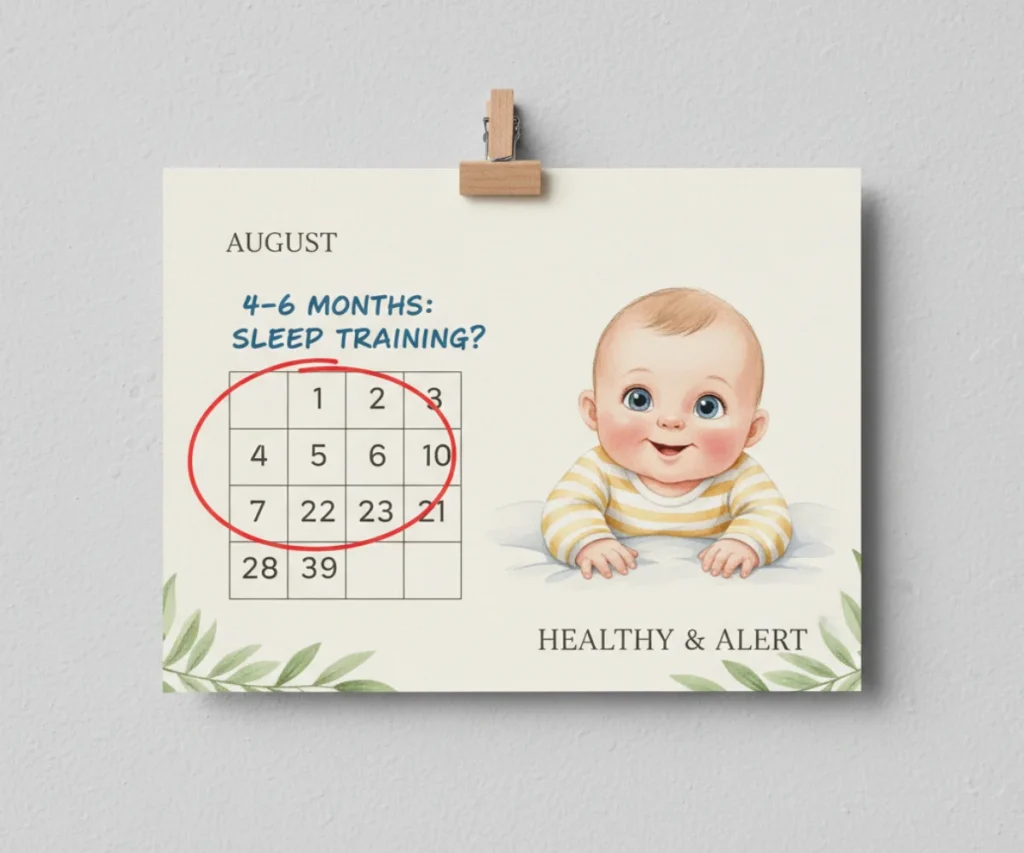
Deciding to use the Cry It Out method is a deeply personal choice, and it’s not universally appropriate for all babies or all families. There are key developmental milestones and circumstances that generally indicate when CIO might be considered safe and potentially effective.
Age is a Crucial Factor
Most pediatricians and sleep experts agree that CIO methods should not be attempted with newborns or very young infants. The general recommendation is to wait until a baby is at least 4 to 6 months old, adjusted for prematurity. Here’s why:
- Newborn Needs: Newborns and young infants (0-3 months) have immediate physiological needs (hunger, comfort, temperature regulation) that must be met quickly. Their crying is a primary survival mechanism, and they are not developmentally capable of self-soothing in the same way older infants are. Responding promptly to their cries helps establish trust and a secure base.
- Solidarity and Development: By 4 to 6 months, most healthy babies have developed the ability to sleep for longer stretches at night and can go without feeds for several hours. Their sleep architecture is maturing, and they are beginning to develop self-regulation skills. Importantly, they are typically past the peak risk for Sudden Infant Death Syndrome (SIDS), though safe sleep practices remain paramount.
- Pediatrician Consultation: Always consult your pediatrician before starting any sleep training method. They can confirm your baby is healthy, gaining weight appropriately, and free from any underlying medical conditions (like reflux or ear infections) that might be contributing to poor sleep and require different interventions.
Temperament and Health
A baby’s individual temperament and overall health play a significant role in how they might respond to CIO:
- Generally Healthy Babies: CIO is generally considered for healthy, typically developing infants who have received a clean bill of health from their pediatrician.
- No Medical Conditions: Babies with chronic medical conditions, significant developmental delays, or persistent pain (e.g., severe reflux) may not be suitable candidates for CIO, as their crying might be signaling a genuine medical need.
- Temperamental Considerations: Some babies are naturally more adaptable and resilient, while others are highly sensitive or persistent criers. Parents need to assess if their baby’s temperament is conducive to a method that involves crying. For very sensitive babies, gentler, more gradual methods might be more appropriate.
Parental Readiness and Consistency
CIO requires significant emotional fortitude and unwavering consistency from parents:
- Emotional Preparedness: Parents must be mentally and emotionally prepared to hear their baby cry. If the method causes excessive parental anxiety, guilt, or conflict between partners, it may not be the right fit.
- Consistency is Key: Whichever CIO method is chosen, it must be implemented consistently by all caregivers. Inconsistency can prolong the crying phase and confuse the baby.
- Support System: Having a supportive partner or family members can make a huge difference, especially during the first few challenging nights.
Ultimately, the decision to use CIO should be a thoughtful one, made in consultation with a pediatrician, with a clear understanding of your baby’s readiness, and a commitment to consistency and continued responsiveness during waking hours.
Alternatives to Cry It Out

If the idea of the Cry It Out method doesn’t resonate with you, or if you’ve tried it and found it unsuitable for your family, rest assured that there are many other gentle and effective sleep training alternatives. These methods typically involve more parental presence and gradual changes, aiming to reduce crying while still teaching independent sleep skills.
Gentle Sleep Training Methods
Many approaches fall under the umbrella of ‘gentle sleep training.’ They are characterized by a more hands-on, gradual approach to helping your baby learn to sleep independently:
- Pick-Up/Put-Down Method: This method, often associated with Tracy Hogg (The Baby Whisperer), involves picking up and comforting your baby when they cry, then putting them back down as soon as they are calm (but still awake). This cycle is repeated as many times as necessary until the baby falls asleep. The goal is to provide reassurance without letting the baby fall asleep in your arms.
- Fading Method (No-Tears Method): This approach gradually reduces the amount of assistance you provide to help your baby fall asleep. If you currently rock your baby to sleep, you might gradually reduce the rocking, then move to simply holding them, then just sitting by the crib, and eventually leaving the room while they are still awake. It’s a slow, incremental reduction of your presence and intervention.
- Chair Method (Gradual Withdrawal): As briefly mentioned earlier, this method involves sitting in a chair next to your baby’s crib until they fall asleep, offering verbal reassurance but no physical contact (unless absolutely necessary for safety). Each night, you gradually move the chair further away from the crib, eventually moving out of the room entirely. This provides a sense of parental presence while encouraging independent sleep.
- Bedtime Fading: This method focuses on adjusting the baby’s bedtime. If your baby is consistently protesting bedtime or waking frequently, their internal clock might be misaligned. You gradually push bedtime later by 15-minute increments until you find the sweet spot where they fall asleep easily and sleep more soundly. Once they are falling asleep easily, you can gradually move bedtime earlier again if desired.
Key Principles of Gentle Methods
Regardless of the specific gentle method chosen, several common principles underpin their success:
- Consistency: Like CIO, consistency is paramount. All caregivers should follow the chosen method diligently.
- Responsive, Not Reactive: The goal is still to teach independent sleep, so while you are present, you are not necessarily intervening at every whimper. You are responding to genuine distress rather than just habitual wakings.
- Patience: Gentle methods often take longer to show results than CIO, sometimes weeks rather than days. Parents need to be patient and committed.
- Strong Bedtime Routine: A consistent, calming bedtime routine (bath, stories, lullabies, dim lights) signals to the baby that it’s time to wind down and sleep, setting the stage for any sleep training method.
- Safe Sleep Environment: Always ensure your baby is sleeping in a safe environment – on their back, in a firm crib mattress, with no loose blankets, bumpers, or toys.
Choosing an alternative to CIO doesn’t mean you’re not committed to helping your baby sleep. It simply means you’re prioritizing a different approach that aligns better with your parenting philosophy or your baby’s temperament. The most important thing is to find a method that feels sustainable and compassionate for your unique family.
How to Implement CIO (If Chosen Carefully)
If, after careful consideration and consultation with your pediatrician, you decide that a form of the Cry It Out method is the right choice for your family, successful implementation hinges on a clear plan, consistency, and a deep understanding of what to expect. This isn’t a decision to be taken lightly, and approaching it with preparation will ease the process for both you and your baby.
Pre-Implementation Checklist
Before you begin, ensure these foundational elements are in place:
- Pediatrician’s Approval: Confirm your baby is healthy, well-fed, and developmentally ready (typically 4-6 months adjusted).
- Consistent Daytime Schedule: Ensure your baby has age-appropriate wake windows, predictable feeding times, and consistent naps. Overtired babies struggle more with sleep training.
- Optimal Sleep Environment: Create a dark, quiet, and cool (68-72°F / 20-22°C) sleep space. A white noise machine can be helpful.
- Solid Bedtime Routine: Establish a calming 20-30 minute routine (e.g., bath, pajamas, feeding, story, lullaby) to signal the transition to sleep.
- Parental Alignment: Ensure all caregivers (parents, grandparents, nannies) are on the same page and committed to the chosen method and consistency.
- Choose Your Method: Decide whether you will use full extinction or graduated extinction (Ferber method), understanding the difference.
Step-by-Step Implementation Guide (Graduated Extinction Example)
Let’s use a graduated extinction approach as an example, as it’s a common starting point for many families:
Night 1
- Bedtime Routine: Follow your consistent bedtime routine.
- Place Baby Awake: Put your baby down in their crib awake, drowsy but not asleep. Say a quick, loving goodnight, and leave the room.
- First Interval: If your baby cries, wait for a predetermined short interval (e.g., 3 minutes) before re-entering.
- Brief Check-in: When you re-enter, keep the check-in brief (1-2 minutes). Do not pick up or feed the baby. Offer a soft, reassuring verbal phrase (‘Mommy’s here, you’re safe, it’s time for sleep.’) and maybe a gentle pat, then leave.
- Second Interval: If crying continues, wait a slightly longer interval (e.g., 5 minutes) before the next check-in.
- Subsequent Intervals: Continue increasing the intervals (e.g., 10 minutes, then 12 minutes, then 15 minutes, or a set maximum) until your baby falls asleep. The goal is not to stop the crying, but to offer a brief, consistent check-in that doesn’t become a sleep prop.
- Night Wakings: Apply the same interval strategy if your baby wakes during the night and cries. If your baby is still feeding at night, you can choose to do one dream feed or respond to a feed after a certain time (e.g., after 2 AM), then resume intervals if they wake again.
Night 2 and Beyond
- Increase Intervals: On subsequent nights, lengthen your starting and subsequent intervals. For example, Night 2 might start with 5 minutes, then 10, then 15. Night 3 might start with 10, then 15, then 20.
- Consistency is Key: Stick to your chosen intervals and check-in style. Inconsistency will only prolong the process.
- Expect Fluctuation: It’s common for crying to decrease on Night 2, sometimes spike slightly on Night 3 or 4, and then consistently improve. This is normal.
- Naps: Once night sleep is established (usually within a week or two), you can apply the same principles to naps. Naps often take longer to consolidate than night sleep.
Important Considerations
- Listen to Your Gut: While consistency is important, if you feel deep down that your baby is in genuine distress (e.g., cries escalating to a panic-like state, or if your baby seems ill), always respond.
- Don’t Rush In: Allow your baby a few moments to resettle themselves when you hear noises. Many babies make sleep sounds or fuss briefly before returning to sleep.
- Celebrate Small Wins: Any progress is good progress. Be patient and kind to yourself and your baby throughout the process.
Implementing CIO is a short-term challenge for a potentially long-term gain in family sleep. With careful planning and consistent execution, many families find it to be a successful path to independent sleep.
Important Considerations and Red Flags
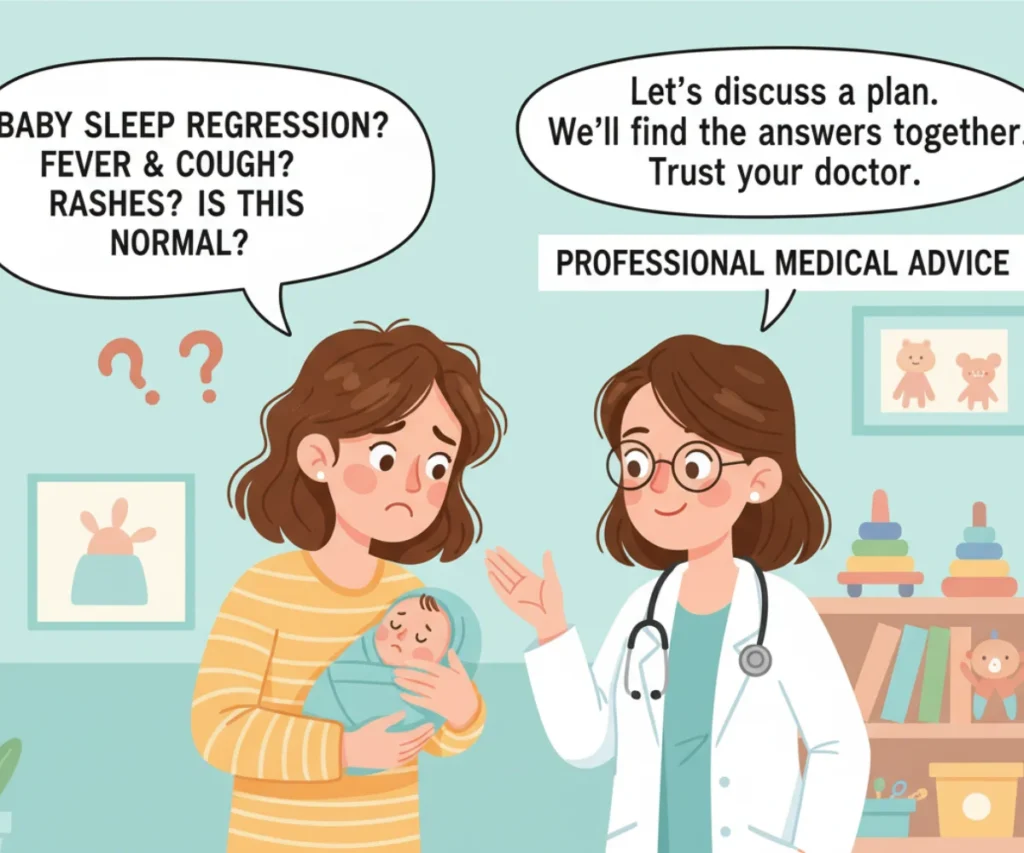
While the Cry It Out method can be an effective sleep training strategy for many families, it is not a one-size-fits-all solution. There are crucial considerations and red flags that parents must be aware of before, during, and after implementing CIO to ensure the safety and well-being of their baby.
When Not to Use CIO
There are specific situations where CIO methods are generally not recommended:
- Medical Conditions: If your baby has any underlying medical conditions (e.g., reflux, chronic ear infections, allergies, sleep apnea, significant developmental delays), consult your pediatrician. Crying could be a symptom of pain or discomfort that requires medical attention, not sleep training.
- Premature Infants: Premature babies often have different developmental timelines and physiological needs. It’s best to wait until they are developmentally on par with a full-term infant of the recommended age (4-6 months adjusted).
- Growth Concerns: If your baby is not gaining weight appropriately or has feeding difficulties, night feeds may still be medically necessary, even if they are older than 4-6 months. Always prioritize your pediatrician’s advice regarding feeding schedules.
- During Illness: Never attempt or continue CIO if your baby is sick, has a fever, is teething severely, or is otherwise unwell. A sick baby needs comfort and immediate responsiveness.
- Extreme Distress: If your baby’s crying during CIO sounds like panic or extreme distress, or if it doesn’t seem to lessen after several nights, it might be a sign that the method is not suitable for their temperament. In such cases, it’s important to pause and reconsider.
- Parental Discomfort: If implementing CIO causes severe parental guilt, anxiety, or distress, or if it creates significant conflict between partners, it’s not the right method for your family. Your emotional well-being is also crucial.
Consult a Pediatrician
This cannot be emphasized enough. Before starting any sleep training method, including CIO, have an open and honest conversation with your pediatrician. They can:
- Rule out medical issues: Ensure your baby’s poor sleep isn’t due to an underlying health problem.
- Assess readiness: Help determine if your baby is developmentally and physiologically ready for sleep training.
- Provide guidance: Offer personalized advice based on your baby’s specific health history and your family’s situation.
- Reassure you: Discuss the latest research on sleep training safety to alleviate concerns.
Your pediatrician is your best resource for ensuring any sleep strategy is safe and appropriate for your individual child.
Monitoring and Responsiveness
Even when implementing CIO, parental responsiveness remains critical:
- Monitoring from a Distance: Use a reliable baby monitor to observe your baby. You’re still actively parenting, just from a distance.
- Responding to True Needs: If your baby’s cry sounds different, more urgent, or indicates pain, respond immediately. CIO is for teaching independent sleep, not for ignoring genuine distress.
- Daytime Connection: Intensify your loving, responsive interactions during waking hours. Fill their ‘love cup’ with cuddles, playtime, and attuned responses to reinforce your bond.
- Be Flexible: Life happens. If there’s a major change (travel, illness, developmental leap), it’s okay to temporarily pause or adjust your sleep training plan. Consistency can be re-established later.
Ultimately, making an informed decision about CIO involves weighing the potential benefits against the risks, aligning with your family’s values, and always prioritizing your baby’s health and well-being in consultation with medical professionals. There is no single ‘right’ way to parent, only the right way for your family.
Conclusion Navigating Sleep with Confidence

Navigating the choppy waters of infant sleep can feel overwhelming, and the decision to explore methods like ‘Cry It Out’ is one that often comes with a mix of hope, desperation, and a significant dose of parental anxiety. Our journey through the science, benefits, and concerns surrounding CIO reveals a complex picture, one where safety is paramount, but also where individual circumstances and family values play a central role.
What we’ve learned is that for healthy, typically developing infants of appropriate age (generally 4-6 months and older), current scientific evidence suggests that structured, consistent sleep training methods, including those that involve some crying, are generally safe. They have not been shown to cause long-term harm to a baby’s attachment, emotional development, or stress regulation. In fact, improved sleep for both baby and parents can lead to significant positive impacts on family well-being, parental mental health, and the overall quality of daily interactions.
However, safety is never absolute, and the ‘right’ method for one family may be entirely wrong for another. Critical considerations include a thorough pediatrician consultation to rule out medical issues, an understanding of your baby’s unique temperament, and an honest assessment of your own emotional readiness and commitment to consistency. If CIO feels too harsh, or if it causes you undue distress, there are many gentle alternatives that can also lead to independent sleep over time.
Ultimately, the goal of sleep training isn’t to force a baby into a mold, but to equip them with the vital life skill of independent sleep, allowing them to gain the restorative rest they need for healthy development, and enabling parents to be more present, patient, and joyful during waking hours. Trust your instincts, arm yourself with knowledge, and remember that responsive, loving care during the day forms the bedrock of a secure parent-child bond, regardless of the sleep training path you choose. You are doing a wonderful job, and finding healthy sleep solutions is a testament to your dedication as a parent.