16 Month Baby Milestones with 14 Important Skills
As your toddler reaches the 16 month mark, you will notice a significant shift from infancy into a more active and communicative stage of childhood. This period is characterized by rapid cognitive development, improved motor coordination, and the emergence of a distinct personality. Understanding the specific developmental milestones for this age can help parents support their child’s growth and provide a stimulating environment. While every child develops at their own pace, there are several key benchmarks that pediatricians look for during this energetic phase of life. Here we outline 14 critical skills your 16-month-old is likely developing or mastering.
1. Walking and Navigating Obstacles
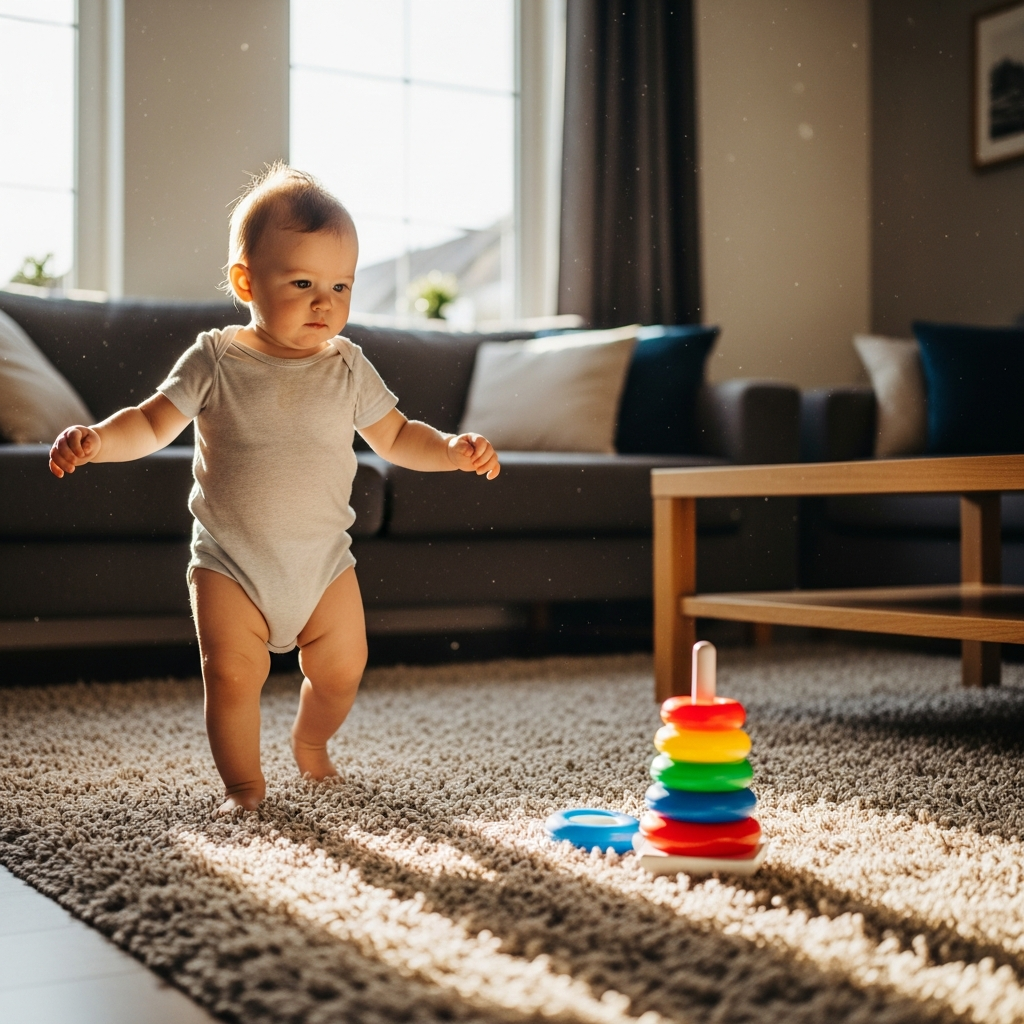
By 16 months, most toddlers have transitioned from tentative first steps to confident walking. They are now learning to navigate different surfaces and may even try to walk backward or turn in circles. This skill represents a massive leap in physical independence and muscle strength, allowing them to explore their environment with much greater autonomy.
2. Developing a Small Vocabulary
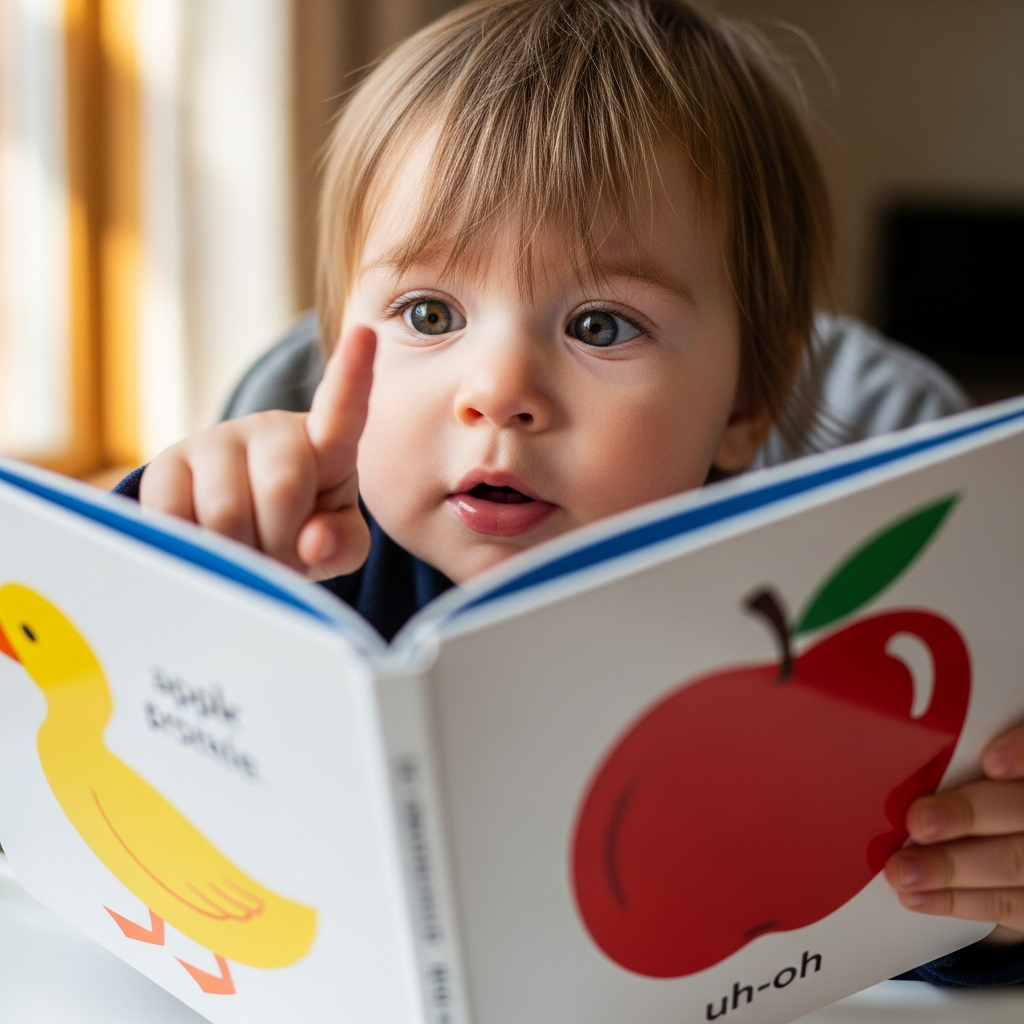
Language skills are blossoming at this age. Most children can say several simple words such as Mama, Dada, milk, or ball. While their pronunciation may not be perfect, they are beginning to understand that specific sounds represent specific objects or people in their daily lives.
3. Using a Spoon or Fork
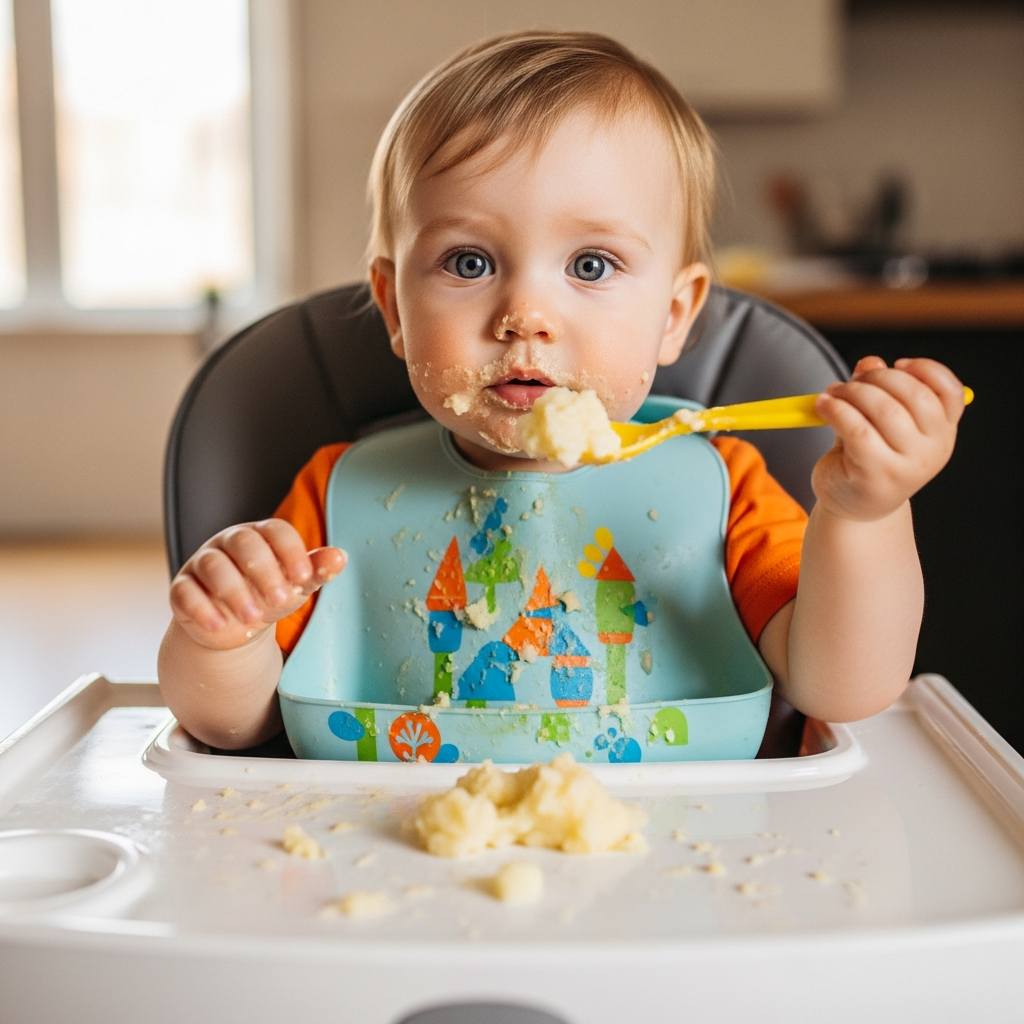
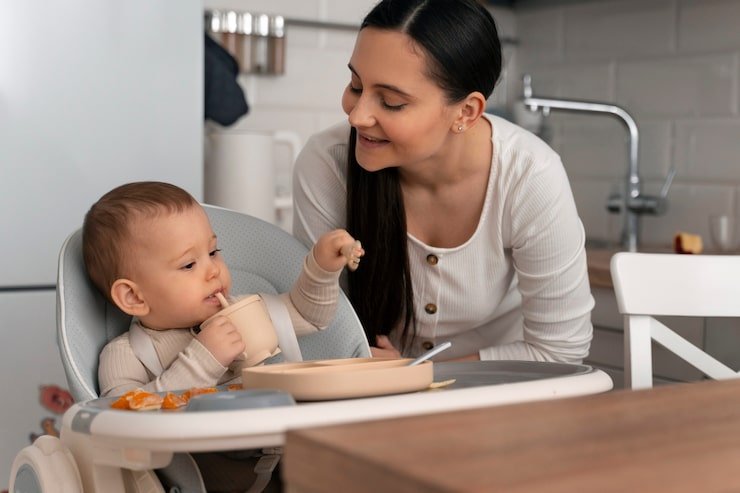
Self-feeding becomes more refined as fine motor skills improve. At 16 months, many children attempt to use a spoon or fork to feed themselves. While this process is often messy and involves a fair amount of spilling, it is a vital step toward developing hand-eye coordination and personal independence.
4. Following Simple One-Step Commands
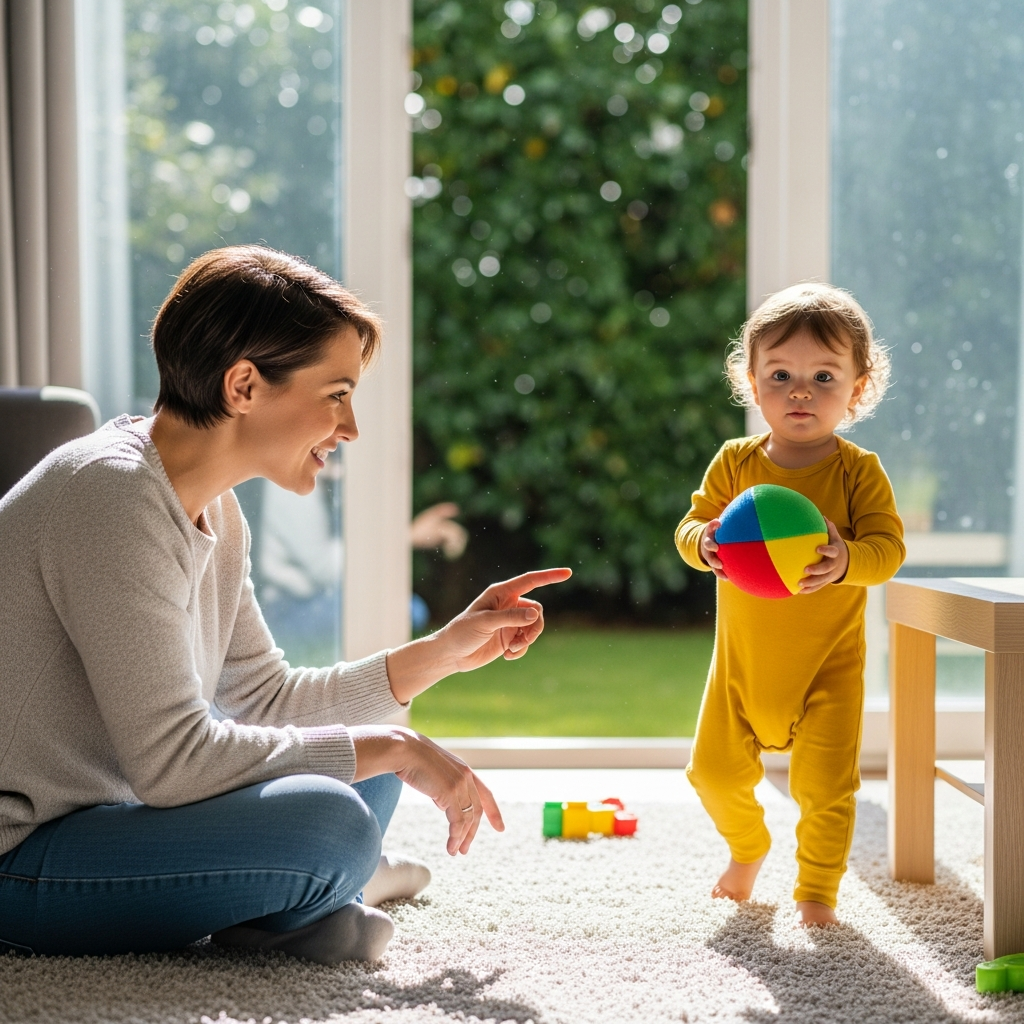
Receptive language often develops faster than expressive language. Your child should now be able to follow simple instructions such as pick up the toy or come here. This indicates that their cognitive ability to process verbal information and translate it into physical action is maturing.
5. Scribbling on Paper
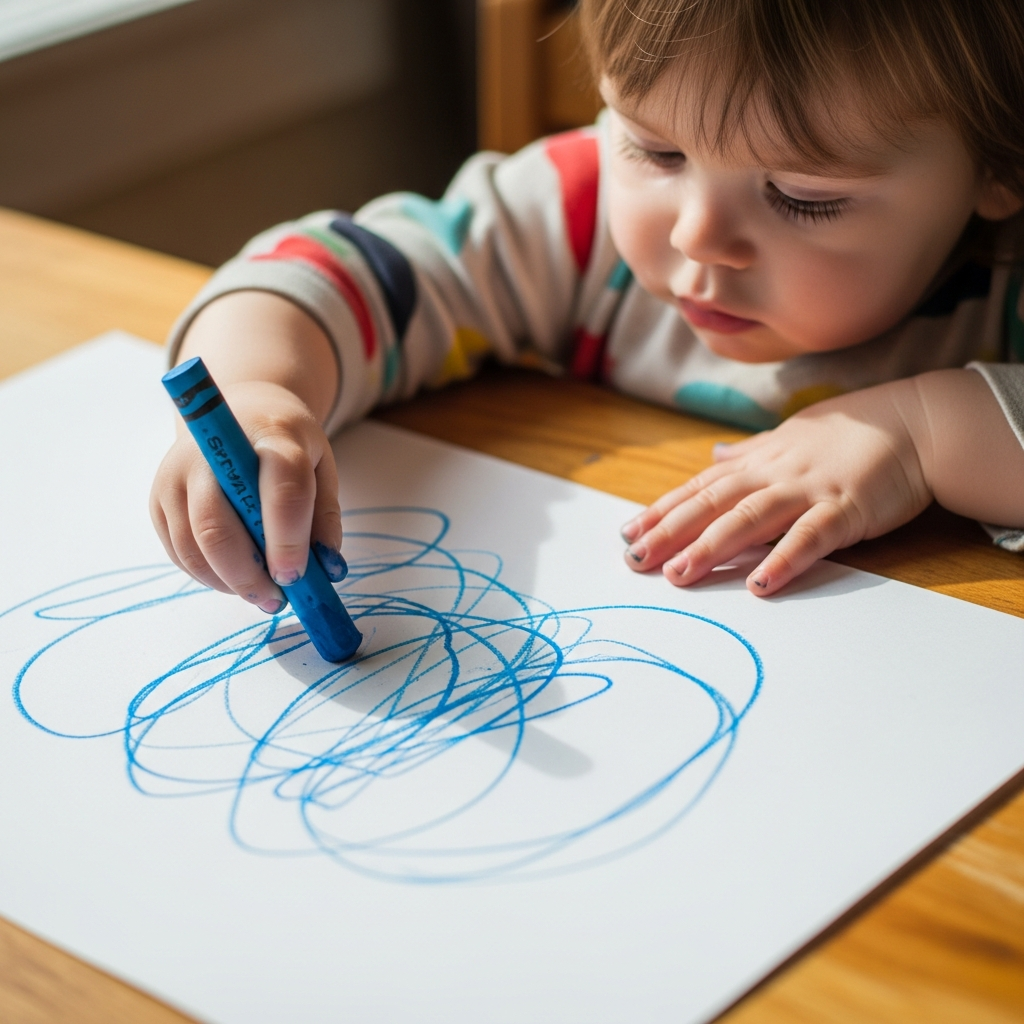
The ability to grasp a crayon and make marks on paper is a significant milestone for 16-month-olds. They typically use a palmar grasp, holding the crayon in their fist, and create energetic scribbles. This activity helps strengthen the small muscles in the hands and wrists.
6. Pointing to Identify Objects

Pointing is a sophisticated form of communication that bridges the gap between gestures and words. A 16-month-old will point to things they want or things they find interesting, such as an airplane in the sky or a dog in the park, to share the experience with you.
7. Stacking Small Blocks

Building a tower of two or three blocks requires steady hands and spatial awareness. This skill demonstrates that the child is beginning to understand how objects relate to one another in space and is a precursor to more complex problem-solving activities.
8. Climbing on Furniture
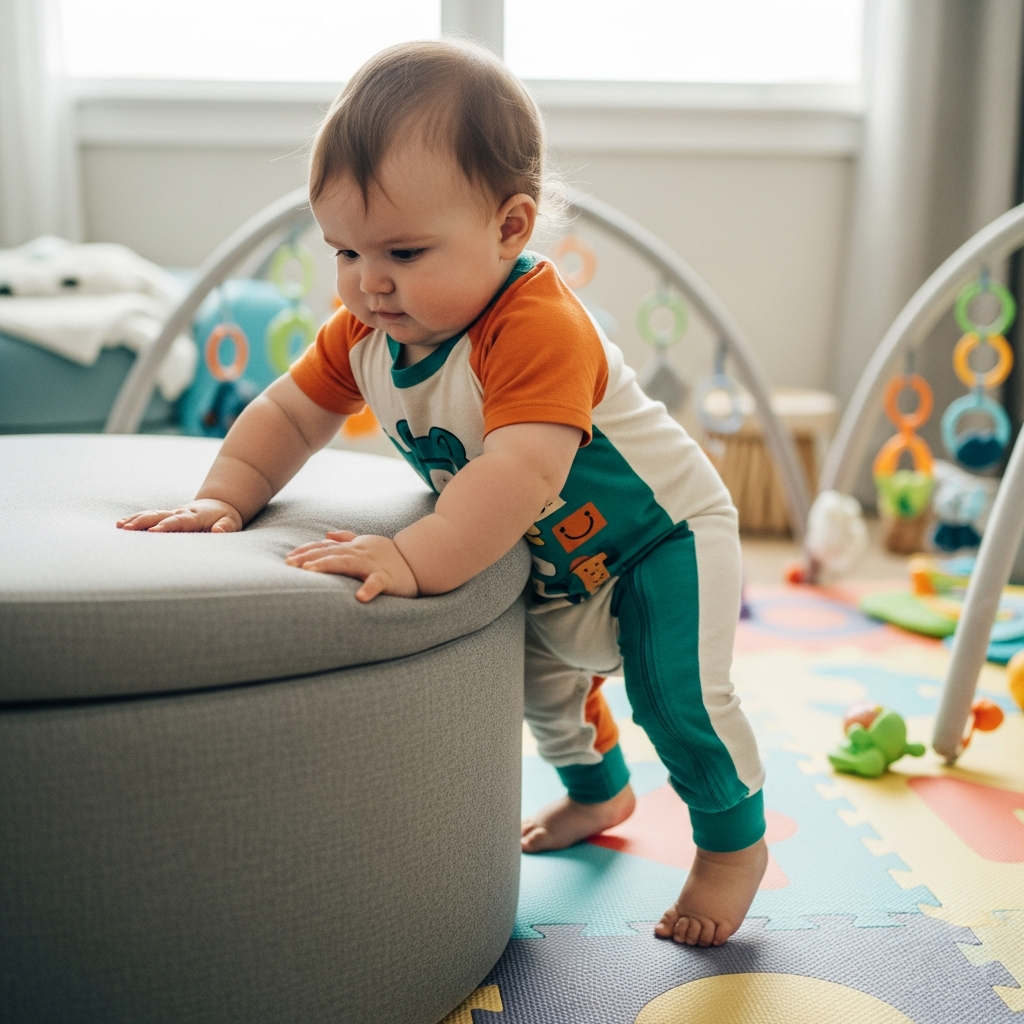
As gross motor skills improve, the urge to climb becomes irresistible. Toddlers at this age will often try to climb onto sofas, chairs, or low stairs. While this requires close supervision, it is a sign of increasing physical confidence and body awareness.
9. Identifying Several Body Parts
When asked, Where is your nose? or Where are your toes?, a 16-month-old can often point to the correct body part. This shows an emerging sense of self-awareness and an understanding of the labels applied to their own body.
10. Imitating Household Chores
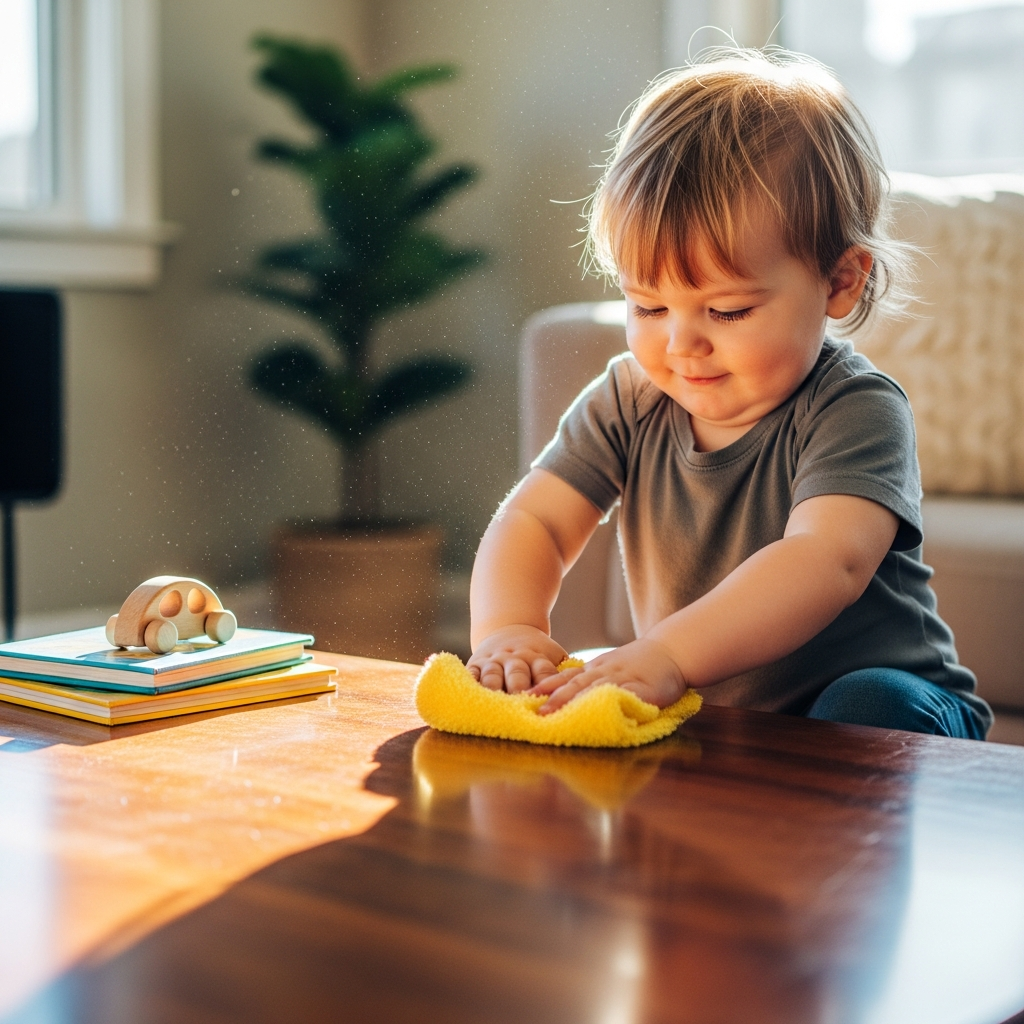
Children at this age love to mimic the adults around them. You might see your 16-month-old trying to sweep with a toy broom, wipe the table with a cloth, or pretend to talk on a phone. This observational learning is crucial for social development.
11. Showing Affection to Familiar People
Social and emotional milestones include giving hugs, kisses, or high-fives to parents and caregivers. At 16 months, children are becoming more aware of their relationships and are finding ways to express love and trust through physical touch.
12. Drinking from an Open Cup
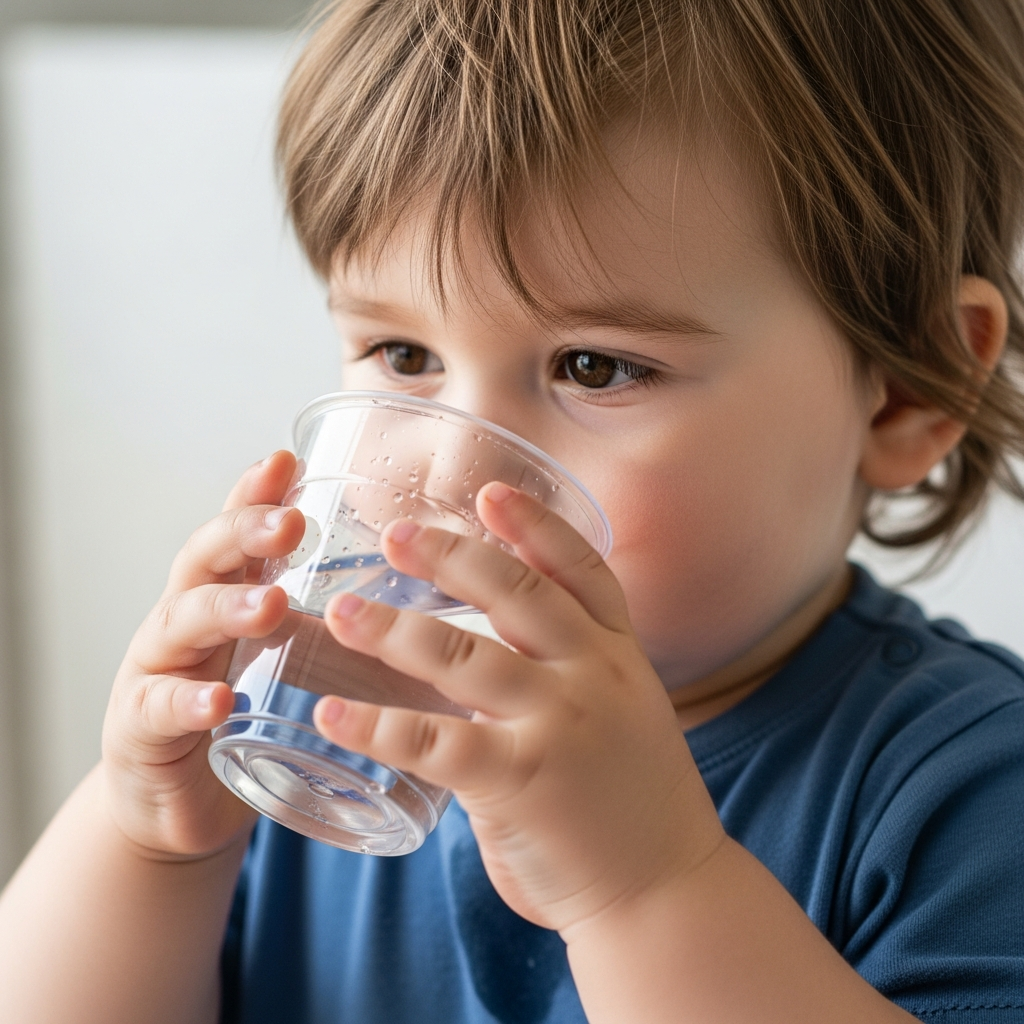
While they may still use a sippy cup, 16-month-olds are often capable of drinking from an open cup with assistance. This requires the coordination of tilting the cup and swallowing without choking, which is a major step in oral motor development.
13. Playing Side-by-Side with Peers
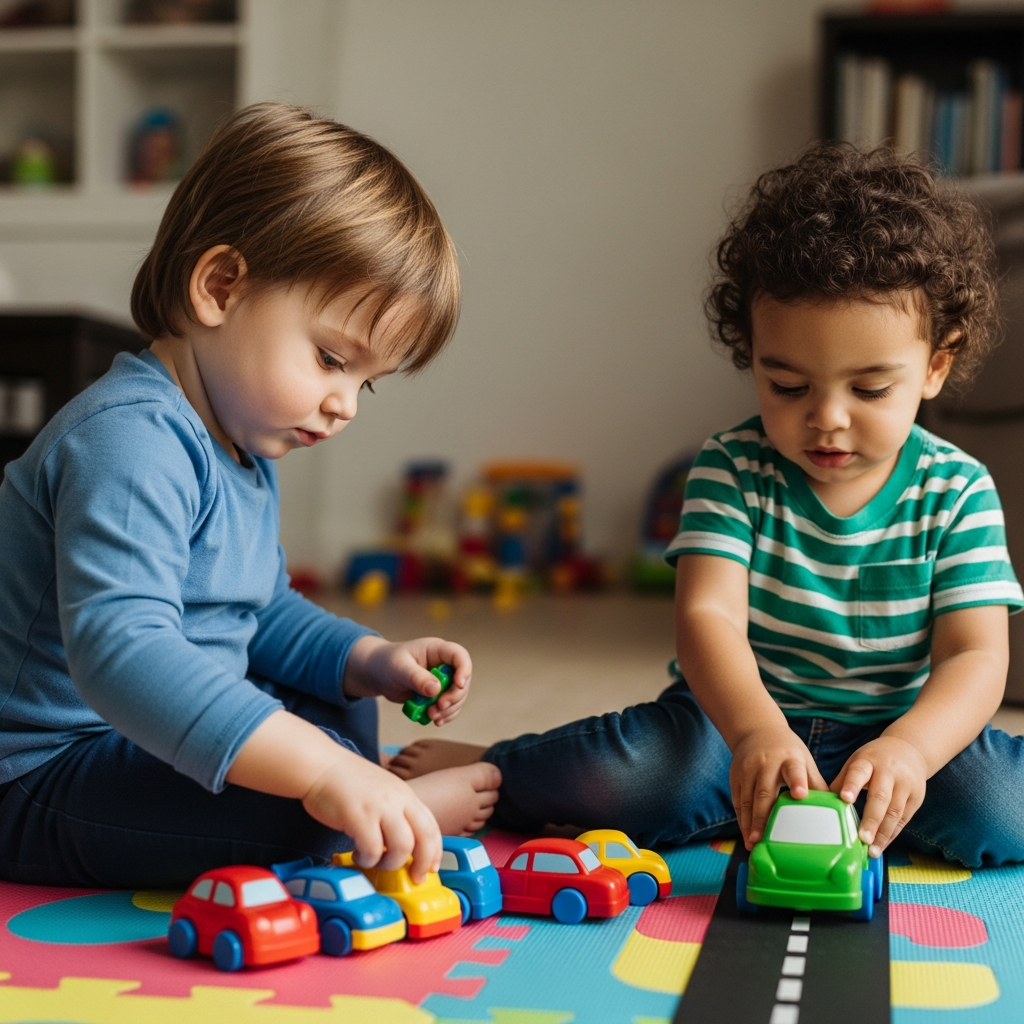
Known as parallel play, toddlers at this age enjoy being near other children even if they do not yet interact directly. They might play with similar toys in the same area, which is the foundational stage for developing future social skills and cooperation.
14. Asserting Independence with No
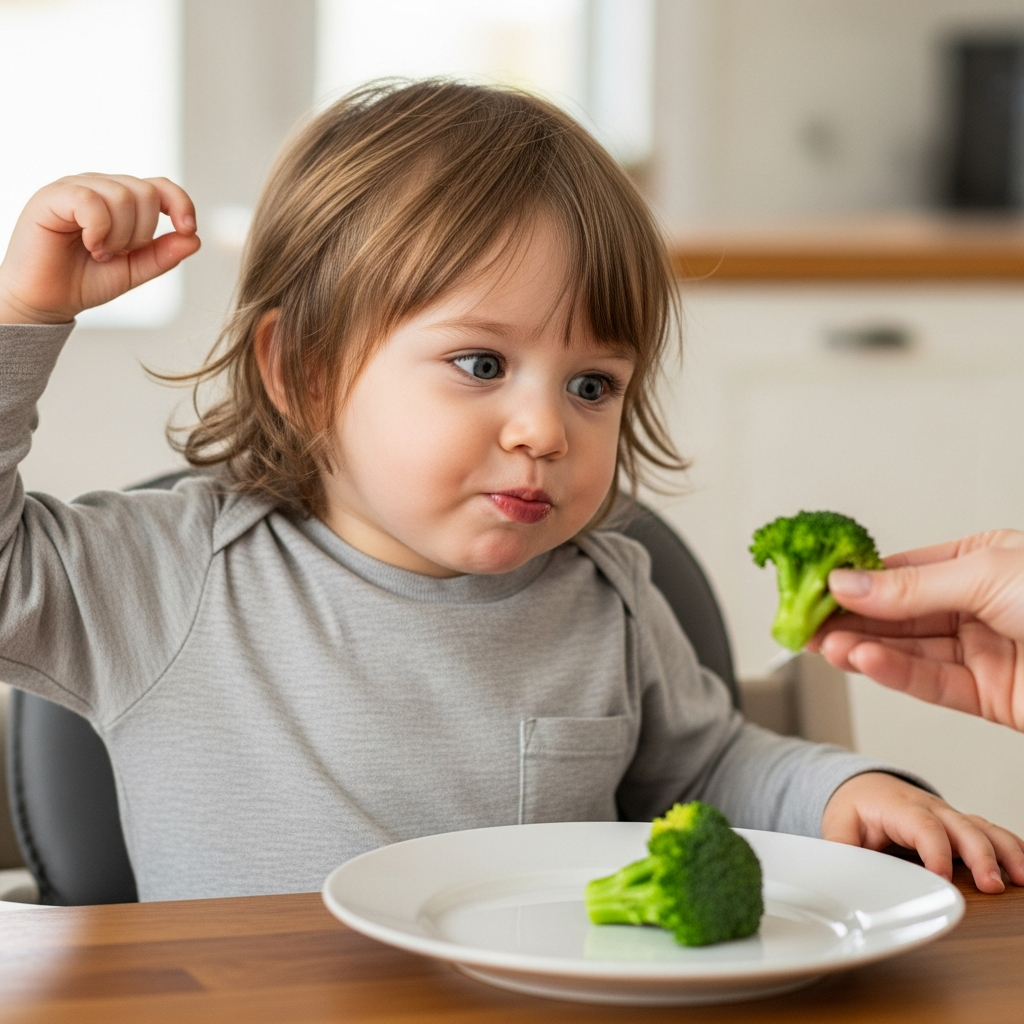
One of the more challenging but important milestones is the emergence of a will. Using the word no or shaking their head is a sign that the child is beginning to realize they are a separate person with their own desires and choices.
Conclusion
The 16-month milestone is a vibrant time of discovery and growth. By mastering these 14 skills, your child is building the foundation for more complex physical, cognitive, and emotional abilities. It is important to remember that developmental timelines vary significantly; some children may focus on motor skills while others prioritize language. However, if you have concerns about your child’s progress or if they are losing previously acquired skills, always consult with your pediatrician for professional guidance and peace of mind.