When Do Babies Start Standing with 5 Helpful Tips
Watching your baby grow and hit new milestones is one of the most exciting parts of parenthood. From their first smile to rolling over, each achievement fills our hearts with immense joy and a touch of wonder. Among these significant developmental leaps, standing tall is a moment many parents eagerly anticipate. It’s not just about getting on two feet; it’s a huge step towards independence, exploration, and eventually, those first wobbly steps into walking.
As parents, it’s natural to wonder, “When will my baby start standing?” You might find yourself comparing your little one to others or feeling a mix of excitement and mild anxiety. Rest assured, every baby is on their own unique timeline. While there are general age ranges for milestones, your baby’s journey is precisely that – theirs. This article will guide you through the typical timeline for babies learning to stand, help you recognize the signs of readiness, and offer five gentle, helpful tips to support your baby as they embark on this amazing adventure.
The Incredible Journey to Standing
Before a baby stands, their little bodies are working incredibly hard, building a robust foundation of strength, balance, and coordination. This journey doesn’t start overnight; it’s a gradual progression that begins much earlier than you might think. Think of it as a series of interconnected steps, each one preparing them for the next big leap. From the earliest days, tummy time helps build neck and core strength, crucial for all later movements. As they master rolling, then sitting independently, they’re refining their balance and strengthening their back and abdominal muscles.
Crawling, often seen as a precursor to standing, further develops their coordination between arms and legs, enhances spatial awareness, and strengthens their hips and shoulders. These seemingly small achievements are, in fact, monumental in your baby’s physical development. Each wiggle, roll, and scoot is a testament to their innate drive to explore and conquer their physical world. So, when you see your baby practicing these earlier skills, know that they are laying the groundwork for standing and walking, making their muscles strong and their balance keen for the upright world. It’s a beautiful, intricate dance of development, where every little movement contributes to the grand symphony of growing up. Remember, patience and encouragement are your best tools during this exciting phase.
Typical Standing Milestones What to Expect
Understanding the general timeline can help you appreciate your baby’s progress without fixating on exact dates. Remember, these are averages, and a wide range of normal exists. Your baby might hit these milestones a little earlier or a little later, and that’s perfectly fine! Every child is a unique individual, and their developmental pace is no exception. Comparing your baby to others can be tempting, but it often leads to unnecessary worry. Instead, celebrate their individual accomplishments.
Pulling to Stand
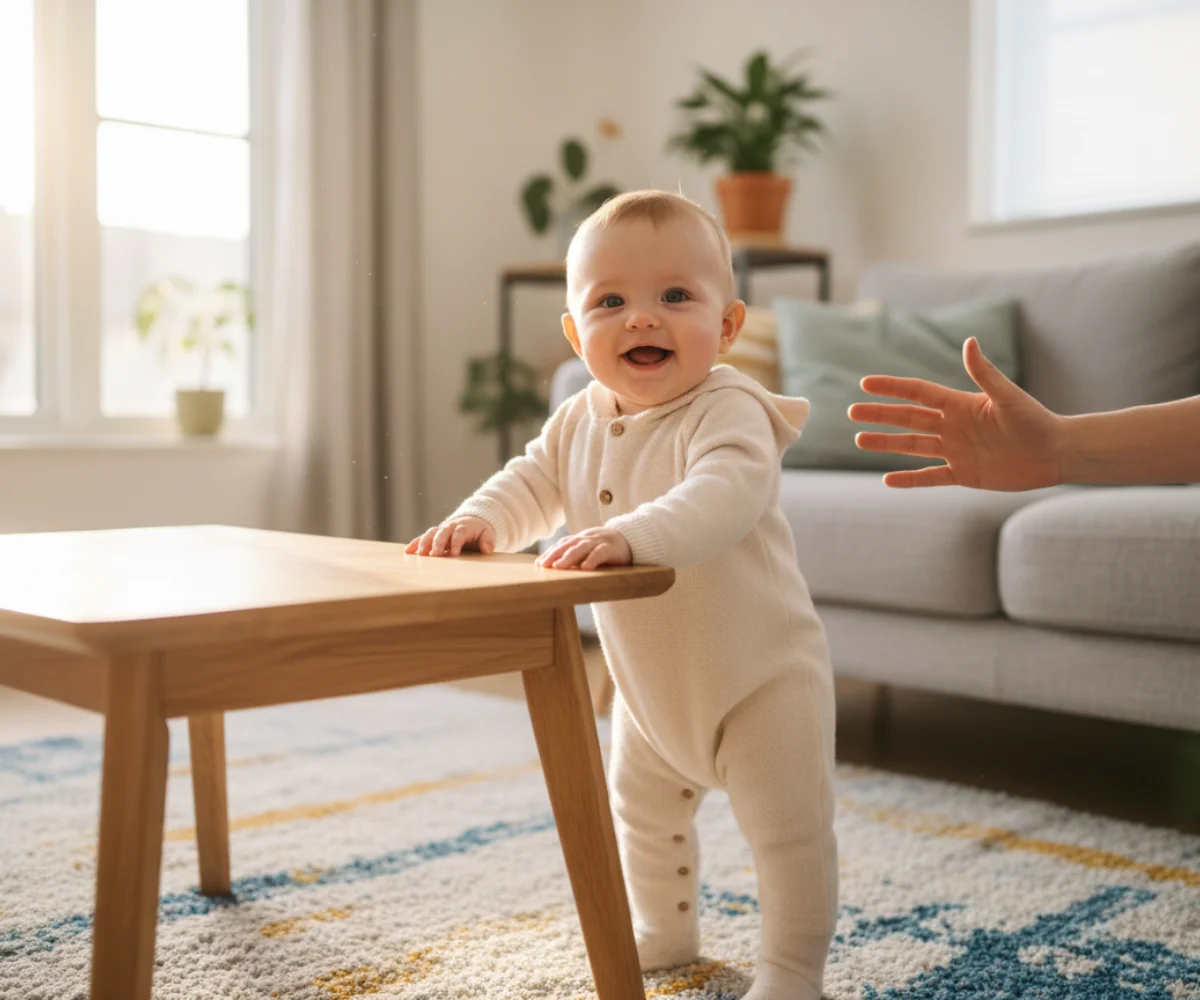
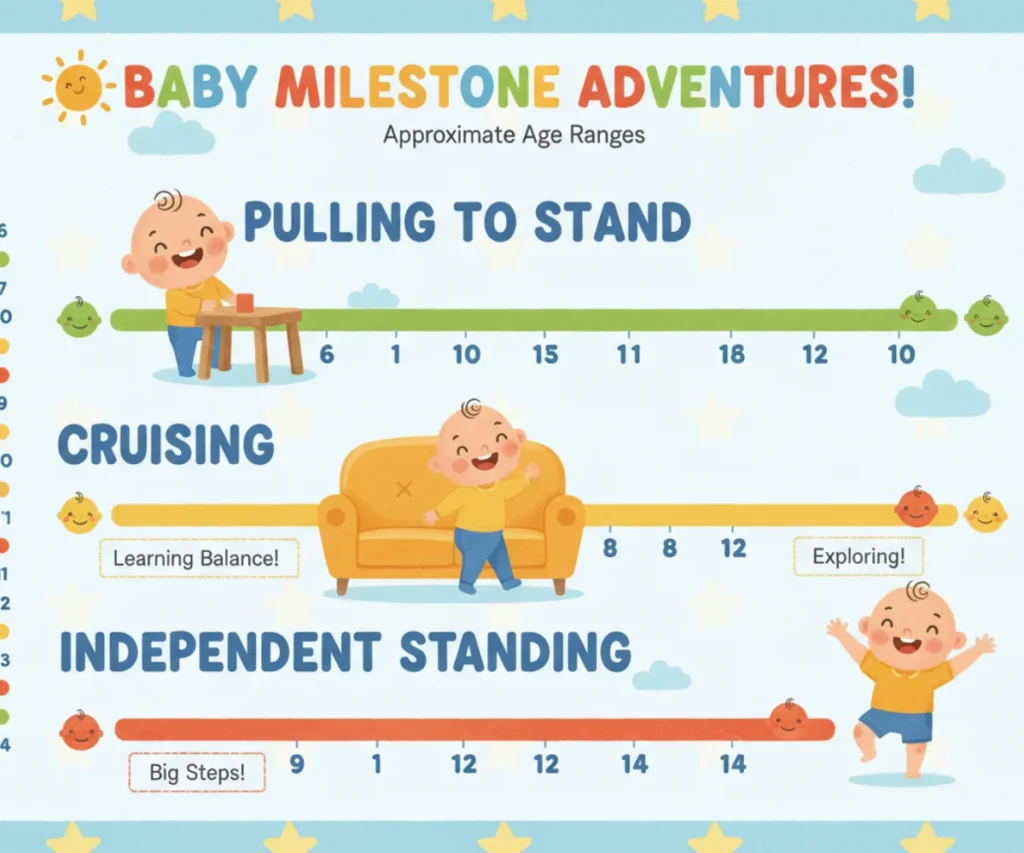
This is often the first real indication that your baby is working towards standing. Typically, babies start to pull themselves up to a standing position between 6 and 12 months of age. They’ll use furniture, crib rails, or even your legs as leverage. You’ll notice them bending their knees, pushing through their feet, and using their arms to hoist themselves up. At first, it might be wobbly, and they might need help sitting back down (which can be trickier than standing up!). This stage is all about building leg strength and getting used to the sensation of being upright. Don’t be surprised if they fall back onto their bottom a lot – that’s just part of the learning process! Provide soft surfaces and your reassuring presence.
Cruising
Once your baby masters pulling to stand, the next exciting phase is “cruising.” This usually happens between 8 and 12 months. Cruising involves walking sideways while holding onto furniture or other stable objects. It’s like a sideways shuffle, giving them a chance to practice balance, weight shifting, and taking steps without the full responsibility of standing independently. They might go from the couch to a chair, then back again, slowly building confidence and strength in their legs and core. Cruising is an important transitional skill that bridges the gap between pulling up and walking on their own. It’s a wonderful display of their developing coordination and determination.
Standing Independently
The moment they let go! Standing independently often emerges between 9 and 16 months. This is a significant milestone where your baby can stand for short periods without holding onto anything. It starts with just a few seconds, perhaps while reaching for a toy, and gradually extends as their balance and confidence improve. You might see them pause in the middle of a room, hands waving for balance, a look of intense concentration on their face. This ability is a direct result of all the pulling, cruising, and countless tumbles they’ve experienced, strengthening their muscles and refining their proprioception (their sense of where their body is in space). This independent standing is the final big step before they brave those first independent steps into walking.
Signs Your Baby is Ready to Stand
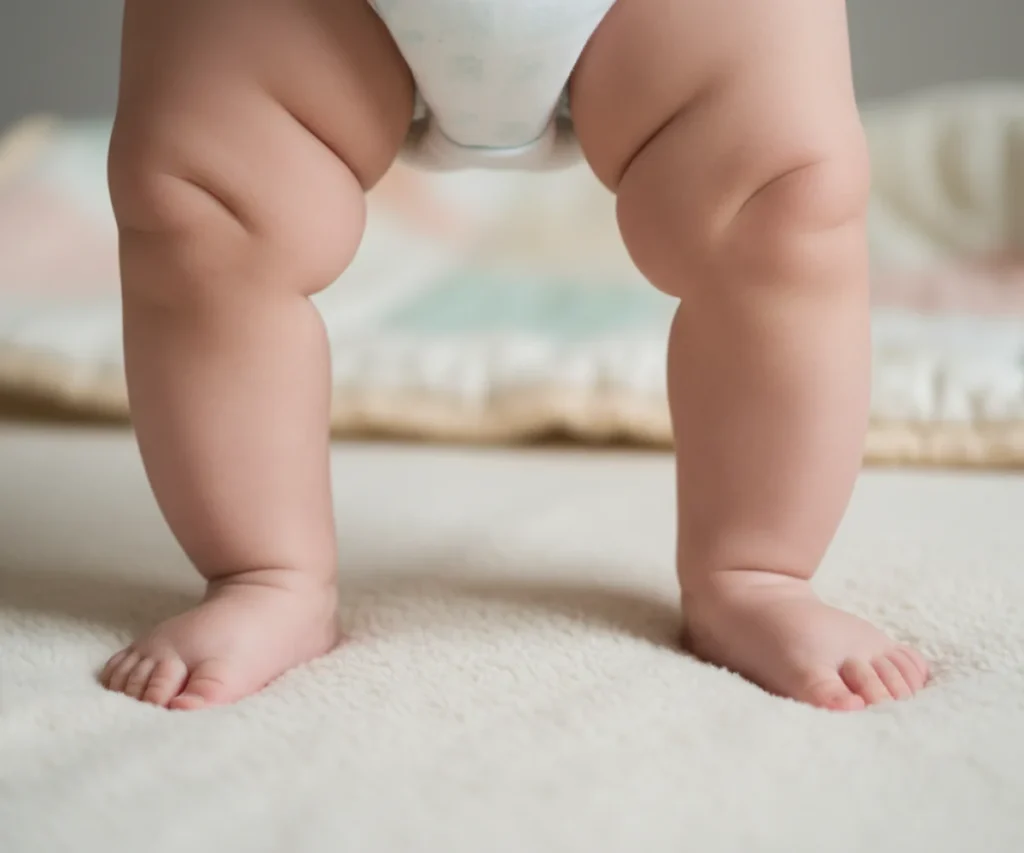
Before your baby makes the leap to standing, they’ll often give you subtle (or not-so-subtle!) hints that their little body is ready. Recognizing these signs can help you support their natural development, allowing you to create the best environment for their new explorations:
- Stronger Leg Muscles: You might notice this when you hold them. Instead of their legs dangling, they’ll push down firmly, trying to bear weight. They might even bounce excitedly when you hold them upright, showing off their newfound leg power.
- Interest in Pulling Themselves Up: Your baby will start actively trying to pull themselves up on anything they can grab – your pant leg, the edge of a couch, a low table, or the bars of their crib. This shows an intrinsic motivation to get vertical and explore their world from a new perspective.
- Good Balance While Sitting: If your baby can sit unassisted for extended periods, leaning forward to retrieve toys and twisting their torso without falling over, they have developed crucial core strength and balance needed for standing. This stable base is essential for upright movement.
- Showing Curiosity About Vertical Exploration: They might crane their neck to look at things above them, or try to reach for objects on higher surfaces. This intellectual curiosity often goes hand-in-hand with physical readiness, as they want to access what they see.
- Attempting to Crouch and Rise: Sometimes, babies will experiment with bending their knees while holding on, then pushing back up. This squatting motion is excellent practice for the mechanics of standing and building leg power.
These signs indicate that your baby is not just physically capable, but also mentally and emotionally ready to tackle this new challenge. It’s a wonderful time to provide a supportive and stimulating environment for them, always with your loving supervision.
5 Helpful Tips to Encourage Standing
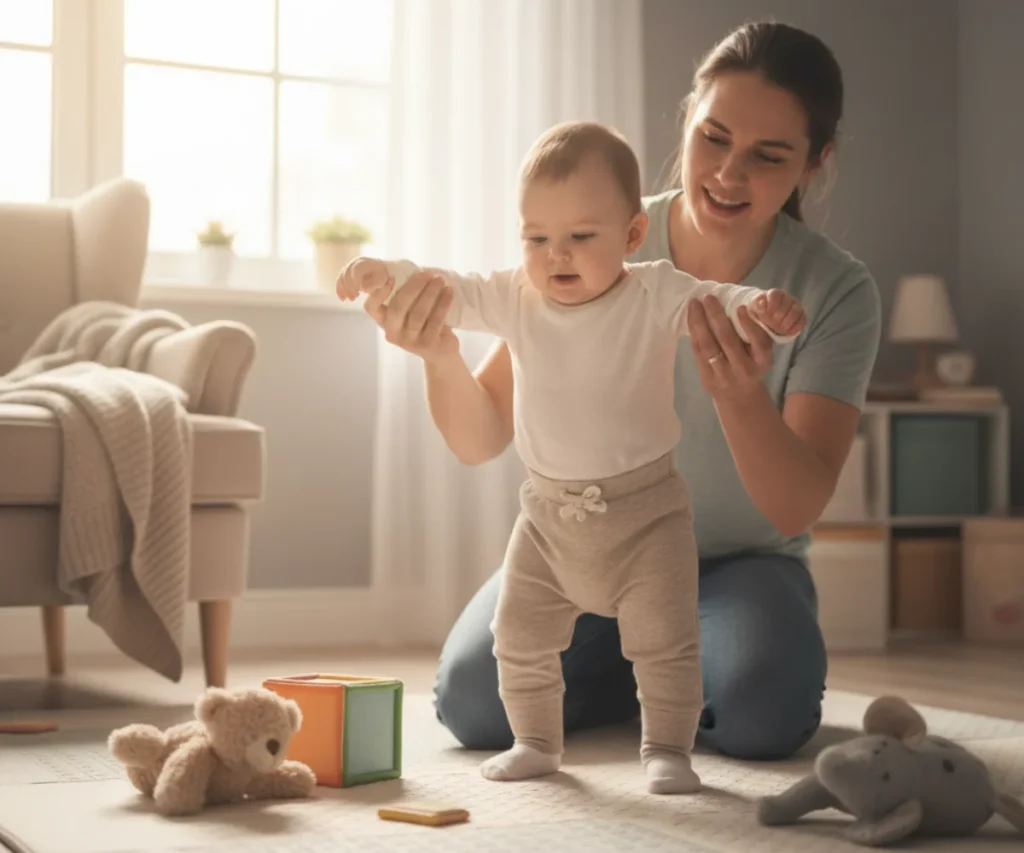
You can play an active role in encouraging your baby’s standing journey. Remember, the goal isn’t to rush them, but to provide a safe and stimulating environment that supports their natural development. Here are five gentle, practical tips, designed to build confidence and strength:
1. Provide Safe Opportunities for Pulling Up
Create a space where your baby can safely practice pulling themselves up. This means having sturdy, low furniture that won’t tip over. Crib rails are excellent for this practice, as are low coffee tables or stable bookshelves that are anchored to the wall. Make sure the surfaces are clean and free of sharp edges, and that there are no tempting small objects within reach. Always supervise them during this exploration, especially as they learn to sit back down safely. This constant practice is what builds their muscle memory and confidence.
2. Encourage Cruising Along Furniture
Once they’re pulling up, help them discover the joy of cruising! Arrange furniture so there are short, safe distances between stable objects (like a couch and a low shelf). Place engaging toys just out of reach along these pathways to motivate them to take those sideways steps. You can also stand a little distance away and encourage them to cruise towards you, offering a reassuring hand if needed. This builds confidence and strength for independent movement, preparing them for walking. Think of it as their own little obstacle course!
3. Offer Motivating Toys on Elevated Surfaces
Babies are naturally curious! Use this to your advantage. Place their favorite sturdy, non-breakable toys on a low, stable surface, like a coffee table or a sturdy storage bin, just high enough that they need to pull up to reach them. This encourages them to stand and maintain balance while engaging with a desired object. Make sure the toys are safe for standing play and won’t roll away easily, frustrating your little one. The reward of reaching their favorite toy will be a great motivator.
4. Play Floor Time Games
Interactive play is incredibly valuable. Sit on the floor with your baby and hold them in a standing position, letting them push off your lap or thighs. Sing songs like “The Grand Old Duke of York” or “Ring a Ring o’ Roses” that involve standing up and sitting down. These playful interactions make the learning process fun and help them associate standing with positive experiences. You can also offer your hands for support while they practice taking small steps. Laughter and connection make learning joyful!
5. Ensure Barefoot Time Whenever Possible
While cute baby shoes are tempting, allowing your baby to spend time barefoot, especially indoors, is incredibly beneficial for their developing feet. Being barefoot provides better grip on surfaces and allows their feet to receive important sensory feedback from the ground. This feedback helps strengthen the muscles and ligaments in their feet, improves balance, and refines their proprioception (their awareness of their body in space), all of which are vital for standing and walking. If shoes are necessary, choose soft-soled, flexible options that mimic being barefoot, allowing for natural foot movement and development.
A Gentle Reminder: While baby walkers (the seated kind that babies push) might seem helpful, many developmental experts advise against them. They can actually hinder normal muscle development, encourage tip-toe walking, and pose significant safety risks. Instead, focus on providing plenty of supervised floor time and opportunities for natural movement, which is far more beneficial for their overall development.
When to Seek Professional Advice
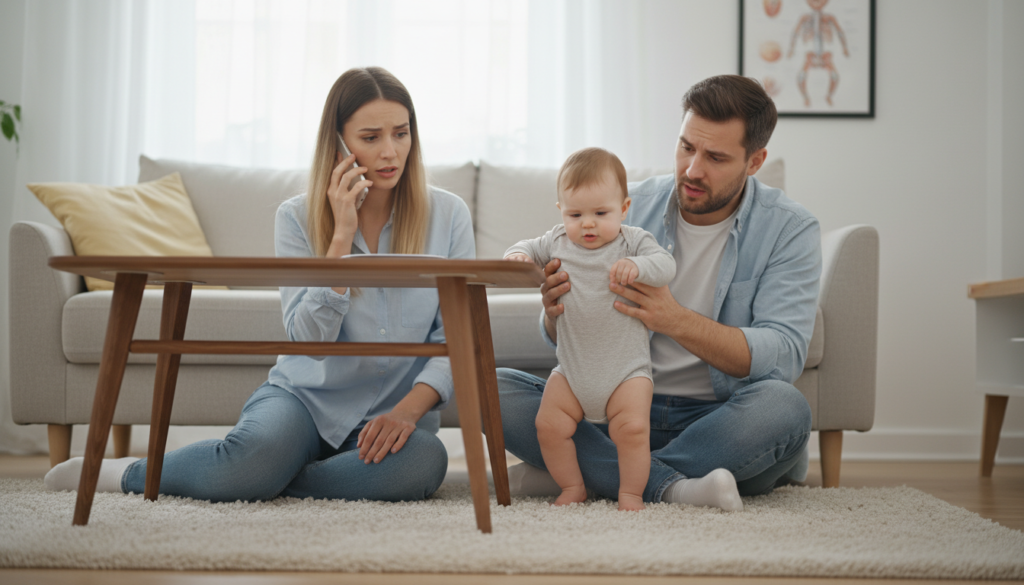
While every baby develops at their own pace, there are times when it’s wise to consult with your pediatrician. These are general guidelines, and your doctor can provide personalized advice based on your baby’s overall health and development. Don’t hesitate to reach out if:
- Your baby shows no interest in pulling to stand or bearing weight on their legs by 12 months. While some babies may be a bit later, a complete lack of interest can sometimes warrant a check-up, just for reassurance.
- They seem to favor one side significantly or use one leg much more than the other when attempting to stand or move. This could indicate a muscle imbalance that might benefit from early attention.
- You notice any regression in motor skills – for example, if they used to pull up but have stopped doing so. Any loss of previously acquired skills should always be discussed with a doctor.
- Your baby’s movements appear stiff or floppy. These could be subtle signs that warrant a professional evaluation.
- You simply have a nagging feeling. As a parent, your intuition is powerful. If something feels off to you, even if you can’t quite pinpoint why, it’s always best to discuss it with your healthcare provider. They are there to support you and your baby.
Often, a check-up simply confirms that your baby is perfectly fine and just needs a little more time. However, early intervention, if ever needed, can make a significant difference, so never hesitate to voice your concerns. It’s always better to be safe and informed.
Safety First Creating a Secure Environment
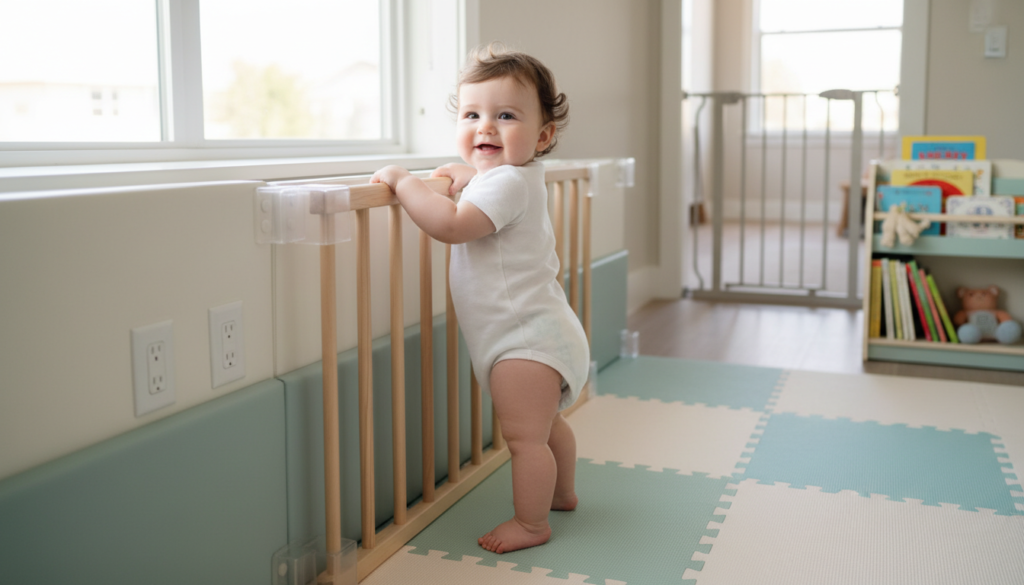
As your baby becomes more mobile and starts to explore vertically, creating a safe environment becomes paramount. This stage of development brings new safety considerations that weren’t as critical when they were just sitting or crawling. Thinking ahead can prevent accidents and allow your baby to explore with confidence, knowing they are in a protected space.
- Babyproof Your Home: Go through your home on your hands and knees to see things from your baby’s perspective. Cover electrical outlets, secure cabinet doors and drawers with childproof latches, and move any hazardous materials (cleaning supplies, medications) out of reach. Don’t forget to secure blind cords to prevent strangulation risks.
- Secure Furniture: Anchor all heavy furniture, such as bookshelves, dressers, and TVs, to the wall using anti-tip straps. Babies often use these items to pull themselves up, and unsecured furniture can easily tip over, leading to serious injury. This step is non-negotiable for an active baby.
- Clear Pathways: Keep floors clear of clutter, cords, and small objects that could be tripping hazards or choking risks. Ensure there’s ample space for your baby to move and cruise along furniture without obstacles. A clear path encourages more movement and exploration.
- Soft Landings: While you can’t prevent every tumble, placing soft rugs or playmats in areas where your baby practices standing can cushion inevitable falls. These little bumps are part of learning, but soft surfaces can make them less jarring.
- Constant Supervision: Even with extensive babyproofing, active supervision is your best defense against accidents. Always keep a watchful eye on your little explorer, especially when they are practicing new skills. Your presence is the ultimate safety net.
By taking these proactive steps, you’re not only protecting your baby but also empowering them to explore their newfound abilities in a secure and nurturing space, fostering their independence with peace of mind.
The Joy of Watching Them Grow
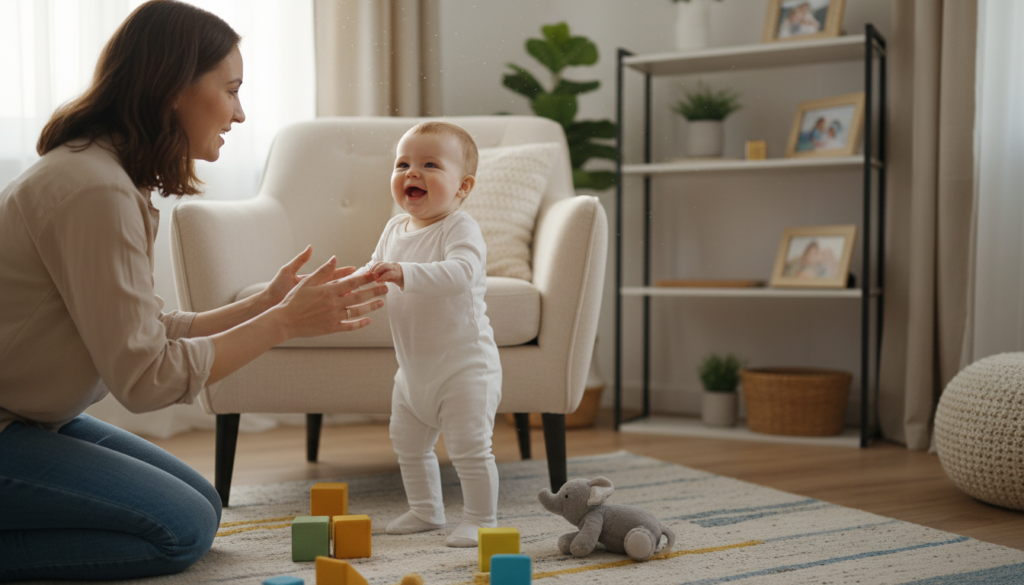
The journey to standing is a beautiful chapter in your baby’s development, filled with little victories, comical tumbles, and immense growth. It’s a powerful reminder that each child unfolds at their own unique pace, guided by their inner drive to learn and explore. There’s no need to rush or compare; simply enjoy the process and celebrate every tiny achievement along the way. Every baby is a marvel, and their developmental journey is a testament to their incredible spirit.
As parents, our role is to provide a nurturing, safe, and encouraging environment. Offer your baby opportunities to practice, cheer them on, and be there to scoop them up after a wobbly moment. Your gentle presence and positive reinforcement are invaluable. Soon enough, those little legs will be steady, and they’ll be off on their next grand adventure – walking! Cherish these moments, for they pass by all too quickly. Watching your baby stand tall, beaming with pride, is a milestone that will undoubtedly fill your heart with unparalleled joy and unforgettable memories.