
Baby Boy Symptoms During Pregnancy Truth or Myth
As soon as you share the wonderful news of your pregnancy, a delightful whirlwind of anticipation begins. Beyond the excitement of choosing names and decorating a nursery, many expectant parents find themselves caught up in the age-old game of guessing their baby’s gender. While modern ultrasound technology can usually reveal the answer with certainty, the allure of predicting whether you’re having a baby boy or girl based on subtle clues about your body or pregnancy experience is hard to resist.
For centuries, folklore and old wives’ tales have offered various “signs” to help decipher the mystery. From cravings to belly shape, these traditions are often passed down through generations, adding a touch of charm and fun to the pregnancy journey. But how much truth lies behind these popular beliefs? Are there actual physiological “baby boy symptoms” during pregnancy, or are these simply charming myths?
In this article, we’ll dive deep into the most common symptoms associated with carrying a baby boy. We’ll explore the popular lore, examine what science has to say, and ultimately help you separate fact from fiction. Let’s embark on this intriguing quest to understand if your pregnancy symptoms truly hint at a little prince on the way, or if they’re simply part of the unique, beautiful experience of bringing any baby into the world.
Common Baby Boy Symptoms A Look at the Lore
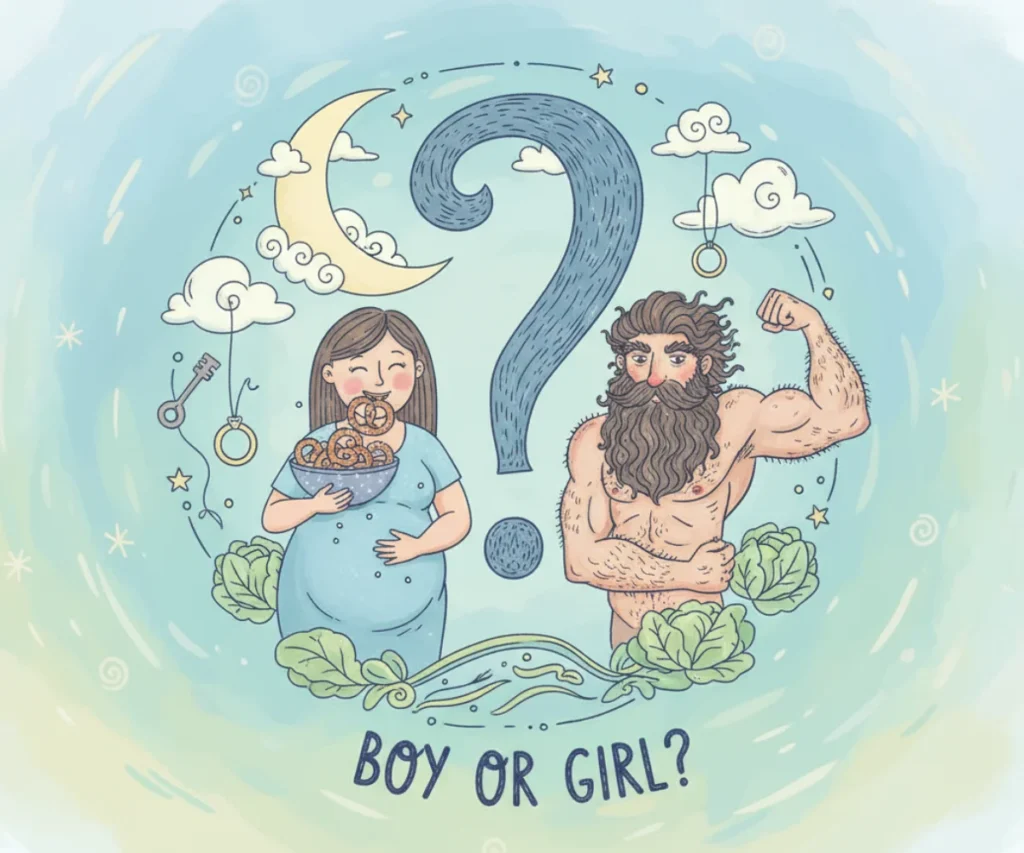
The world of pregnancy folklore is rich with fascinating tales, especially when it comes to predicting a baby’s gender. These stories, often anecdotal and passed down through families, offer a glimpse into how people tried to understand and anticipate their baby’s arrival long before medical science provided clear answers. Let’s explore some of the most enduring “baby boy symptoms” and the traditions behind them.
Craving Salty or Sour Foods
One of the most widely cited “symptoms” of carrying a boy is an intense craving for salty or sour foods. Think pickles, potato chips, savory snacks, or citrus fruits. The lore suggests that if you’re reaching for these items more often than sweets, a little boy might be brewing. Conversely, a strong desire for chocolates, ice cream, or sugary treats is often associated with having a girl.
The Lore Says: If your pantry is filled with savory delights, prepare for a son.
The Reality Check: While cravings are a very real part of pregnancy, they are typically attributed to fluctuating hormones and the body’s increased need for certain nutrients. There is no scientific evidence to link specific cravings to the baby’s gender. Both savory and sweet cravings are common in all pregnancies, regardless of whether it’s a boy or a girl. Your body is just working hard, and sometimes it sends strong signals for specific tastes or nutrients it needs!
Carrying Low and Out Front
This is perhaps one of the most popular and visually evident myths. Many believe that if you’re carrying your baby “low” in your belly and your bump protrudes straight out in front (making it harder to tell you’re pregnant from behind), you’re expecting a boy. The saying goes, “Boys sit low.” If you’re carrying higher and wider, it’s often thought to indicate a girl.
The Lore Says: A low, forward-facing bump means a boy.
The Reality Check: The way a pregnant person carries their baby is influenced by several factors, including their body type, muscle tone, the baby’s position, the amount of amniotic fluid, and even the number of previous pregnancies. A first-time mother might carry higher due to stronger abdominal muscles, while someone who has had multiple pregnancies might carry lower because their muscles are more relaxed. The shape and height of your bump have no bearing on your baby’s gender. Every pregnant body is unique!
No Morning Sickness or Less Severe Nausea
The tale suggests that women carrying boys experience little to no morning sickness, or at least a less severe form of nausea compared to those expecting girls. The idea is that the hormonal changes associated with girls are more intense, leading to more pronounced morning sickness.
The Lore Says: An easy first trimester without much nausea indicates a boy.
The Reality Check: Morning sickness (nausea and vomiting in pregnancy) is incredibly common, affecting a large percentage of pregnant individuals. Its severity varies greatly from person to person and from pregnancy to pregnancy, regardless of the baby’s sex. While some studies have explored potential links between severe morning sickness (hyperemesis gravidarum) and carrying a girl, the evidence is not conclusive enough to be used as a gender predictor. Many women carrying boys experience significant morning sickness, and many carrying girls have very little. Hormonal fluctuations are the primary driver, and individual sensitivity plays a huge role.
Glowing Skin and Hair (or the opposite)
This myth comes in two main versions. One popular belief is that carrying a boy gives you a “pregnancy glow”—clearer skin, lustrous hair, and a generally vibrant appearance. The counter-myth, often associated with girls, is that “girls steal your beauty.” However, some folklore also suggests that boys can cause breakouts or a more greasy complexion due to different hormonal impacts.
The Lore Says: Radiant skin and hair for a boy, or conversely, more breakouts.
The Reality Check: Pregnancy brings a host of hormonal changes that can affect skin and hair in various ways. Increased blood flow can give some women that “glow,” while others might experience acne breakouts, oily skin, or dry patches. Hair can become thicker and shinier for some, while others might notice more hair loss or changes in texture. These changes are highly individual and are influenced by specific hormone levels, genetics, and skincare routines, not the baby’s gender.
Cold Feet and Leg Hair Growth
Another interesting piece of folklore suggests that if your feet feel colder than usual during pregnancy, you might be carrying a boy. Additionally, some believe that increased leg hair growth or hair growing faster than usual is a sign of a male baby.
The Lore Says: Cold feet and more leg hair mean a baby boy.
The Reality Check: Changes in body temperature regulation are common during pregnancy due to hormonal shifts and increased blood volume. Your feet might feel colder or warmer for a variety of physiological reasons unrelated to gender. Similarly, changes in hair growth (either increased or decreased body hair) are influenced by pregnancy hormones (androgens) and individual genetic predispositions. These are universal pregnancy experiences and not gender-specific indicators.
The Fetal Heartbeat Rate
This is a particularly persistent myth that has even made its way into some casual conversations with medical professionals. The belief is that a baby boy’s heart rate will typically be slower, often below 140 beats per minute (bpm), while a girl’s heart rate will be faster, above 140 bpm.
The Lore Says: A heart rate under 140 bpm for a boy, over 140 bpm for a girl.
The Reality Check: Numerous scientific studies have investigated the link between fetal heart rate and gender, and consistently, no reliable correlation has been found. While a baby’s heart rate does fluctuate based on activity level and gestational age, the average fetal heart rate for both boys and girls is generally between 120-160 bpm. A particular rate does not predict gender accurately. This is a clear myth busted by medical research.
Other Folklores
Beyond these common ones, a myriad of other old wives’ tales exist:
- The Ring Test: Dangle a ring on a string over your belly. If it swings in a circle, it’s a girl; if it swings back and forth, it’s a boy.
- Key Test: If you pick up a key by the round part, it’s a girl. If you pick it up by the long part, it’s a boy.
- Urine Color: Darker urine is sometimes associated with a boy, lighter with a girl.
- Partner’s Weight Gain: If your partner gains “sympathy weight,” it’s a boy.
- The Chinese Gender Chart: An ancient chart that supposedly predicts gender based on lunar age and conception month.
The Reality Check: All these fascinating methods, while fun to try, lack any scientific basis whatsoever. They are purely for amusement and conversation starters, adding to the magic and mystery of pregnancy.
The Scientific Reality What Experts Say
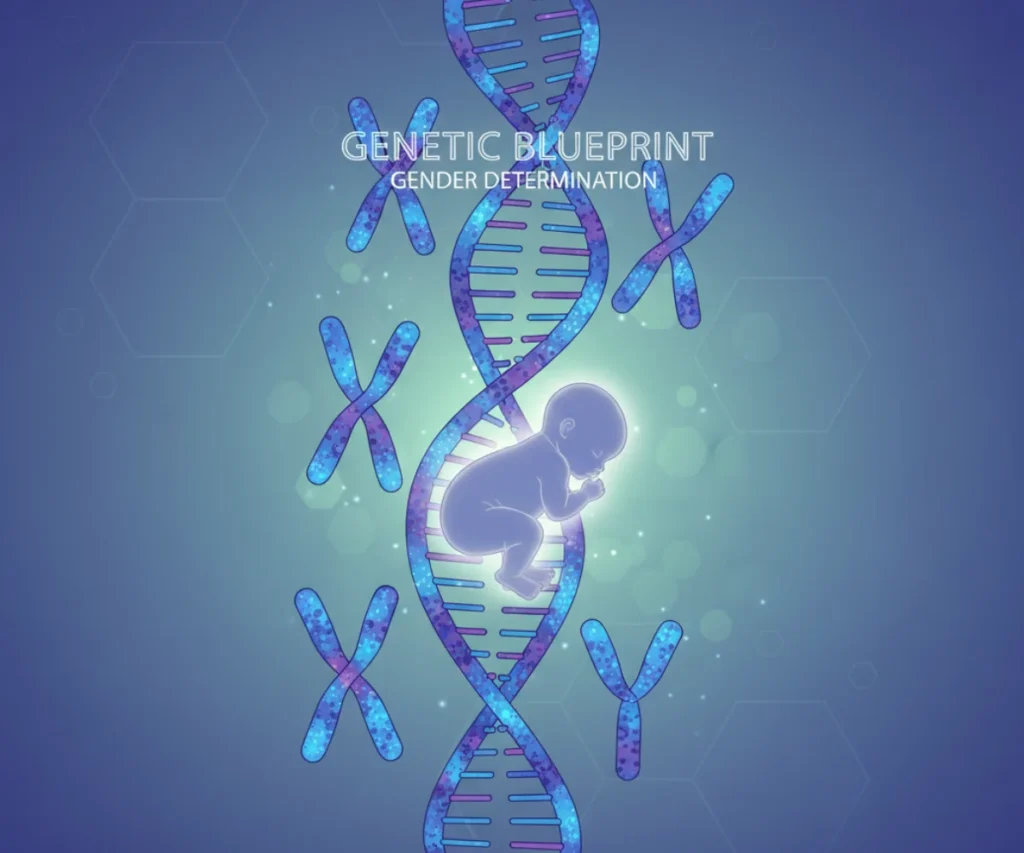
After exploring the charming world of old wives’ tales, it’s important to ground ourselves in scientific reality. When it comes to determining a baby’s gender, there’s no mystery to unravel through symptoms or cravings. The truth lies within our genes.
How Sex is Determined
The sex of a baby is determined at the moment of conception, entirely by the chromosomes contributed by the sperm. Here’s how it works:
- Every human egg carries an X chromosome.
- Sperm, however, can carry either an X or a Y chromosome.
- If an X-carrying sperm fertilizes the egg, the baby will have XX chromosomes and will be biologically female.
- If a Y-carrying sperm fertilizes the egg, the baby will have XY chromosomes and will be biologically male.
This process is entirely random and unaffected by maternal cravings, belly shape, skin changes, or any other pregnancy symptom. There’s approximately a 50/50 chance for either outcome in each pregnancy.
Why Old Wives’ Tales Persist
Given the clear scientific explanation, why do these old wives’ tales persist so strongly? Several factors contribute:
- A 50% Chance of Being Right: Since there’s always roughly a 50% chance of having a boy or a girl, these predictions will naturally be correct half the time, reinforcing their perceived accuracy.
- Confirmation Bias: People tend to remember instances where the predictions were right and forget when they were wrong. If a tale correctly predicted their baby’s gender, they’re more likely to share it and believe in it.
- Cultural Tradition: These stories are part of our shared cultural heritage, passed down through generations. They add a sense of connection to the past and a fun element to the pregnancy experience.
- Human Desire for Control: Pregnancy can feel unpredictable. Having “signs” to interpret offers a comforting, albeit illusory, sense of insight or control.
The Most Reliable Ways to Determine Gender
For those eager to know their baby’s gender before birth, several medically reliable methods are available:
- Ultrasound (around 18-22 weeks): This is the most common method, where a sonographer can visualize the baby’s external genitalia. Its accuracy depends on the baby’s position and the clarity of the image.
- Non-Invasive Prenatal Testing (NIPT, as early as 10 weeks): A blood test that screens for chromosomal abnormalities by analyzing fetal DNA in the mother’s blood. It can also determine gender with very high accuracy.
- Amniocentesis or Chorionic Villus Sampling (CVS): Invasive diagnostic procedures typically performed to diagnose chromosomal disorders. They can determine gender with 100% accuracy but carry a small risk and are usually done for medical reasons, not solely for gender determination.
Enjoying Your Pregnancy Beyond Gender Guesses

While the game of guessing your baby’s gender can be a fun pastime, it’s important not to let it overshadow the incredible journey of pregnancy itself. Every pregnancy is a miracle, and the ultimate joy comes from the anticipation of meeting your unique child, regardless of whether they wear blue or pink.
Focus on Health and Well-being
The most important “symptoms” to focus on during pregnancy are those related to your health and the health of your baby. Regular prenatal check-ups, a balanced diet, adequate rest, and managing stress are far more crucial than analyzing cravings or belly shape. Listen to your body, communicate with your healthcare provider, and prioritize self-care.
Preparing for Parenthood
Instead of fixating on gender, direct your energy towards preparing for parenthood. This includes:
- Attending prenatal classes.
- Setting up the nursery (perhaps with gender-neutral themes if you’re waiting for a surprise!).
- Reading up on infant care.
- Building your support system.
- Spending quality time with your partner.
These preparations will serve you far better than any gender prediction myth.
The Joy of Discovery
For many parents, the ultimate thrill is the moment of discovery—whether it’s at an ultrasound appointment or, for those who love surprises, when the baby is born. Both reveal moments are incredibly special and create lasting memories. Embrace the suspense and the wonder of it all.
Conclusion

The journey of pregnancy is filled with wonder, anticipation, and a fair share of old wives’ tales designed to entertain and connect us to traditions of the past. When it comes to “baby boy symptoms” during pregnancy, it’s clear that while the stories are charming, they are largely mythical.
From salty cravings to carrying low, and from the absence of morning sickness to a particular fetal heart rate, there is no scientific basis to reliably predict your baby’s gender based on these anecdotal signs. The sex of your baby is determined genetically at conception, and medical science offers the only accurate ways to confirm it before birth.
Ultimately, whether you’re welcoming a baby boy or a baby girl, the most profound joy lies in the healthy arrival of your little one. Embrace the uniqueness of your pregnancy journey, focus on your well-being, and look forward to the beautiful moment when you finally meet the tiny person who will fill your life with immeasurable love. Every baby is a precious gift, and that truth is far more wonderful than any myth.