
13 Reasons Toddlers Won’t Sleep and How to Help
Toddler sleep can often feel like a puzzle, filled with unpredictable nights and exhausting bedtime battles. Just when you think you’ve cracked the code, something shifts, and your little one is wide awake at midnight, or refusing to go to bed entirely. If you’re currently navigating the choppy waters of toddler sleep, please know you are not alone. Many factors can contribute to a toddler’s reluctance to sleep, from exciting developmental milestones to simple overtiredness. Understanding these common culprits is the first step towards creating a more peaceful night for everyone. Let’s explore 13 reasons why your toddler might be resisting sleep and offer some gentle, practical ways to help them drift off to dreamland.
1. Separation Anxiety

Around 18 months to two years, and often again around age three, many toddlers experience a peak in separation anxiety. This can make bedtime particularly challenging, as they fear being away from their primary caregivers. They might cry, protest, or even try to follow you out of the room, convinced that once you leave, you might not return.
How to Help
- Acknowledge and Validate: Reassure your toddler that it’s okay to miss you. Say, “I know you love being with me, and it’s hard when I leave, but I’ll be right here.”
- Gradual Departures: Practice short periods of separation during the day.
- Comfort Objects: Introduce a special stuffed animal or blanket that can be their ‘sleep buddy’ to provide comfort.
- Reassurance Ritual: Create a consistent goodnight ritual that includes lots of hugs, kisses, and a promise to check on them (and follow through on that promise).
2. Developmental Leaps and Milestones

Toddlers are little sponges, constantly learning and developing new skills. Whether it’s mastering walking, starting to talk in sentences, or engaging in imaginative play, these exciting developmental leaps can significantly impact their sleep. Their brains are incredibly busy processing new information, making it hard to settle down. Sometimes, they might even wake up in the night to “practice” a new skill.
How to Help
- Extra Comfort: Offer more cuddles and reassurance during the day and at bedtime.
- Practice During the Day: Provide ample opportunities for them to practice new skills during waking hours.
- Calm Wind-Down: Ensure your bedtime routine is extra calming to help their busy minds transition to sleep.
3. Overtiredness

It sounds counterintuitive, but an overtired toddler often has a harder time falling asleep and staying asleep. When toddlers push past their sleep window, their bodies produce cortisol, a stress hormone, which acts like a second wind. This makes them wired, irritable, and resistant to sleep, often leading to more frequent night wakings or early mornings.
How to Help
- Watch for Sleep Cues: Pay attention to early signs of tiredness like yawning, eye-rubbing, or fussiness, and begin your bedtime routine immediately.
- Adjust Bedtime: Consider moving bedtime earlier by 15-30 minutes.
- Consistent Naps: Ensure they are getting adequate daytime naps.
4. Undertiredness

On the flip side, an undertired toddler also struggles with sleep. This can happen if they’ve napped too long during the day, had a nap too late, or simply haven’t had enough physical or mental stimulation. If your toddler is still buzzing with energy at bedtime, they might not be ready for sleep.
How to Help
- Evaluate Nap Schedule: Reassess nap length and timing. Many toddlers transition from two naps to one between 12-18 months, and some may drop naps entirely closer to age 3-4.
- Increase Daytime Activity: Ensure they get plenty of active playtime outdoors to burn off energy.
- Adjust Bedtime: A slightly later bedtime might be appropriate if they are genuinely not tired.
5. Inconsistent Sleep Schedule

Toddlers thrive on predictability and routine. A fluctuating sleep schedule, where bedtime and wake-up times vary significantly each day (including weekends), can confuse their internal body clock (circadian rhythm). This inconsistency makes it harder for their bodies to know when it’s time to wind down and when it’s time to wake up, leading to sleep resistance.
How to Help
- Stick to a Schedule: Aim for consistent bedtime and wake-up times, even on weekends. A 30-minute flexibility window is generally okay.
- Nap Consistency: Maintain regular nap times and lengths.
- Gentle Adjustments: If you need to shift the schedule, do so gradually (e.g., 15 minutes every few days).
6. Too Much Screen Time Before Bed

In our digital world, it’s easy for screens to creep into bedtime routines. However, the blue light emitted from tablets, phones, and TVs can suppress melatonin production, the hormone that helps regulate sleep. Furthermore, the stimulating content can over-excite a toddler’s brain, making it very difficult for them to calm down and transition to sleep.
How to Help
- Implement a Screen Curfew: Aim for a minimum of 1-2 hours of no screen time before bed.
- Choose Calming Activities: Replace screen time with quiet activities like reading books, puzzles, or gentle imaginative play.
- Dim Lights: Start dimming the lights in your home an hour before bedtime to signal to their bodies that it’s time to wind down.
7. Uncomfortable Sleep Environment

Just like adults, toddlers need a comfortable and conducive sleep environment. Factors like room temperature, light, noise, and even what they’re wearing can all impact their ability to fall and stay asleep. A room that’s too hot, too cold, too bright, or too noisy can easily disrupt their sleep.
How to Help
- Optimal Temperature: Keep the room cool, generally between 68-72°F (20-22°C).
- Darkness: Use blackout curtains to block out light.
- White Noise: A white noise machine can help block out household sounds and create a consistent, soothing background.
- Comfortable Bedding: Ensure they have comfortable pajamas and bedding suitable for the room temperature.
8. Dietary Factors
What your toddler eats and drinks, especially in the hours leading up to bedtime, can play a significant role in their sleep quality. Sugar and caffeine (even hidden caffeine in chocolate or some drinks) are obvious culprits, but even a heavy meal too close to bedtime can cause digestive discomfort.
How to Help
- Avoid Sugar and Caffeine: Cut out sugary snacks, drinks, and any caffeinated items several hours before bed.
- Light Bedtime Snack: Offer a light, healthy snack an hour before bed if they’re hungry (e.g., banana, whole-grain toast with peanut butter) to avoid hunger wakings.
- Hydration: Ensure they are well-hydrated during the day, but limit liquids in the hour before bed to reduce nighttime potty breaks.
9. Nightmares or Night Terrors

As toddlers’ imaginations grow, so does the potential for vivid dreams, including nightmares. Night terrors, though less common, are a different phenomenon where a child appears awake and distressed but is actually still asleep and often won’t remember the event. Both can cause significant sleep disruption and fear around bedtime.
How to Help
- Nightmares: Offer immediate comfort and reassurance. Talk about the dream briefly during the day and remind them it wasn’t real.
- Night Terrors: Remain calm. Do not try to wake them, as this can make it worse. Ensure their safety, then let them ride it out. They typically settle back to sleep on their own.
- Consistent Bedtime: For both, ensuring they are not overtired can sometimes reduce occurrences.
10. Illness or Discomfort

A simple cold, ear infection, teething pain, or even growing pains can make a toddler feel uncomfortable and restless, making sleep elusive. They may toss and turn, wake frequently, or struggle to get comfortable enough to fall asleep in the first place.
How to Help
- Address Symptoms: Use appropriate remedies (with pediatrician approval) for pain, fever, or congestion.
- Extra Comfort: Provide extra snuggles and reassurance.
- Monitor: If discomfort persists or is severe, consult your pediatrician.
11. Potty Training Interruptions

If you’re in the midst of potty training, your toddler might be waking up because they need to go, or they might be anxious about having an accident. This new skill can bring a lot of excitement and also a bit of fear, impacting their sleep.
How to Help
- Pre-Bed Potty: Make a trip to the potty a mandatory part of the bedtime routine.
- Reassurance: Remind them it’s okay if they have an accident during the night. Consider using pull-ups for nighttime while they are still mastering bladder control.
- Easy Access: If they’re in a toddler bed, ensure a potty is easily accessible in their room if they can use it independently.
12. Lack of a Consistent Bedtime Routine
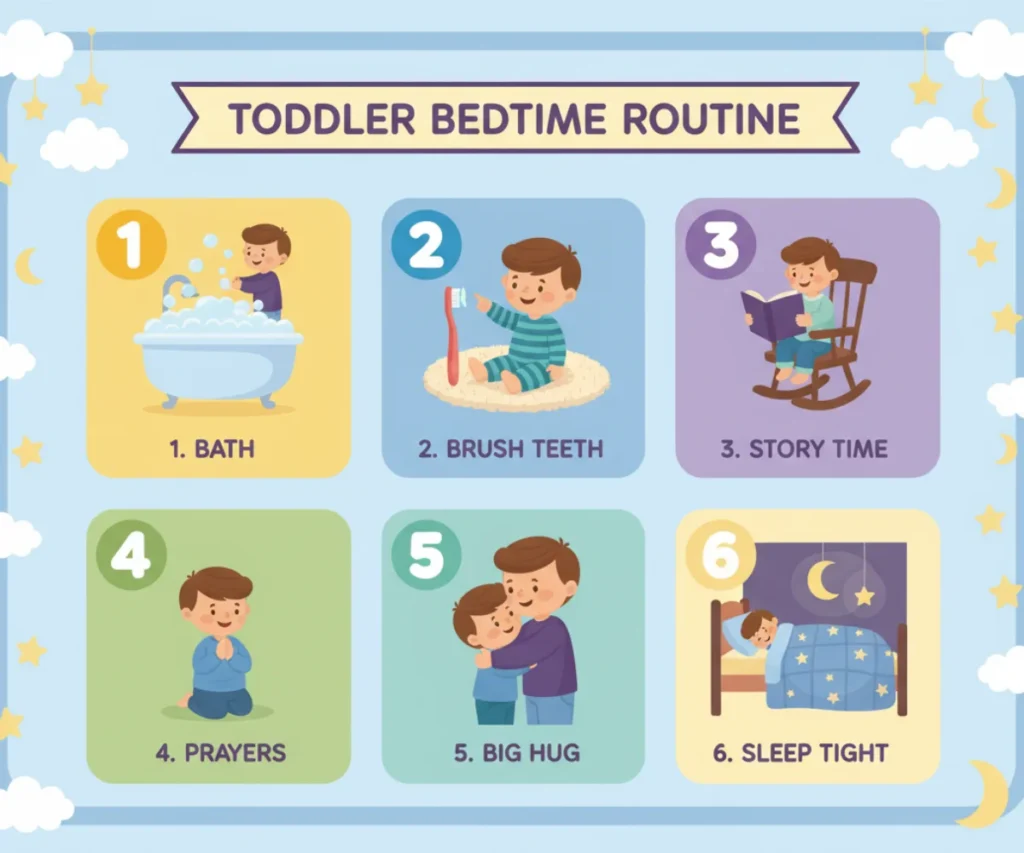
A predictable bedtime routine acts as a powerful signal to your toddler’s body and mind that it’s time to wind down and prepare for sleep. Without a consistent sequence of calming activities, the transition from daytime play to nighttime rest can be jarring and difficult, leading to resistance.
How to Help
- Establish a Routine: Create a short, calming routine (20-30 minutes) that includes activities like a warm bath, reading books, quiet play, and cuddles.
- Consistency is Key: Perform the routine in the same order every night, at roughly the same time.
- Involve Them: Let your toddler choose which book to read or which pajamas to wear to give them a sense of control.
13. Need for Independence or Testing Boundaries

Toddlers are discovering their independence and learning about boundaries. “No!” becomes a favorite word, and this drive for autonomy can extend to bedtime. They might resist sleep simply because they want to exert control or see how far they can push the limits, often leading to power struggles.
How to Help
- Set Clear Boundaries: Be firm but gentle. Explain the rules (e.g., “It’s bedtime now, and we stay in bed”).
- Offer Limited Choices: Give them a sense of control where appropriate (e.g., “Do you want to read the blue book or the red book?” not “Do you want to go to bed?”).
- Stay Calm and Consistent: Avoid engaging in long arguments. A quick, firm return to bed with minimal interaction is often most effective for ‘extinction bursts’ of behavior.
Navigating toddler sleep challenges can be one of the most demanding aspects of parenting, but remember that these phases are temporary. With patience, consistency, and a little detective work to understand the root cause of their sleep resistance, you can help your toddler develop healthy sleep habits. Trust your instincts, be kind to yourself, and remember that seeking support from your pediatrician or a sleep consultant is always an option if you feel overwhelmed. You’ve got this, and peaceful nights are within reach!