When Do Babies Start Hearing After Birth
The journey into parenthood is filled with wonder, a constant stream of “firsts” that captivate our hearts and minds. Among these incredible milestones is the development of your baby’s senses. From their first breath to their first smile, each new ability unlocks a deeper connection to the world around them. One of the most common questions new parents ponder is about their baby’s hearing: when exactly do babies start hearing after birth? Is it immediate? What does it sound like to them?
Understanding your baby’s auditory journey is not just about curiosity; it’s about ensuring they have the best possible start in life. Hearing plays a fundamental role in bonding, communication, language development, and safety. In this comprehensive guide, we’ll explore the fascinating timeline of your baby’s hearing, from their earliest experiences in the womb to their vibrant world of sounds after birth, offering practical insights and gentle reassurance every step of the way.
Hearing Development During Pregnancy
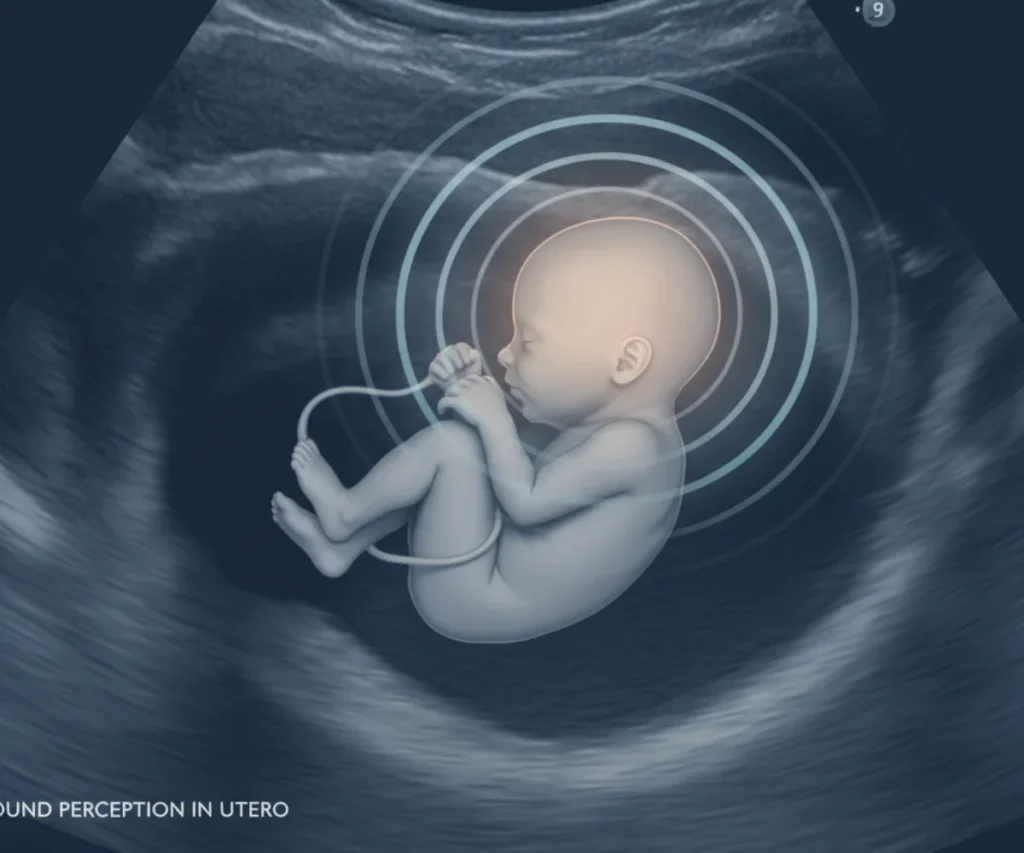
Long before you ever hold your little one in your arms, their ears are already hard at work, developing and practicing the art of listening. Fetal hearing development is a remarkable process, beginning surprisingly early in gestation.
The Womb as a Sound Chamber
Around 18 to 20 weeks of pregnancy, your baby’s inner ear structures are largely formed and functional. This means that by the middle of your second trimester, your baby is already a budding listener, albeit in a very unique environment. The womb acts as a muffled sound chamber, filled with the constant rhythm of your body.
- Internal Sounds: Your baby is intimately familiar with the symphony of your body: the steady beat of your heart, the gurgle of your digestive system, and the whoosh of blood flowing through your arteries. These are the first lullabies they come to know, comforting and consistent.
- External Sounds: While heavily muffled, sounds from the outside world do penetrate the womb. Your voice, your partner’s voice, music, and even loud noises from the environment can be heard. Studies suggest that babies show preferences for sounds they heard frequently in the womb, especially their mother’s voice, even after birth.
This prenatal auditory experience is crucial. It lays the groundwork for sound recognition and helps your baby begin to distinguish between different voices and tones, preparing them for the rich auditory landscape they will encounter once born.
Immediately After Birth The First Sounds
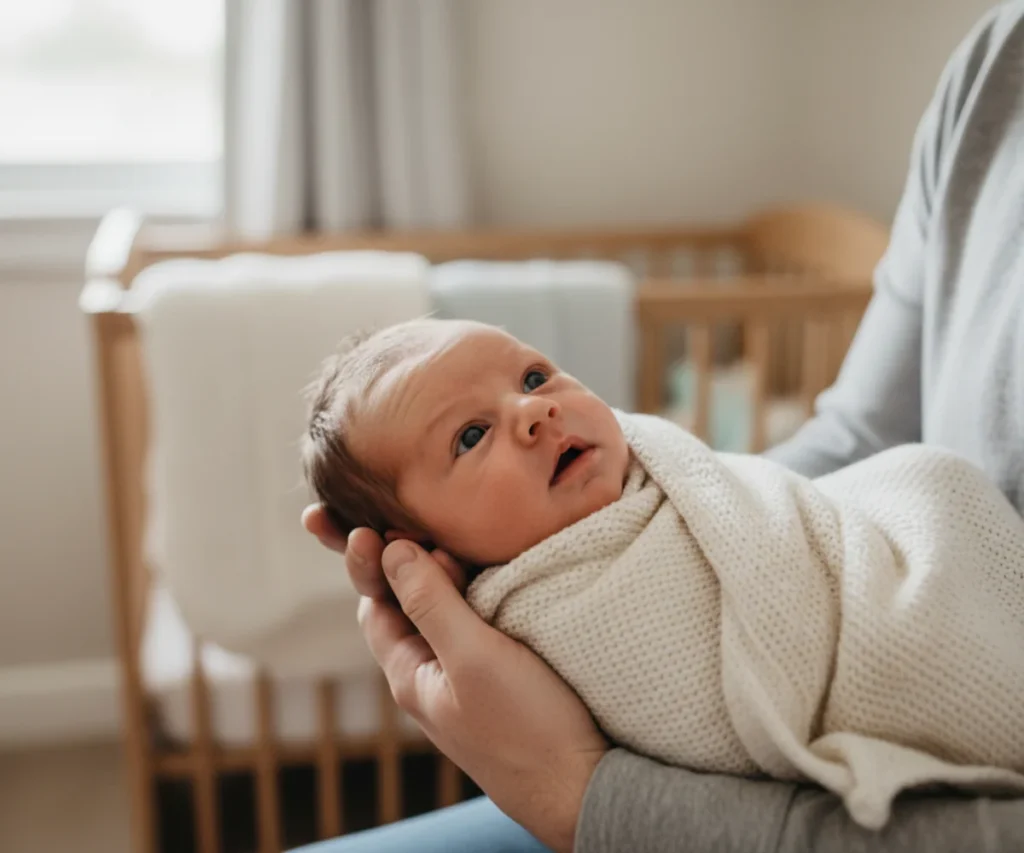
The moment your baby enters the world is a dramatic transition from the warm, fluid-filled quiet of the womb to a much louder, more vibrant environment. So, when do babies start hearing after birth in this new reality? The answer is both immediate and gradual.
A World of Muffled Wonders
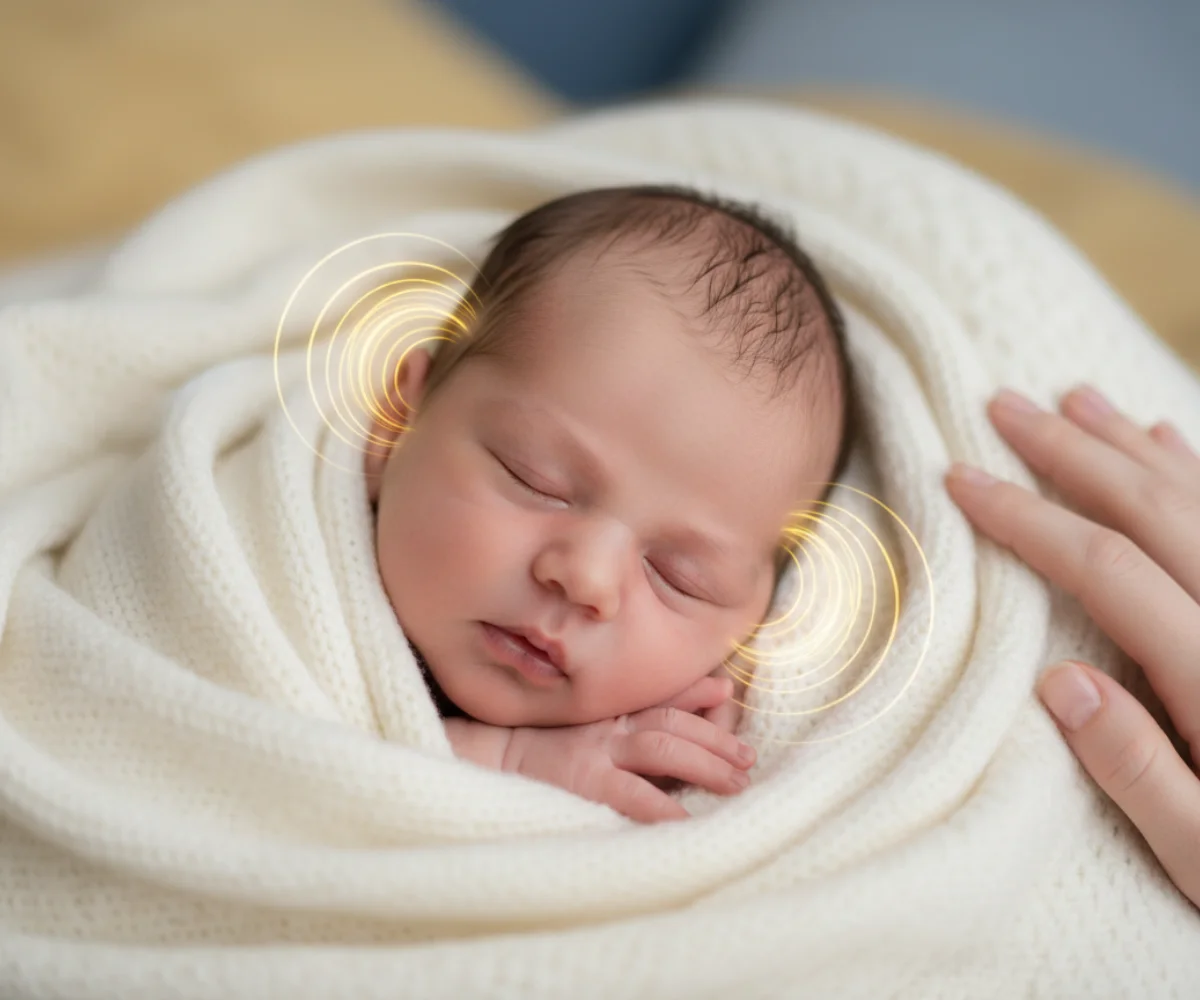
Yes, your baby can hear immediately after birth. Their ears are fully capable of processing sound. However, their hearing isn’t perfectly clear right away. Imagine stepping out of a swimming pool after being submerged – sounds might be a bit muffled, distorted, or underwater-like. This is largely due to several factors:
- Amniotic Fluid: There’s often still some amniotic fluid in your baby’s middle ear, which can temporarily dampen sounds. It’s like having cotton in your ears. This fluid typically drains and clears out naturally over the first few hours or days.
- Sudden Overload: The sheer volume and variety of new sounds can be overwhelming. From the gentle coos of their parents to the various noises of a hospital or home environment, it’s a sensory explosion after the relative quiet of the womb.
Despite this initial “muffle,” babies are immediately responsive to sound. They might startle at a loud noise, turn their head towards a familiar voice (especially yours), or even calm down when they hear comforting tones. This early responsiveness is a beautiful confirmation of their innate ability to connect with their surroundings.
The First Few Days and Weeks A Clarifying World
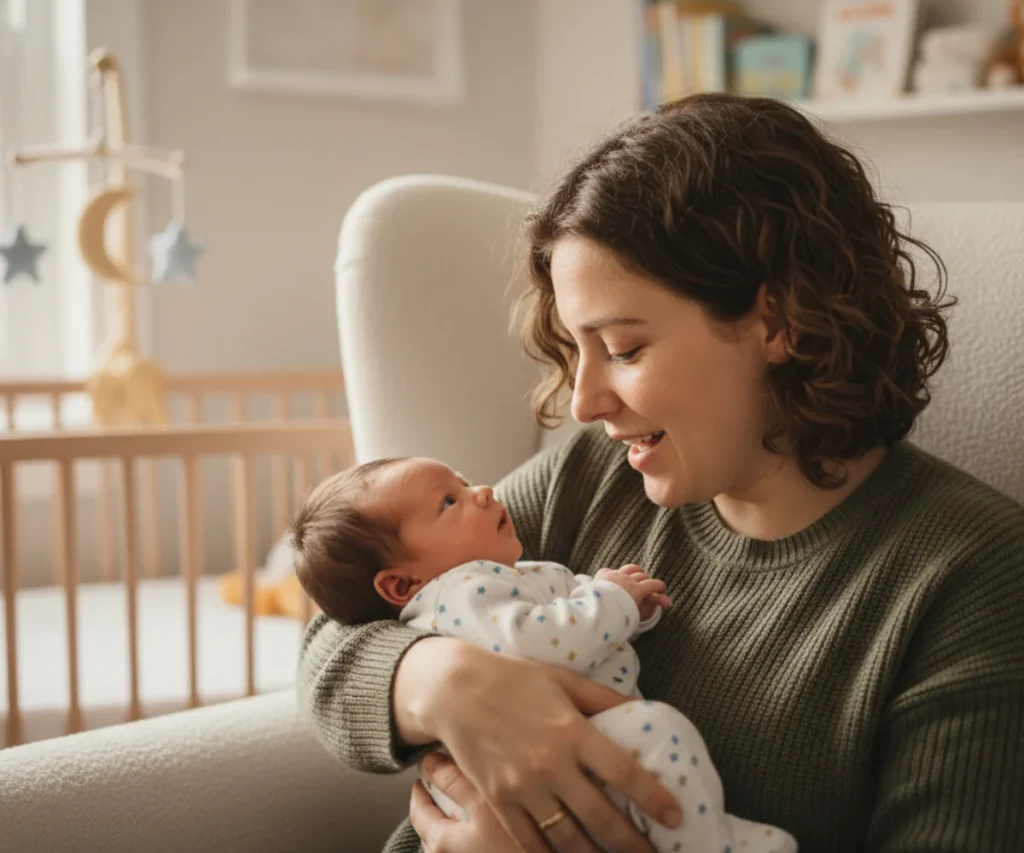
As the initial amniotic fluid clears from their ears, typically within the first few days to a week, your baby’s hearing becomes progressively clearer and sharper. This period is a rapid phase of auditory adjustment and learning.
Refining Their Auditory Landscape
In these early weeks, your baby begins to make sense of the constant stream of new sounds. They are not just hearing; they are learning to *listen* and differentiate. Here’s what you might observe:
- Increased Startle Reflex: They might jump or flail their arms (Moro reflex) more pronouncedly in response to sudden, loud noises.
- Turning Towards Sounds: You might notice them subtly turning their head or eyes in the direction of a sound, particularly familiar voices or interesting noises.
- Calming to Familiar Voices: The sound of your voice, which they knew so well in the womb, often has a profound calming effect. Your gentle singing or soft speaking can soothe a fussy baby.
- Preference for Human Voice: Babies are inherently wired to prefer the human voice, especially those with higher pitches. This is why “parentese” (the high-pitched, exaggerated way adults often talk to babies) is so effective at capturing their attention.
This early period is crucial for bonding and initial communication. Every word you speak, every song you sing, is a vital input that helps your baby build their auditory map of the world and connect with you.
Milestones in Baby Hearing Development
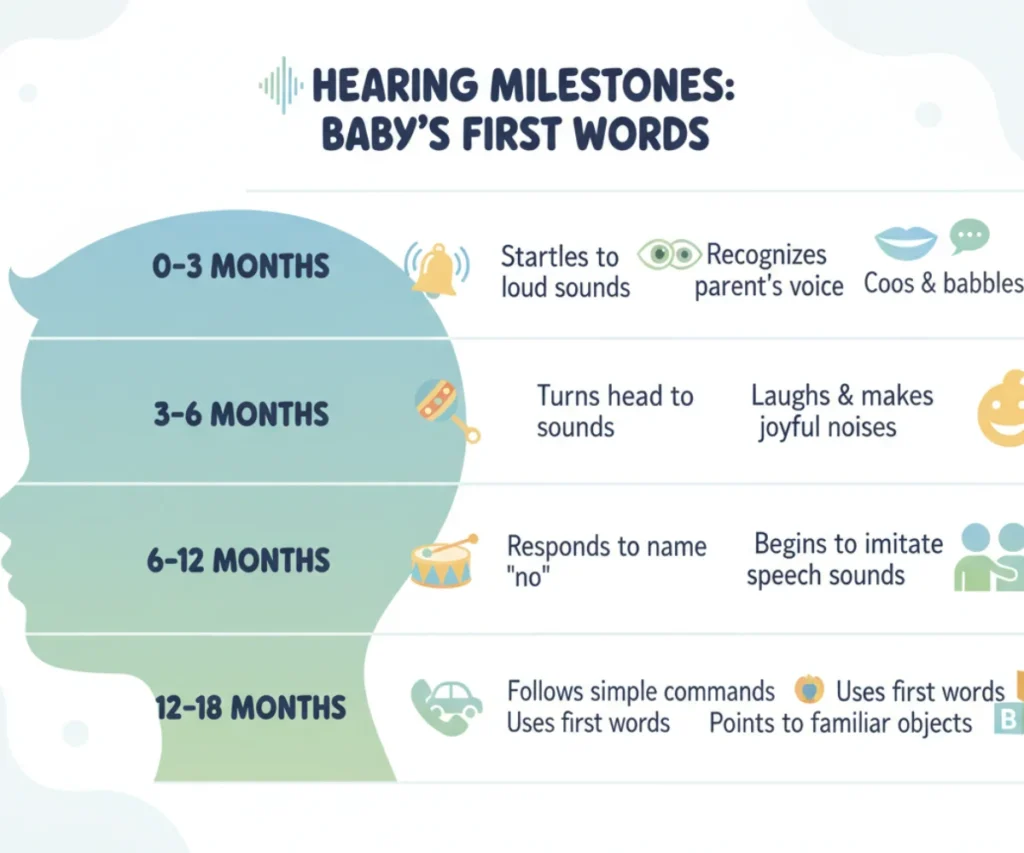
Just like with other areas of development, hearing unfolds in predictable stages. While every baby is unique and will meet milestones at their own pace, these general guidelines can help you understand what to expect.
Age-Specific Auditory Cues
Observing how your baby responds to sounds at different ages can offer wonderful insights into their development. Remember, these are averages, and a little variation is normal.
Newborn to 3 Months
- Startles: Jumps, blinks, widens eyes, or cries in response to loud or sudden sounds.
- Calms: Quiets down or smiles when spoken to or when hearing familiar voices.
- Recognizes Voice: Shows signs of recognizing their parent’s voice and might stop crying to listen.
- Reacts: Shows different reactions to different types of sounds (e.g., quiet to gentle music, fussing at loud noises).
3 to 6 Months
- Turns Head: Actively turns their head or eyes toward the source of sounds.
- Responds to Name: Begins to respond to their own name, often by turning or looking.
- Babbling: Starts to make babbling sounds and experiment with different vocalizations.
- Musicality: Enjoys musical toys or songs, showing excitement.
6 to 9 Months
- Understands Simple Words: Understands basic words like “no,” “bye-bye,” and their own name.
- Responds to “No”: Responds to “no” by pausing or looking at you.
- Imitates Sounds: Tries to imitate speech sounds and babble in conversational tones.
- Looks for Sounds: Actively looks for sounds, even when not visible.
9 to 12 Months
- Follows Commands: Understands and responds to simple verbal requests, especially when accompanied by gestures (e.g., “come here,” “give me”).
- Points to Objects: Points to pictures or objects when asked.
- Enjoys Games: Enjoys listening to stories, songs, and participates in interactive games like “pat-a-cake.”
- First Words: May say their first recognizable words, often “mama” or “dada.”
Each milestone is a building block for more complex communication and language skills. Celebrating these small victories can be incredibly rewarding for parents!
How Babies Process Sound A Journey of Discovery
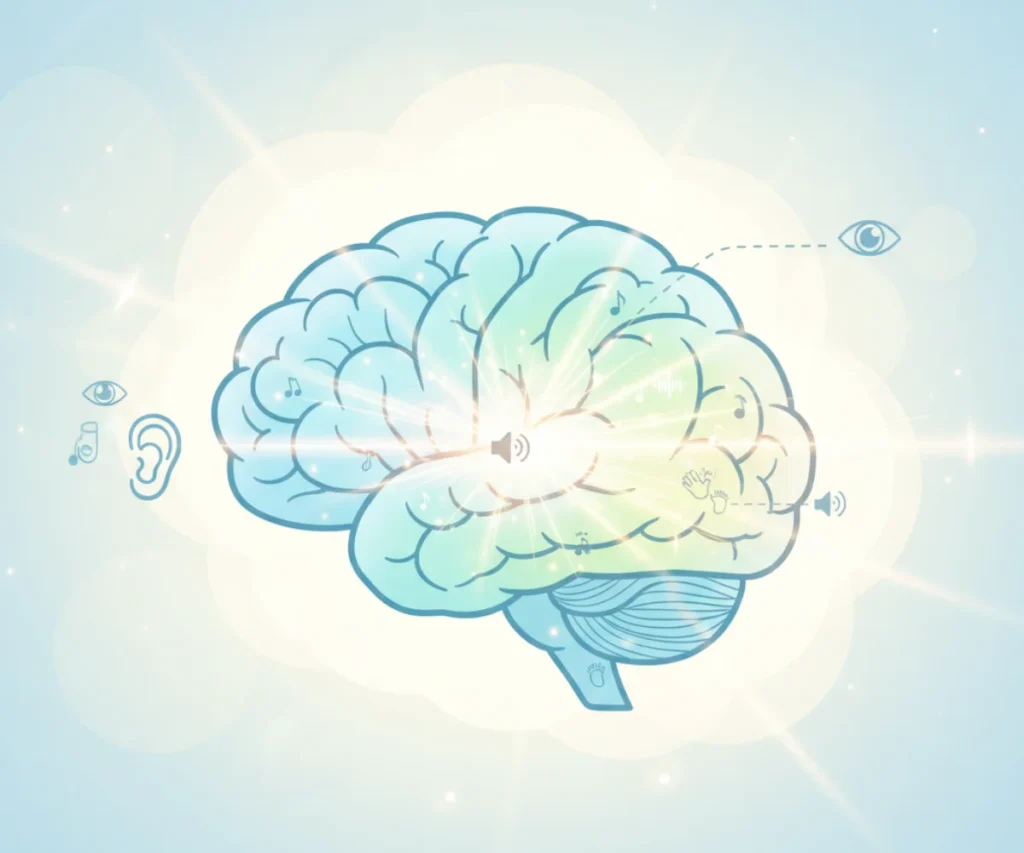
Beyond simply hearing, the brain plays an incredible role in processing and interpreting sounds. For a baby, every sound is a new piece of information to decode, categorize, and eventually, understand.
From Noise to Meaning
Initially, all sounds might just be “noise.” But very quickly, your baby’s brain begins the complex task of:
- Filtering: Learning to tune out background noise (like a humming refrigerator) and focus on important sounds (like a parent’s voice).
- Pattern Recognition: Identifying recurring patterns in speech, such as the rhythm and intonation of language. This is crucial for distinguishing words later on.
- Association: Connecting specific sounds with objects, actions, or people. For example, the sound of a rattle means a toy, or a certain tone of voice means “no.”
- Localization: Pinpointing where a sound is coming from in space. This develops rapidly in the first few months.
This intricate processing is not passive; it’s an active learning process driven by your baby’s innate curiosity and their interactions with you and their environment. The more varied and enriching their auditory experiences are, the more robustly these neural connections develop.
What Sounds Are Best for Babies
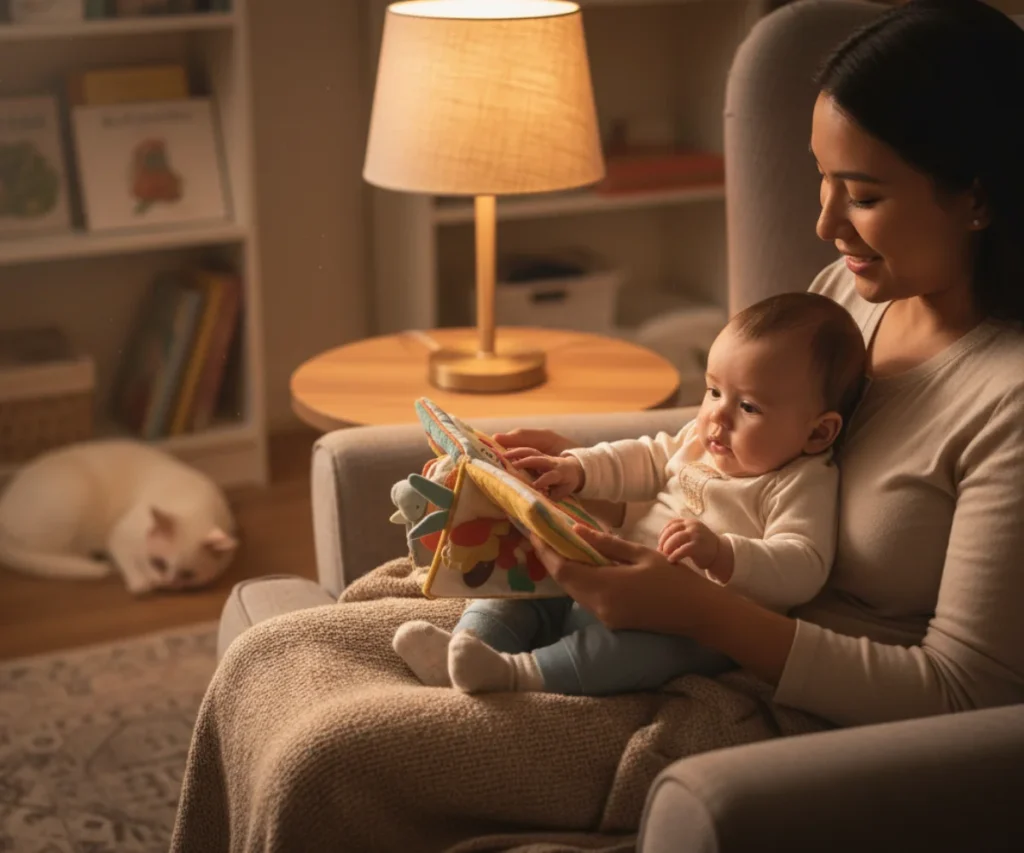
You might wonder if there are specific sounds that are more beneficial for your baby’s development. The good news is, the best sounds are often the most natural and interactive ones!
Nurturing Auditory Experiences
- Your Voice: Absolutely paramount. Talking, singing, reading, and simply narrating your day to your baby are incredibly stimulating. Use varying tones, pitches, and speeds.
- Music: Gentle, melodic music can be very soothing and stimulating. Nursery rhymes, classical music, or soft lullabies are excellent choices. Avoid overly loud or jarring music.
- Environmental Sounds: Expose your baby to the normal sounds of daily life – the whir of a washing machine, birds chirping outside, the gentle clatter of dishes. This helps them understand their environment.
- Interactive Play: Rattles, soft crinkly toys, and musical mobiles provide opportunities for your baby to explore cause and effect with sound.
While some parents use white noise machines, remember they are primarily for sleep and shouldn’t replace the rich variety of sounds your baby needs for optimal development. Always ensure sound levels are appropriate – if it’s too loud for you, it’s definitely too loud for your baby.
Signs of Healthy Hearing Development
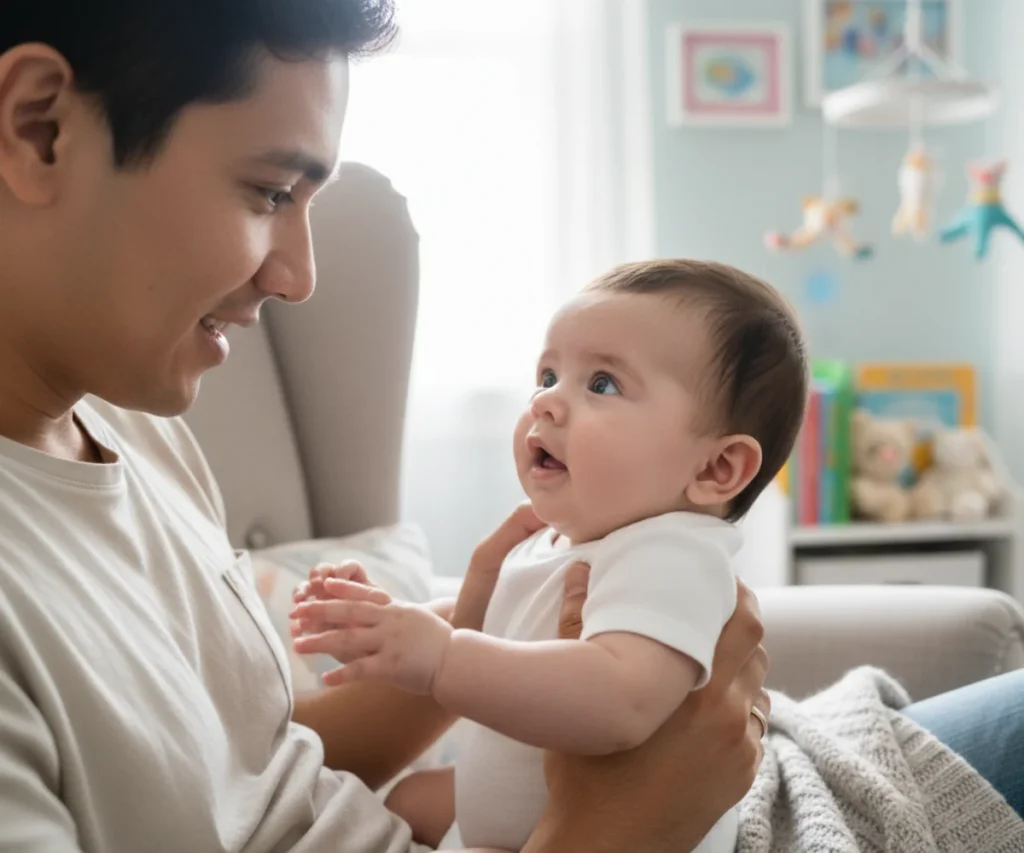
It’s natural for parents to want to know if their baby’s development is on track. Observing your baby’s responses to sound is a wonderful way to connect and can offer reassurance. Here’s a quick checklist of common healthy signs by age:
0-3 Months
- Startles to loud sounds.
- Quiets or smiles when spoken to.
- Seems to recognize your voice.
- Reacts to voices by turning their head.
4-6 Months
- Turns eyes or head towards sounds.
- Responds to changes in your voice tone.
- Looks in the direction of sounds.
- Begins to babble or make speech-like sounds.
7-12 Months
- Responds to their name.
- Responds to “no” and simple requests.
- Understands words for common items (cup, bottle).
- Looks when you point to an object and name it.
- Begins to imitate speech sounds.
If you notice these behaviors, it’s a great indication that your baby’s hearing is developing well. Enjoy these moments of growing understanding!
When to Be Concerned Signs of Potential Hearing Issues
While most babies develop hearing typically, it’s important to be aware of potential red flags. Early detection of hearing loss is critical, as it allows for prompt intervention that can significantly impact a child’s language and social development.
What to Watch For
If you observe any of the following, it’s advisable to speak with your pediatrician:
- Newborn: Does not startle to loud sounds.
- 3-4 Months: Does not turn their head or eyes toward a sound source.
- 4-6 Months: Does not respond to their name or the sound of your voice. Does not babble or make vocalizations.
- 6-9 Months: Does not react to “no” or other familiar words. Does not attempt to imitate sounds.
- 9-12 Months: Does not babble or make a variety of speech sounds. Does not respond to simple commands.
- Any Age: Consistently seems unaware of sounds around them, responds only to very loud sounds, or always asks for things to be repeated as they grow older.
Trust your instincts. If something feels off, don’t hesitate to seek professional advice. Even if it turns out to be nothing, peace of mind is invaluable.
Hearing Screening for Newborns
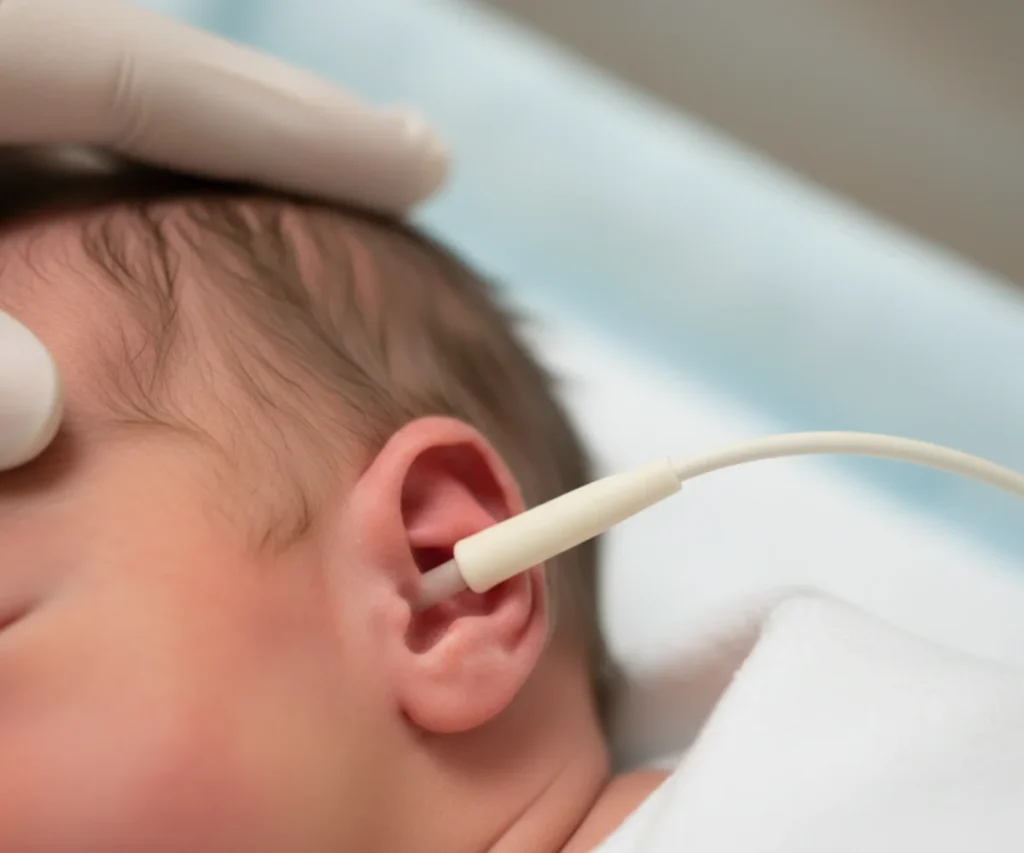
One of the most important preventative health measures for newborns is universal newborn hearing screening. This is a quick, painless, and non-invasive test usually performed within the first day or two after birth, before you even leave the hospital.
The Importance of Early Detection
Newborn hearing screening aims to identify hearing loss as early as possible. Why is this so crucial? Undetected hearing loss can significantly delay speech, language, and cognitive development. The earlier an issue is identified, the sooner interventions (like hearing aids or therapies) can begin, giving your child the best chance to develop communication skills.
How the Screening Works
There are two main types of tests used, often in combination:
- Otoacoustic Emissions (OAE): A tiny earphone-like probe is placed just inside your baby’s ear. It sends soft sounds into the ear and measures the “echo” that healthy inner ear (cochlea) cells produce in response.
- Automated Auditory Brainstem Response (AABR): This test involves placing small, soft electrodes on your baby’s head and neck. Sounds are played through soft earphones, and the electrodes measure how the hearing nerve and brainstem respond to the sounds.
Both tests are done while your baby is sleeping or quiet. If your baby doesn’t “pass” the initial screening, it doesn’t necessarily mean they have permanent hearing loss. It often means more fluid is present, they were too restless, or the test needs to be repeated. You will typically be referred for a more comprehensive diagnostic evaluation with an audiologist.
Supporting Your Baby’s Hearing Development
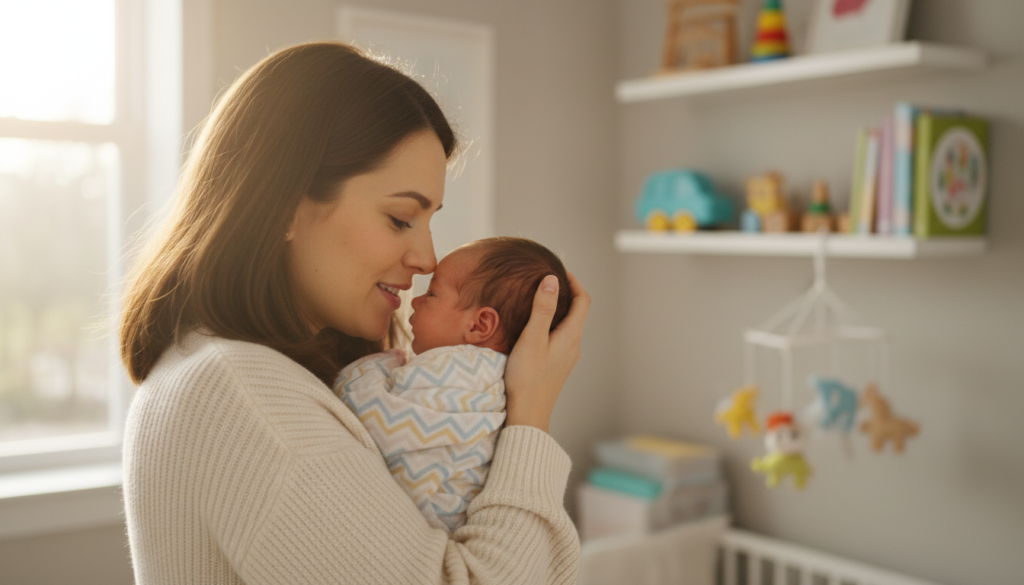
You are your baby’s first and most important teacher. There are many simple, joyful ways you can actively support their hearing and language development every single day.
Everyday Auditory Stimulation
- Talk, Talk, Talk: Narrate your day. “Mommy is changing your diaper now,” “Let’s go for a walk.” Even if it feels silly, your baby is absorbing language patterns and sounds.
- Sing and Read: Share nursery rhymes, lullabies, and children’s books. The rhythm and repetition are wonderful for auditory processing.
- Respond to Their Sounds: When your baby babbles or coos, respond with your own words and sounds. This teaches them about conversational turn-taking.
- Play Sound-Rich Games: Play “peek-a-boo” with sound effects, use rattles, or play with crinkly toys.
- Listen Together: Point out sounds in your environment. “Did you hear the dog bark?” “That’s the doorbell.”
- Protect Their Ears: Avoid overly loud environments. If you’re going to a noisy event, consider using infant earmuffs. Prolonged exposure to loud noises can damage delicate ear structures.
These interactions not only support hearing but also strengthen your bond, building a foundation for a lifetime of communication and connection.
The Power of Your Voice
Among all the sounds in the world, your voice holds a unique and powerful significance for your baby. It’s the sound they’ve known longest, the one associated with comfort, nourishment, and love.
More Than Just Words
Your voice carries more than just linguistic information; it conveys emotion, safety, and connection. When you speak to your baby, you’re not just teaching them words; you’re teaching them about the world, about relationships, and about how they are valued. The intonation, rhythm, and melody of your speech are incredibly rich inputs for their developing brains.
So, continue to talk, sing, and whisper to your little one. Let your voice be a constant source of comfort and discovery. Each interaction, no matter how small, contributes to their amazing journey of hearing and understanding.
Conclusion
The question of “when do babies start hearing after birth” truly opens up a fascinating exploration into the rapid development of their senses. From the muffled echoes of the womb to the clear, vibrant sounds of your voice, your baby embarks on an incredible auditory adventure from day one.
Remember that this journey is unique for every child. Trust your instincts, enjoy the process of discovery, and don’t hesitate to reach out to your pediatrician if you have any concerns. By understanding these milestones and actively engaging with your baby through sound, you’re providing them with the essential building blocks for communication, learning, and a deep connection to the loving world you’re creating for them. Embrace the beautiful symphony of sounds you share together.