
Every parent wants their child to be happy, loved, and well-provided for. We often go to great lengths to ensure their comfort and joy. However, in our earnest efforts, it’s natural to sometimes worry if we’re inadvertently cultivating behaviors that might be labeled as “spoiled.” The term “spoiled child” can feel harsh and judgmental, but at its heart, it refers to a set of learned behaviors that can make life difficult for both the child and those around them.
It’s important to remember that a child isn’t inherently spoiled; rather, certain environments or responses to their needs can lead to behaviors like a lack of gratitude, an inability to cope with disappointment, or a constant desire for more. The good news is that these are learned behaviors, and as such, they can be unlearned and replaced with more positive, adaptive ones. This article will explore six common signs that might indicate a child is exhibiting spoiled behaviors and, more importantly, offer practical, empathetic strategies to help guide them toward greater resilience, gratitude, and empathy.
1. A Persistent Sense of Entitlement and Lack of Gratitude

One of the clearest indicators of spoiled behavior is a child who consistently expects things to be given to them without earning them or expressing thanks. They might believe they are inherently deserving of every toy, treat, or privilege, viewing them as rights rather than gifts or rewards. This can manifest as a lack of appreciation for what they have, a tendency to take things for granted, and even a casual disregard for others’ efforts.
The Sign in Action
- They rarely say “please” or “thank you” without prompting.
- They expect immediate gratification for their desires.
- They show little care for their possessions, believing replacements will always be provided.
- They might scoff at gifts or offerings that aren’t exactly what they wanted.
- They believe rules or responsibilities don’t apply to them as much as others.
How to Fix It
Cultivating gratitude and a realistic understanding of wants vs. needs is fundamental.
- Model Gratitude: Regularly express your own appreciation for things, big and small. Let your children hear you say “thank you” to others and for the blessings in your life.
- Practice Saying “No”: It’s okay to say no to some requests, even if you could afford them. Explain that they can’t have everything they want and help them cope with that disappointment.
- Introduce Chores and Responsibilities: Age-appropriate chores teach children that contributing to the household is a shared responsibility, not an option. This helps them understand the value of work and contribution.
- Teach Delayed Gratification: Instead of immediately buying a desired item, encourage them to save up for it or earn it through extra chores. This builds patience and a greater appreciation when they finally get it.
- Volunteer or Give Back: Involving children in acts of charity or volunteering can expose them to different realities and foster empathy and an understanding of how fortunate they are.
2. Inability to Handle Disappointment or Hear “No”

Children exhibiting spoiled behaviors often struggle immensely when they don’t get their way. A simple “no” or a change in plans can trigger intense tantrums, meltdowns, or dramatic displays of anger and sadness, even in older children. They haven’t developed the coping mechanisms to navigate disappointment, largely because they’re accustomed to their desires being met quickly.
The Sign in Action
- Frequent, prolonged tantrums or emotional outbursts when plans change or a request is denied.
- Difficulty accepting rules or boundaries without argument.
- Using guilt trips, tears, or anger to manipulate situations.
- Blaming others or external circumstances when things don’t go their way.
- A refusal to compromise or share.
How to Fix It
Learning to cope with disappointment is a vital life skill. Here’s how to help:
- Set Clear Boundaries and Be Consistent: Establish consistent rules and consequences, and stick to them. If you give in after a tantrum, you teach them that tantrums work.
- Validate Feelings, Not Behavior: Acknowledge their disappointment (“I know you’re really sad we can’t go to the park today”) but hold the line on the decision. “It’s okay to be sad, but screaming won’t change my mind.”
- Teach Coping Strategies: Help them identify healthy ways to deal with big emotions, such as taking deep breaths, counting to ten, or expressing their feelings with words.
- Practice Problem-Solving: If a desired activity is impossible, involve them in finding an alternative. “We can’t go to the beach, but what’s something else fun we could do at home?”
- Model Resilience: Share your own disappointments and how you cope with them. Show them that life has ups and downs, and we learn to adjust.
3. Never Satisfied, Always Wanting More
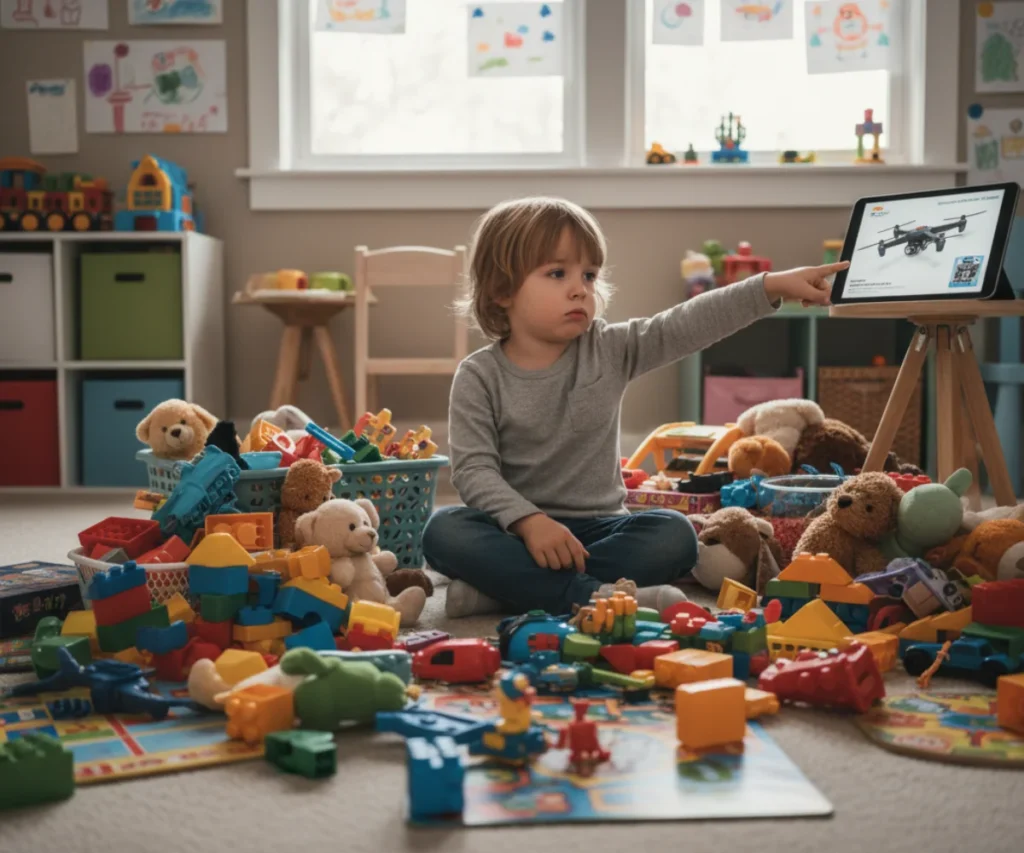
Does your child constantly seem to need the newest toy, the latest gadget, or a different treat, even immediately after receiving something desirable? This insatiable desire for more, coupled with a quick loss of interest in what they already possess, can be a sign of a spoiled mindset. They derive fleeting pleasure from acquisition rather than genuine appreciation or engagement.
The Sign in Action
- They quickly grow bored with new toys or gifts.
- They demand constant new purchases, even when they have plenty.
- They show little interest in non-material experiences or simple pleasures.
- They compare their possessions to others’ and feel deprived if they don’t have the best or newest.
- Their happiness seems to hinge on external rewards or acquisitions.
How to Fix It
Shifting focus from material possessions to experiences and intrinsic value is key.
- Declutter and Donate: Involve your child in regularly decluttering their toys and clothes. Encourage them to donate items to those less fortunate, helping them understand the value of giving and appreciating what they have.
- Limit Choices and Purchases: Don’t buy every new thing they ask for. Teach them that possessions are finite and earned, not limitless. For special occasions, set clear expectations for the number of gifts.
- Focus on Experiences: Prioritize family outings, shared activities, and quality time over material gifts. Create memories together that don’t revolve around spending money.
- Encourage Creative Play: Provide open-ended toys (blocks, art supplies, dress-up clothes) that foster imagination and don’t rely on being the “newest” or “hottest” item.
- Highlight What They Have: Regularly point out the wonderful things they already possess, from their healthy body to their loving family, their favorite book, or a special memory.
4. Poor Sportsmanship and Inability to Lose Gracefully
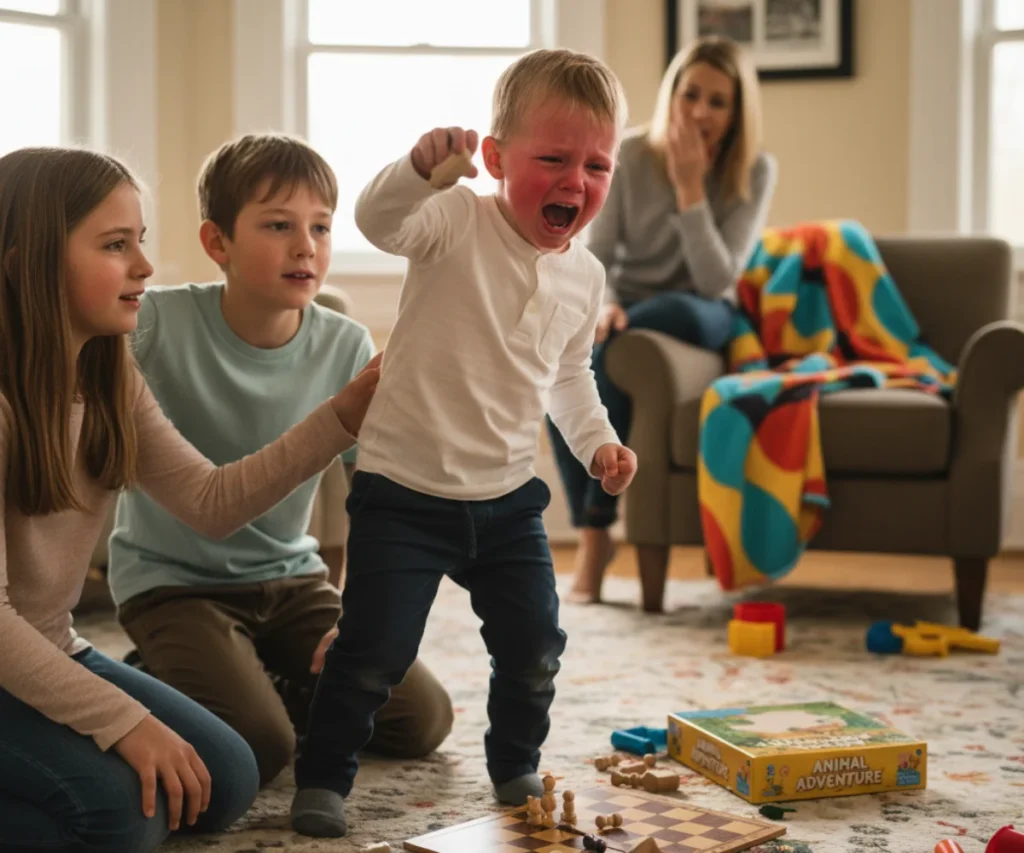
Life involves winning and losing, success and setbacks. A child who is accustomed to always getting their way or being shielded from failure may develop very poor sportsmanship. They might cheat, throw a fit when they lose a game, or refuse to participate if they don’t believe they’ll win. This behavior stems from an overinflated sense of self-importance and an underdeveloped ability to handle challenges.
The Sign in Action
- Meltdowns or anger when losing a game or competition.
- Blaming others or making excuses for poor performance.
- Refusal to play or participate if they fear they won’t win.
- Gloating excessively when they do win, without regard for others’ feelings.
- Changing rules during a game to ensure they come out on top.
How to Fix It
Teaching resilience, empathy, and the value of effort over outcome is crucial.
- Model Good Sportsmanship: Let your child see you win and lose gracefully. Congratulate others, acknowledge good play, and focus on the fun of participation.
- Focus on Effort, Not Just Winning: Praise their effort, their teamwork, their persistence, regardless of the outcome. “You worked so hard on that project!” instead of “You got the best grade!”
- Play Together: Engage in games and activities where you can teach them how to take turns, follow rules, and experience both winning and losing in a low-stakes environment.
- Discuss Feelings: After a game, talk about how it feels to win and to lose. Help them understand that it’s okay to feel disappointed, but it’s important to be respectful of others.
- Teach Empathy: Ask them to consider how others might feel when they gloat or become angry. “How do you think your friend felt when you shouted after winning?”
5. Refusal to Help or Take Responsibility

Children who are excessively indulged often grow up believing that others exist to serve them. They may resist or flat-out refuse to help with household tasks, clean up their own messes, or take responsibility for their actions. This lack of accountability stems from a childhood where everything was done for them, hindering the development of independence and a sense of contribution.
The Sign in Action
- Consistently avoiding or refusing age-appropriate chores.
- Expecting parents or siblings to clean up their messes.
- Blaming others for their mistakes or misbehavior.
- Resisting attempts to teach them self-care skills (e.g., getting dressed, packing their own bag).
- A general lack of initiative to help out around the house or for others.
How to Fix It
Fostering independence and a sense of responsibility is vital for their development.
- Assign Age-Appropriate Chores: Start early with simple tasks (e.g., putting toys away, helping set the table). Clearly define expectations and make chores a regular part of family life, not an optional activity.
- Don’t Do It For Them: Resist the urge to do things your child is capable of doing themselves, even if it’s faster. Let them struggle a little to learn.
- Implement Natural Consequences: If they don’t clean their room, they can’t find their favorite toy. If they don’t pack their lunch, they’ll be hungry at school (within safe limits, of course).
- Teach Problem-Solving: Instead of immediately stepping in when they have a problem, ask, “What do you think you could do to solve this?”
- Praise Effort and Initiative: Acknowledge and praise them when they do take initiative or complete a task, reinforcing positive behavior.
6. Demanding Constant Attention and Interrupting Frequently

While all children need and deserve attention, a spoiled child often demands it constantly, believing their needs and desires should always take precedence. This can manifest as frequent interruptions during adult conversations, attention-seeking behaviors, or an inability to entertain themselves for even short periods. They struggle with the concept that other people also have needs and conversations that matter.
The Sign in Action
- Constantly interrupting adult conversations without regard for timing.
- Throwing small tantrums or engaging in disruptive behavior to get attention.
- Inability to play independently for any significant period.
- Becoming overly dramatic or exaggerated about minor issues to draw focus.
- Expecting adults to drop everything to cater to their immediate whims.
How to Fix It
Teaching patience, self-amusement, and respect for others’ time is essential.
- Scheduled “Special Time”: Dedicate 10-15 minutes of uninterrupted, one-on-one time each day. During this time, the child has your full attention. This helps fill their “attention cup” so they feel less need to demand it.
- Teach “Excuse Me”: Practice a polite way for them to get your attention, such as a gentle tap on the arm and waiting for you to acknowledge them.
- Set Clear Expectations for Independent Play: Provide engaging activities and tell them, “I need 15 minutes to finish this; then I’ll be able to play.” Gradually increase this time.
- Ignore Minor Attention-Seeking: For harmless but annoying attention-seeking behaviors (whining, silly noises), try to ignore them. When they behave appropriately, give them positive attention.
- Involve Them in Conversations Appropriately: When the timing is right, invite them into conversations. “What do you think about…?” This validates their voice without letting them dominate.
Beyond the Signs: General Strategies for Nurturing Well-Adjusted Children

Addressing specific spoiled behaviors is a crucial step, but integrating broader positive parenting strategies into your daily life can prevent these issues from taking root and foster resilient, empathetic children.
Consistency is Key
Children thrive on predictability and clear expectations. Be consistent with rules, consequences, and follow-through. A consistent approach helps children understand boundaries and builds trust.
Model the Behavior You Want to See
Your children are always watching. Demonstrate gratitude, patience, empathy, good sportsmanship, and a strong work ethic. If you want them to be respectful, be respectful yourself.
Prioritize Connection Over Compliance
While boundaries are important, never let them overshadow your loving connection. Spend quality time together, listen actively, and ensure your child feels seen, heard, and deeply loved. A strong bond provides the security they need to learn and grow.
Empower Through Choices (Within Limits)
Give children choices where appropriate (e.g., “Would you like to wear the blue shirt or the red shirt?” or “Do you want an apple or a banana?”). This gives them a sense of control and teaches decision-making without letting them run wild.
Teach Problem-Solving Skills
Instead of solving every problem for them, guide your child to find their own solutions. Ask open-ended questions like, “What could we do about this?” or “What are some ideas you have?” This builds confidence and resourcefulness.
Conclusion

Recognizing signs of spoiled behavior isn’t about shaming your child or yourself; it’s about identifying areas where guidance and teaching can lead to more positive outcomes. Every child, regardless of temperament or early experiences, has the capacity to learn gratitude, resilience, and empathy. It’s a journey, not a destination, and there will be good days and challenging ones.
Approach these situations with a calm, empathetic heart, understanding that your child is learning how to navigate the world. With consistent effort, clear boundaries, and an abundance of love, you can empower your child to grow into a compassionate, responsible, and well-adjusted individual who appreciates what they have and contributes positively to the world around them. You’ve got this, parent.