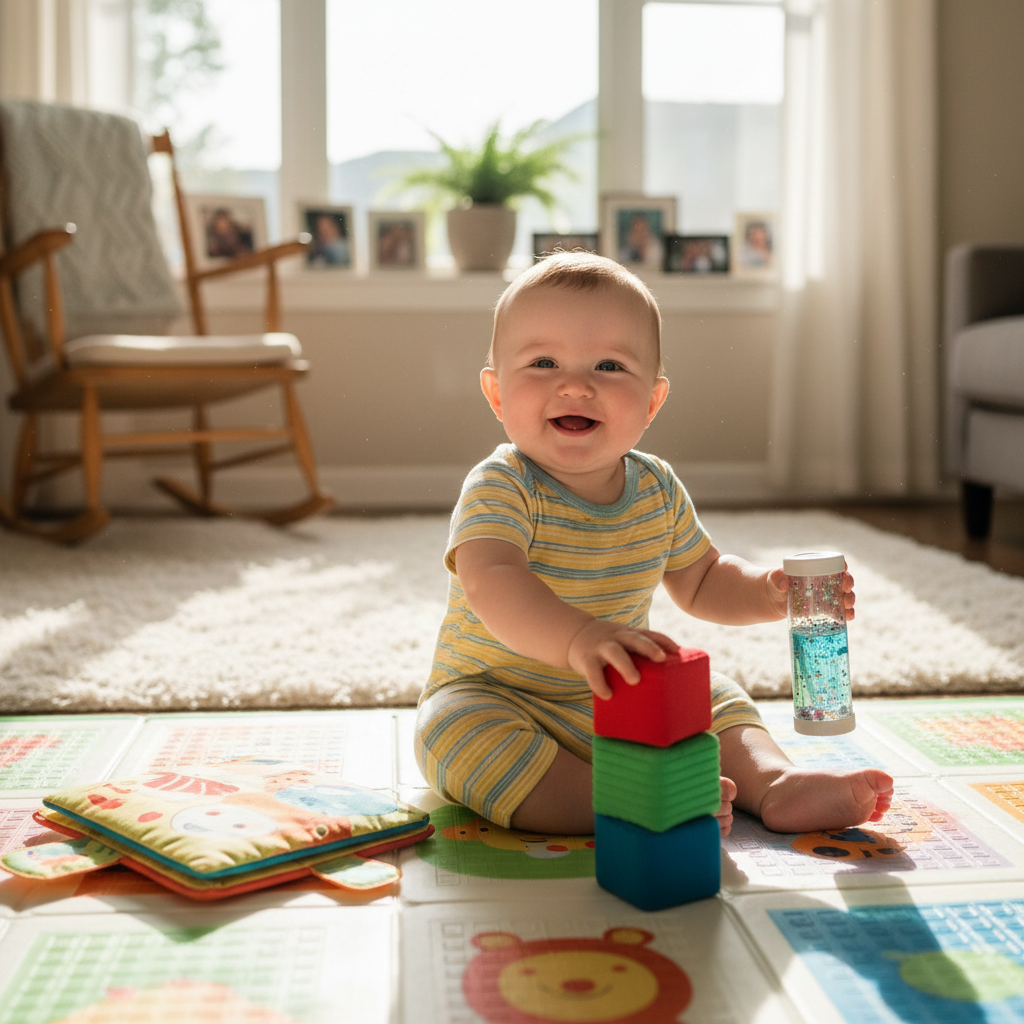
22 Fun and Easy Baby Activities to Do at Home
Engaging your infant in meaningful play is essential for their cognitive, motor, and emotional development. While it may seem challenging to keep a baby entertained without complex toys, the home environment provides a wealth of opportunities for discovery. This guide outlines twenty-two simple yet effective activities designed to foster growth and strengthen the bond between you and your child, all from the comfort of your living room.
1. Interactive Tummy Time
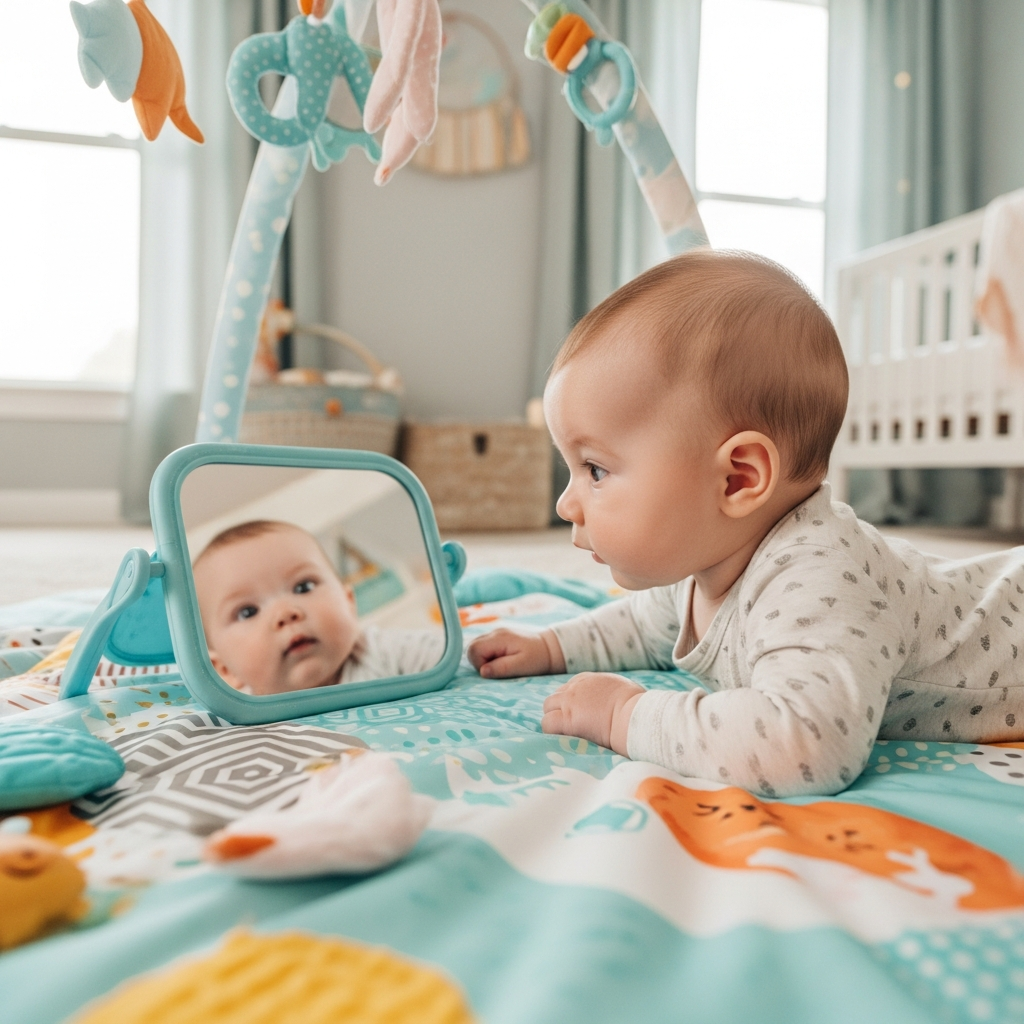
Tummy time is vital for developing neck and shoulder strength. Enhance this activity by placing a non-breakable mirror or colorful toys just out of reach to encourage reaching and neck movement.
2. High Contrast Visual Cards
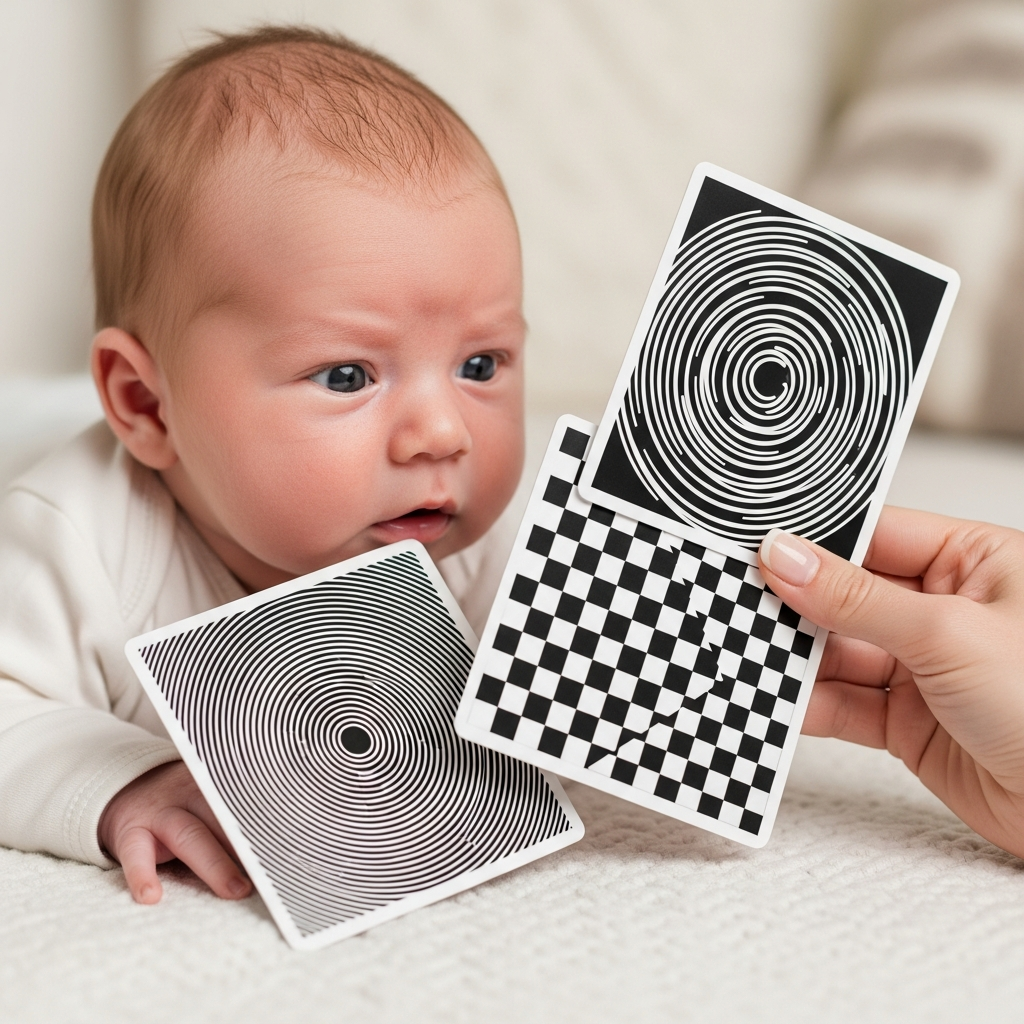
Newborns primarily see in high contrast. Use black and white cards with bold patterns to help stimulate their visual nerves and improve focus during the first few months.
3. Sensory Texture Exploration
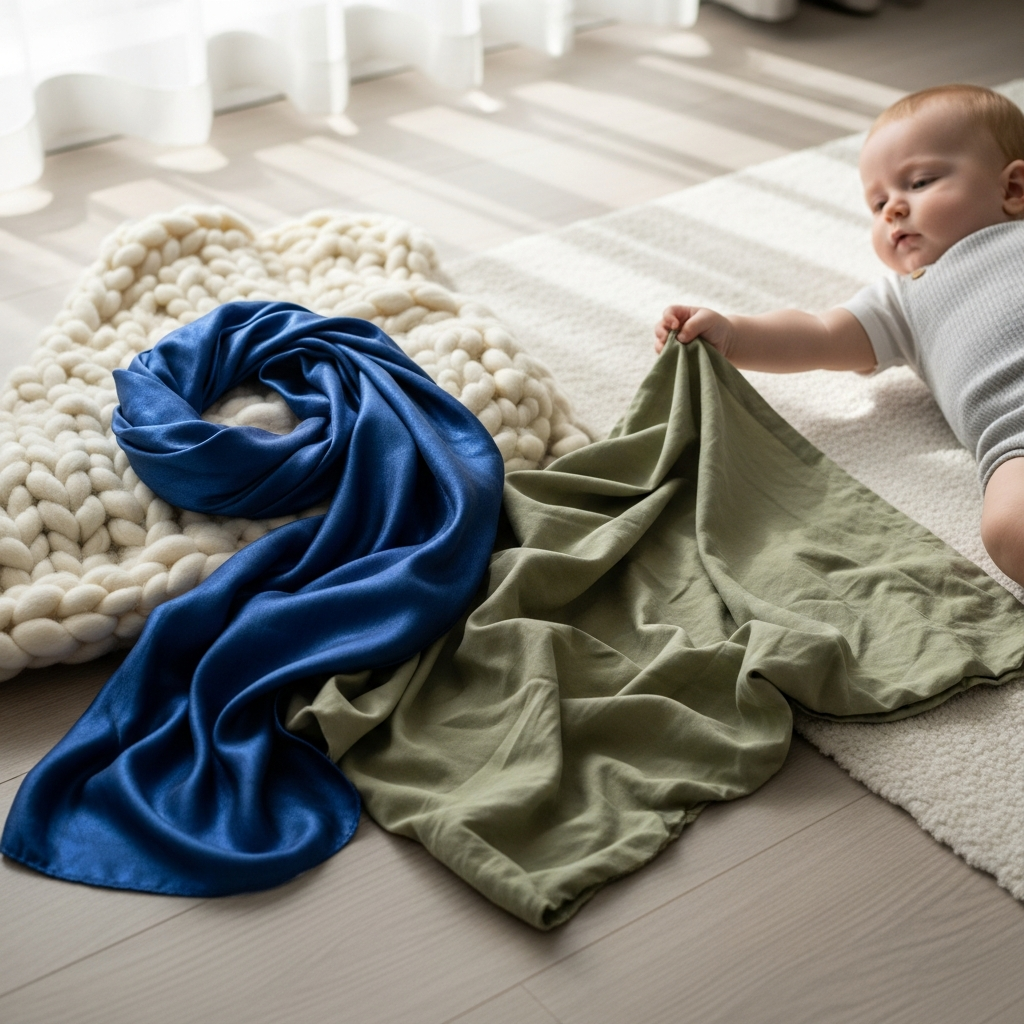
Gather various household items with different textures such as silk scarves, bumpy washcloths, and soft faux fur. Gently brush these against your baby’s hands and feet to introduce tactile variety.
4. Mirror Recognition Play
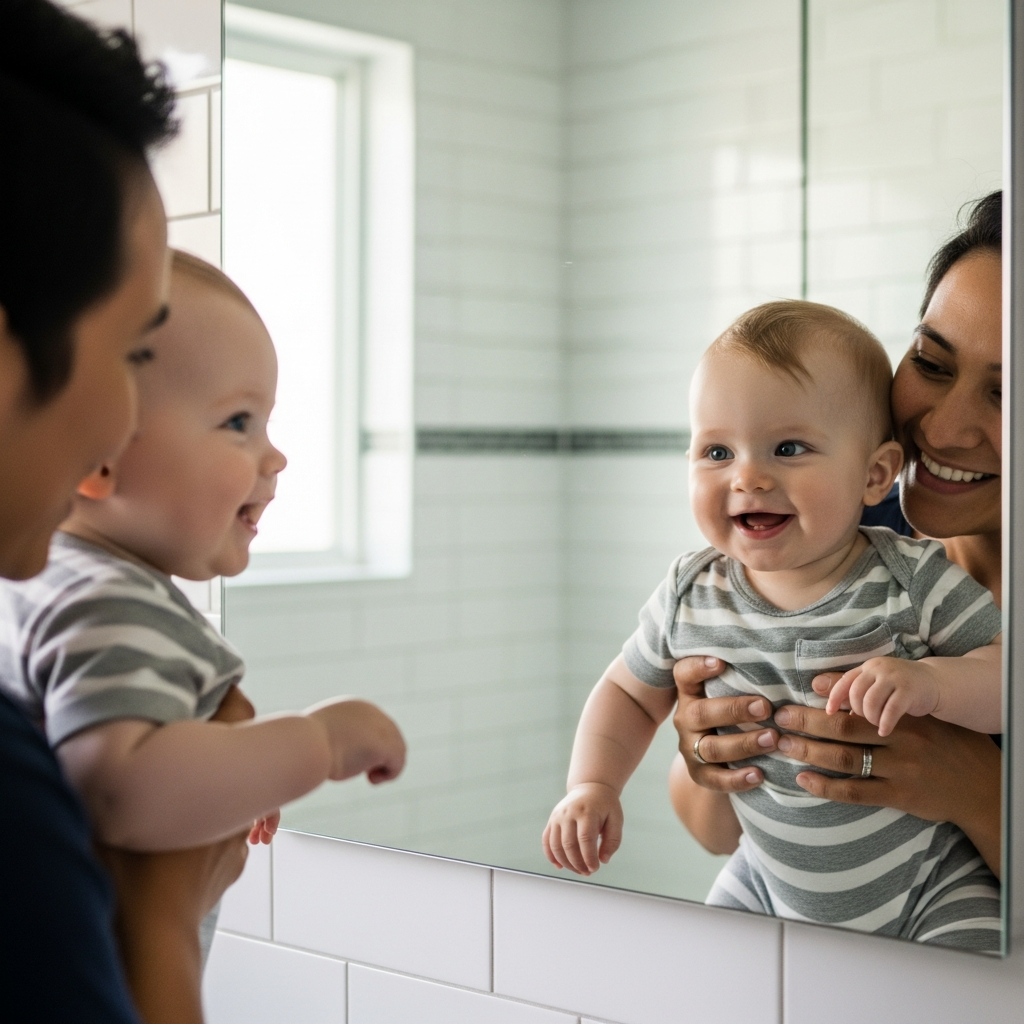
Hold your baby in front of a large mirror and point to their reflection. Name their features like nose and eyes to help develop self-awareness and facial recognition skills.
5. Gentle Bubble Tracking

Blow non-toxic bubbles around your baby. This activity encourages visual tracking and hand-eye coordination as they watch and attempt to reach for the floating spheres.
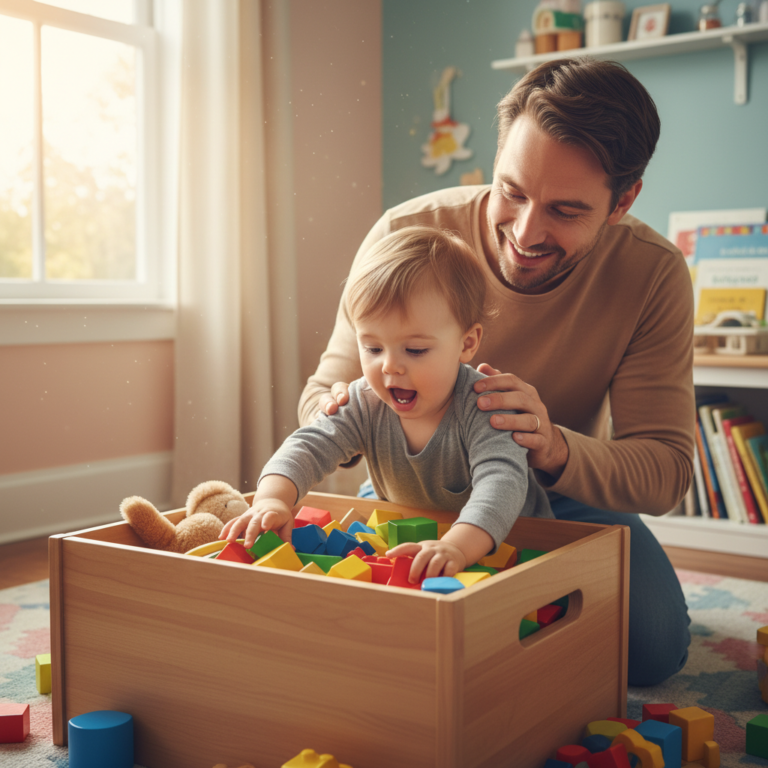
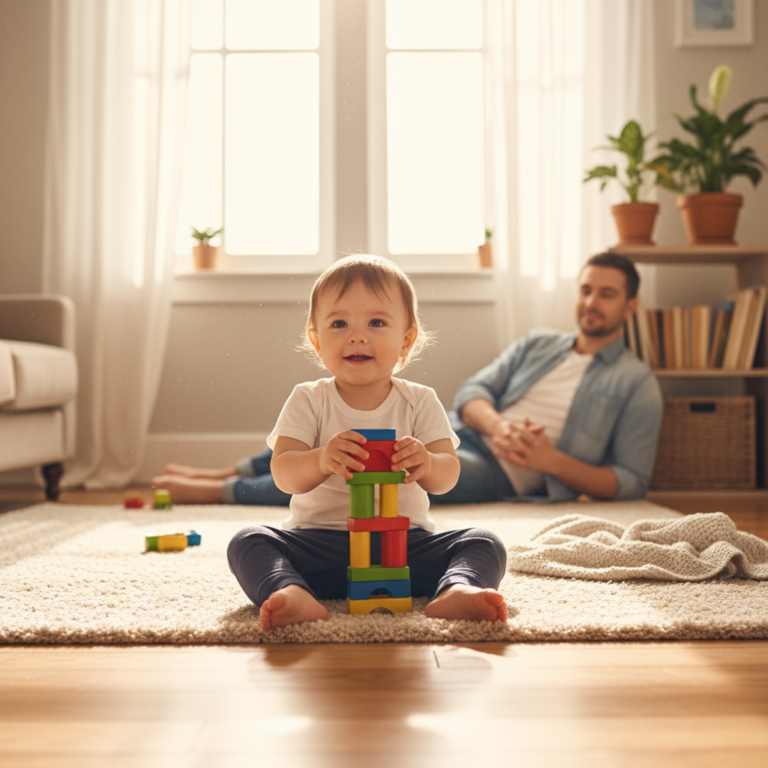
6. Soft Block Construction
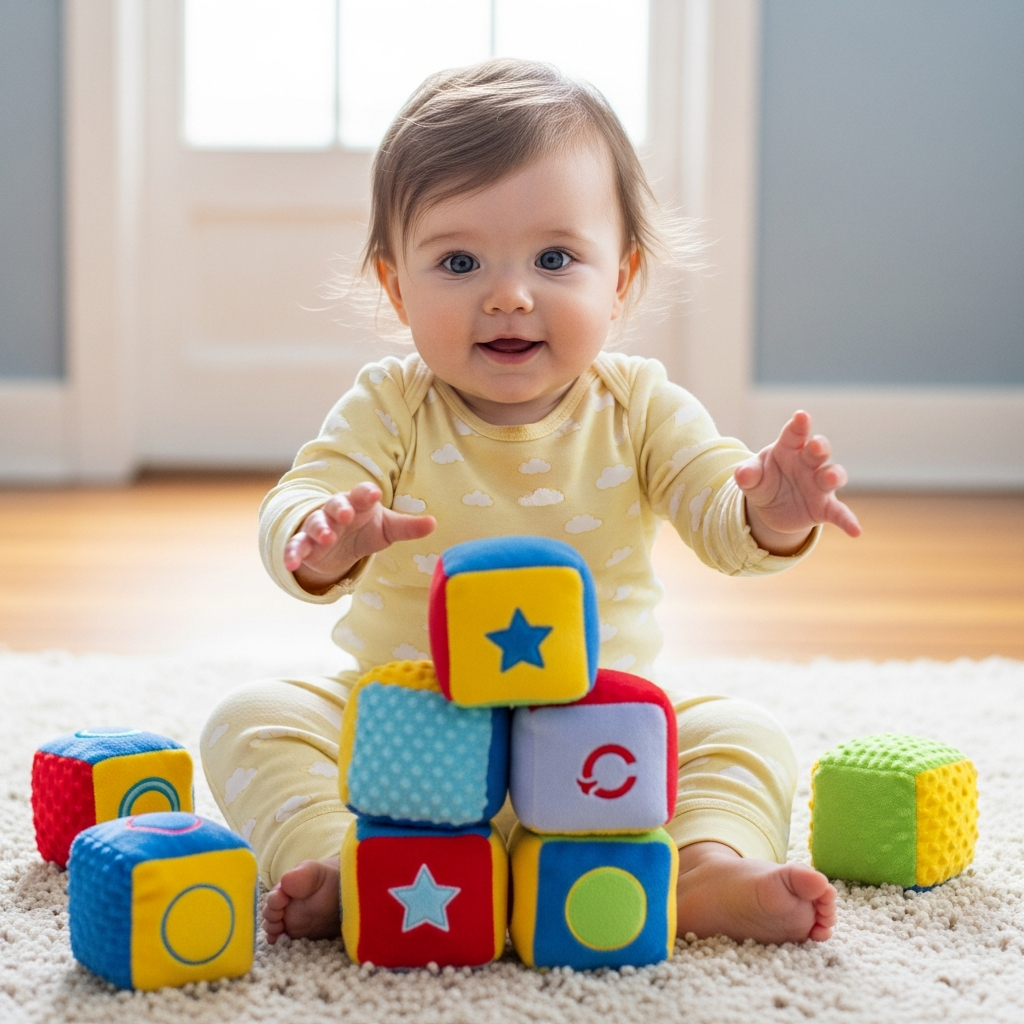
Stacking soft, fabric blocks helps develop fine motor skills. Allow your baby to knock down the towers you build, which introduces the concept of cause and effect.
7. Storytelling and Reading
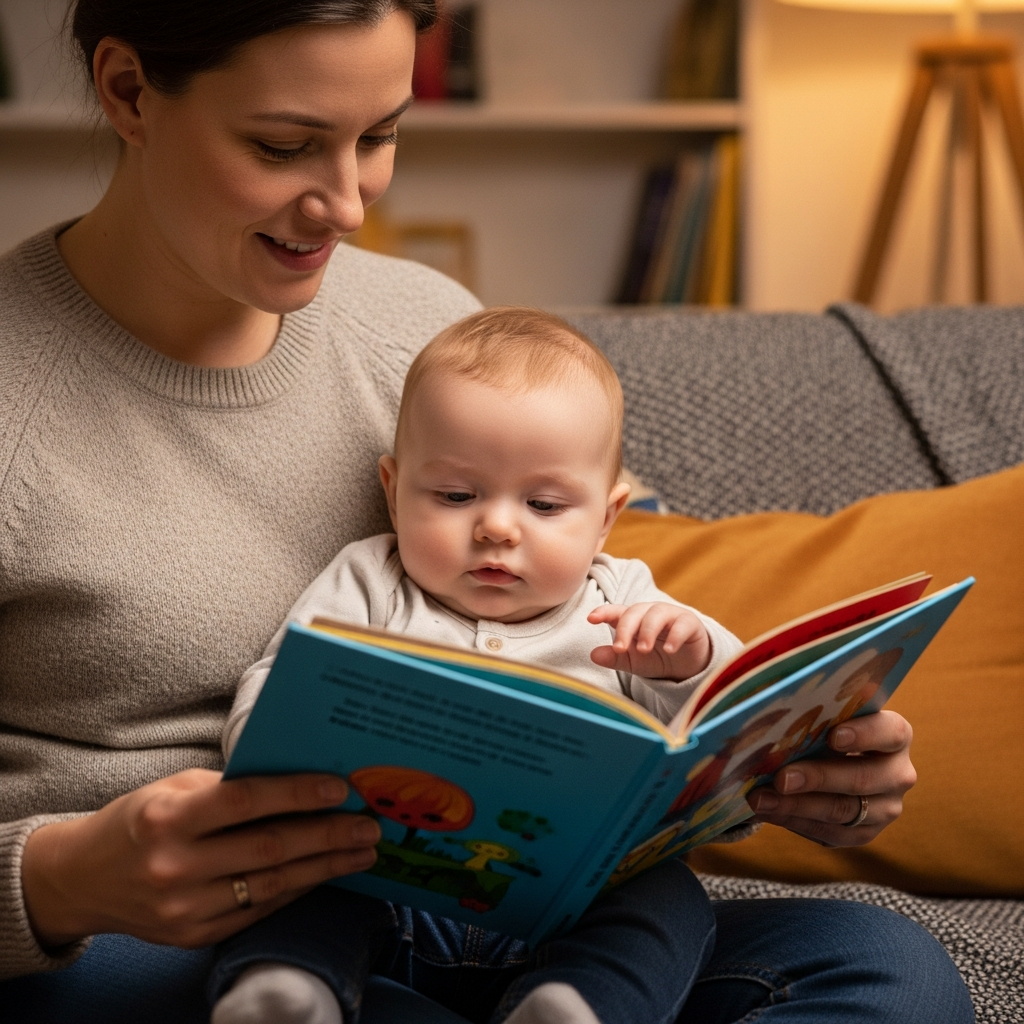
Reading aloud introduces language patterns and vocabulary. Use board books with bright illustrations and varying vocal tones to keep your baby engaged and curious.
8. Household Musical Discovery
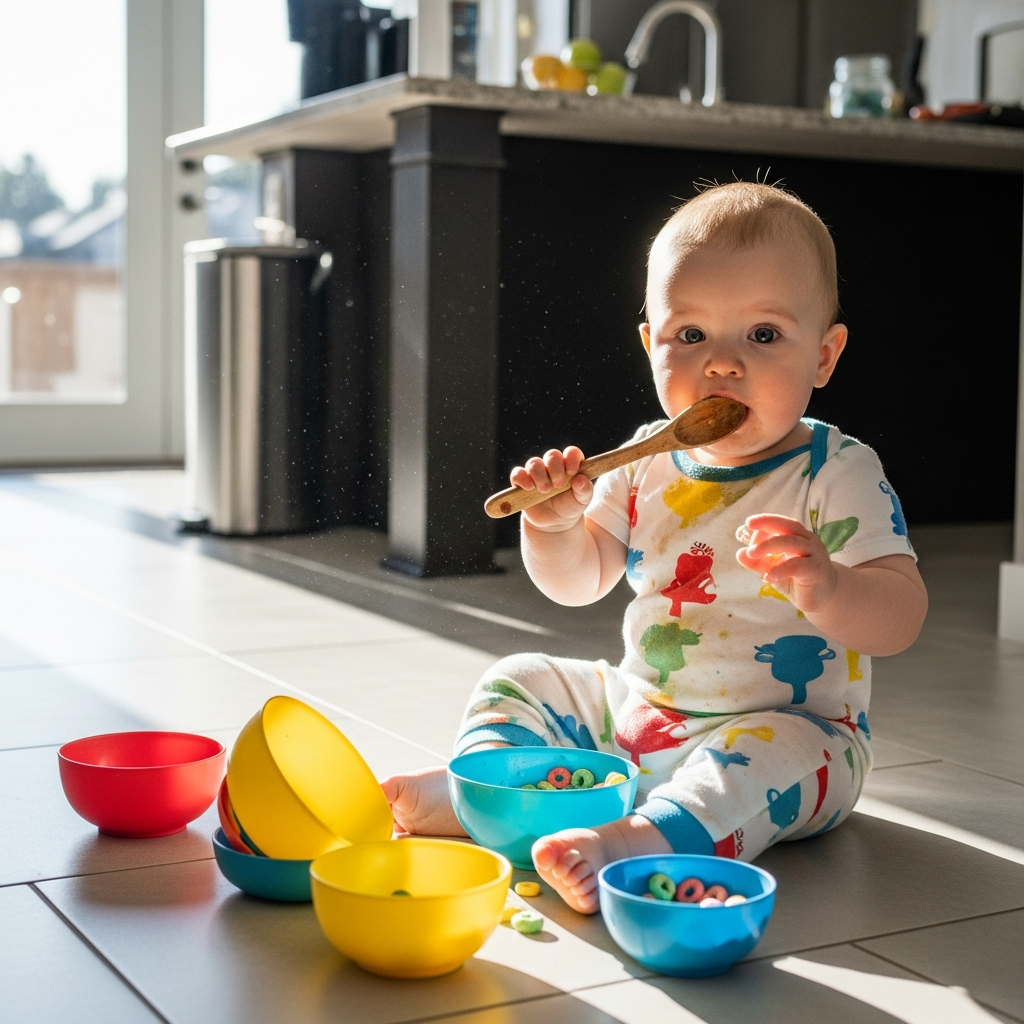
Create a makeshift band using plastic containers and wooden spoons. Rhythmic tapping helps babies understand timing and auditory patterns through play.
9. Controlled Water Play
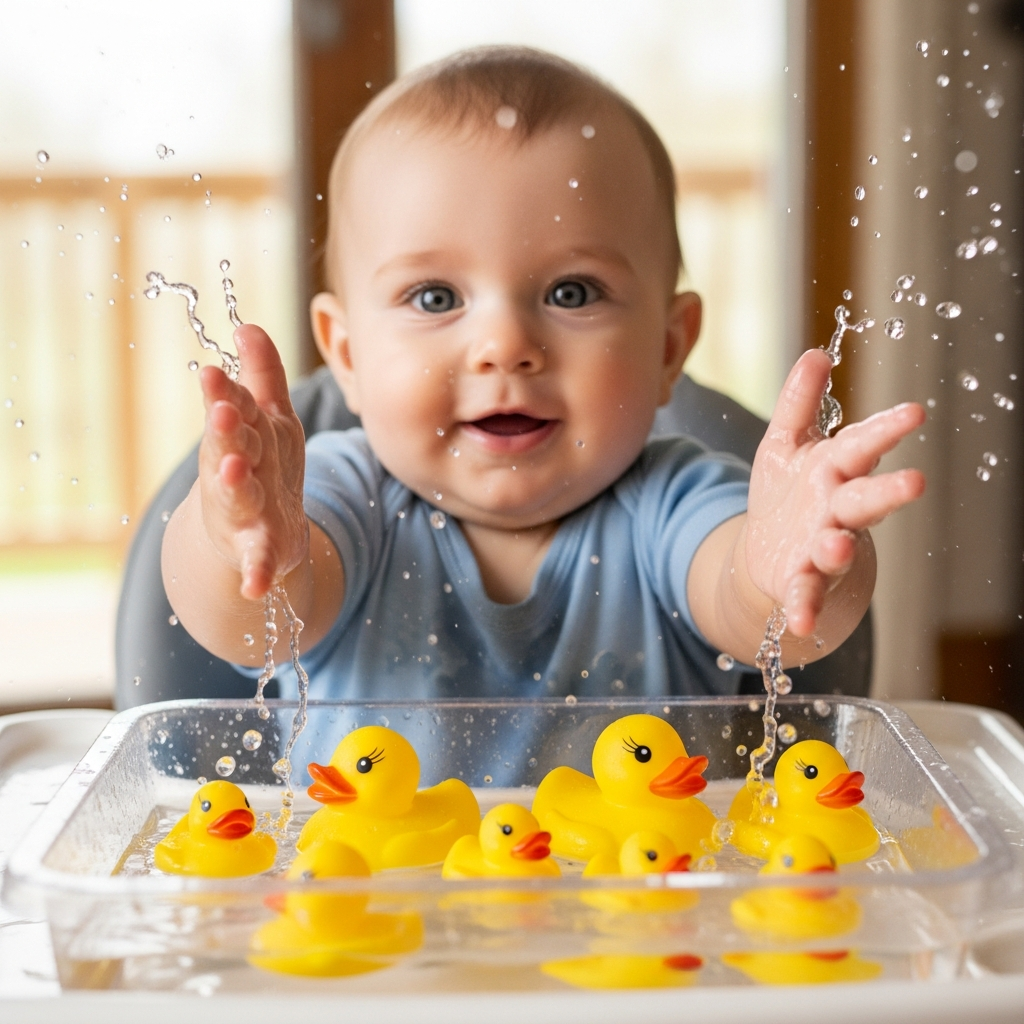
Place a shallow tray of water in front of a sitting baby. Adding floating toys or measuring cups allows them to explore the physics of splashing and pouring under close supervision.
10. DIY Sensory Bins
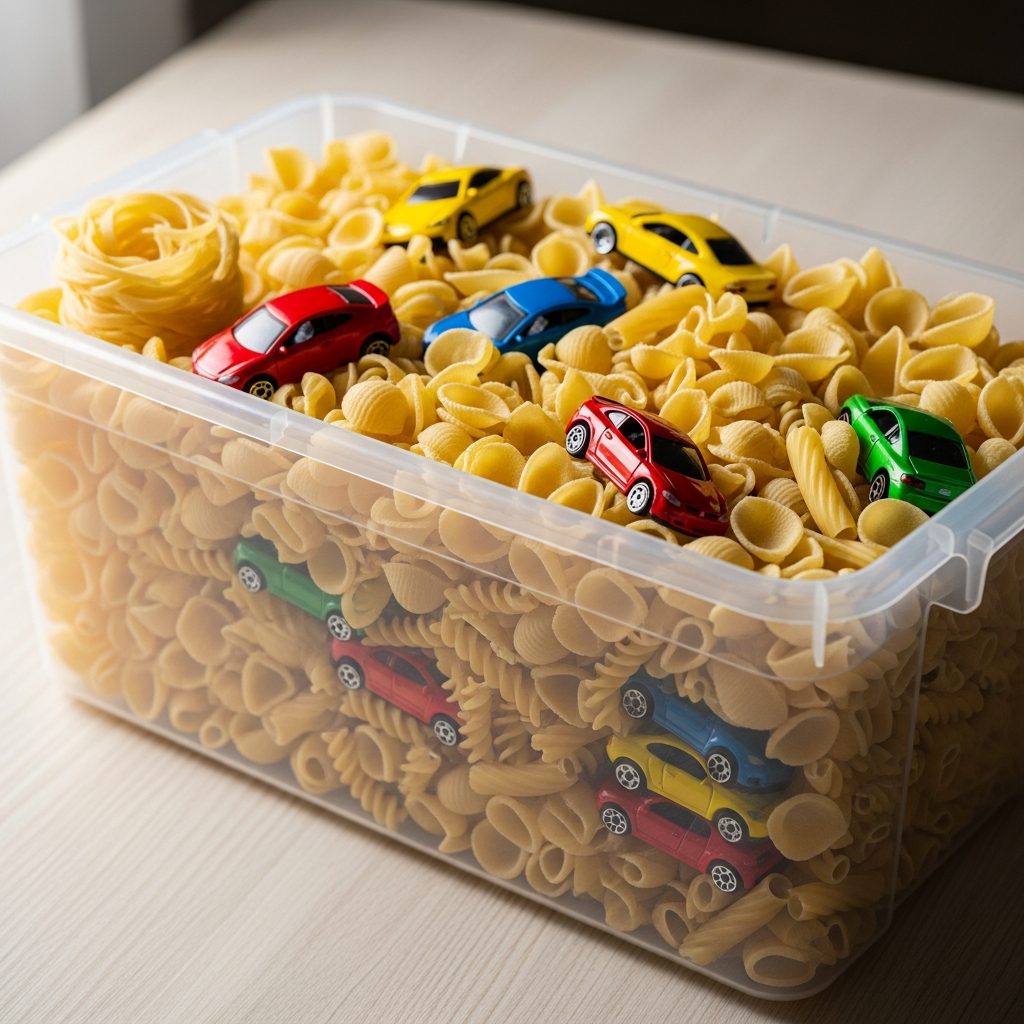
Fill a bin with safe materials like large pasta shapes or dry oats. Hide toys inside for your baby to find, stimulating their sense of touch and problem-solving abilities.
11. Ball Rolling Games
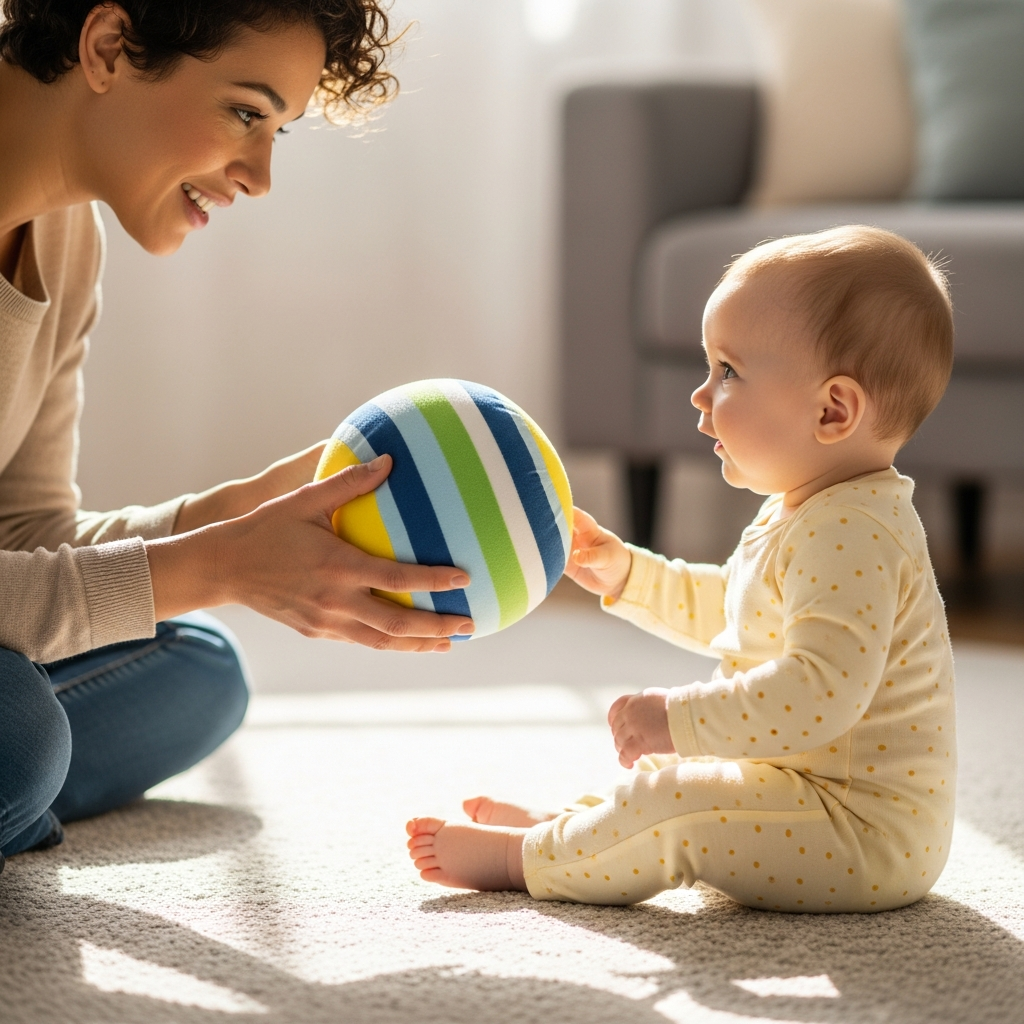
Sit across from your baby and roll a soft ball toward them. This simple back-and-forth movement builds social interaction skills and improves tracking of moving objects.
12. Classic Peek-a-Boo

Using your hands or a soft cloth, play peek-a-boo to teach the concept of object permanence. This game is foundational for understanding that things exist even when they are hidden.
13. Edible Finger Painting
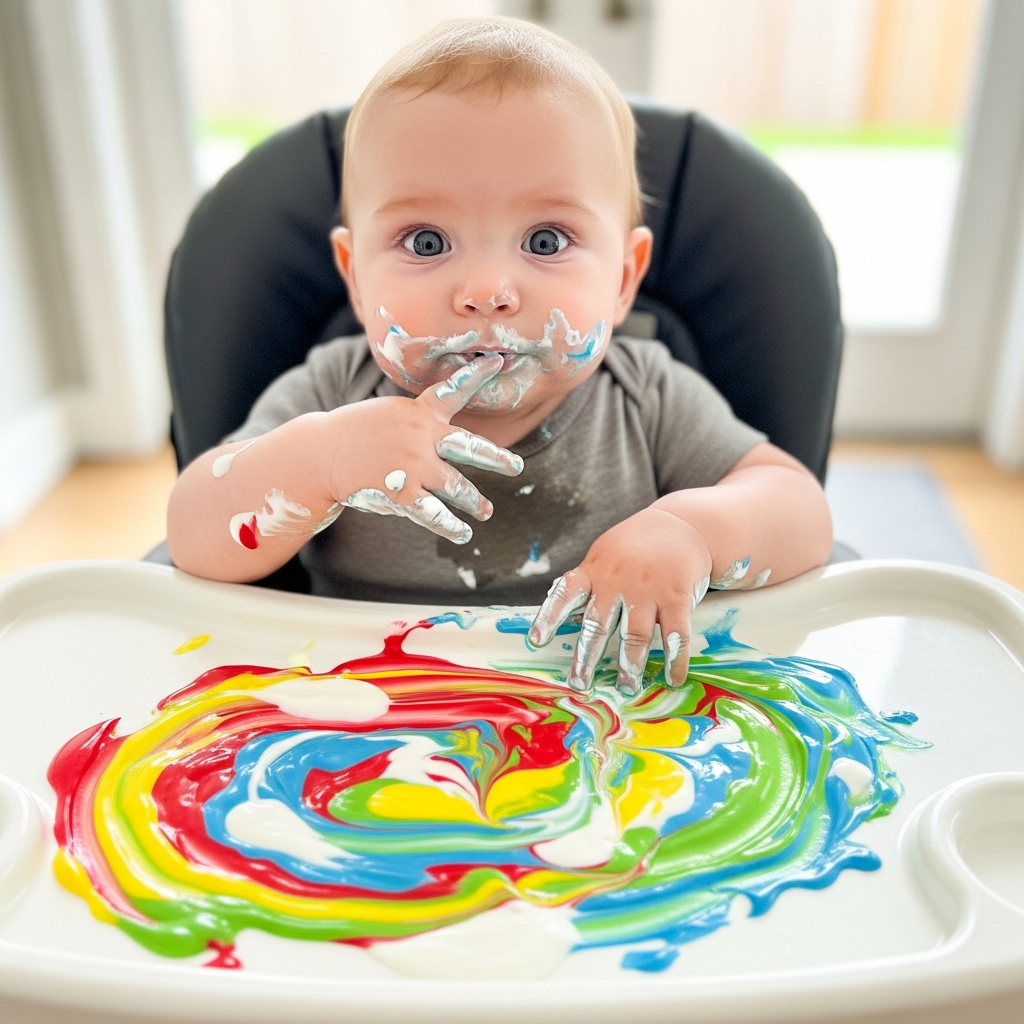
Create a safe paint using yogurt and food coloring. Let your baby express their creativity on a high-chair tray, providing a safe sensory and artistic experience.
14. Balloon Leg Kicks
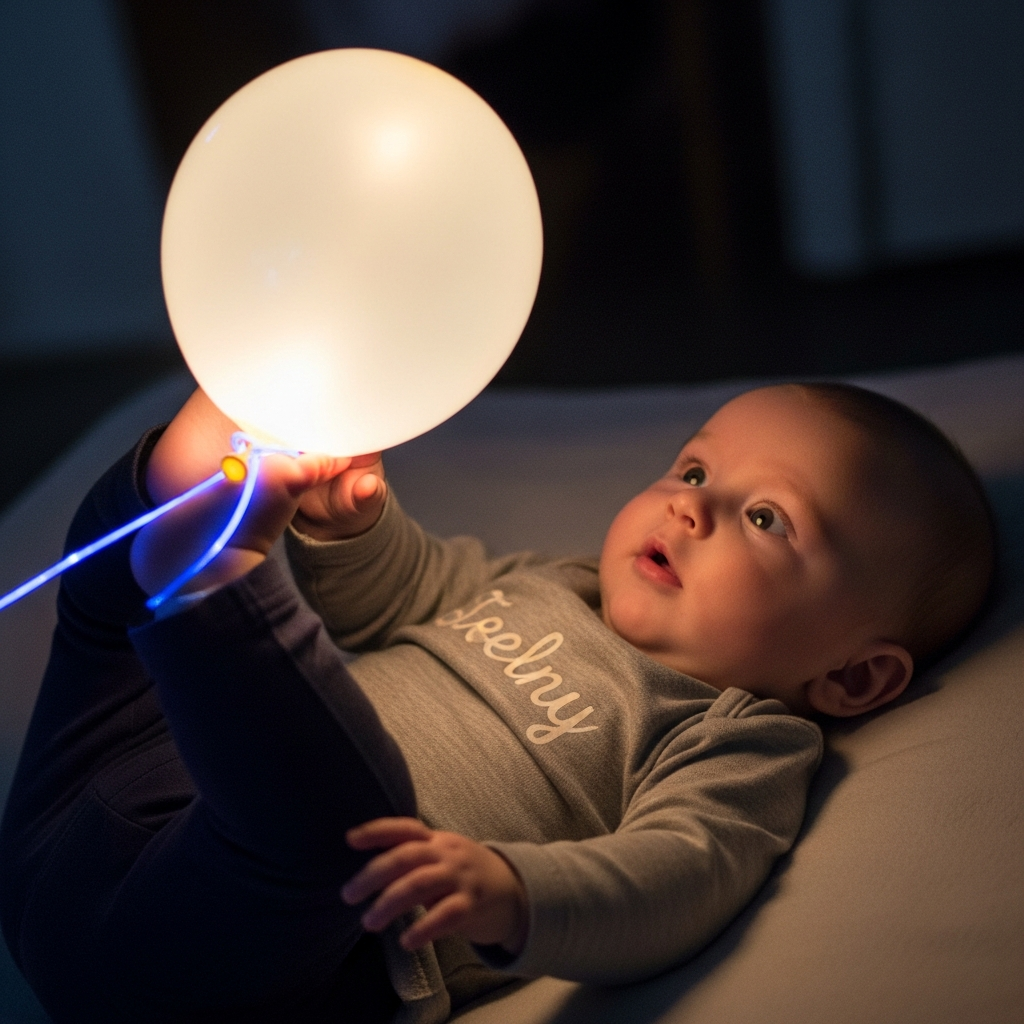
Loosely tie a helium-filled balloon to your baby’s ankle while they lie on their back. The movement of the balloon in response to their kicks helps develop body awareness.
15. Kitchen Percussion Session
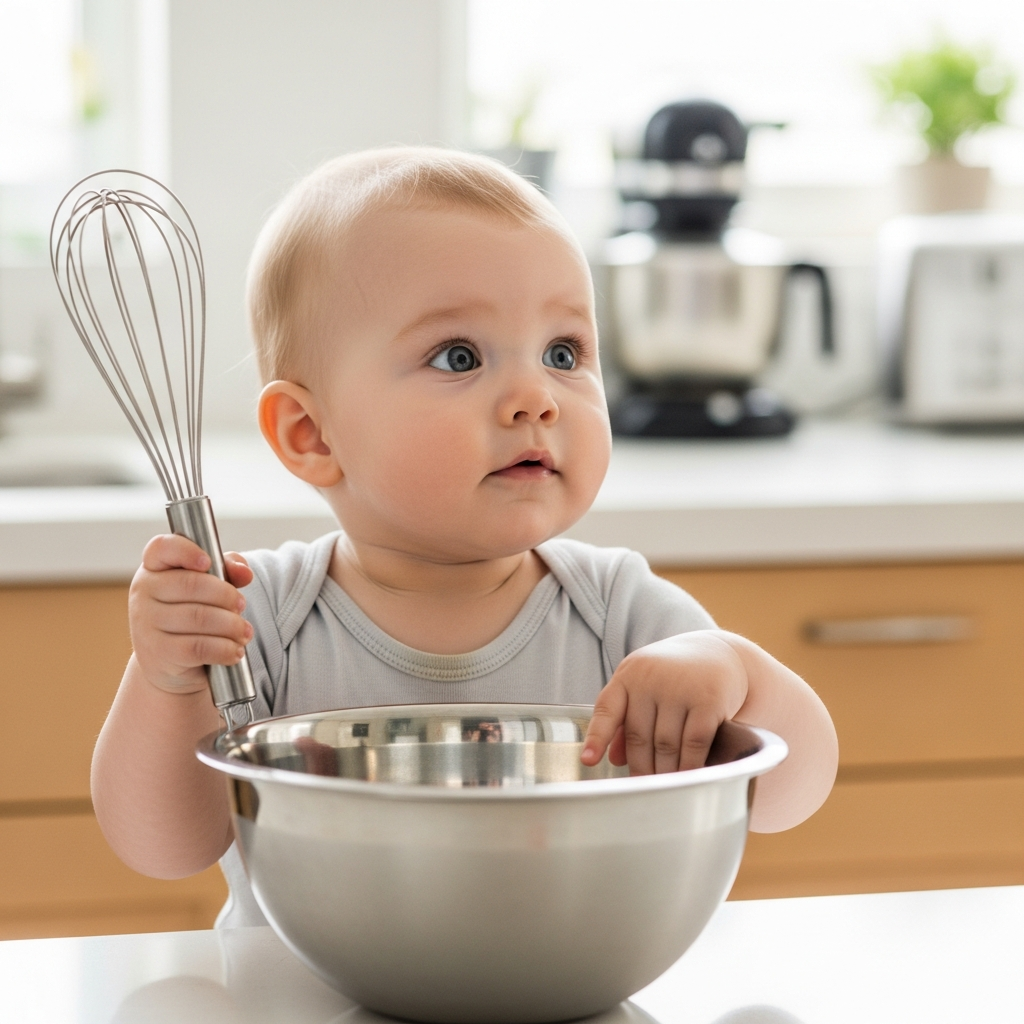
Hand your baby a whisk or a metal bowl. Exploring different sounds made by various kitchen utensils encourages curiosity and auditory processing.
16. Puppet Show Performances
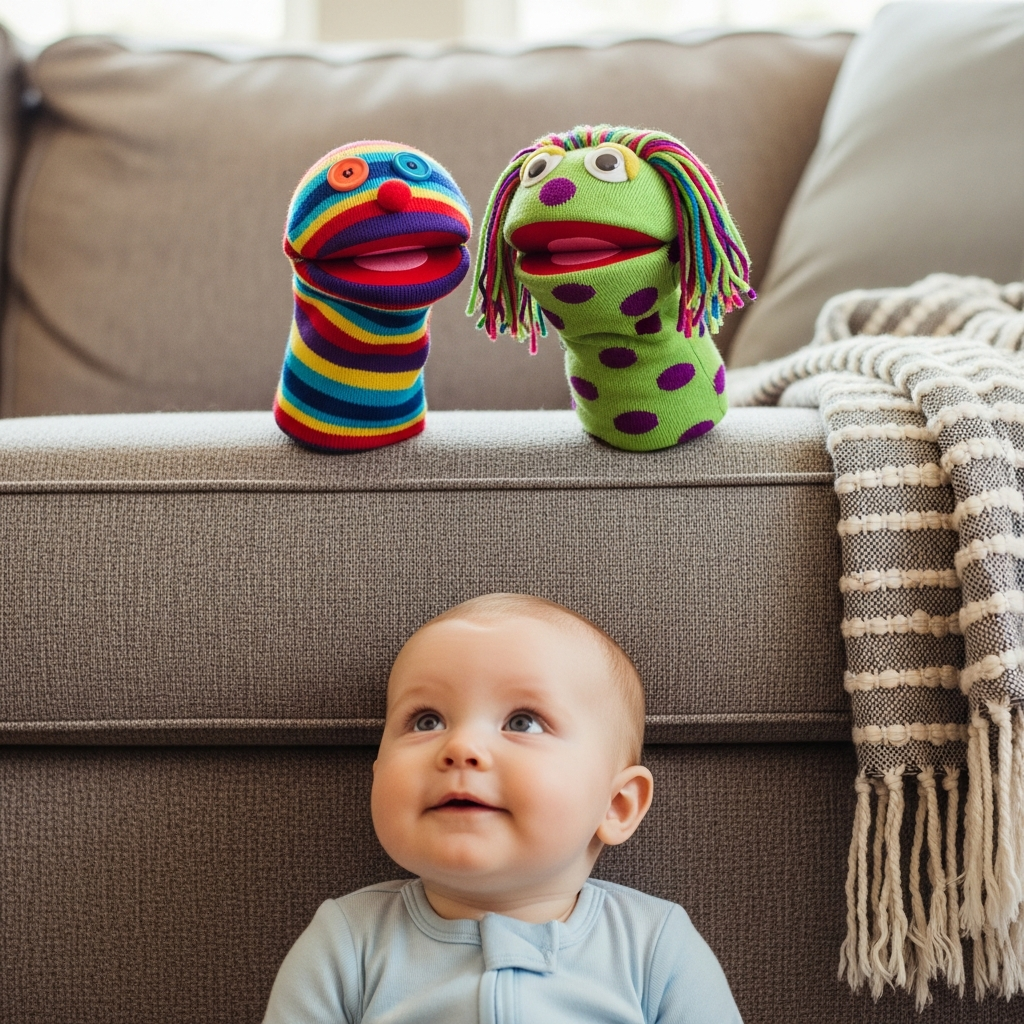
Use socks or hand puppets to tell a short story. The movement and funny voices help with social-emotional development and focus.
17. Indoor Nature Walk
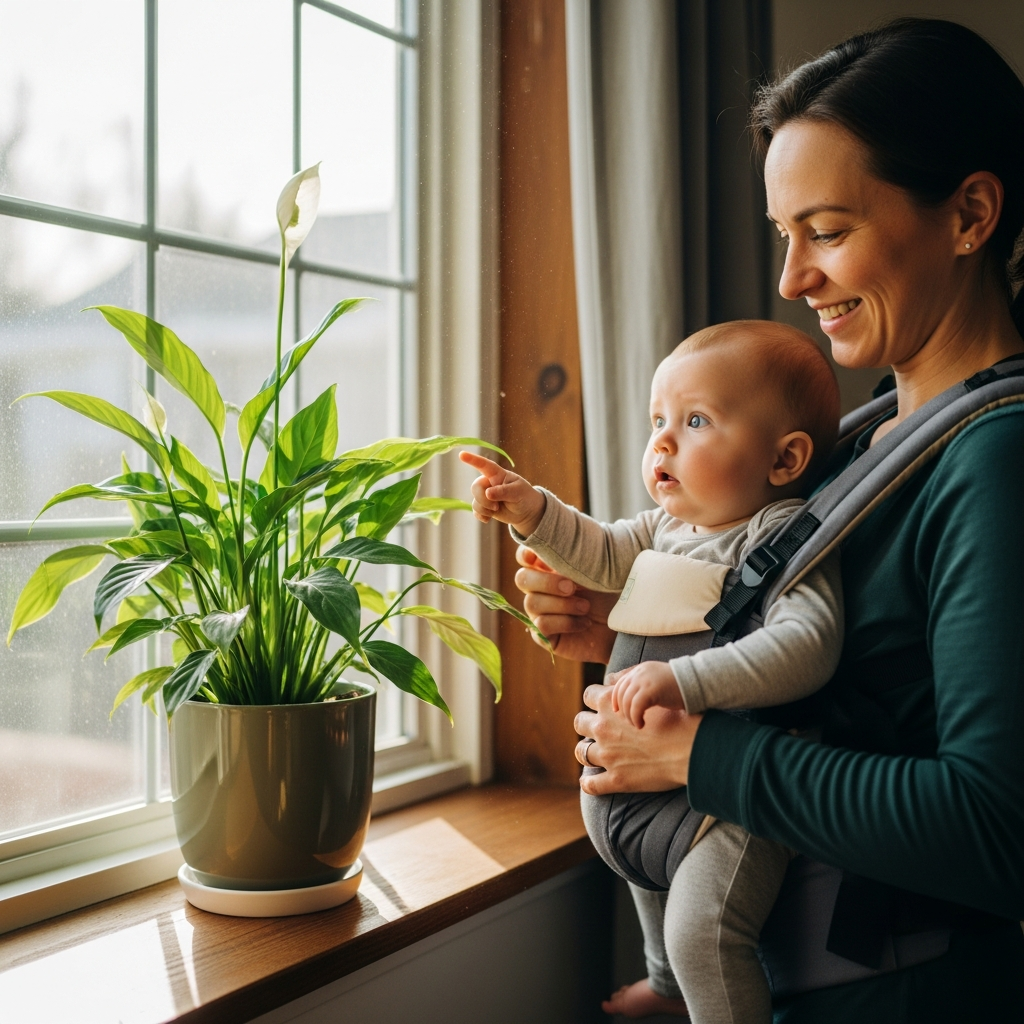
Carry your baby around the house to look at indoor plants or out of various windows. Describe what you see to help build their vocabulary and interest in the world.
18. Cushion Obstacle Course
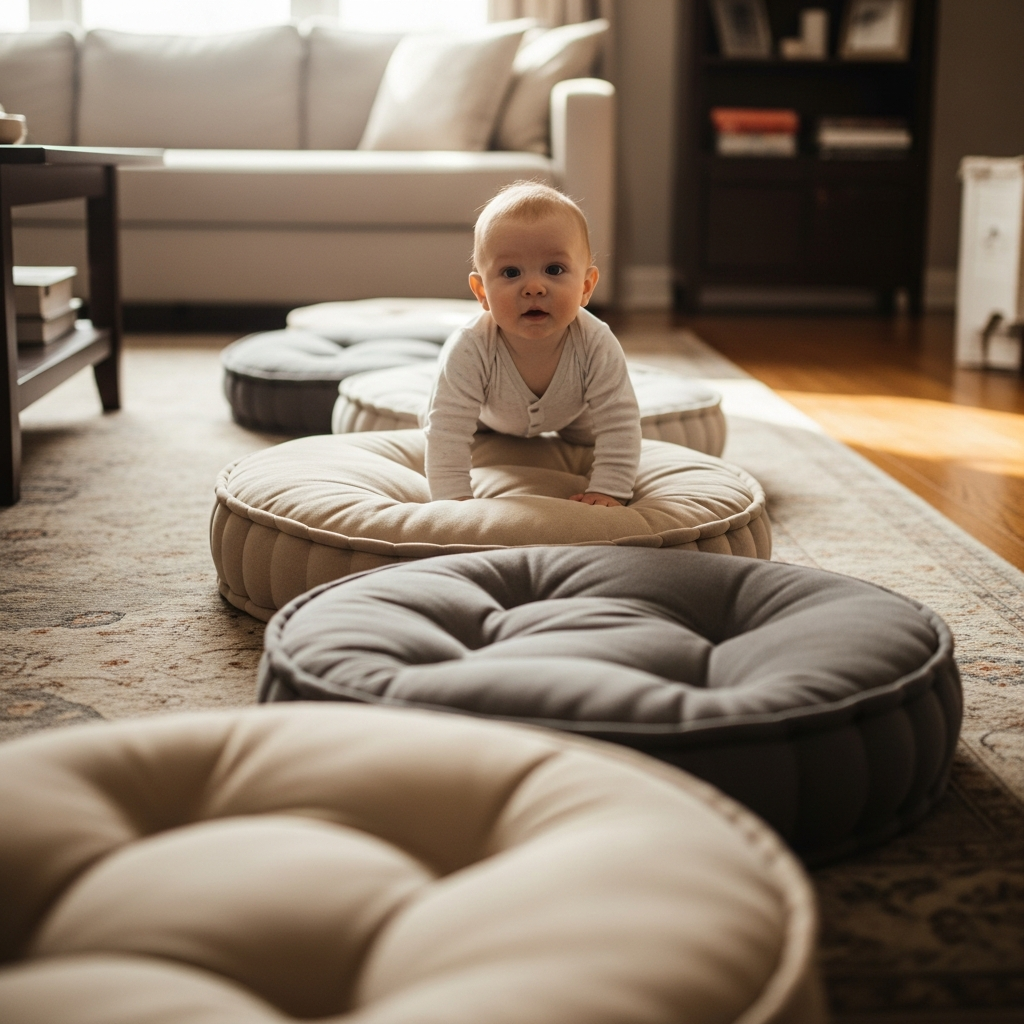
Arrange sofa cushions on the floor for crawling babies. Navigating over and around these soft obstacles builds gross motor strength and spatial awareness.
19. Sticky Note Discovery
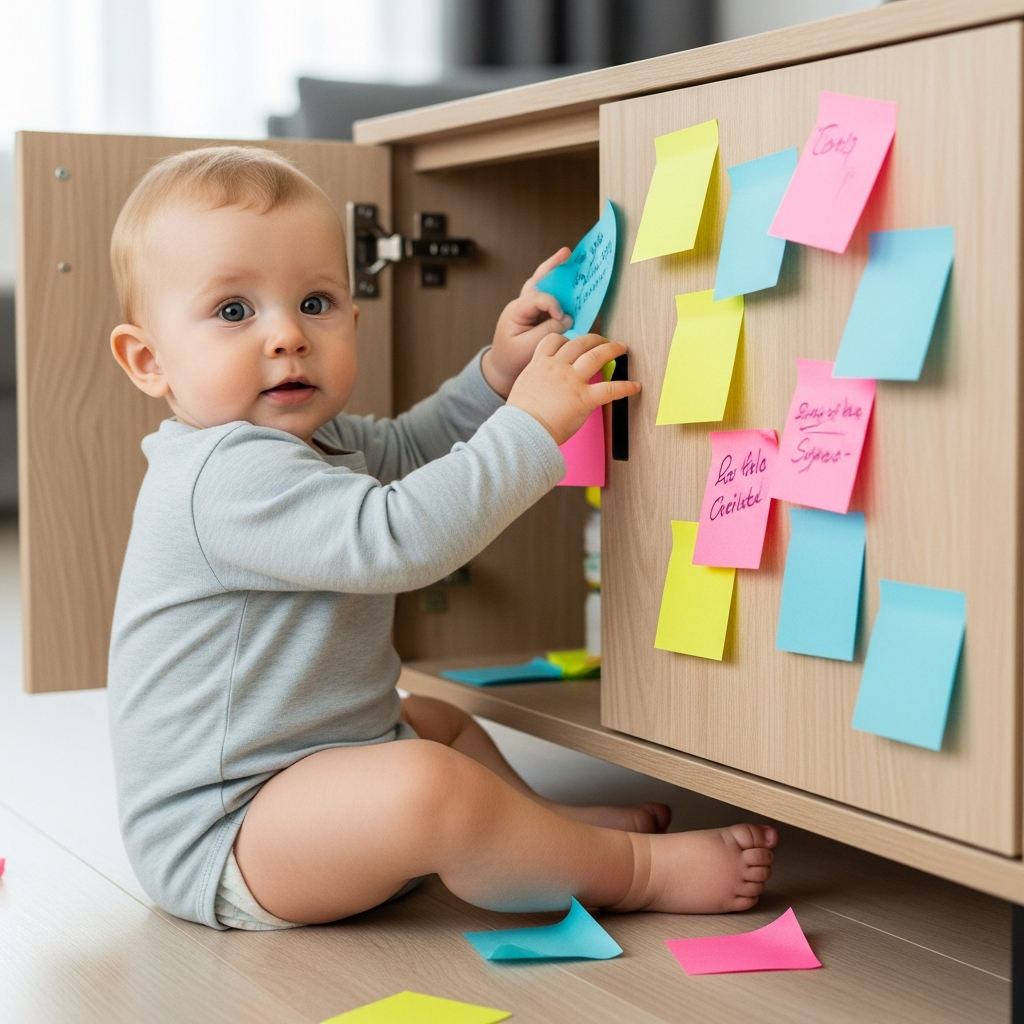
Place colorful sticky notes on a wall or floor within your baby’s reach. Peeling them off is an excellent way to practice the pincer grasp and fine motor control.
20. Flashlight Tracking

In a slightly dimmed room, move a flashlight beam slowly across the wall. This encourages your baby to practice visual tracking and focus on a moving light source.
21. Fabric Scarf Pull
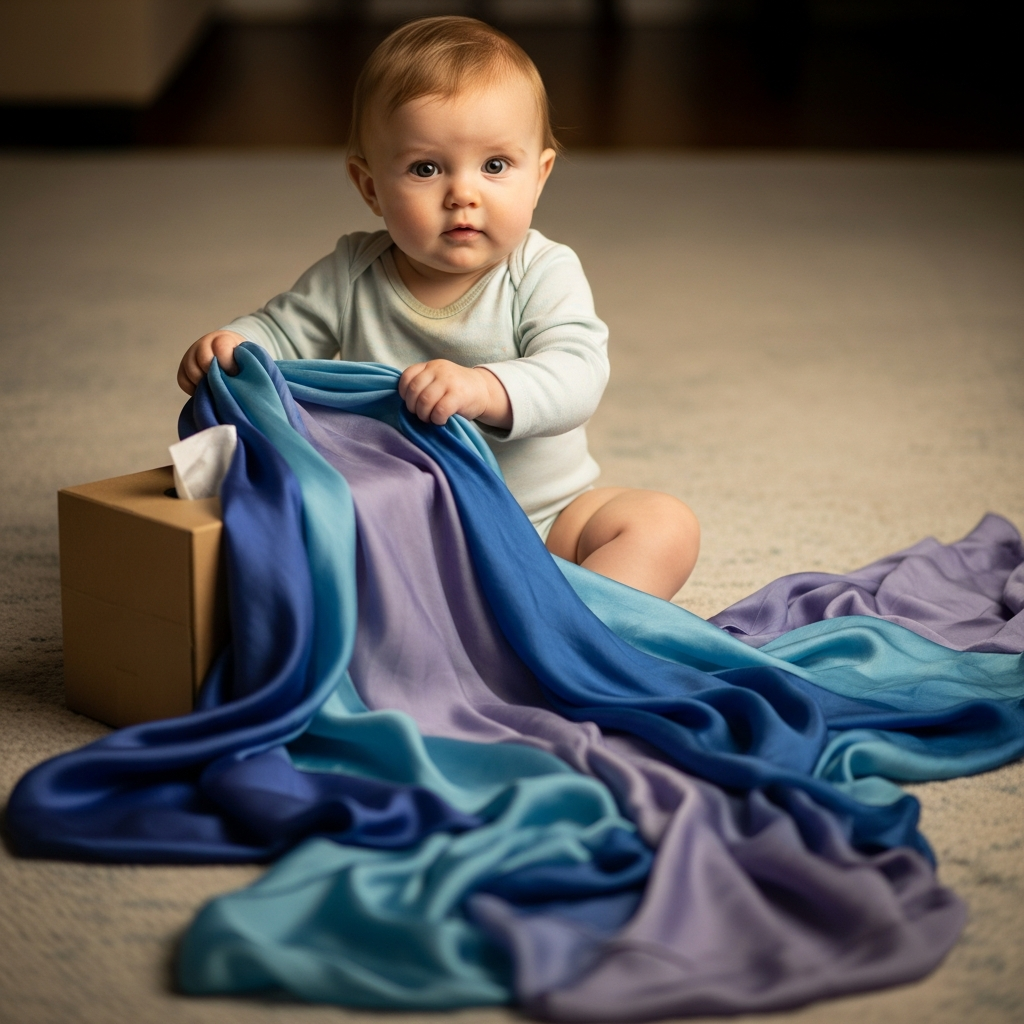
Stuff several lightweight scarves into an empty tissue box. Let your baby pull them out one by one, which provides a satisfying tactile and visual reward.
22. Daily Dance Party
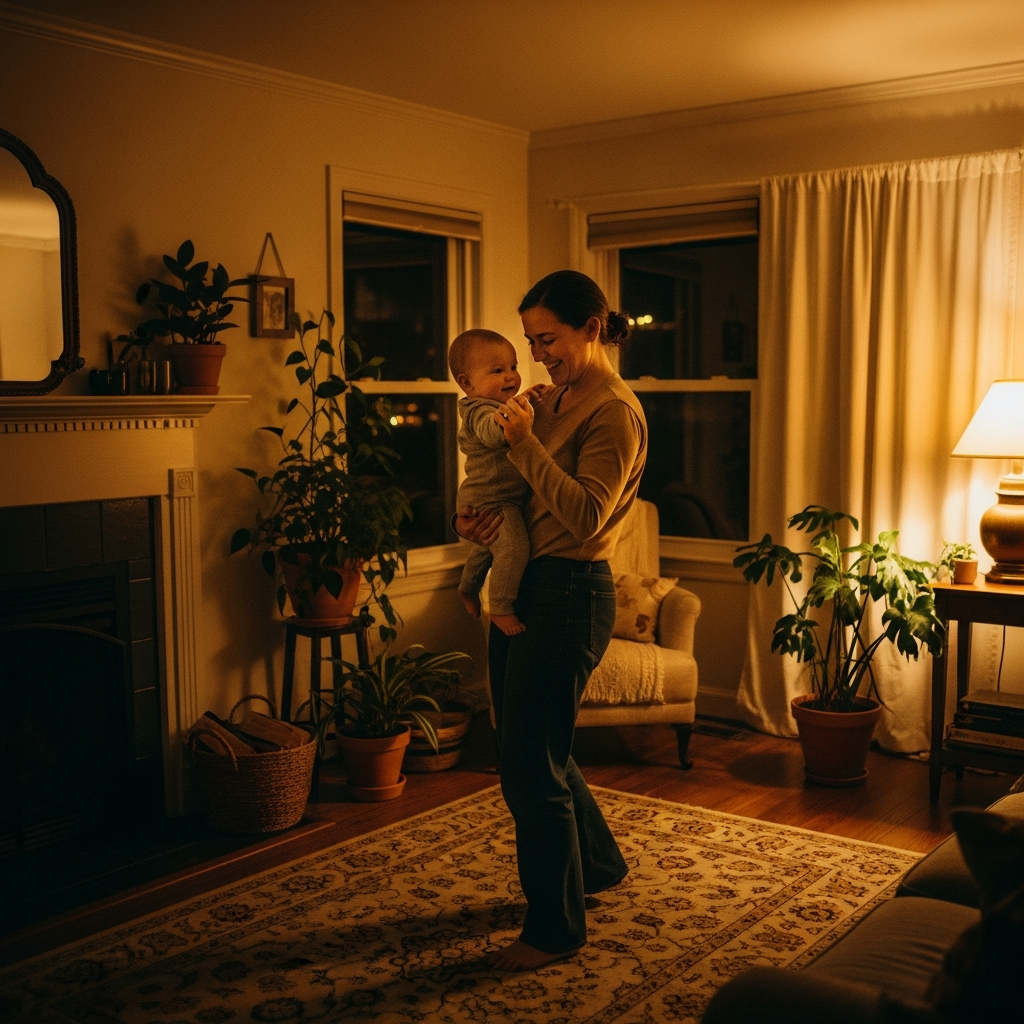
Hold your baby and dance gently to your favorite music. The rhythm and physical closeness provide comfort and help develop a sense of beat and movement.
Conclusion
Incorporating these twenty-two activities into your daily routine does not require expensive equipment or a strict schedule. By using simple household items and focusing on interaction, you provide your baby with the stimulation they need to thrive. Remember that the most important element of any activity is the time and attention you share together, creating a foundation for lifelong learning and connection.