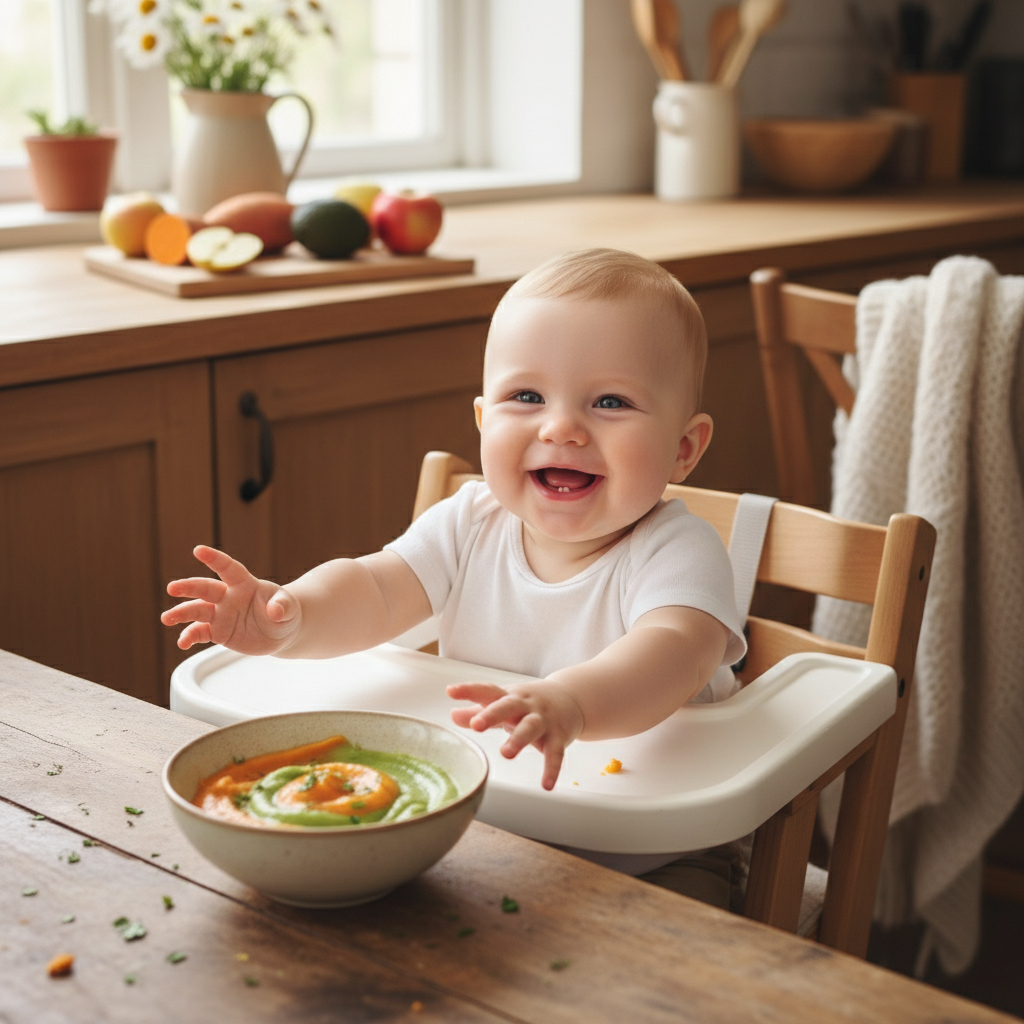
Welcome to the exciting world of solid foods! As your baby approaches seven months, their curiosity about what you’re eating grows, and so does their readiness for a wider variety of tastes and textures. Making your own baby food can feel like a big step, but it’s a wonderfully rewarding way to ensure your little one gets the freshest, most nutritious start. This guide is here to simplify the process, offering practical advice and delicious, easy-to-make recipes that both you and your baby will love.
Why Homemade Baby Food is Wonderful
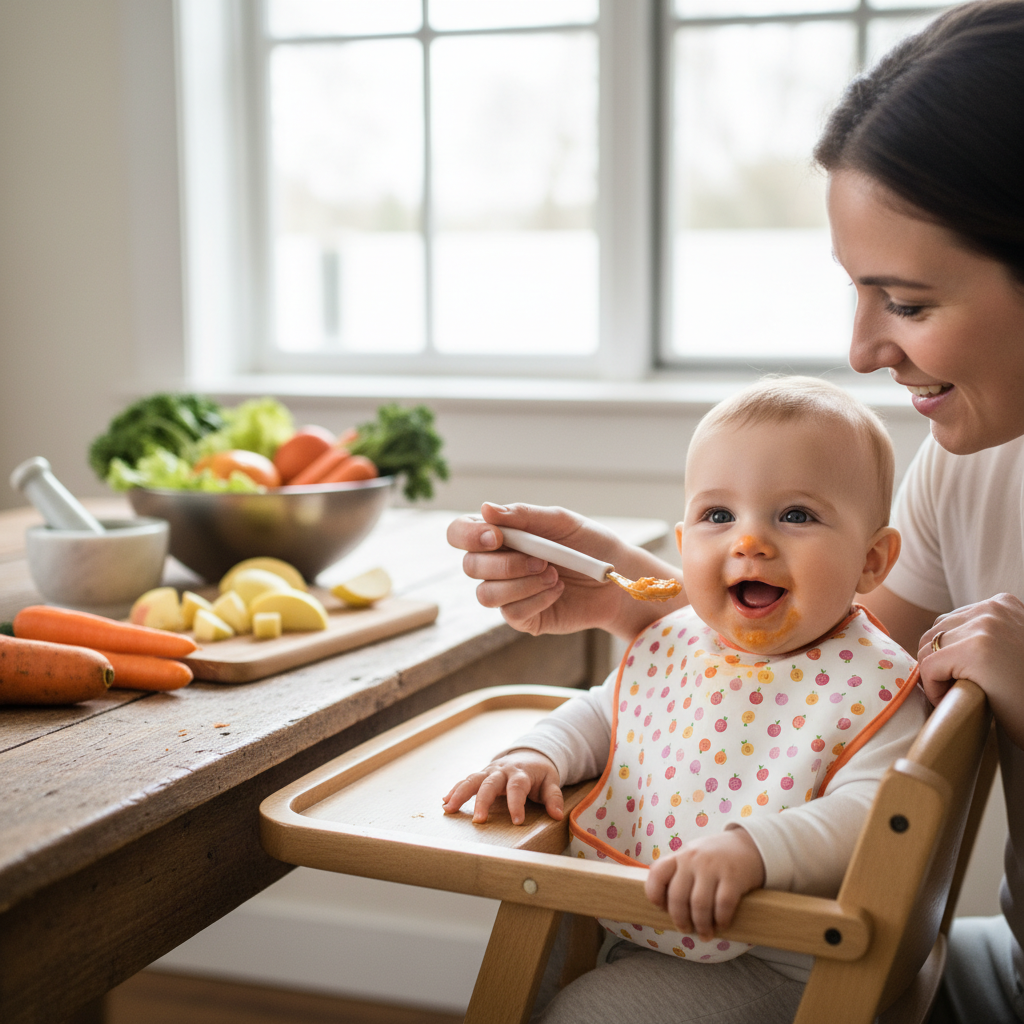
Choosing to make your baby’s food at home comes with a host of benefits. Beyond the joy of knowing exactly what goes into every spoonful, it’s also a fantastic way to introduce a diverse palette of flavors and textures early on. You control the ingredients, avoiding added sugars, salts, and preservatives often found in commercial options. Plus, it can be surprisingly cost-effective and allow for greater flexibility in catering to your baby’s unique preferences and any potential allergies.
Signs Your 7-Month-Old is Ready for More
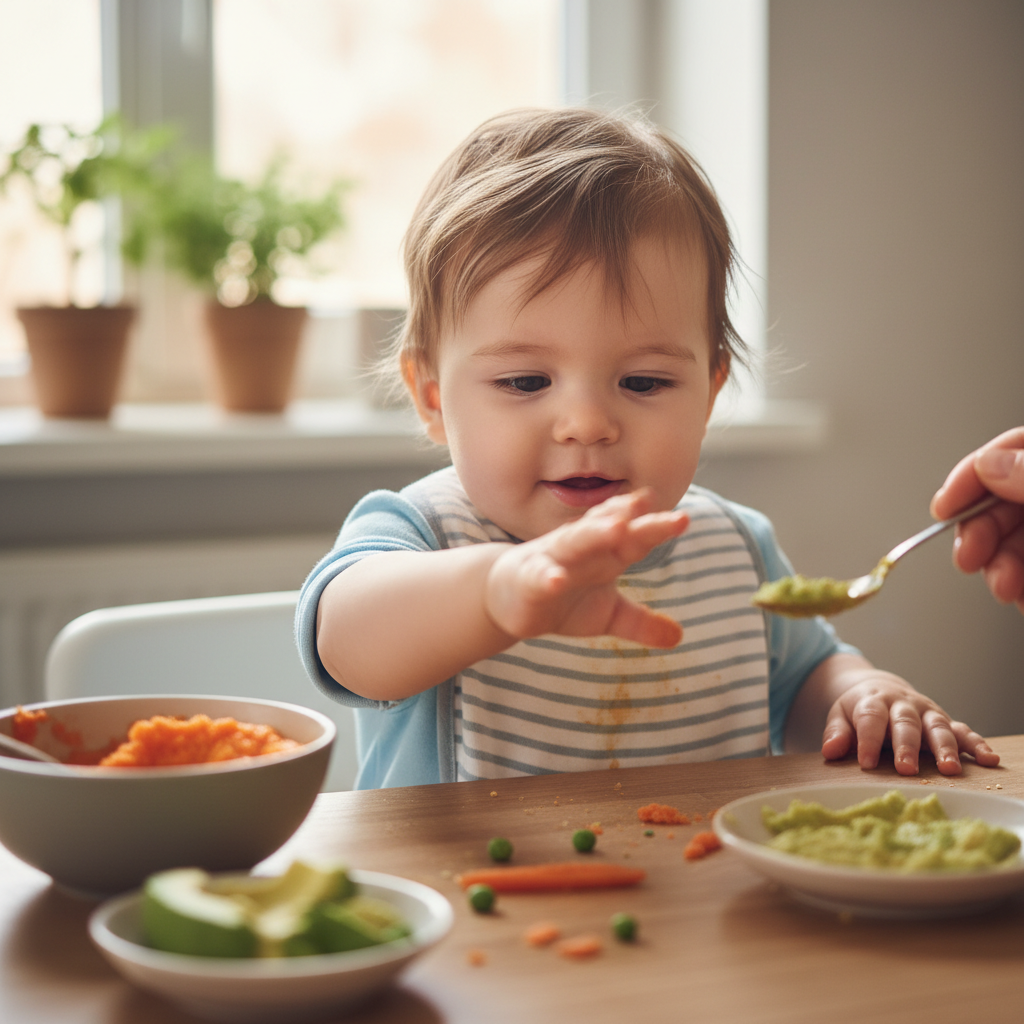
Around seven months, many babies show increased readiness for a broader range of solids. Look for these key developmental signs:
- Good head and neck control Your baby can sit upright with minimal support.
- Opening mouth when food approaches They show interest in food and lean forward.
- Attempting to grab food They try to reach for food on your plate or spoon.
- Less tongue-thrust reflex They can move food to the back of their mouth and swallow instead of pushing it out.
Every baby is different, so always follow your little one’s cues.
Essential Tools for Homemade Baby Food
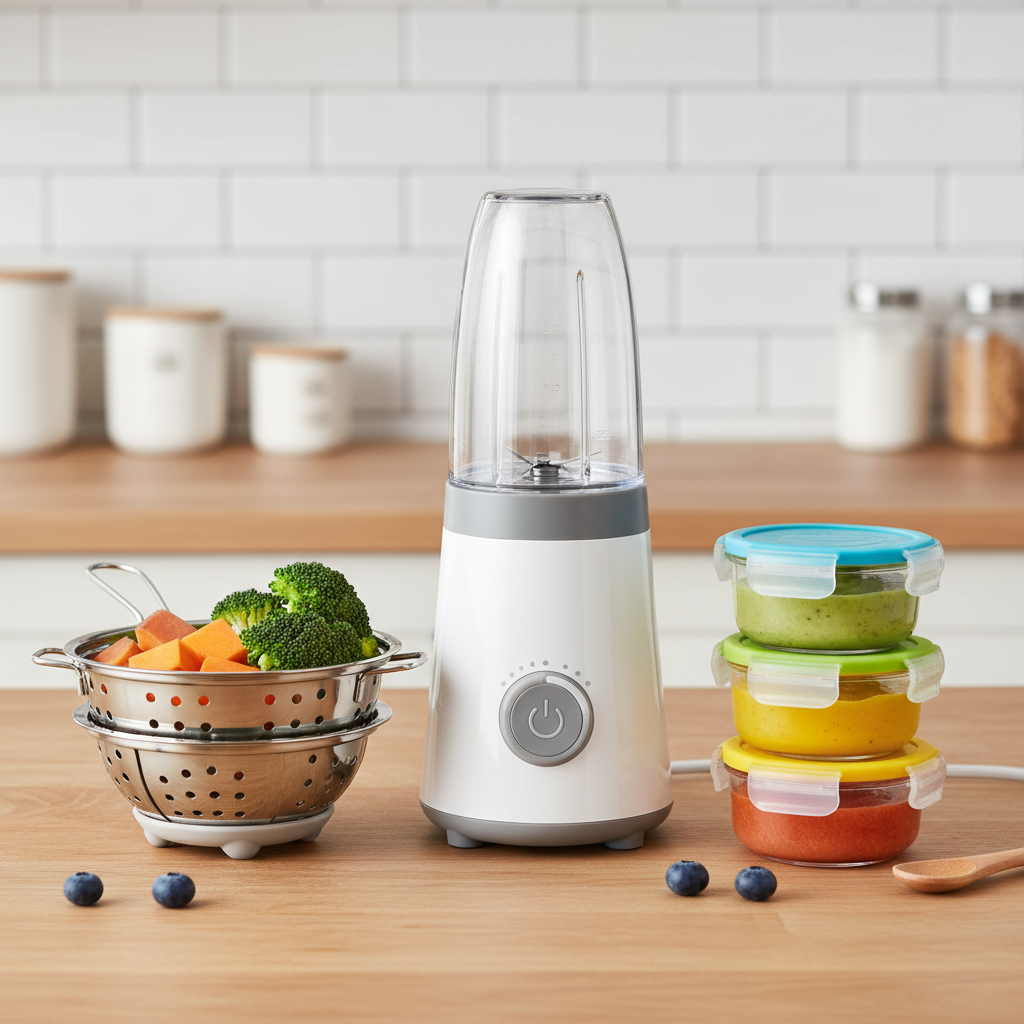
You don’t need a lot of fancy gadgets to make healthy baby food. Here are a few basics that will make the process much smoother:
- Steamer basket For cooking fruits and vegetables to retain nutrients.
- Blender or food processor To achieve smooth purees. A stick blender also works great.
- Ice cube trays or baby food storage containers For portioning and freezing.
- Fine-mesh sieve For extra smooth purees, if desired.
- Baby-friendly spoons and bowls For serving.
Safety First – Important Considerations
When preparing food for your little one, safety is paramount:
- Hygiene Always wash your hands thoroughly before handling food. Ensure all equipment is clean.
- Cooking Cook all meats, poultry, and eggs to the appropriate temperature. Steam or bake fruits and vegetables until very soft.
- Allergens Introduce new foods one at a time, waiting 3-5 days between each new food to watch for any allergic reactions. Consult your pediatrician about introducing common allergens.
- Texture For 7-month-olds, purees should be smooth. Gradually introduce thicker, lumpier textures as your baby develops.
- Storage Store freshly made baby food in airtight containers in the refrigerator for up to 3 days, or in the freezer for up to 3 months.
Fantastic First Foods for 7-Month-Olds
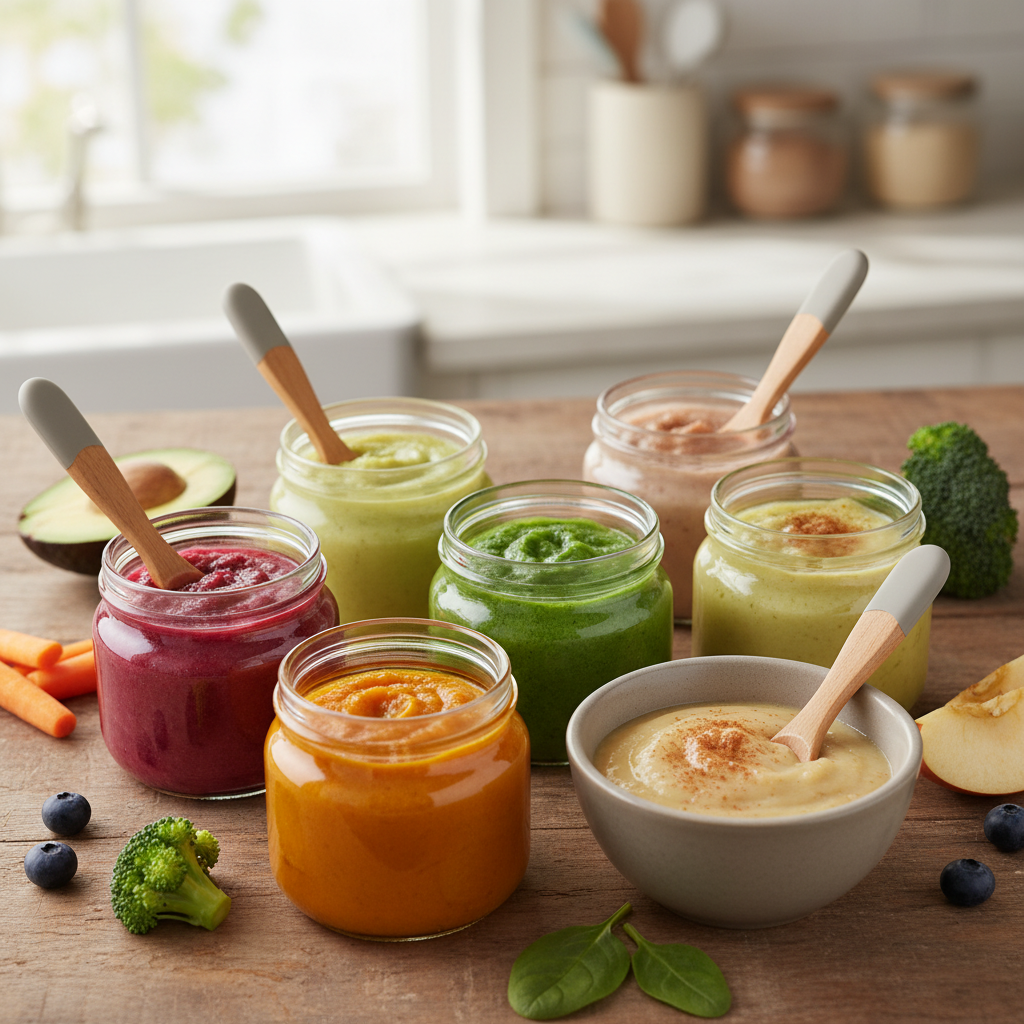
At seven months, you can expand beyond single-ingredient purees to introduce simple combinations. Focus on nutrient-rich options:
- Vegetables Sweet potato, carrot, butternut squash, peas, green beans, zucchini, broccoli.
- Fruits Apple, pear, banana, avocado, mango, peach, plum, blueberries (pureed).
- Grains Oatmeal (iron-fortified baby cereal), rice cereal, quinoa.
- Proteins Lentils, chicken, turkey, beef, fish (low mercury), tofu, egg yolk (ensure fully cooked).
Simple & Delicious Recipe Ideas
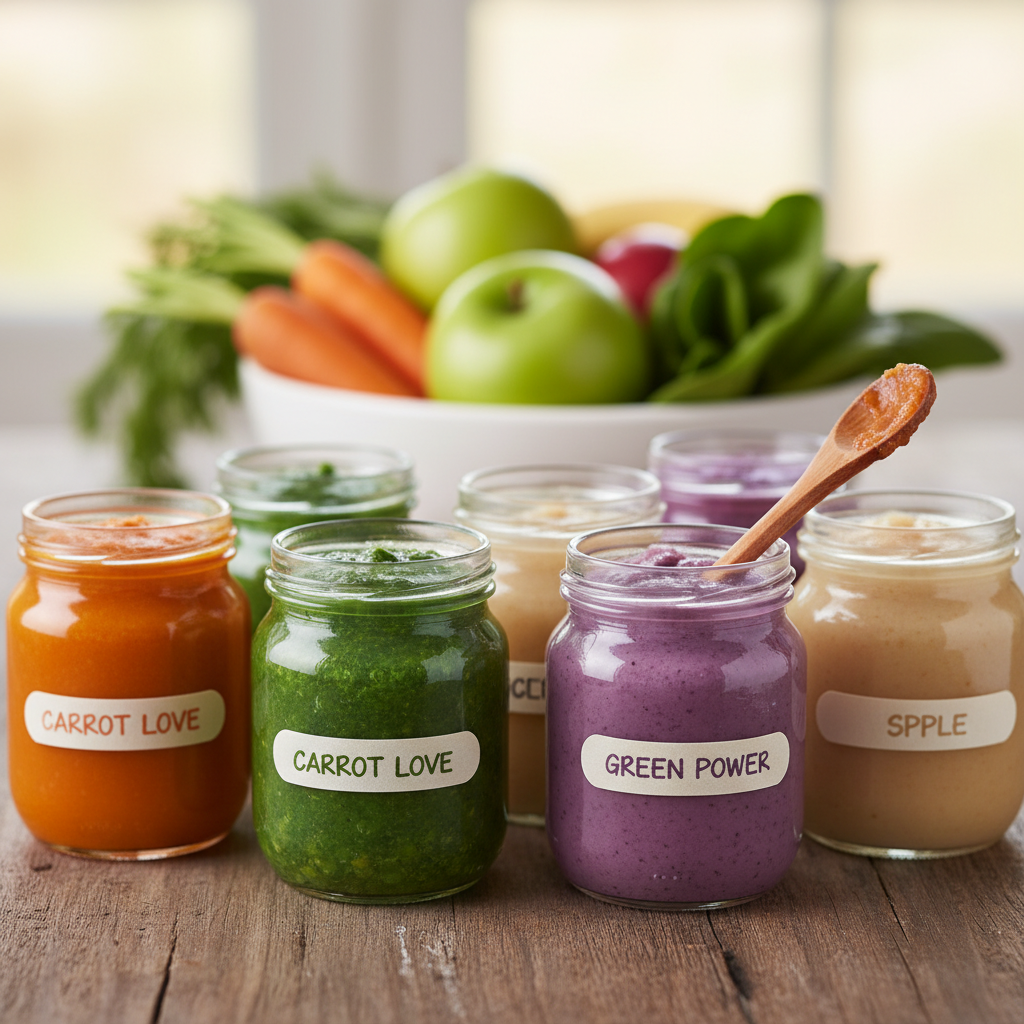
Here are some easy recipes to get you started, perfect for your 7-month-old. Remember to always ensure ingredients are cooked until very tender before pureeing.
Sweet Potato and Apple Puree
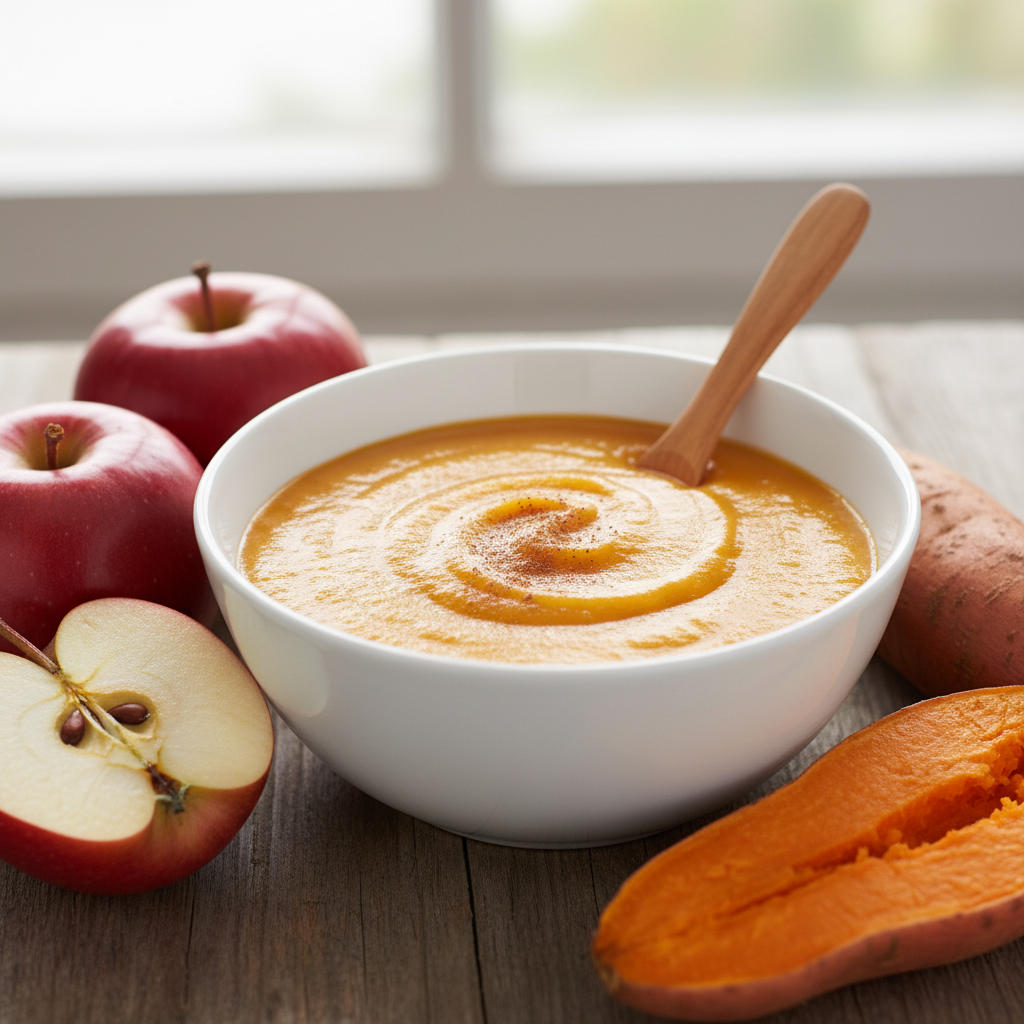
This classic combination is packed with vitamins and natural sweetness.
- Ingredients 1 medium sweet potato, 1 medium apple (peeled, cored)
- Instructions Peel and chop sweet potato and apple into small cubes. Steam until very tender (about 10-15 minutes). Blend with a little breast milk, formula, or water until smooth.
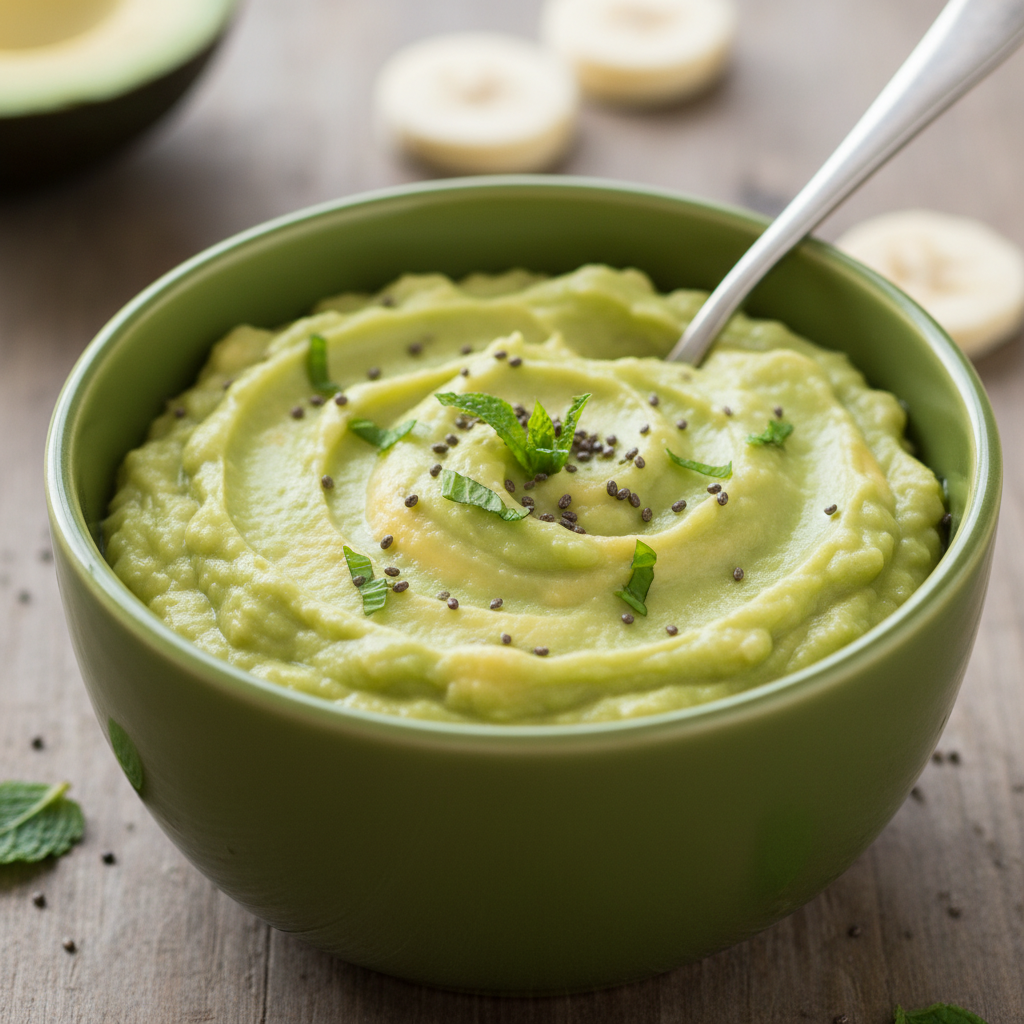
Creamy Avocado and Banana Mash
A quick, no-cook option rich in healthy fats and potassium.
- Ingredients 1/2 ripe avocado, 1/2 ripe banana
- Instructions Mash together with a fork until smooth. No cooking required! Serve immediately.
Lentil and Carrot Delight
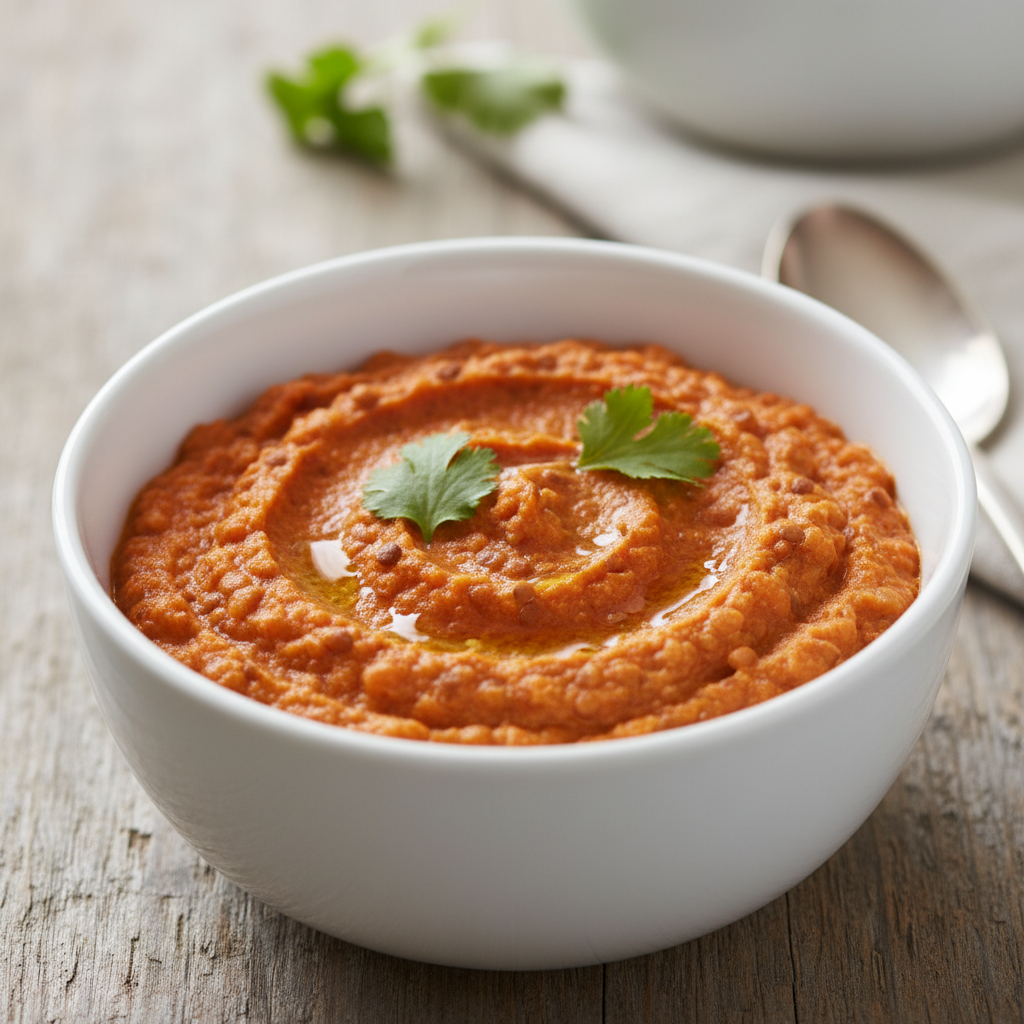
A great source of plant-based protein and fiber.
- Ingredients 1/4 cup red lentils (rinsed), 1 medium carrot (peeled, chopped), 1.5 cups water or low-sodium vegetable broth
- Instructions Combine lentils, carrot, and liquid in a small pot. Bring to a boil, then reduce heat and simmer until lentils and carrots are very soft (about 20-25 minutes). Blend until smooth.
Chicken and Vegetable Medley
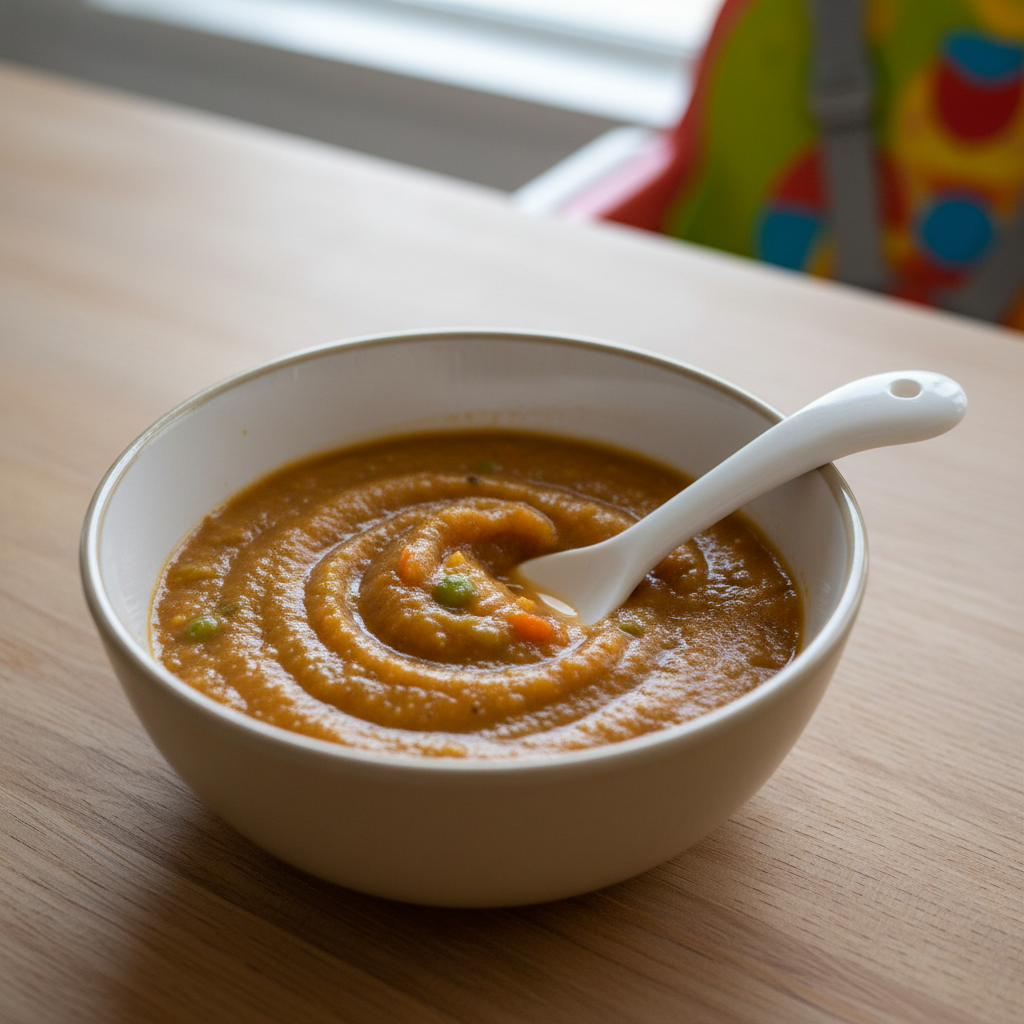
Introducing meat provides essential iron and protein.
- Ingredients 1 small chicken breast (cooked and shredded), 1/2 cup mixed steamed vegetables (e.g., peas, carrots, green beans), 1/4 cup low-sodium chicken broth
- Instructions Steam vegetables until tender. Cook chicken breast thoroughly, then shred. Combine chicken, vegetables, and broth in a blender. Puree until smooth, adding more broth if needed for desired consistency.
Oatmeal with Fruit
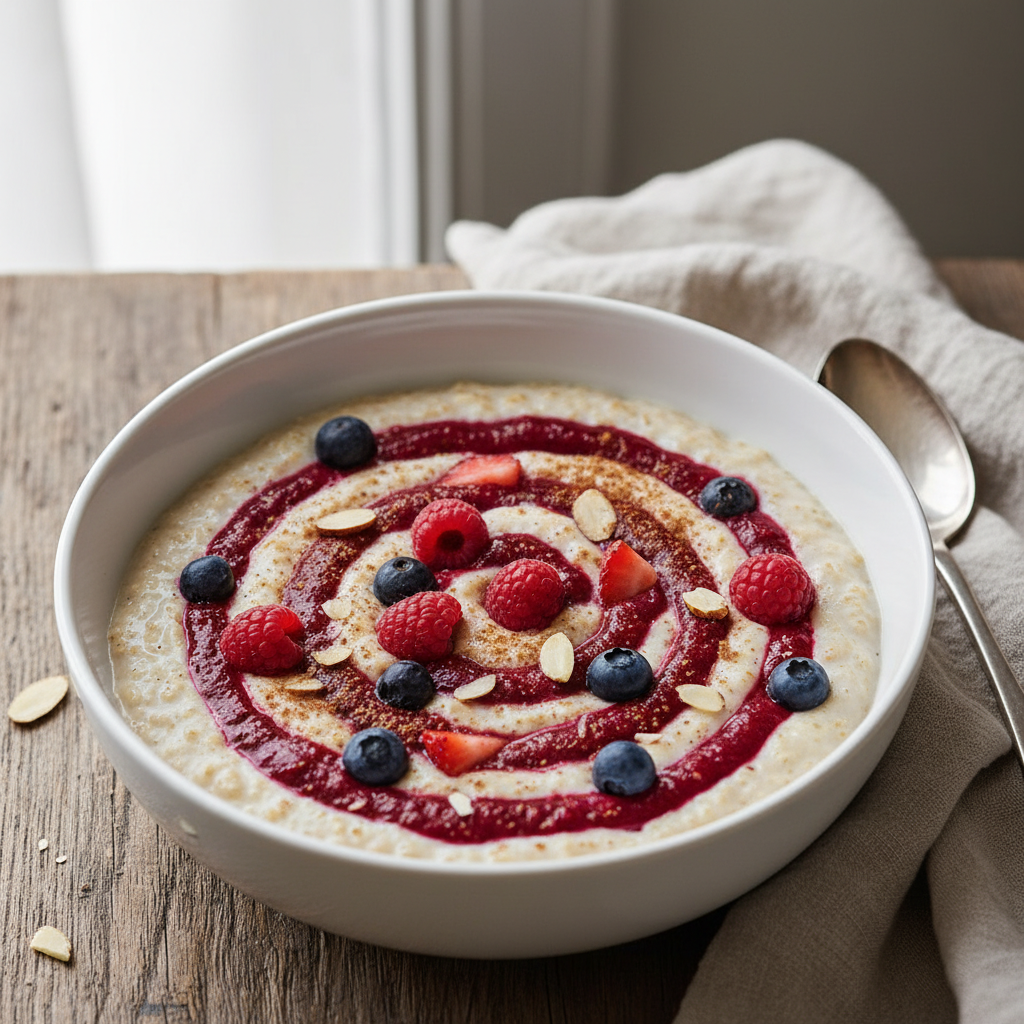
A warm, comforting, and iron-fortified breakfast option.
- Ingredients 2 tbsp iron-fortified baby oatmeal, 1/2 cup breast milk, formula, or water, 2 tbsp fruit puree (e.g., apple, pear, or peach)
- Instructions Prepare oatmeal according to package directions using breast milk, formula, or water. Stir in the fruit puree.
Tips for Introducing New Textures
As your baby grows, gradually introduce thicker and lumpier textures. This helps them develop chewing skills. Start by mashing food with a fork instead of pureeing entirely. Offer soft, small pieces of finger foods like well-cooked pasta, soft fruit pieces, or small bits of cooked chicken when they show readiness and have good pincer grasp.
Batch Cooking and Storage Solutions
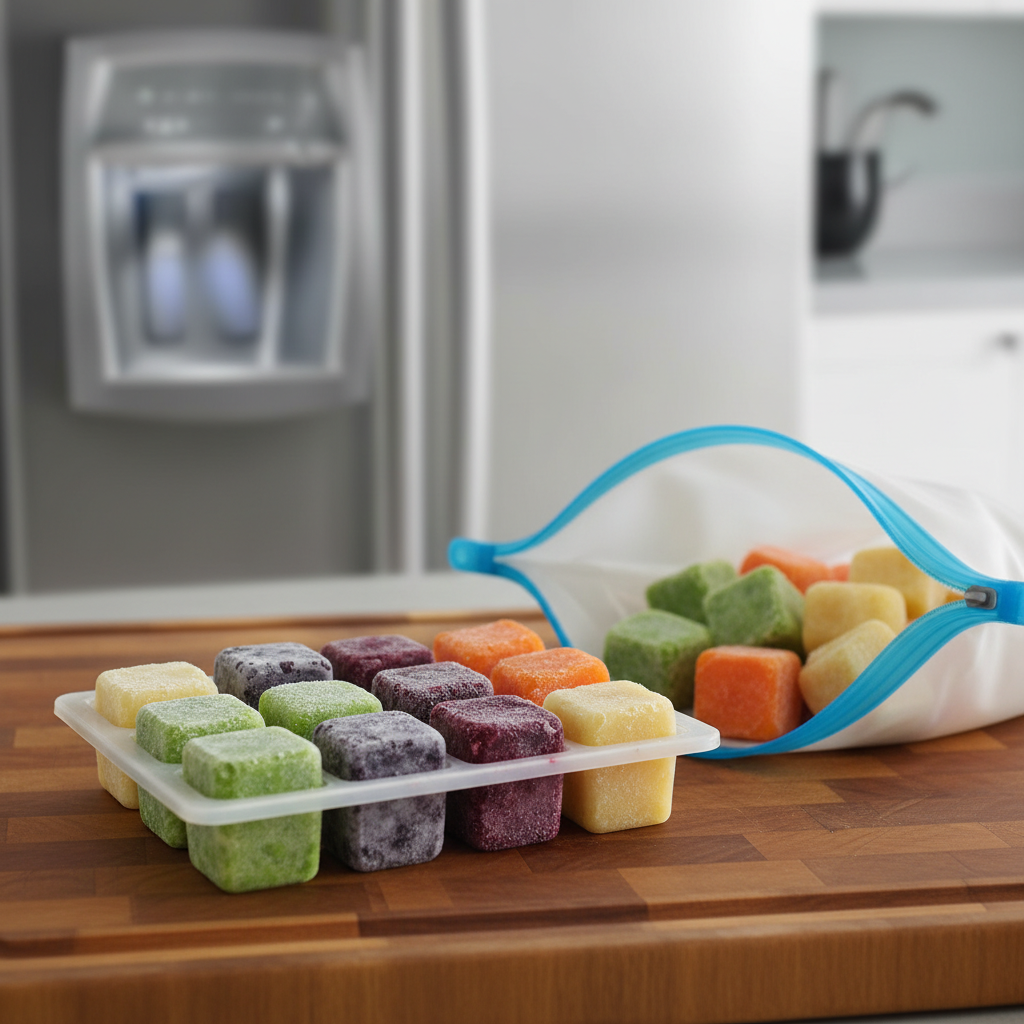
Batch cooking is a lifesaver for busy parents. Prepare larger quantities of purees and then:
- Portion Spoon purees into ice cube trays.
- Freeze Once frozen solid, pop the cubes out and transfer them to freezer-safe bags or containers. Label with the date and food type.
- Thaw When ready to serve, take out a few cubes and thaw them in the refrigerator overnight, or gently warm on the stovetop or in a microwave (stir well and check temperature before serving).
Homemade baby food makes feeding your 7-month-old a joyful and healthy adventure. Remember to relax, enjoy the process, and celebrate every new taste and texture your little one discovers. You’re doing a wonderful job nurturing their growth and development!