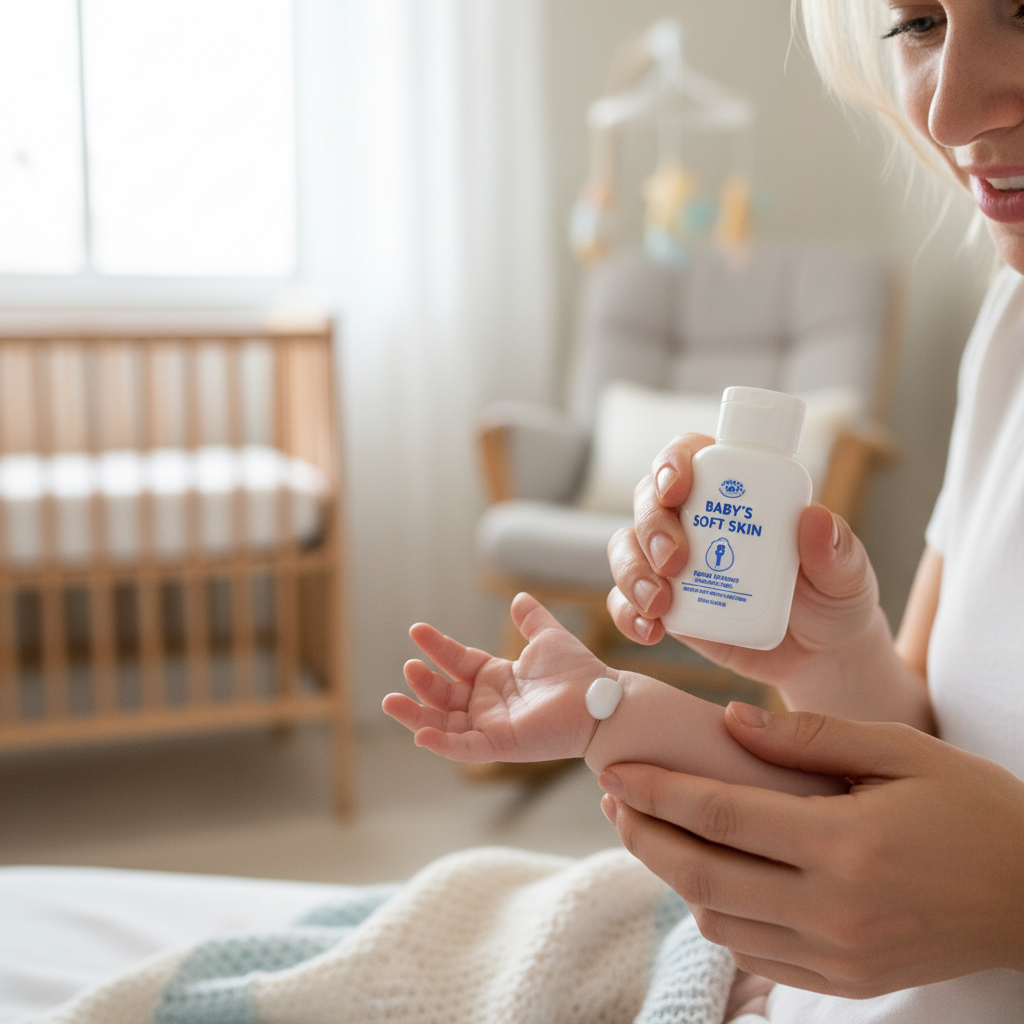
Bringing a new baby home is a whirlwind of joy, learning, and sometimes, a little bit of worry. Among the many things you’re trying to master, caring for your baby’s incredibly delicate skin can feel like a big responsibility. It’s so soft and perfect, and naturally, you want to keep it that way!
However, it’s easy to fall into common traps, often with the best intentions. From bath time routines to choosing the right products, tiny missteps can sometimes lead to irritation or discomfort for your little one. Don’t worry, you’re not alone, and it’s completely normal to have questions. This guide is here to help you navigate baby skincare with confidence, highlighting the most frequent mistakes new parents make and offering gentle, practical advice to avoid them.
Over-Bathing Your Baby

While a warm bath can be a lovely bonding experience, too much of a good thing can actually strip your baby’s delicate skin of its natural oils. Newborns and young infants don’t get very dirty, and frequent bathing can lead to dryness, irritation, and even exacerbate conditions like eczema.
The Right Bathing Frequency
For newborns, a sponge bath a few times a week is often sufficient until their umbilical cord stump falls off and heals. Once they’re a bit older, typically two to three full baths a week are plenty. On non-bath days, a quick wipe-down of their face, neck, diaper area, and skin folds with a warm, damp cloth is usually all that’s needed.
Practical Tip Keep bath time short, around 5-10 minutes, and ensure the water is comfortably warm, not hot. Always test the water temperature with your elbow or a bath thermometer.
Using Harsh or Scented Products
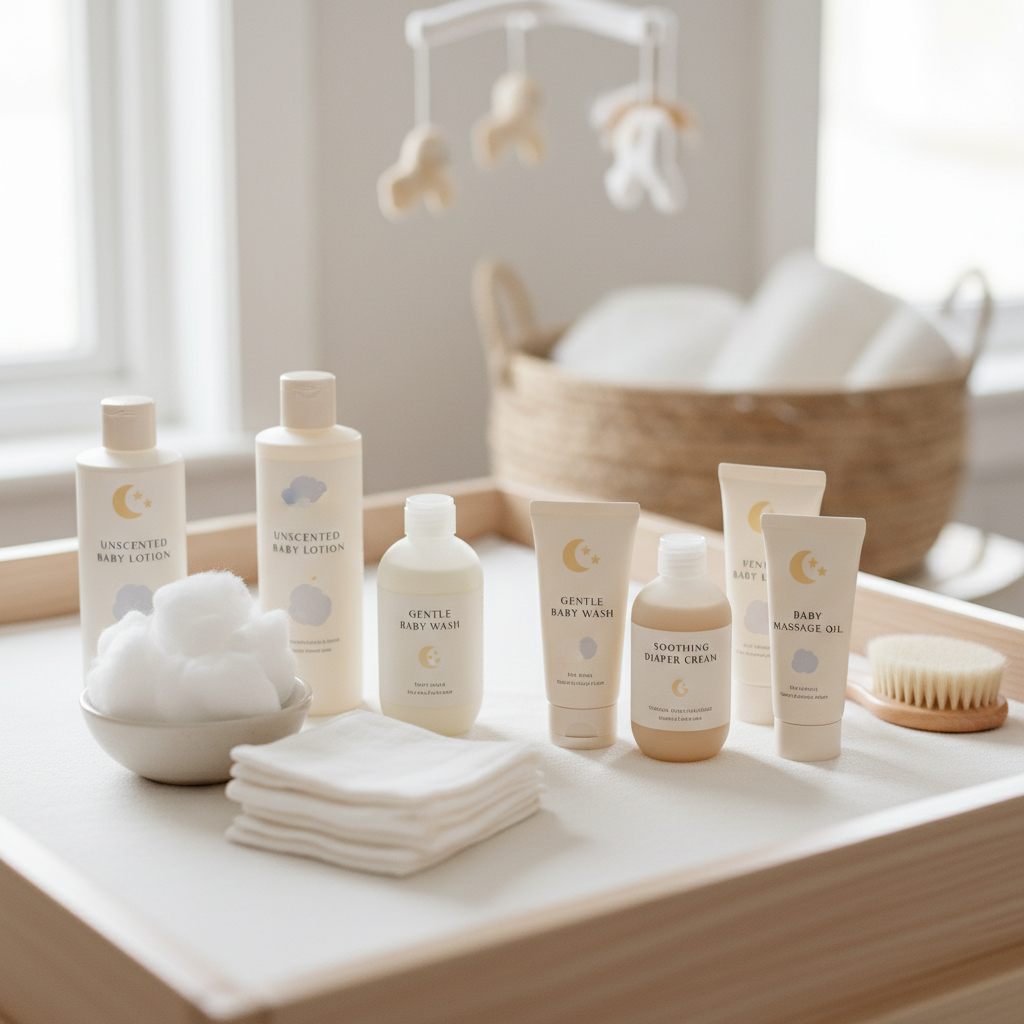
The baby aisle is full of adorable bottles and sweet-smelling lotions, but many of these can be problematic for sensitive baby skin. Harsh chemicals, dyes, and strong fragrances are common culprits behind rashes and allergic reactions.
Choosing Gentle Skincare Essentials
- Opt for ‘fragrance-free’ This is different from ‘unscented,’ which can still contain masking fragrances. Look for products specifically labeled ‘fragrance-free’ or ‘for sensitive skin.’
- Hypoallergenic These products are formulated to minimize allergic reactions.
- pH-neutral Products that are pH-balanced help maintain the skin’s natural barrier.
- Minimal ingredients The fewer ingredients, the better. Stick to simple formulations.
Parent-to-Parent Advice Consider consulting your pediatrician for product recommendations, especially if your baby has very sensitive skin or a family history of allergies or eczema.
Not Moisturizing Enough or at the Right Time
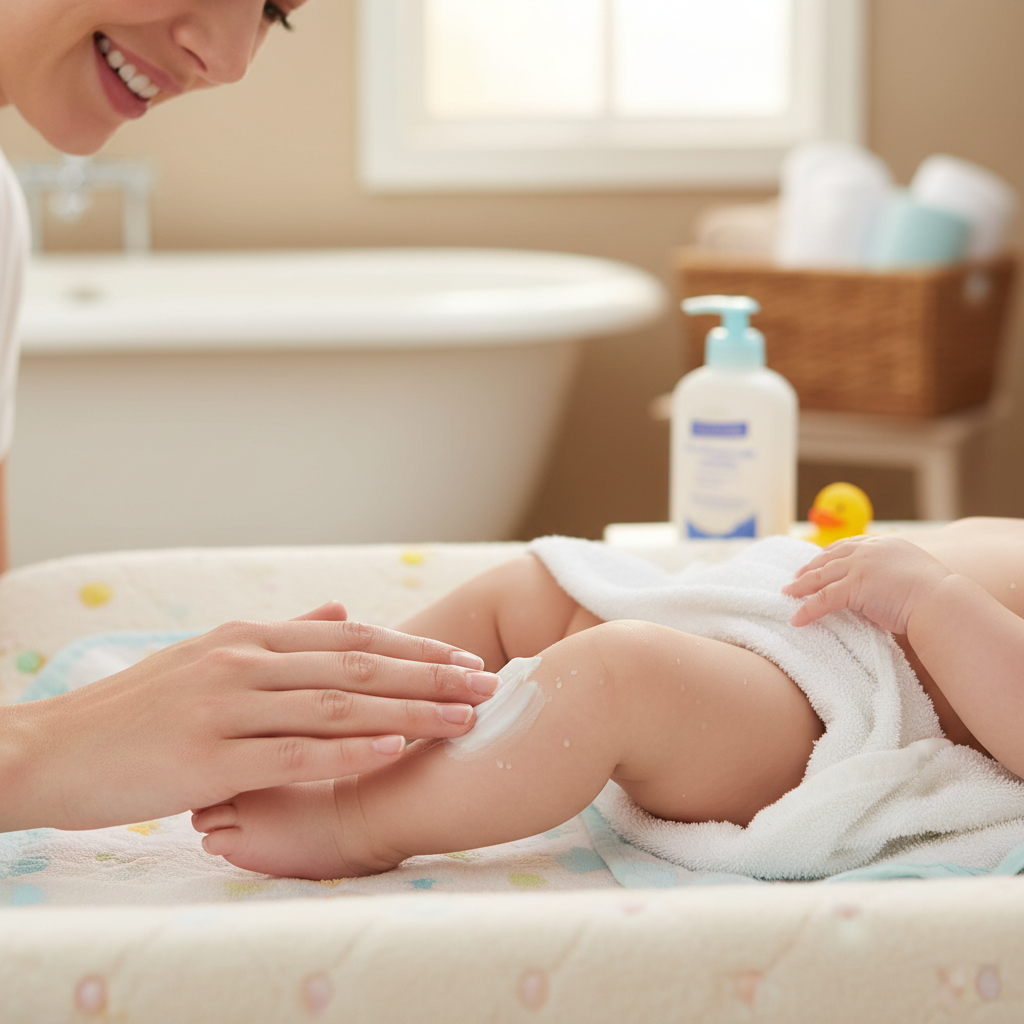
Moisturizing is a crucial step in maintaining your baby’s skin barrier, especially after a bath. Many parents either skip this step or apply lotion too late, missing the optimal window for absorption.
The Golden Rule of Moisturizing
Always apply a gentle, fragrance-free moisturizer within 3 minutes of bathing. This is when your baby’s skin is still damp, allowing the lotion to lock in moisture effectively. Gently pat your baby dry with a soft towel, leaving their skin slightly moist, then apply a generous amount of moisturizer.
Important Note For babies with extremely dry skin or eczema, your pediatrician might recommend a thicker ointment or cream instead of a lotion.
Overlooking Diaper Area Care
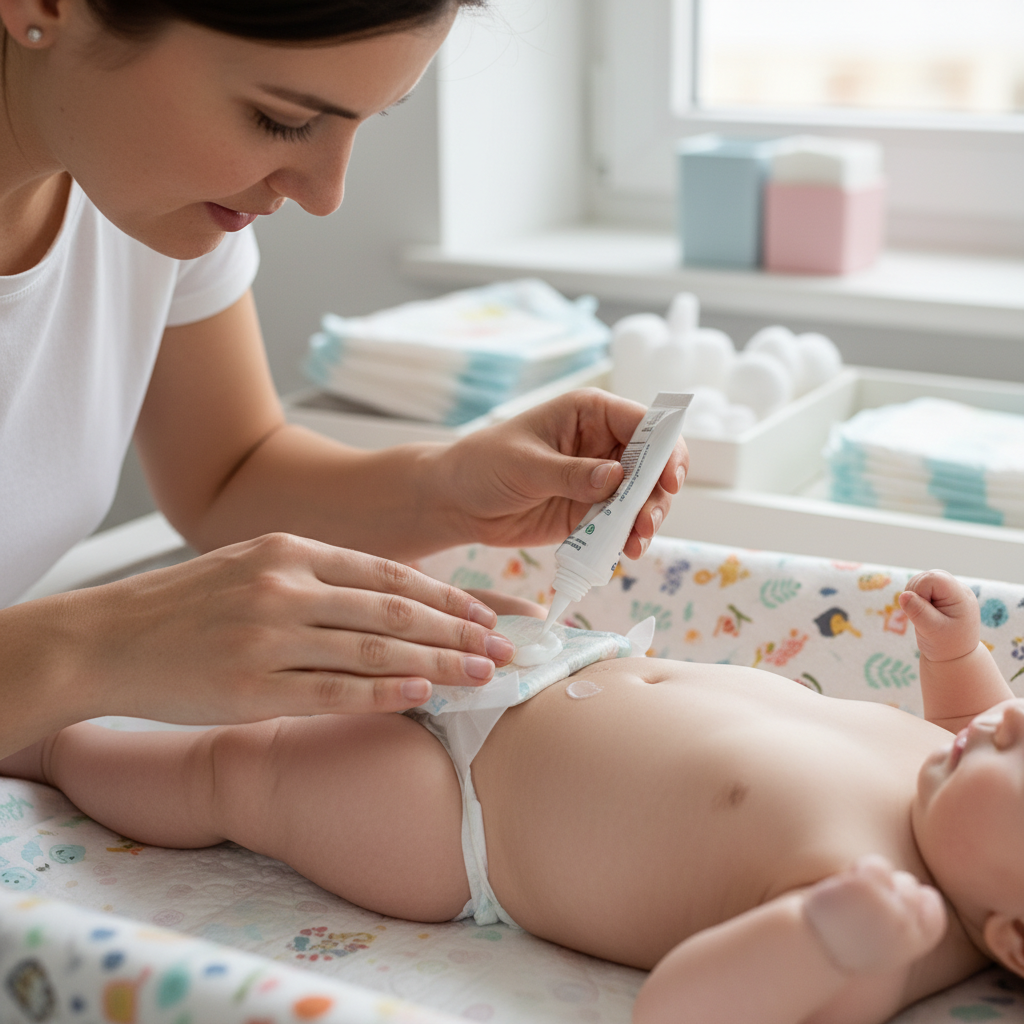
Diaper rash is a common concern for new parents, and it often stems from inadequate or improper care of the diaper area. The combination of moisture, friction, and waste products creates a perfect storm for irritation.
Best Practices for Diaper Changes
- Frequent Changes Don’t wait for a full diaper to change it. Wet or soiled diapers should be changed promptly.
- Gentle Cleaning Use warm water and a soft cloth or fragrance-free wipes. Wipe gently from front to back.
- Thorough Drying Allow the skin to air dry completely, or gently pat it dry, before putting on a new diaper. Trapped moisture is a primary cause of rash.
- Barrier Cream Apply a thick layer of zinc oxide or petroleum jelly-based diaper cream at every change, especially before bedtime or long stretches. This creates a protective barrier against moisture.
Reassurance Diaper rash happens to almost every baby at some point. The key is prompt and consistent care to heal it quickly and prevent recurrence.
Ignoring Sun Protection

A baby’s skin is incredibly susceptible to sun damage, yet sun protection is often overlooked, especially for very young infants. Sunburns in infancy significantly increase the risk of skin cancer later in life.
Safe Sun Habits for Babies
- Under 6 Months Keep newborns and infants under six months out of direct sunlight entirely. Use shade from trees, umbrellas, or stroller canopies. Dress them in lightweight, long-sleeved clothing and wide-brimmed hats.
- Over 6 Months Sunscreen can be applied to small areas of exposed skin if shade and protective clothing aren’t sufficient. Choose a broad-spectrum sunscreen with an SPF of 30 or higher, specifically formulated for babies, and containing zinc oxide or titanium dioxide. Reapply every two hours or after sweating/swimming.
- Peak Hours Avoidance Try to keep your baby indoors or in deep shade during the sun’s strongest hours, usually between 10 AM and 4 PM.
Remember A little bit of sun exposure for Vitamin D is fine, but direct, prolonged exposure should always be avoided for babies.
Misunderstanding Baby Acne and Rashes
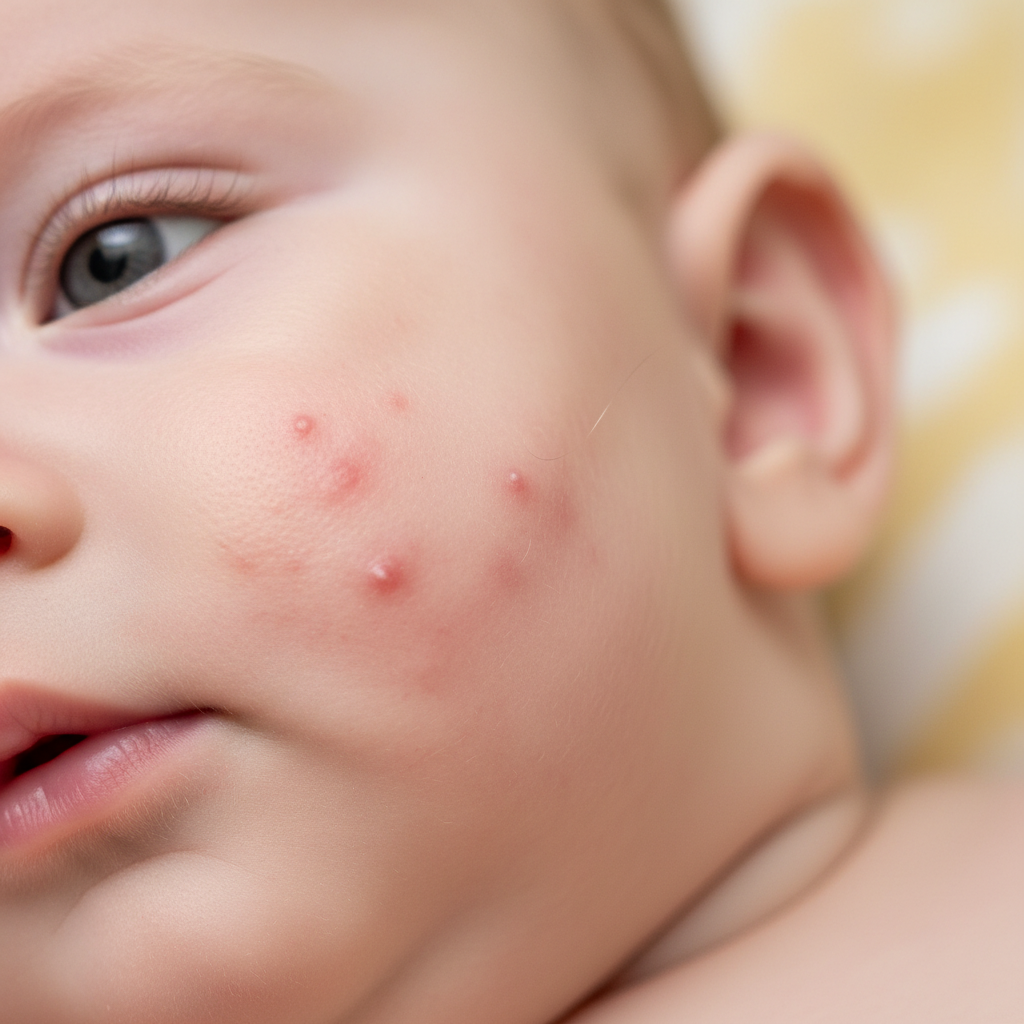
It’s natural to be concerned when your baby develops any kind of skin blemish, but not every spot or rash is cause for alarm. Many common baby skin conditions are harmless and resolve on their own.
Common Baby Skin Conditions
- Baby Acne Tiny red or white bumps, often on the face, caused by maternal hormones. Usually appears within the first few weeks and clears up without treatment.
- Erythema Toxicum A common newborn rash with red blotches and small yellow-white bumps. Harmless and disappears within days or weeks.
- Cradle Cap Flaky, greasy patches on the scalp. Not itchy or painful. Can be gently treated with baby shampoo and a soft brush.
When to See a Doctor While many rashes are benign, always consult your pediatrician if a rash is accompanied by fever, appears suddenly and spreads rapidly, is painful, or doesn’t improve with gentle care.
Conclusion
Caring for your baby’s delicate skin is an act of love, and it’s okay to feel overwhelmed sometimes. By avoiding these common skincare mistakes, you’re already doing an amazing job protecting your little one. Remember to keep things simple, gentle, and always prioritize products specifically designed for sensitive baby skin. Trust your instincts, and when in doubt, your pediatrician is always your best resource. You’ve got this, parent!