
Welcome to the wonderful, sometimes overwhelming, world of new parenthood! Among the many joys and challenges, caring for your baby’s delicate skin is a top priority. Their skin is incredibly soft, but it’s also much thinner and more sensitive than adult skin, making it more vulnerable to dryness, irritation, and environmental factors. As a new parent, it’s natural to feel a bit unsure about the best practices to keep your little one’s skin healthy and happy.
Fear not! This comprehensive guide is here to equip you with practical, gentle, and expert-backed baby skincare tips. We’ll walk you through everything from the basics of bathing and moisturizing to understanding common skin concerns and choosing the right products. Our goal is to empower you with the knowledge you need to confidently care for your baby’s skin, ensuring it remains soft, supple, and protected. Let’s dive in and build a soothing skincare routine together!
Understanding Your Baby’s Unique Skin
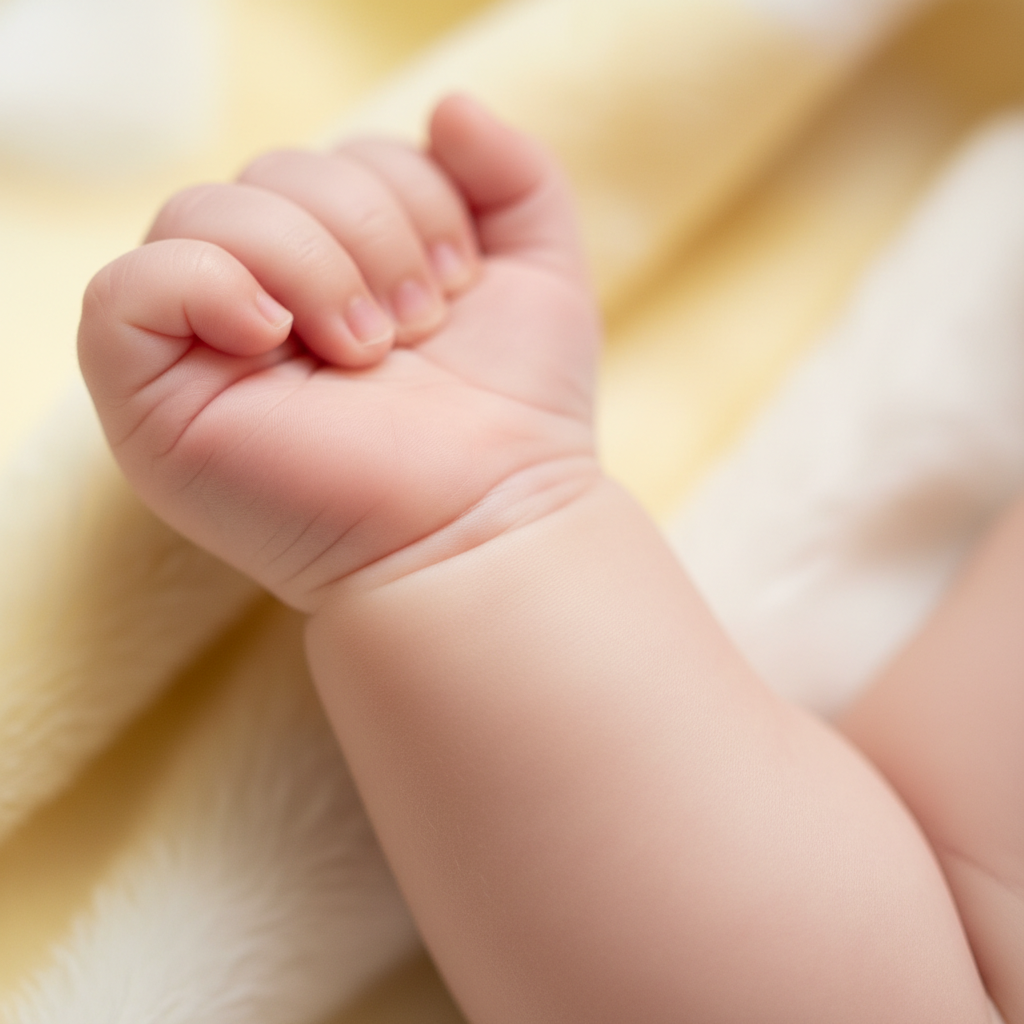
Your baby’s skin is truly a marvel, but it’s also a work in progress. Unlike adult skin, a newborn’s skin is still developing its protective barrier. This means it’s:
- Thinner and More Permeable– Making it easier for substances to enter and for moisture to escape, leading to dryness.
- Less Oily– The sebaceous glands are not yet fully active, resulting in less natural lubrication.
- More Sensitive– Highly reactive to harsh chemicals, fragrances, and extreme temperatures.
- Immature Immune System– Less equipped to fight off infections or irritants.
Understanding these fundamental differences is the first step in providing the best possible care. Gentleness and simplicity are key when it comes to your baby’s skincare routine.
Bathing Basics for Your Little One
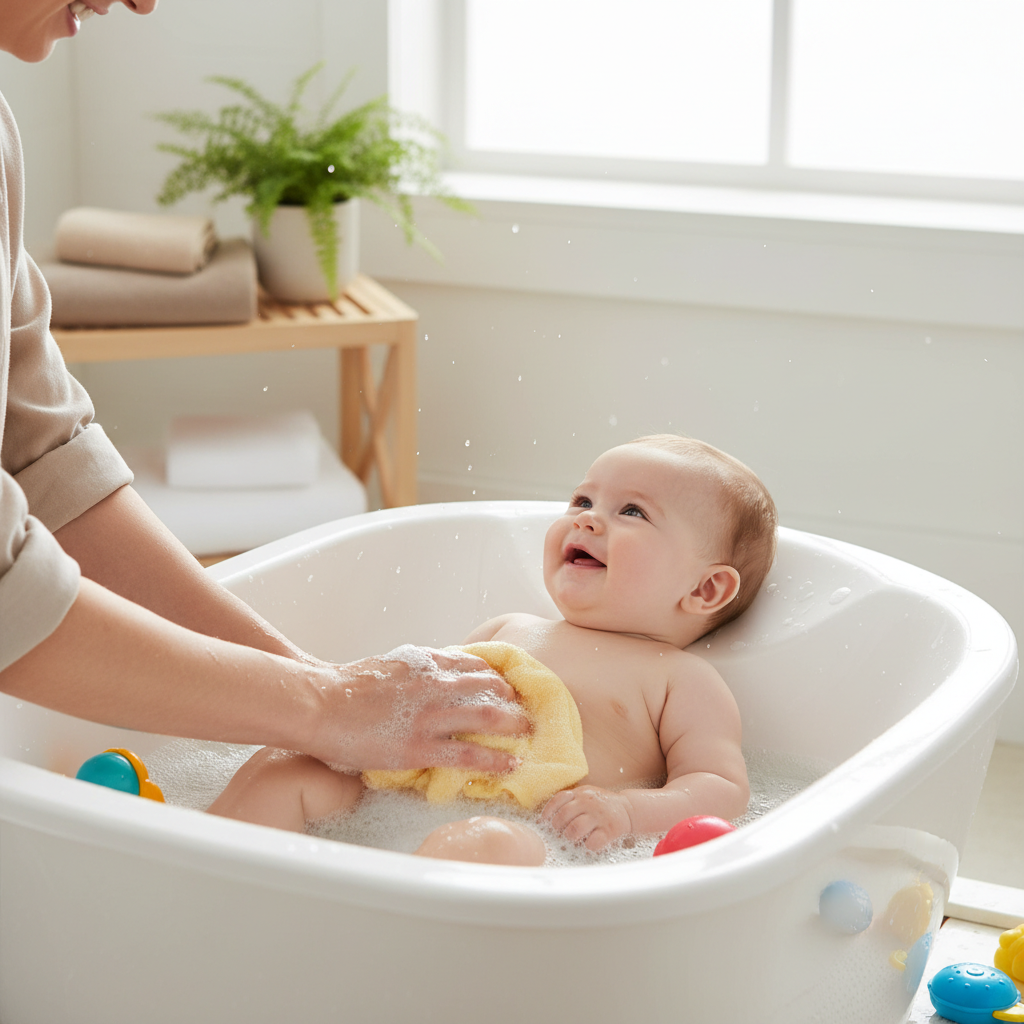
Bath time can be a beautiful bonding experience, but for newborns, it’s less about getting squeaky clean and more about gentle cleansing. Here’s how to make bath time safe and soothing:
How Often to Bathe Your Baby
For newborns, daily baths are often unnecessary and can even dry out their delicate skin. Two to three times a week is usually sufficient. On non-bath days, “top and tail” washes (cleaning face, neck, hands, and diaper area) are perfect.
Water Temperature and Bath Prep
Always test the water temperature with your elbow or a bath thermometer. It should feel comfortably warm, not hot (around 98-100°F or 37°C). Gather everything you need before starting- a soft washcloth, gentle baby cleanser, a clean towel, fresh diaper, and clothes. Never leave your baby unattended, even for a second.
Choosing the Right Cleanser
Opt for mild, pH-neutral, fragrance-free, and tear-free baby cleansers. Look for products specifically designed for newborns or sensitive skin. A little goes a long way- you only need a small amount.
Gentle Washing Techniques
Support your baby’s head and neck. Use a soft washcloth to gently clean their body, starting from the cleanest areas (face) and moving to the dirtiest (diaper area). Pay attention to skin folds, like the neck, armpits, and groin, where moisture can accumulate.
Pat Dry, Don’t Rub
After the bath, gently lift your baby into a soft, hooded towel. Pat their skin dry rather than rubbing, which can cause irritation. Ensure all skin folds are thoroughly dry to prevent chafing and rashes.
Moisturizing Magic for Soft Skin
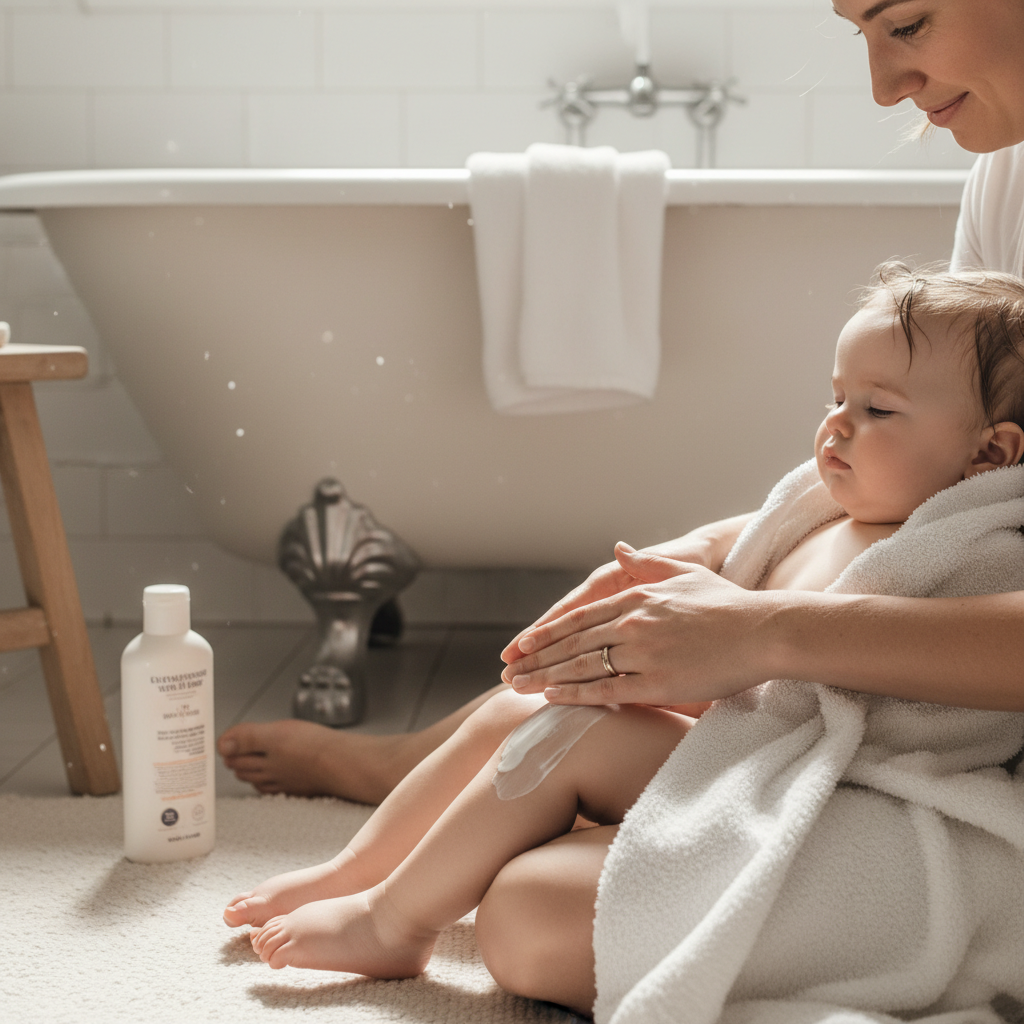
Moisturizing is crucial for locking in hydration and maintaining your baby’s skin barrier, especially after a bath. It helps prevent dryness and keeps their skin soft and supple.
When and How to Apply Moisturizer
The best time to moisturize is within a few minutes of bathing, while their skin is still slightly damp. This helps to seal in the moisture from the bath. Apply a generous amount of lotion or cream all over their body, paying extra attention to any dry patches.
Selecting the Best Moisturizers
Look for creams or ointments specifically formulated for babies. They should be fragrance-free, dye-free, hypoallergenic, and pediatrician-recommended. Avoid products with strong scents, as these can irritate sensitive skin. Ingredients like ceramides, petrolatum, or mineral oil are often effective and safe for baby skin.
Diaper Duty and Rash Prevention
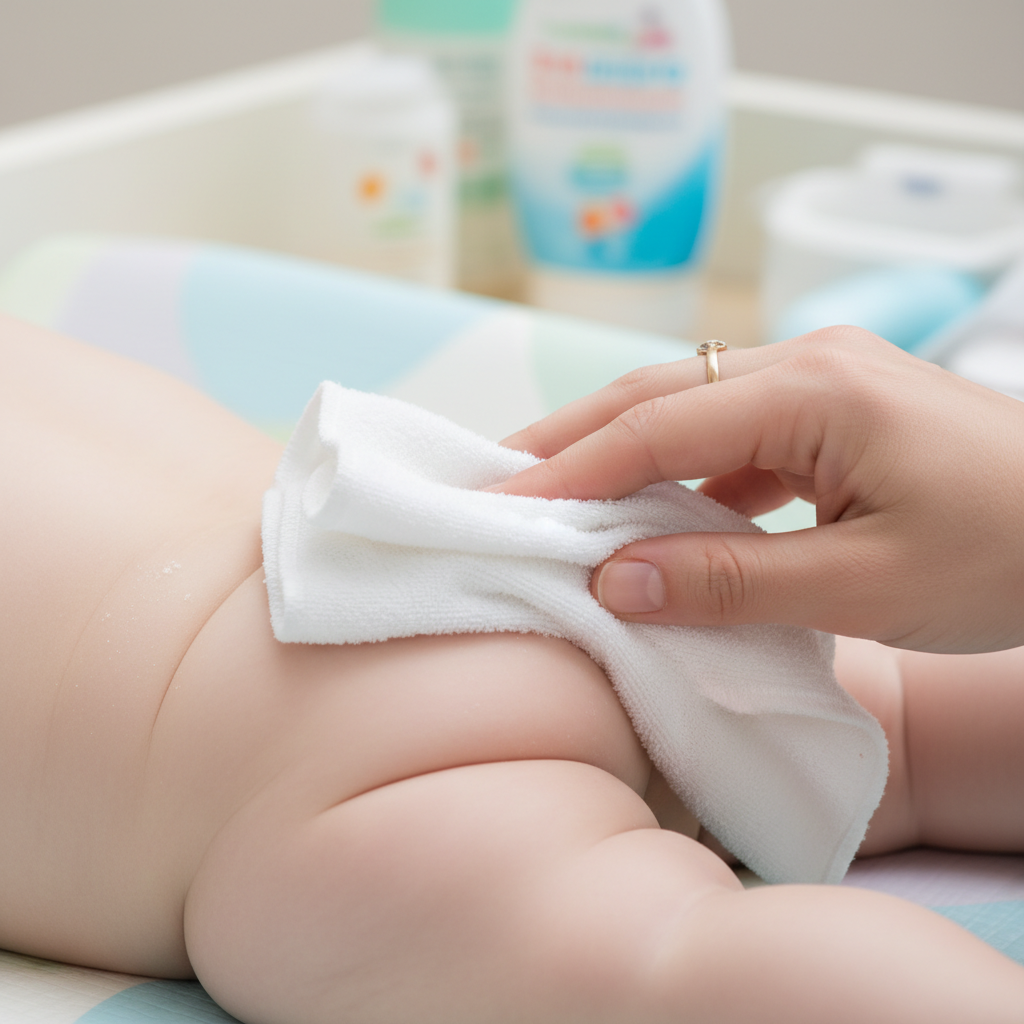
Diaper rash is a common concern for many parents, but with consistent care, it’s often preventable. Here’s how to keep your baby’s bottom happy and healthy:
Frequent Diaper Changes
Change wet or soiled diapers promptly. Prolonged contact with urine and feces is the primary cause of diaper rash. Check diapers every 2-3 hours, or more often if your baby is a newborn or has sensitive skin.
Gentle Cleaning Techniques
Use warm water and a soft cloth, or fragrance-free, alcohol-free baby wipes. Always wipe from front to back. For soiled diapers, clean thoroughly to remove all traces of stool. Avoid scrubbing, which can irritate the skin.
Diaper Cream Application
Apply a thick layer of diaper cream or ointment at every diaper change, especially before bedtime or if you anticipate a longer stretch between changes. Look for creams containing zinc oxide or petrolatum, which create a protective barrier against moisture.
Allow for Air Time
Whenever possible, let your baby go diaper-free for short periods. This allows their skin to air out completely and helps prevent moisture buildup. Lay them on a towel or waterproof pad during “naked time.”
Sun Safety for Delicate Skin
Protecting your baby from the sun’s harmful rays is paramount, as their skin is highly susceptible to sunburn and damage.
Avoid Direct Sunlight
For babies under six months, the best sun protection is shade. Keep them out of direct sunlight, especially during peak hours (10 AM to 4 PM). Use stroller canopies, umbrellas, and seek natural shade.
Protective Clothing
Dress your baby in lightweight, loose-fitting clothing that covers their arms and legs. A wide-brimmed hat is essential to protect their face, neck, and ears.
Sunscreen for Older Babies
For babies over six months, a small amount of broad-spectrum sunscreen with an SPF of 30-50 can be applied to small areas of exposed skin if shade and protective clothing are not enough. Choose mineral-based sunscreens containing zinc oxide or titanium dioxide, as these are generally less irritating for sensitive skin. Always patch test first.
Common Baby Skin Concerns and How to Address Them
It’s normal for babies to experience various skin conditions. Here are a few common ones and how to manage them:
Cradle Cap (Seborrheic Dermatitis)
This appears as greasy, yellowish, scaly patches on the scalp. It’s harmless and usually resolves on its own. You can gently loosen the scales by massaging a small amount of baby oil or olive oil into the scalp before shampooing. Use a soft baby brush to remove the scales.
Baby Acne
Small red bumps or whiteheads, typically appearing on the face, are common in newborns due to maternal hormones. It usually clears up on its own within a few weeks or months. Keep the area clean with mild soap and water, and avoid harsh products or scrubbing.
Eczema (Atopic Dermatitis)
Characterized by dry, red, itchy patches, often on the face, scalp, and creases of the elbows and knees. Eczema can be genetic. Keep skin well-moisturized with thick creams, avoid triggers like harsh soaps or certain fabrics, and consult your pediatrician for treatment options, which may include prescribed topical steroids.
Heat Rash (Milia Rubra)
Tiny red bumps that appear in skin folds or areas where clothing is tight, caused by blocked sweat ducts. Keep your baby cool, dress them in loose clothing, and ensure good air circulation. The rash usually disappears quickly once the skin cools down.
Choosing the Right Baby Skincare Products
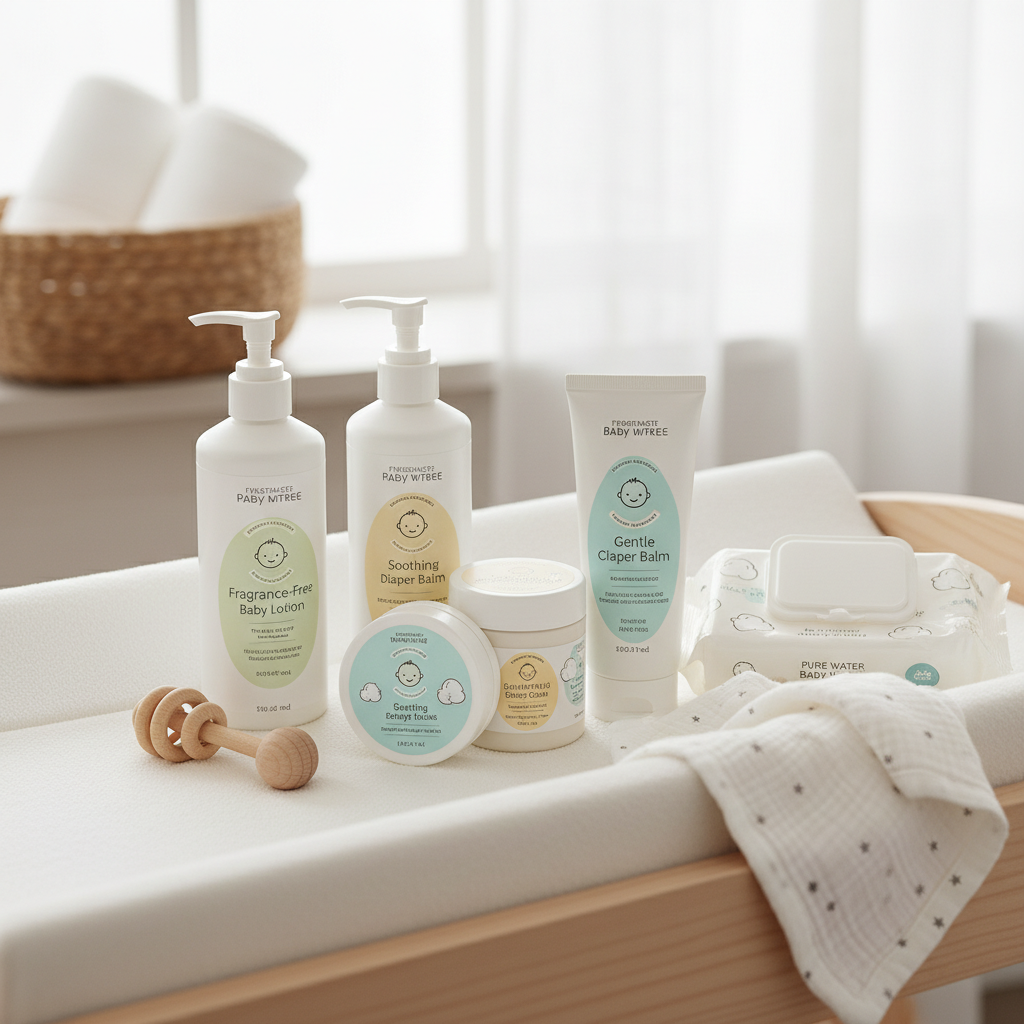
The market is flooded with baby products, making choices overwhelming. Here’s a simple guide to navigate the options:
Read Labels Carefully
Always check ingredient lists. Look for terms like “hypoallergenic,” “fragrance-free,” “dye-free,” and “paraben-free.” These indicate products less likely to cause irritation.
Ingredients to Avoid
Steer clear of products containing:
- Fragrances and Dyes– Common irritants and allergens.
- Phthalates and Parabens– Preservatives that some studies suggest may have endocrine-disrupting properties.
- Sulfates (SLS, SLES)– Can strip natural oils and cause dryness.
- Formaldehyde-releasing Preservatives– Potential irritants.
- Alcohol– Can be very drying to delicate skin.
Consider Natural and Organic Options with Caution
While “natural” sounds good, not all natural ingredients are safe for baby skin. Some essential oils, for instance, can be potent irritants. Always research and prioritize products specifically formulated and tested for babies, even if they are natural.
When to Call the Pediatrician

While most baby skin issues are minor, it’s always best to err on the side of caution. Contact your pediatrician if you notice any of the following:
- Rashes that are widespread, blistering, oozing, or accompanied by fever.
- Skin irritation that doesn’t improve with home care or seems to be getting worse.
- Signs of infection, such as redness, swelling, warmth, or pus.
- Any allergic reaction, like hives or significant swelling.
- Concerns about severe dry skin or persistent eczema.
A Gentle Touch for Delicate Skin
Caring for your baby’s skin is an act of love, and it doesn’t have to be complicated. By understanding their unique needs and adopting a gentle, consistent routine, you can help protect their delicate skin and keep it healthy. Remember, simplicity is often best. Focus on mild, fragrance-free products, gentle cleansing, thorough moisturizing, and diligent sun protection.
As you navigate this incredible journey of parenthood, trust your instincts and don’t hesitate to reach out to your pediatrician with any concerns. Every touch, every gentle application of lotion, and every soothing bath strengthens your bond and contributes to your baby’s well-being. Enjoy these precious moments- they grow so fast!