Simple Learning Activities for Kids That Feel Like Play
As parents, we all want our children to grow, learn, and develop crucial skills. But sometimes, the idea of “learning” can feel like another chore in an already busy day, both for us and for our little ones. What if learning didn’t have to be a separate, structured event, but rather an organic, joyful extension of play?
The good news is, it absolutely can be! Children are natural learners, especially when they’re having fun. By transforming everyday moments and simple activities into opportunities for discovery, we can nurture their curiosity, creativity, and critical thinking without them even realizing they’re “doing school.” This guide is here to inspire you with practical, easy-to-implement ideas that make learning feel just like play, fostering a lifelong love for exploration in your child.
Understanding Playful Learning
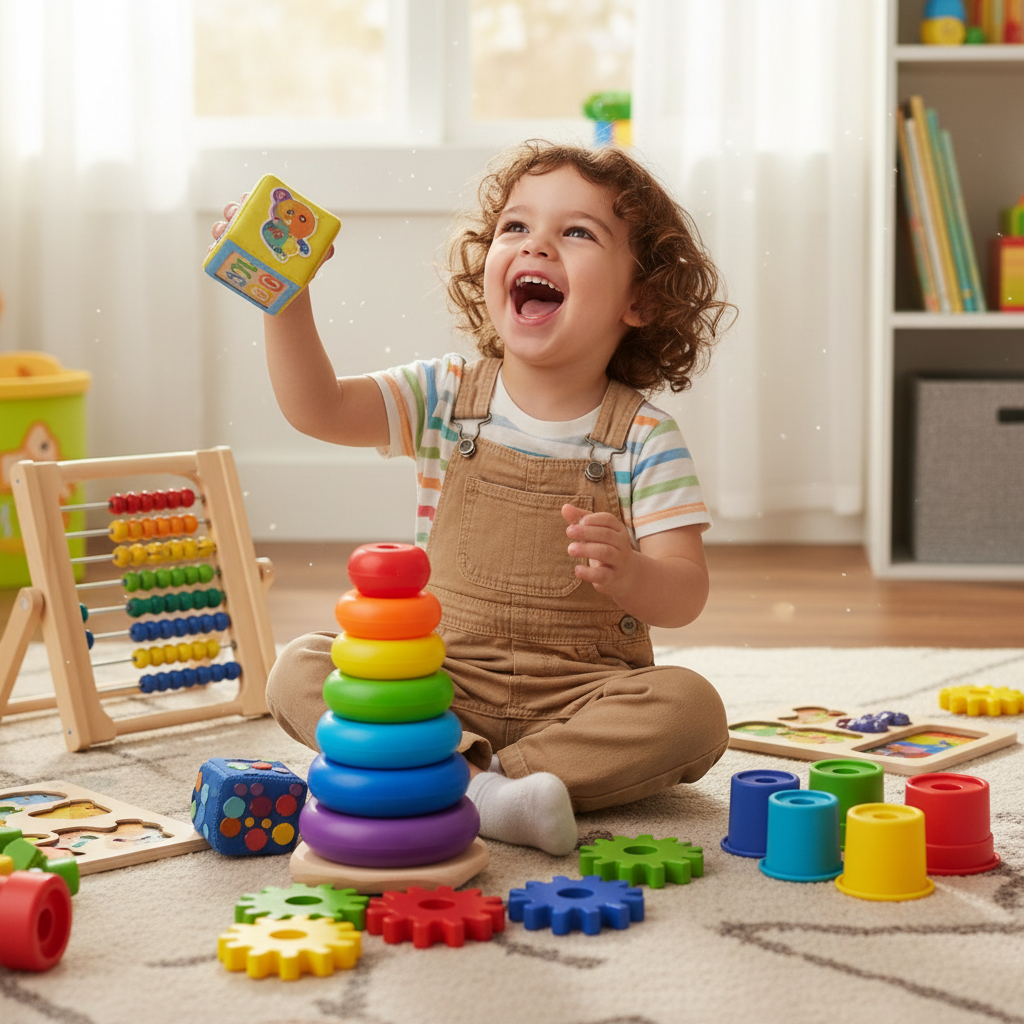
At its heart, playful learning is about engaging a child’s natural curiosity and intrinsic motivation. It’s not about tricking them into learning, but rather about presenting concepts in ways that are inherently interesting and fun. Think less about flashcards and more about building a towering block castle that teaches physics without a single formula.
This approach recognizes that children learn best through active engagement, exploration, and hands-on experiences. When children are deeply immersed in play, they are experimenting, problem-solving, creating, and connecting ideas—all vital components of effective learning.
Why Play-Based Learning Matters
Play isn’t just a break from learning; it is learning. Through play, children develop a wide range of skills:
- Cognitive Skills: Problem-solving, critical thinking, memory, language development.
- Social-Emotional Skills: Cooperation, negotiation, empathy, self-regulation, confidence.
- Physical Skills: Fine and gross motor development, coordination.
- Creativity and Imagination: Essential for innovation and adapting to new situations.
When learning feels like play, children are more likely to retain information, develop a positive attitude towards education, and become self-motivated learners.
Setting the Stage for Engaging Play
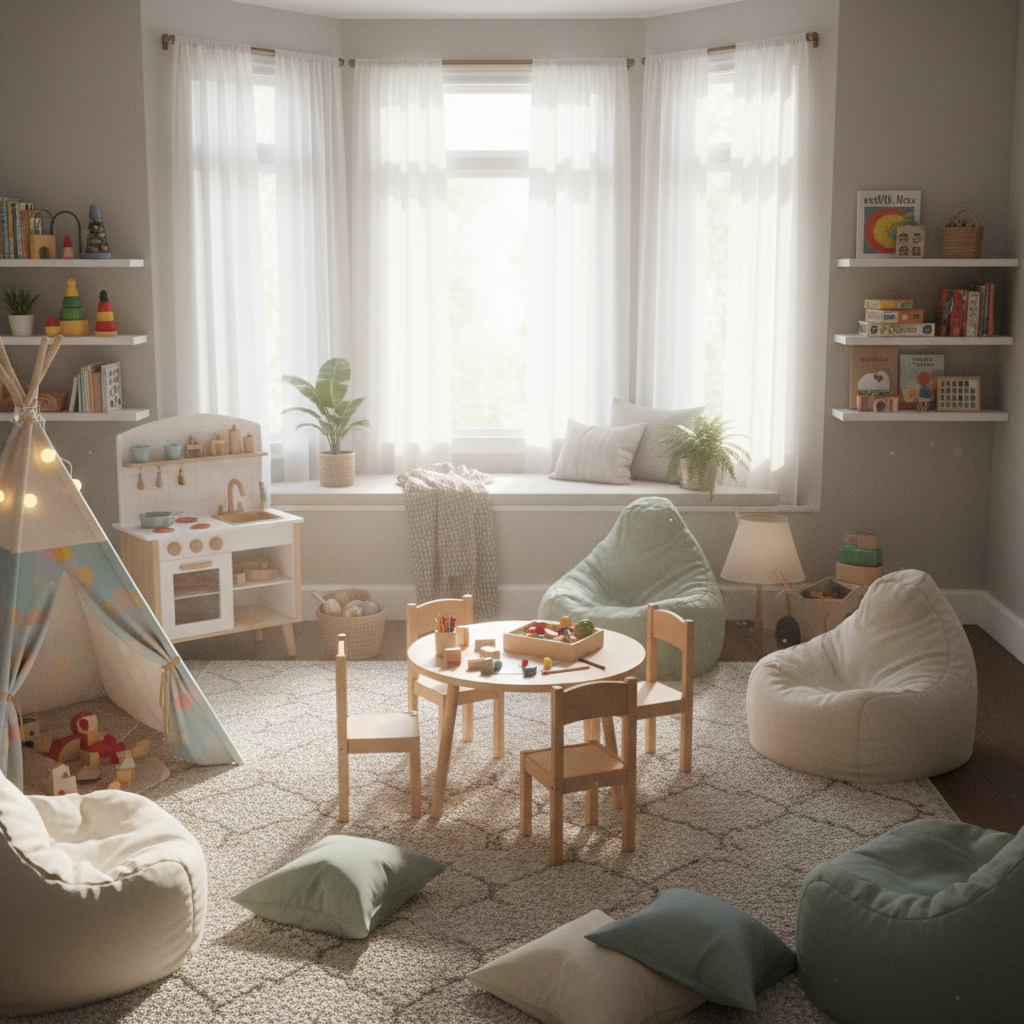
Creating an environment conducive to playful learning doesn’t require an elaborate setup or expensive toys. It’s more about mindset and accessibility.
Simple Steps to Encourage Playful Exploration
- Offer Open-Ended Materials: Provide items that can be used in multiple ways, like blocks, art supplies, natural elements (pinecones, leaves), or even household recyclables.
- Follow Their Lead: Observe what your child is interested in. If they’re fascinated by bugs, explore bugs! If they love stories, dive deeper into imaginative play.
- Be a Facilitator, Not a Director: Instead of telling them what to do, ask open-ended questions (“What do you think will happen if…?”, “How could we make this work?”). Offer support and suggestions when needed, but allow them to lead their own discoveries.
- Embrace Mess and Experimentation: Learning often involves trial and error. A little mess is a sign of engagement and exploration.
- Create a “Yes” Space: Designate an area where certain types of play are encouraged and materials are easily accessible, reducing constant “no’s” and fostering independence.
Engaging Activities for Toddlers and Preschoolers
These early years are a prime time for sensory exploration and foundational skill building. Keep activities simple, safe, and focused on discovery.
Sensory Play Wonders
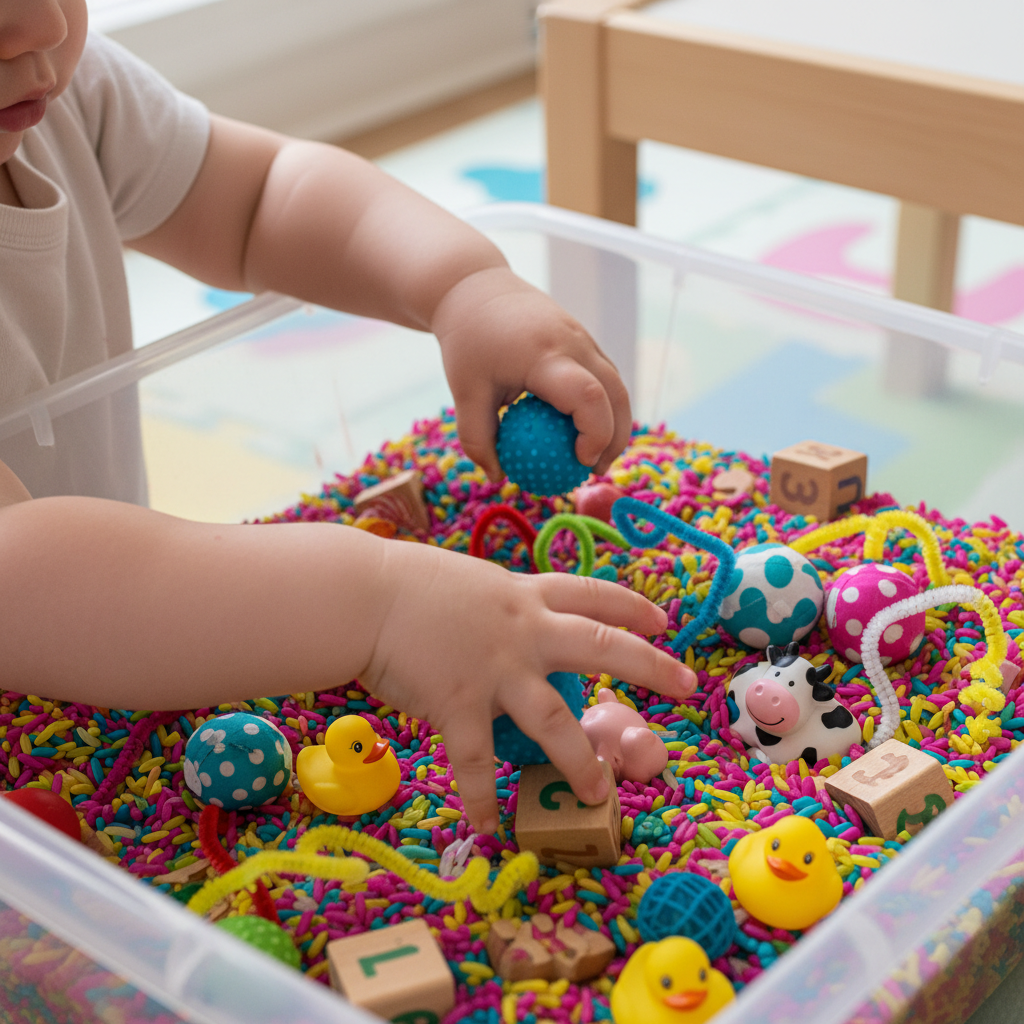
Sensory play engages multiple senses and is fantastic for brain development.
- Water Table Fun: Fill a bin with water, add cups, scoops, sponges, and safe plastic toys. Children learn about volume, floating/sinking, and cause-and-effect.
- Playdough Adventures: Homemade or store-bought playdough offers endless opportunities for fine motor skill development, creativity, and imaginative play. Add cookie cutters, plastic knives, or natural elements.
- Rice Bin Exploration: A large container filled with dry rice, small scoops, measuring cups, and hidden toys provides a calming, tactile experience.
Building and Construction Challenges
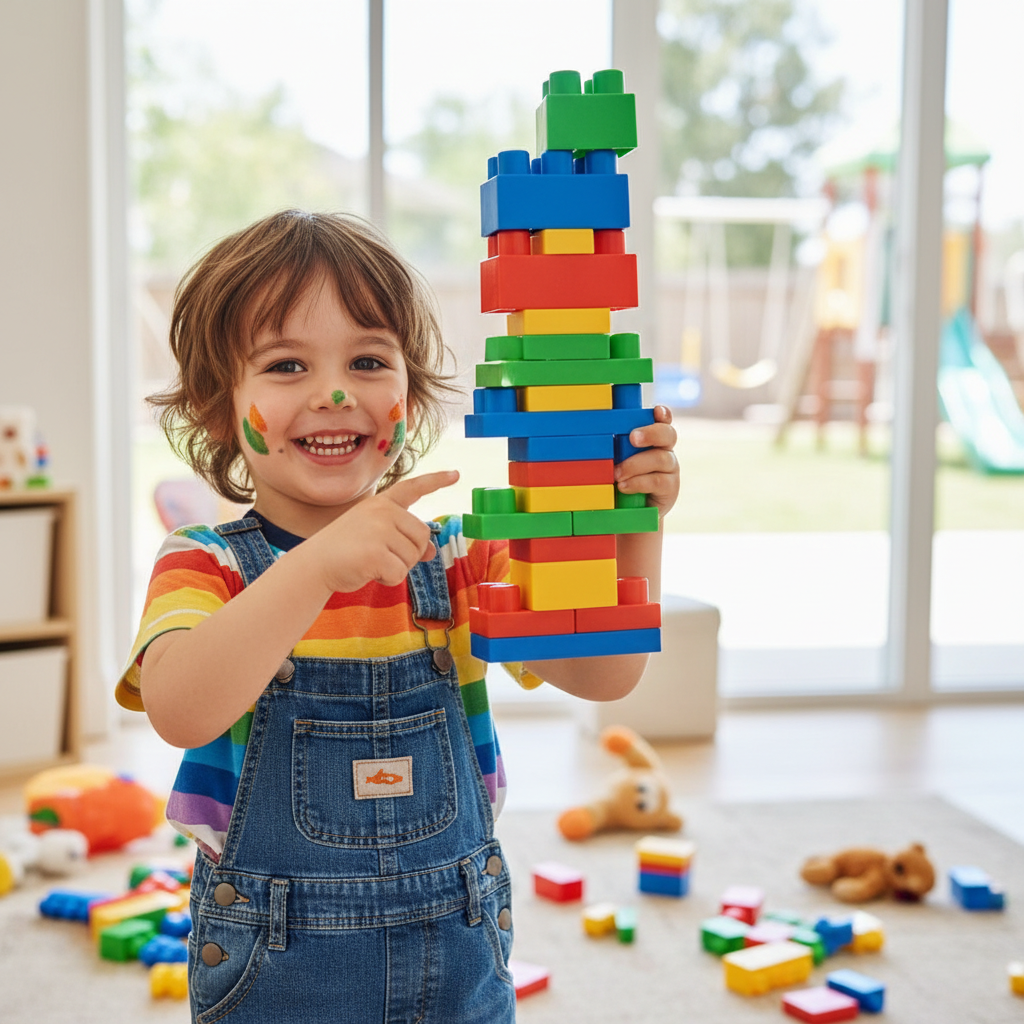
Blocks, LEGO Duplos, and other construction toys are excellent for spatial reasoning, problem-solving, and developing fine motor skills.
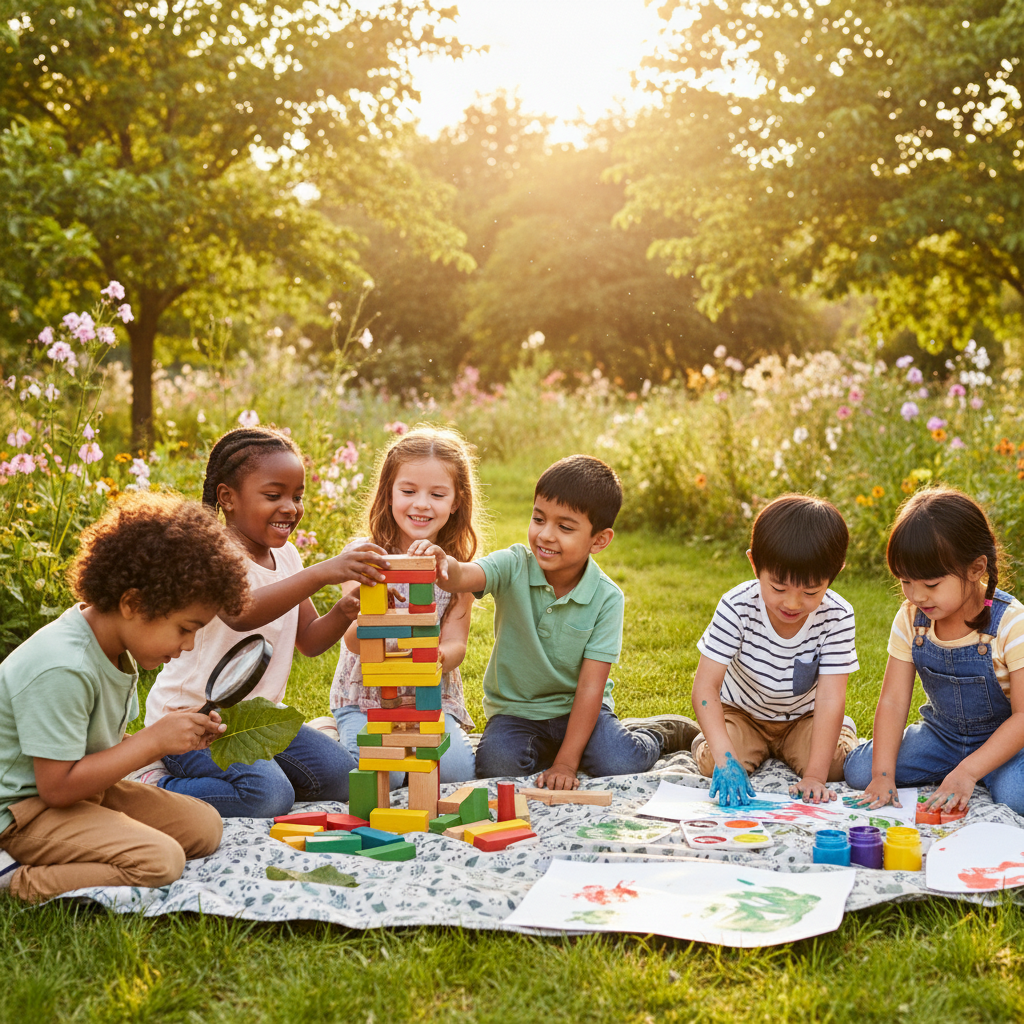
- Tower Building: Challenge them to build the tallest, widest, or most unusual tower. Discuss balance and stability.
- Roads and Bridges: Use blocks or cardboard to create elaborate road systems for toy cars, introducing concepts of planning and connection.
Art and Creativity Unleashed
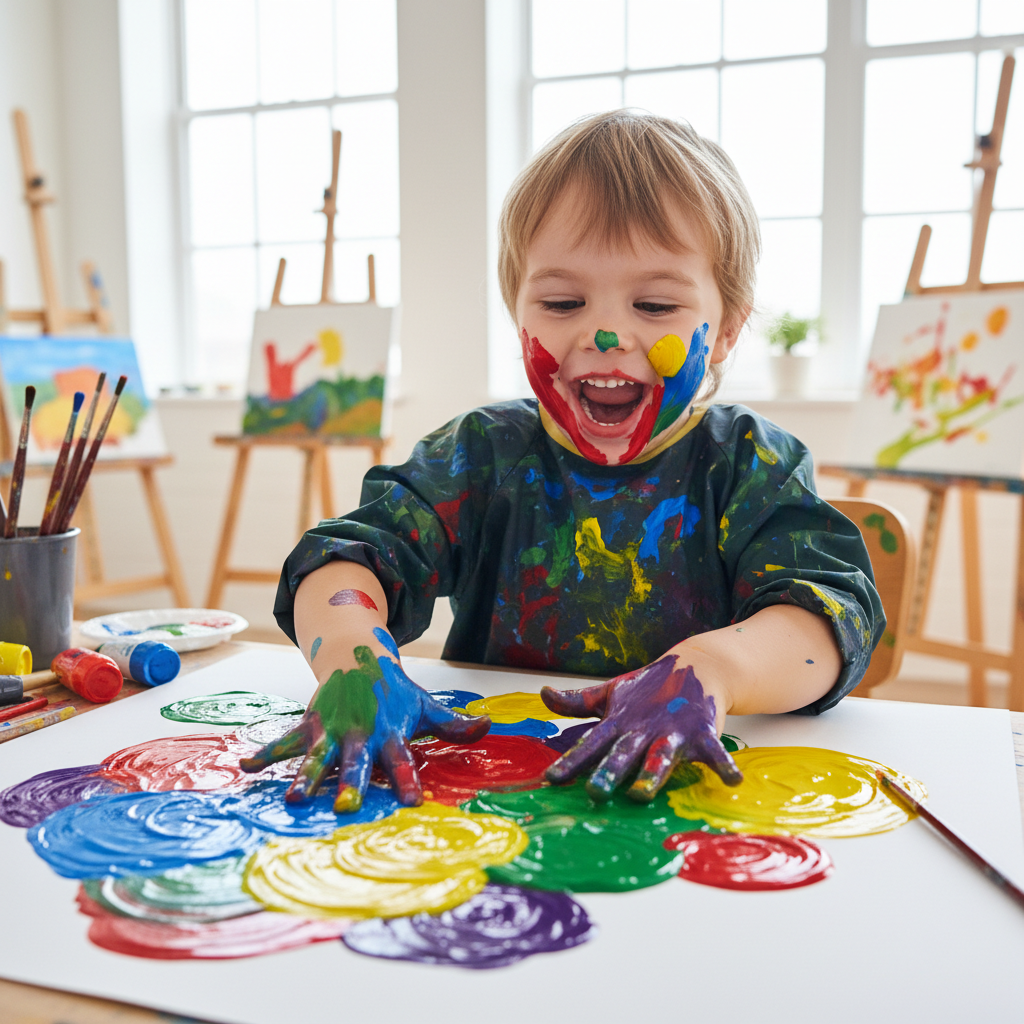
Art encourages self-expression, fine motor skills, and color recognition.
- Finger Painting: A classic for a reason! Let them explore textures and colors freely.
- Nature Art: Collect leaves, sticks, and flowers outdoors and use them to create collages or pictures.
- Cardboard Box Creations: A large cardboard box can become a car, a house, a rocket ship—anything their imagination conjures. Provide crayons, markers, and child-safe scissors for decorating.
Storytelling and Pretend Play
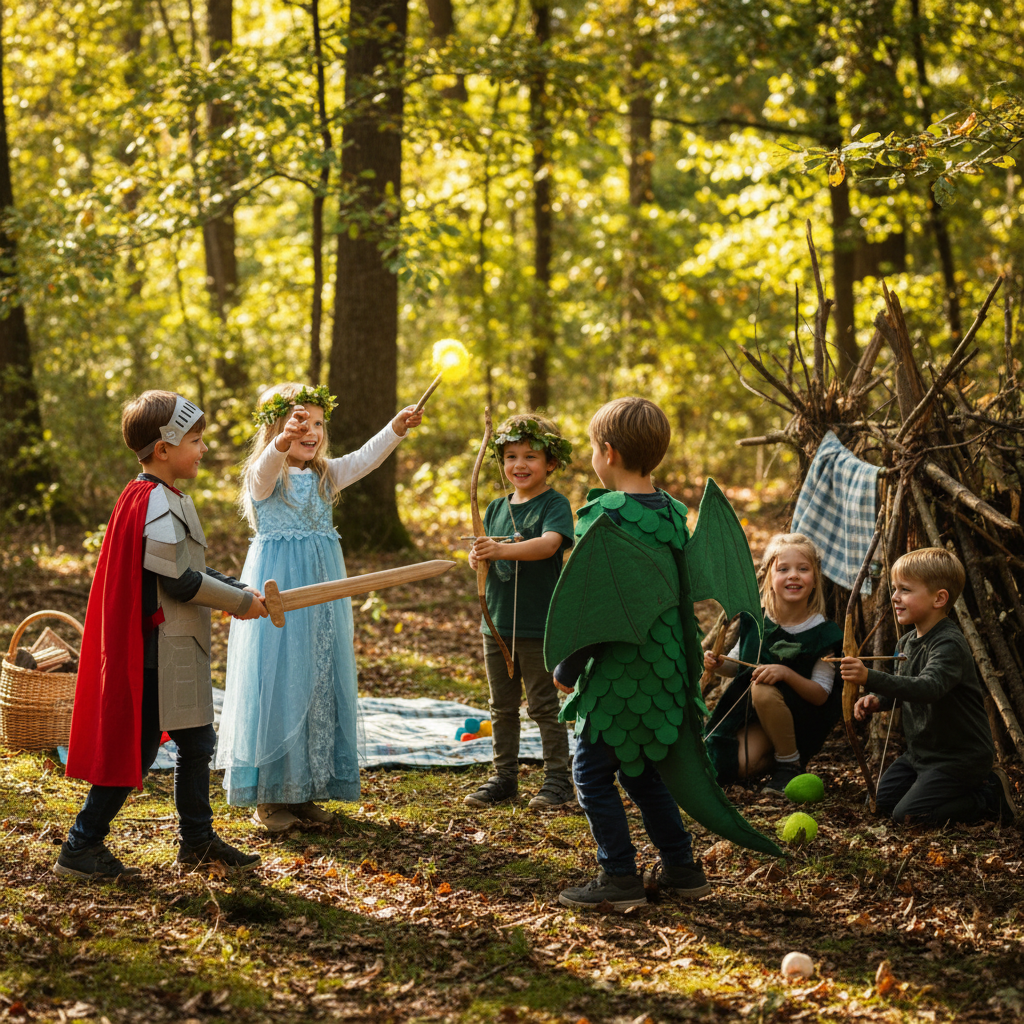
Imaginative play is crucial for language, social skills, and empathy.
- Dress-Up Box: A collection of old clothes, hats, and accessories can transform children into doctors, chefs, superheroes, or animals.
- Puppet Show: Simple sock puppets or paper bag puppets can spark incredible stories and dialogue.
Engaging Activities for School-Aged Kids
As children grow, their capacity for more complex tasks and abstract thinking increases. These activities can tap into their developing interests.
Kitchen Science Experiments
The kitchen is a fantastic, safe laboratory for exploring chemistry and physics.
- Baking Soda Volcano: Classic and always exciting. Mix baking soda, vinegar, and a drop of dish soap for a fizzy eruption. Discuss chemical reactions.
- Floating and Sinking: Use a bowl of water and various household items to test what floats and what sinks. Explore density.
- Making Slime or Playdough: Following a recipe involves measuring, mixing, and observing material changes—a perfect blend of science and fun.
Math Games and Challenges
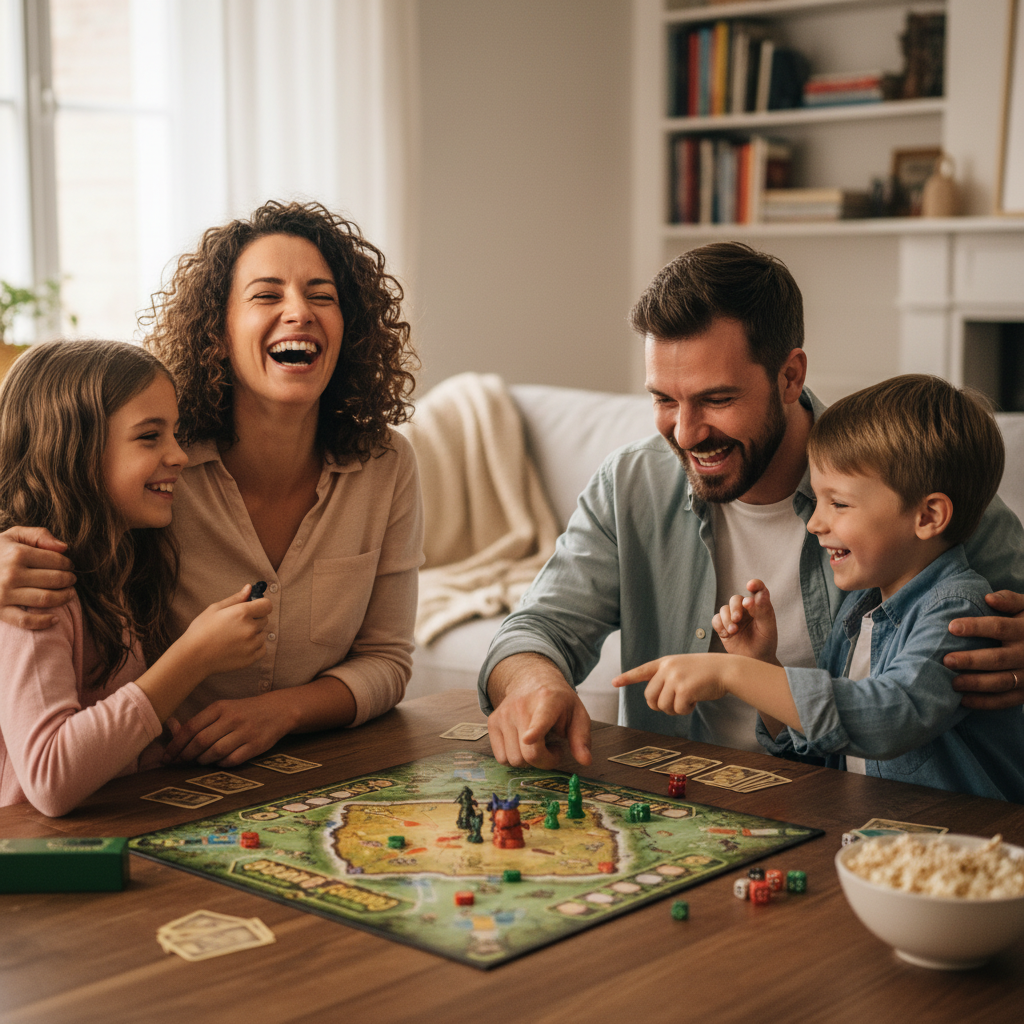
Math can be engaging when it’s part of a game or a real-world scenario.
- Board Games: Many board games (e.g., Monopoly Junior, Sequence for Kids) involve counting, strategy, and basic arithmetic.
- Card Games: Simple card games like “War” or “Go Fish” can reinforce number recognition and comparison.
- “Shop” Play: Set up a pretend shop with items and price tags. Kids can practice counting money, making change, and adding/subtracting.
Reading Adventures
Making reading a special experience can foster a deep love for books.
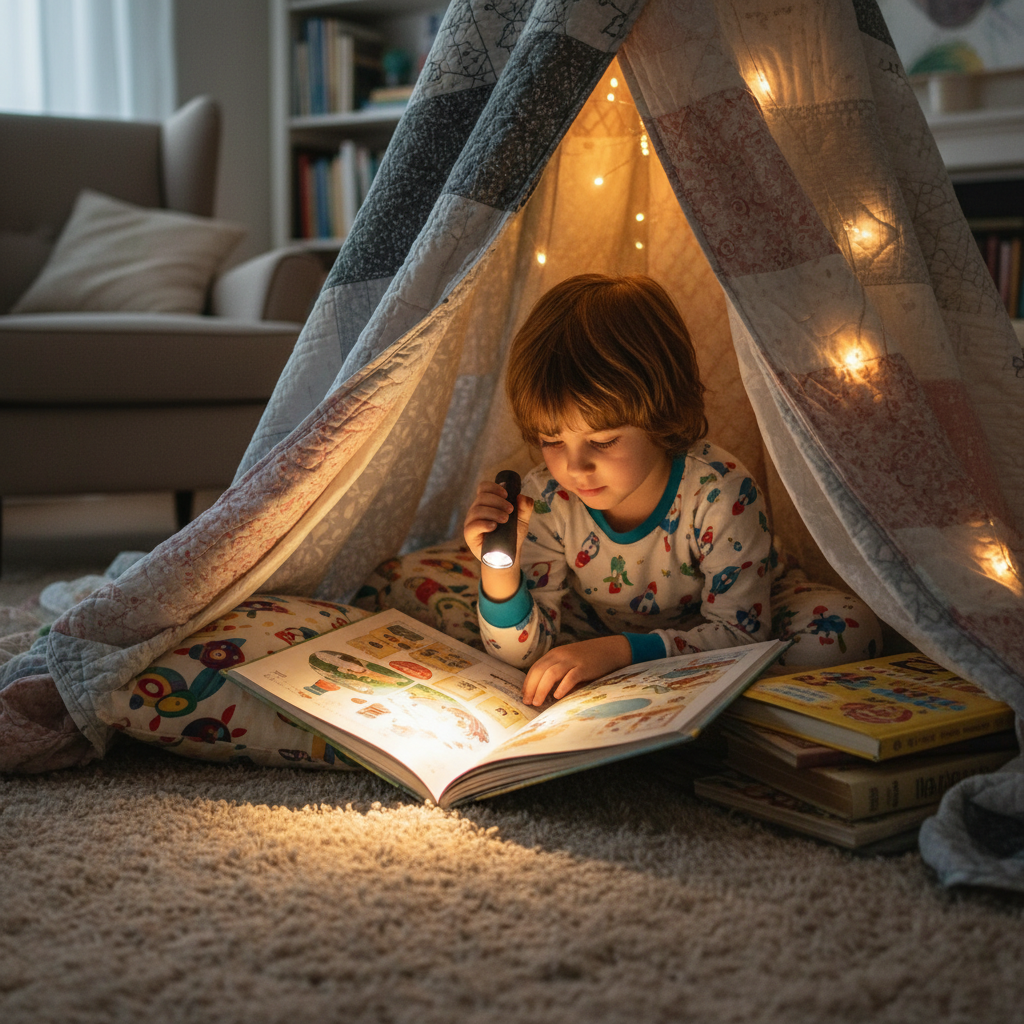
- Build a Reading Fort: Create a cozy blanket fort and read stories inside with a flashlight.
- Character Voices: Read books aloud using different voices for each character, encouraging dramatic play and comprehension.
- Book Club for Kids: If they have friends who enjoy reading, start a small, informal book club where they can discuss stories.
Outdoor Exploration and Nature Hunts
Nature offers endless opportunities for scientific observation and physical activity.
- Nature Scavenger Hunt: Create a list of items to find (e.g., a smooth stone, a crinkly leaf, something red, a feather).
- Bug Safari: Provide a magnifying glass and a notepad. Encourage them to observe and draw insects in their natural habitat.
- Gardening: Planting seeds and watching them grow teaches about life cycles, responsibility, and patience.
Making Learning a Daily Habit
The beauty of playful learning is that it can be woven into the fabric of daily life, not just reserved for dedicated “activity time.”
Integrating Play into Routines
- Cooking Together: Involve them in meal prep. They can measure ingredients (math), read recipes (literacy), and learn about nutrition (science).
- Errand Adventures: At the grocery store, ask them to find specific items, count apples, or identify shapes on product labels.
- Story Time Everywhere: Tell stories in the car, at the park, or while waiting in line. Encourage them to add their own characters and plot twists.
Observe, Adapt, and Reassure
Every child is unique. What one child loves, another might find boring. The key is to observe your child’s interests and energy levels, adapt activities accordingly, and always offer gentle reassurance.
- Don’t Force It: If an activity isn’t working, it’s okay to pivot or try again another day. The goal is enjoyment, not completion.
- Focus on the Process, Not Just the Product: The learning happens in the doing, the experimenting, and the thinking, not just in the finished masterpiece or correct answer.
- Celebrate Effort: Praise their effort, curiosity, and persistence, rather than just the outcome. “I love how you kept trying to make that tower stand!” is more powerful than “Great tower!”
Conclusion
Embracing simple learning activities that feel like play is one of the most powerful gifts you can give your child. It’s about nurturing their innate curiosity, building essential skills, and fostering a lifelong love for discovery, all within a joyful, low-pressure environment. Remember, you don’t need to be a teacher to facilitate incredible learning; you just need to be a loving parent willing to play alongside them. So go ahead, get messy, get silly, and watch your child flourish through the magic of play!