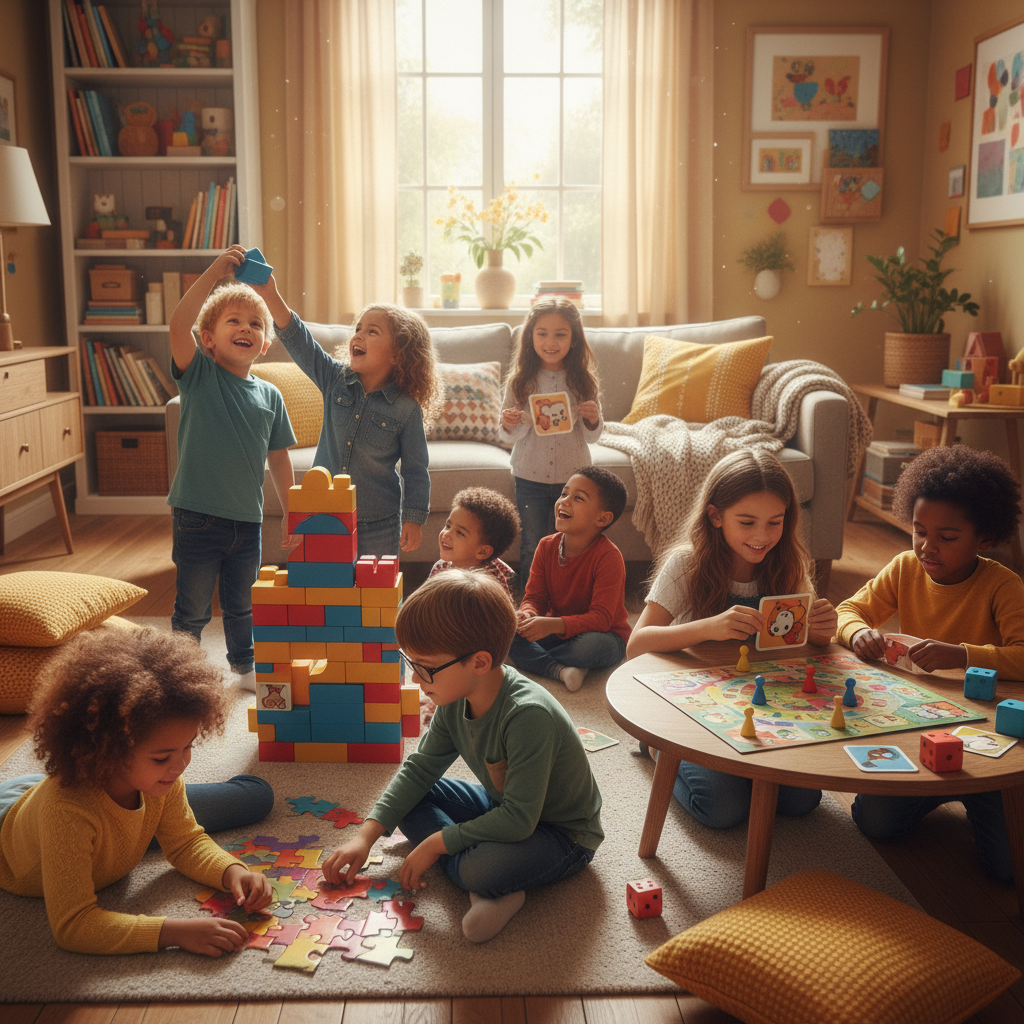
Fun Brain Games That Improve Focus and Mental Skills
As parents, we all want our children to thrive, not just academically, but in every aspect of life. In today’s fast-paced world, helping our little ones develop strong focus and sharp mental skills feels more important than ever. It’s not always about textbooks and worksheets; sometimes, the most effective learning happens through play!
This article is your friendly guide to exploring a world of fun brain games that can significantly boost your child’s concentration, memory, critical thinking, and problem-solving abilities. We’ll dive into why these games are so valuable, explore different types suitable for various ages, and offer practical tips to weave them seamlessly into your daily routine. Get ready to turn playtime into powerful learning!
Why Brain Games Matter for Children’s Development
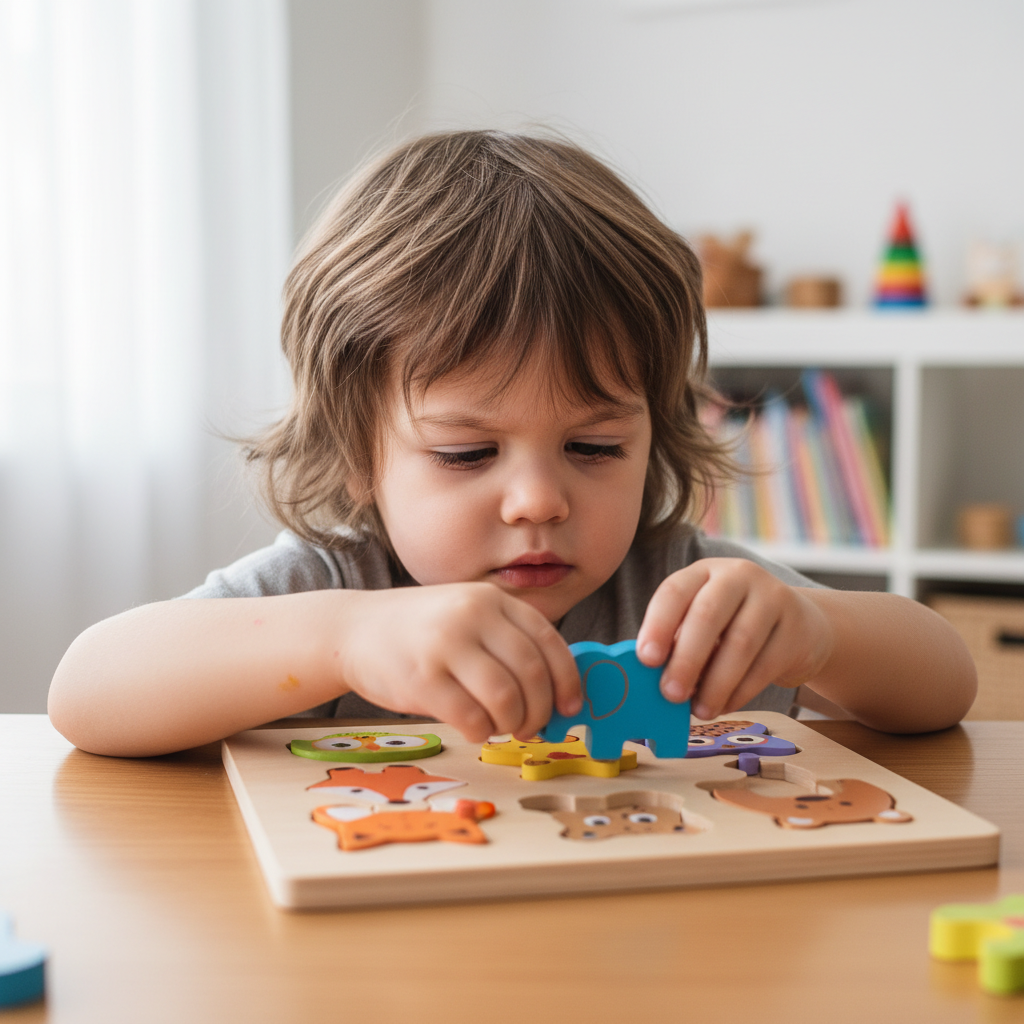
Brain games are far more than just a way to pass the time; they are powerful tools for cognitive development. When children engage in these activities, they’re not just having fun; they’re actively building crucial neural pathways. Think of it like a workout for their brains!
These games help children develop:
- Enhanced Focus and Attention Span: Many games require sustained attention, helping children practice blocking out distractions and concentrating on a task.
- Improved Memory: From remembering patterns to recalling sequences, memory games strengthen both short-term and long-term recall.
- Better Problem-Solving Skills: Puzzles and strategic games challenge children to think critically, analyze situations, and devise solutions.
- Boosted Creativity: Open-ended games encourage imaginative thinking and the ability to come up with novel ideas.
- Stronger Logic and Reasoning: Identifying rules, predicting outcomes, and understanding cause and effect are all honed through logical play.
- Emotional Regulation: Learning to manage frustration, celebrate small victories, and persevere through challenges are valuable life lessons embedded in play.
Understanding Focus and Mental Skills
Before we jump into specific games, let’s briefly touch upon what we mean by focus and mental skills, and why they’re so vital for our children.
What is Focus?
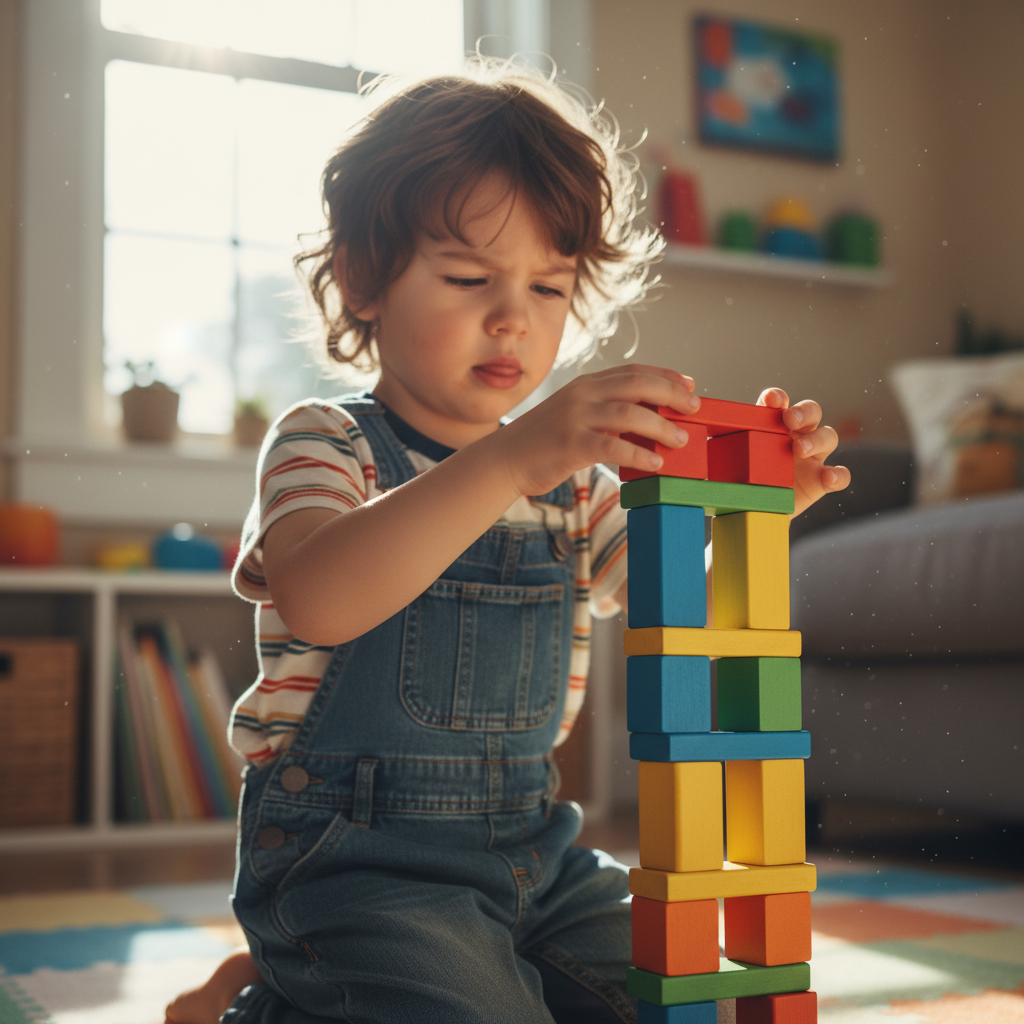
Focus, or attention, is the ability to concentrate on one particular task or stimulus while ignoring others. For children, this is a developing skill. It’s what allows them to listen to a story, work on a school assignment, or engage deeply in a game without being easily sidetracked. Developing strong focus early on sets the stage for academic success and effective learning throughout life.
What are Mental Skills?
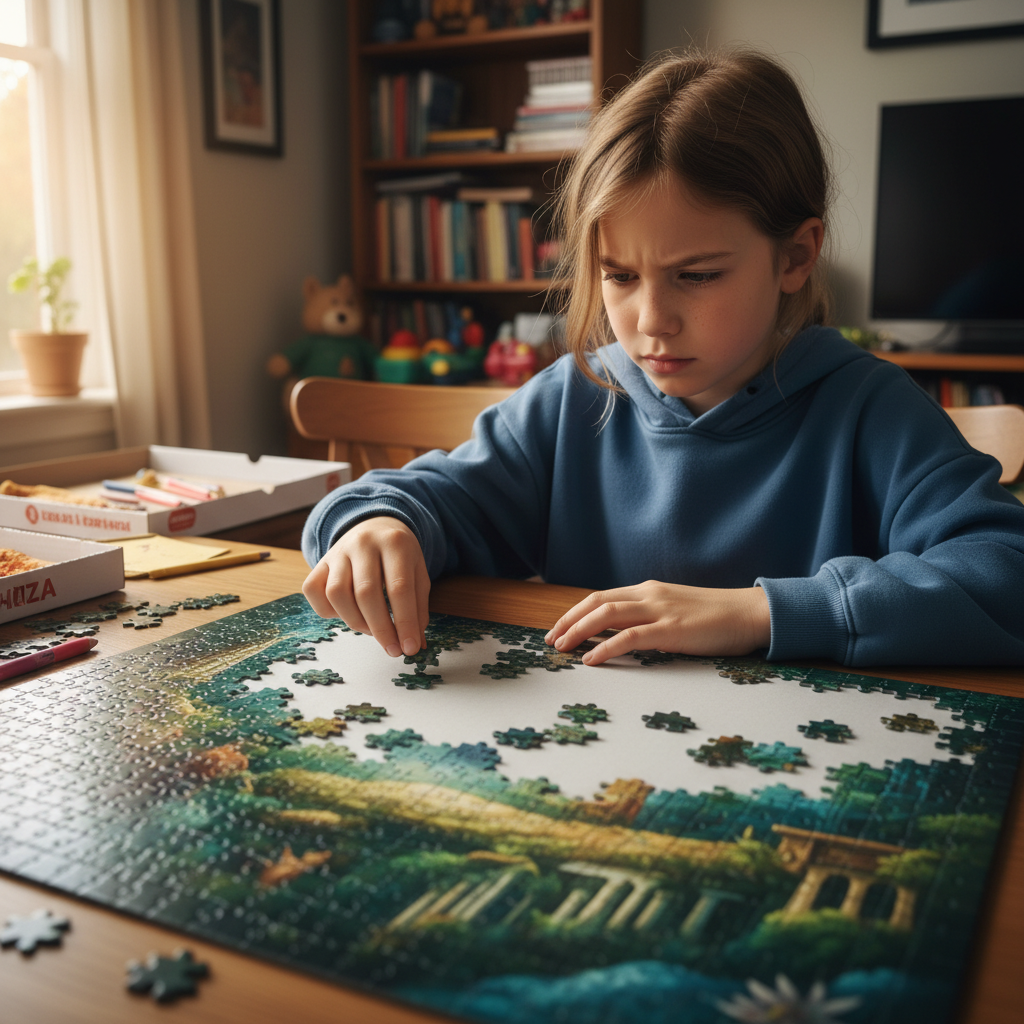
Mental skills encompass a broad range of cognitive abilities that allow us to process information, solve problems, and adapt to new situations. These include memory, critical thinking, analytical reasoning, planning, and executive functions. Nurturing these skills helps children navigate complex situations, make sound decisions, and learn effectively from their experiences.
Types of Brain Games for Different Ages
The beauty of brain games is that there’s something for everyone, from toddlers to teens. The key is to choose age-appropriate activities that challenge without overwhelming.
Toddlers and Preschoolers
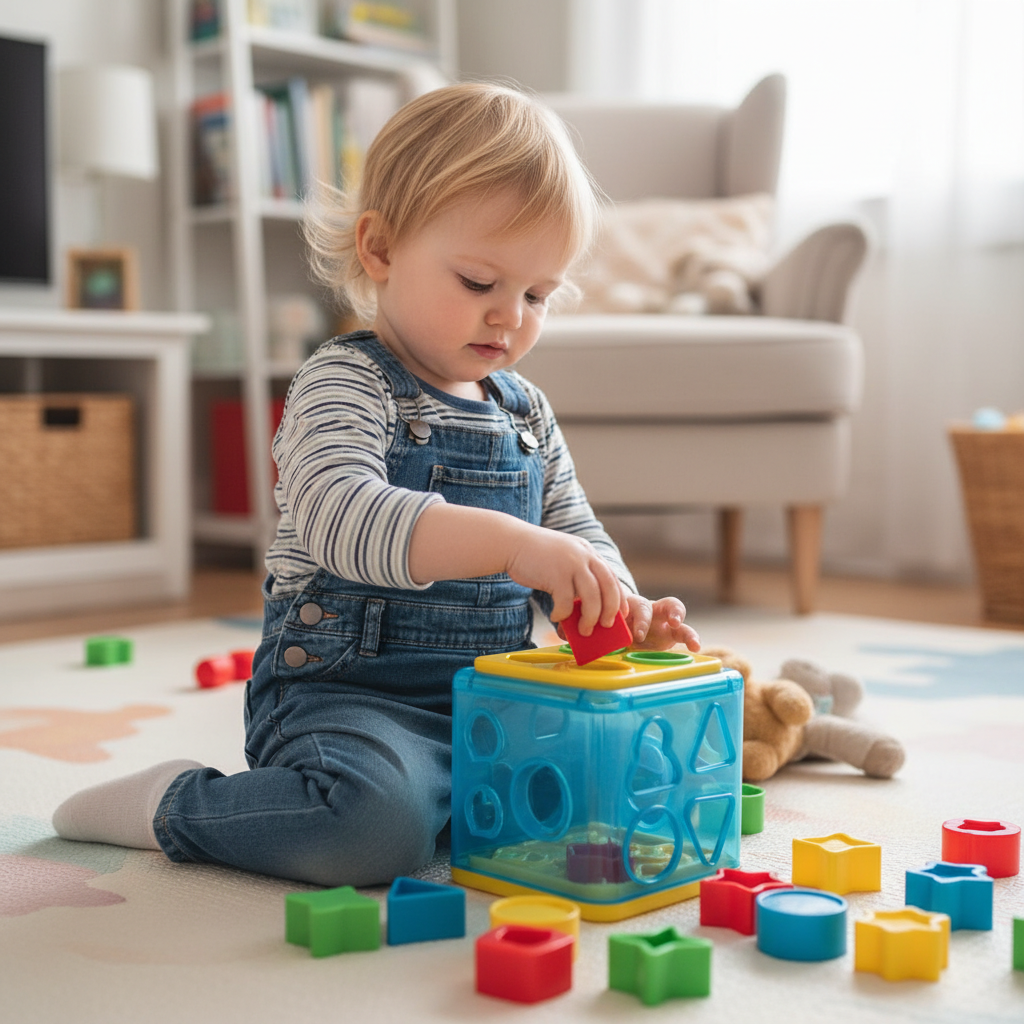
For our youngest learners, games should be hands-on, sensory-rich, and focused on basic concepts.
- Shape Sorters and Stacking Toys: Develops spatial reasoning and problem-solving.
- Simple Puzzles (2-12 pieces): Enhances fine motor skills, shape recognition, and problem-solving.
- Memory Matching Games (with few pairs): Boosts visual memory and concentration.
- “I Spy” Games: Improves observation skills and vocabulary.
- Singing Songs with Actions: Enhances memory, listening skills, and coordination.
School-Aged Children
As children grow, they can handle more complex rules and abstract thinking.
- Jigsaw Puzzles (50+ pieces): Develops spatial reasoning, patience, and problem-solving.
- Board Games (e.g., Chess, Checkers, Connect Four, Mancala): Teaches strategy, critical thinking, and forward planning.
- Card Games (e.g., Uno, Go Fish, Memory): Improves memory, number recognition, and strategic thinking.
- Building Kits (e.g., LEGOs, K’nex): Fosters creativity, engineering skills, and problem-solving.
- Logic Grid Puzzles: Sharpens deductive reasoning and analytical skills.
Tweens and Teens

Older children can engage with more sophisticated challenges that test advanced cognitive functions.
- Strategy Board Games (e.g., Settlers of Catan, Ticket to Ride): Develops complex strategic planning, negotiation, and resource management.
- Rubik’s Cubes and Advanced Puzzles: Enhances spatial reasoning, algorithmic thinking, and persistence.
- Logic Games and Brain Teasers (online or physical): Boosts critical thinking, problem-solving, and abstract reasoning.
- Escape Room Games (at home or commercial): Encourages teamwork, communication, and multi-faceted problem-solving.
- Coding Games and Apps: Teaches computational thinking, logic, and sequential processing.
Specific Fun Brain Games to Try
Let’s get specific! Here are some beloved games and activities that are fantastic for brain development.
Memory Games
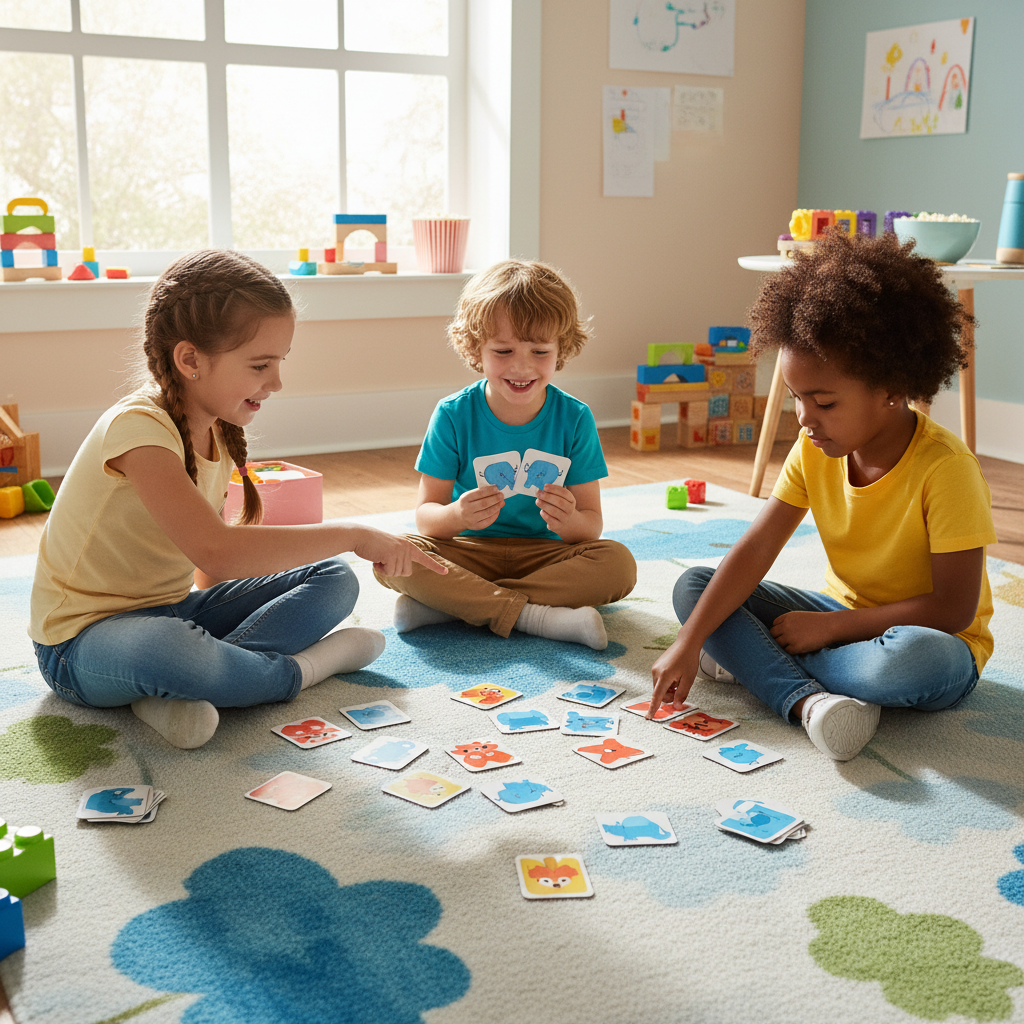
- Classic Memory Match: Lay cards face down, take turns flipping two to find a pair.
- “What’s Missing?”: Arrange a few objects, have your child close their eyes, remove one, and ask them to identify what’s gone.
- Simon Says (or a similar sequence game): Remember and repeat a sequence of colors, sounds, or actions.
Logic Puzzles

- Sudoku (kid-friendly versions): Fosters logical deduction and number sense.
- Tangrams: Arrange geometric shapes to form specific pictures.
- Rush Hour (sliding block puzzle): Challenges spatial reasoning and planning.
Problem-Solving Challenges
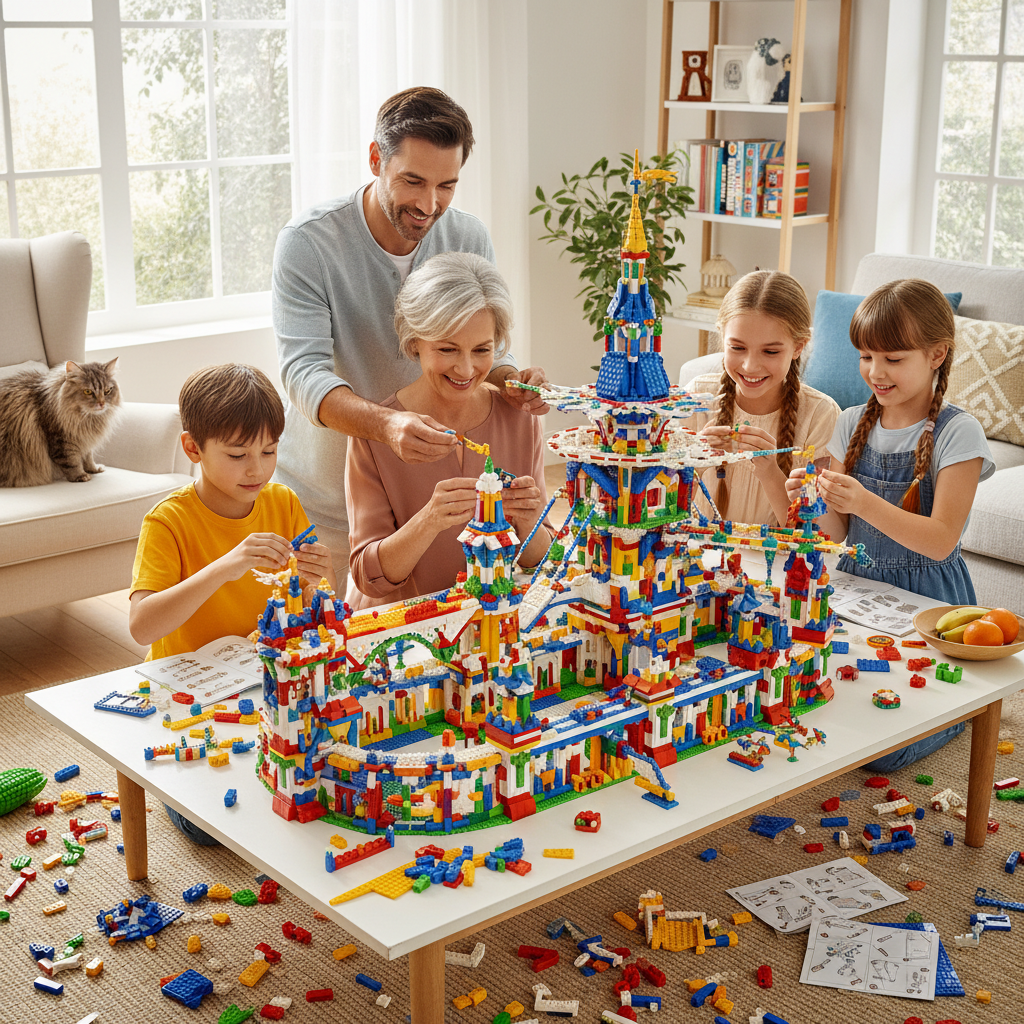
- Building Blocks and LEGOs: Encourage creative construction and structural thinking.
- Scavenger Hunts: Follow clues to find hidden treasures, practicing reading, deduction, and memory.
- DIY Obstacle Courses: Design and navigate a course, promoting planning, spatial awareness, and physical coordination.
Creative Play and Storytelling Games
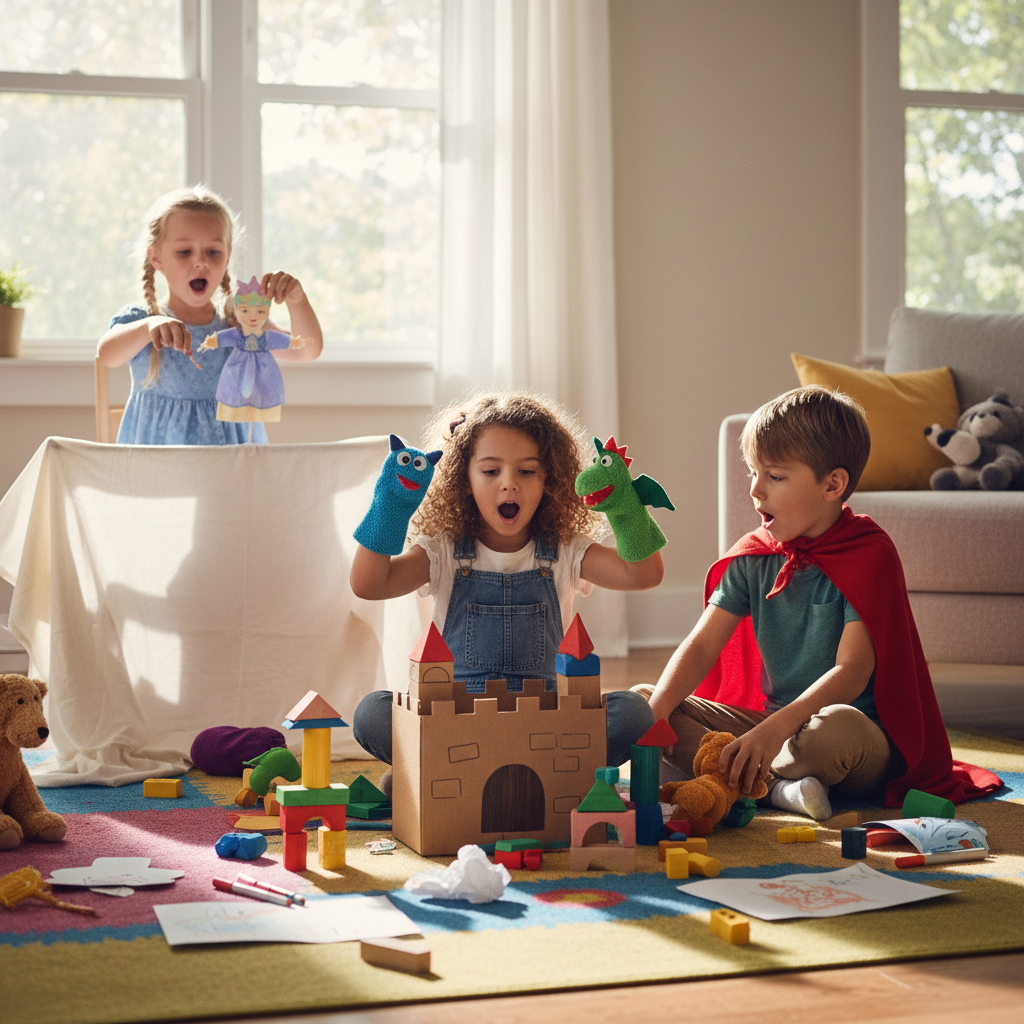
- Story Cubes or Story Prompts: Roll dice with images or pick cards to create a collaborative story. Enhances imagination and verbal fluency.
- Puppet Shows: Encourages creative expression, character development, and narrative skills.
Movement-Based Games

- Red Light, Green Light: Enhances impulse control, listening, and focus.
- Freeze Dance: Improves listening skills, body awareness, and ability to switch tasks quickly.
Tips for Integrating Brain Games into Daily Life
Making brain games a regular part of your child’s routine doesn’t have to be a chore. Here’s how to make it seamless and enjoyable:
- Schedule Playtime: Dedicate a small, consistent slot each day or week for focused game time.
- Lead by Example: Join in! Your enthusiasm is contagious and shows your child the value of play.
- Keep it Light and Fun: Avoid turning games into tests. The goal is engagement and enjoyment, not perfection.
- Offer Choices: Let your child pick the game. This gives them a sense of control and increases their investment.
- Adapt and Modify: If a game is too hard, simplify it. If it’s too easy, add a new challenge.
- Praise Effort, Not Just Outcome: Acknowledge their persistence and problem-solving attempts, even if they don’t “win.”
- Create a “Brain Game Basket”: Keep a selection of accessible games ready for spontaneous play.
Making Brain Games Fun and Engaging
The secret ingredient to any successful learning activity for children is making it fun. Here’s how to keep the engagement high:
- Connect to Interests: If your child loves dinosaurs, find dinosaur-themed memory cards or puzzles.
- Introduce Novelty: Periodically bring in new games or variations of old ones to keep things fresh.
- Play Together: Your presence and interaction are often the biggest motivators.
- Celebrate Small Wins: Acknowledge every step of progress and every moment of focused effort.
- Be Patient: Some games take time to master. Encourage persistence without pressure.
Conclusion
Nurturing your child’s focus and mental skills is one of the greatest gifts you can give them, and it doesn’t have to feel like homework. By embracing the power of fun brain games, you’re not just helping them develop crucial cognitive abilities; you’re also creating wonderful opportunities for connection, laughter, and shared discovery. So, gather your family, pick a game, and embark on a joyful journey of mental growth together. Every puzzle solved, every strategy devised, and every memory recalled is a step towards a brighter, more focused future for your child.