Simple Craft Ideas Using Things You Already Have
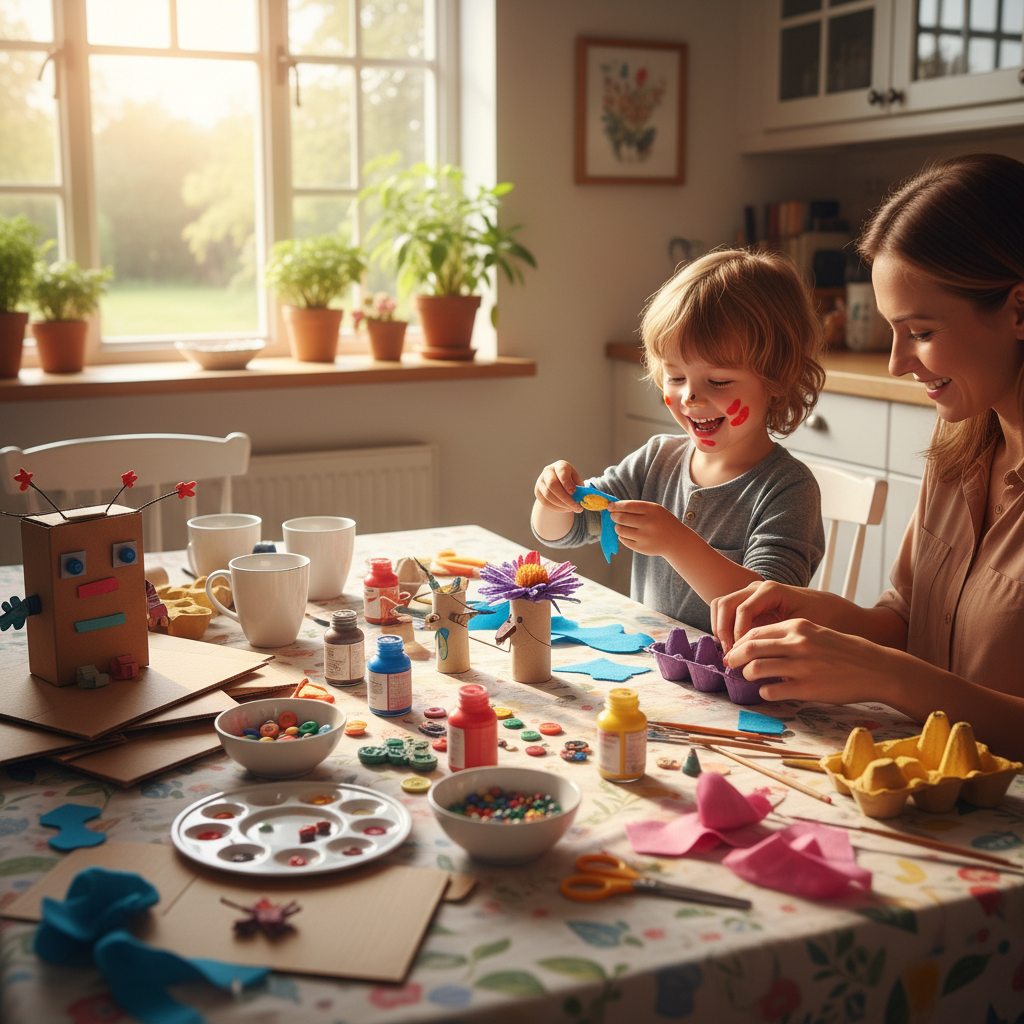
As parents, we’re always looking for ways to spark our children’s creativity, keep them entertained, and maybe even find a moment of peace ourselves. But let’s be honest, continuously buying new craft supplies can quickly become expensive and overwhelming. What if I told you that some of the best art materials are likely already in your home, waiting to be transformed?
This guide is all about embracing the magic of everyday objects. We’ll explore how simple items like cardboard rolls, old magazines, and fabric scraps can become the foundation for incredible adventures in imagination. Get ready to dive into a world of budget-friendly, planet-friendly, and incredibly fun crafting that connects you with your little ones.
Why Crafting with Recycled Materials is a Game Changer
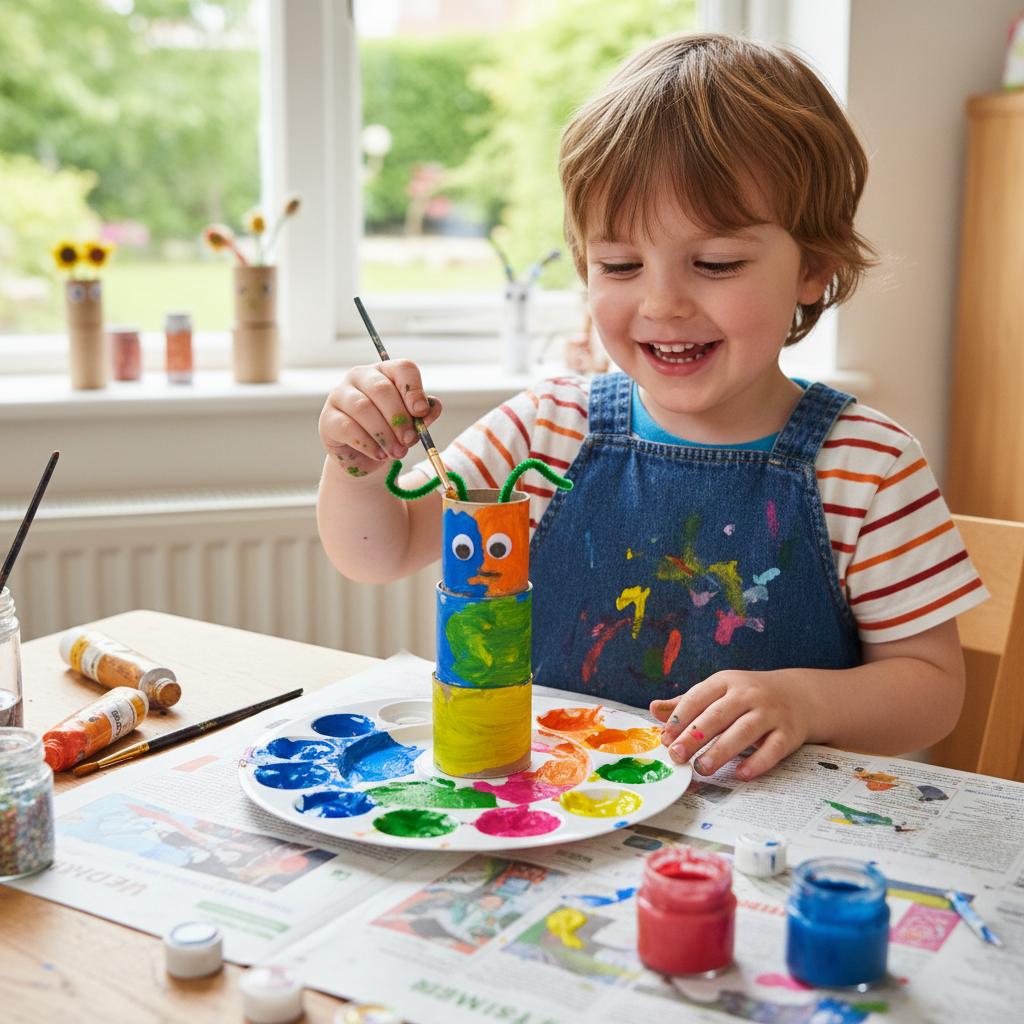
When we turn household “trash” into creative treasures, we’re not just saving money; we’re teaching invaluable lessons. Crafting with what you already have fosters resourcefulness, reduces waste, and encourages children to see potential in everything around them. It’s a powerful way to nurture their developing minds and fine motor skills.
- Boosts Creativity Children learn to think outside the box and invent new uses for familiar objects.
- Develops Problem-Solving Skills Figuring out how to transform an item into something new sharpens their minds.
- Enhances Fine Motor Skills Cutting, gluing, painting, and manipulating small items strengthens hand-eye coordination.
- Promotes Sustainability It’s a practical, hands-on lesson in recycling and upcycling.
- Encourages Bonding Crafting together creates shared experiences and lasting memories.
- Budget-Friendly Fun No need for expensive trips to the craft store; your supplies are already at home!
Get Started- Essential Supplies You Already Own
Before you begin, gather a few basics. You’ll be surprised how much you probably already have. Remember, safety first! Always supervise children, especially with scissors or glue guns.
- Adhesives Glue sticks, white school glue, masking tape, clear tape.
- Cutting Tools Kid-safe scissors (for older children), regular scissors (for adults).
- Coloring Supplies Crayons, markers, washable paints, colored pencils.
- Recyclables Toilet paper/paper towel rolls, cardboard boxes, egg cartons, plastic bottles, old newspapers, magazines.
- Fabric & Yarn Scraps Old t-shirts, worn-out towels, leftover yarn, ribbons.
- Nature Finds Leaves, twigs, small stones, acorns (cleaned and dried).
- Miscellaneous Buttons, bottle caps, cotton balls, pipe cleaners, googly eyes (if you have them).
Creative Crafts Using Cardboard Rolls and Boxes
Cardboard is a crafting MVP! It’s sturdy, easy to cut, and incredibly versatile. The possibilities are truly endless, from small animals to grand play structures.
Toilet Paper Roll Animals and Binoculars
Don’t toss those empty toilet paper rolls! They are perfect for creating a whole zoo of creatures. Paint them vibrant colors, add construction paper ears, pipe cleaner tails, and googly eyes (or draw them on). You can also glue two rolls together, punch holes on the sides, and string yarn through for instant binoculars—perfect for backyard adventures!
Cardboard Box Playhouses and Vehicles
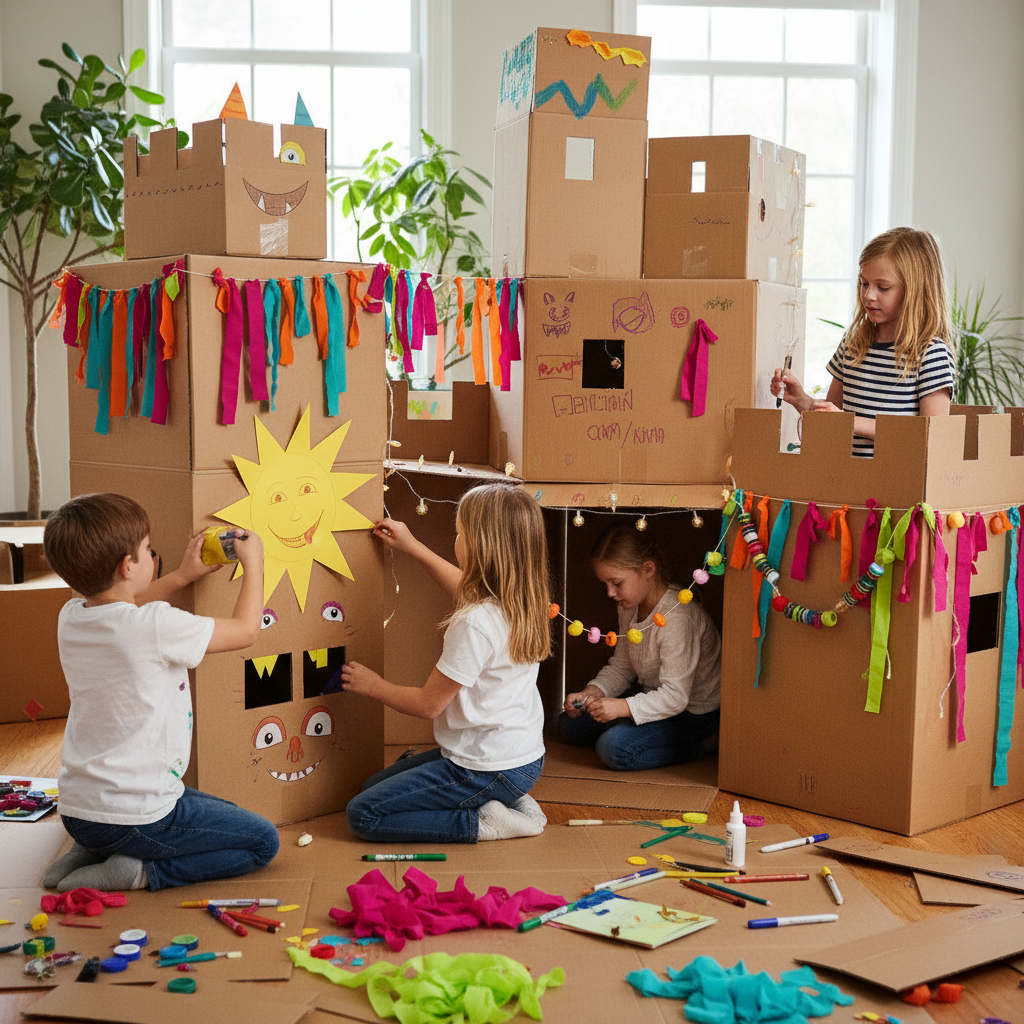
Larger cardboard boxes are an open invitation to imaginative play. Let your child’s imagination run wild! They can transform into a rocket ship, a car, a dollhouse, or a secret fort. Provide paints, markers, fabric scraps, and let them decorate. You might need to help with cutting windows or doors, but let them take the lead on the design.
Upcycled Fabric and Yarn Projects
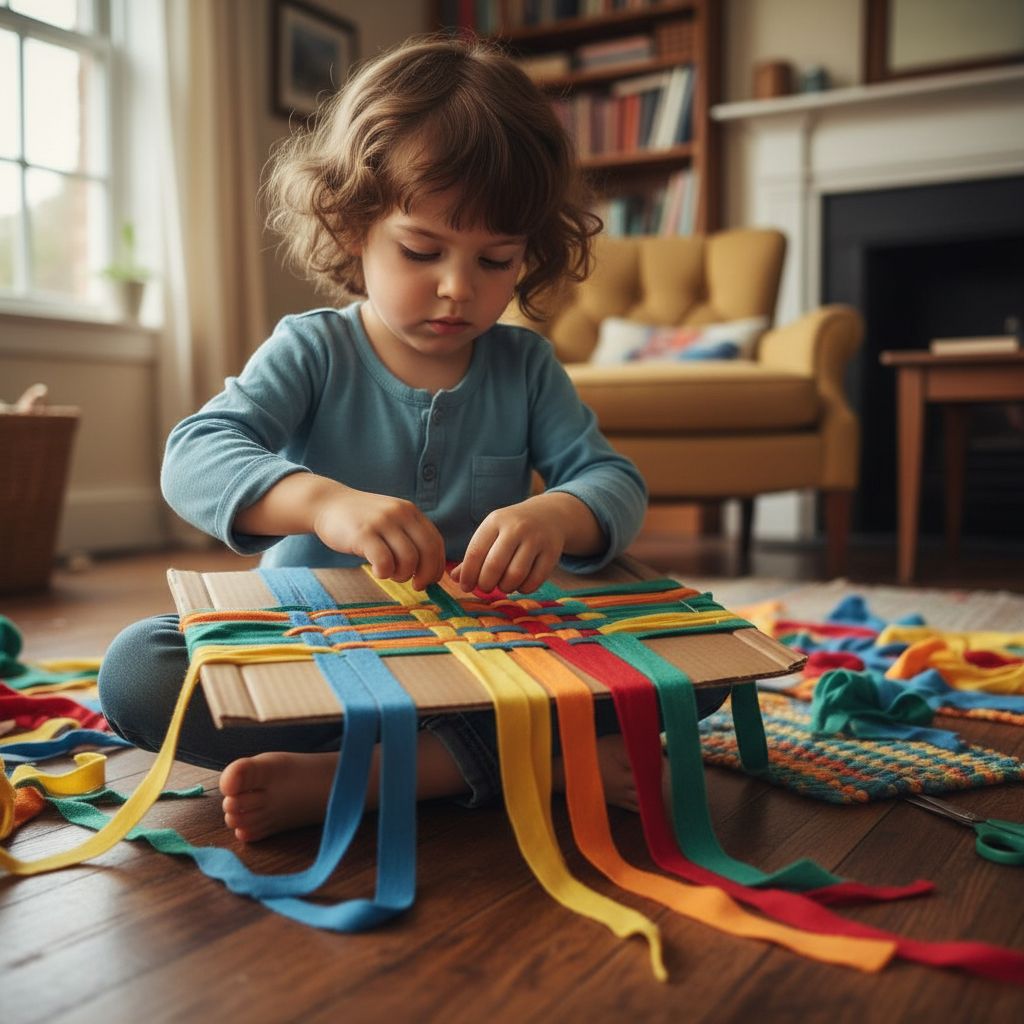
Old clothes, worn towels, and leftover yarn can find a new life in beautiful and tactile crafts. These projects are wonderful for developing fine motor skills and a sense of texture.
No-Sew Fabric Scraps Art
Gather an assortment of fabric scraps—different colors, patterns, and textures. Provide a piece of cardboard as a base and some white glue. Children can cut or tear the fabric into shapes and glue them down to create collages, abstract art, or even simple figures. This is a fantastic way to explore textures without needing a needle and thread.
Yarn Wrapped Sticks and Bottles
Head outside to find some interesting sticks, or collect empty plastic bottles. Using various colors of yarn, children can wrap the sticks or bottles, creating colorful, textured sculptures. Secure the ends with a dab of glue. These can become decorative pieces for their room or unique gifts.
Egg Carton Creations and Nature Art
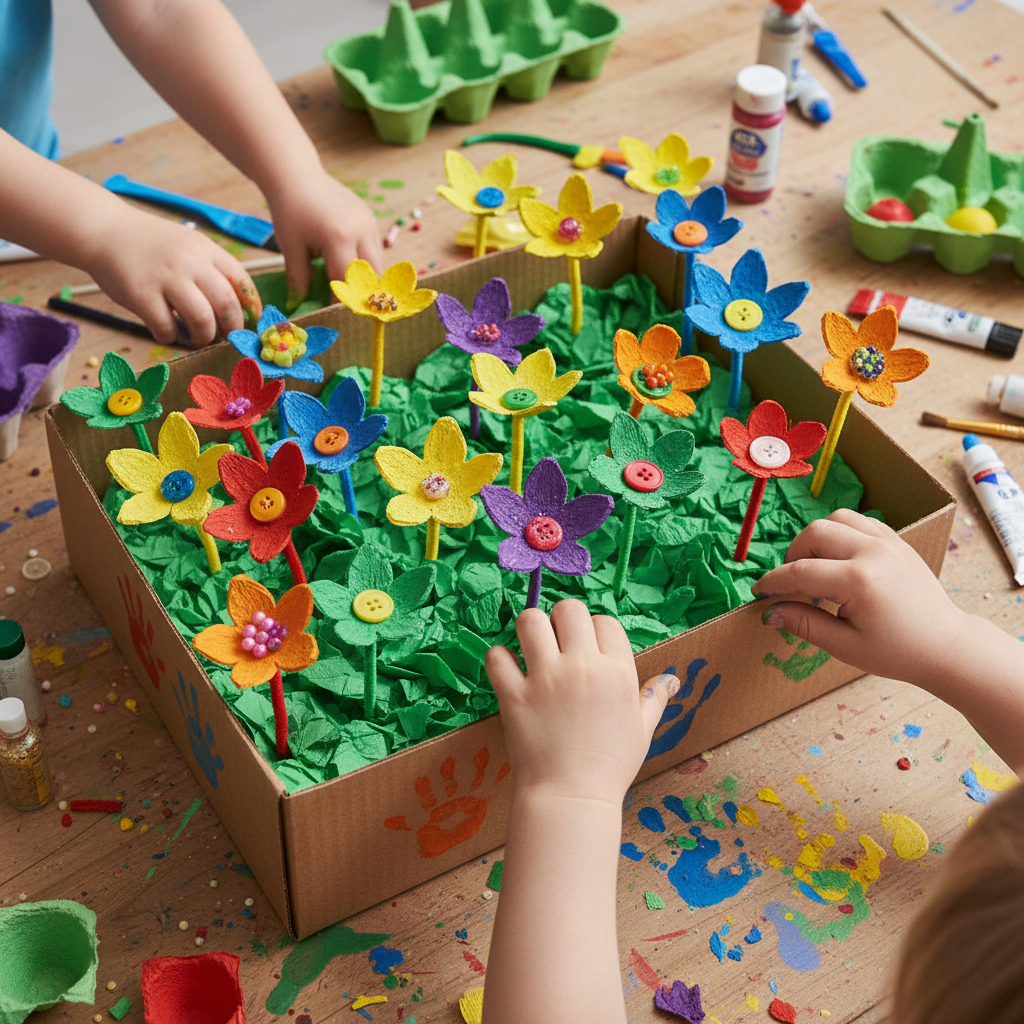
Egg cartons are surprisingly versatile, and combining them with natural elements brings an extra layer of discovery to crafting.
Egg Carton Critters and Flowers
Cut individual cups from an egg carton. These can be painted and decorated to become cute little bugs, spiders (add pipe cleaner legs!), or even tiny boats. To make flowers, cut the edges of the cups into petal shapes, paint them, and glue them onto a green pipe cleaner stem. Arrange them in a homemade vase for a cheerful display.
Nature Collages with Found Objects
Take a walk in your garden or a local park and collect leaves, small twigs, pebbles, and other natural treasures. Once back home, provide paper or cardboard and glue. Children can arrange their collected items into beautiful nature collages, creating landscapes, abstract patterns, or even fantastical creatures.
Bringing It All Together- Tips for a Smooth Crafting Session
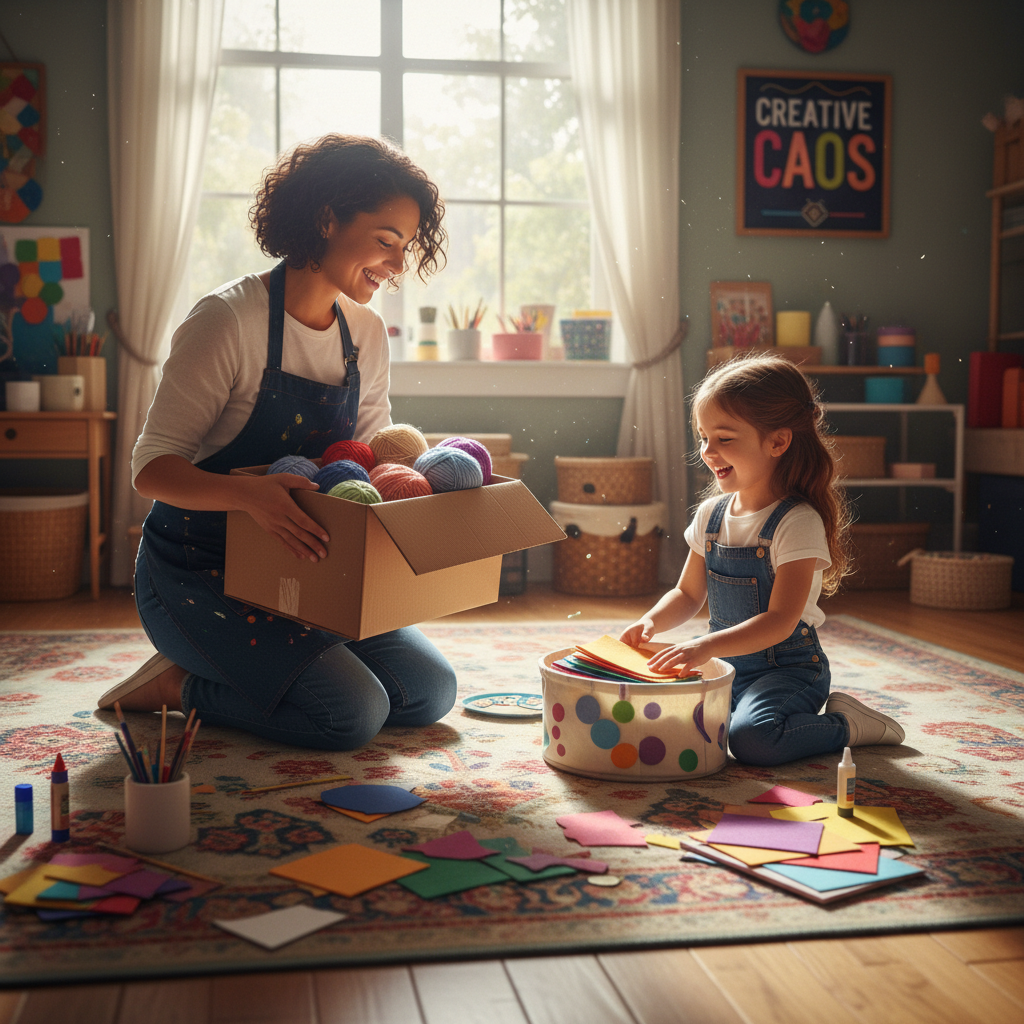
Crafting should be fun, not stressful! A little preparation and a relaxed mindset can make all the difference.
- Prepare Your Space Lay down newspaper or an old tablecloth to protect your surfaces. Have wet wipes or a damp cloth handy for quick cleanups.
- Gather Everything First Before you start, lay out all the materials you might need. This prevents interruptions and keeps the creative flow going.
- Focus on the Process, Not Perfection The goal is exploration and enjoyment, not a museum-worthy masterpiece. Encourage effort and creativity over flawless results.
- Let Them Lead Offer suggestions, but allow your child to make choices about colors, materials, and designs. Their unique vision is what makes their art special.
- Involve Them in Cleanup Teach responsibility by having them help put away supplies and wipe down surfaces. Make it part of the crafting routine.
- Celebrate Their Creations Display their art proudly, even if it’s just on the fridge. Your enthusiasm encourages their continued creativity.
Crafting with things you already have is a beautiful way to foster creativity, teach resourcefulness, and spend quality time with your children without breaking the bank. It’s about seeing potential where others might see trash, and transforming the ordinary into something extraordinary. So, open your recycling bin, look around your home, and let the crafting adventures begi