Screen-Free Toddler Activities Parents Are Choosing More Often
In a world increasingly dominated by screens, many parents are seeking ways to foster development and connection without digital distractions. Toddlers, with their boundless energy and curiosity, thrive on hands-on experiences that engage their senses and spark their imagination. Choosing screen-free activities isn’t about deprivation; it’s about enriching their world with real-life adventures, fostering creativity, and building stronger family bonds.
This guide offers a treasure trove of simple, engaging, and enriching activities that will keep your little one entertained, learning, and growing. From sensory play to outdoor exploration and practical life skills, we’ll explore why parents are embracing these choices more often and how you can easily incorporate them into your daily routine.
Why Embrace Screen-Free Play for Toddlers

The benefits of limiting screen time for toddlers are widely recognized. Focusing on screen-free play supports crucial developmental milestones, including cognitive growth, language acquisition, and fine and gross motor skills. It also encourages social-emotional development, allowing children to learn about sharing, cooperation, and empathy through direct interaction. Beyond the developmental advantages, screen-free moments create invaluable opportunities for meaningful connection between parents and children, building a foundation of shared experiences and memories.
- Boosts Creativity and Imagination Without pre-programmed entertainment, children create their own worlds.
- Enhances Problem-Solving Skills Navigating real-world objects and scenarios builds critical thinking.
- Improves Focus and Attention Span Sustained engagement with physical activities helps concentration.
- Fosters Physical Development Running, jumping, building, and crafting strengthen muscles and coordination.
- Strengthens Family Bonds Shared activities create lasting memories and deeper connections.
Engaging Indoor Screen-Free Activities
Rainy days or quiet afternoons are perfect opportunities for indoor fun that doesn’t involve a screen. These activities are often simple to set up and use everyday household items.
Sensory Play Exploration

Sensory play is fantastic for stimulating a toddler’s senses and encouraging exploration. It can be a little messy, but the developmental benefits are immense.
- Sensory Bins Fill a large container with rice, pasta, water beads, sand, or dry beans. Add scoops, small toys, measuring cups, and spoons. Supervise closely to ensure safety.
- Playdough Fun Homemade or store-bought playdough offers endless possibilities for squeezing, rolling, cutting, and shaping. Add cookie cutters, plastic knives, and small toys for extra engagement.
- Water Play A shallow tub of water with bath toys, sponges, and cups can provide significant entertainment. Do this in the kitchen or bathroom for easier cleanup.
Creative Corner Adventures
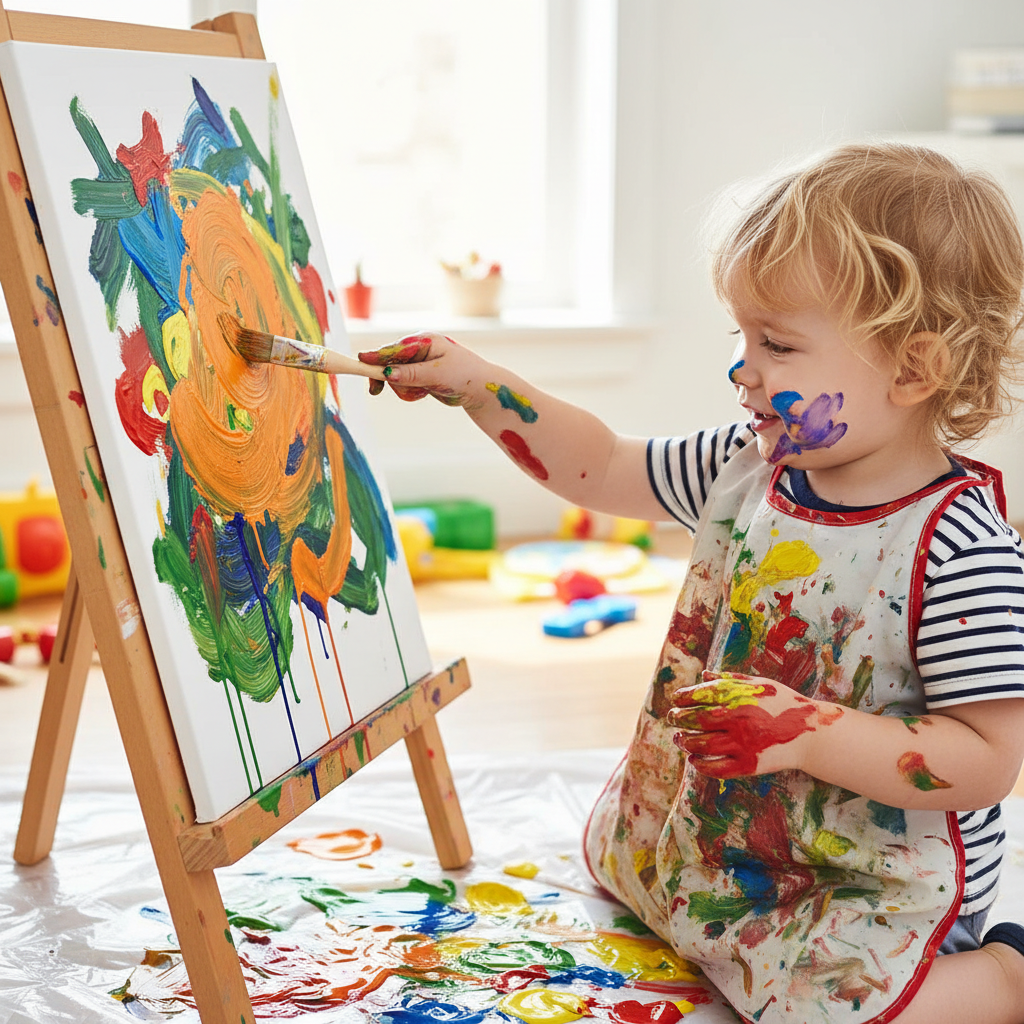
Unleash your toddler’s inner artist with materials that allow for free expression.
- Finger Painting Spread washable paint on paper or a designated surface. Let them explore textures and colors with their hands.
- Crayon and Paper Art Simple crayons and a stack of paper are classics for a reason. Encourage scribbling, drawing, and color recognition.
- Building Blocks and Forts Wooden blocks, LEGO DUPLOs, or even cardboard boxes can transform into towers, houses, or cozy forts. This promotes spatial reasoning and imaginative play.
- Music and Movement Put on some music and have a dance party! Use simple instruments like shakers or pots and pans for a DIY band session.
Outdoor Screen-Free Adventures
The great outdoors offers unparalleled opportunities for toddlers to explore, learn, and burn off energy. Fresh air and natural environments are crucial for their physical and mental well-being.
Backyard Discoveries
Even a small backyard can become a huge playground.
- Nature Scavenger Hunt Look for specific items like a smooth stone, a green leaf, a feather, or a dandelion.
- Bubble Blowing Always a hit! Chasing and popping bubbles improves hand-eye coordination and gross motor skills.
- Gardening Together Give your toddler a small trowel and let them help dig in the dirt, plant seeds, or water plants. It teaches them about nature and responsibility.
- Outdoor Art Use chalk to draw on pavement, or try painting with water on a fence or wall.
Park and Trail Explorations

Venturing out to a local park or nature trail opens up new worlds.
- Playground Fun Swings, slides, and climbing structures are excellent for developing gross motor skills and social interaction.
- Nature Walks Point out birds, squirrels, trees, and flowers. Talk about the sounds you hear and the things you see.
- Puddle Jumping On a rainy day, put on rain boots and let them splash in puddles. Pure joy!
Everyday Learning and Connection Activities
Learning doesn’t just happen during dedicated playtime; it’s woven into the fabric of daily life. Involving toddlers in everyday tasks can be incredibly enriching.
Kitchen Helpers

Toddlers love to imitate and feel helpful. The kitchen is a fantastic place for supervised learning.
- Simple Baking or Cooking Let them stir ingredients, wash fruits and vegetables, or help set the table.
- Washing Dishes Provide a basin of soapy water and unbreakable dishes for them to ‘wash’ (supervise closely).
- Sorting and Stacking Empty food containers or plastic cups can be sorted by size or stacked into towers.
Story Time and Rhymes
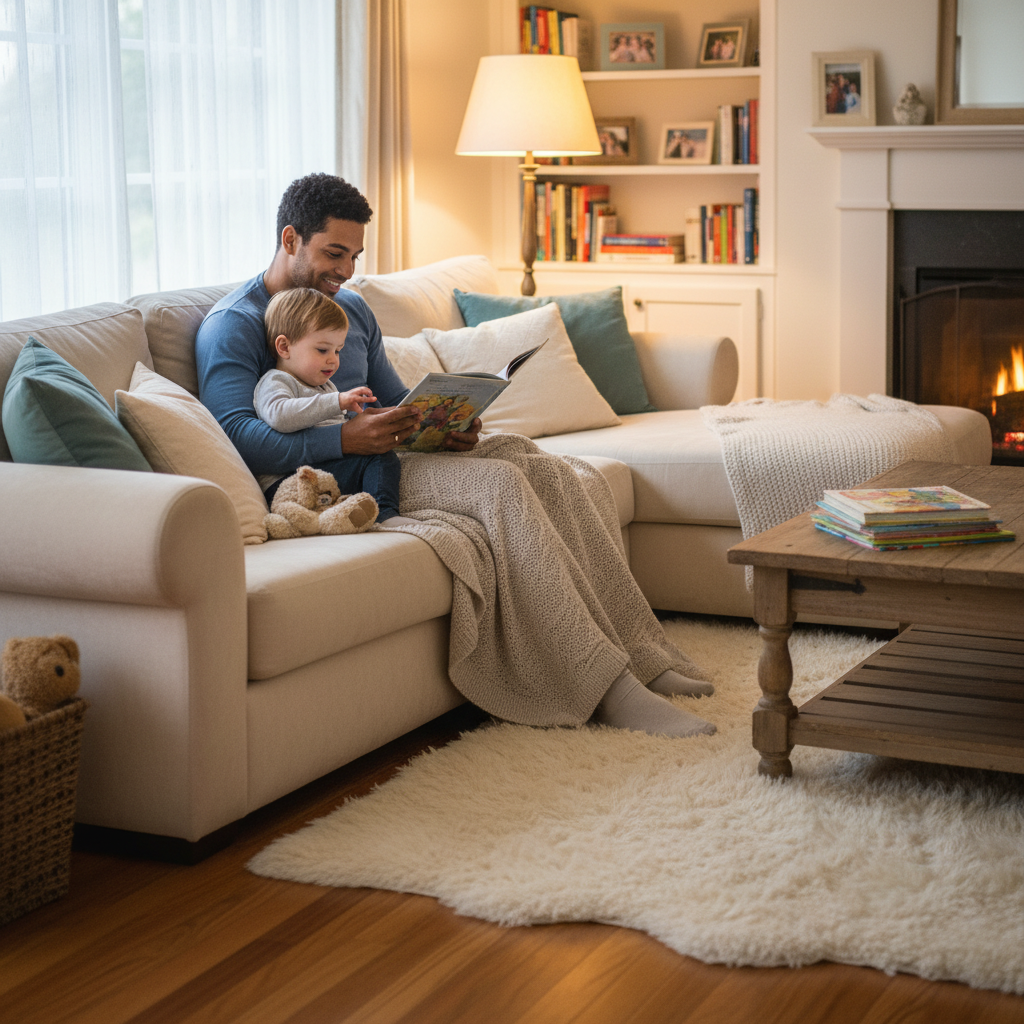
Reading aloud is one of the most powerful ways to foster language development and a love for books.
- Reading Books Make reading a daily ritual. Let them choose the books and turn the pages.
- Nursery Rhymes and Songs Sing songs, recite rhymes, and do fingerplays. This helps with language, memory, and rhythm.
- Puppet Show Use simple hand puppets or even socks to put on a mini show, encouraging imaginative storytelling.
Simple Household Chores
Toddlers are eager to participate. Giving them small, age-appropriate chores builds independence and a sense of contribution.
- Wiping Surfaces Give them a damp cloth and let them ‘help’ clean tables or low shelves.
- Putting Toys Away Make cleanup a game.
- Helping with Laundry They can sort socks or put clothes into a laundry basket.
Creating a Screen-Free Environment and Mindset
Shifting to a screen-free approach for toddlers involves more than just finding activities; it’s about creating a supportive environment and managing expectations.
Setting Up Engaging Spaces
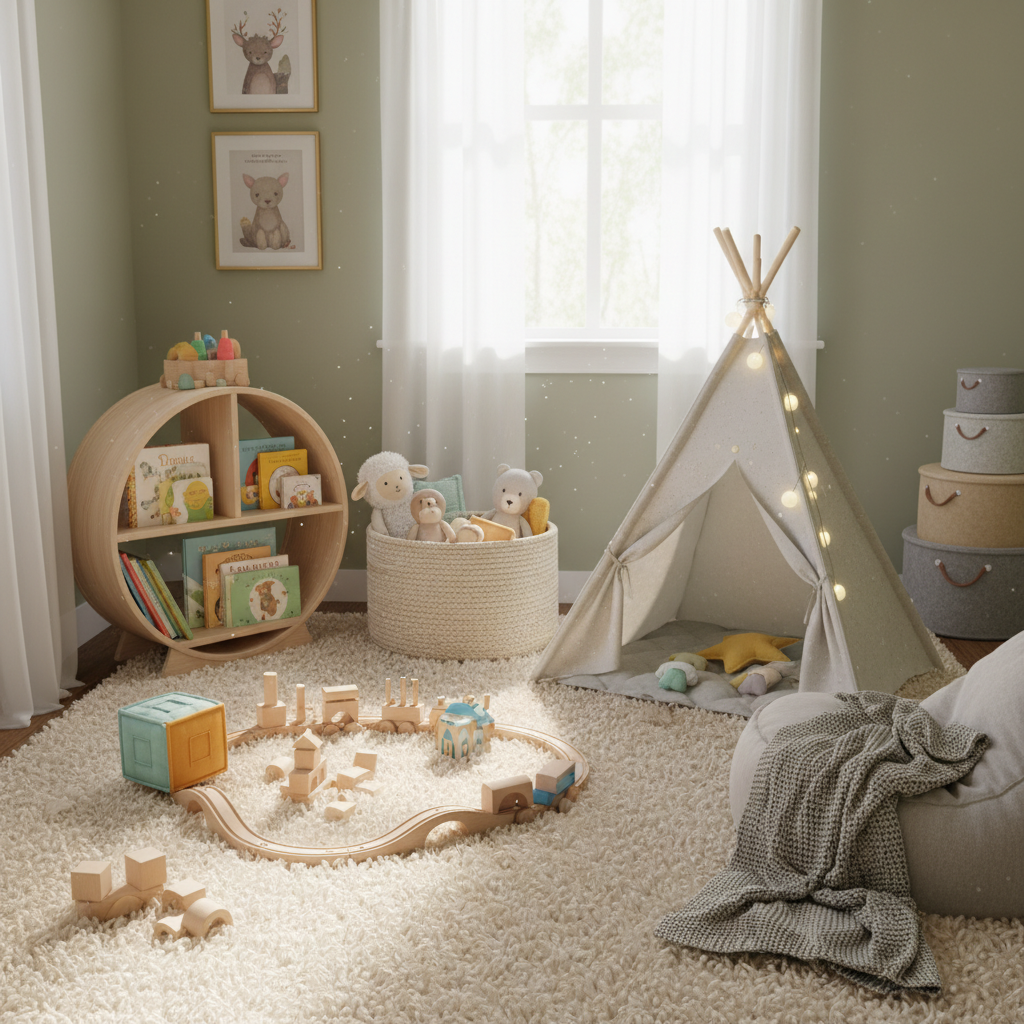
Designate specific areas for different types of play. A cozy reading nook, an art station, or a block-building zone can signal different activities and encourage focused engagement. Rotate toys regularly to keep things fresh and interesting.
Managing Expectations and Tantrums
Transitioning away from screens might come with some resistance initially. Be patient and consistent. Offer choices of activities rather than asking if they want to play. Frame screen-free time positively, emphasizing the fun and discovery. Remember that boredom can be a powerful catalyst for creativity, so don’t feel the need to fill every single moment.
Conclusion
Choosing screen-free activities for your toddler is a powerful way to support their development, nurture their imagination, and deepen your family bond. It’s about intentional parenting – creating a childhood rich in real-world experiences, laughter, and discovery. While the digital world offers convenience, the magic of simple, hands-on play is truly irreplaceable. Embrace these moments, knowing that every block built, every leaf collected, and every story read is shaping a curious, resilient, and connected little human.