Fun Indoor Activities for 10–12 Month Old Babies at Home
As your little one approaches their first birthday, they’re bursting with curiosity and energy! The 10–12 month stage is a whirlwind of new discoveries—from cruising furniture to babbling excitedly. Keeping them engaged and stimulated indoors can sometimes feel like a challenge, especially when the weather isn’t cooperating or you simply need some quality time at home. But don’t worry, you’re not alone in seeking fresh ideas! This guide is packed with simple, safe, and enriching activities that will delight your baby and support their amazing development.
We understand that as parents, you’re often juggling a million things. That’s why we’ve focused on activities that are easy to set up, use everyday household items, and don’t require expensive gadgets. Get ready to transform your home into a playground of learning and laughter!
Sensory Exploration- Discovering the World Through Touch and Sight
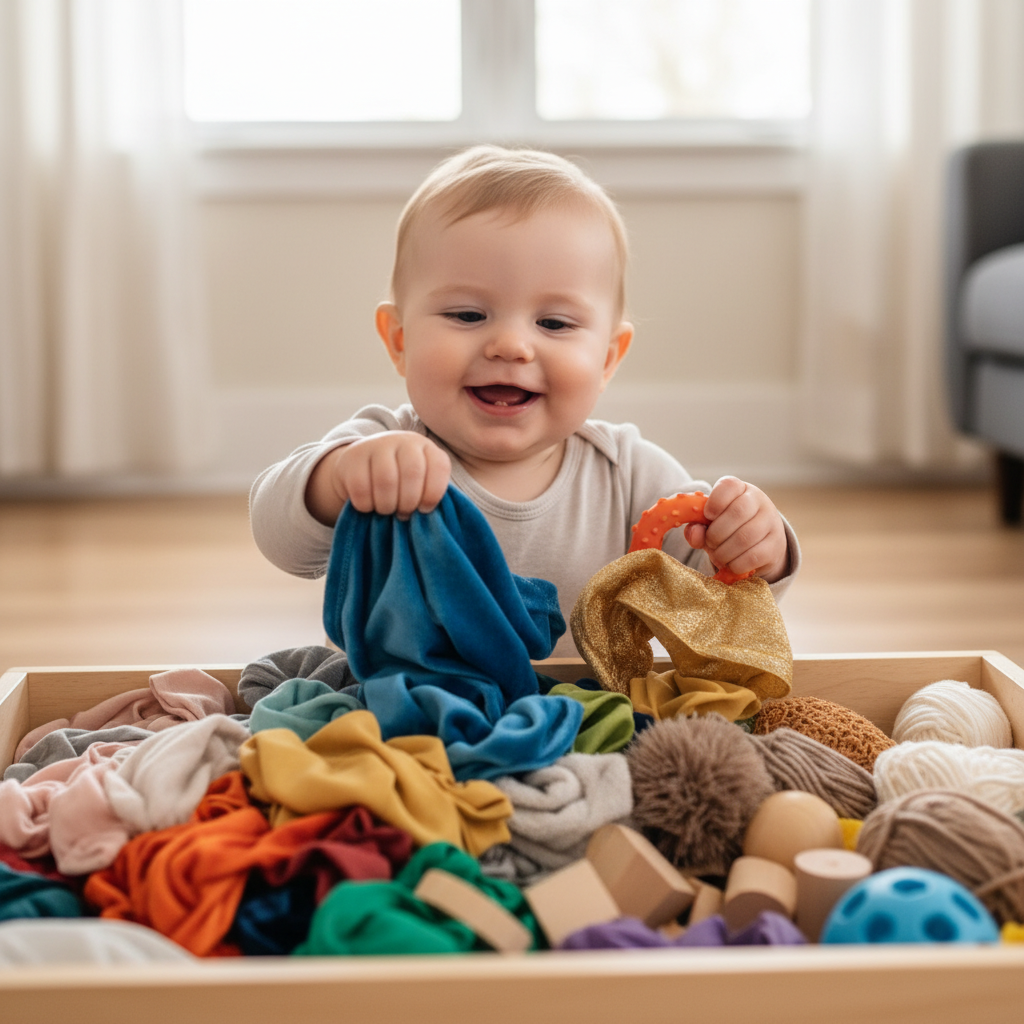
At this age, babies are little scientists, eager to touch, taste, and examine everything around them. Sensory play is crucial for developing their cognitive skills, fine motor control, and understanding of the world.
Discovery Baskets- Everyday Treasures
Create a simple discovery basket using a shallow basket or bin filled with safe, everyday items that offer different textures and shapes. Think about things like a large wooden spoon, a soft fabric swatch, a clean, empty plastic bottle, a crinkly scarf, or a smooth stone (large enough not to be a choking hazard). Supervise closely as your baby explores these new objects, feeling their weight, texture, and how they interact.
Water Play Wonders- Simple Splashing Fun
On a warm day, or even indoors with a towel underneath, a shallow basin of water can provide endless entertainment. Add a few floating bath toys, plastic cups, or a sponge. Babies love to splash, pour, and feel the water. It’s a fantastic way to develop hand-eye coordination and introduce basic concepts like empty and full. Always supervise water play closely, even with very little water.
Fine Motor Fun- Building Dexterity
As babies refine their pincer grasp (using thumb and forefinger), they’re ready for activities that challenge their small hand muscles. These skills are vital for future self-feeding, drawing, and writing.
Stacking and Nesting- Towers of Learning
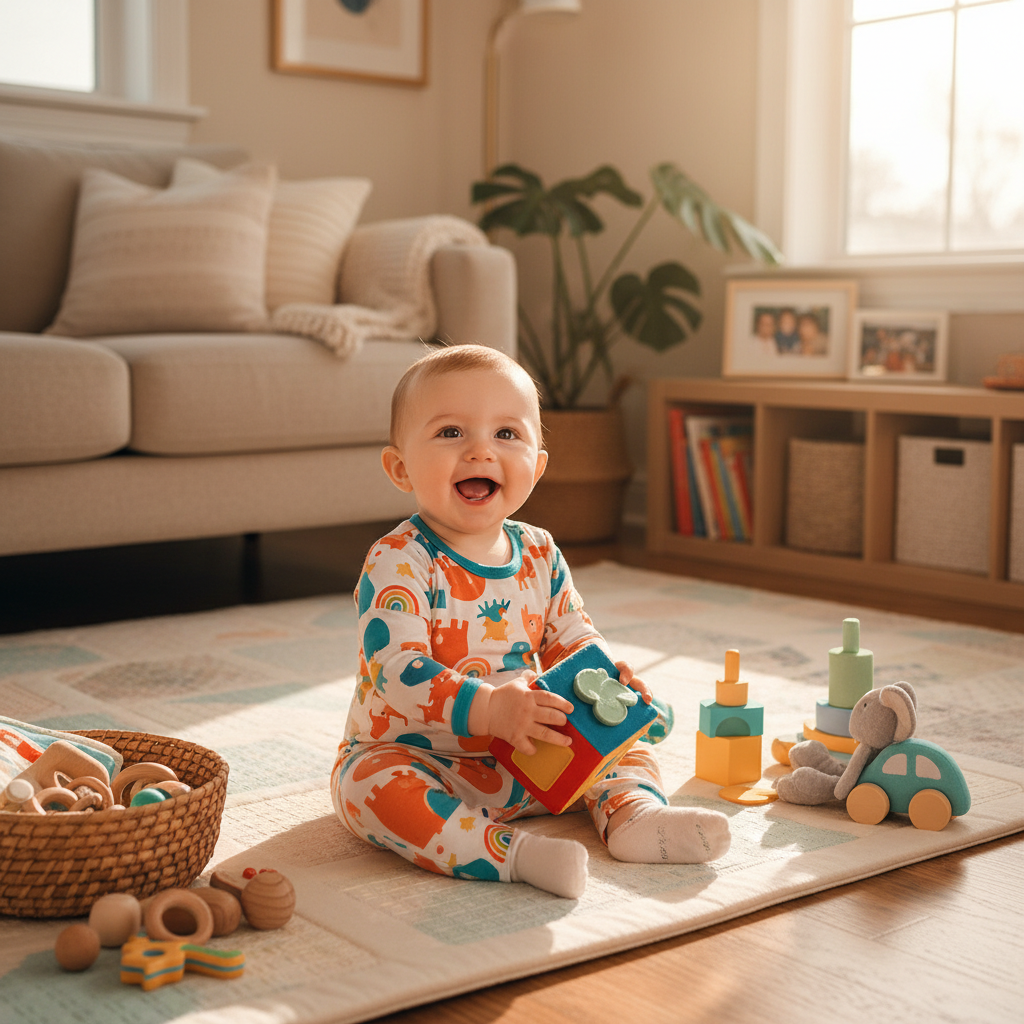
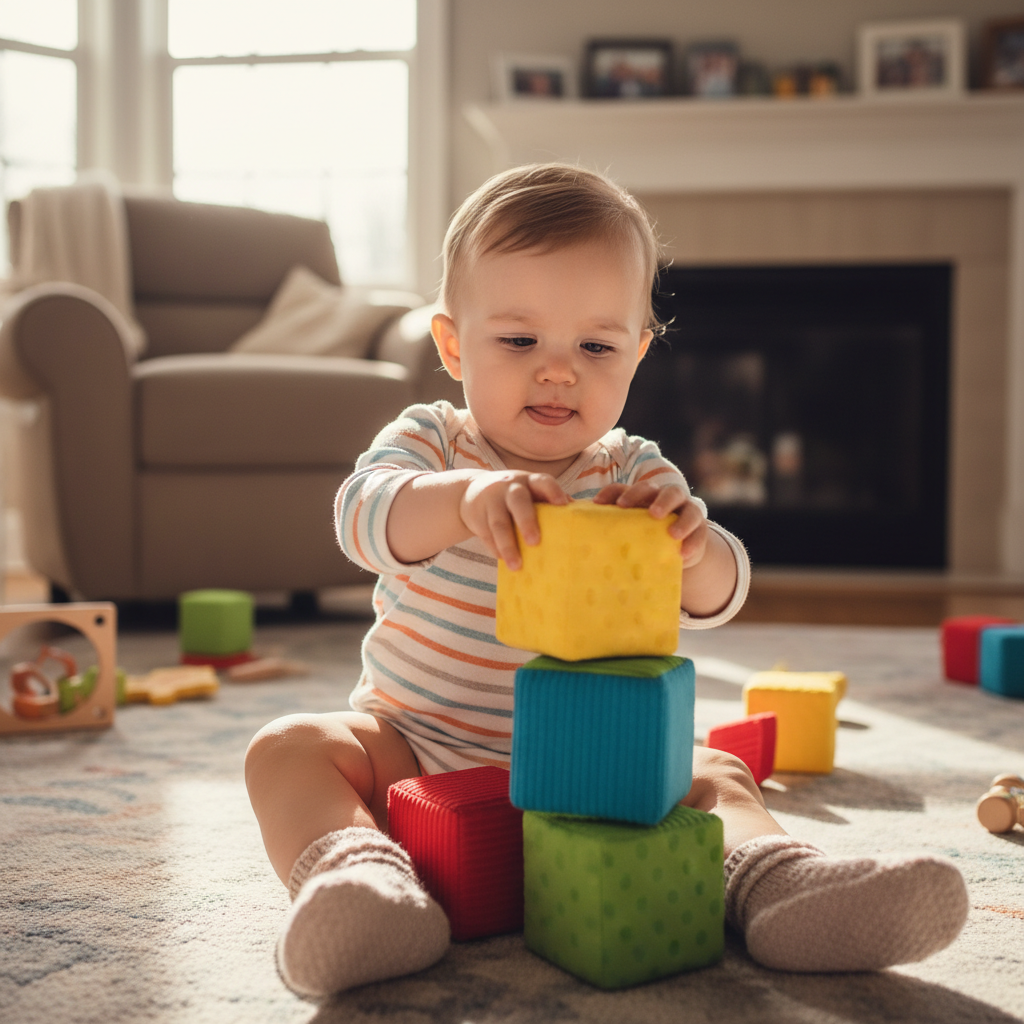
Provide soft blocks, stacking cups, or nesting bowls. Show your baby how to stack them up and knock them down. This not only hones their fine motor skills but also introduces early concepts of cause and effect, size, and spatial relationships. The joy of knocking down a tower is universal!
Pincer Grasp Practice- Tiny Treats
Offer small, safe, and easily digestible foods like O-shaped cereal, tiny pieces of cooked pasta, or small cubes of soft fruit (like banana or avocado) on their high chair tray. This encourages them to practice their pincer grasp, a key developmental milestone. It also makes for a delicious and productive snack time!
Gross Motor Adventures- Moving and Grooving
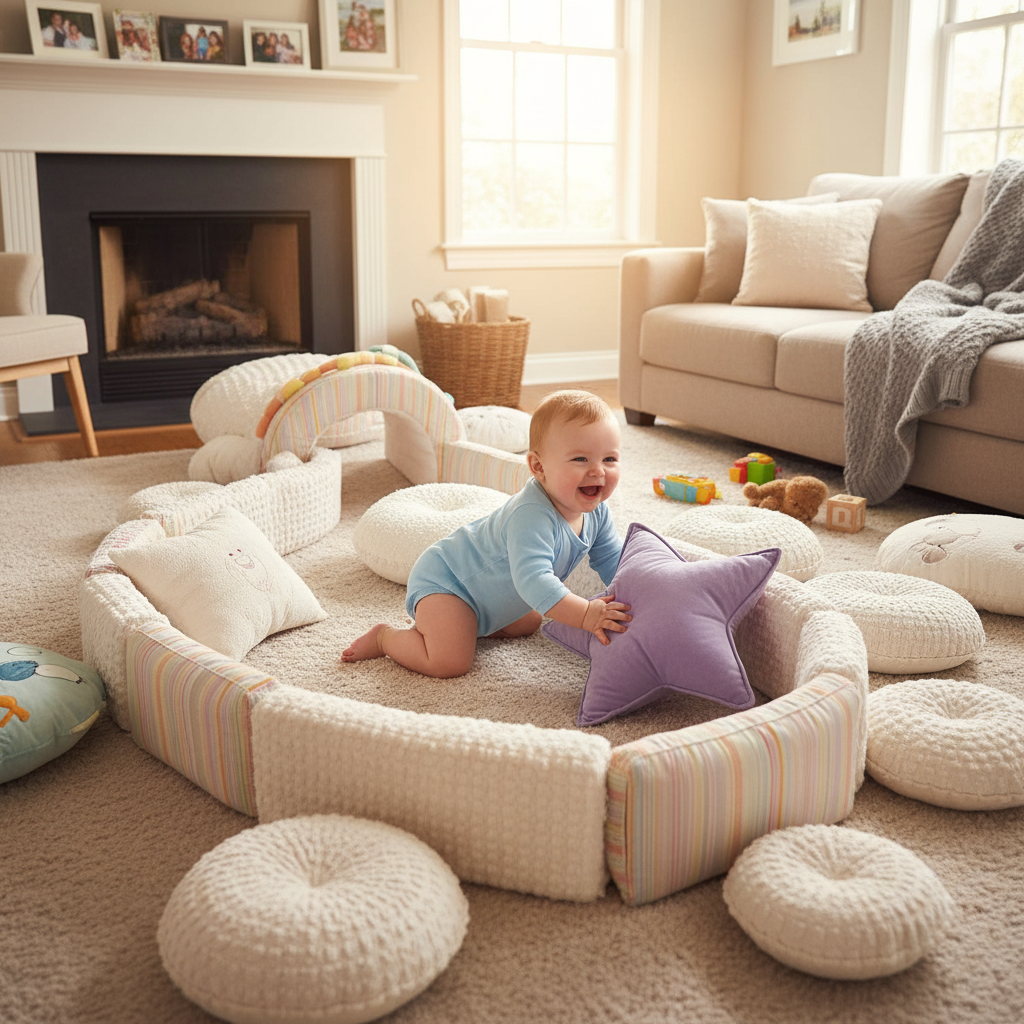
At 10-12 months, babies are often on the move—crawling, cruising, and maybe even taking their first wobbly steps. Gross motor activities help strengthen their muscles, improve balance, and build confidence in their mobility.
Obstacle Course Crawl- Pillow Power
Create a simple, safe obstacle course using pillows, cushions, and blankets. Arrange them in a low, gentle path for your baby to crawl over, under, and around. This encourages problem-solving, spatial awareness, and strengthens those crawling muscles. Always ensure the path is safe and free from hazards.
Cruising and Walking Practice- Furniture Fun
If your baby is cruising, arrange safe, sturdy furniture (like a low couch or a heavy coffee table) in a way that encourages them to move from one piece to another. Place a favorite toy just out of reach to motivate them. Always ensure furniture is stable and secured to the wall if necessary. Celebrate every wobbly step!
Language and Cognitive Boosters- Growing Minds
This period is a boom for language development and cognitive growth. Babies are absorbing words, sounds, and actions like sponges. Engaging them in interactive play helps build these foundational skills.
Reading Aloud- Worlds of Words
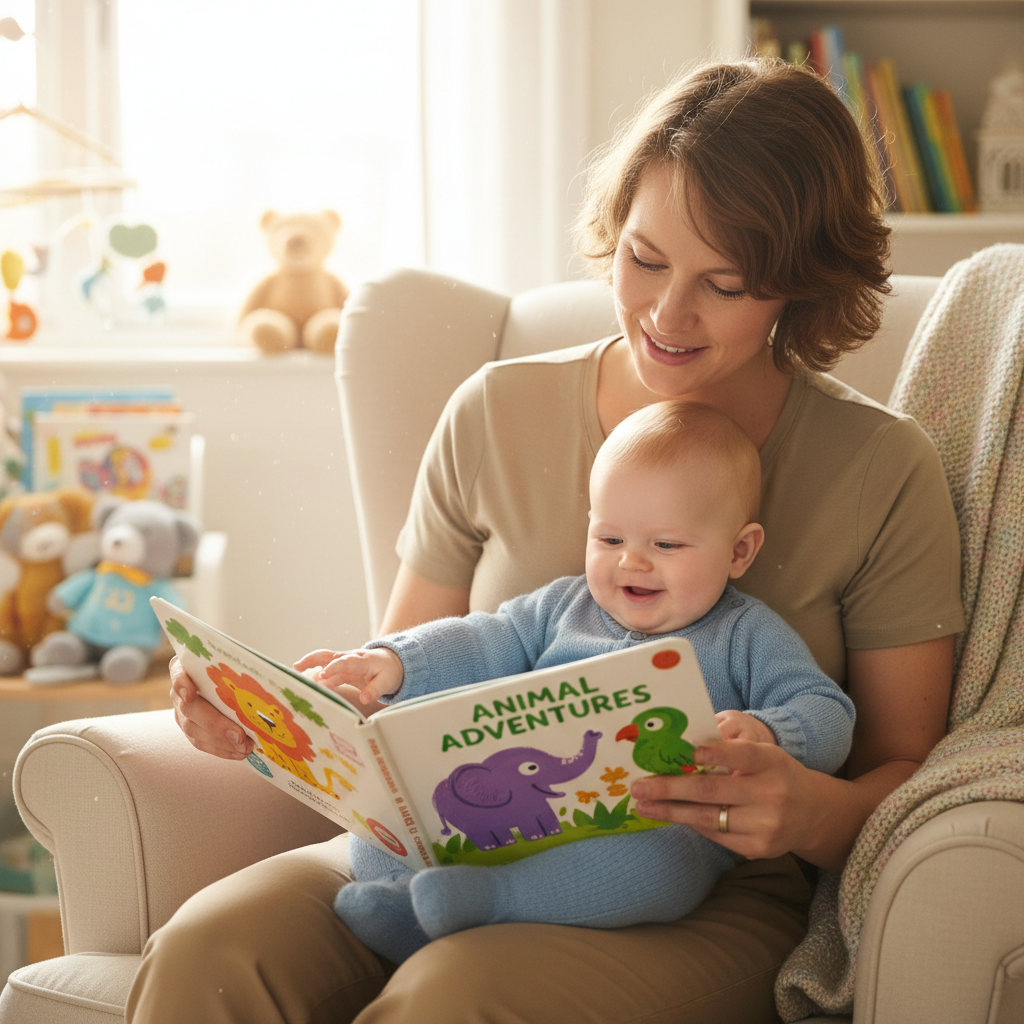
Make reading a daily ritual. Even if your baby isn’t speaking yet, they are absorbing every word, intonation, and image. Choose colorful board books with simple stories or lift-the-flap features. Point to pictures and name objects. This builds vocabulary, fosters a love for books, and provides precious bonding time.
Singing and Dancing- Musical Moments
Put on some music and have a dance party! Sing nursery rhymes, make silly sounds, and clap hands. Music stimulates different parts of the brain, helps with rhythm and coordination, and is a wonderful way to express joy together. Your baby will love watching your expressions and trying to mimic sounds.
Mirror Play- Self-Discovery
Place your baby in front of a child-safe mirror. Point to their reflection and say their name, then point to your reflection and say your name. Make funny faces. This simple activity helps with self-recognition, understanding facial expressions, and encourages interaction.
Creative and Imaginative Play- Sparking Curiosity
Even at this young age, babies are starting to engage in early forms of imaginative play. Providing opportunities for creativity helps them explore cause and effect and express themselves.
Safe Art Exploration- Edible Painting
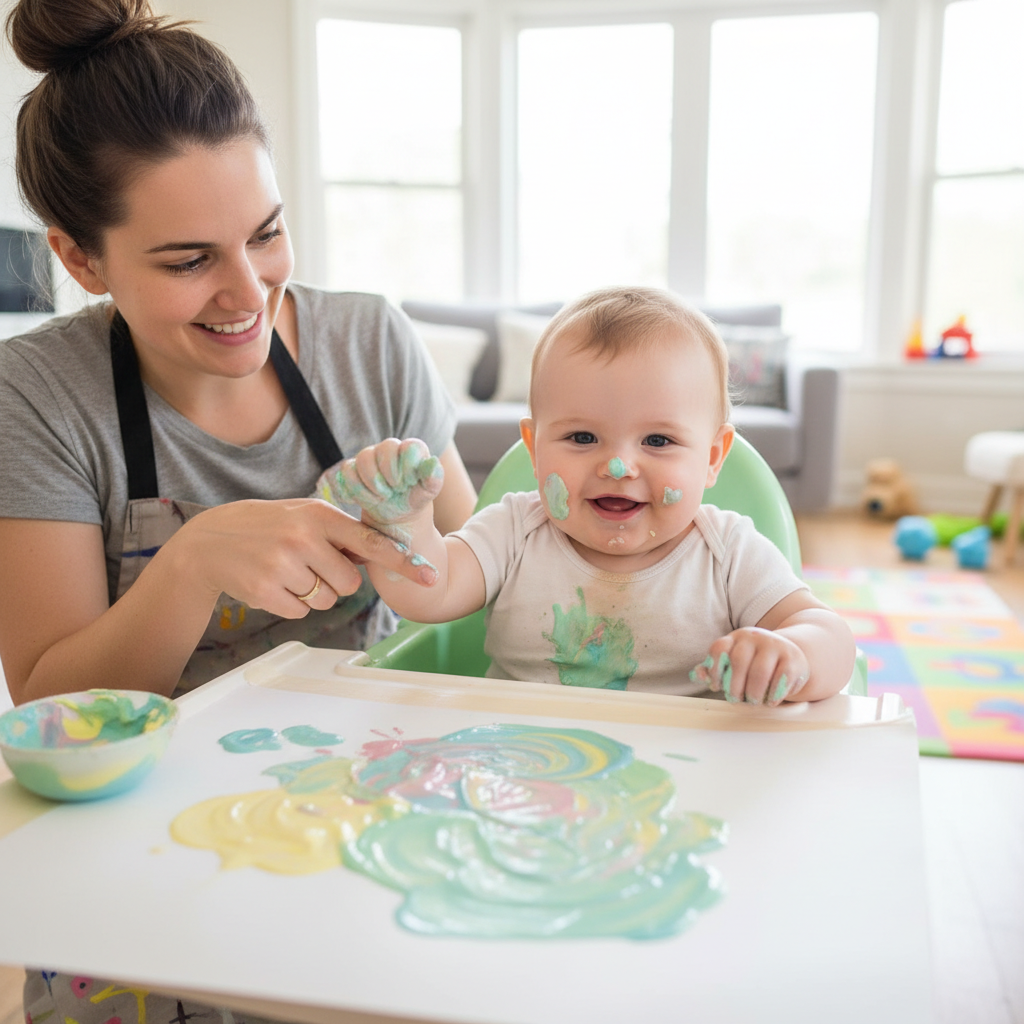
Lay down a large sheet of paper or a high chair tray. Offer a small amount of edible paint (made from yogurt mixed with food coloring or pureed fruit/vegetables) and let your baby explore with their hands. This is a wonderfully messy, sensory, and creative activity. Supervise closely to ensure they don’t eat too much paint!
Object Permanence Games- Peek-a-Boo and More
Games like peek-a-boo are not just fun; they teach object permanence—the understanding that objects still exist even when they can’t be seen. Hide a toy under a blanket and ask, “Where did it go?” then reveal it. This builds cognitive skills and creates lots of giggles.
Quiet Time and Connection- Bonding Moments

Amidst all the active play, remember the importance of quiet, connected moments. These times are vital for emotional regulation, bonding, and simply recharging.
Cuddle and Read- Calm Togetherness
Sometimes the best activity is simply holding your baby close, rocking gently, and reading a quiet story or singing a soft lullaby. These moments of close physical contact and calm interaction are powerful for emotional development and strengthening your bond.
Gentle Massage- Soothing Touch
After a bath or before naptime, a gentle baby massage can be incredibly soothing. Use a baby-safe lotion or oil and gently rub their arms, legs, back, and tummy. This helps them relax, improves body awareness, and is a wonderful way to connect through touch.
Safety First- Always a Priority
No matter which activity you choose, remember that safety is paramount. Always supervise your baby closely during playtime. Ensure all toys and objects are age-appropriate, clean, and free from choking hazards or sharp edges. Create a baby-proofed play area where your little one can explore safely.
Wrapping Up the Fun
Watching your 10–12 month old baby explore and learn is one of the greatest joys of parenting. These indoor activities are designed to be simple, engaging, and supportive of their rapid development. Remember, the most important ingredient in any activity is your presence, your love, and your interaction. Don’t feel pressured to do every activity every day. Follow your baby’s cues, keep it fun, and cherish these precious moments of discovery together. You’re doing a wonderful job, and your baby is thriving because of you!