25 Indoor Activities That Make Life Easier With a 10–12 Month Old
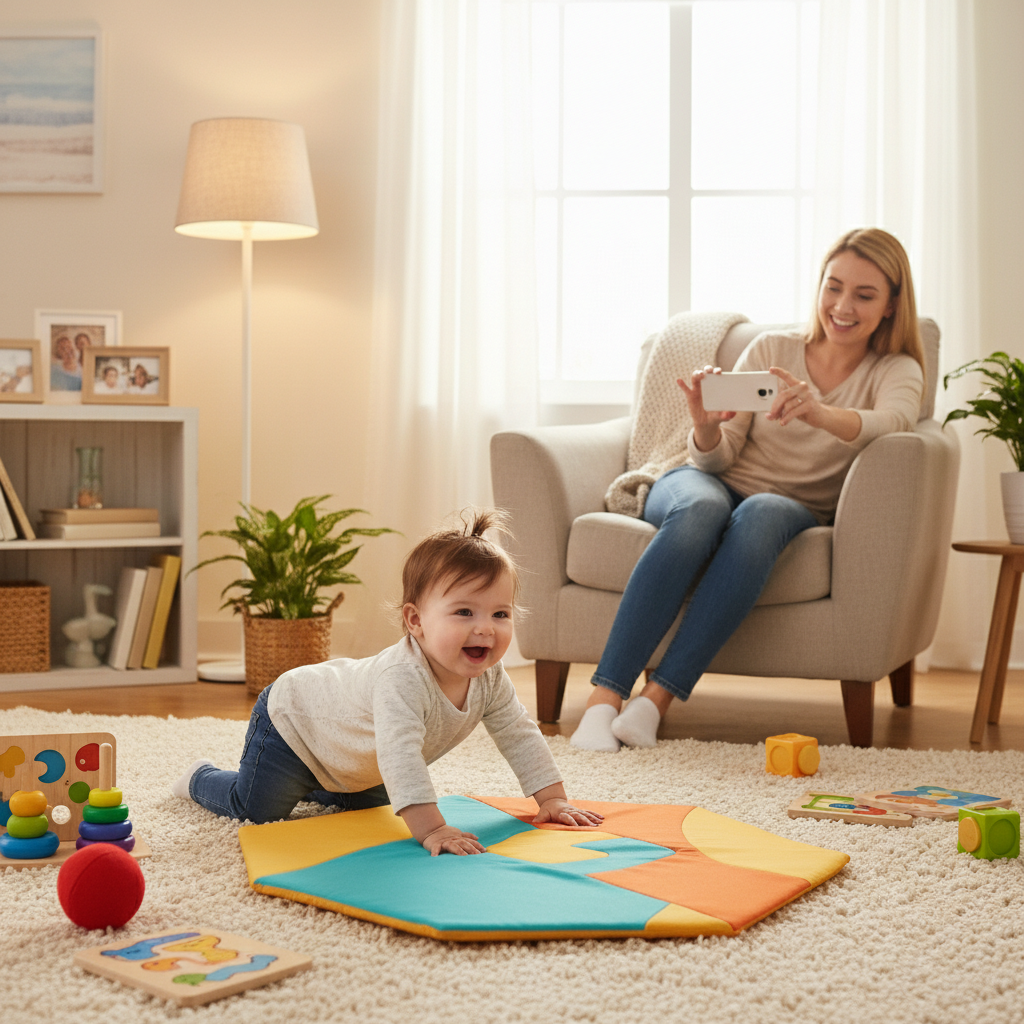
Navigating the transition from infancy to toddlerhood presents a unique set of challenges and joys for parents. At 10 to 12 months, infants are increasingly mobile, curious, and eager to interact with their environment. Keeping them engaged indoors requires activities that stimulate their developing motor skills and cognitive abilities while providing parents with a manageable routine. This guide outlines 25 curated indoor activities designed to foster growth and simplify daily life during this energetic stage.
1. The Sticky Note Wall
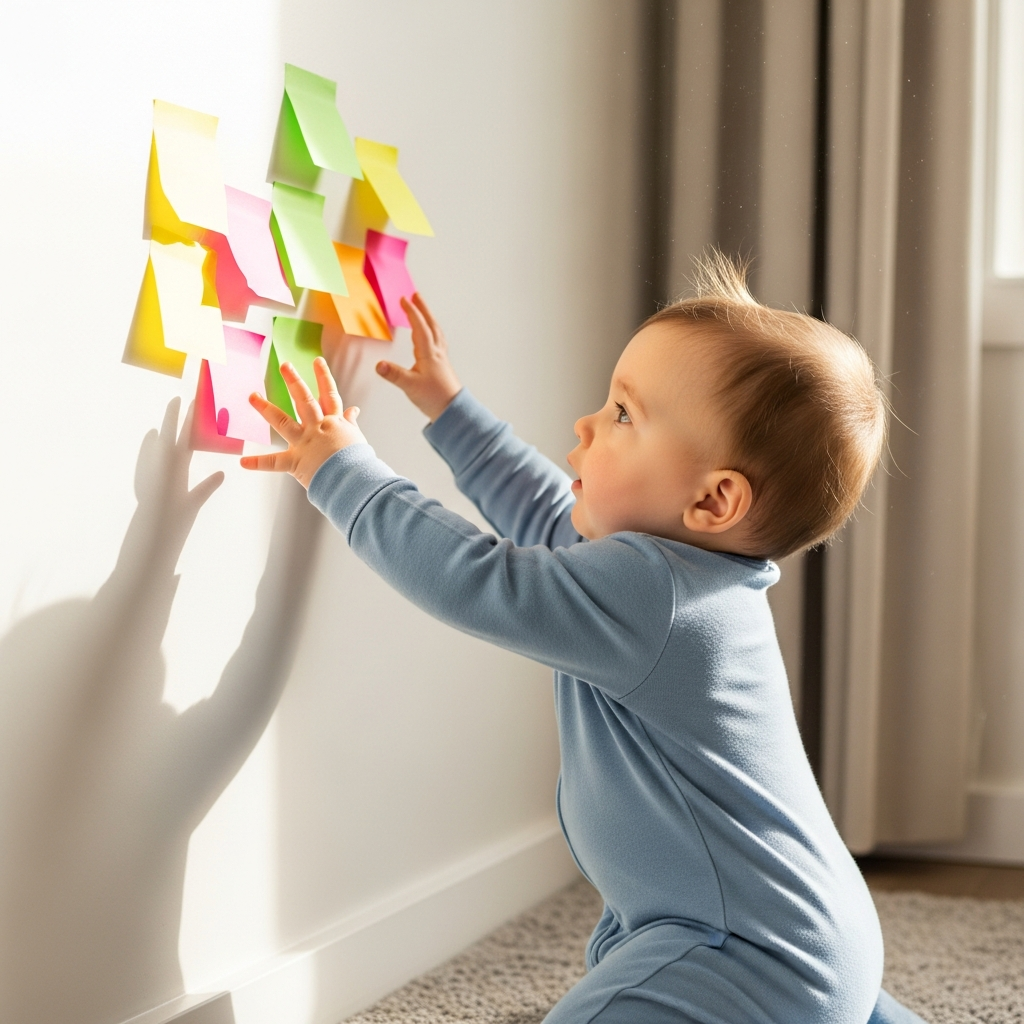
Placing colorful sticky notes on a wall or a low-lying window provides a fantastic opportunity for your child to practice their pincer grasp. As they reach up and peel the notes off, they are developing hand-eye coordination and strengthening their finger muscles. This activity is low-prep and keeps them occupied while you manage nearby tasks.
2. Muffin Tin Sorting
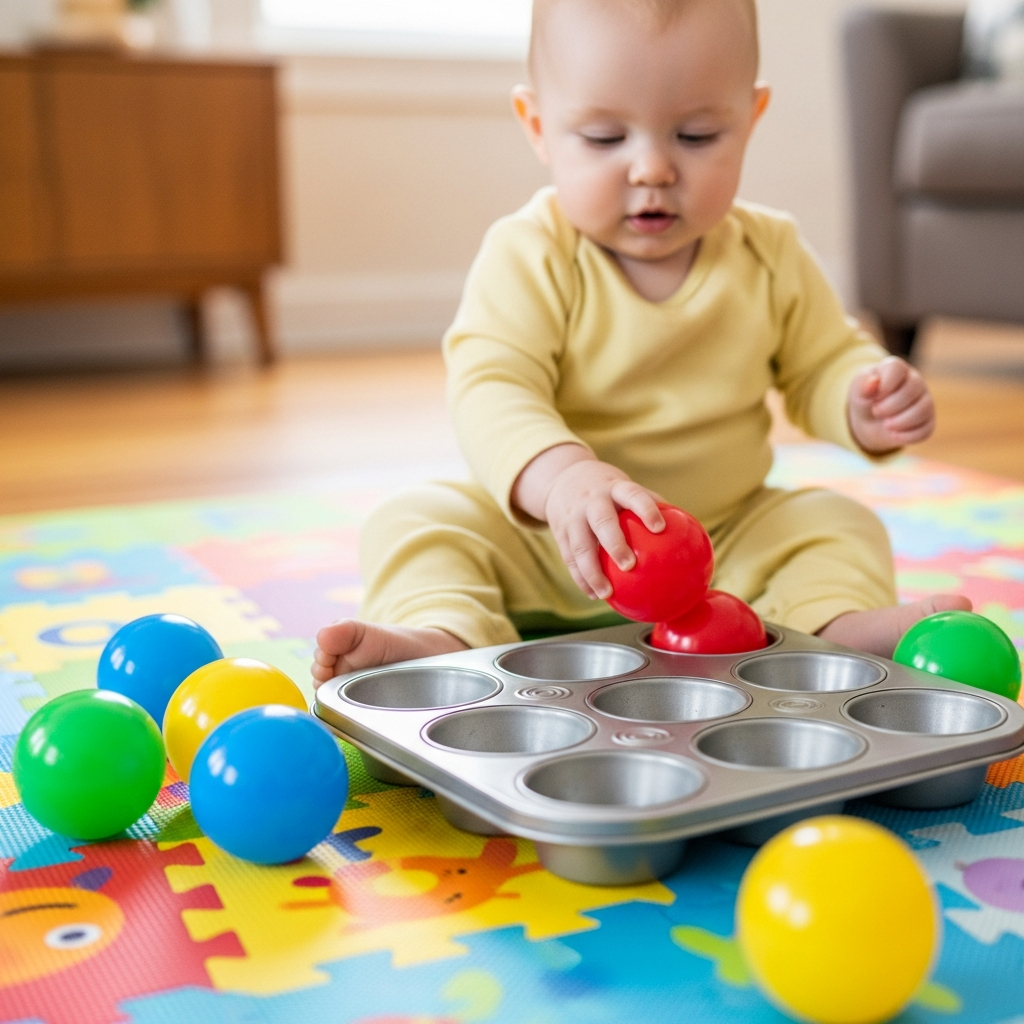
A standard muffin tin serves as an excellent sorting tray for large, safe objects like colorful balls or oversized blocks. Placing one item in each hole helps the infant understand spatial relationships and the concept of containment. This repetitive motion is soothing for the child and encourages independent play.
3. Edible Sand Experience
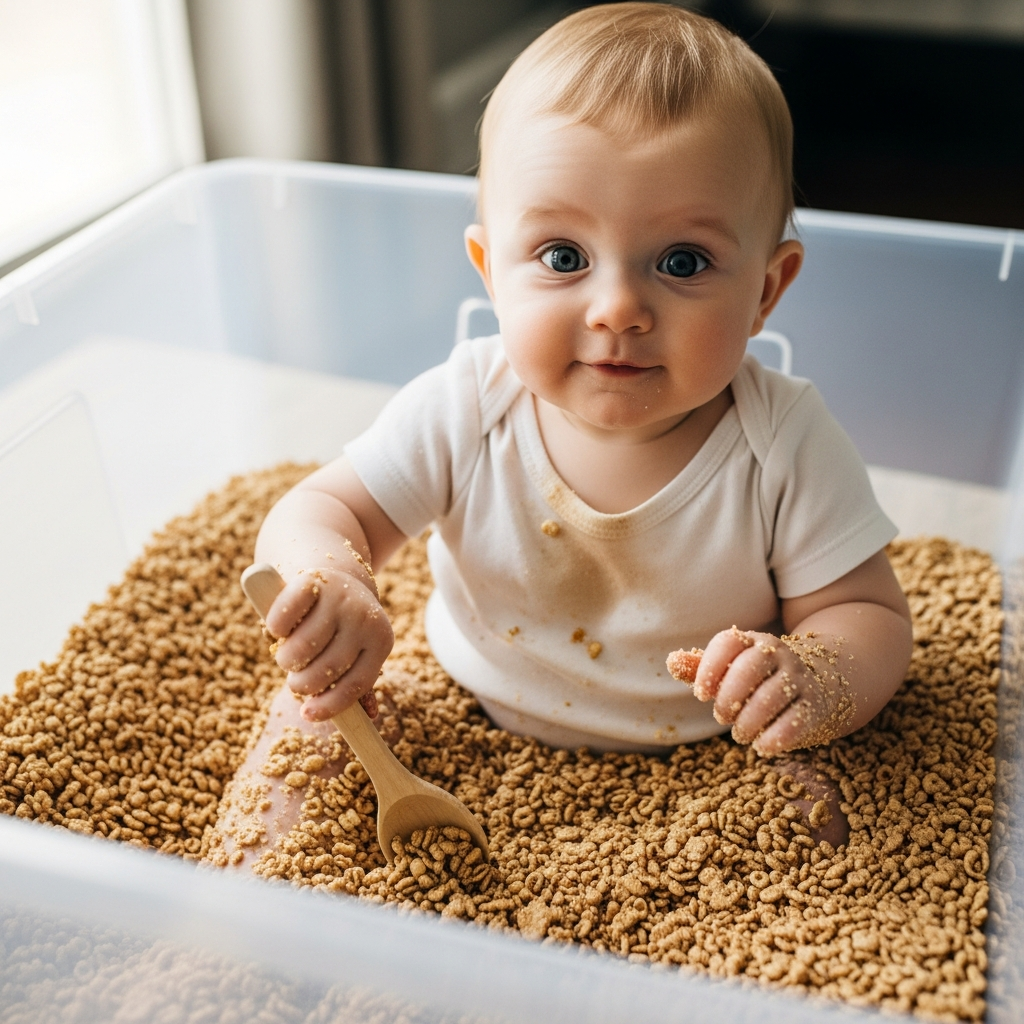
By grinding up plain Cheerios or crackers in a blender, you create a safe, edible sand. Placing this in a shallow bin with a few spoons and small cups allows for sensory exploration without the worry of ingestion. It mimics the beach experience and keeps the baby focused on textures and pouring.
4. Kitchen Percussion Session
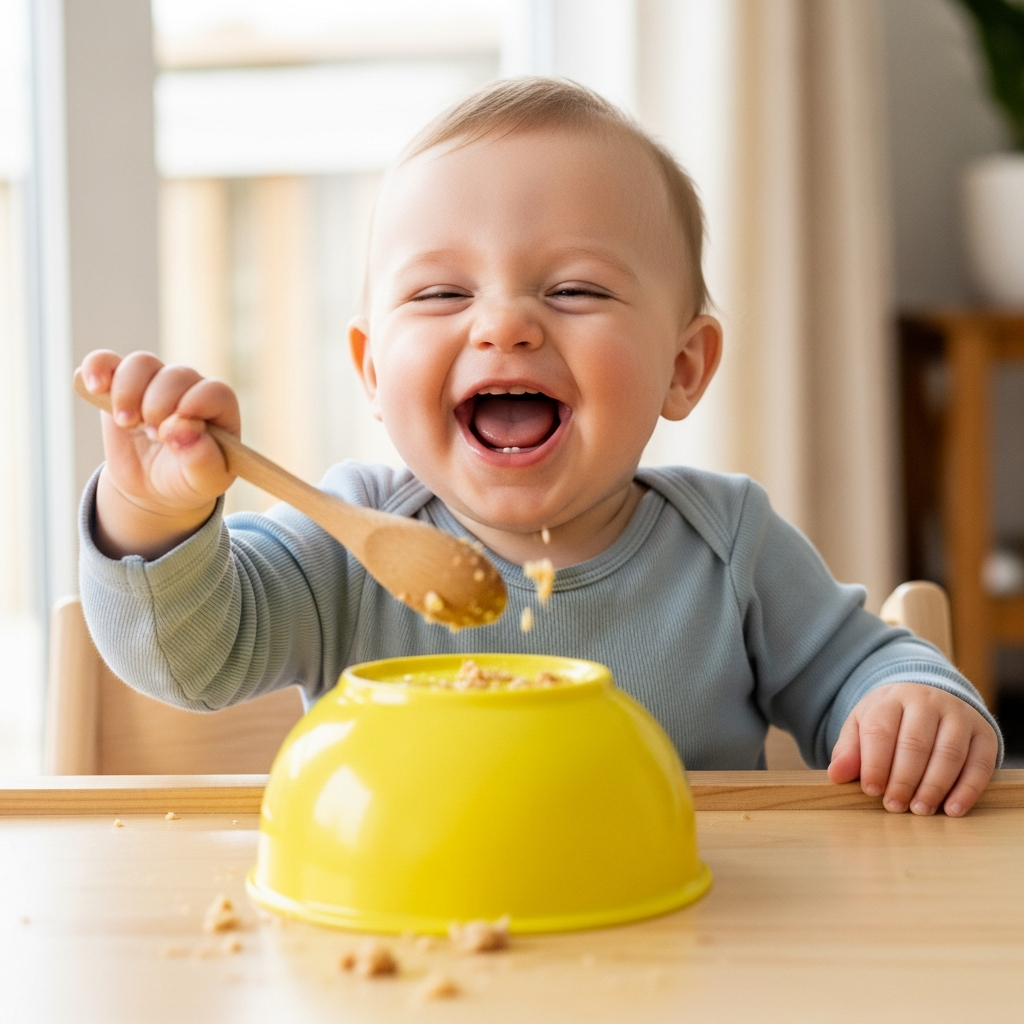
Safe kitchen items like wooden spoons and plastic bowls can be turned into a makeshift drum set. This activity introduces the concept of cause and effect through sound. It is a high-energy way for the infant to burn off steam and explore different acoustic properties of everyday objects.
5. Mess-Free Bag Painting
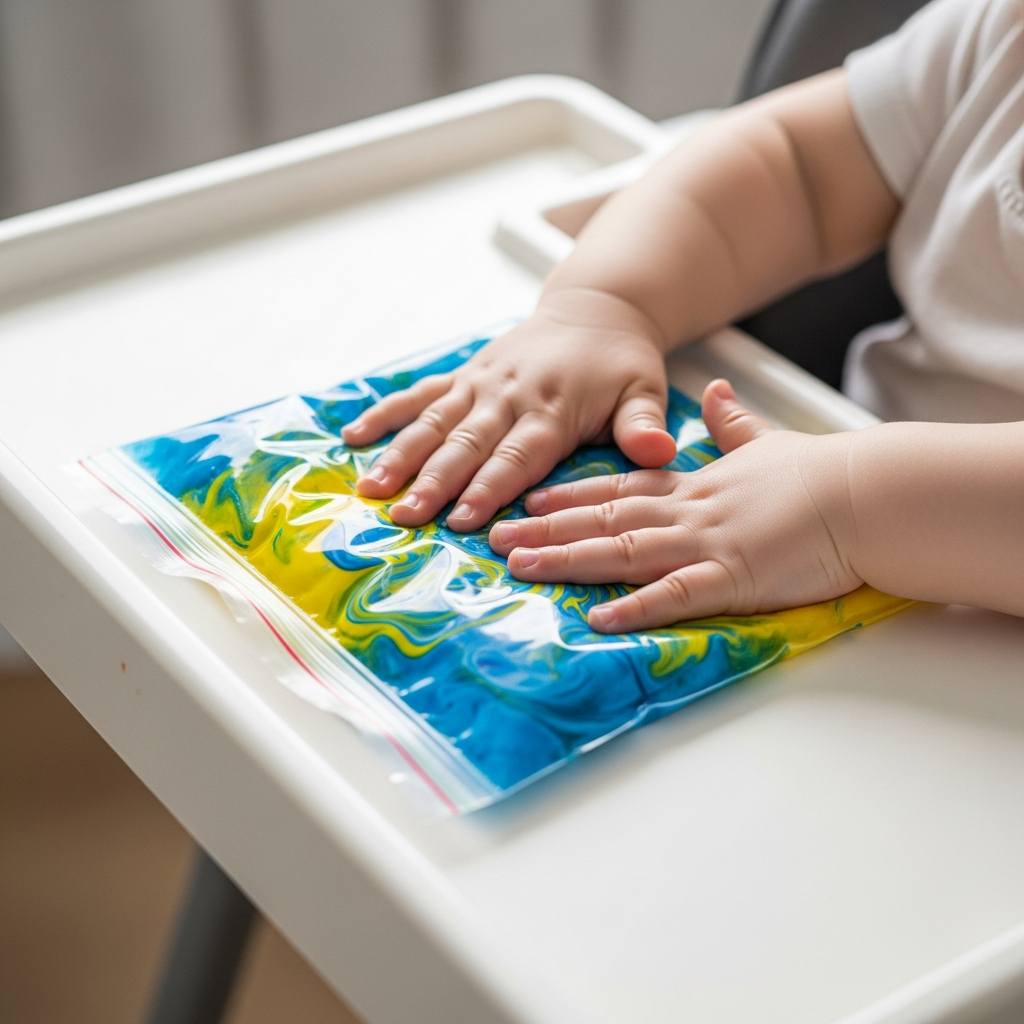
Place a few drops of non-toxic paint and a piece of paper inside a sealable plastic bag, ensuring it is taped shut. Your baby can move the paint around through the plastic to create art without getting messy. This provides visual stimulation and sensory input through the touch of the gel-like paint.
6. Cardboard Box Hideaway
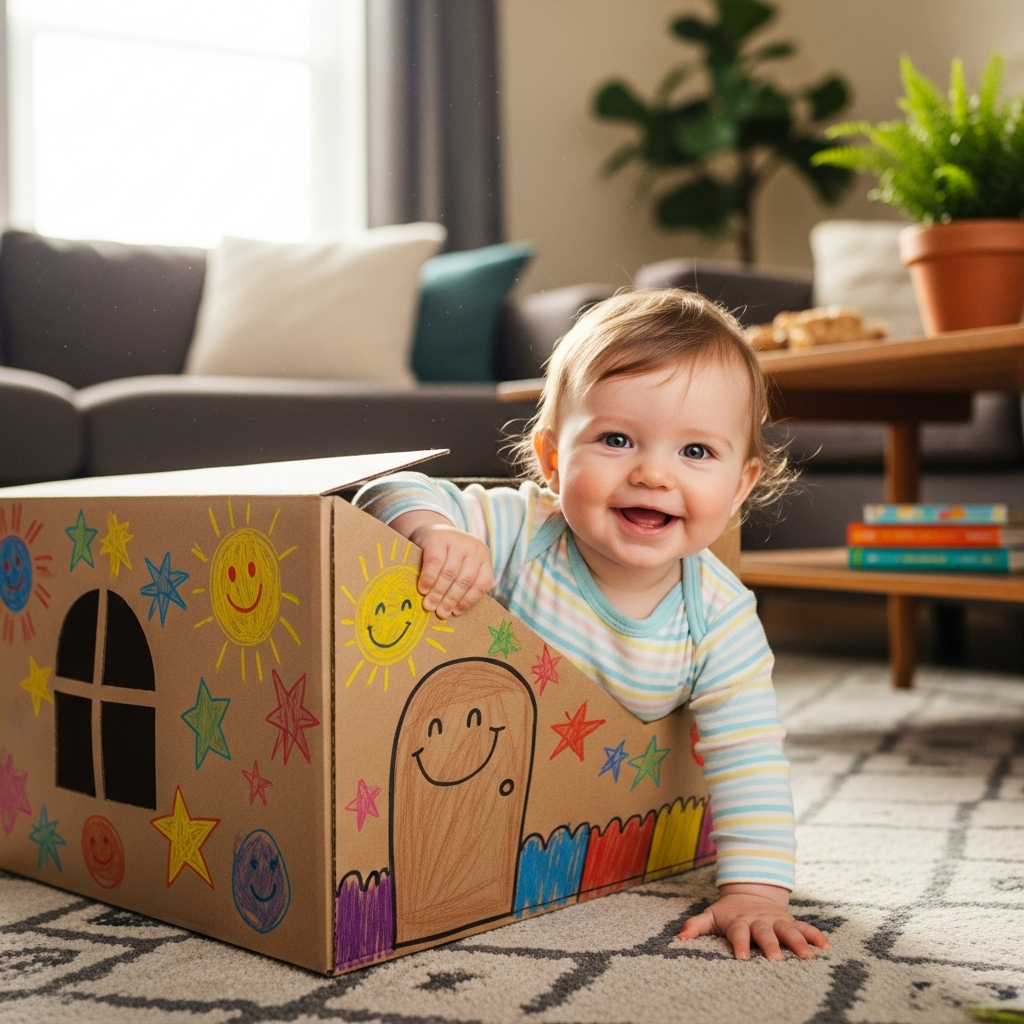
A large, clean cardboard box can become a world of wonder. Simply cutting a few holes for windows and placing a soft blanket inside creates a cozy nook. Crawling in and out of the box helps the infant develop gross motor skills and a sense of physical boundaries.
7. Pillow Mountain Course
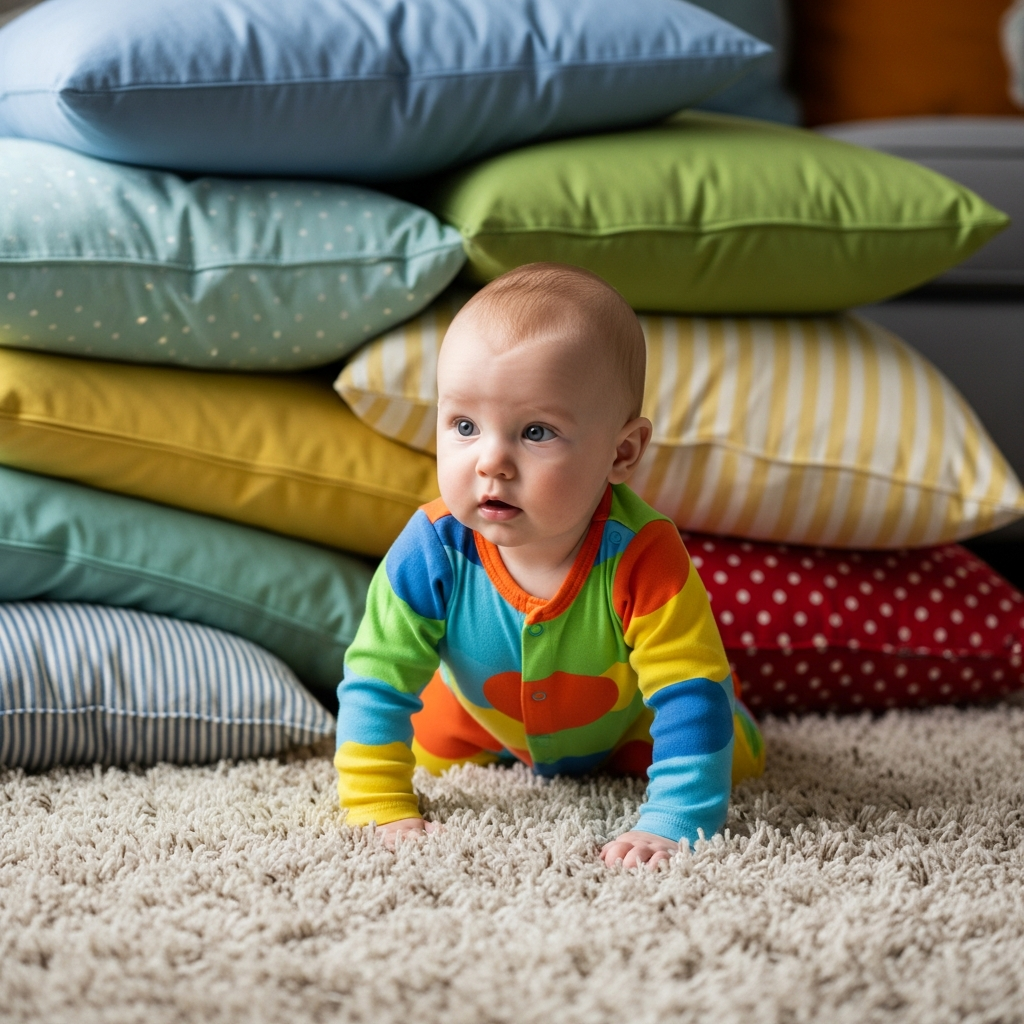
Create a safe obstacle course by piling up sofa cushions and pillows on a carpeted floor. Encouraging your baby to crawl over and through these soft obstacles builds core strength and balance. It is a great way to encourage physical activity when outdoor play is not possible.
8. Tube Ball Drop
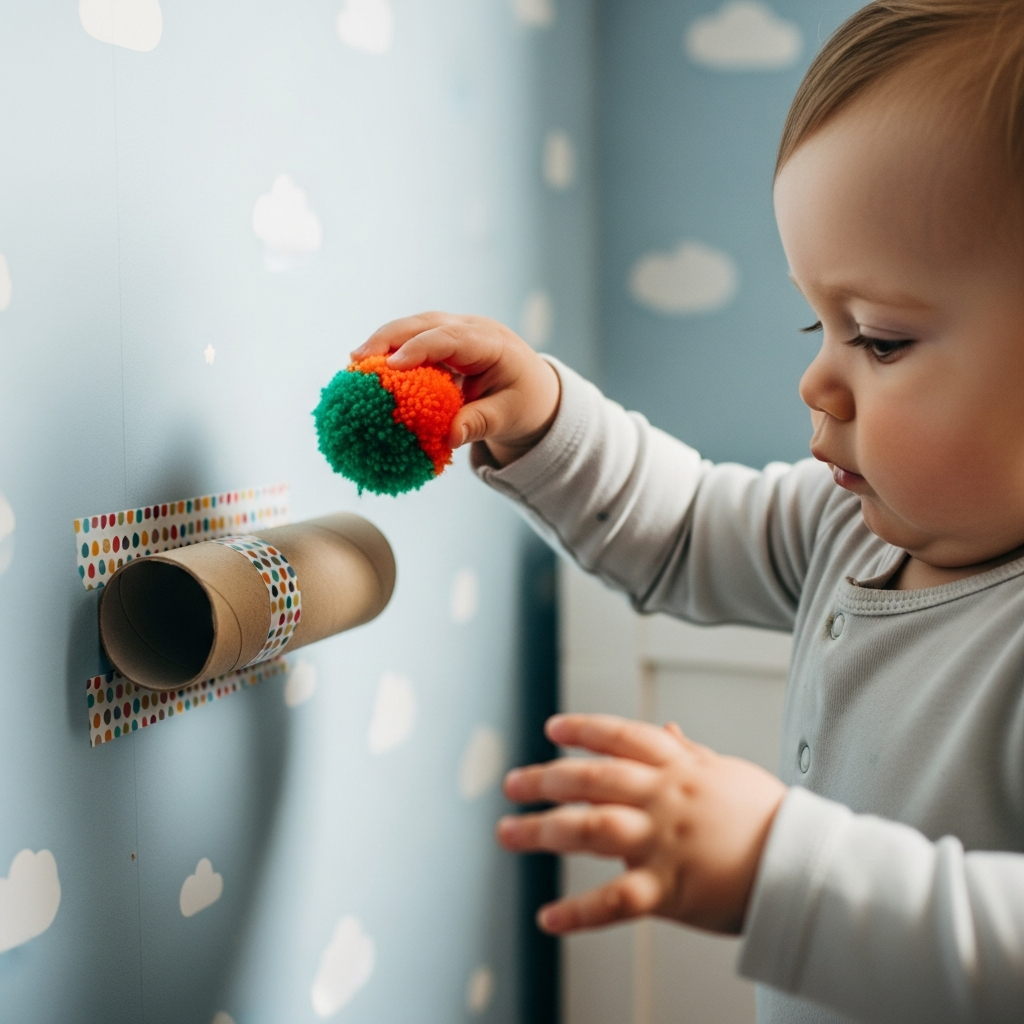
Tape empty paper towel tubes vertically to a wall at the baby’s eye level. Show them how to drop a small ball or a pom-pom through the top and watch it emerge at the bottom. This activity teaches gravity and tracking skills while providing endless entertainment.
9. Shallow Water Tray
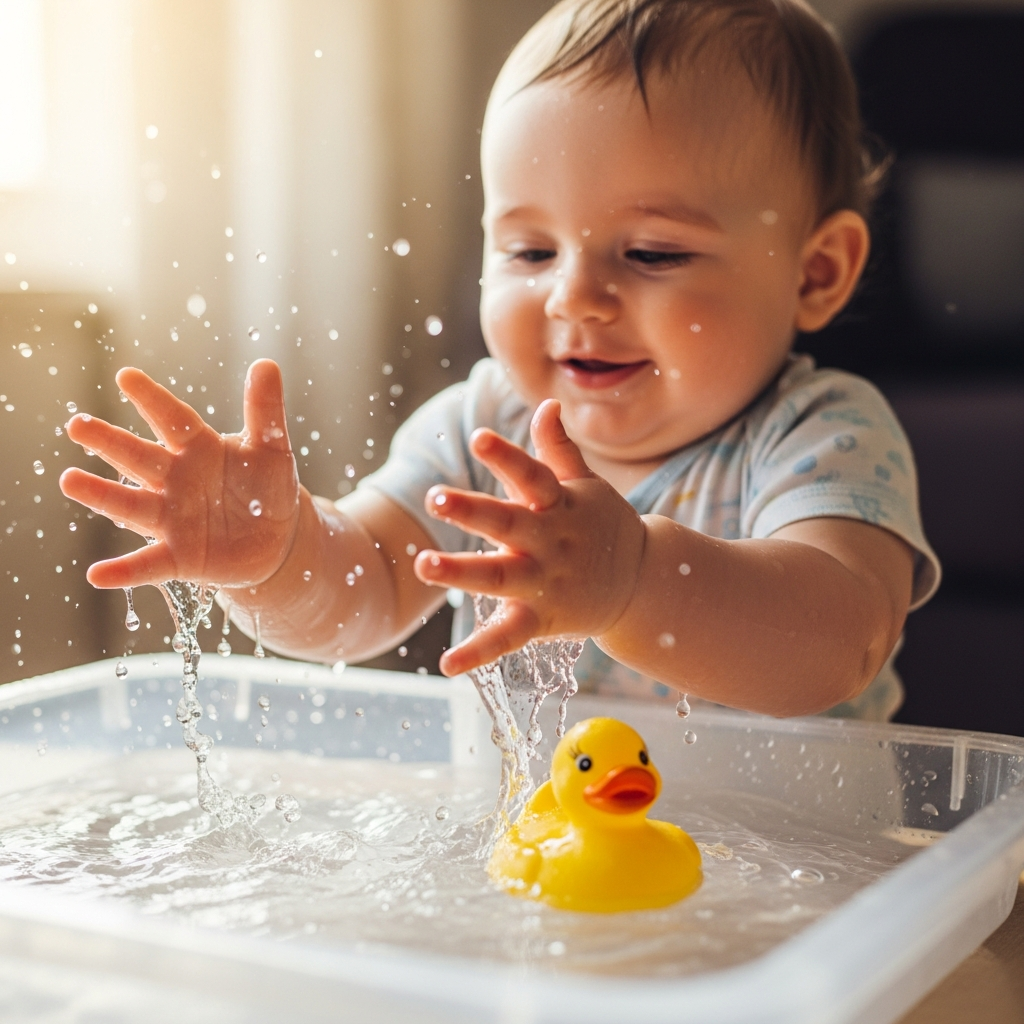
Place a shallow tray of water on a waterproof mat or in the high chair. Add a few floating toys and a small cup. This simple sensory activity is highly engaging for infants as they learn about splashes, temperature, and the physical properties of liquid.
10. Scarf Pulling Surprise
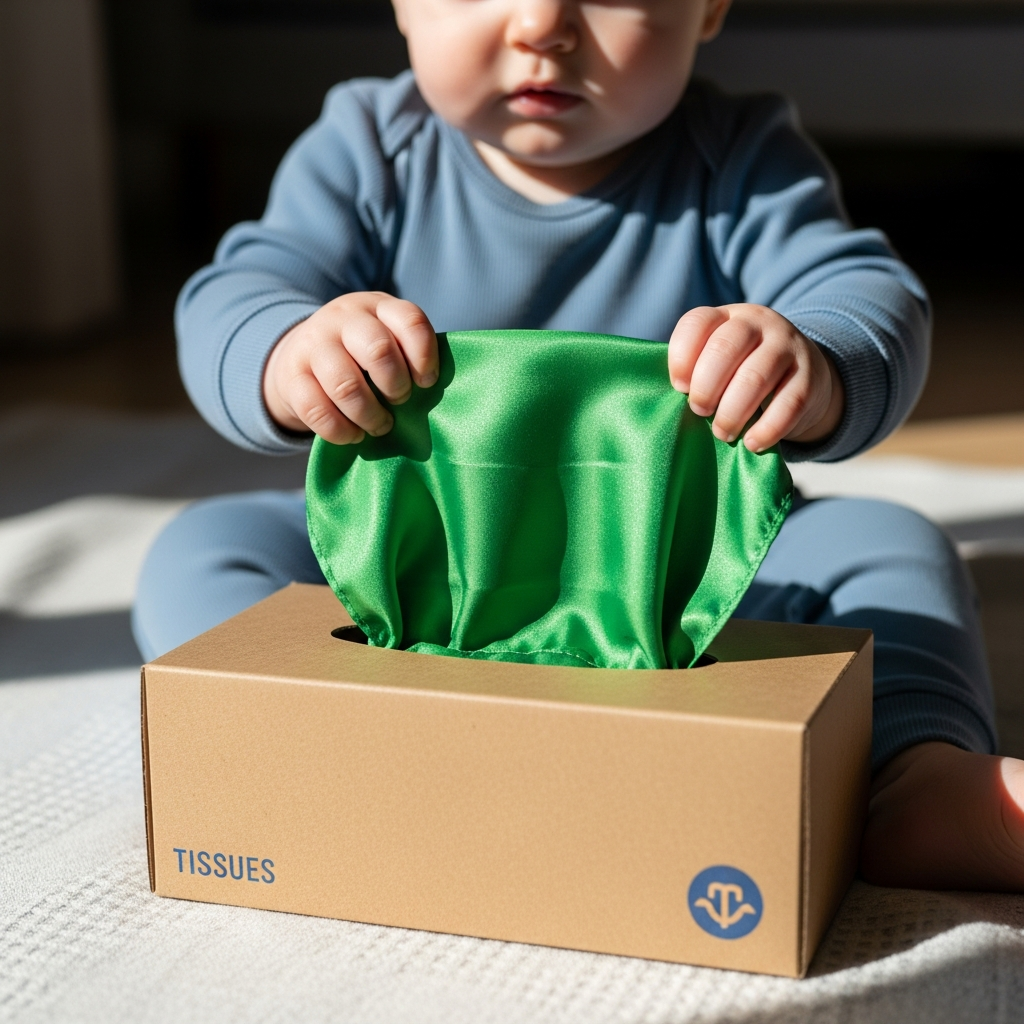
Stuff several lightweight colorful scarves or fabric scraps into an empty tissue box. The infant will enjoy the tactile sensation of pulling them out one by one. This mimics the fascination they have with real tissue boxes but without the waste and mess.
11. Mirror Exploration
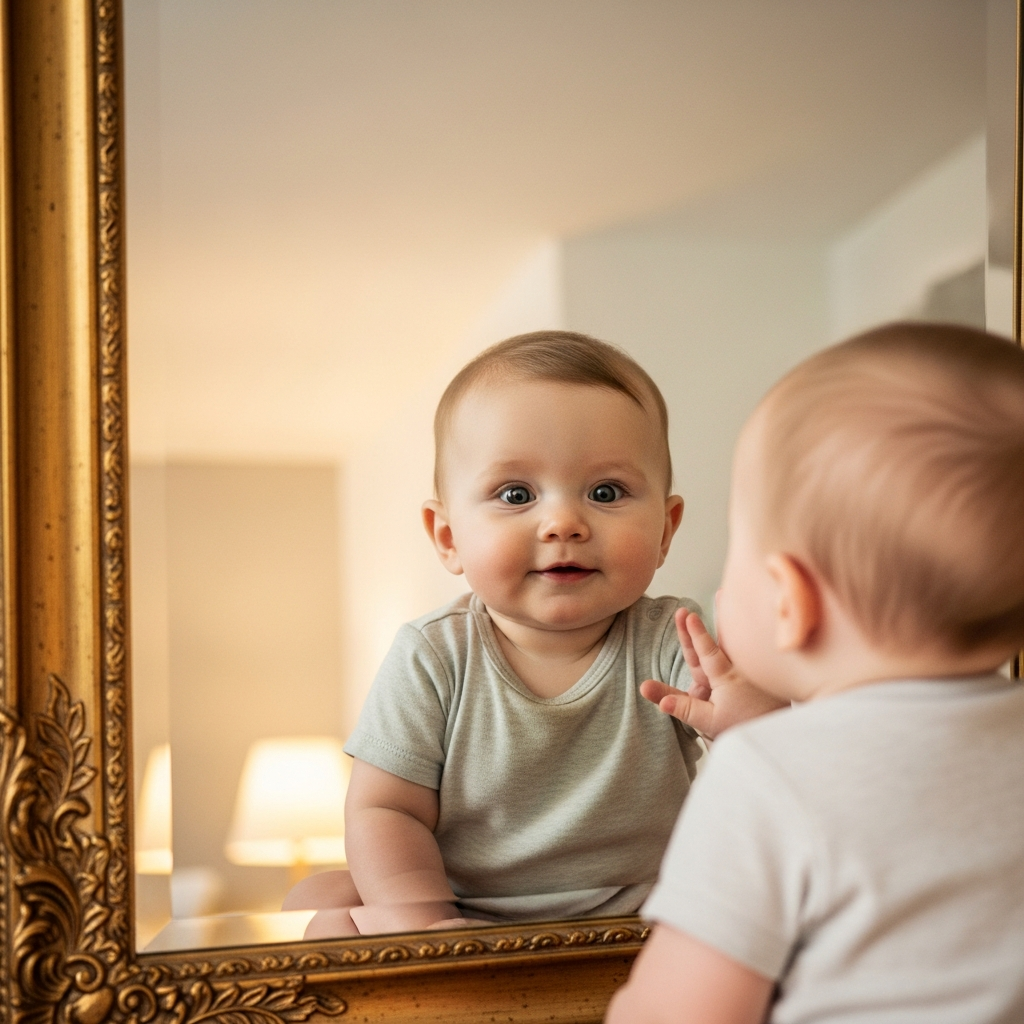
Place a floor-length mirror securely against a wall or use a handheld unbreakable mirror. Infants at this age are fascinated by their reflections. Making faces and pointing to body parts in the mirror aids in self-recognition and social-emotional development.
12. High Chair Cleaning
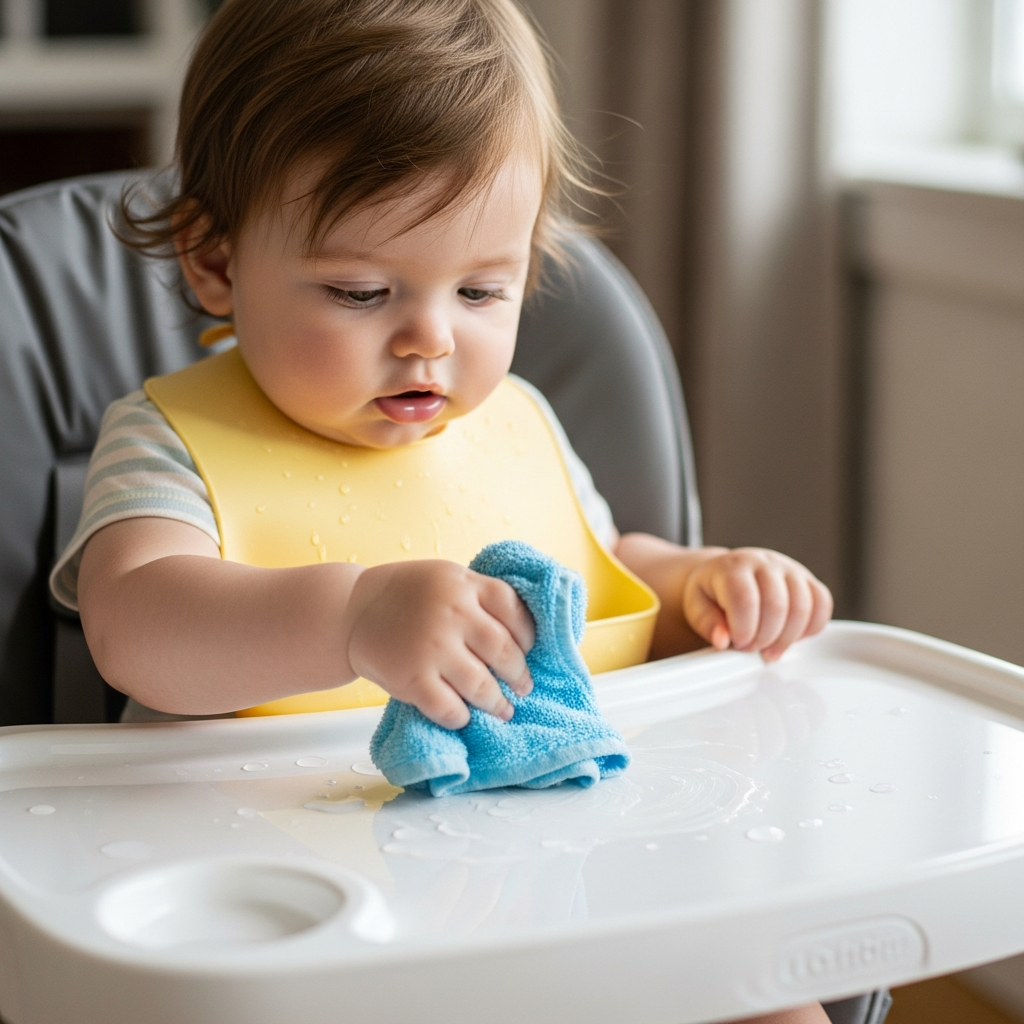
Give your child a damp, clean cloth while they sit in their high chair. Show them how to wipe the tray. They often love mimicking adult chores, and this activity keeps them engaged while you clean the kitchen, fostering a sense of participation.
13. Cup Stacking Challenge
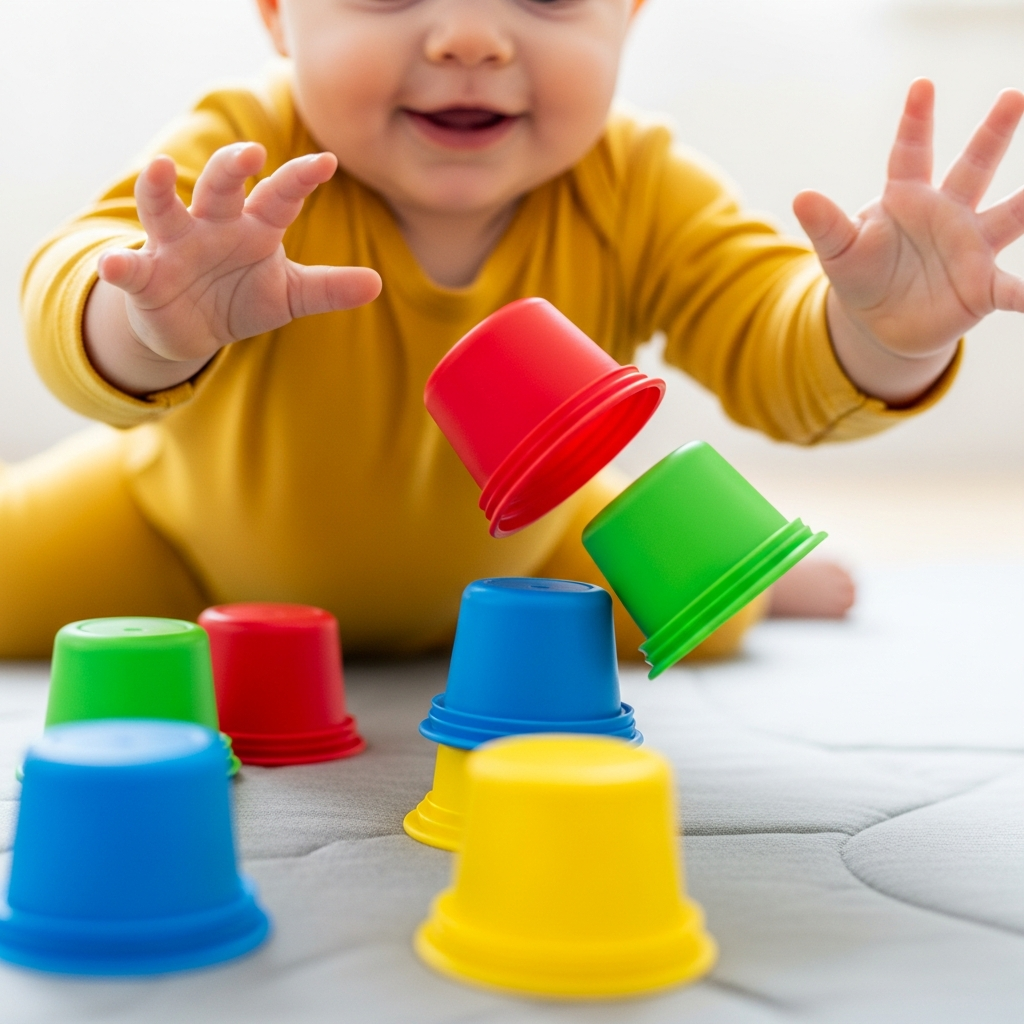
Provide a set of stackable plastic measuring cups or colorful nesting cups. While they may not stack them perfectly yet, the act of trying to fit them together or knocking over a tower you build helps develop fine motor control and spatial reasoning.
14. Follow the Light
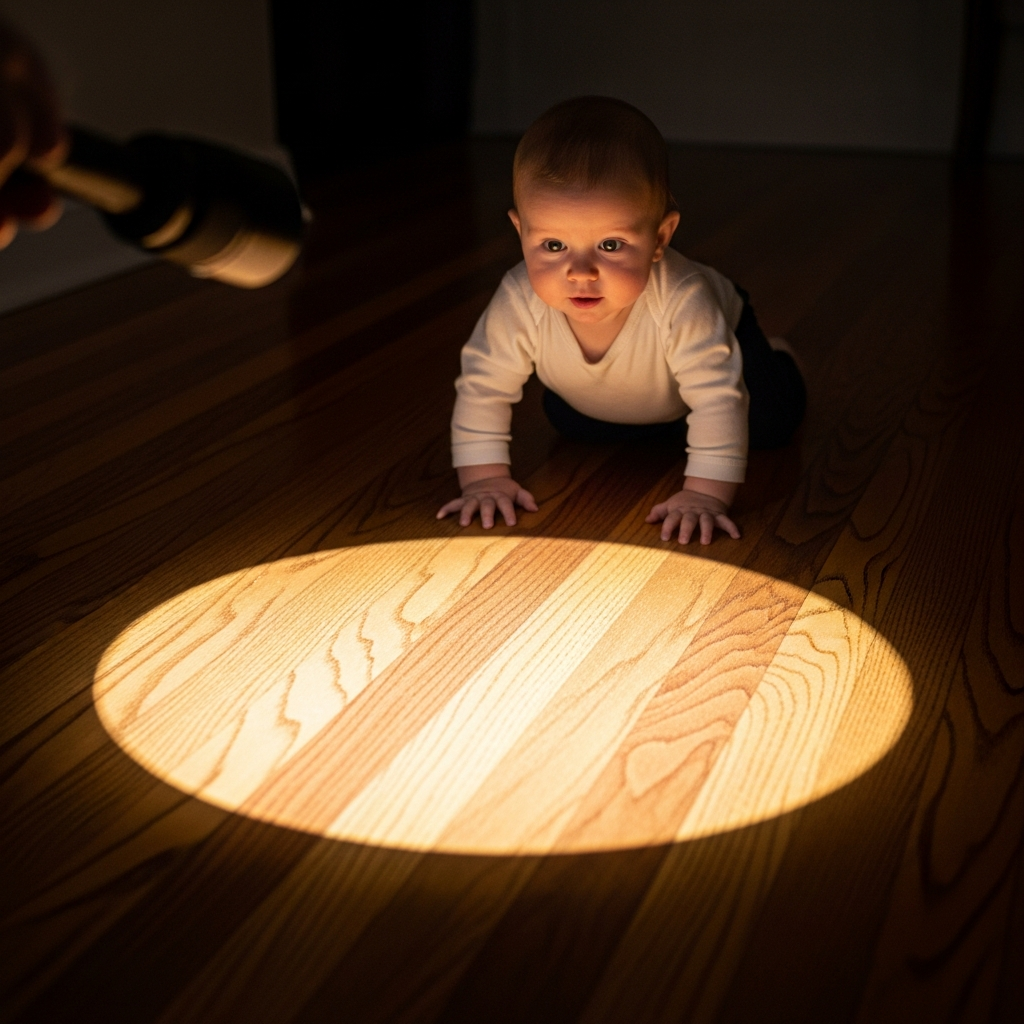
In a slightly dimmed room, use a flashlight to move a beam of light slowly across the floor and walls. Encourage your baby to crawl toward the light or point at it. This improves visual tracking and provides a gentle way to encourage movement.
15. Tape Rescue Mission
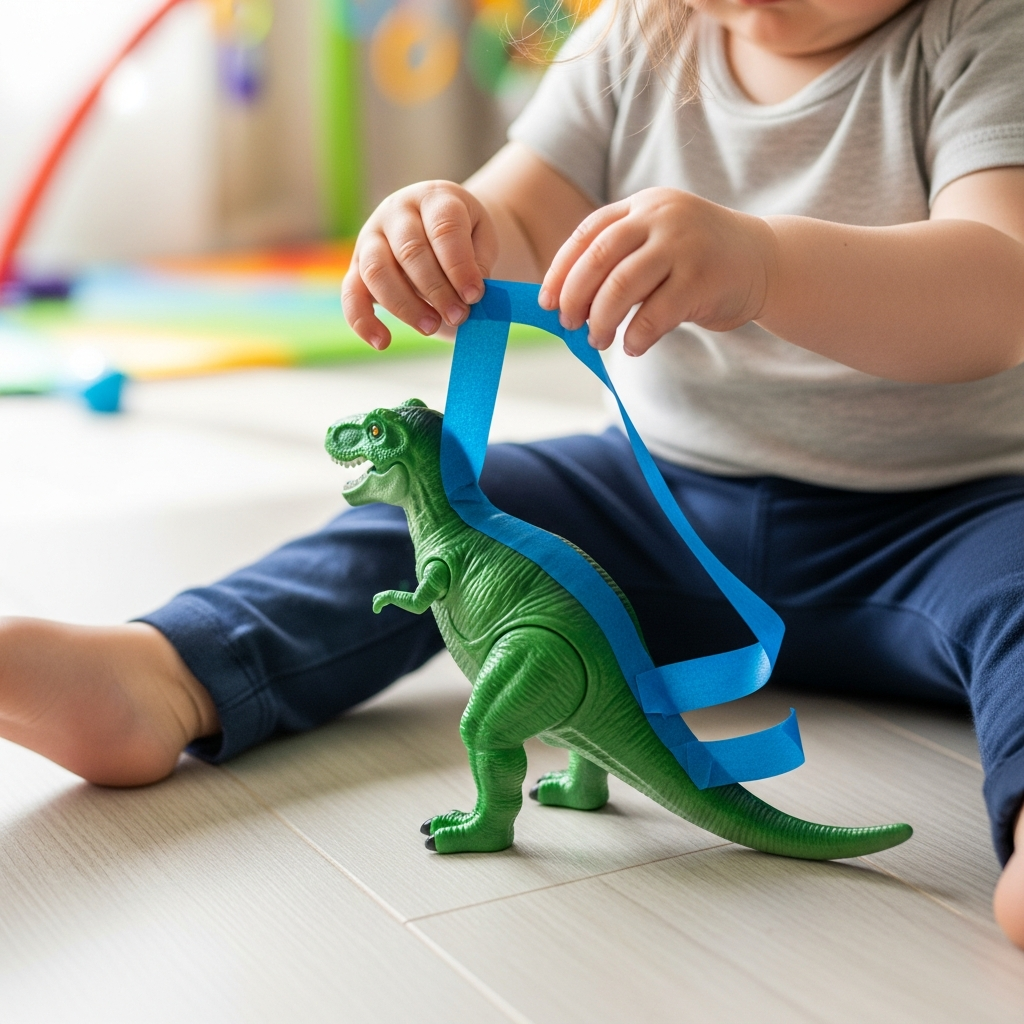
Use painter’s tape to secure several plastic animals or toys to a hard surface like a tray or floor. Challenge the baby to peel the tape off to rescue the toys. This is an excellent exercise for concentration and finger dexterity.
16. Texture Discovery Board
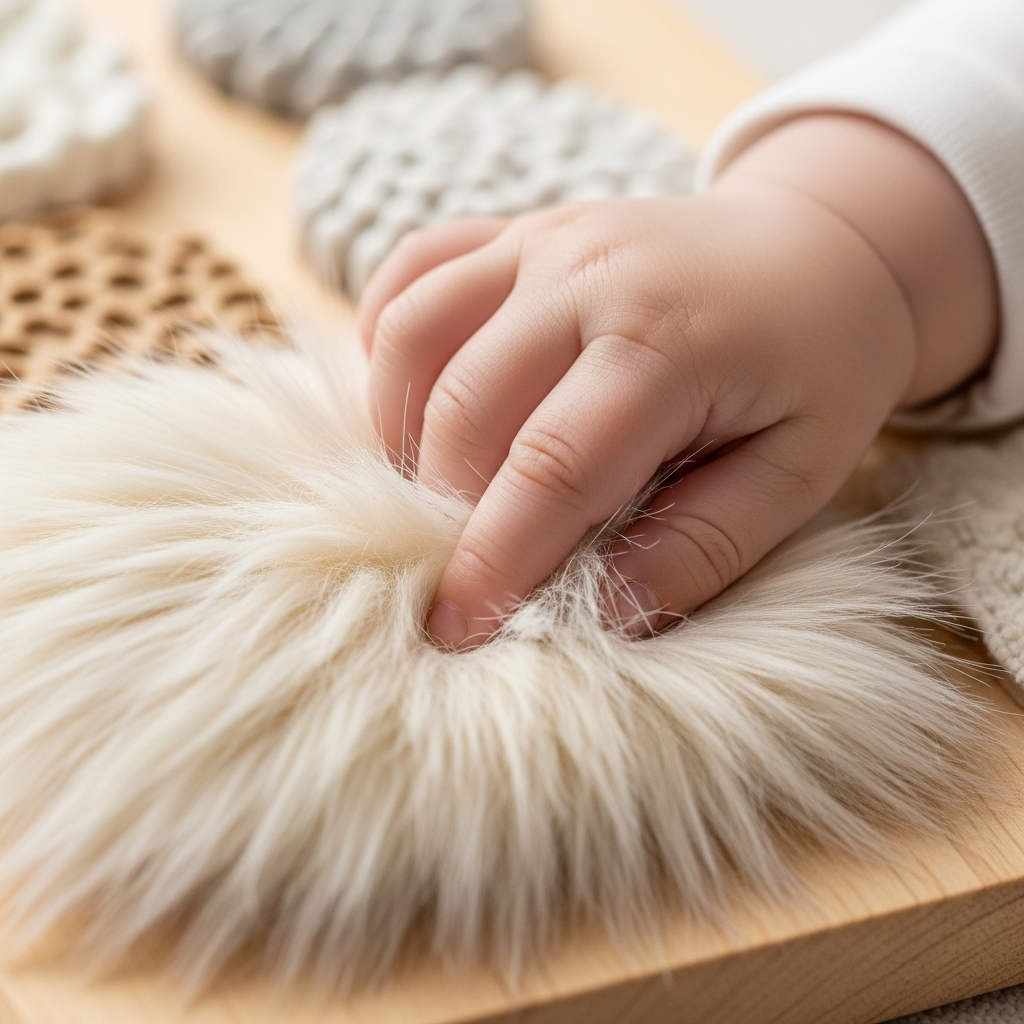
Create a simple board using cardboard and attach different textures like bubble wrap, velvet, sandpaper, and silk. Allowing the baby to feel the various surfaces stimulates their tactile senses and vocabulary as you describe the sensations to them.
17. Soft Ball Rolling
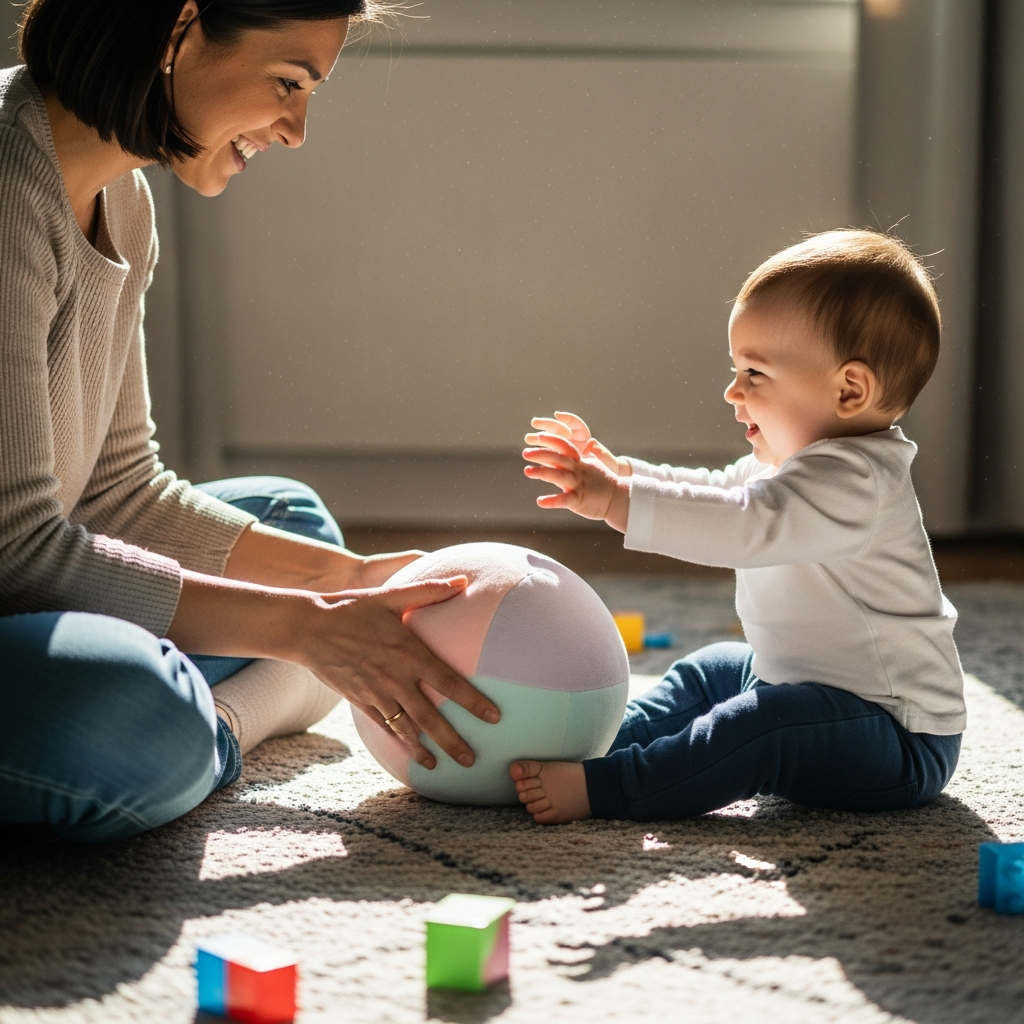
Sit on the floor opposite your baby and gently roll a soft ball toward them. This promotes reciprocal play and basic social interaction. It also helps them practice reaching and catching, which are vital for hand-eye coordination.
18. Sponge Sensory Squeeze
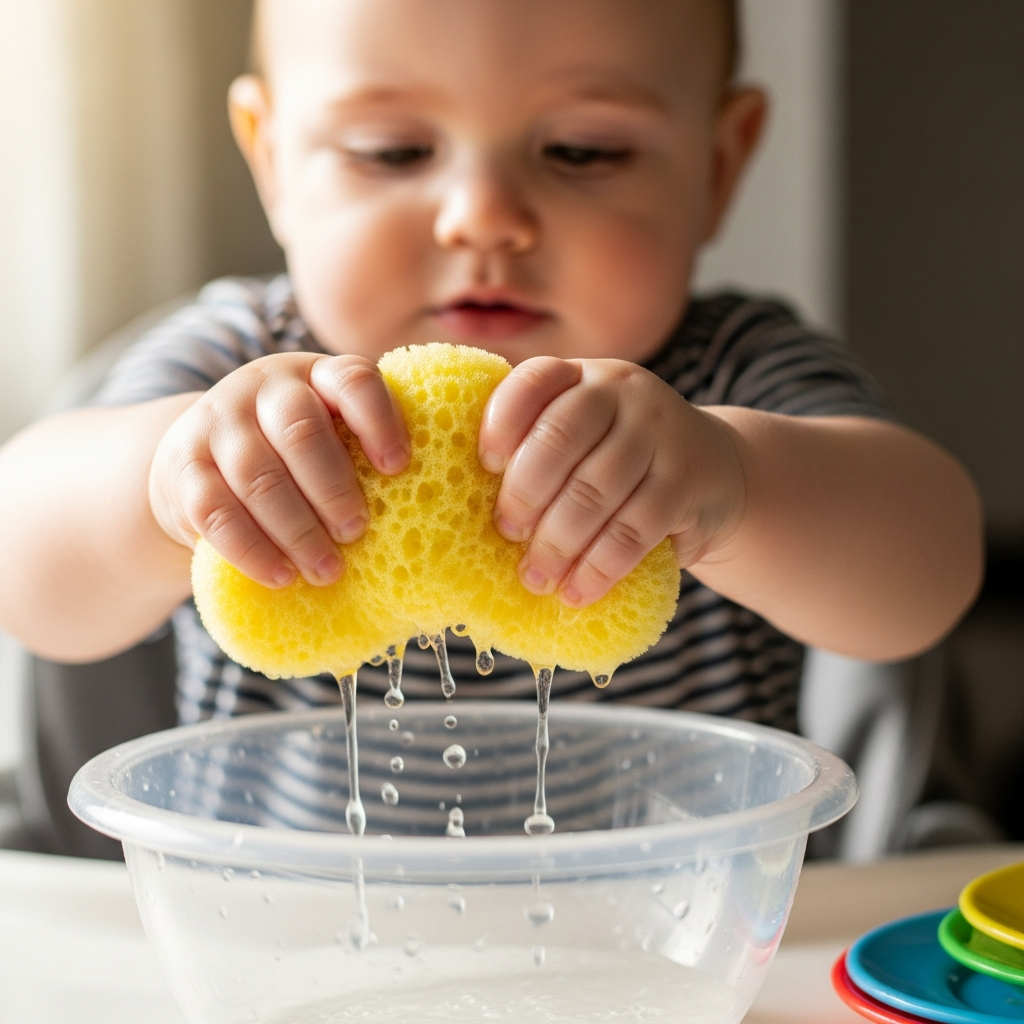
Give the infant a bowl of water and a few clean sponges. Show them how to dip the sponge and then squeeze the water out. This is a great way to strengthen hand muscles and explore the concept of absorption and release.
19. Edible Yogurt Paint
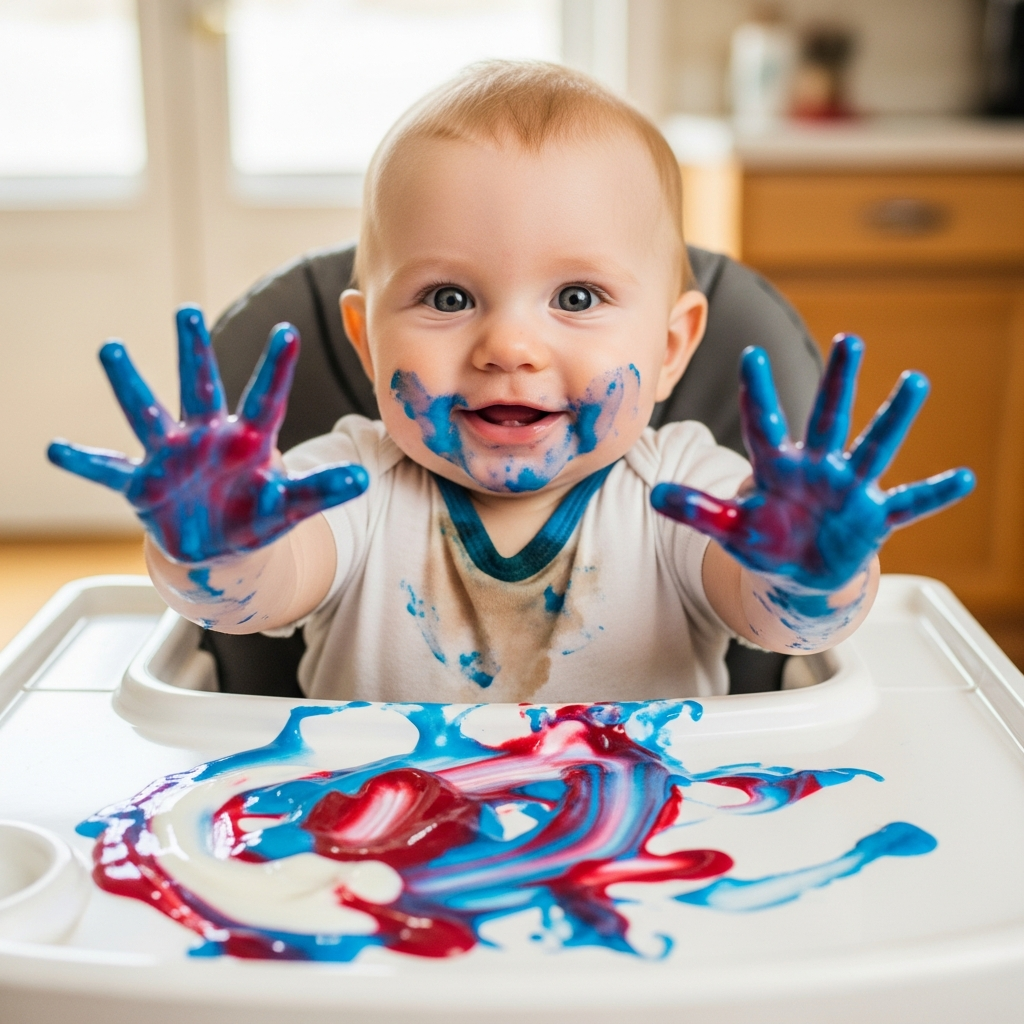
Mix a few drops of food coloring into plain yogurt to create safe finger paints. Let the baby explore these on a high chair tray or a large piece of paper. This provides a multi-sensory experience involving sight, touch, and taste.
20. Laundry Basket Ride
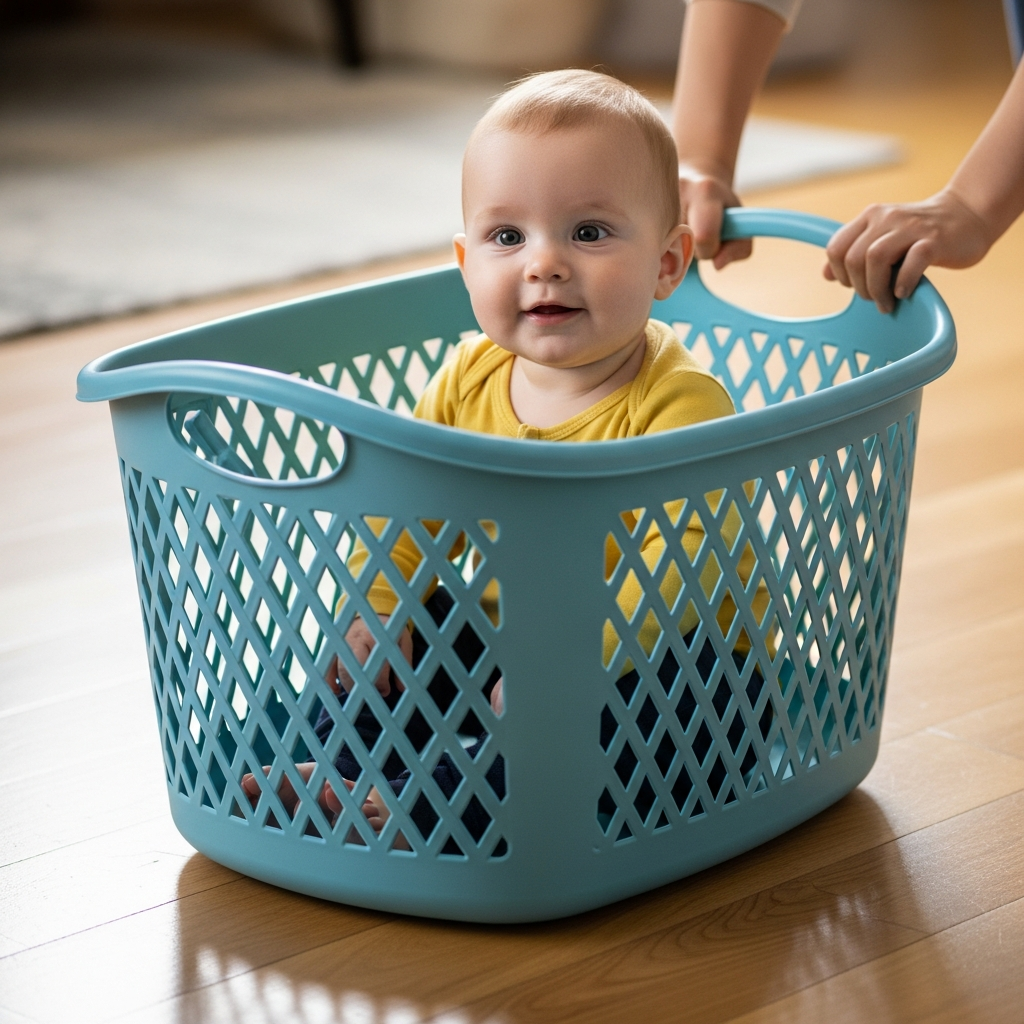
Place your baby in a laundry basket with a few blankets and gently slide them across a smooth floor. This provides a vestibular workout and a fun new perspective of their home, making a mundane chore like laundry into a game.
21. Fill and Spill
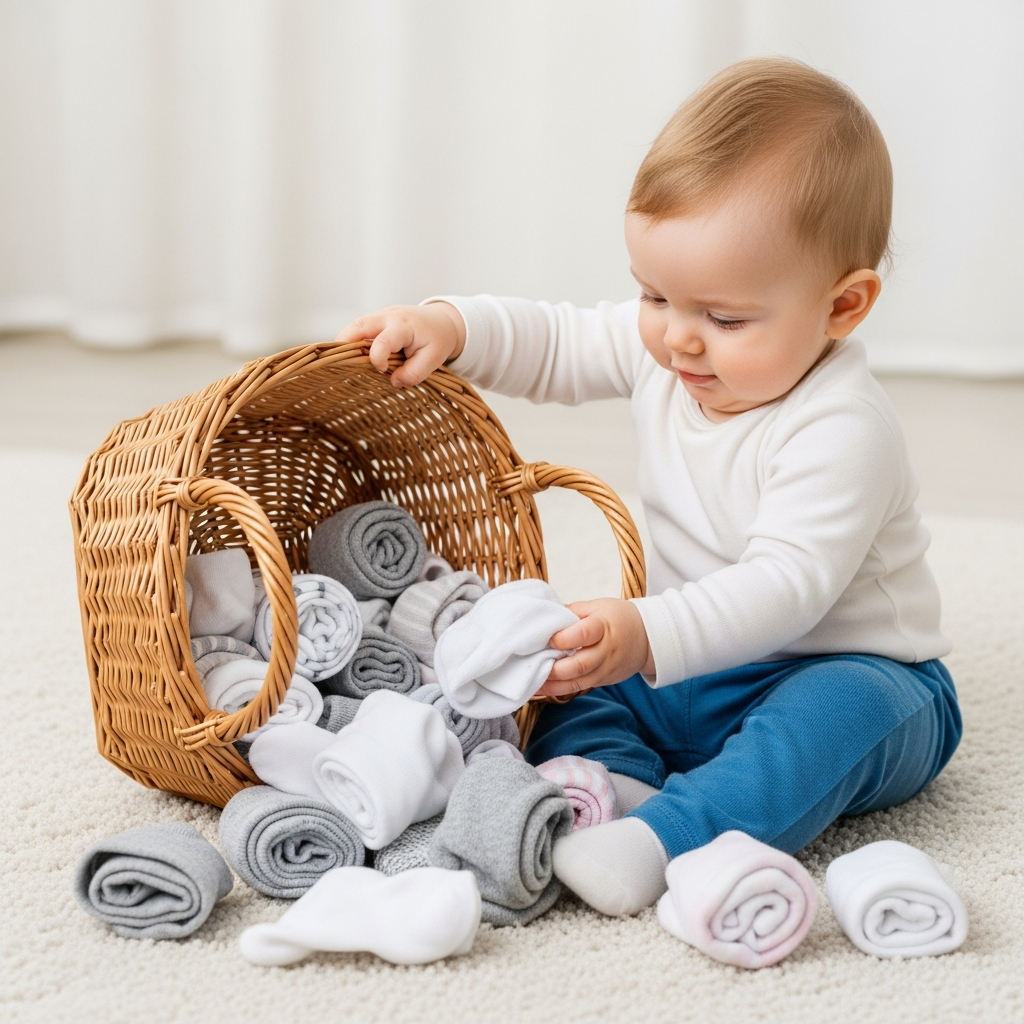
Provide a large container filled with soft items like socks or tennis balls. Infants at this age are biologically driven to dump things out. Repeatedly filling and emptying the container helps them understand volume and object permanence.
22. Sensory Jars
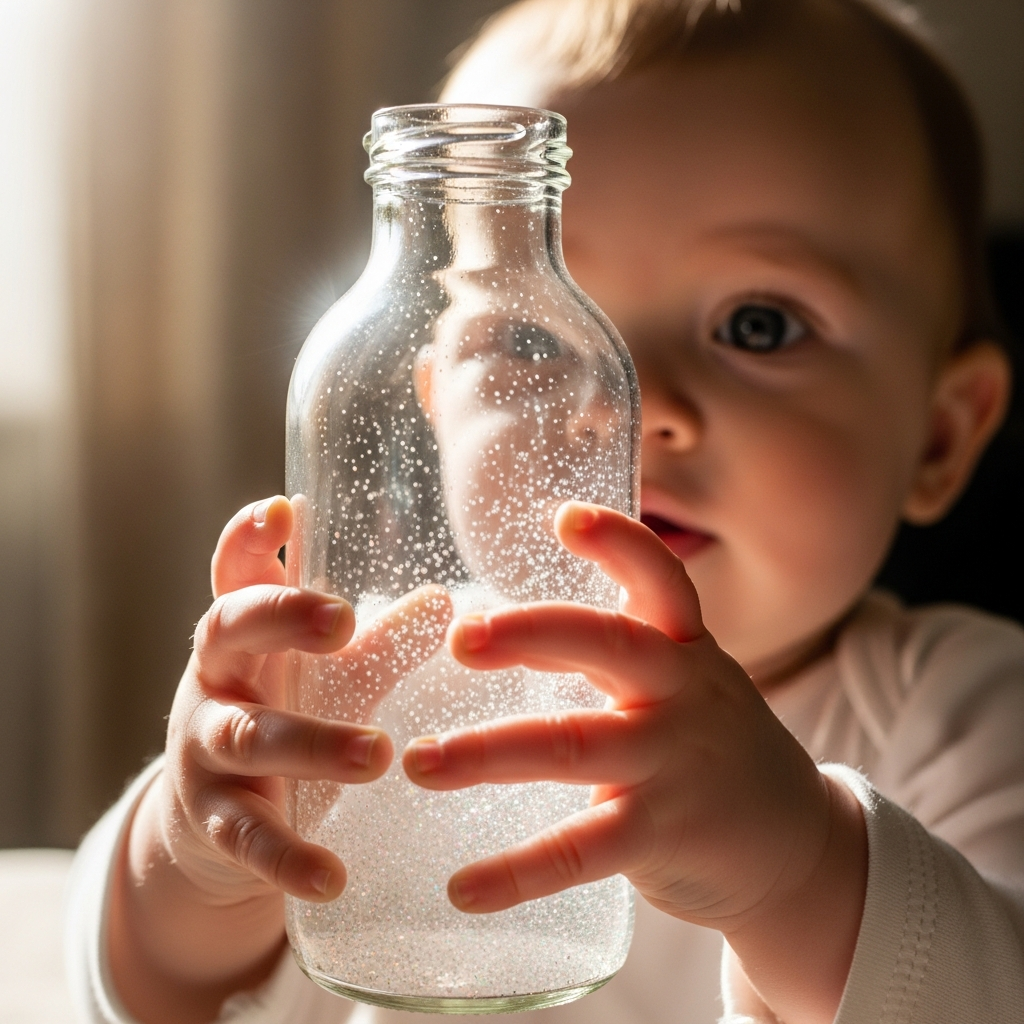
Fill clear, sealed plastic bottles with items like glitter, dry pasta, or colored water and oil. Ensure the lids are glued shut. The baby can shake and roll these bottles to observe the different visual and auditory effects safely.
23. Sound and Rhythm Session

Clap your hands in different rhythms or use a toy tambourine to create sounds. Encourage your baby to mimic your claps. This activity supports auditory processing and introduces the basics of rhythm and social imitation.
24. Bubble Catching

Blow bubbles and let them drift toward your baby. Encourage them to reach out and pop them. This is an excellent way to practice visual tracking and provides a magical, engaging experience that rarely fails to entertain.
25. Fabric Scrap Exploration
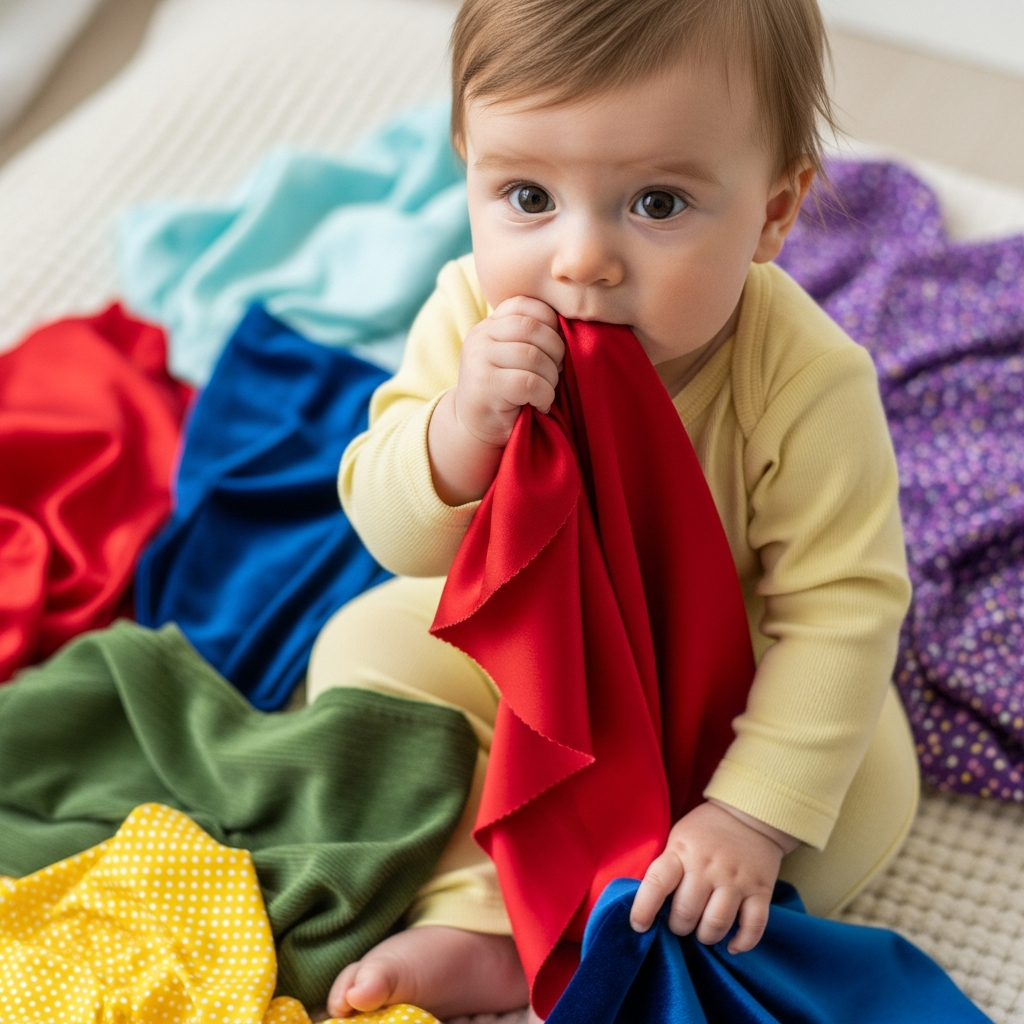
Gather a variety of fabric scraps with different patterns and textures like lace, denim, and fleece. Let the baby explore them, hide toys under them, or drape them over their head for a game of peek-a-boo. It is a simple, cost-effective sensory activity.
Conclusion
Engaging a 10-12 month old indoors does not require expensive toys or complex setups. By using common household items and focusing on sensory and motor development, you can create a stimulating environment that keeps your little one happy and learning. These activities not only make the day go by more smoothly but also strengthen the bond between you and your child during this pivotal developmental year.