
Watching your little one struggle with teething pain can be heartbreaking for any parent. The sleepless nights, the constant fussiness, and those tiny, swollen gums can leave everyone feeling exhausted. As parents, we instinctively want to ease our baby’s discomfort, and often we look for gentle, natural ways to help them through this challenging phase. The good news is, you’re not alone, and there are many effective, natural remedies that can truly make a difference in soothing your baby and bringing a little more peace back to your home.
Understanding Teething Signs and Stages
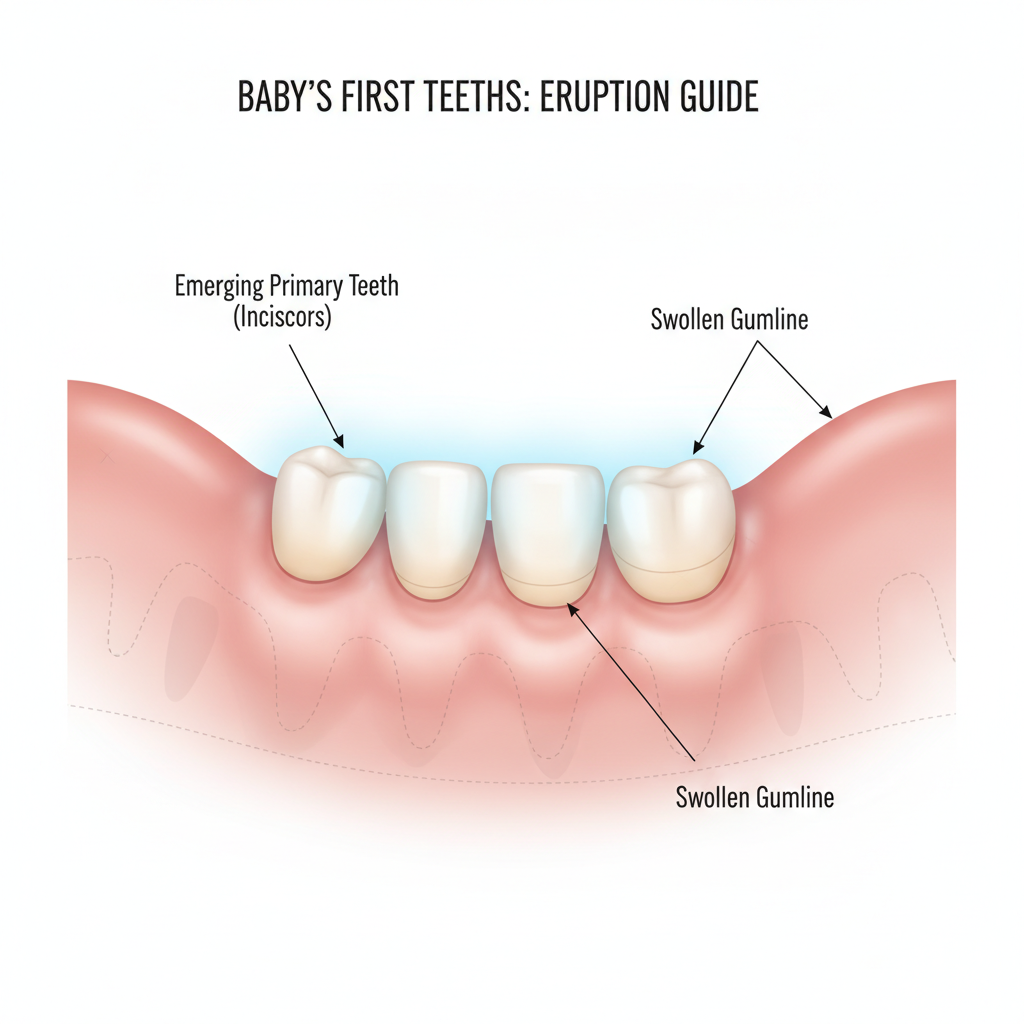
Before diving into remedies, it helps to know what to look for. Teething usually begins around 4-7 months, but every baby is unique. Some might show signs earlier, others later, and some lucky few might barely notice a thing! Knowing the signs can help you anticipate discomfort and offer comfort proactively.
Common Teething Symptoms
- Increased Drooling: Often, babies will start drooling much more than usual as their gums prepare for teeth.
- Swollen, Tender Gums: You might see red, puffy areas where teeth are about to erupt.
- Fussiness and Irritability: Pain and discomfort can make babies more irritable and prone to crying.
- Chewing on Everything: Babies will often try to chew on their hands, toys, or anything they can get into their mouths to relieve pressure.
- Changes in Sleep Patterns: Discomfort can lead to more frequent waking at night.
- Slight Fever or Loose Stools: While a true fever isn’t usually a direct teething symptom, some babies might experience a very mild temperature elevation or slight changes in their bowel movements. Always consult your pediatrician if you’re concerned.
When to Expect Those First Teeth
Typically, the lower central incisors (bottom front teeth) are the first to appear, followed by the upper central incisors. This usually happens between 6 and 10 months. Molars and canines come in later, often causing more discomfort due to their size and shape. Remember, these are just averages, and your baby’s timeline is perfectly normal, whatever it may be.
Gentle Pressure and Cold Comfort

One of the most immediate ways to soothe aching gums is through gentle pressure and cold. The cold helps to numb the area, while pressure can provide counter-relief to the throbbing sensation.
Chilled Teethers and Washcloths
A classic for a reason! Keep a few teething rings or soft, clean washcloths in the refrigerator (not the freezer, as extreme cold can be too harsh for delicate gums). When your baby is fussy, offer a chilled teether designed for small hands or a damp, chilled washcloth. The texture and cold provide wonderful relief. Always supervise your baby when they are chewing on anything.
Gum Massage with Clean Fingers
Sometimes, the simplest things are the most effective. Wash your hands thoroughly, then gently rub your baby’s gums with your clean finger. The gentle pressure can often feel incredibly comforting and distracting. You might even feel the tiny bump of an emerging tooth!
Food-Based Soothers – When Solids Start

Once your baby has started solids and is old enough to handle finger foods (usually around 6 months), certain chilled foods can offer a delightful and nutritious way to soothe their gums. Always ensure the food is appropriate for their age and consistency, and supervise closely to prevent choking.
Frozen Fruits and Veggies in Mesh Feeders
For babies who are already eating solids, a mesh feeder filled with frozen banana slices, chilled cucumber sticks, or frozen berries can be a lifesaver. The cold, combined with the mild pressure, provides soothing relief, and they get a tasty treat too! Ensure pieces are small enough not to pose a choking hazard even if they somehow escape the feeder.
Cool Yogurt or Applesauce
If your baby enjoys yogurt or applesauce, offering it chilled can be very soothing. The cool, soft texture is gentle on inflamed gums and can provide a welcome distraction from discomfort.
Herbal Helpers and Natural Oils

Certain natural ingredients have long been used for their calming and anti-inflammatory properties. When used correctly and in appropriate dilutions, they can offer gentle relief.
Chamomile – A Gentle Calmer
Chamomile is renowned for its calming properties. You can make a very weak chamomile tea, let it cool completely, and then dip a clean washcloth into it. Offer the chilled, damp washcloth for your baby to chew on. Some parents also use chamomile teething gels, but always check ingredients and consult your pediatrician. For older babies starting solids, a tiny amount of very diluted, cool chamomile tea can sometimes help calm them before bed (consult your doctor first).
Diluted Clove Oil – Use with Caution
Clove oil contains eugenol, a natural analgesic. However, it’s very potent and must be used with extreme caution and heavily diluted. Never apply undiluted clove oil directly to your baby’s gums. A common recommendation is to mix one drop of food-grade clove oil with a tablespoon of a carrier oil like olive or coconut oil. Then, apply a tiny amount to your fingertip and gently rub it on the most inflamed area of the gum. Always do a patch test first and consult your pediatrician before using essential oils on infants.
Comforting Routines and Distraction

Sometimes, the best remedy isn’t a specific item, but rather the comfort and distraction you can provide as a parent. Your presence and a soothing routine can work wonders.
Extra Cuddles and Skin-to-Skin
Never underestimate the power of parental comfort. When your baby is in pain, extra cuddles, hugs, and skin-to-skin contact can be incredibly reassuring. Your warmth and closeness can help them feel safe and loved, often reducing their fussiness.
Playtime Distractions
Sometimes, a good distraction is all it takes. Engage your baby in their favorite games, read a book, or sing a song. Shifting their focus from the discomfort to something enjoyable can provide temporary relief and lift their spirits.
Warm Baths Before Bed
A warm, soothing bath can help relax your baby before bedtime, making it easier for them to settle down despite teething discomfort. The warmth can ease tension and provide a calming sensory experience.
When to Seek Professional Advice

While teething is a normal developmental stage, it’s important to know when to consult a healthcare professional. If your baby develops a high fever (over 100.4°F or 38°C), severe diarrhea, vomiting, or seems unusually unwell, these symptoms are likely not due to teething alone. Always contact your pediatrician for guidance if you are concerned about your baby’s health.
Teething can be a tough journey for both babies and parents, but armed with these natural remedies, you can help ease your little one’s discomfort with confidence and care. Remember that every baby is different, so what works wonders for one might not for another. Be patient, observe your baby’s cues, and find the combination of remedies that brings them the most relief. Your loving presence and gentle touch are often the most powerful soothers of all. You’re doing a wonderful job, and this phase, like all others, will pass.