The Complete Guide to Baby Sleep, Wake Windows, and Overtiredness
The Complete Guide to Baby Sleep, Wake Windows, and Overtiredness
Every parent knows the feeling—the sheer joy of a sleeping baby and the utter confusion when sleep seems impossible. When you become a parent, sleep transforms from a basic need into a complex puzzle. You’re suddenly navigating a world of wake windows, sleep cues, and the dreaded overtiredness. It’s enough to make any sleep-deprived parent feel overwhelmed.
But what if you could understand the rhythm of your baby’s sleep, prevent those fussy, overtired meltdowns, and foster healthier sleep habits for everyone? This guide is designed to empower you with the knowledge and practical strategies to decode your baby’s sleep, understand the crucial role of wake windows, and confidently tackle overtiredness. Let’s embark on this journey to more peaceful nights and rested days.
Understanding Baby Sleep Basics
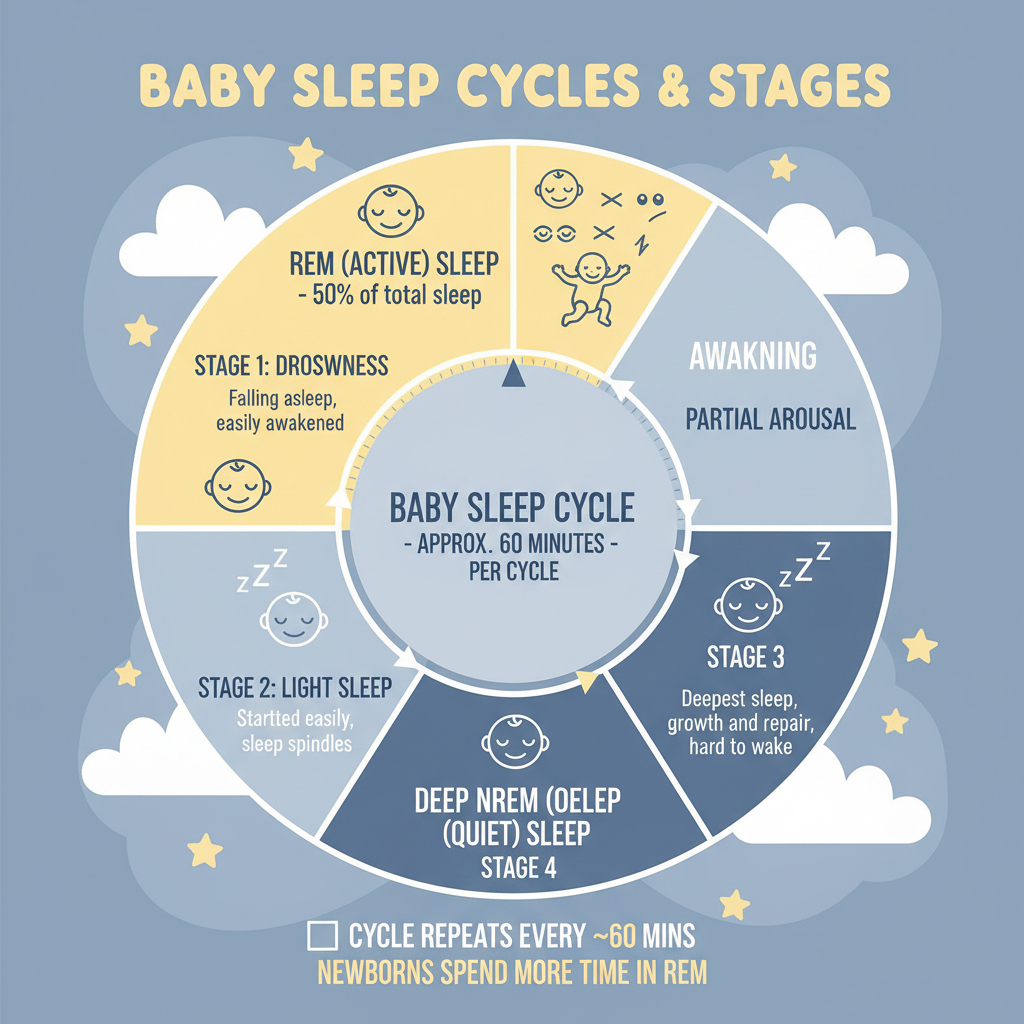
Before we dive into wake windows and overtiredness, it’s helpful to grasp the fundamentals of baby sleep. Unlike adult sleep, which typically involves longer, more consolidated stretches, baby sleep is fragmented and evolves rapidly during the first year of life.
The Unique Nature of Infant Sleep Cycles

Babies spend a significant portion of their sleep in REM (Rapid Eye Movement) sleep, often referred to as ‘active sleep.’ This is when you might see them twitching, smiling, or making little noises. This active sleep is crucial for their brain development. Their sleep cycles are also much shorter than an adult’s, lasting around 45-60 minutes compared to our 90-120 minutes. This means they transition between sleep stages more frequently, and each transition is a potential opportunity for them to wake up.
- Newborns spend about 50% of their sleep in REM.
- Older infants gradually shift towards more non-REM (quiet) sleep.
- They often need help connecting sleep cycles, which is why they wake frequently.
The Magic of Wake Windows

One of the most powerful tools in a parent’s sleep toolkit is understanding wake windows. A wake window is simply the period your baby can comfortably stay awake between naps or between their last nap and bedtime. It’s the sweet spot where they are engaged and happy, but not yet overtired.
Why Wake Windows Matter So Much

Think of wake windows as your baby’s battery life. When they’re awake, their battery is slowly draining. If you put them down too soon, they might not be tired enough to fall asleep. If you wait too long, their battery runs completely flat, leading to overtiredness, which ironically makes it harder for them to settle and sleep.
- Optimal timing helps babies fall asleep more easily.
- Prevents overtiredness, reducing fussiness and night wakings.
- Supports healthy sleep habits by establishing a predictable rhythm.
Age-by-Age Wake Window Guide
These are general guidelines and every baby is unique. Always observe your baby’s individual cues.
| Age Range | Typical Wake Window | Naps Per Day | Total Sleep (24 hours) |
|---|---|---|---|
| 0-6 Weeks | 45-60 minutes | 6-8 (short) | 14-18 hours |
| 7-12 Weeks | 60-90 minutes | 4-5 | 14-17 hours |
| 3-4 Months | 1.5-2 hours | 3-4 | 12-16 hours |
| 5-6 Months | 2-2.5 hours | 2-3 | 12-15 hours |
| 7-9 Months | 2.5-3.5 hours | 2 | 11-14 hours |
| 10-12 Months | 3-4 hours | 2 | 11-14 hours |
| 13-18 Months | 3.5-5 hours | 1-2 | 11-14 hours |
Remember, these are averages. Your baby might be on the higher or lower end. The key is to watch for their personal sleep cues within these windows.
Decoding Overtiredness

Overtiredness is the nemesis of peaceful baby sleep. It happens when a baby’s body and mind are past the point of being tired and are instead flooded with cortisol, a stress hormone. This makes it incredibly difficult for them to relax and fall asleep, even though they desperately need it.
What Overtiredness Looks Like

It’s a common misconception that an exhausted baby will simply crash. Often, the opposite is true. An overtired baby might become:
- Fussy and irritable: Crying more than usual, difficult to soothe.
- Hyperactive: Seemingly getting a ‘second wind,’ resisting sleep.
- Clingy: Wanting to be held constantly, sensitive to being put down.
- Arching back or stiffening body: A sign of discomfort and frustration.
- Difficulty falling asleep: Taking a long time to settle, fighting sleep.
- Frequent night wakings or short naps: Unable to stay asleep.
These signs can be confusing because some of them—like fussiness—might also be interpreted as hunger or discomfort. However, when combined with a missed wake window or a long period of wakefulness, overtiredness is often the culprit.
The Vicious Overtired Cycle
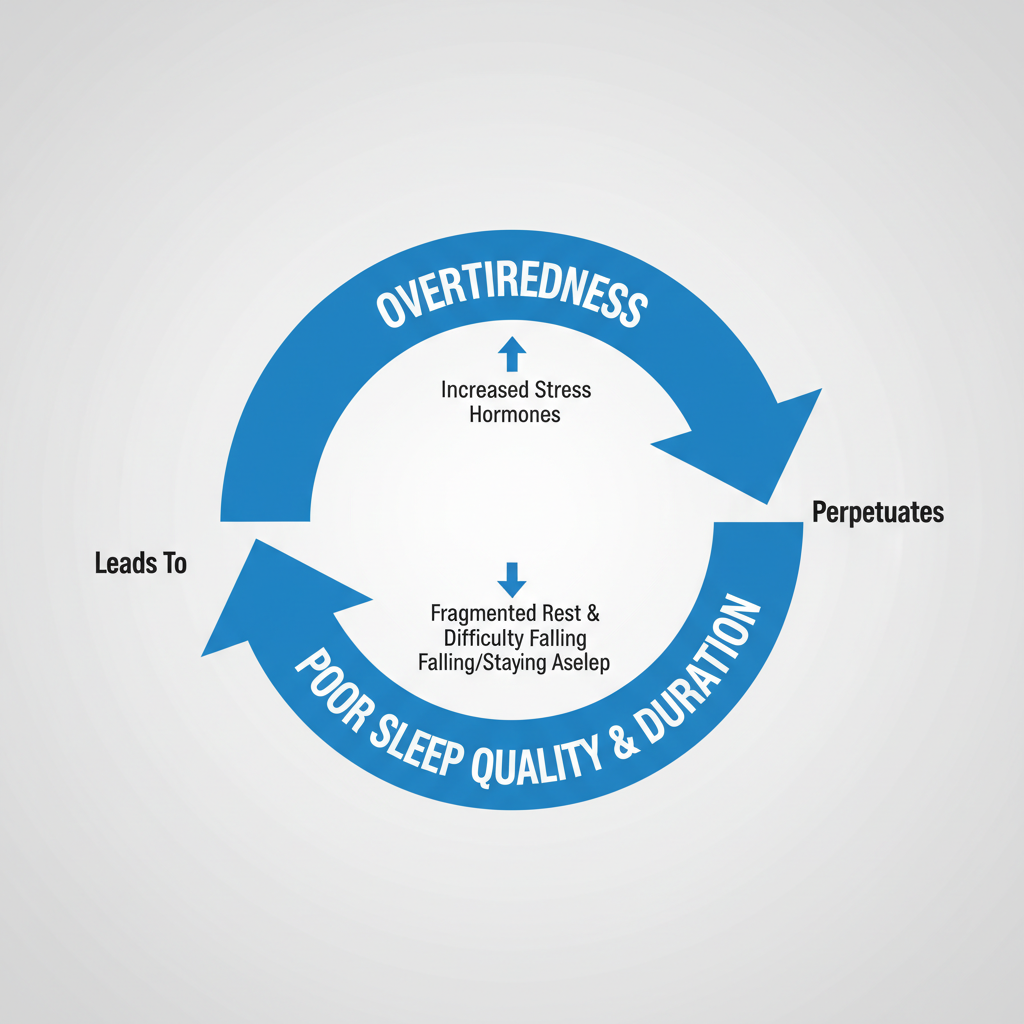
Overtiredness creates a challenging cycle:
- Baby stays awake too long.
- Stress hormones increase, making it hard to fall asleep.
- Baby eventually falls asleep, but sleep is often restless and short-lived.
- Due to poor sleep, the baby wakes up still tired.
- The cycle repeats, often leading to more overtiredness the next day.
Breaking this cycle is essential for improving your baby’s sleep and your family’s overall well-being.
Strategies for Preventing Overtiredness
The good news is that overtiredness is largely preventable. By being proactive and attentive, you can help your baby catch those sleep waves before they crash.
Observe Your Baby’s Unique Sleep Cues

While wake windows provide a framework, your baby’s individual cues are the most important indicator. Learn to recognize their early signs of tiredness:
- Yawning: The classic sign.
- Rubbing eyes or ears: Self-soothing attempts.
- Gazing off into space: Reduced engagement.
- Fussiness or mild crying: Early irritability.
- Red eyebrows or eyelids: A subtle physical change.
- Losing interest in toys or people: Less interactive.
When you see these cues, it’s time to start the winding-down process, even if the wake window isn’t quite over. Don’t wait for the late signs like crying or hyperactivity.
Create a Consistent Sleep Routine

Babies thrive on predictability. A consistent routine signals to their brain and body that sleep is coming. This is especially true for bedtime, but a mini-routine before naps can also be very effective.
- Bedtime Routine Example: Warm bath, gentle massage, quiet story or lullaby, feeding, then into the crib. Keep it short (20-30 minutes) and calming.
- Nap Routine Example: Change diaper, read a short book or sing a song, then into the crib.
The key is consistency—doing the same things in the same order every time.
Optimize the Sleep Environment

A conducive sleep environment is crucial for helping your baby fall asleep and stay asleep. Aim for a space that is:
- Dark: Use blackout curtains to block out light, especially for naps and early morning. Darkness promotes melatonin production.
- Quiet: Use a white noise machine to mask household sounds and create a consistent background hum.
- Cool: The ideal room temperature for sleep is typically between 68-72°F (20-22°C).
- Safe: Always follow safe sleep guidelines—bare crib, firm mattress, no loose blankets or bumpers.
Naptime Nitty-Gritty

Naps are not just mini-breaks for parents; they are vital for your baby’s development, mood, and ability to sleep well at night. Good naps contribute significantly to preventing overtiredness.
The Importance of Consistent Naps

Regular, restorative naps help regulate your baby’s internal clock and prevent the build-up of sleep debt. Skipping naps or having very short, inconsistent naps can lead to a chronically overtired baby, impacting both day and night sleep.
- Cognitive development: Naps support learning and memory consolidation.
- Emotional regulation: Well-napped babies are generally happier and less prone to meltdowns.
- Night sleep quality: Good naps often lead to better, longer stretches of night sleep.
Troubleshooting Nap Challenges

Naps can be tricky! If your baby is struggling with naps, consider these common issues:
- Too short naps (‘catnapping’): This might indicate overtiredness (they can’t connect sleep cycles) or undertiredness (they aren’t tired enough). Review wake windows and sleep cues.
- Nap resistance: Are they protesting naps? Check their wake window timing. Ensure their sleep environment is dark and quiet.
- Nap transitions: As babies grow, the number of naps decreases. This can be a bumpy process. Be patient and flexible during these transition periods (e.g., 3 to 2 naps, 2 to 1 nap).
Night Sleep Success

While naps are important, night sleep is where the magic truly happens for longer stretches of rest. Establishing solid night sleep habits can transform your family’s well-being.
Crafting a Calming Bedtime Routine

A consistent and calming bedtime routine is your best friend for promoting good night sleep. It signals to your baby that it’s time to wind down and prepare for a long stretch of rest. This routine should be distinct from naptime routines and a bit longer.
- Consistency is key: Do the same steps in the same order every night.
- Keep it calm and quiet: Avoid stimulating activities before bed.
- Include a feeding: Often the last step before putting them down.
Night Wakings and Gentle Responses

Night wakings are normal, especially in the early months. Babies wake for various reasons—hunger, discomfort, or needing reassurance. Your response sets the tone.
- Pause before intervening: Sometimes babies stir and resettle themselves. Give them a moment.
- Keep interactions minimal: If you need to feed or change, keep lights dim, voices low, and avoid stimulating play.
- Address genuine needs: If they are hungry or uncomfortable, respond to their needs.
- Consider independent sleep skills: As they get older, gentle methods can help them learn to fall back asleep on their own.
Common Sleep Challenges and Solutions

Even with the best intentions, sleep can throw curveballs. Here’s how to navigate some common challenges.
Navigating Sleep Regressions

Just when you think you’ve got sleep figured out, a sleep regression hits. These are periods (often around 4 months, 8-10 months, 12 months, and 18 months) where a baby’s sleep suddenly worsens. They are typically linked to developmental leaps.
- Stay consistent: Stick to your routines as much as possible.
- Offer comfort: Provide extra reassurance without creating new sleep associations.
- Be patient: Regressions are temporary. They usually pass within a few weeks.
Teething and Sleep Disruptions

Teething pain can definitely interrupt sleep. Signs include increased drooling, fussiness, chewing on everything, and swollen gums.
- Offer pain relief: Consult your pediatrician for appropriate pain relievers if needed.
- Comfort measures: Teething toys, cold washcloths, or gentle gum massage can help.
- Maintain routines: Try to keep sleep routines consistent despite the discomfort.
Illness and Sleep

When your baby is sick, sleep will undoubtedly be affected. Prioritize comfort and recovery.
- Provide extra comfort: More cuddles and gentle care.
- Adjust expectations: It’s okay if routines go out the window temporarily.
- Focus on hydration and recovery: Follow your doctor’s advice.
- Ease back into routines: Once your baby is feeling better, gradually reintroduce your consistent sleep schedule.
When to Seek Professional Help

While this guide provides a wealth of information, sometimes you need extra support. Don’t hesitate to reach out to a professional if:
- You suspect an underlying medical condition affecting sleep (e.g., sleep apnea, reflux).
- Your baby’s sleep challenges are severely impacting their or your family’s health and well-being.
- You’ve tried various strategies consistently for several weeks without improvement.
- You feel completely overwhelmed and need personalized guidance.
A pediatrician or a certified sleep consultant can offer tailored advice and support.
A Peaceful Path Forward for Your Family
Navigating baby sleep, wake windows, and overtiredness can feel like a monumental task, but you are not alone. By understanding the basics of baby sleep, paying close attention to wake windows and your baby’s unique cues, and implementing consistent, gentle strategies, you can significantly improve sleep for your little one and yourself.
Remember, every baby is different, and there will be good days and challenging ones. Be patient with yourself and your baby, celebrate the small victories, and trust your instincts. With a little knowledge and a lot of love, you’re well on your way to fostering healthy sleep habits that will benefit your entire family for years to come. You’ve got this, mama and papa!