How to Build a Strong Family Culture With Simple Daily Habits
How to Build a Strong Family Culture With Simple Daily Habits
As parents, we dream of a home filled with laughter, understanding, and unwavering support. We want our children to grow up feeling secure, valued, and deeply connected to one another. But in the whirlwind of modern life – school schedules, work demands, and endless to-do lists – it’s easy for that dream to feel out of reach.
Building a strong family culture isn’t about grand gestures or expensive vacations. It’s about the small, consistent actions we take every single day. It’s the invisible glue that holds everyone together, providing a sense of belonging, shared values, and mutual respect. This guide will walk you through practical, simple daily habits you can adopt to intentionally cultivate a thriving family culture right in your own home.
Understanding Family Culture- What It Means For Your Home

Think of your family culture as the unique personality of your household. It’s the unspoken rules, shared beliefs, traditions, and ways you interact with each other. It dictates how you handle conflict, celebrate successes, support each other through challenges, and spend your time together.
A strong family culture provides a powerful foundation for children’s development. It fosters:
- Security and Belonging: Knowing they are loved and have a safe place to return to.
- Identity: Understanding who they are within the family unit and how they contribute.
- Resilience: A collective strength to face life’s ups and downs.
- Shared Values: A moral compass guided by family principles.
- Strong Relationships: Deep bonds that last a lifetime.
It’s not something that just happens; it’s something you actively, lovingly, and consistently build.
The Power of Daily Rituals- Why Consistency Matters
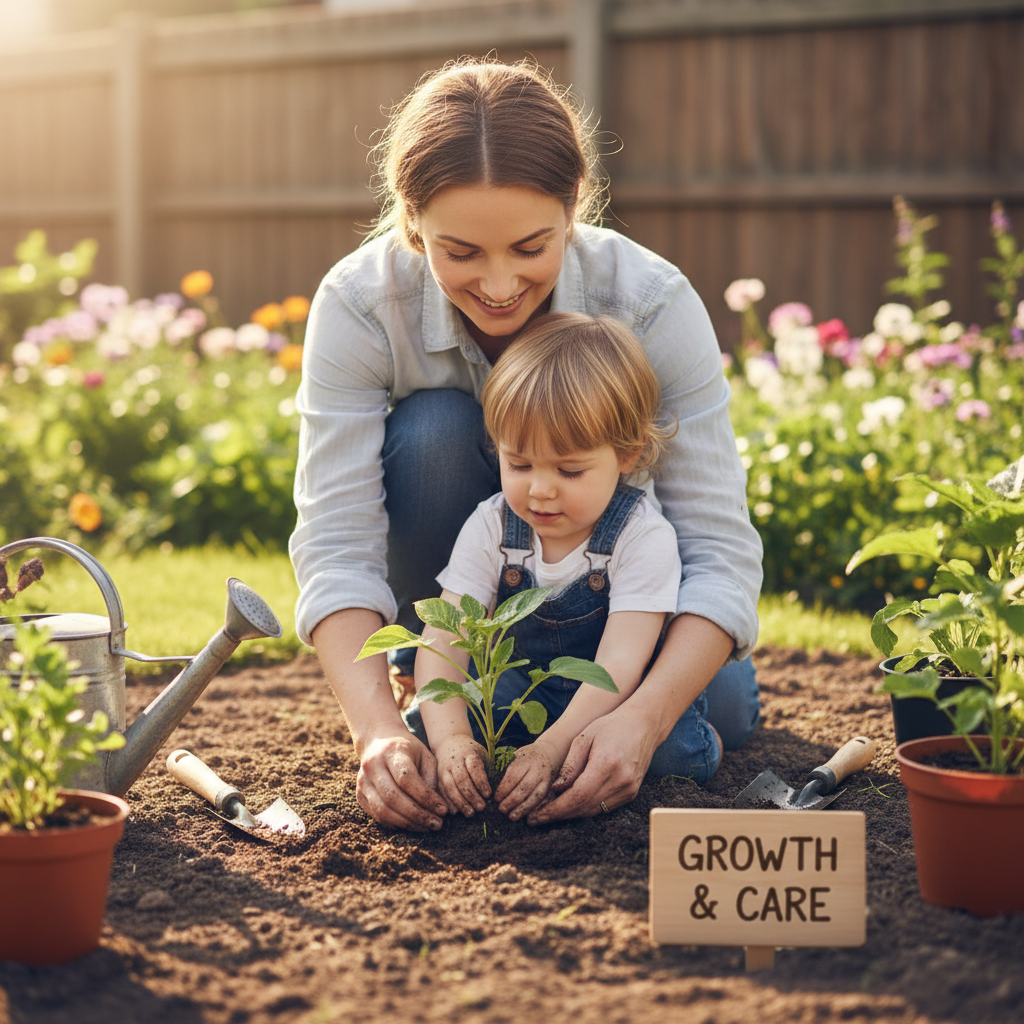
The beauty of daily habits lies in their cumulative effect. Like tiny drops of water shaping a stone, consistent small actions create profound change over time. Rituals provide predictability, comfort, and a sense of rhythm to family life. They become the anchors in a busy day, signaling moments for connection and reinforcing what truly matters.
Don’t feel overwhelmed by the idea of adding more to your plate. Start small, choose one or two habits, and build from there. The goal is consistency, not perfection.
Habits for Connection- Strengthening Bonds Every Day

These habits are designed to create intentional moments for family members to truly see, hear, and appreciate each other.
Morning Moments That Matter

- The Wake-Up Hug: A simple hug before anyone’s feet even hit the floor can set a positive tone.
- Shared Breakfast: Even if it’s just 10 minutes, sitting together without screens to eat and chat about the day ahead. Ask open-ended questions like, “What’s one thing you’re looking forward to today?”
- Positive Send-Offs: A specific goodbye ritual – a special handshake, a phrase, or a kiss and a hug – tells each family member they are loved and wished well for their day.
Mealtime Magic- More Than Just Food

Family meals are often cited as one of the most powerful predictors of child well-being. They offer a natural, screen-free opportunity for connection.
- Designated Dinner Time: Try to have dinner together most nights. If evenings are hectic, aim for breakfast or even a weekend lunch.
- Conversation Starters: Keep a jar of questions on the table (e.g., “What made you laugh today?” “If you could have any superpower, what would it be?”).
- No Screens Allowed: Make meal times a sacred space for face-to-face interaction.
- Involve Everyone: Assign small tasks to children, from setting the table to helping with food prep.
Evening Routines for Calm and Closeness

The end of the day can be a time for winding down and reconnecting before sleep.
- Bedtime Stories/Reading Together: For younger children, a story; for older children, reading side-by-side.
- High-Low-Hero: Each person shares their “high” (best part of the day), “low” (challenging part), and “hero” (someone who helped them or they admired). This builds empathy and communication.
- Tuck-in Talks: A few quiet minutes with each child to talk, listen, and offer a final hug and words of affirmation.
Cultivating Shared Values- Living Your Family’s Core Beliefs

Family values are the guiding principles that shape your decisions and actions. When everyone understands and strives to live by these values, it creates a strong, cohesive culture.
Identifying Your Family’s Core Values
This is a wonderful activity to do together, perhaps during a family meeting or over a relaxed weekend. Discuss what truly matters to you as a family.
- Brainstorm: What qualities do you admire? What do you want your family to stand for? (e.g., kindness, honesty, perseverance, creativity, respect, generosity).
- Prioritize: Narrow it down to 3-5 core values that resonate most deeply.
- Define: Talk about what each value looks like in action. For example, what does “kindness” look like in your home?
Everyday Actions That Reflect Values
Once identified, bring your values to life through daily habits.
- Value-Based Conversations: When a situation arises (e.g., a sibling disagreement, a news story), discuss it through the lens of your family values. “How does our value of respect apply here?”
- Modeling Behavior: Parents are the primary role models. Demonstrate the values you wish to instill.
- Family Service Projects: Engage in activities that reflect generosity or community, like volunteering or helping a neighbor.
Communication is Key- Building Openness and Trust

A strong family culture thrives on open, honest communication where everyone feels safe to express themselves.
Active Listening and Empathy
Make it a habit to truly listen when your children speak, without interruption or immediate judgment. Validate their feelings, even if you don’t agree with their perspective.
- Put Down Your Phone: When a child is talking, give them your full attention.
- Reflect Feelings: “It sounds like you’re feeling really frustrated right now.”
- Ask Open-Ended Questions: Encourage them to elaborate rather than just giving yes/no answers.
Family Meetings and Check-ins
Regular, structured conversations can prevent small issues from becoming big problems and ensure everyone feels heard.
- Weekly Check-in: Designate a time (e.g., Sunday evening) for a brief family meeting.
- Agenda Items: Discuss schedules for the week, any upcoming challenges, celebrate successes, and address any concerns.
- Problem-Solving Together: Empower children to contribute to solutions for family challenges.
Flexibility and Fun- Adapting and Enjoying the Journey

While consistency is important, family life is rarely perfect. Be flexible, adapt when routines need to change, and remember to infuse plenty of joy and spontaneity.
- Scheduled Fun Time: Dedicate specific time for family fun, whether it’s a weekly game night, a hike, or movie night.
- Spontaneous Adventures: Embrace impromptu dance parties, fort-building, or a sudden trip to the park.
- Learn to Laugh: Don’t take everything too seriously. Laughter is a powerful bonding agent.
- Review and Adjust: Periodically check in on your habits. Are they working? Do they need tweaking?
Overcoming Challenges- When Habits Hit Hurdles

It’s completely normal for habits to waver. Don’t get discouraged if you miss a day or a week. Parenting is a marathon, not a sprint.
- Be Gentle With Yourself: There’s no such thing as a perfect parent or a perfect family.
- Communicate: If a habit isn’t working, talk about it as a family. Maybe it needs to be adjusted or replaced.
- Restart: Simply pick up where you left off. Every day is a new opportunity to build.
- Focus on Progress, Not Perfection: Celebrate the small wins and the effort everyone puts in.
Building a strong family culture is an ongoing journey of love, intention, and consistent effort. It’s about creating a home where everyone feels seen, heard, and cherished, and where shared values guide your path.
Conclusion

Remember, your family culture is uniquely yours. There’s no one-size-fits-all approach. Start with the simple daily habits that resonate most with your family, be patient, and celebrate every step of the journey. The consistent effort you put into these small moments will weave together to create a rich tapestry of connection, resilience, and unconditional love that will serve your family for years to come. Begin today – even one small habit can make a world of difference.